'Not that simple': Why HAL Tejas pilot couldn’t eject before the crash?

As investigations proceed, the critical question of why the pilot did not or could not eject remains unanswered.
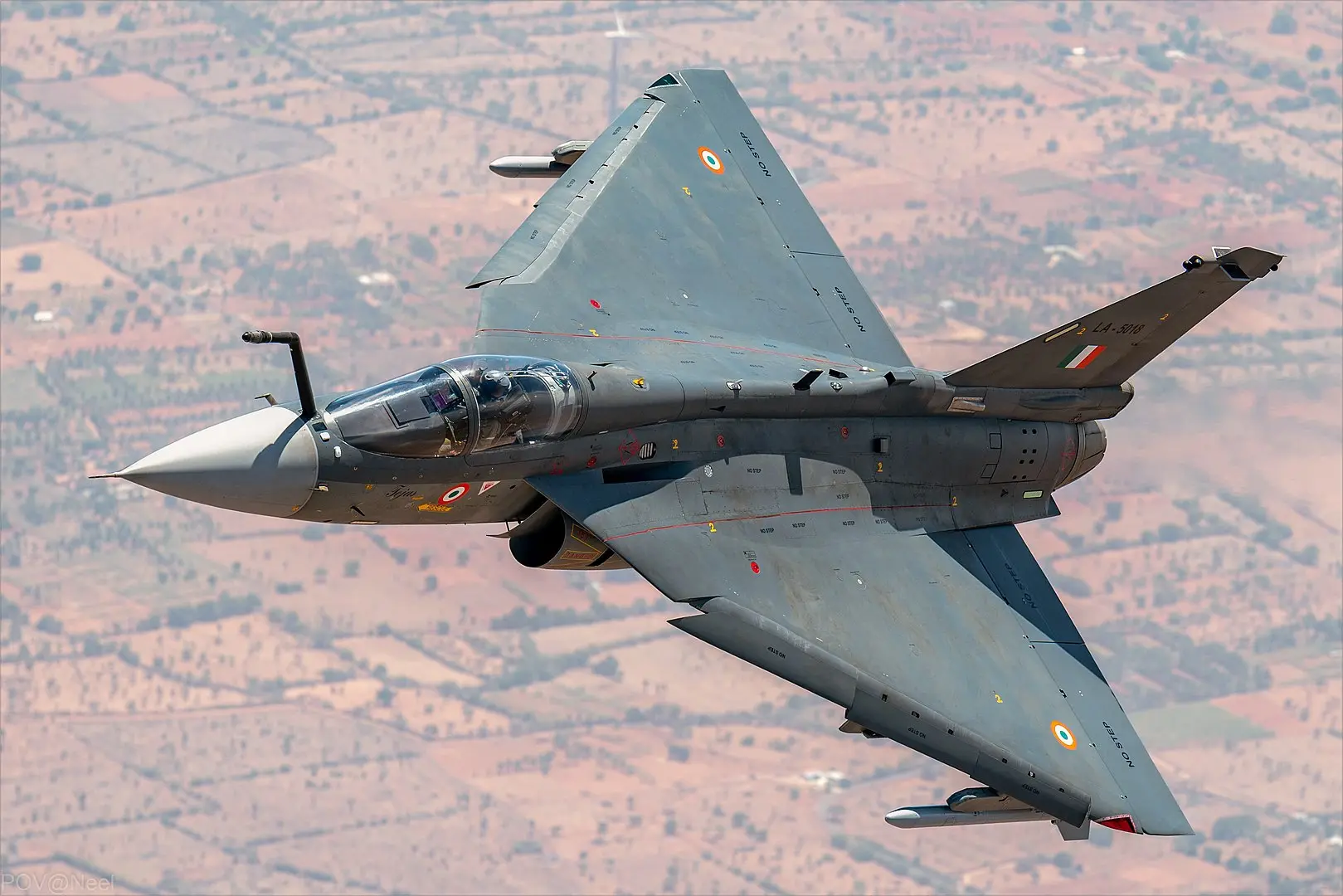
1. Crash circumstances & ejection viability
The jet crashed during an aerobatic display at low altitude, significantly restricting the margin for recovery. According to public records, a court of enquiry has been ordered by the Indian Air Force (IAF). At this stage, no official statement has confirmed whether the ejection seat was activated or whether the pilot attempted ejection.
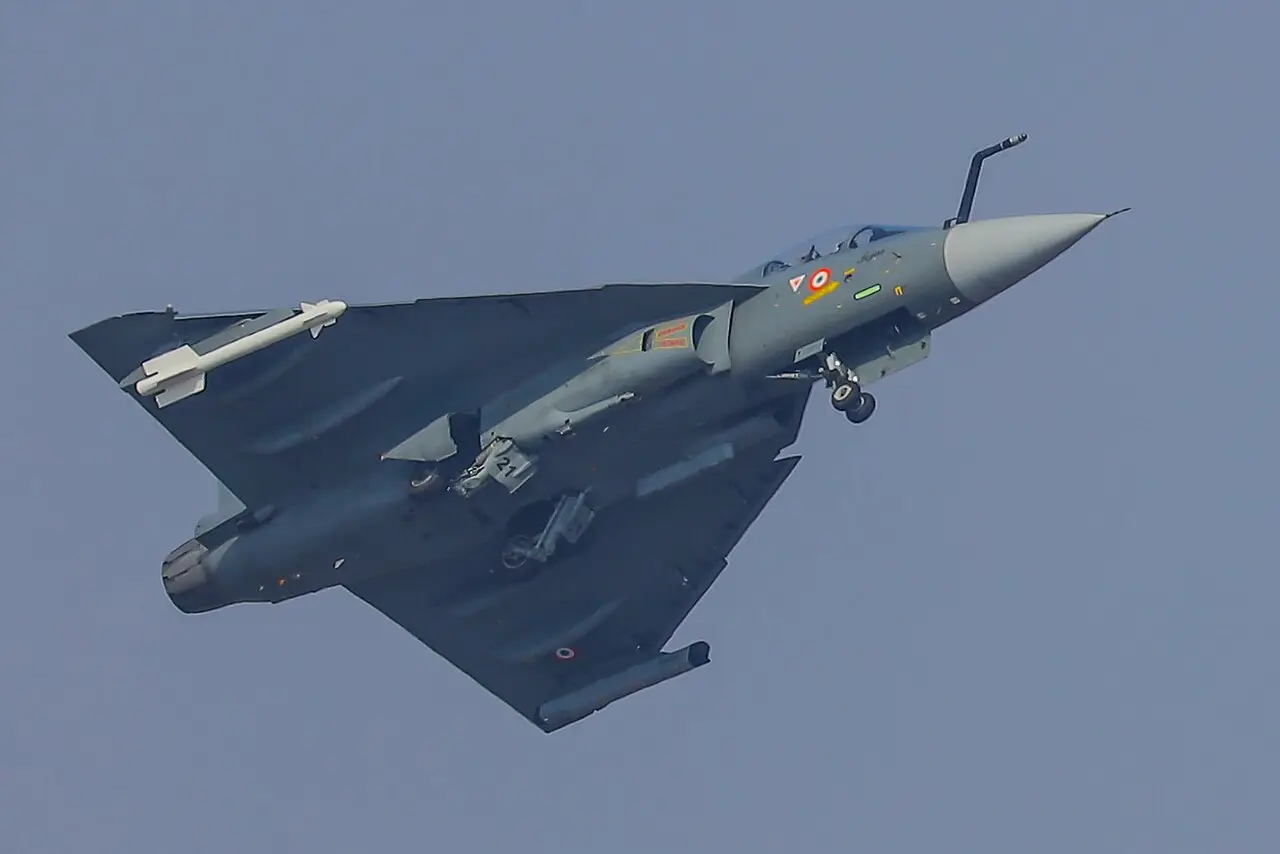
2. Pilot identity & seat system
The pilot was identified as Wing Commander Namansh Syal. The Tejas is equipped with an ejection seat (Martin Baker Mark-16 or equivalent) certified for high-G ejections. However, ejection success depends on a combination of factors: altitude, attitude, airspeed, aircraft integrity and pilot reaction time.
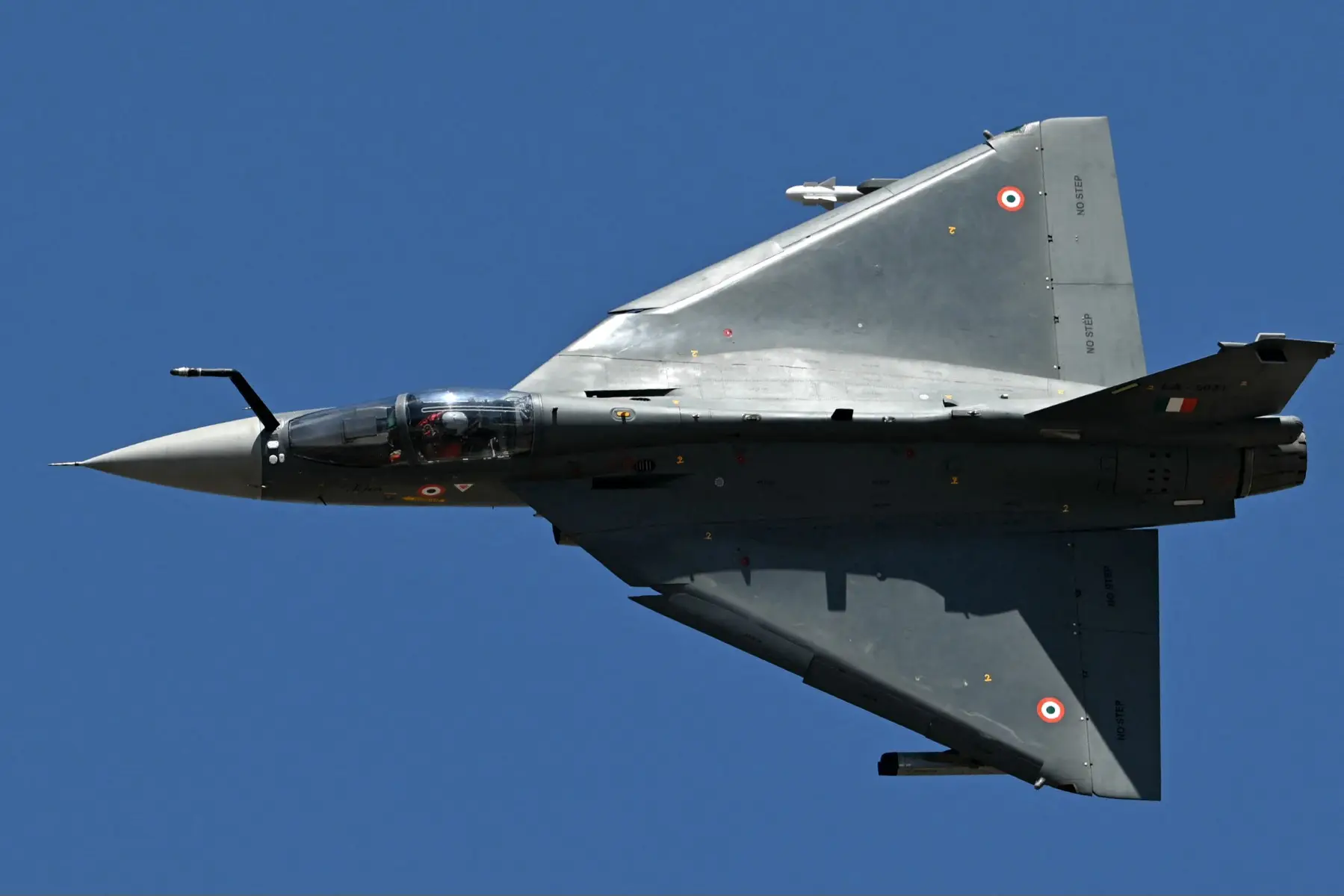
3. Low-altitude manoeuvre increases risk
Demonstration flights often involve rapid rolls, climbs and descents at low height to impress spectators. At low altitude, even if an ejection is triggered, the time and space available may be insufficient for the parachute to deploy and for the pilot to decelerate safely. This may render the ejection system non-viable in such scenarios.
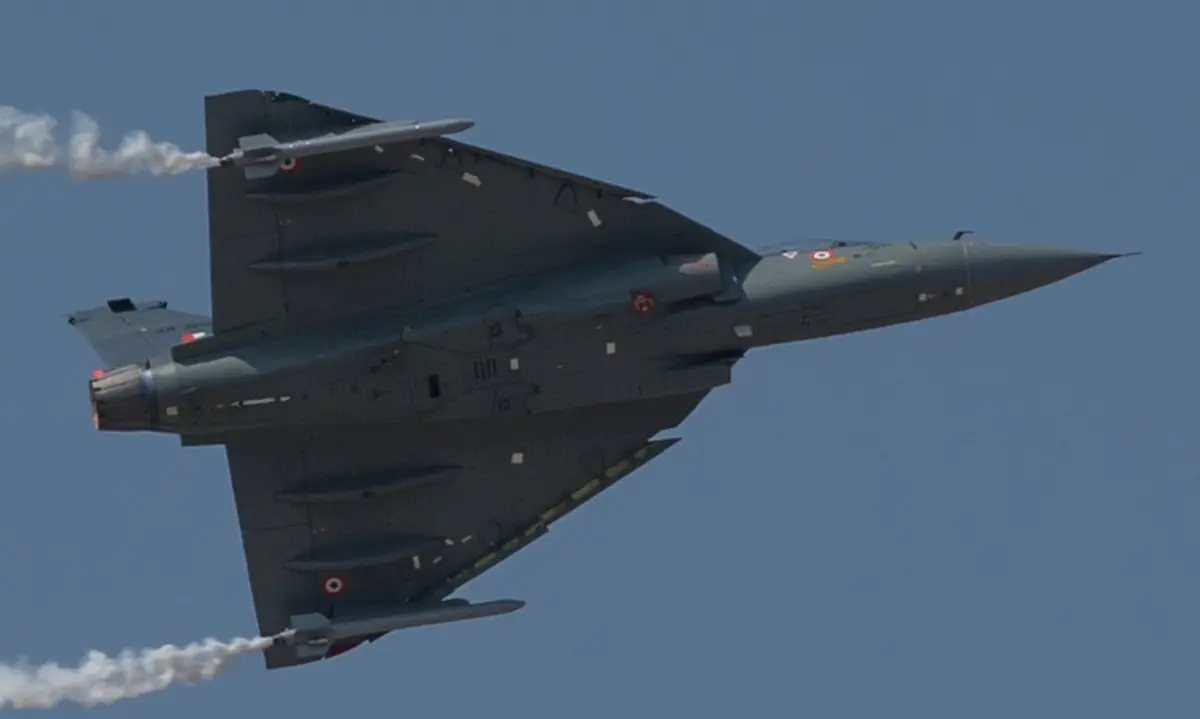
4. Structural failure or sudden upset
A sudden structural failure, engine flameout, or control-system malfunction may prevent the pilot from initiating or completing the ejection sequence. If the aircraft attitude changes rapidly (eg, inverted or nose-down dive), automatic ejection logic may be compromised or pilot may be unable to reach the manual handle. As of now, no official cause for the crash has been released.
5. Aircraft variant & configuration
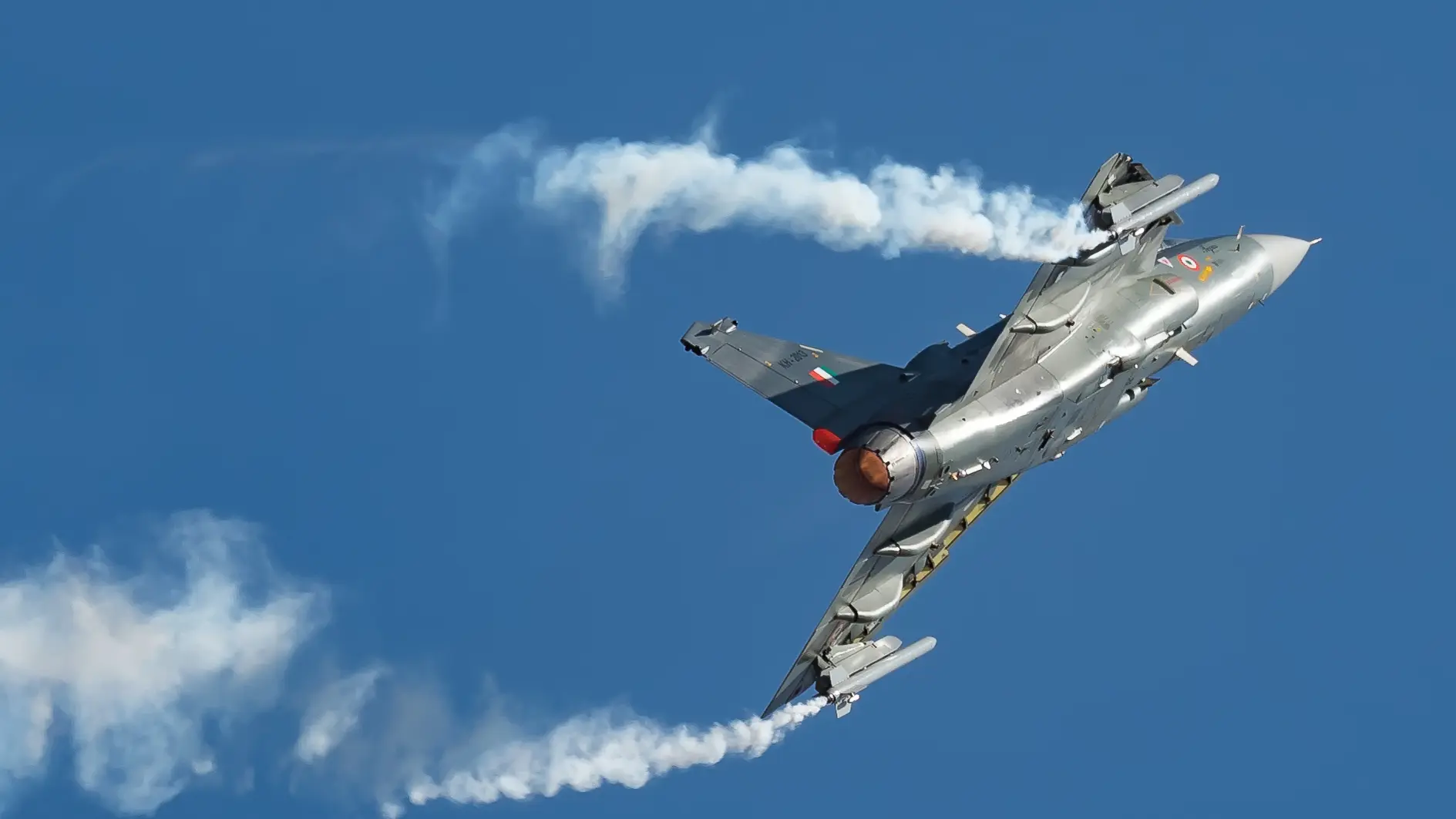
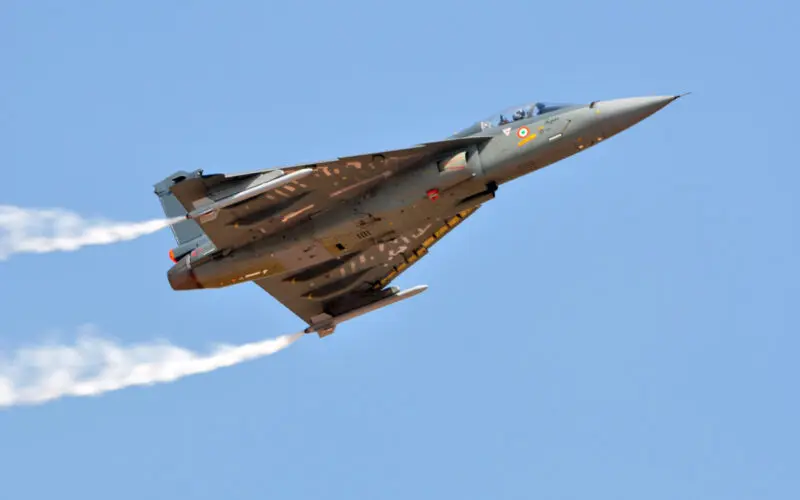
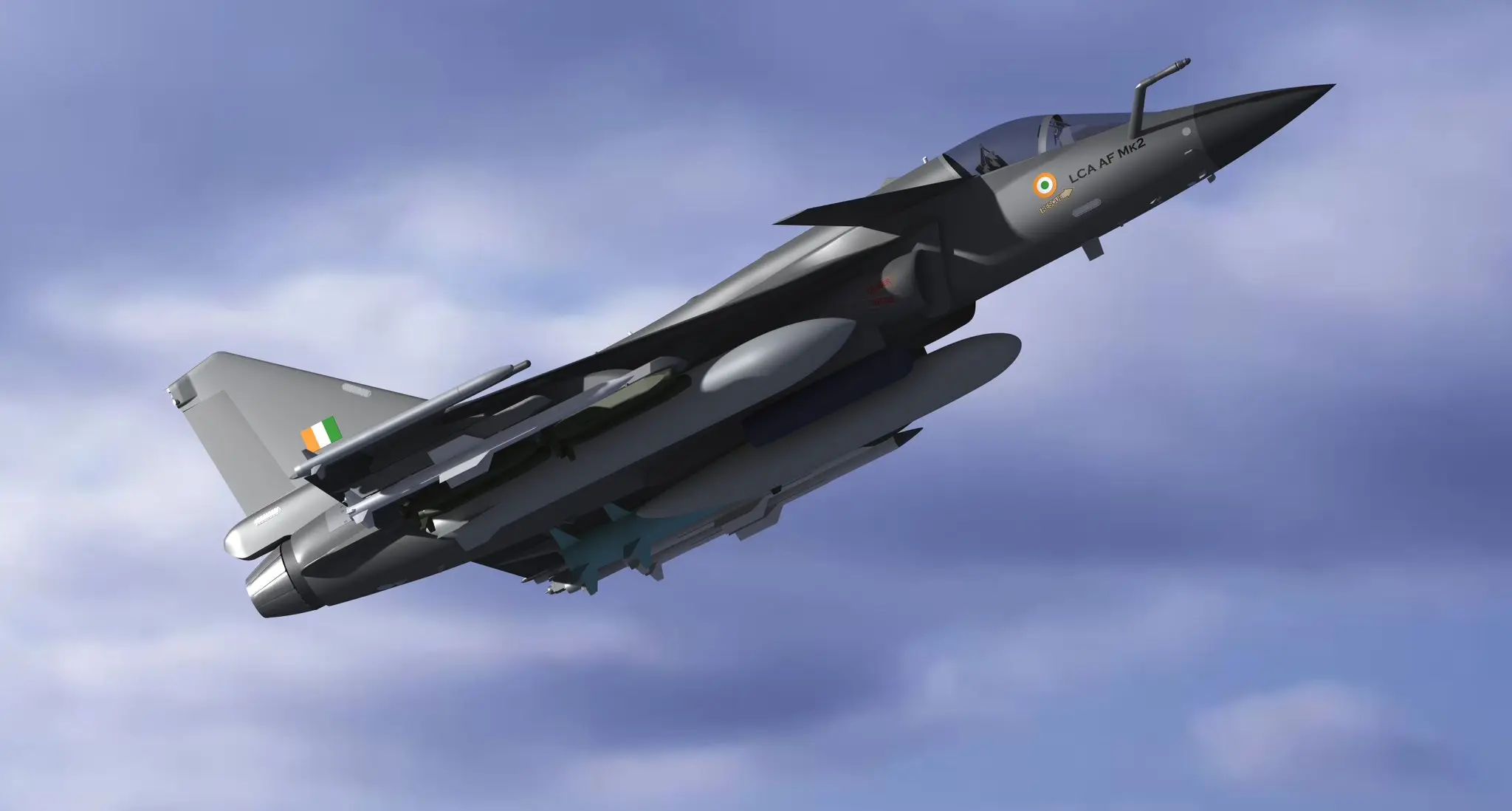
The jet in question was a Tejas Mk 1 (not yet the more advanced Mk 1A or Mk 2), meaning it used the standard production ejection system. There is no public record that this particular aircraft had a special display-modification ejection seat. The seat’s certification envelope and flight test history remain consistent with other Tejas aircraft.
6. Investigation status & what to watch
The IAF/HAL investigation will examine the flight data recorder, cockpit voice recorder (if fitted), ejection-seat pyrotechnics traces, structural wreckage, and maintenance logs. Key indicators will include: whether the ejection handle was pulled, whether the seat fired, physical evidence of seat rocket motors or parachute deployment, and whether altitude/airspeed were within safe ejection limits. No interim report has yet disclosed these findings.
7. Why this matters
Ejection system failures, real or perceived, carry serious implications for pilot safety, aircraft design and international perception of the Tejas programme (especially in export markets). If the crash is shown to result from an ejection-denial scenario (altitude too low, mechanical block), then display-flight protocols and ejection‐envelope guidelines may be revised accordingly.
)
)
)
)
)