Why HAL Tejas Mk2 is considered far superior to Pakistan's J-17 fighter jet?

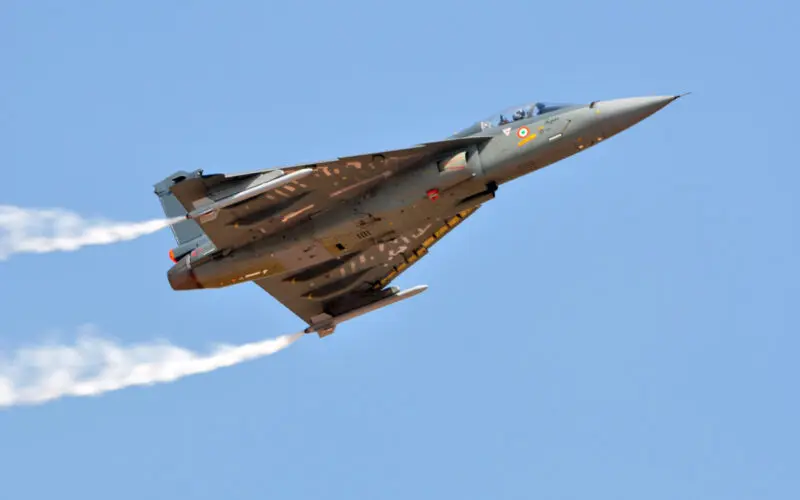
Tejas Mk2 is powered by the General Electric F414 INS6 engine, capable of producing, 98 kN thrust with afterburner, providing higher thrust-to-weight ratio and better supersonic performance.
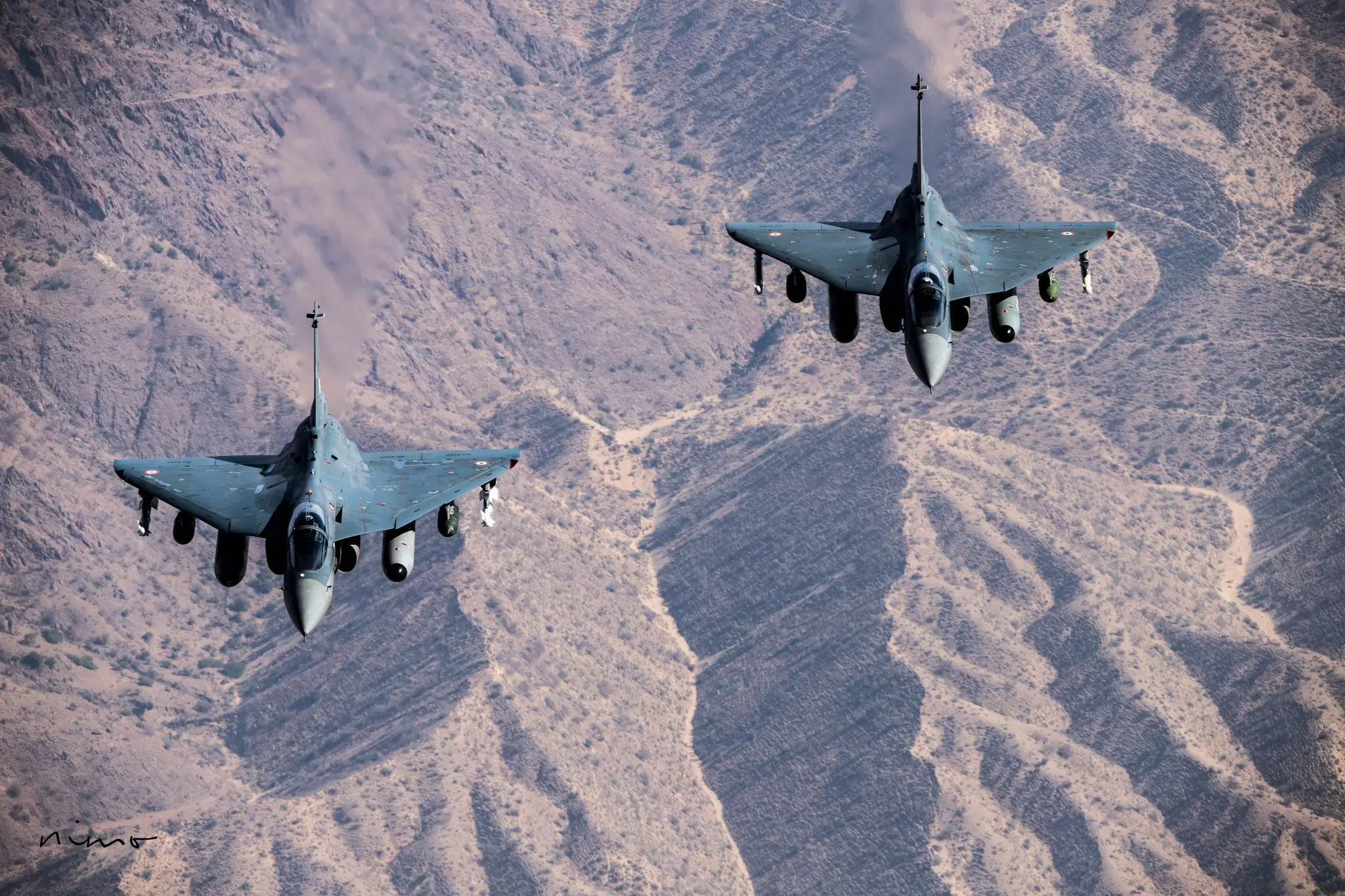
1. Modern Design & Airframe
The HAL Tejas Mk2 is an evolution of India’s indigenous Light Combat Aircraft program, featuring a longer fuselage, larger wing area, and greater fuel capacity compared to Tejas Mk1. This allows it to carry more payload and sustain longer missions. In comparison, the Chengdu JF-17 Thunder (J-17) is a joint Chinese-Pakistani fighter designed as a light multirole aircraft with an airframe based on older design principles from the 1990s.
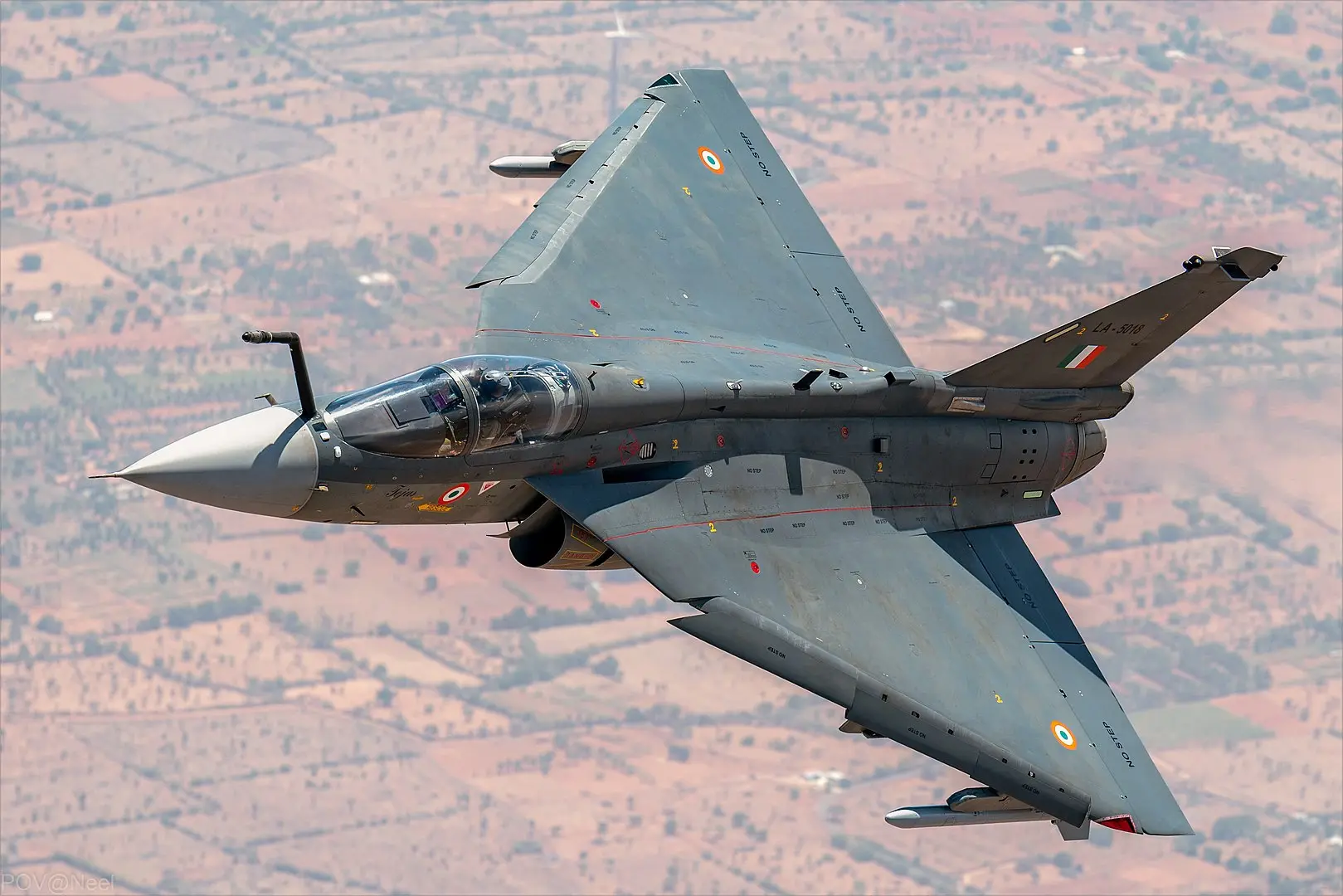
2. Engine Performance
Tejas Mk2 is powered by the General Electric F414 INS6 engine, capable of producing, 98 kN thrust with afterburner, providing higher thrust-to-weight ratio and better supersonic performance. The J-17 uses the Russian RD-93 turbofan, producing roughly 81 kN of thrust, which is less powerful than Tejas Mk2’s engine, limiting acceleration and payload at high altitudes.
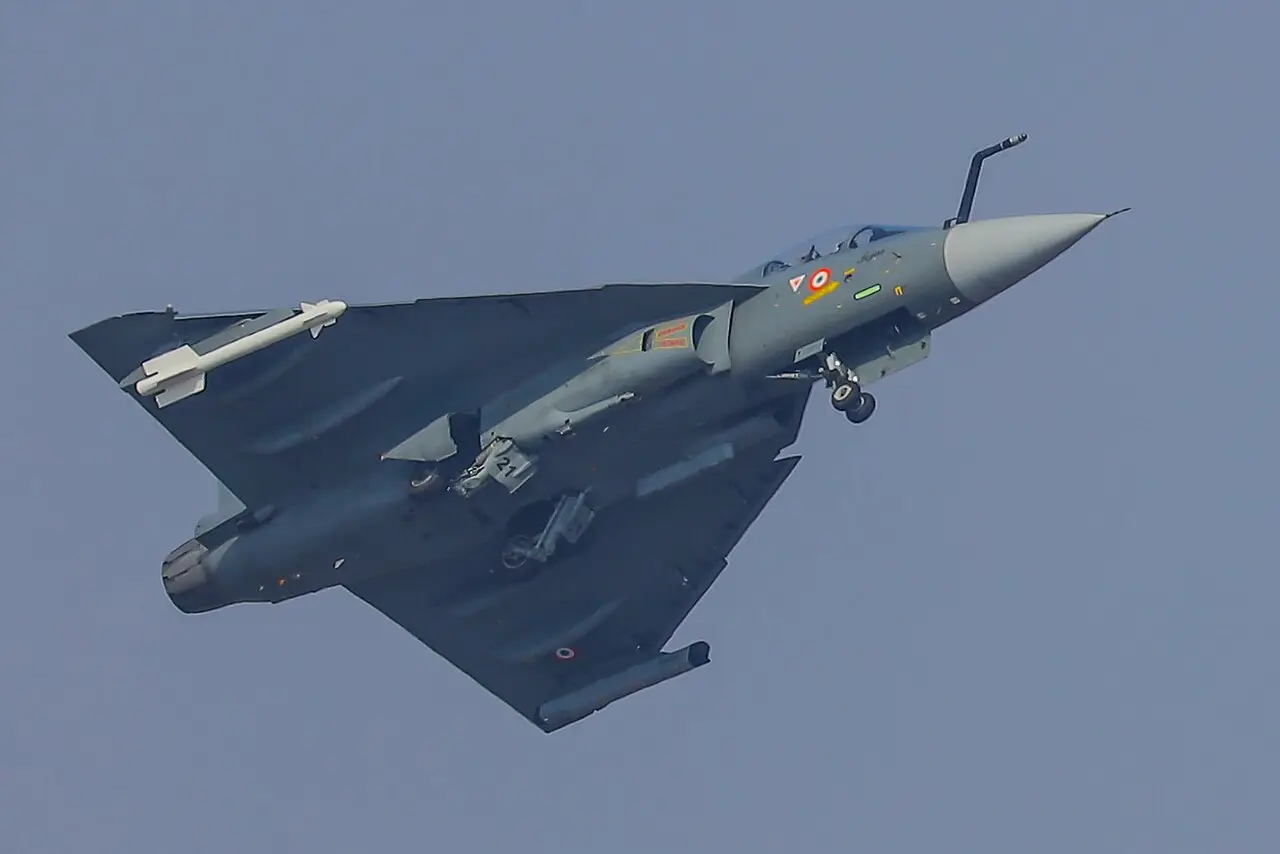
3. Avionics & Sensor Suite
Tejas Mk2 incorporates an advanced AESA radar, modern electronic warfare systems, and an upgraded cockpit with digital displays and helmet-mounted sights. JF-17 Block III has a Chinese-made KLJ-7A radar and updated avionics, but experts suggest Tejas Mk2’s avionics suite is more integrated and geared for network-centric warfare. (janes.com)
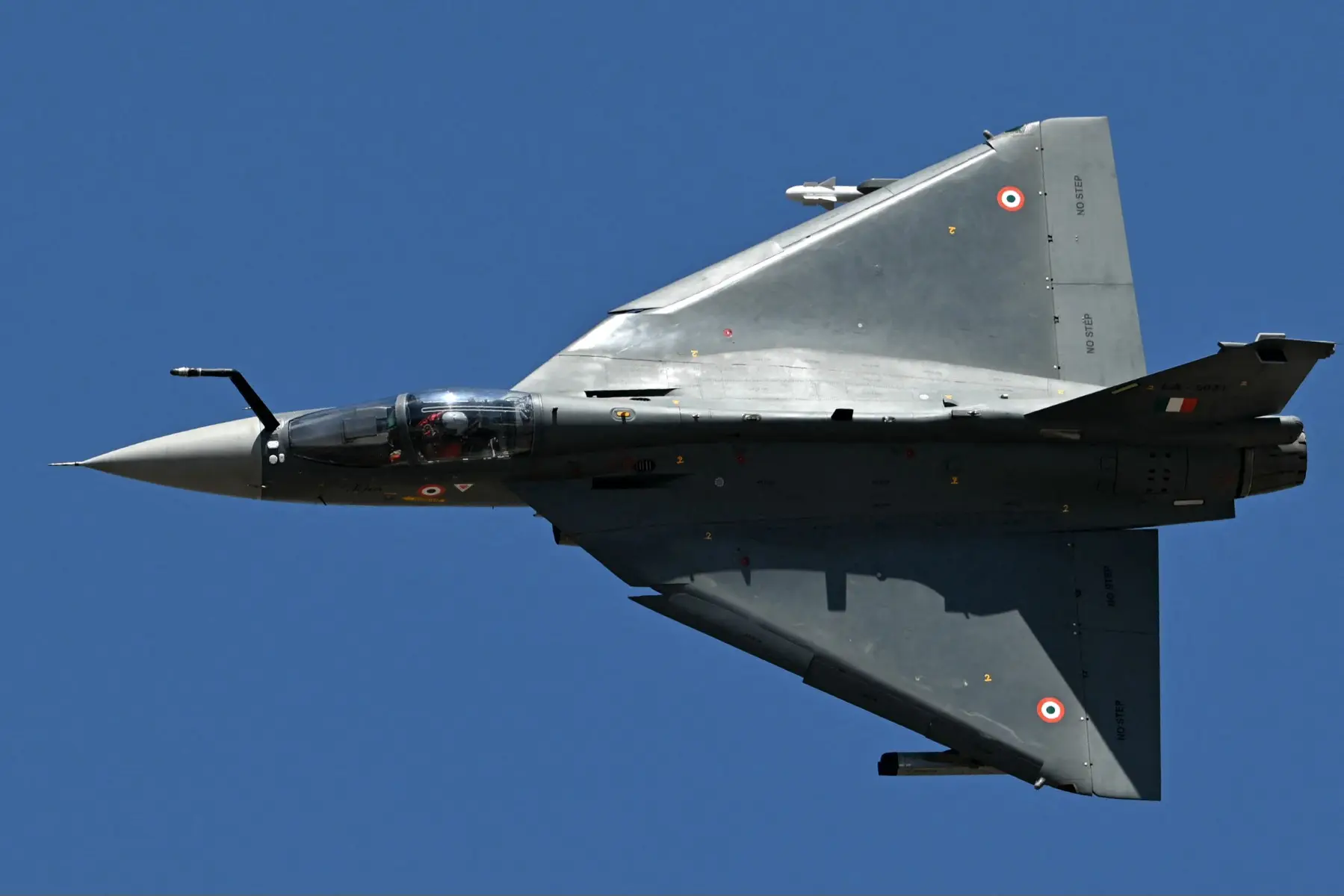
4. Payload & Weaponry
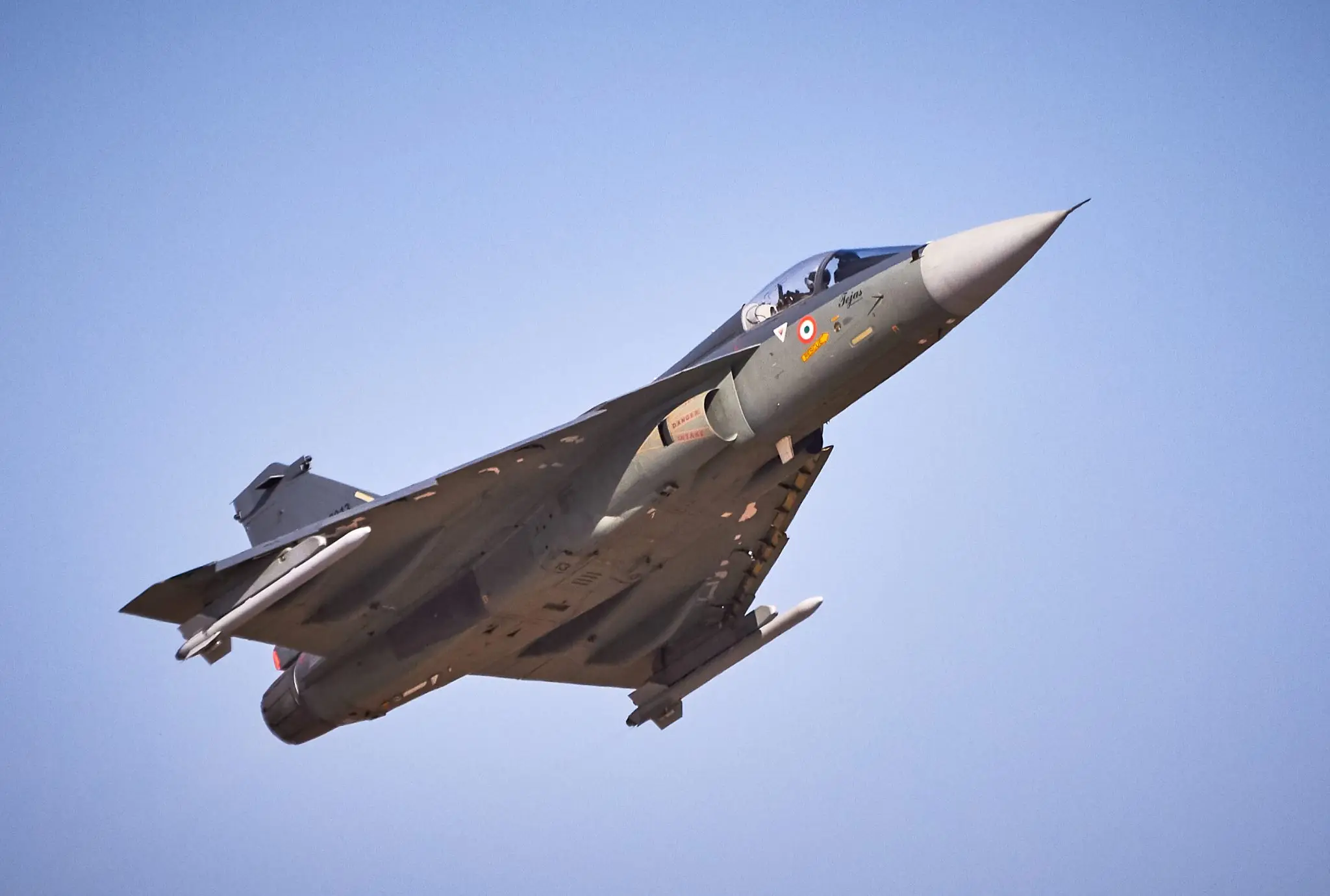
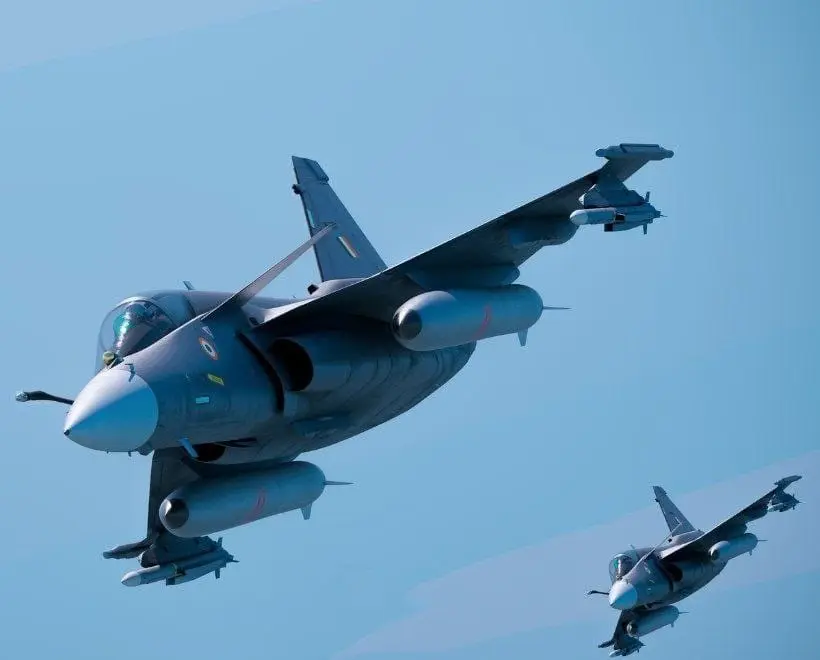
Tejas Mk2 can carry up to 6,500 kg of payload across 11 hardpoints, including air-to-air, air-to-surface, and precision-guided munitions. J-17 carries about 3,800–4,000 kg on 7 hardpoints. This gives Tejas Mk2 a significant advantage in multi-role missions, including strike, interception, and suppression of enemy air defences.
5. Range & Endurance
Tejas Mk2 has a combat radius of 1,350 km and maximum ferry range of 3,000+ km with external tanks. J-17’s combat radius is around 1,350 km as well, but due to smaller payload capacity and less fuel-efficient engines, operational endurance and mission flexibility are more limited.
6. Stealth & Survivability
Tejas Mk2 uses composite materials for 50 per cent of the airframe, reducing radar cross-section and enhancing survivability. J-17 uses conventional materials and design, giving it higher radar detectability in comparison.
7. Indigenous Development & Upgrade Potential
Tejas Mk2 is fully Indian-designed, with scope for future upgrades in engines, weapons integration, and electronic warfare. While J-17 is produced in Pakistan, it remains largely dependent on Chinese technology, which could limit independent upgrades and long-term sustainability.
Summary
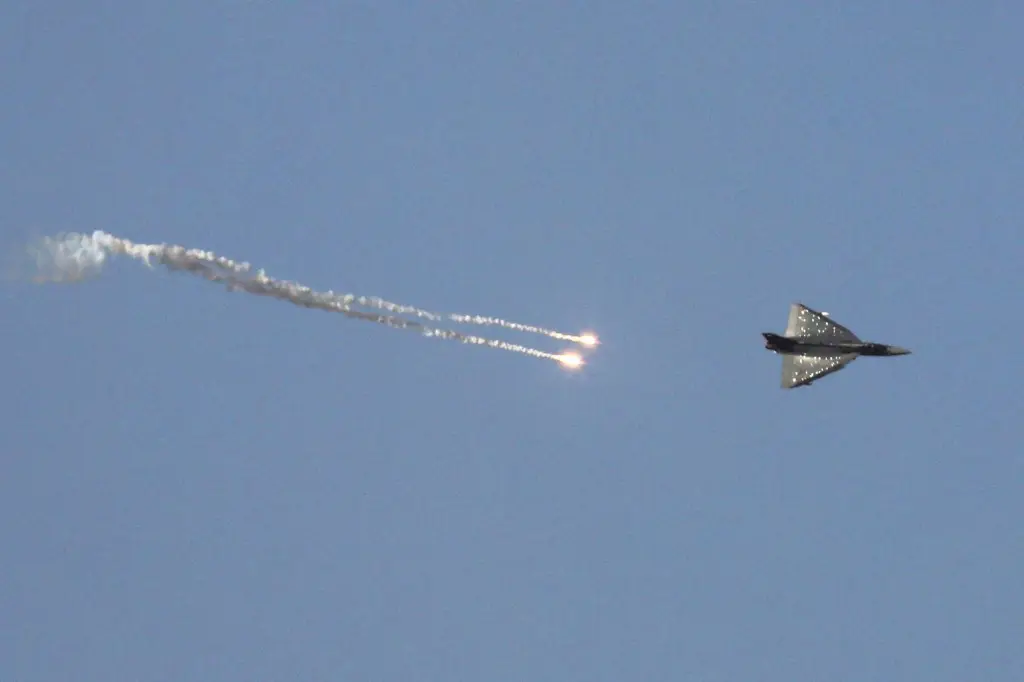
While both aircraft serve as light multirole fighters, Tejas Mk2 outperforms the J-17 in engine power, payload, avionics, stealth features, and indigenous upgrade potential. Its design makes it better suited for modern network-centric air combat scenarios, giving India a qualitative edge over Pakistan in this category of fighter jets.
)
)
)
)
)