Why Greenland was a ‘Silent Ally’ in 1979 but is a ‘National Security Crisis’ for the US in 2026

In 1979, Greenland was a quiet buffer, but in 2026, President Trump’s demand to purchase the island has sparked a global crisis. Citing missile defence and rare earth needs, the US now uses tariffs to pressure Europe, turning the Arctic into a high-stakes security battleground.
The 1979 ‘Silent’ Arrangement
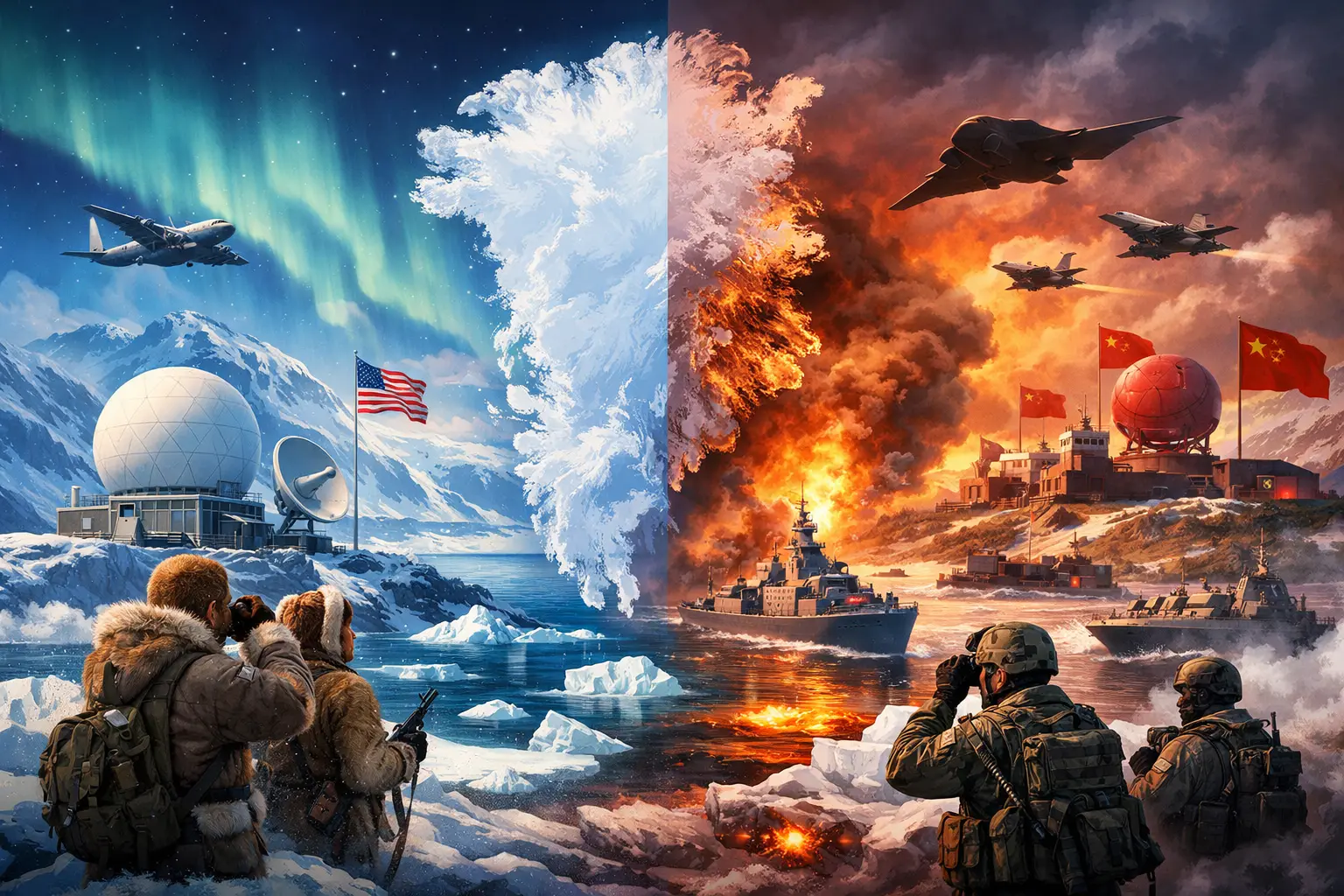
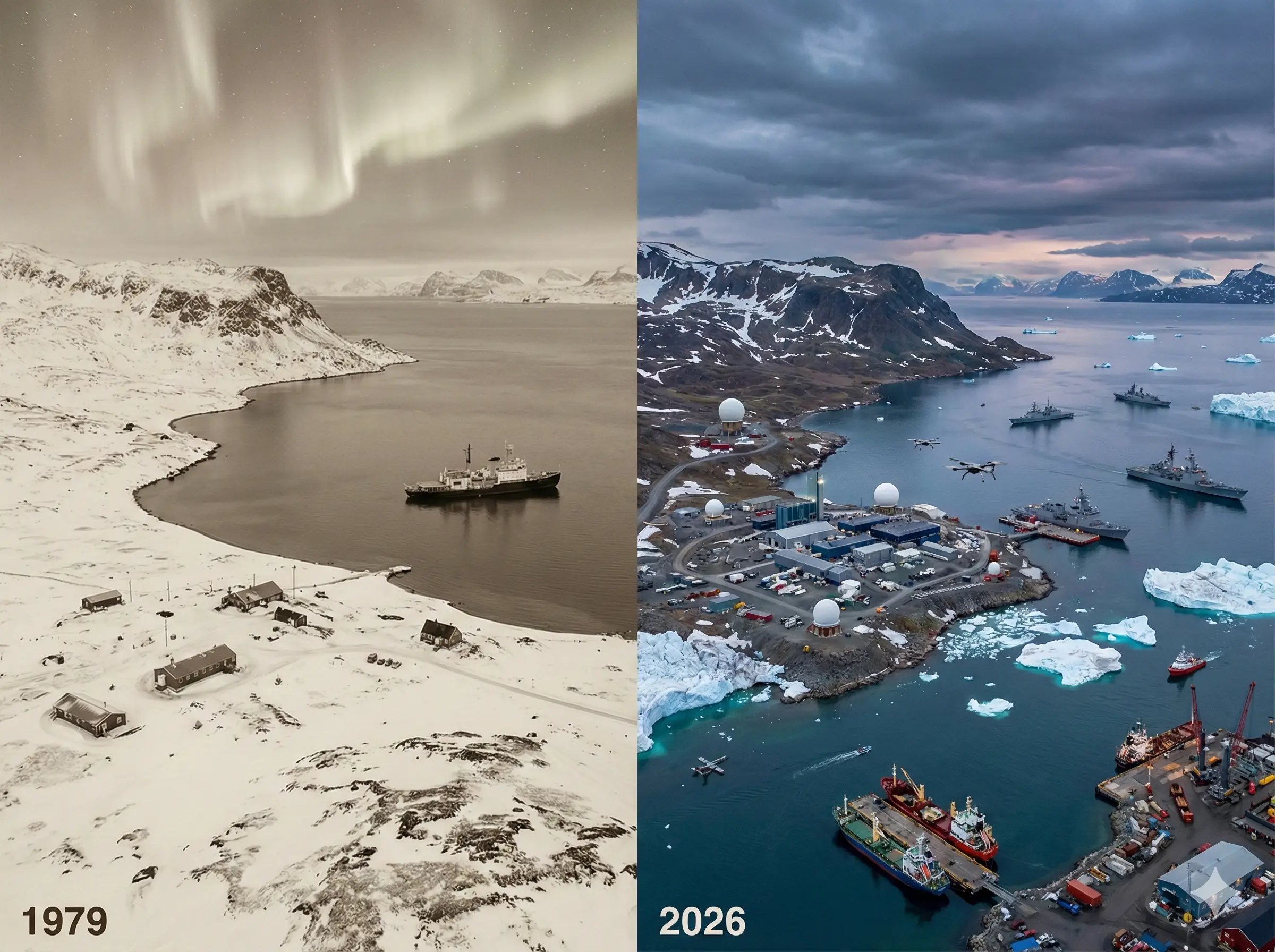
In 1979, Greenland gained Home Rule, allowing it to manage domestic affairs while Denmark handled defence. For Washington, it was a ‘silent ally’, a reliable, static aircraft carrier in the Arctic that required no political intervention. The US enjoyed unrestricted access to its military bases without the complex diplomatic disputes seen today.
The 2026 Purchase Demand
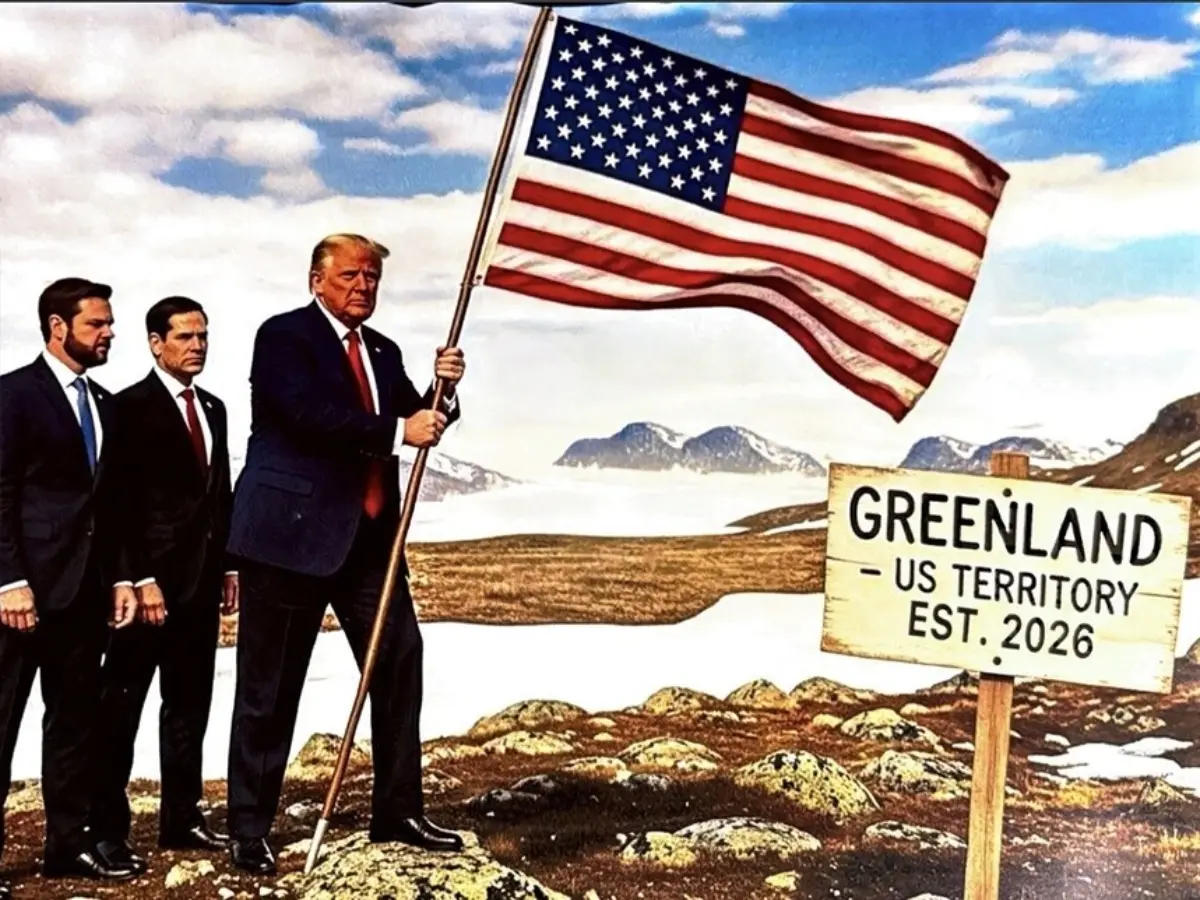
The dynamic shifted dramatically in January 2026 when President Trump formally demanded the ‘complete and total purchase’ of Greenland. Unlike the hypothetical discussions of the past, this is now a concrete US foreign policy objective. The administration argues that owning the territory is the only way to fully secure America’s northern flank.
Tariff Threats on Europe
To force the deal, the US has weaponised trade, threatening a 10 per cent tariff on Denmark and key European allies, rising to 25 per cent by June 2026 if the sale isn't agreed. This aggressive economic coercion has turned a territorial dispute into a transatlantic trade war. It signals that Washington views Greenland as worth fracturing traditional alliances for.
‘The Dome’ Defence System
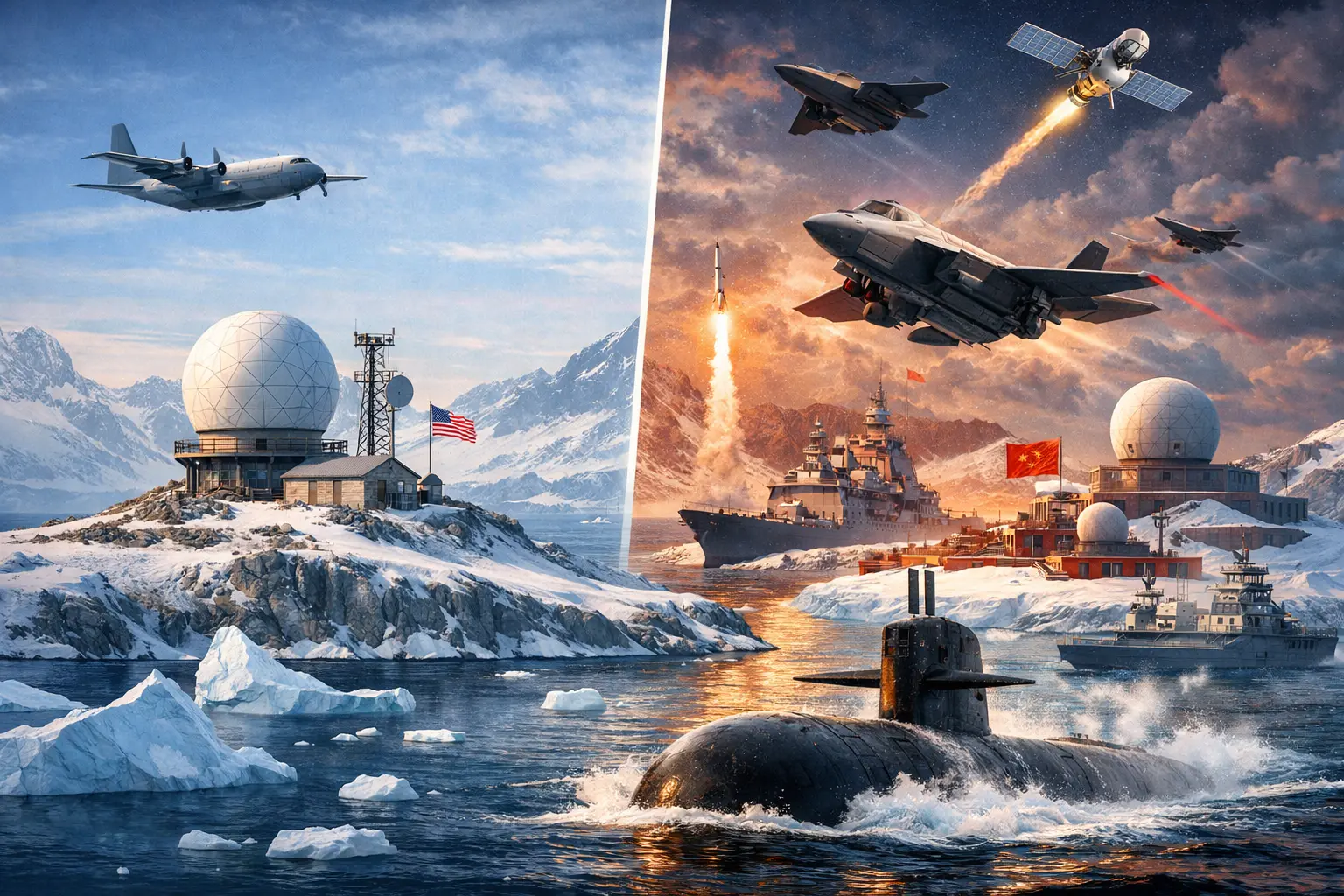
A primary driver for the 2026 push is the planned ‘Golden Dome’ ballistic missile defence system. US military planners argue that full sovereignty over Greenland is essential to position interceptors and radar systems effectively. Without total control, the Pentagon fears bureaucratic delays could compromise this critical shield against hypersonic threats.
The Rare Earth Race
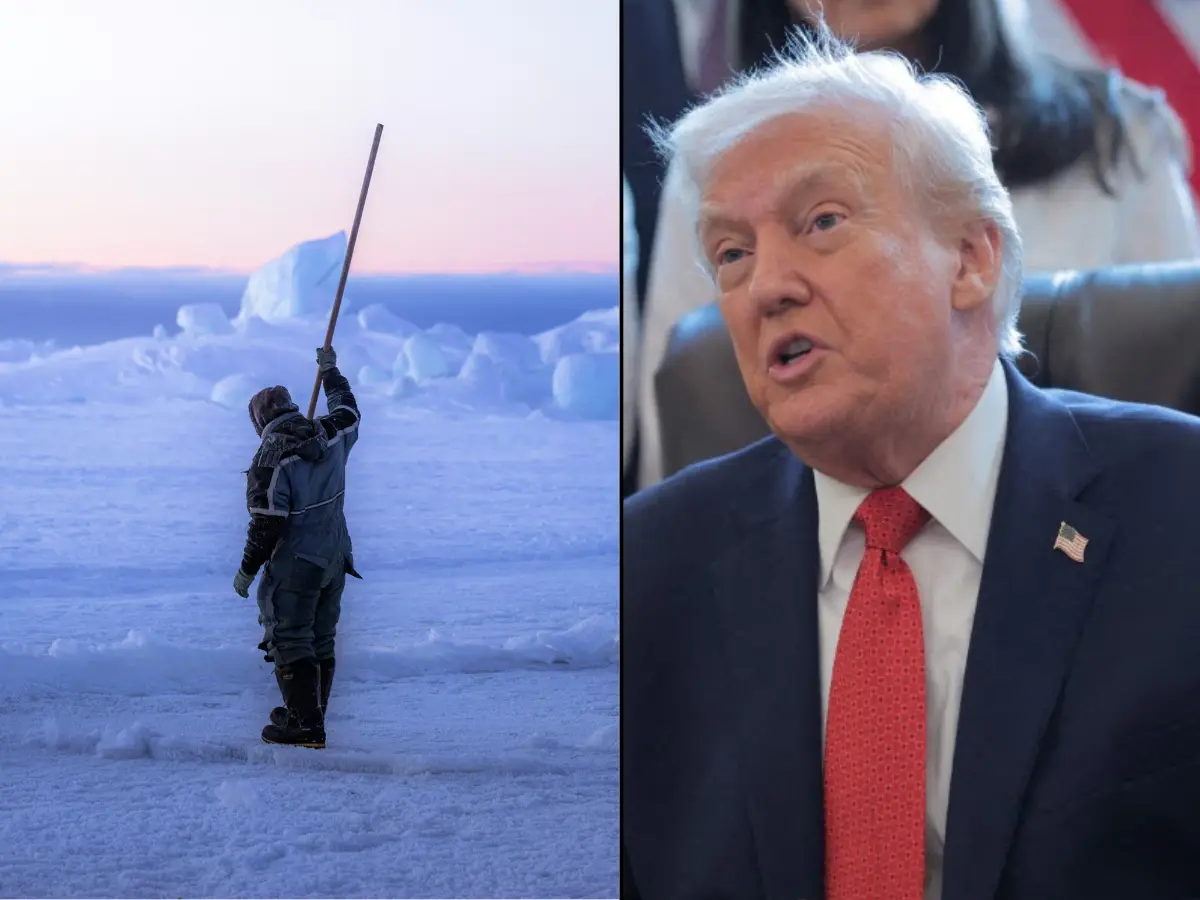
Greenland holds some of the world’s largest undeveloped deposits of rare earth metals, vital for fighter jets and electric vehicles. The US is desperate to break its dependence on Chinese supply chains and views Greenland’s Kvanefjeld and Tanbreez mines as the solution. Ownership would secure these strategic resources exclusively for American industry.

Pituffik’s Strategic Criticality
The Pituffik Space Base (formerly Thule) remains the US military’s northernmost asset, essential for space surveillance and missile warning. In 2026, fears of Russian or Chinese espionage have led the US to demand tighter security than Denmark can allegedly provide. The base is no longer just a listening post; it is the heart of Arctic warfare command.
European & NATO Backlash
The purchase demand has triggered a severe diplomatic crisis, with EU nations deploying troops to Greenland to ‘enhance security’ against US pressure. Allies like Germany and the UK have rejected the move, calling it a violation of sovereignty. This standoff challenges the very cohesion of NATO, pitting the US against its oldest partners.
Greenland’s Firm Denial
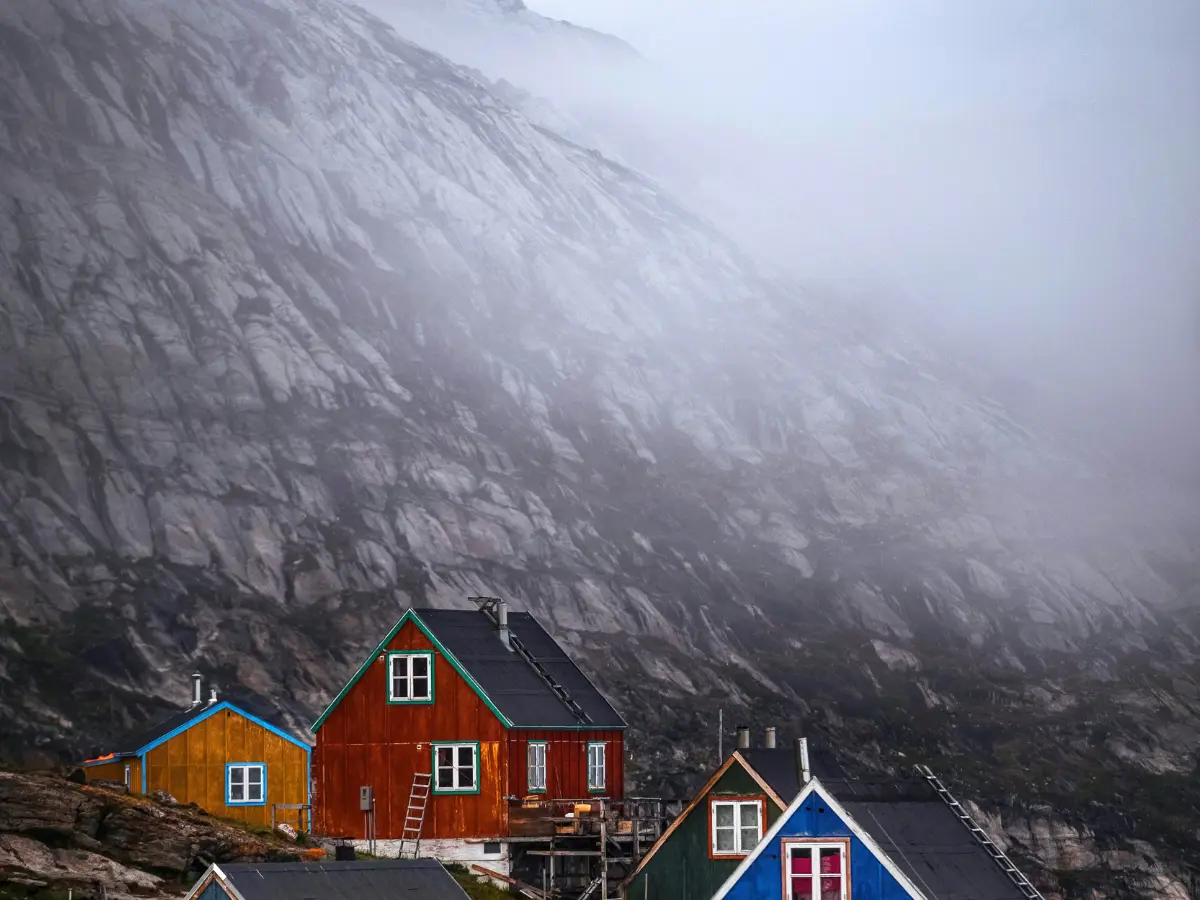
The government in Nuuk has been unequivocal: ‘Greenland is not for sale’. Local leaders and the public have staged protests, rejecting the idea of being traded between powers like colonial assets. They argue their 1979 autonomy grants them the right to self-determination, not to be bought for US national security interests.
The China & Russia Pretext
Washington justifies its aggressive stance by citing the ‘Near-Arctic’ ambitions of China and the military expansion of Russia. The US claims that if it does not acquire Greenland, adversaries will eventually gain a foothold there through debt or infrastructure deals. This fear of ‘access denial’ drives the urgency of the 2026 policy.
A National Security Crisis
What was once a stable relationship has morphed into a national security crisis for the US. The administration believes that without ownership, Greenland remains a vulnerability in America’s defence architecture. In 2026, the island is no longer seen as a partner, but as a must-have fortress that must be secured at any cost.
)
)

)
)