Why Greenland Is Geologically the Most Valuable Place on Earth

Greenland is the most talked-about place on Earth right now. What makes this island special? It is a geologically rich region and has resources that will prove important for the future. Here is what geologists think of Greenland.
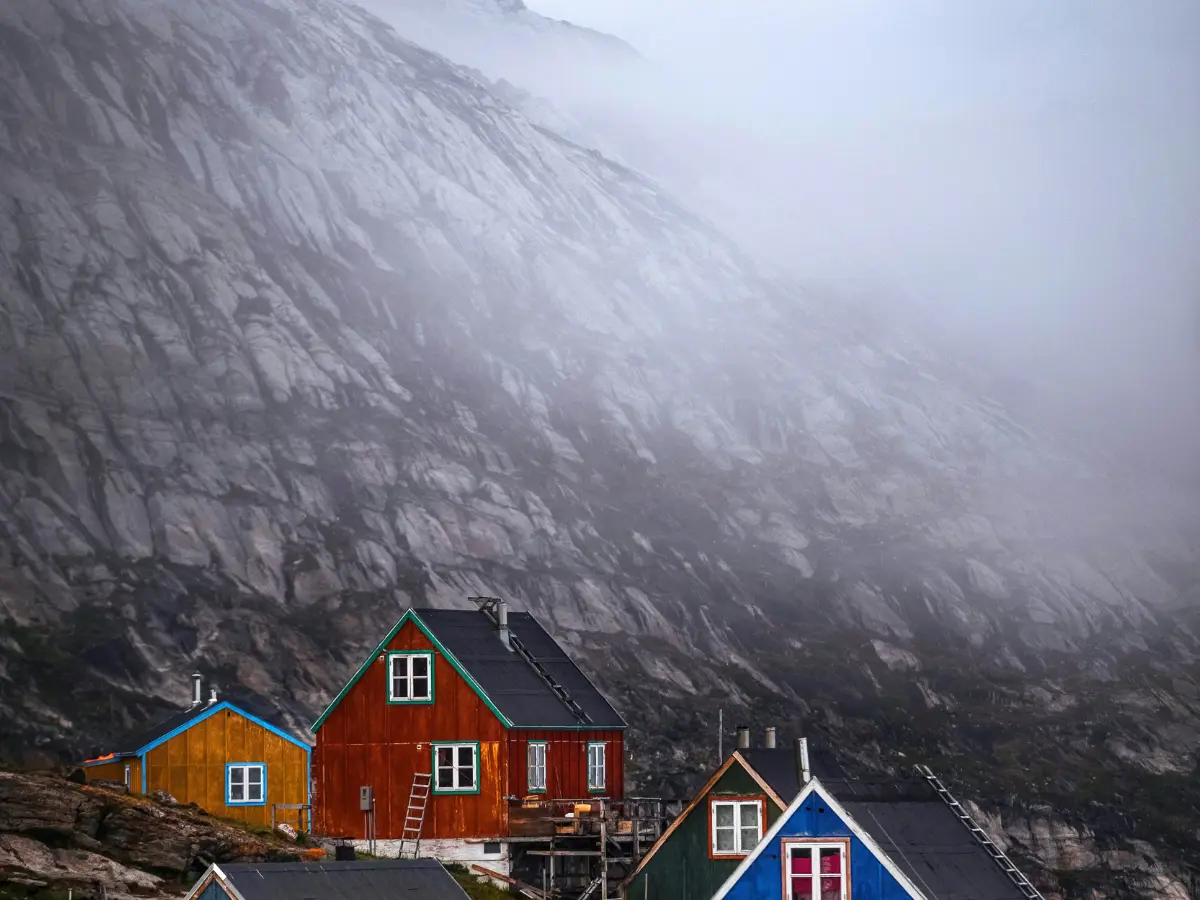
Why Is Greenland Making News All Of A Sudden?
An island like Greenland that hardly ever made headlines is today the hottest topic in the world. Thanks to Donald Trump for highlighting how strategically crucial this seemingly low-profile island is. The United States has its eye on Greenland, with the president saying they have to have it for security reasons. He even told the island to take the right steps before Russia enters the scene. What exactly makes Greenland such an important territory?
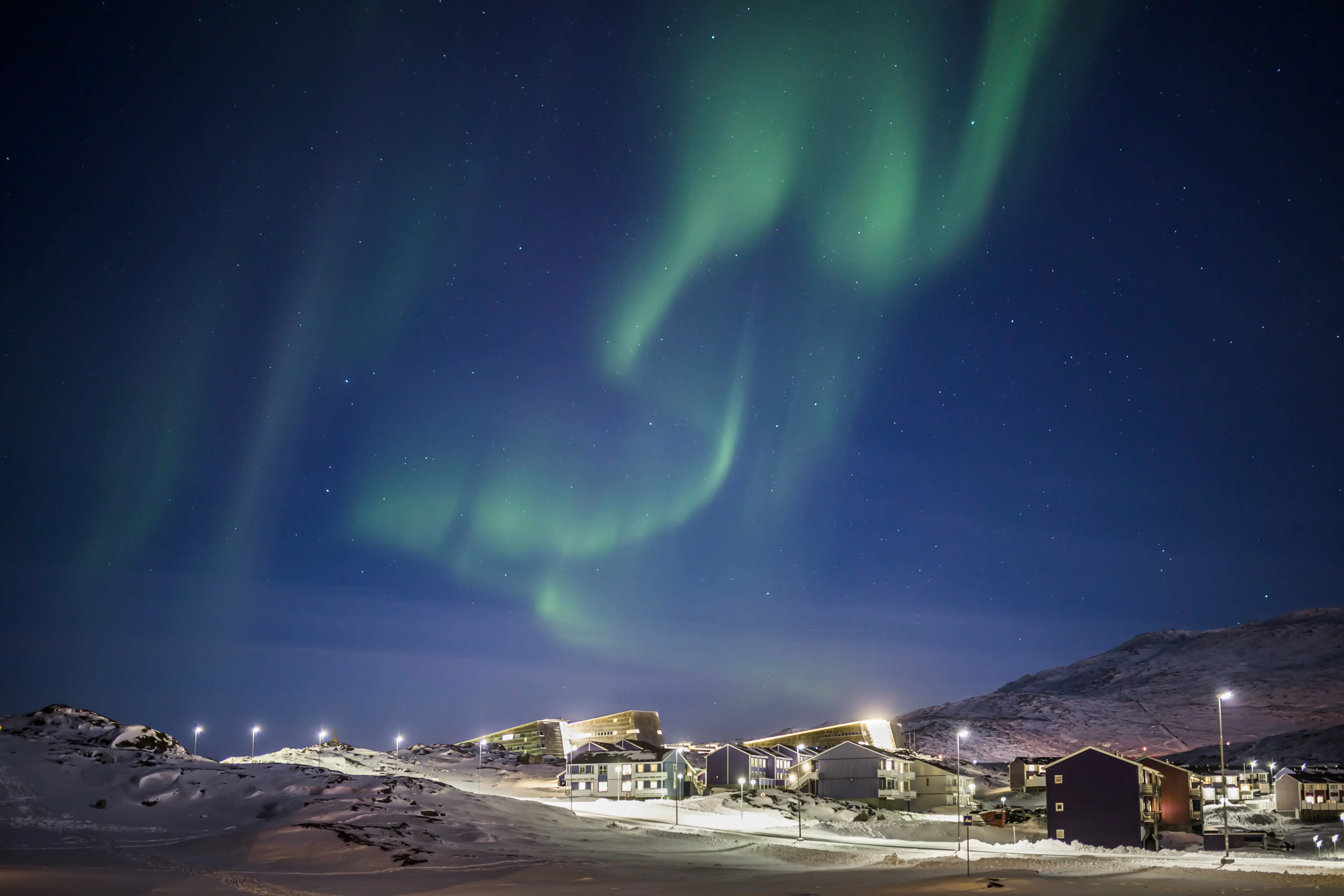
Greenland Has Oil, Gas, Metals And Rare Earth Elements
Geologically speaking, Greenland is rich in natural resources and has critical raw materials, such as lithium and rare earth elements (REEs), needed for green energy. It also has several other valuable minerals and metals, and hydrocarbons, including oil and gas. It has immense resources hidden beneath the ice, making you wonder why it was not talked about as much till now.
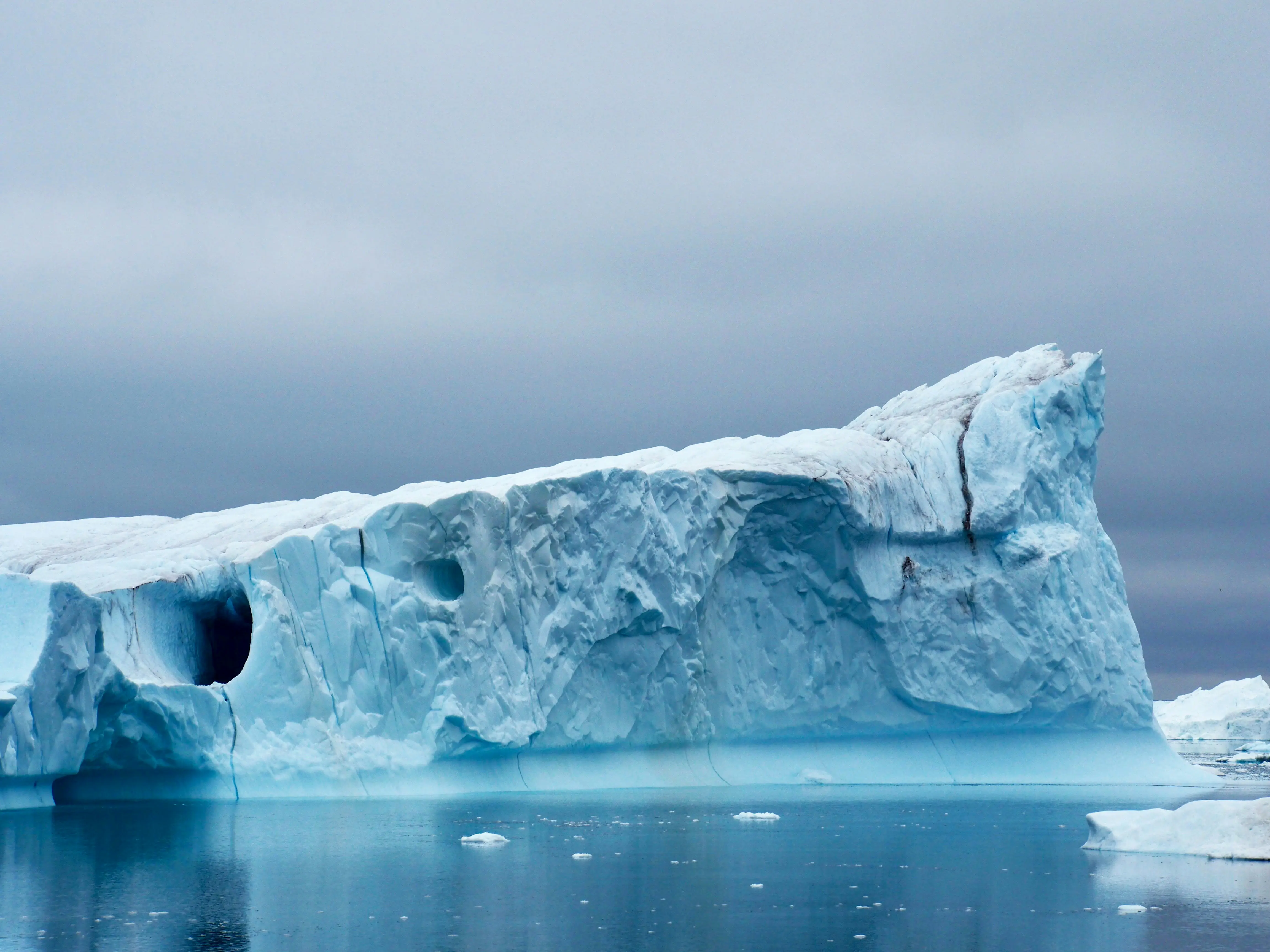
Massive Reserves Of Green Tech Minerals
The world is preparing for an energy transition, and for this, we need components that can feed global needs. Lithium-powered batteries and other electrical components are all dependent on the natural resources buried deep in Greenland. It contains massive deposits of dysprosium and neodymium—rare earth elements essential for EV motors and wind turbines. Experts predict Greenland could fulfil over 25 per cent of the future global demand for these materials.
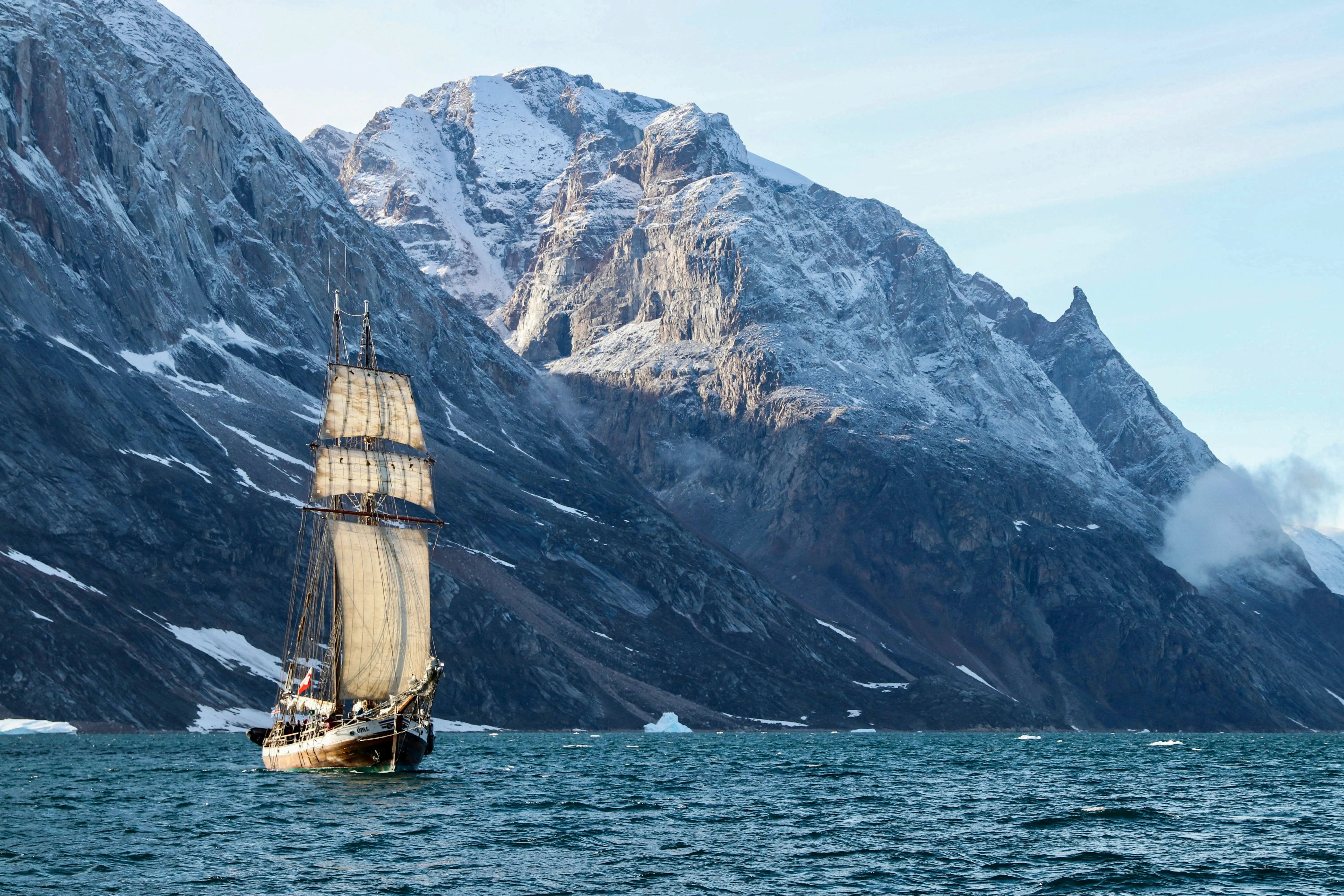
Triple Geological Processes Made Greenland A Treasure Trove
Greenland's geological history has turned it into a treasure trove. Besides green energy requirements, Greenland is also precious metals like gold, stones like rubies, and oil and gas. This is because it has experienced three major geological processes in the past. Mountain building, rifting, and volcanic activity have together shaped Greenland, which translates to an abundance of various elements, metals and resources. Of these, the most recent rifting event, which is when the Atlantic Ocean formed from the beginning of the Jurassic Period, just over 200 million years ago, has played the most important role in filling it up with all these crucial resources.
Massive Oil And Gas Reserves In Greenland
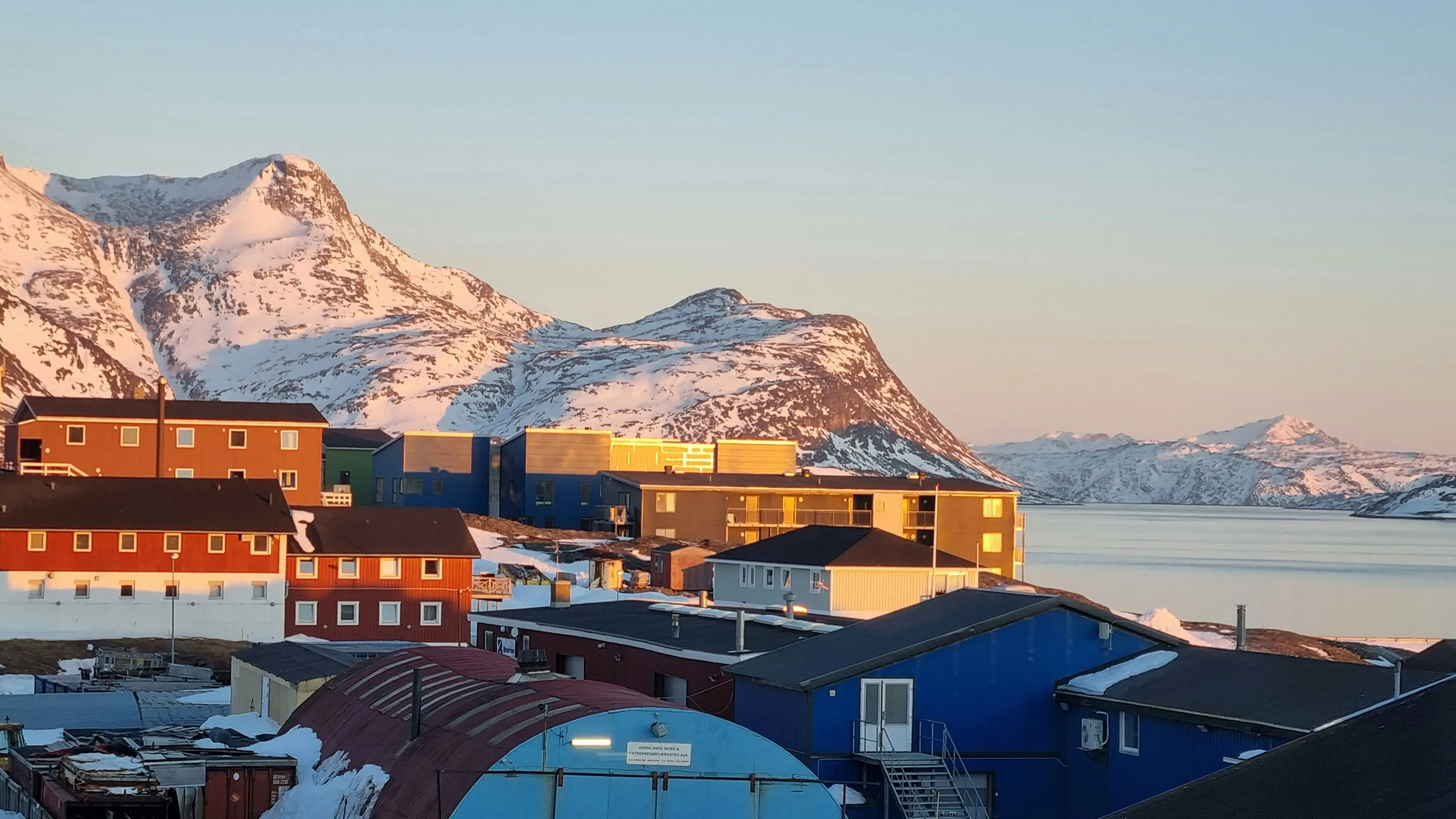
Yes, Greenland has immense hydrocarbon potential, all of which is hidden deep beneath the ice. According to the US Geological Survey estimates, 31 billion barrels of oil can be extracted just from northeast Greenland. This is way more than what the US has—roughly equal to the entire confirmed crude oil reserves of the country.
Time Capsule Of Earth’s History
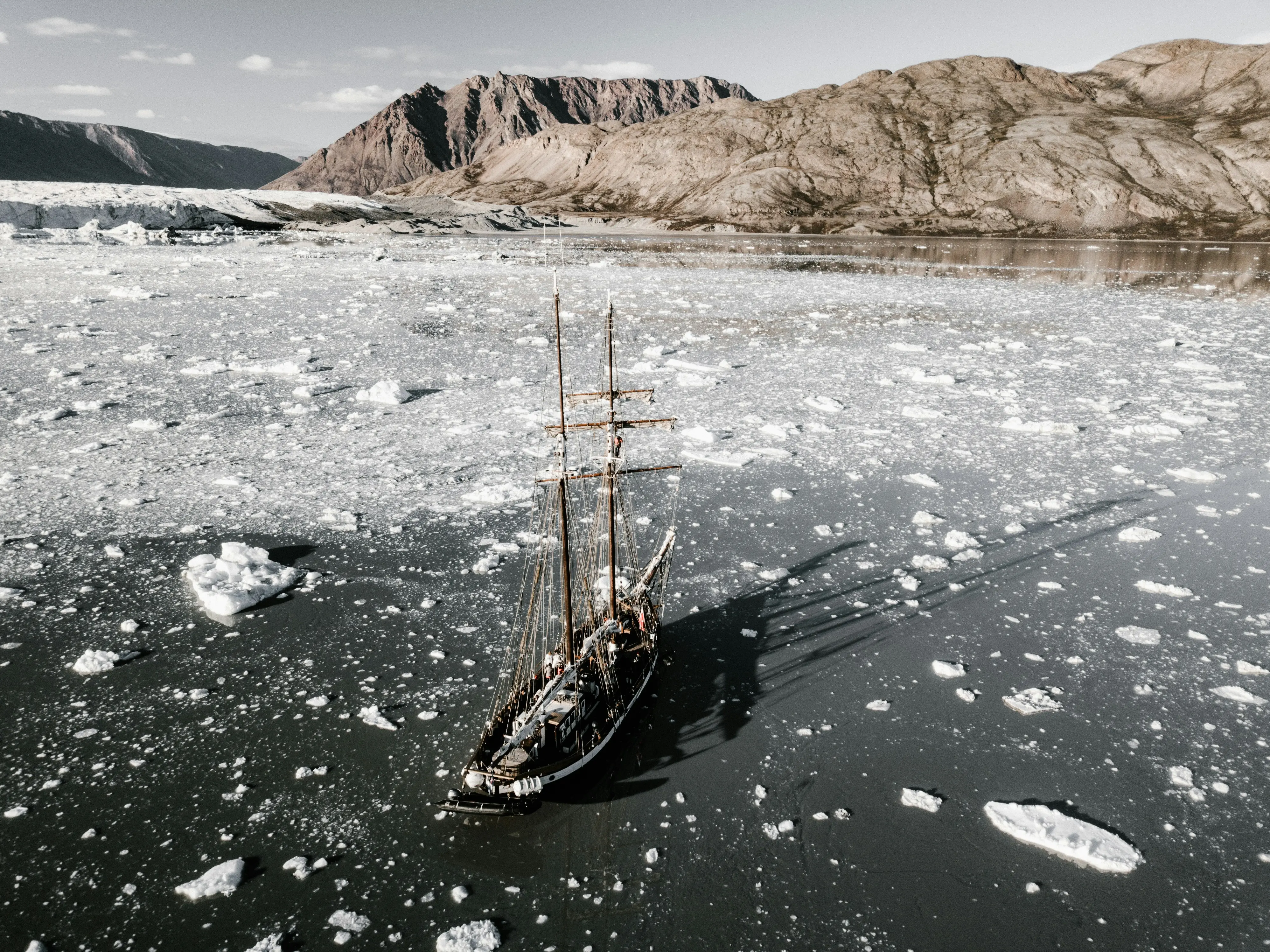
Greenland harbours rocks as old as four billion years, making it one of the most exciting places for a geologist on Earth. They can throw light on the earliest version of our planet, especially the truck-sized native iron present on the biggest island. This iron did not come from meteorites, but surged from Earth's deep crust. The rock and iron are like time capsules holding the secrets of Earth.
Climate Change - A Double Edged Sword
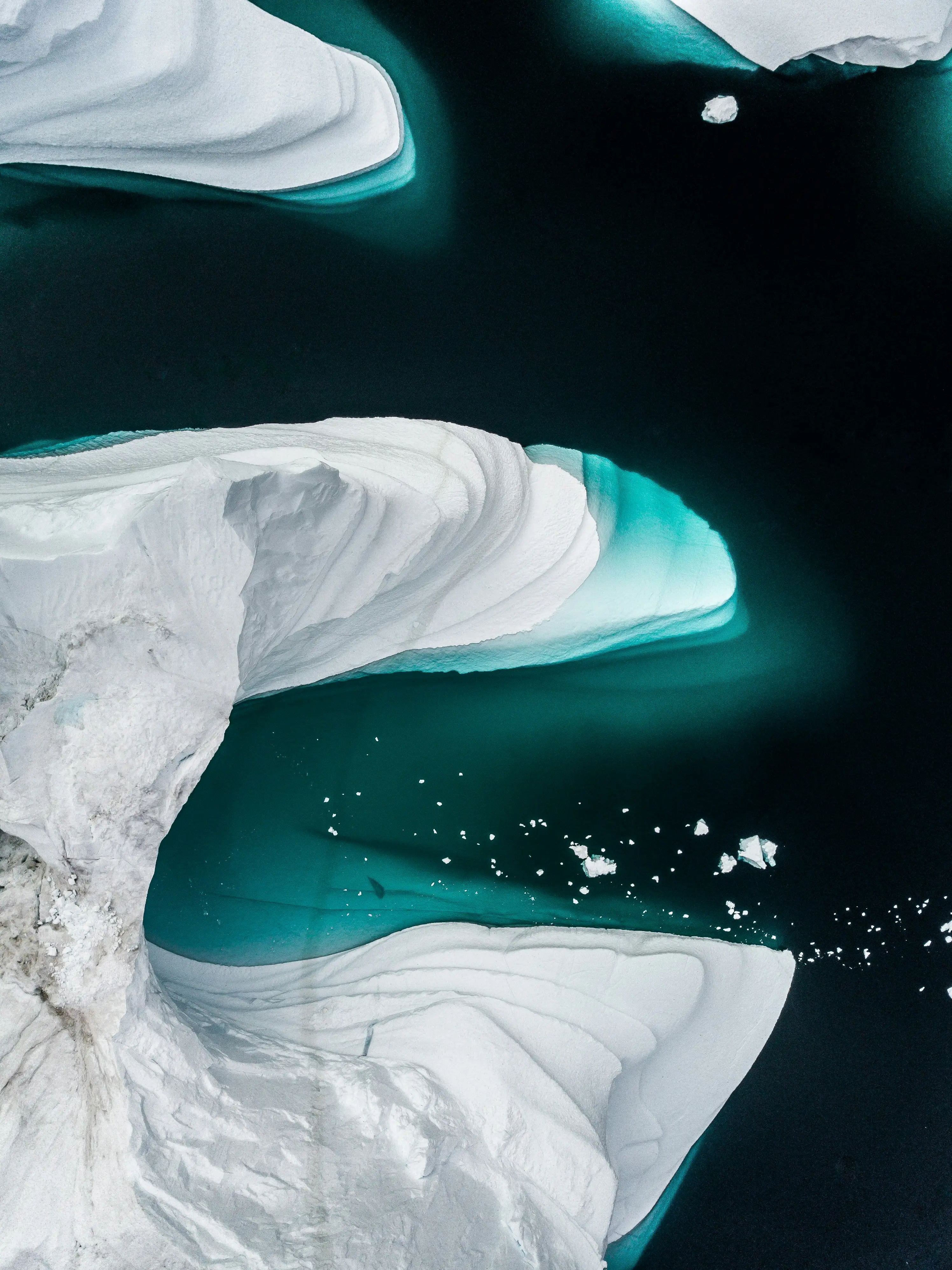
Climate change is melting ice sheets in glacial regions, and Greenland is no exception. Studies have shown that an area the size of Albania has melted since 1995. This has exposed vast stretches of bedrock for the first time. Now, ground-penetrating radar is peering as deep as two kilometres of ice, revealing hidden mineral wealth that had remained unreachable till now.
)
)
)
)
)