Why 'Firewall' protects our solar system instead of burning it? Understanding Voyager’s Data

The firewall filters and redistributes cosmic radiation. Without it, the inner Solar System would face much higher exposure to harmful interstellar particles.
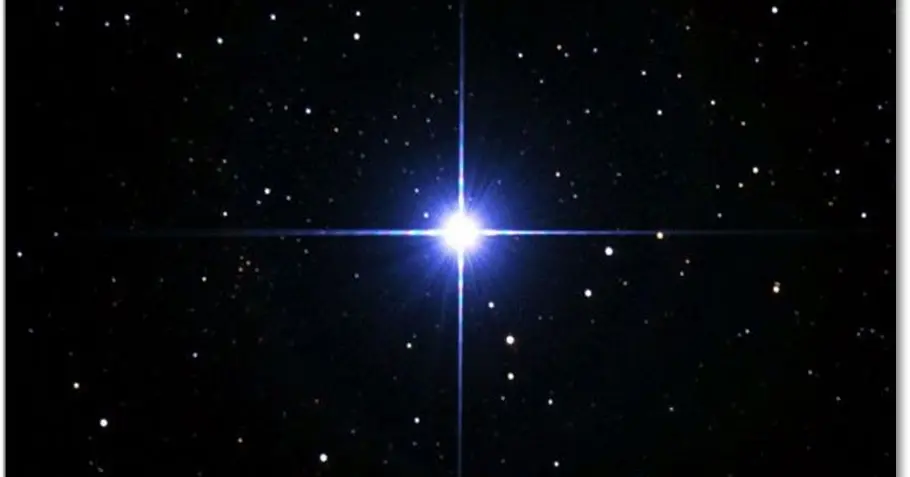
The Firewall at the Edge
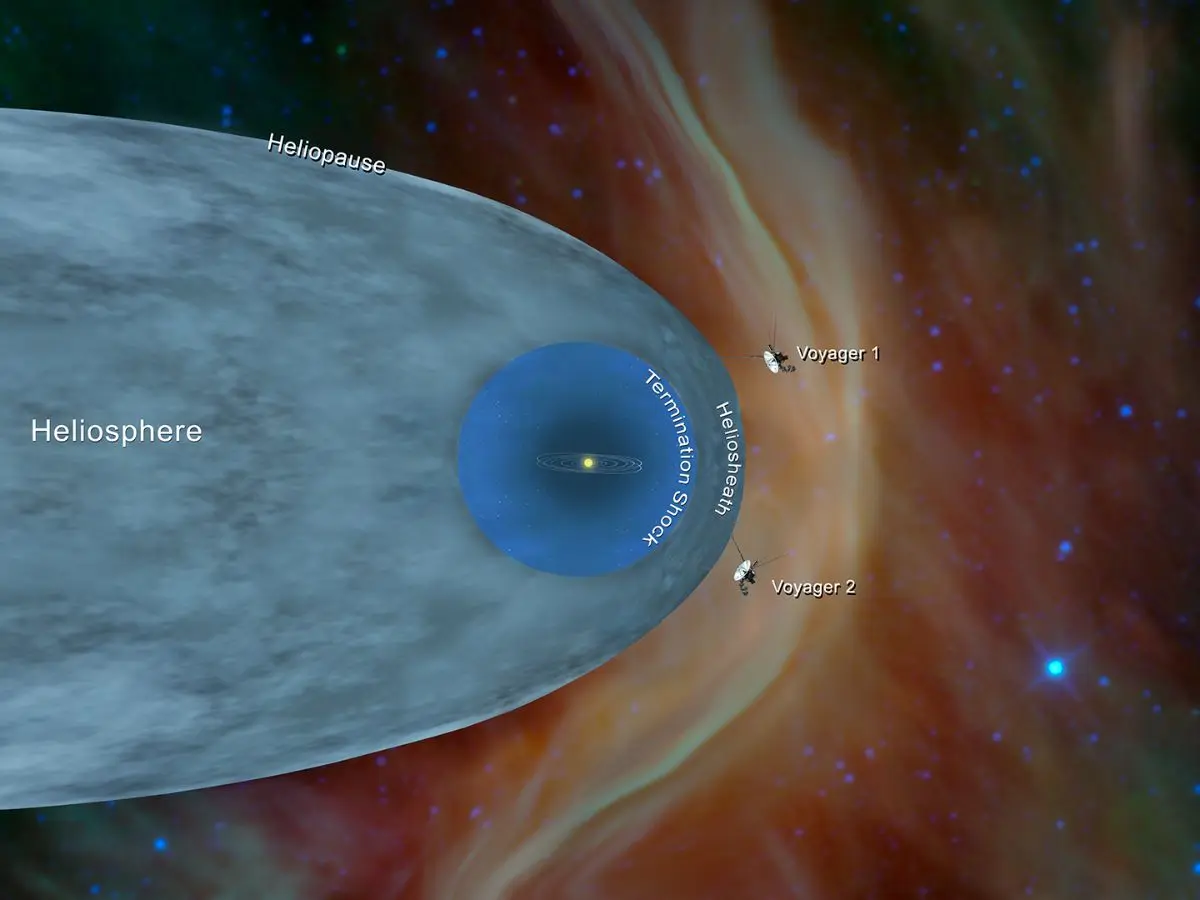
Voyager 1 and 2 crossed a region at the edge of the Solar System where the solar wind collides with interstellar plasma. This turbulent zone was nicknamed the “firewall.”
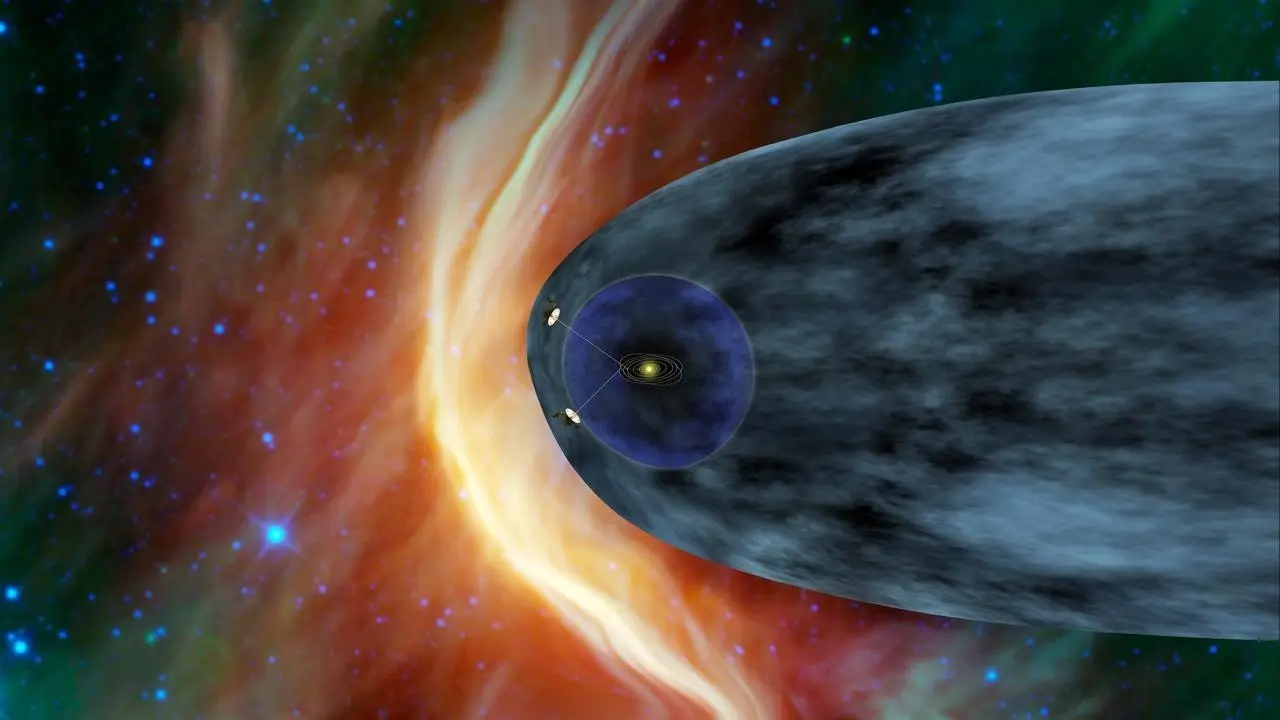
Not Flames, But Plasma
The firewall does not involve burning. Instead, it is a boundary of charged particles and plasma pressure, which interact with the Sun’s outflowing wind.
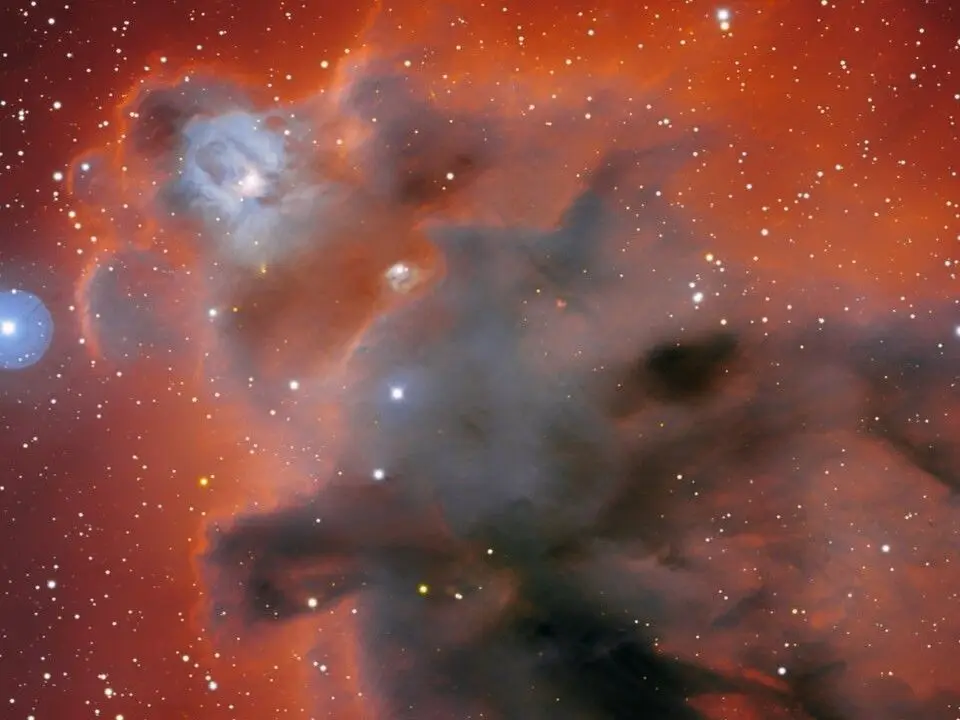
The Protective Layer
The firewall acts as a shield for the Solar System. It slows and deflects incoming high-energy cosmic rays, reducing how many reach the inner planets, including Earth.
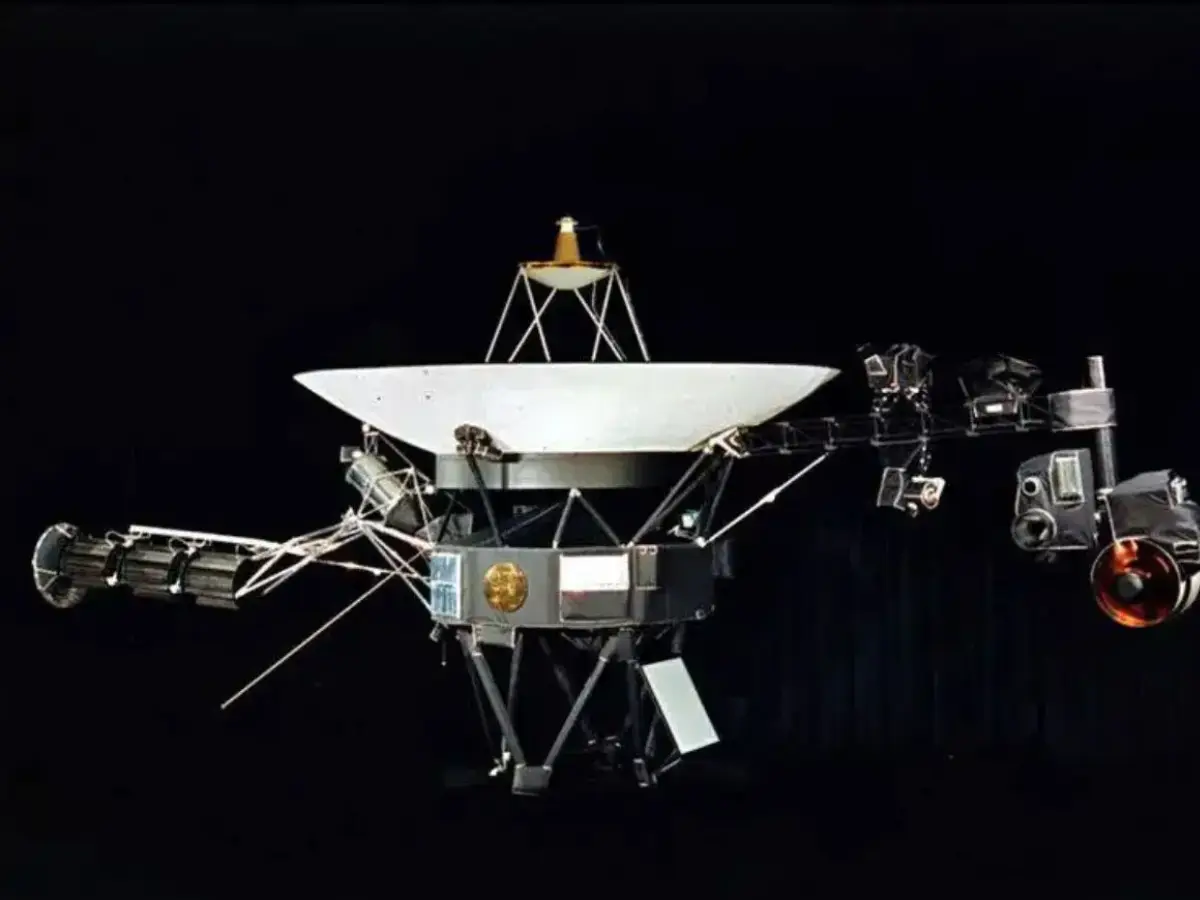
Voyager’s Measurements
As Voyager crossed, its instruments detected sharp rises in plasma density and magnetic field strength, confirming the existence of a transitional region between the Sun’s influence and interstellar space.
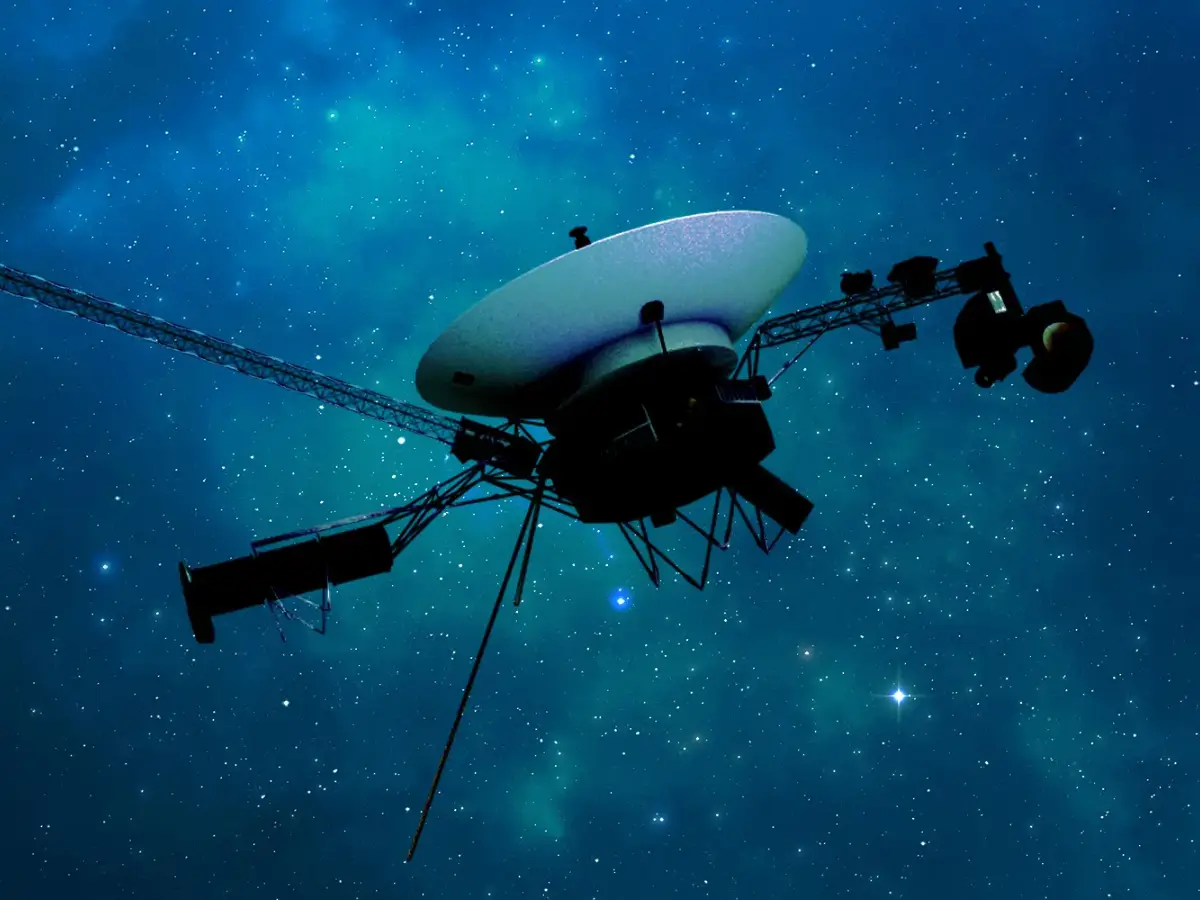
50,000°C Without Heat Transfer 50,000°C Without Heat Transfer
Temperatures in the firewall region are measured in particle energy, not in the sense of heat felt on Earth. Voyager’s instruments are not scorched because there is no medium for fire to spread.
A Natural Cosmic Filter
The firewall filters and redistributes cosmic radiation. Without it, the inner Solar System would face much higher exposure to harmful interstellar particles.
Why It Matters for Science
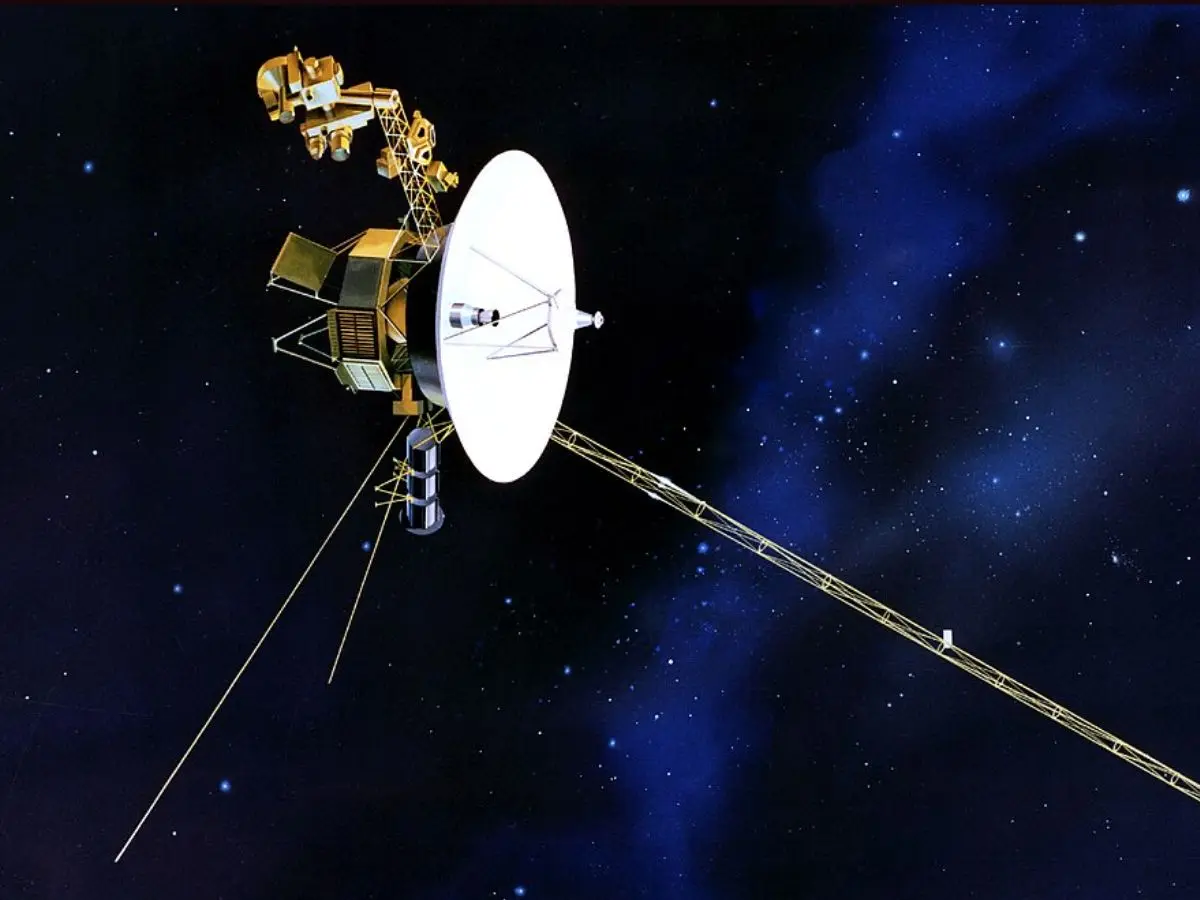
Understanding this boundary helps scientists learn how stars interact with their surroundings. It also informs models of space weather that could affect future interstellar probes.
)
)
)
)
)