Why fighter jets shut down one engine during ferry flights

Fighter jets shut down one engine during ferry flights to save fuel, reduce engine wear, and extend range safely. Twin-engine jets can operate effectively on one engine for long-distance non-combat flights, balancing economy and safety.
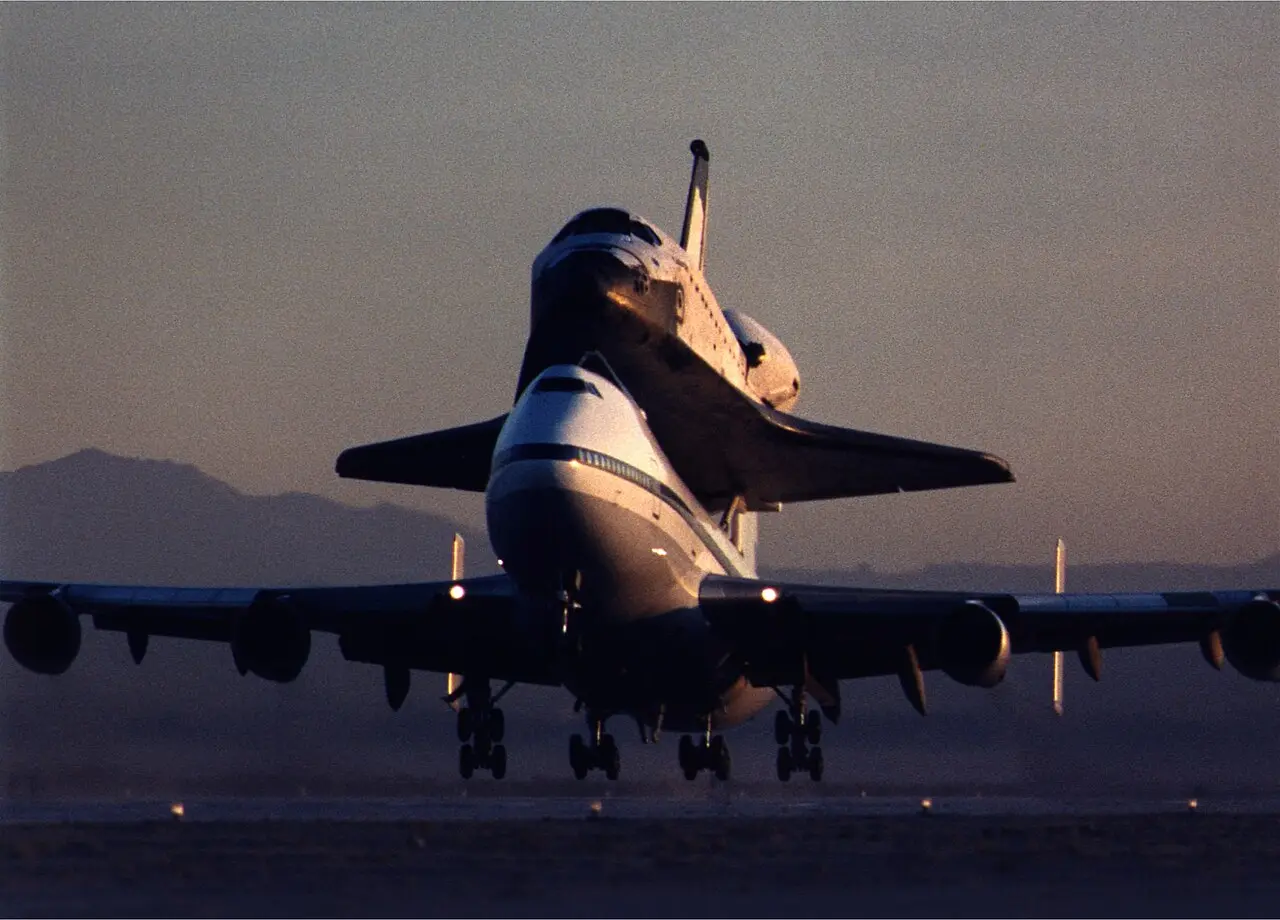
What Are Ferry Flights?
Ferry flights reposition aircraft from one base to another without carrying combat loads. These flights are not for combat, so jets can operate at lower speeds and less thrust to save fuel and reduce engine wear.
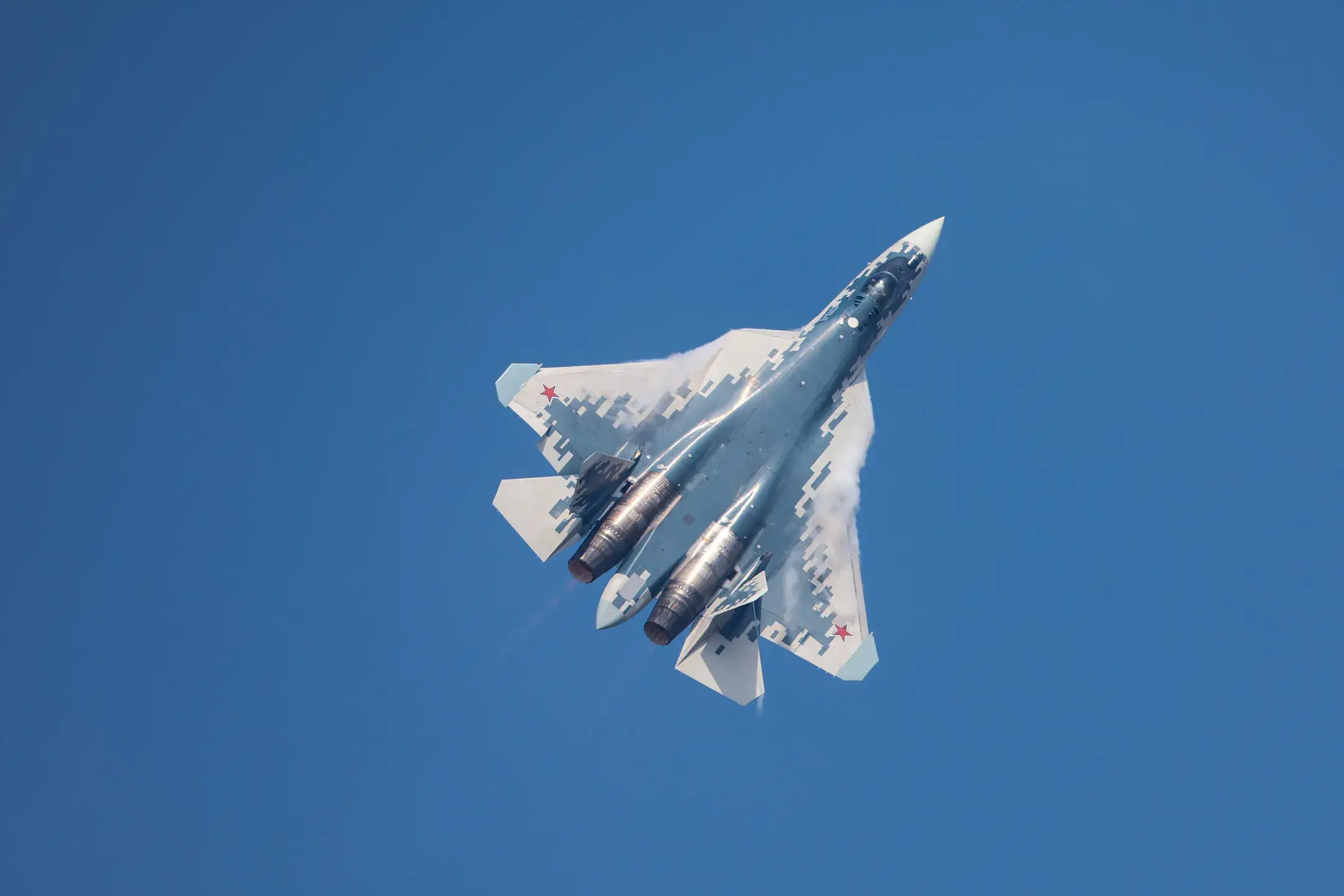
Why Shut Down One Engine?
Shutting down one engine during ferry flights helps reduce fuel usage significantly. Instead of running both engines at low throttle, pilots can fly efficiently on one engine, saving fuel and lowering operational costs.
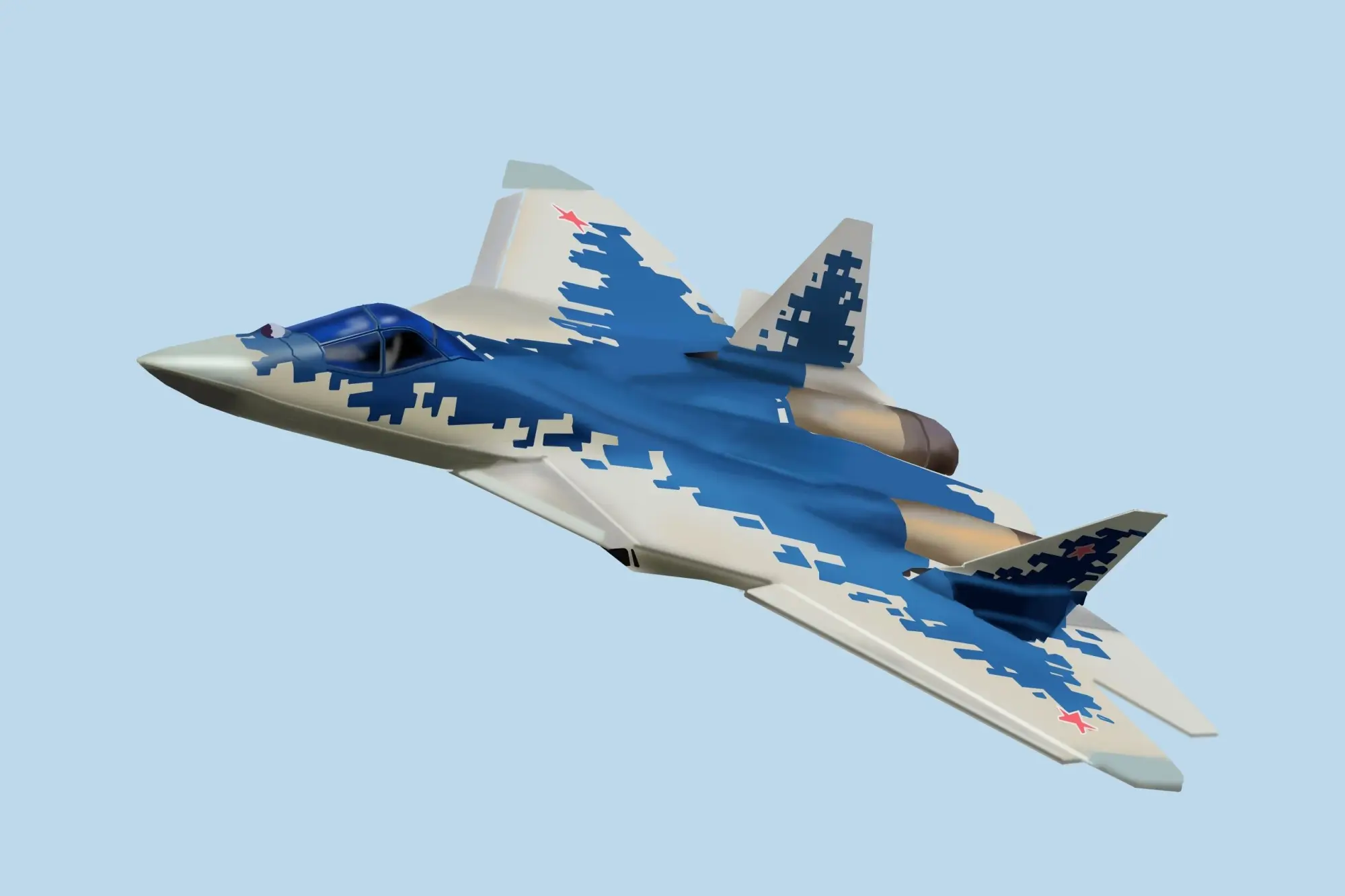
Engine Wear and Maintenance Benefits
Running fewer hours on both engines during long ferry flights cuts down on maintenance needs and lowers wear. This preserves engine life and reduces the chance of mechanical issues during important missions.
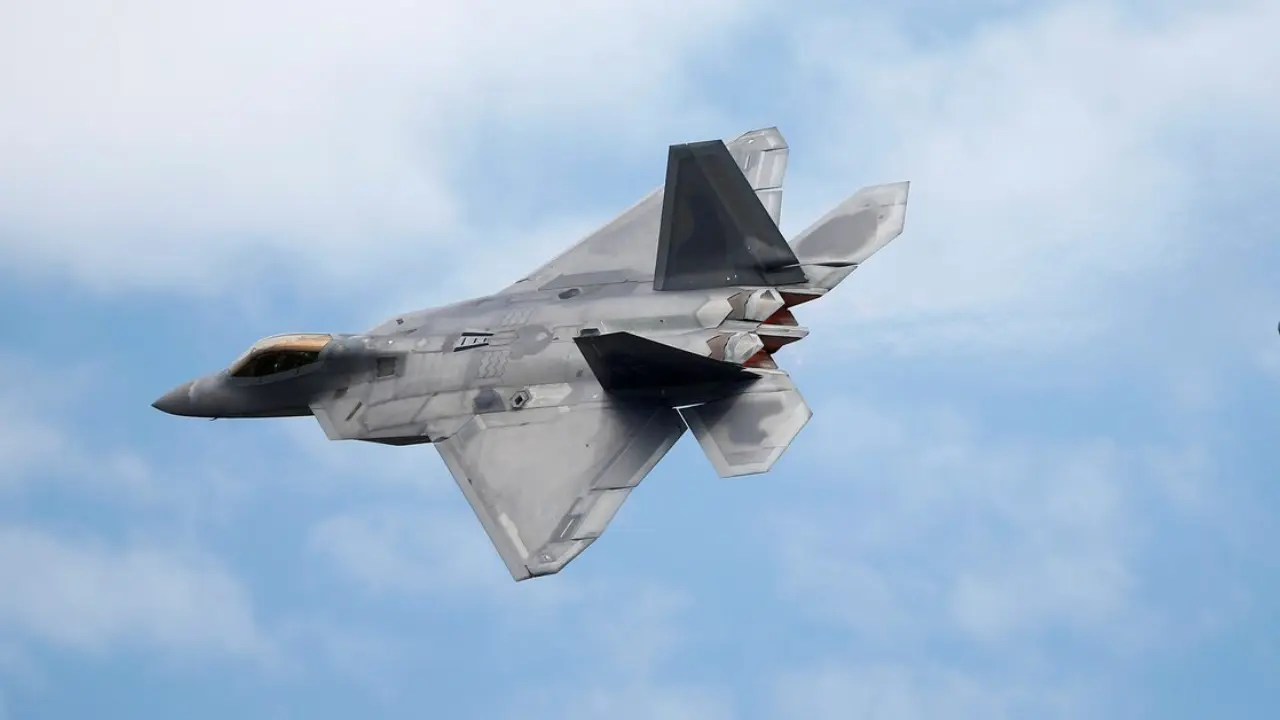
Maintaining Safe Flight with One Engine
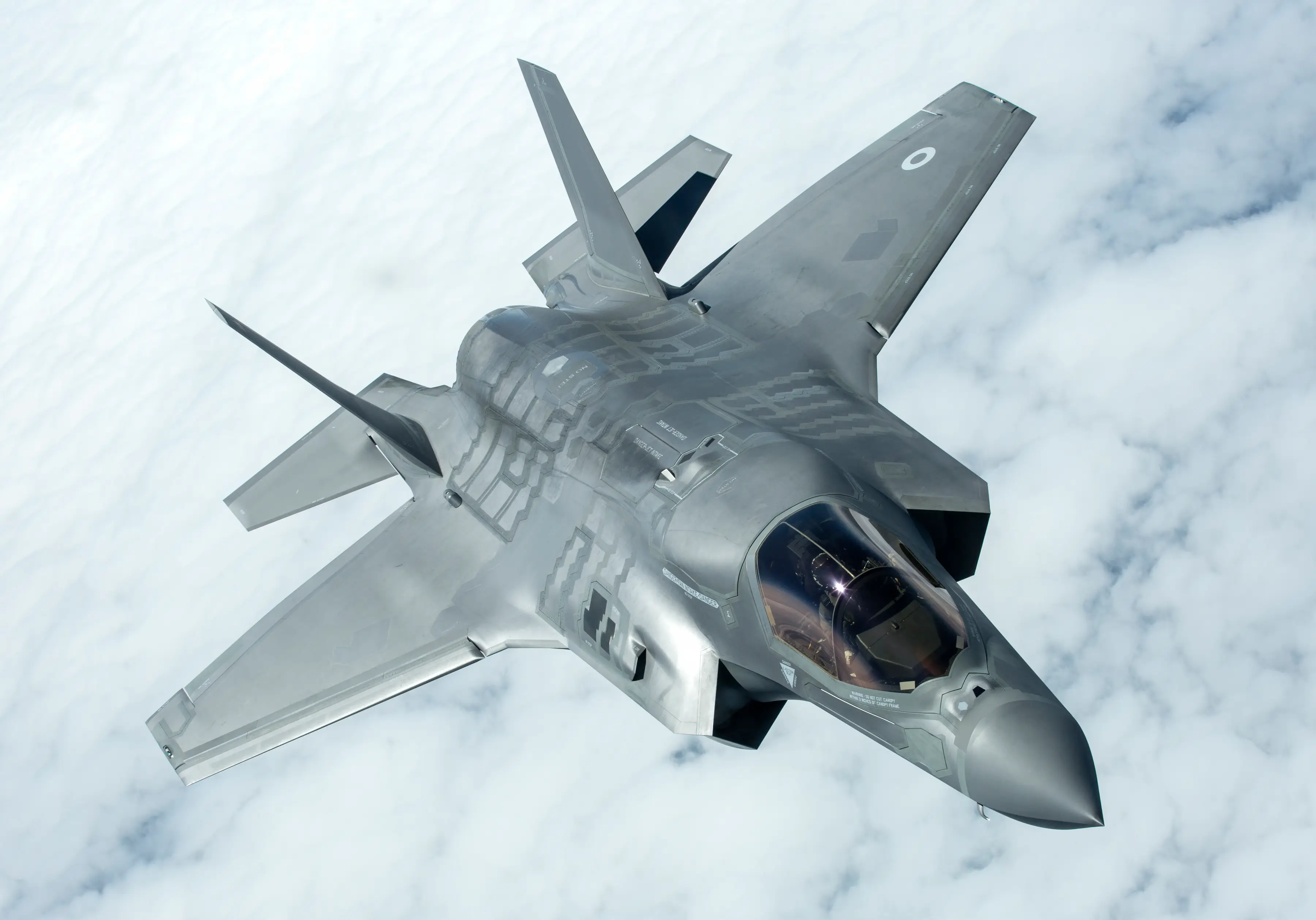
Twin-engine fighter jets are designed to fly safely on one engine, and ferry flights use this feature to balance safety and efficiency. Pilots adjust controls to manage yaw caused by asymmetric thrust.
Tactical and Operational Flexibility
Using one engine extends ferry range, allowing jets to cover longer distances without refuelling. This flexibility helps in moving aircraft quickly between bases for maintenance, upgrades, or deployment.
Not All Jets Use This Practice
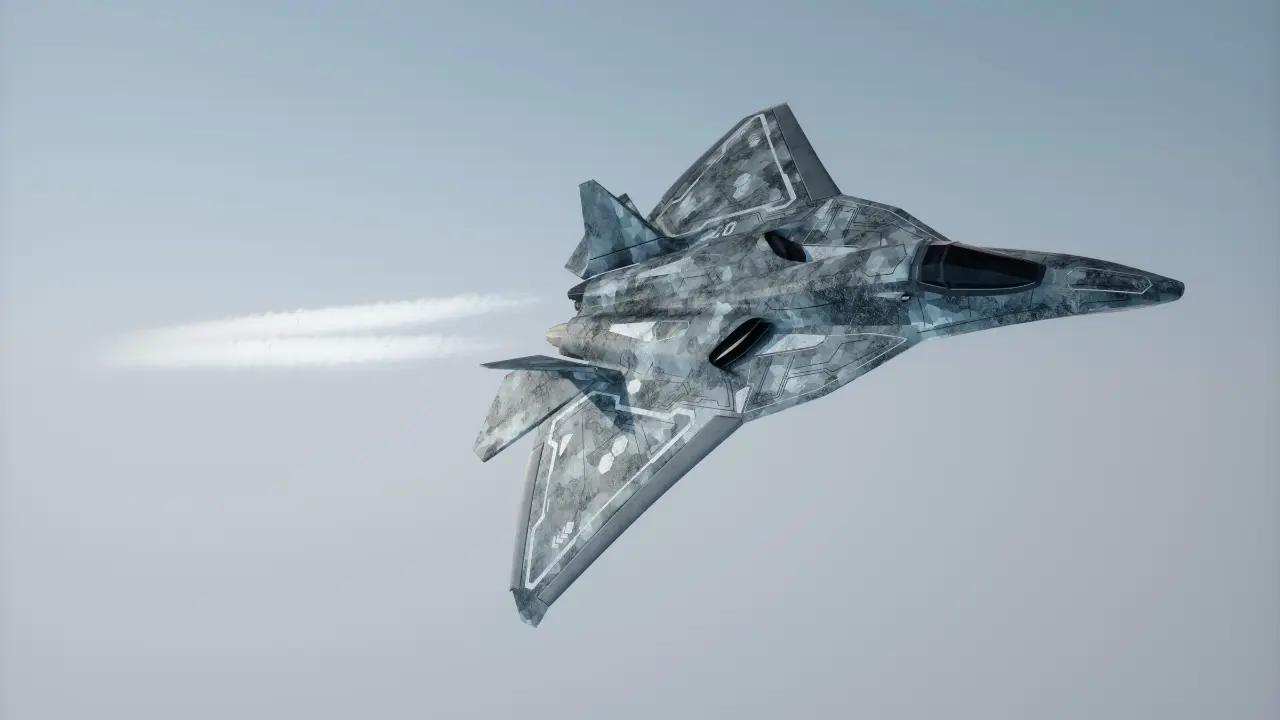
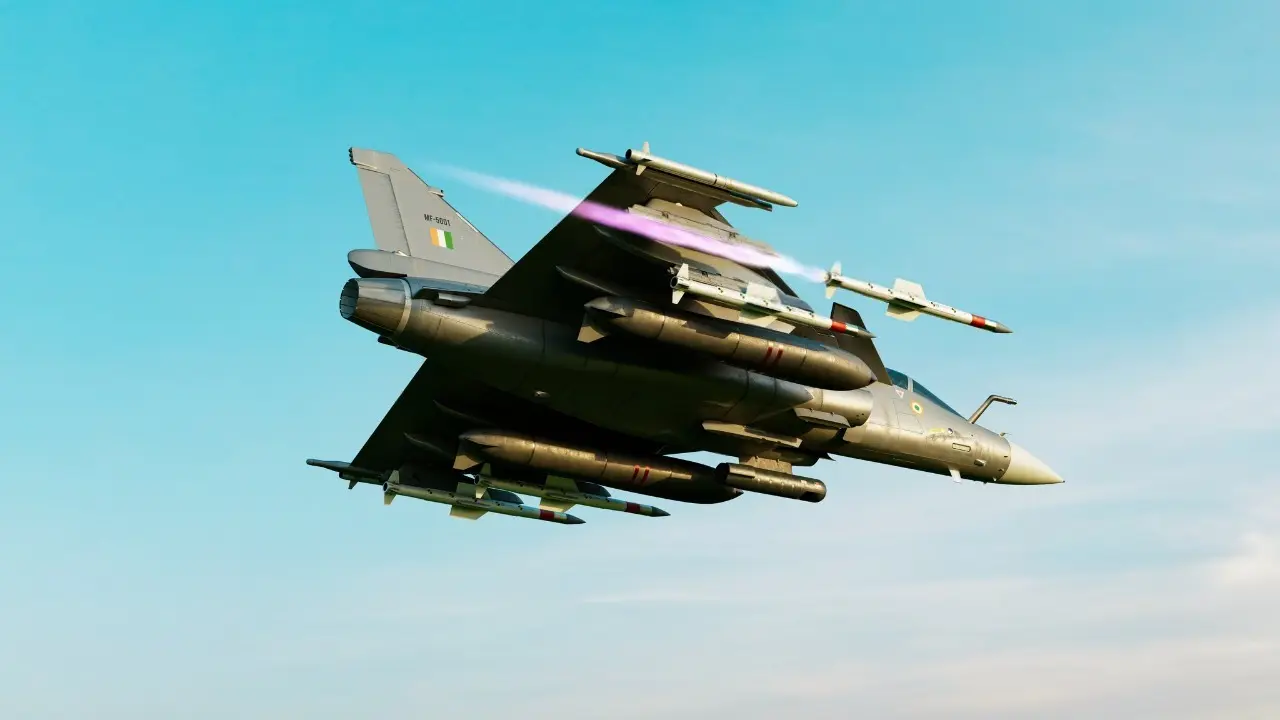
Single-engine fighters like the F-16 cannot shut down engines mid-flight without losing all thrust. Twin-engine jets like the F-15 or Su-27 benefit most from this practice, as they have redundant propulsion.
Limitations and Pilot Skills
Single-engine ferry flight requires careful pilot skill to manage thrust, control, and fuel balance. It is done under controlled conditions and not during combat or high-demand flights to ensure safety.
)
)
)
)
)