Why fighter jets lose altitude when pilots pull extreme Gs

High-G turns drain an aircraft’s energy fast. When drag becomes greater than thrust, the jet must choose between losing speed or losing altitude. Pilots balance speed, height, and turn rate, but extreme manoeuvres always demand a trade-off and the physics can’t be avoided.
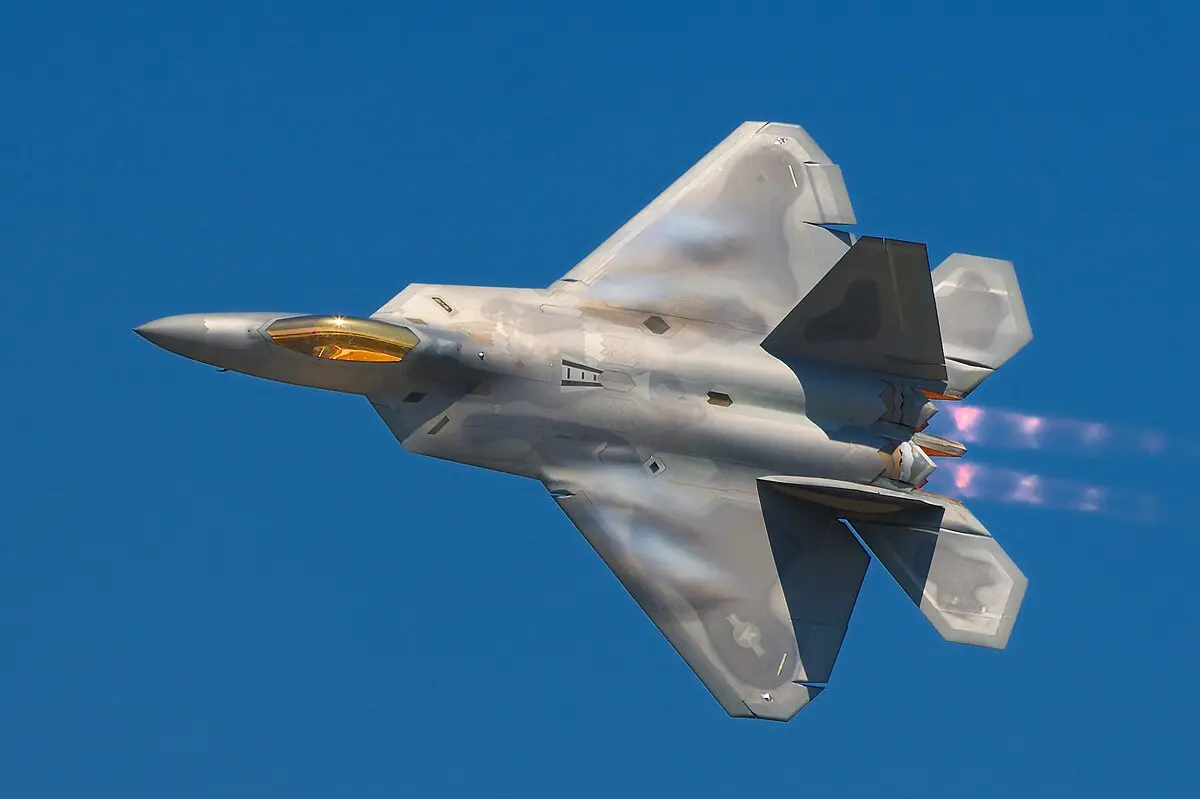
The Energy Balance Equation
Aircraft energy comes from engine thrust and altitude potential. During a high-G turn, drag increases dramatically. The engine produces only so much thrust. When drag exceeds thrust, energy decreases. The aircraft must descend to maintain speed or lose speed to maintain altitude.
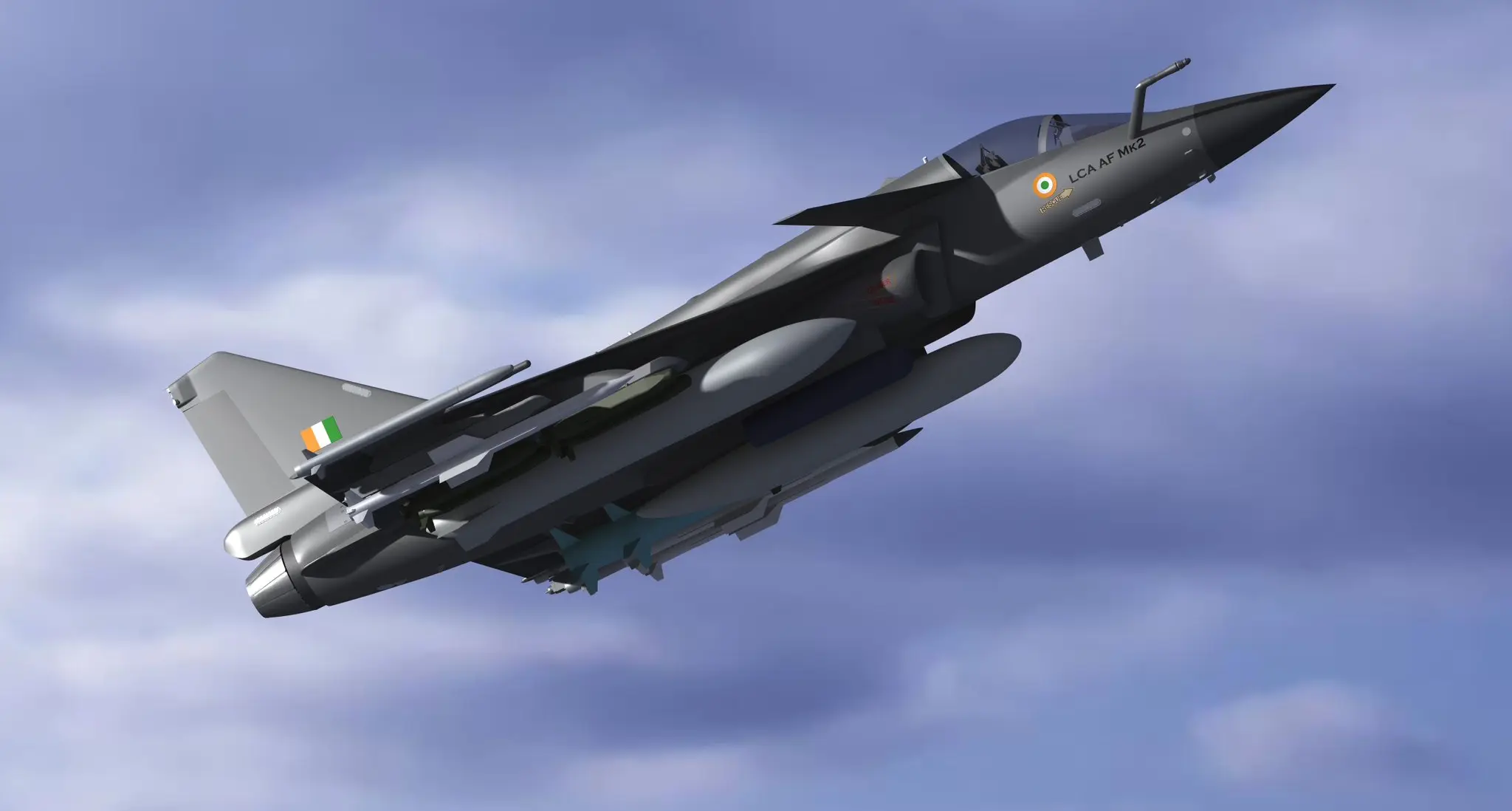
Drag Increases Exponentially At High-G
During level flight, drag is moderate. During an 8-G turn, drag multiplies many times over. The wing must generate tremendous lift for turning. Lift creates induced drag. The combination of parasitic and induced drag at high-G consumes massive energy. Engine thrust alone cannot overcome this.
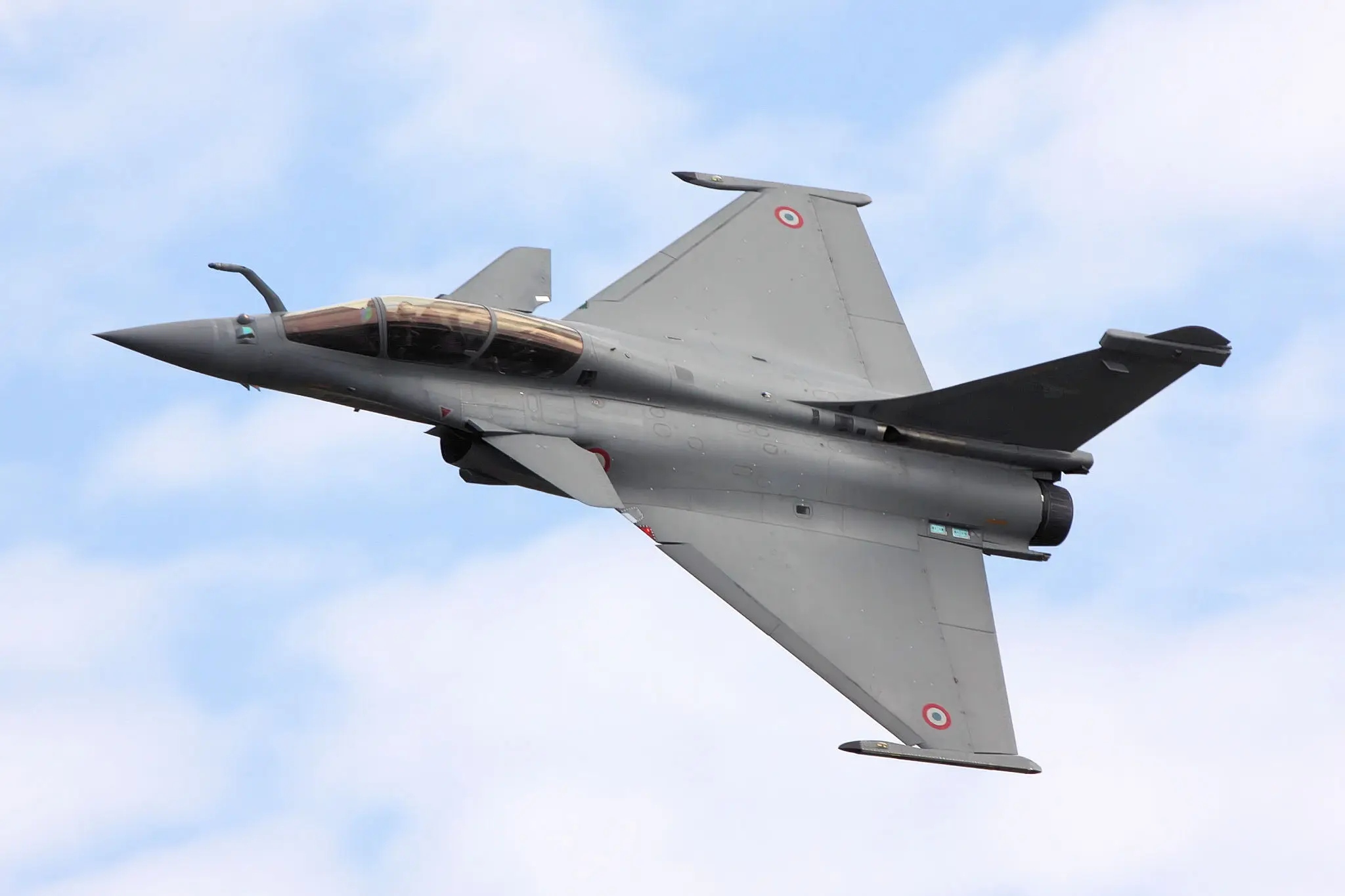
Corner Speed Determines Performance
Corner speed is where maximum turn rate occurs with available power. At corner speed, the engine produces thrust that exactly balances drag. Any tighter turn reduces speed. Any faster turn reduces altitude. Pilots must choose between speed loss or altitude loss at corner speed.
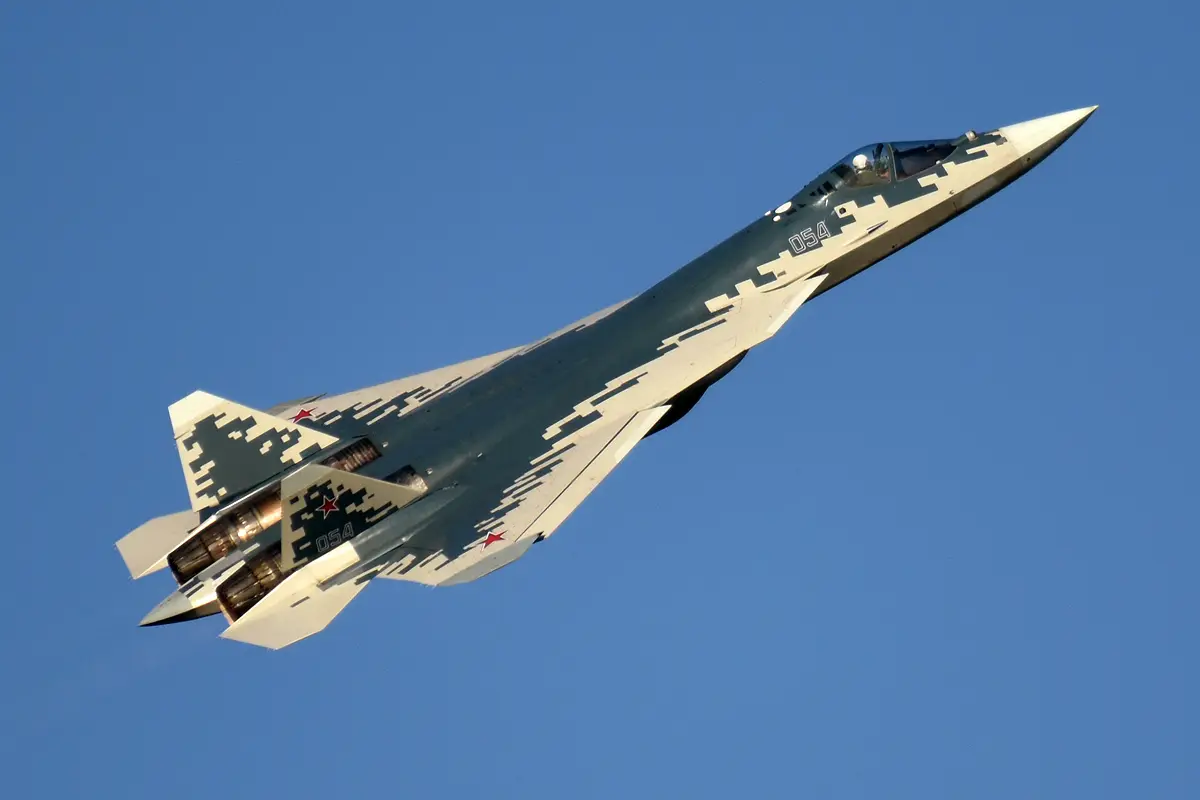
Instantaneous Vs Sustained Turns
Pilots can pull 9-G instantaneous turns briefly. These turns drain energy rapidly and cannot be sustained. After 5 to 10 seconds, the aircraft energy depletes. The pilot must level out and recover speed or altitude. Sustained turns at 8-G are possible with constant altitude but only momentarily at peak performance.
Energy Management Triangle
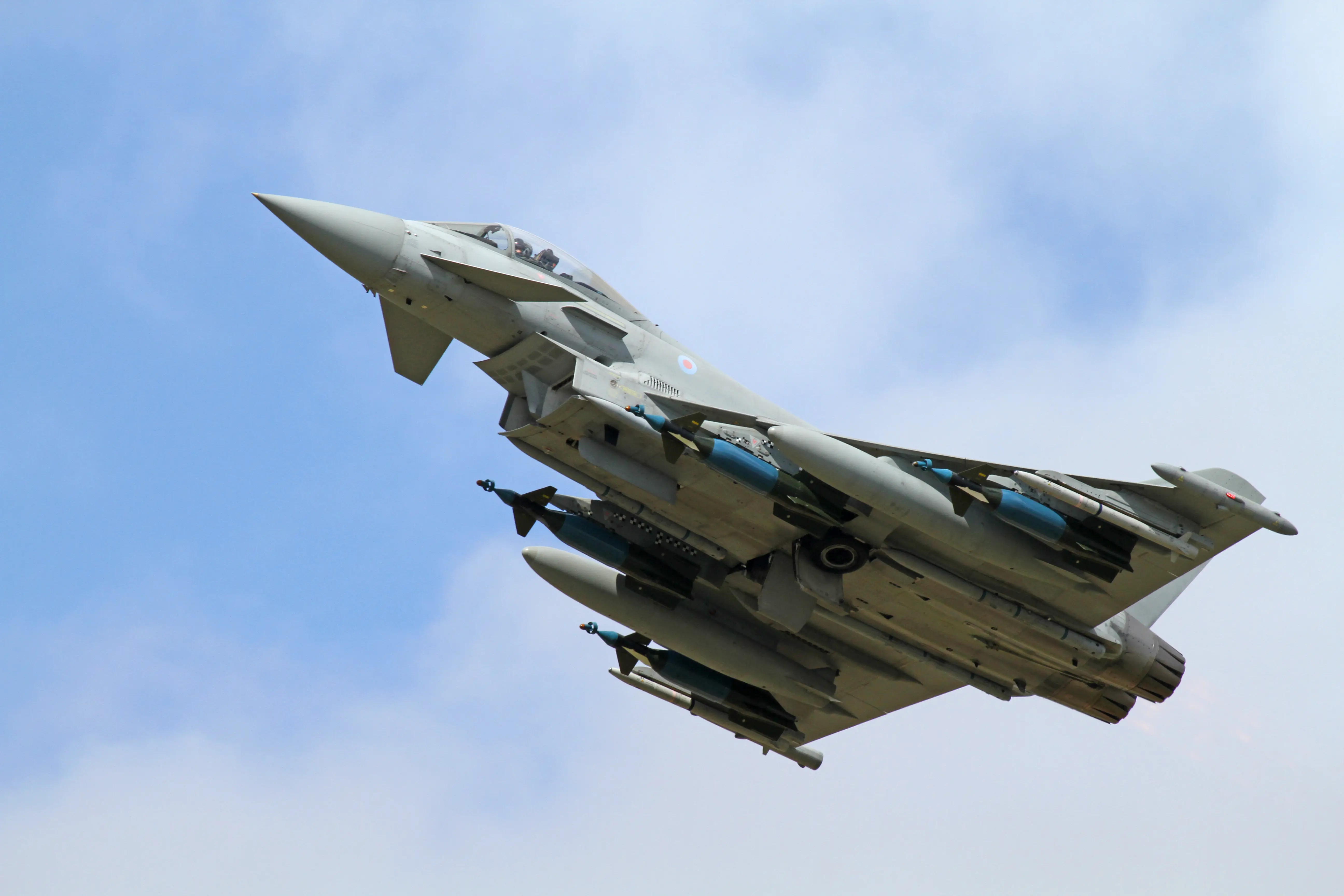
Pilots must manage three factors: altitude, speed, and turn rate. At any moment, they can have any two factors but not all three. Maintain altitude and speed means no turn. Maintain turn and altitude means losing speed. Maintain turn and speed means losing altitude. This is the fundamental trade-off.
Vertical Manoeuvres Preserve Energy
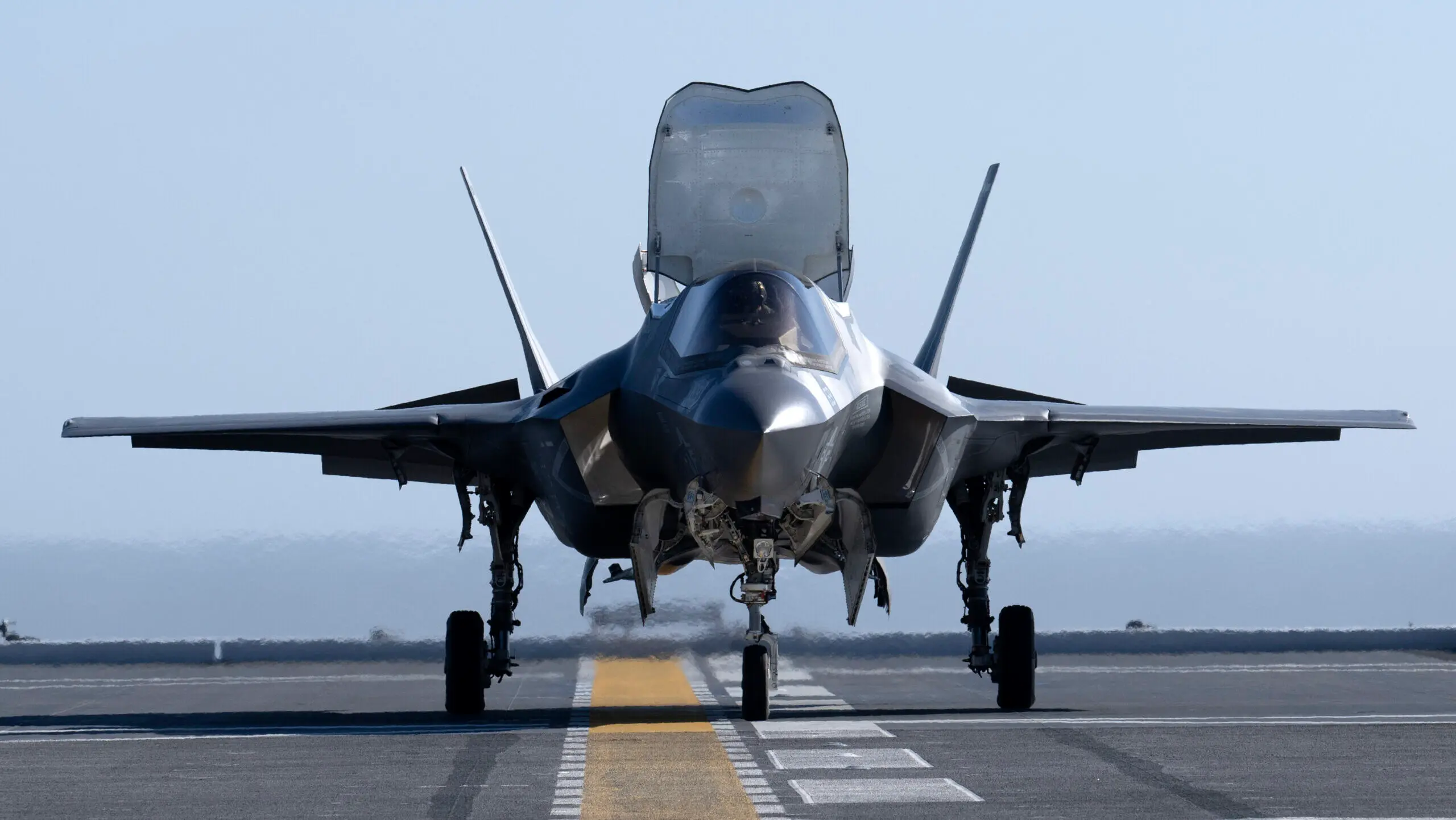
Experienced pilots use vertical manoeuvres to trade speed for altitude. A steep climb converts speed energy to altitude energy. The aircraft maintains total energy while redistributing it. Horizontal turns waste energy into drag. Vertical manoeuvres preserve energy by converting between kinetic and potential forms.
The Bottom Line For Fighter Pilots
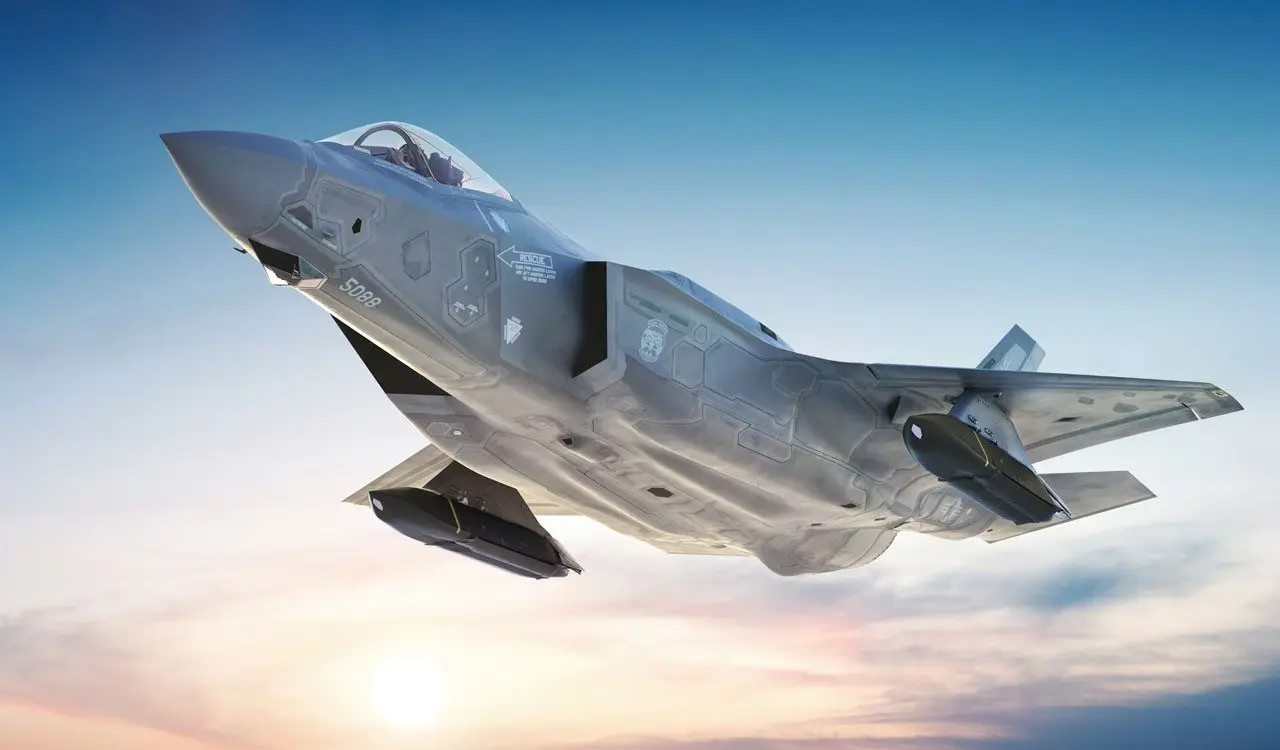
There is no way around physics. Extreme high-G turns require energy. The aircraft has limited energy available. Turn tight or turn fast. Maintain altitude or maintain speed. Fighter pilots must accept altitude loss during sustained high-G manoeuvres. Recovery requires either gaining altitude or accelerating, both of which take time.
)
)
)
)
)