Why fighter jets consume more fuel during steep climbs and negative-G rolls

Steep climbs force fighter jets to burn 2-3 times more fuel per hour than level flight. Engine must produce excess thrust to overcome gravity. Negative-G manoeuvres create weightlessness, disrupting fuel flow. Prolonged negative-G lasting over 20 seconds causes engine damage. Know more below.
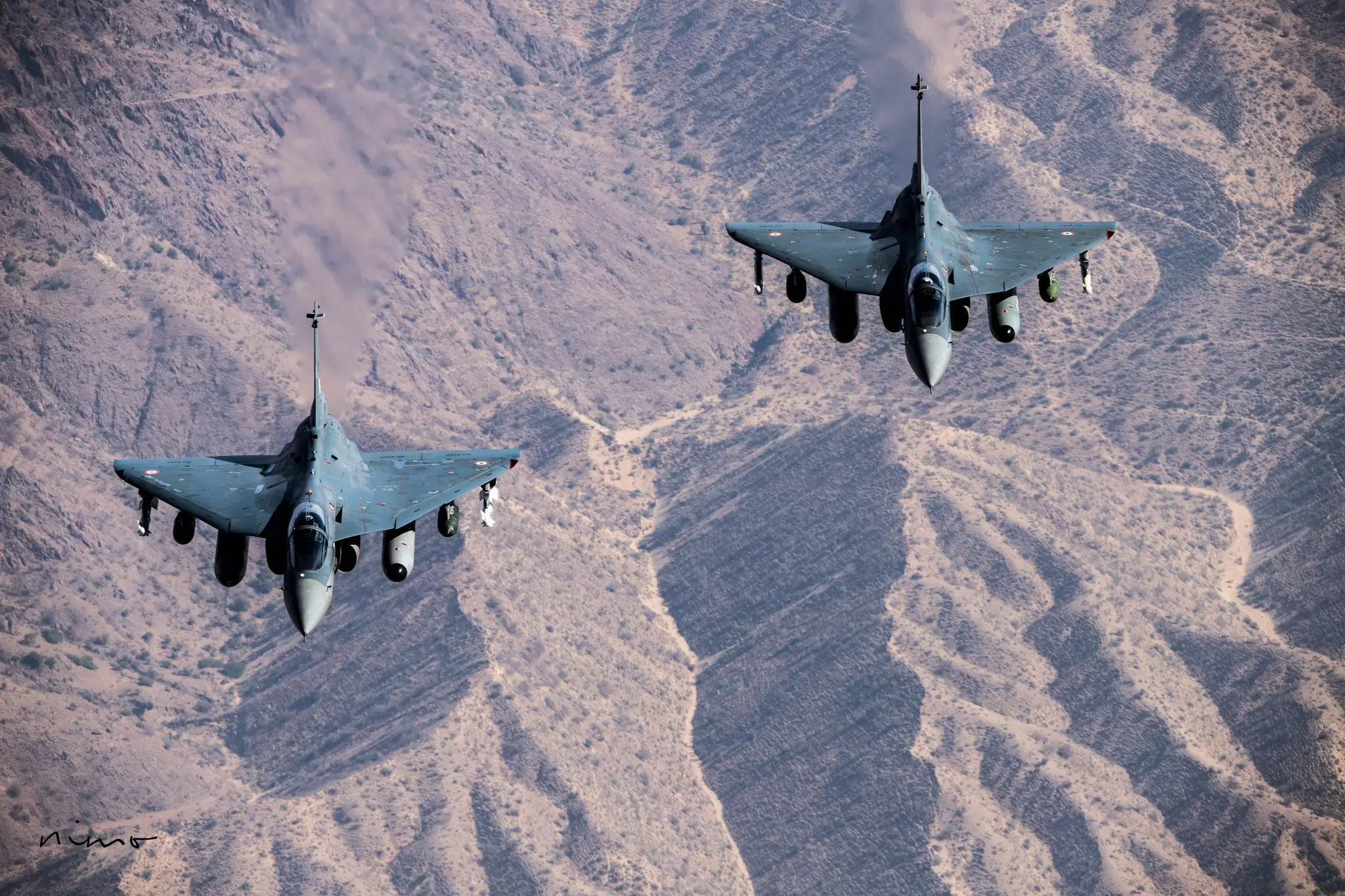
Steep Climb Burns 2-3 Times More Fuel Than Level Flight
When a fighter jet climbs steeply, fuel consumption increases dramatically. During level flight cruise, fuel burn is steady and controlled. During climb, the fighter burns 2 to 3 times more fuel per hour. This huge difference happens because of basic physics. To climb, the engine must produce excess thrust. This excess thrust lifts the aircraft higher against gravity. Producing more thrust requires burning more fuel. The steeper the climb angle, the more fuel is needed.
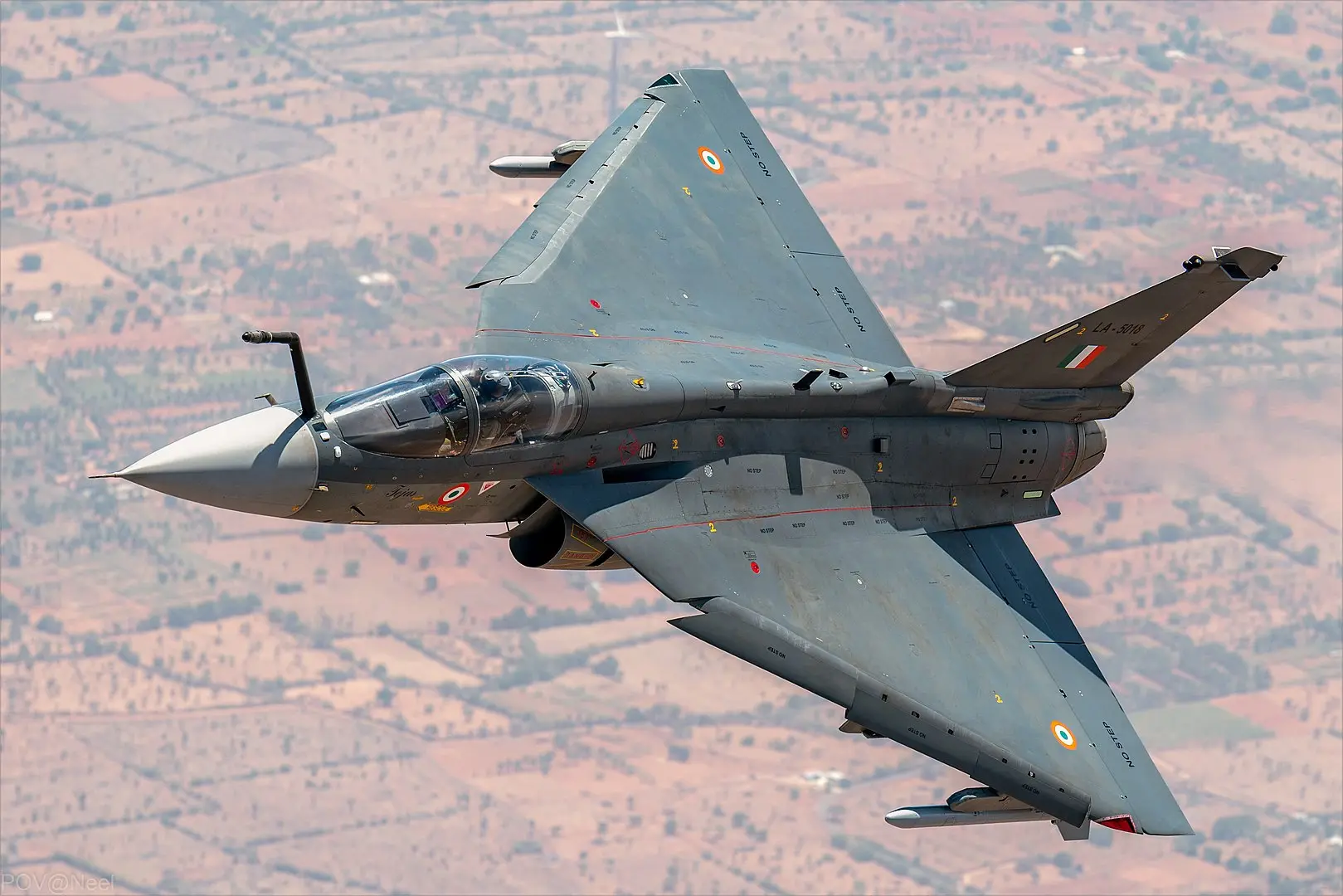
The Power Required For Climbing
For an aircraft to fly level, the engine produces just enough thrust to balance drag. Flying level requires a certain amount of power. To climb, the engine must produce more power than this. This excess power lifts the aircraft upward. A steep climb at 25 to 30 degrees requires the engine running at maximum thrust continuously. Maximum thrust uses fuel much faster than cruise thrust. The engine is not designed to be fuel-efficient at maximum thrust. It is designed to be efficient during cruise at medium thrust.
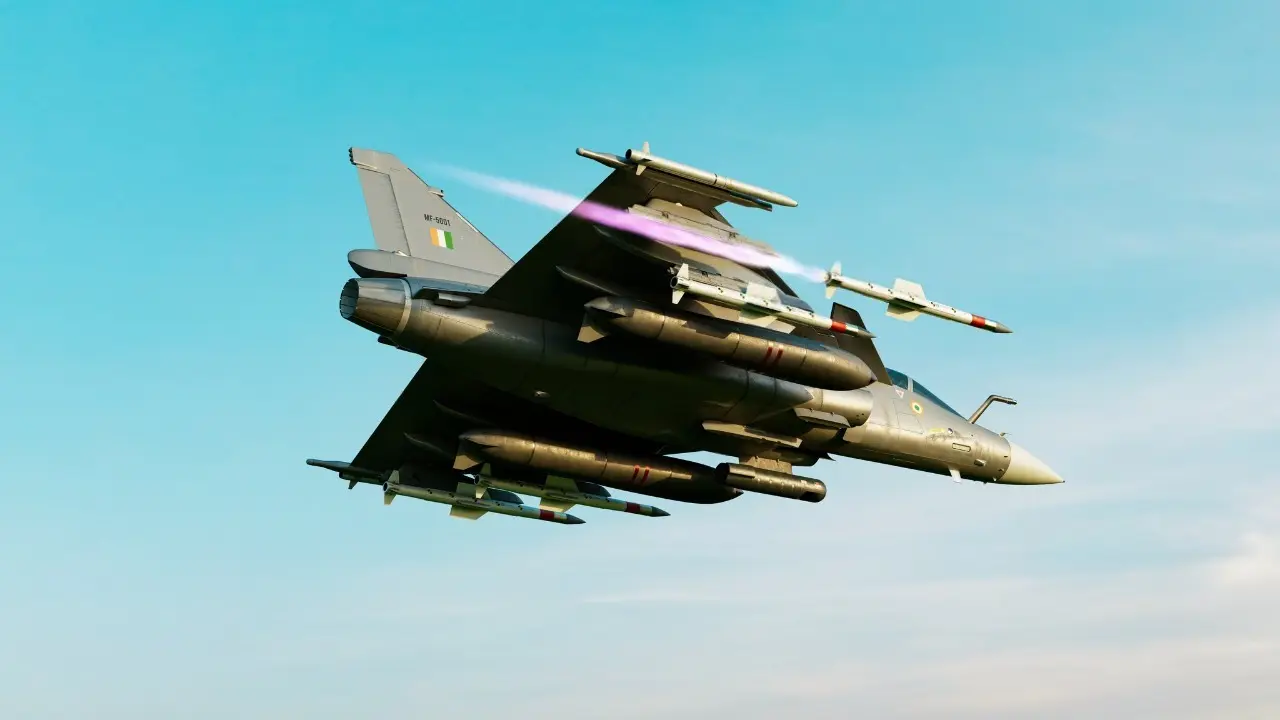
Climb Rate And Fuel Drain
The rate at which an aircraft climbs determines how much fuel is used. A fast climb to altitude quickly burns enormous amounts of fuel. A slow climb to the same altitude burns less total fuel because it takes longer. Pilots face a choice during combat. Climb fast to reach altitude for tactical advantage, burning lots of fuel. Or climb slowly to save fuel but lose tactical position. Fighter pilots usually choose speed over fuel economy because combat situations demand it.
What Are Negative-G Manoeuvres?
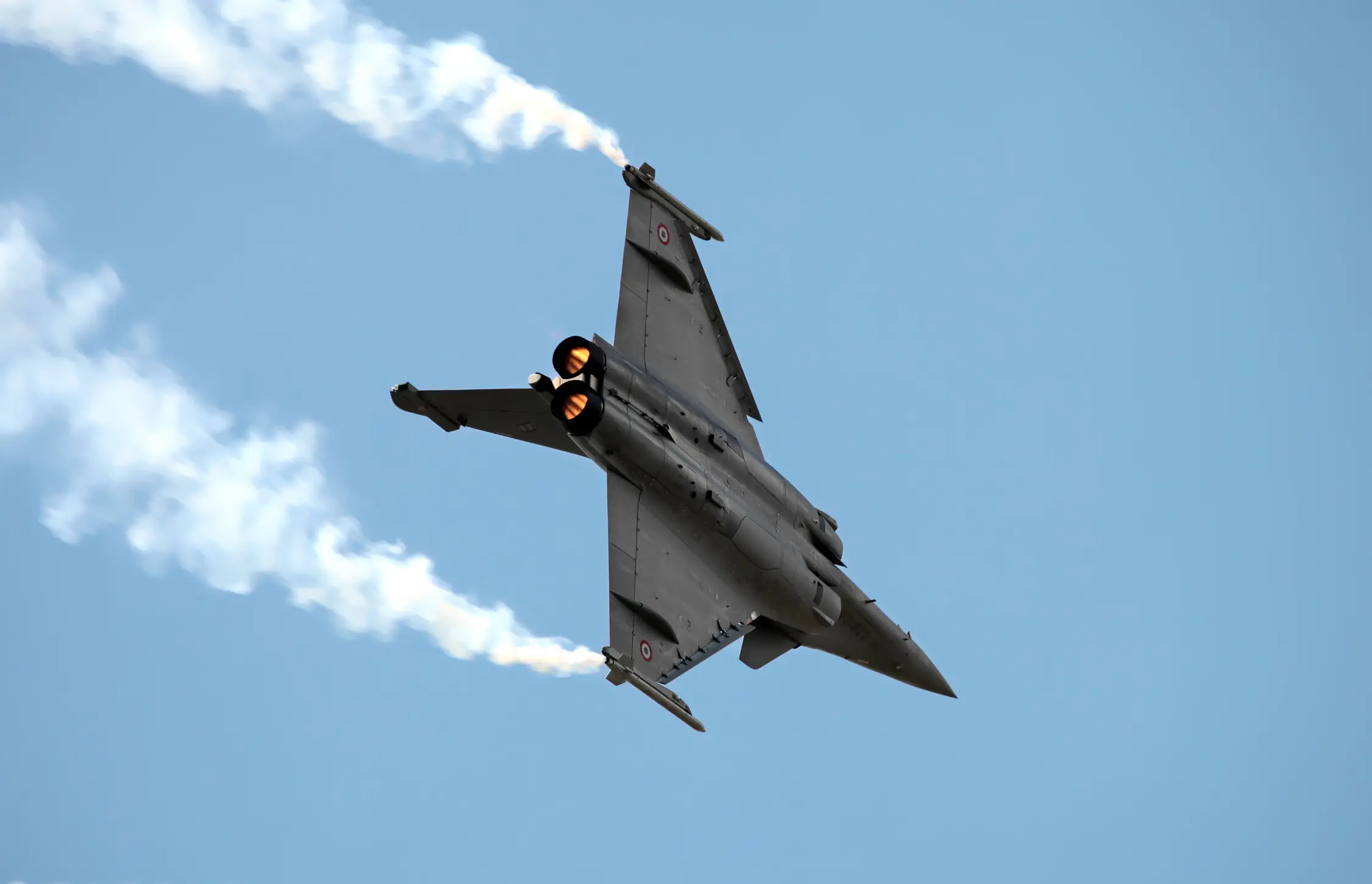
Negative-G forces occur when the aircraft moves opposite to normal gravity direction. A negative-G roll happens when the pilot rolls the jet inverted. During this manoeuvre, objects and people feel weightless, floating upward. Fighter jets perform brief negative-G rolls during combat to gain tactical advantage. The roll happens so quickly that pilots hardly notice it. However, this weightlessness affects the aircraft's fuel system. Standard fuel systems are gravity-fed. When gravity reverses, fuel stops flowing normally.
How Negative-G Disrupts Fuel Flow
In aircraft with standard fuel systems, fuel sits at the bottom of the tank. A fuel pump draws fuel up from the bottom to the engine. During negative-G, the aircraft experiences weightlessness. Fuel floats upward instead of sitting at the tank bottom. The fuel pump draws air instead of fuel. This is called fuel starvation. The engine stops receiving fuel and loses power. Modern fighter jets like Tejas have special fuel systems to prevent this. These systems maintain fuel flow even during negative-G manoeuvres.
Engine Damage From Prolonged Negative-G
Brief negative-G manoeuvres lasting only seconds cause temporary fuel interruption. The engine quickly recovers when the aircraft returns to normal flight. However, prolonged negative-G lasting more than 20 seconds causes real damage. The engine oil pump also starves of oil during negative-G. Oil does not reach engine bearings and pistons. Without oil lubrication, metal surfaces grind and wear rapidly. This damage reduces engine lifespan and requires expensive repairs. Modern fighter jets limit negative-G manoeuvres to seconds only. Pilots never sustain negative-G longer than absolutely necessary.
The Future: Better Fuel Management During Climbs
Traditional jet engines are designed for cruise flight efficiency. They burn more fuel during climb and combat. Future engines will be optimised for all flight phases. The F414 engine in Tejas Mk2 achieves 10 percent better efficiency than the F404. Part of this improvement comes from better fuel management across all thrust levels. Future engines will maintain good fuel efficiency even at maximum thrust. This means fighters can climb faster and perform combat manoeuvres whilst using less fuel. Better fuel efficiency extends mission duration and combat capability.
)
)
)
)
)