Why fighter jets carry fewer weapons than they did decades ago

Modern fighter jets carry fewer weapons than older aircraft because stealth, speed and efficiency matter more than sheer firepower. Internal weapon bays reduce radar detection, drag and fuel burn, while advanced missiles achieve higher kill rates with fewer shots.
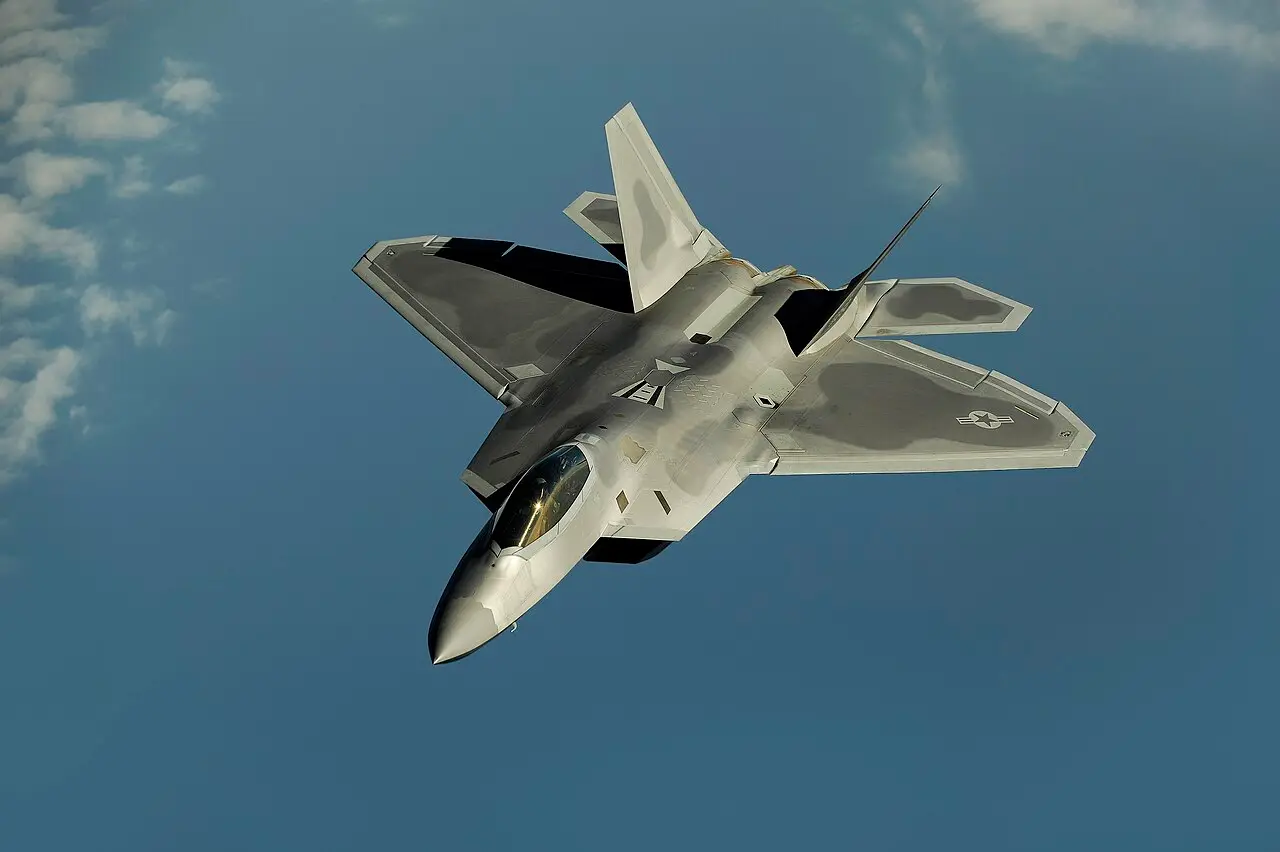
F-22 Carries 8 Missiles Internally While F-15 Strike Eagle Carries 16 External Weapons
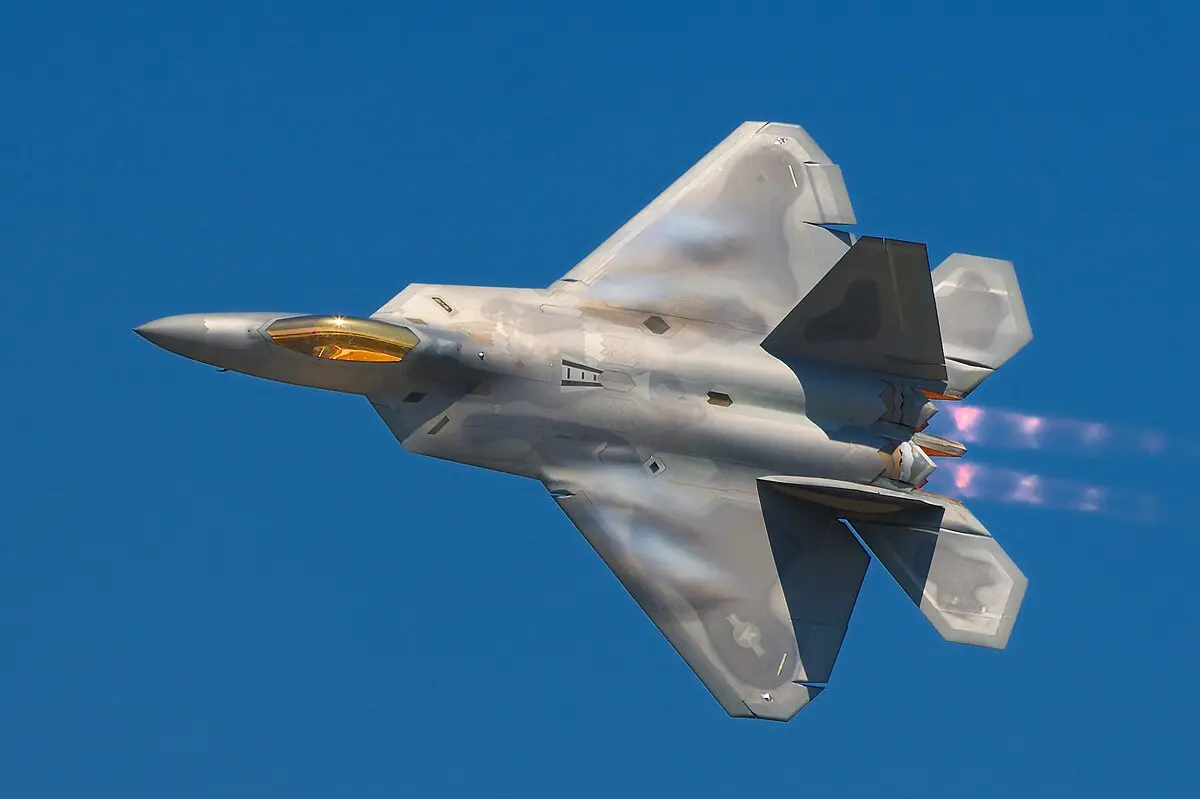
The F-22 Raptor carries approximately six to eight air-to-air missiles stored internally within hidden weapons bays. The older F-15 Strike Eagle could carry up to 16 external weapons mounted on pylons underneath wings and fuselage. This dramatic difference represents shift in combat philosophy over past few decades. Modern fighters prioritise stealth and survivability over raw firepower according to military aviation sources.
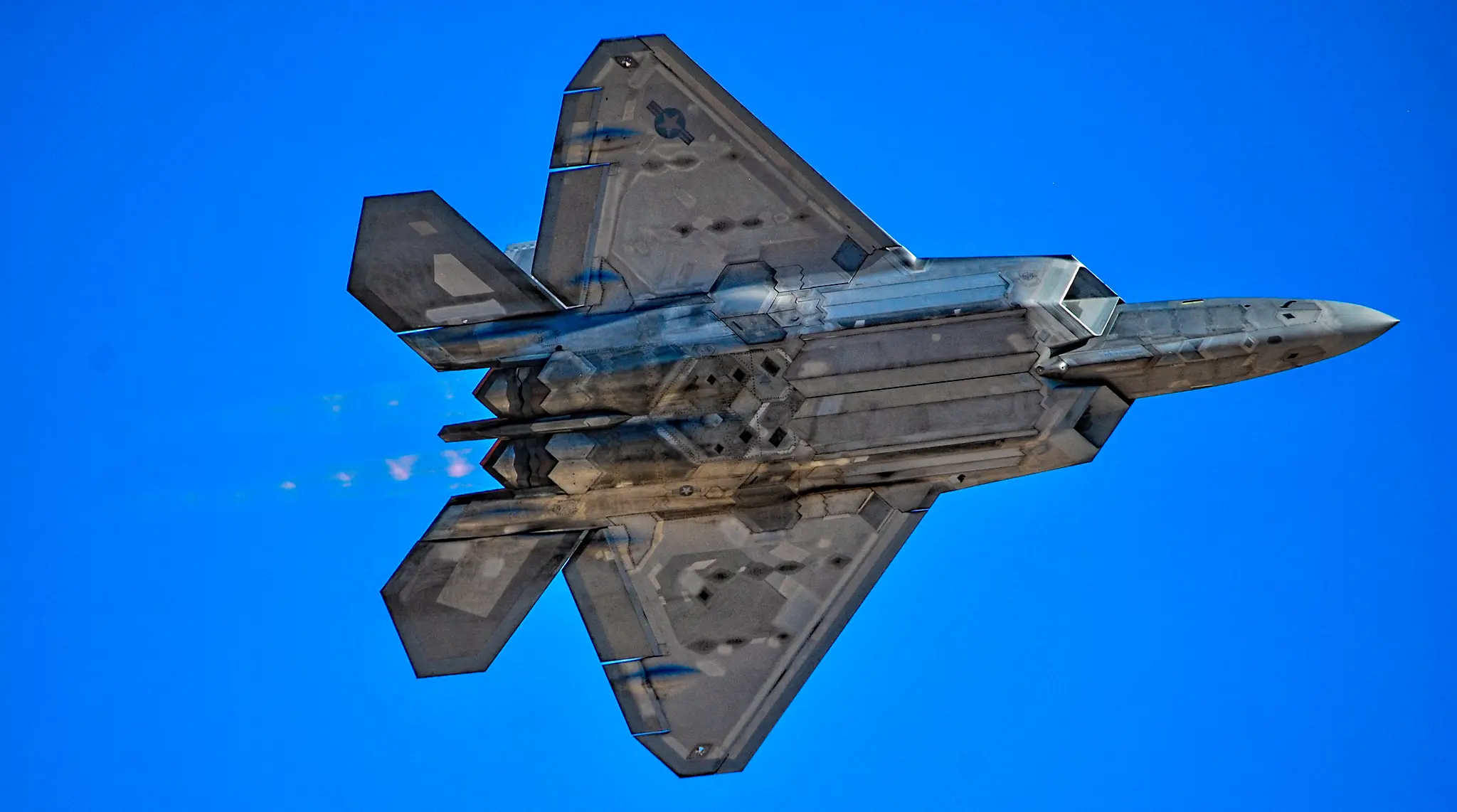
External Missile
External weapons including missiles, bombs and gun pods have sharp edges and fins that reflect radar waves back to enemy detection systems. According to aerospace sources, a single external missile can increase aircraft radar cross section from 0.001 square metres to 0.5 square metres. This exponential increase in radar signature means detection range increases three to five times. Aircraft equipped with external weapons can be detected 300 kilometres away versus 60 kilometres when clean.
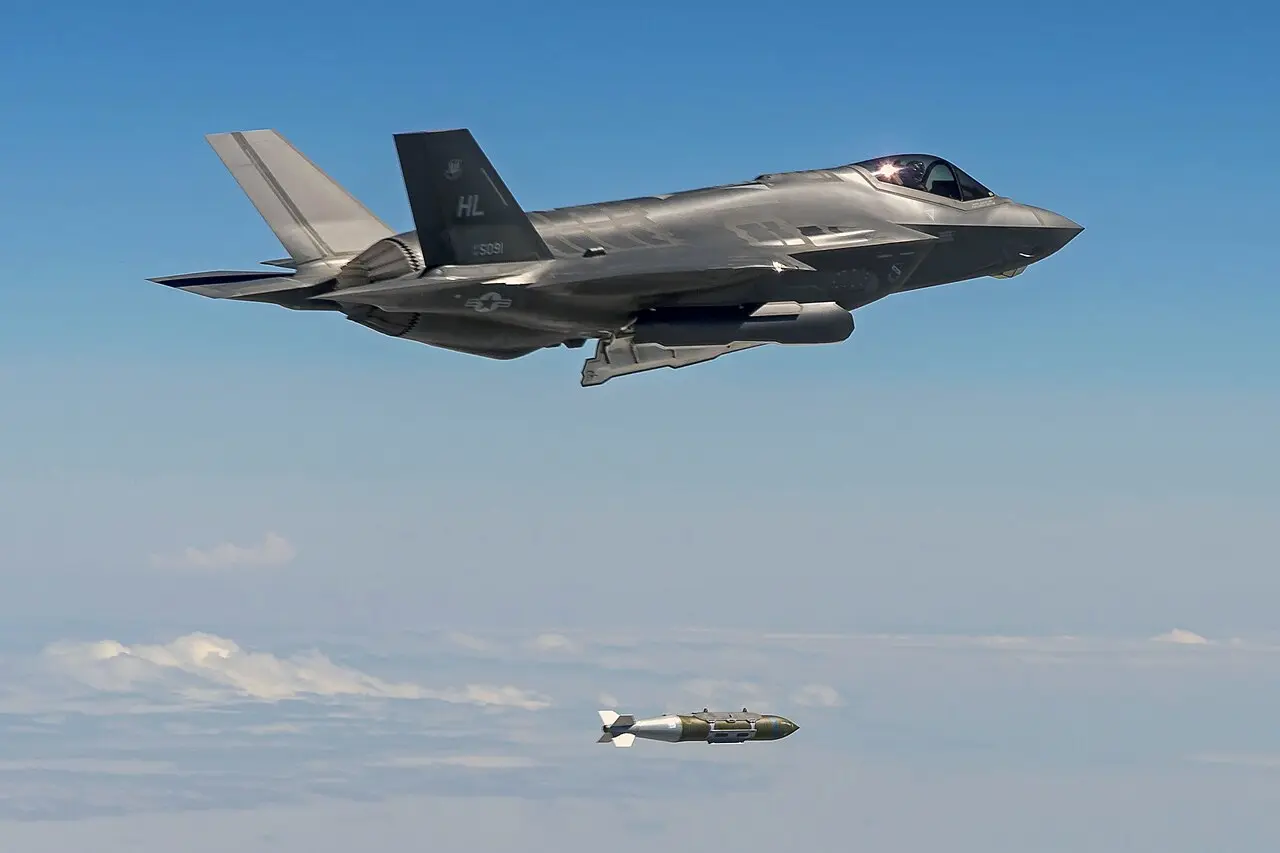
Internal Weapons Bays
Internal weapons bays allow modern fighters to maintain smooth stealth-optimised external shape throughout cruise phase. F-35 features two internal weapons bays each with two weapons stations allowing four missiles to remain completely hidden. Weapons bay doors remain sealed until moment of weapon deployment maintaining low radar signature throughout mission. According to defence sources, this design allows pilots to penetrate deep into enemy airspace undetected.
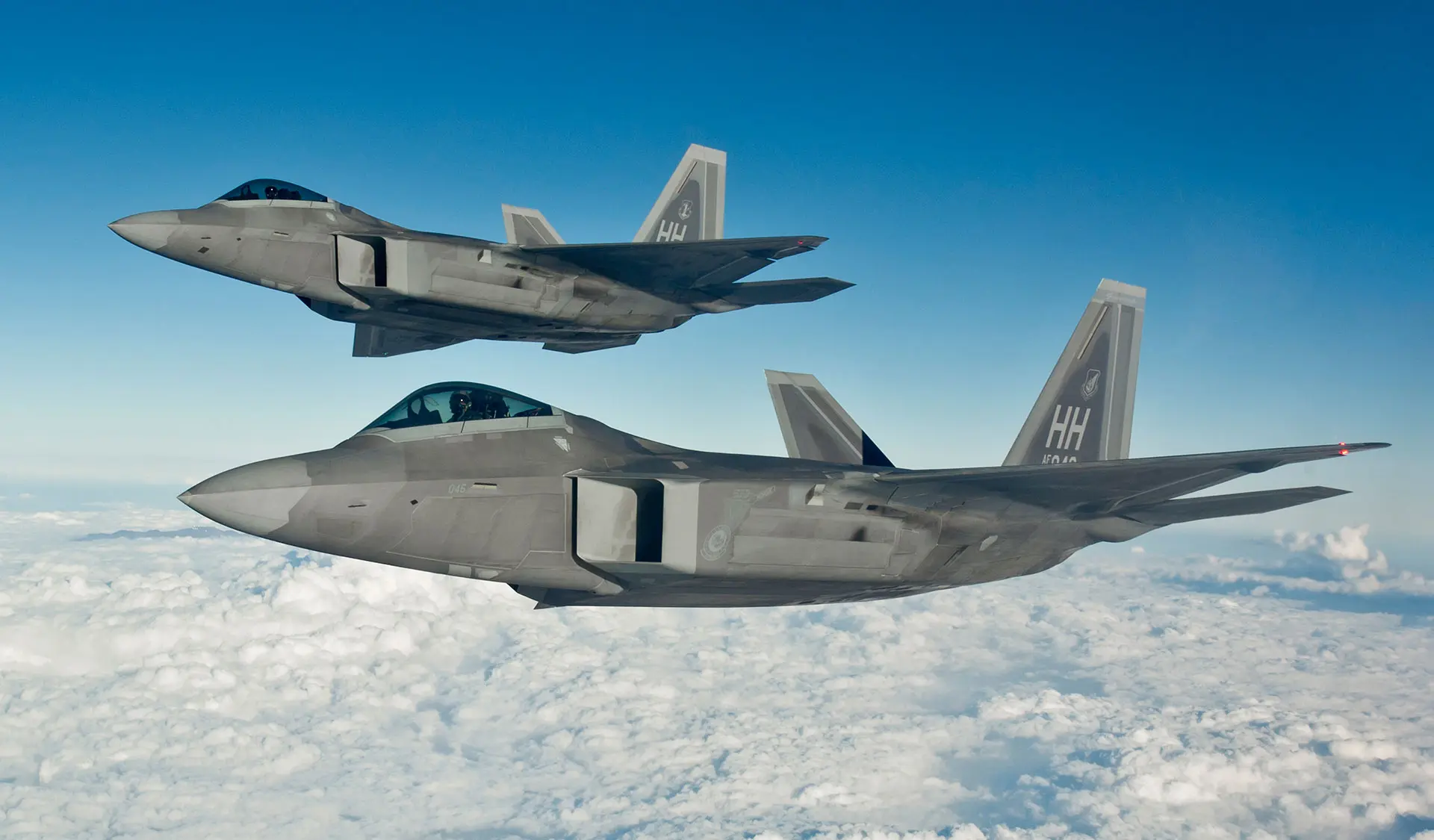
Internal Weapons Eliminate External Drag Allowing 15-20% Faster Cruise Speeds
Anything hanging from wings or fuselage creates aerodynamic drag forcing engines to work harder burning more fuel. By storing weapons internally, modern fighters maintain "clean-skin" aerodynamic shape. F-22 can cruise at Mach 1.5 without afterburners whilst older F-15 needs full afterburner for similar speeds according to military comparisons. Internal weapons configuration allows modern fighters to achieve faster speeds using less fuel improving mission range and endurance.
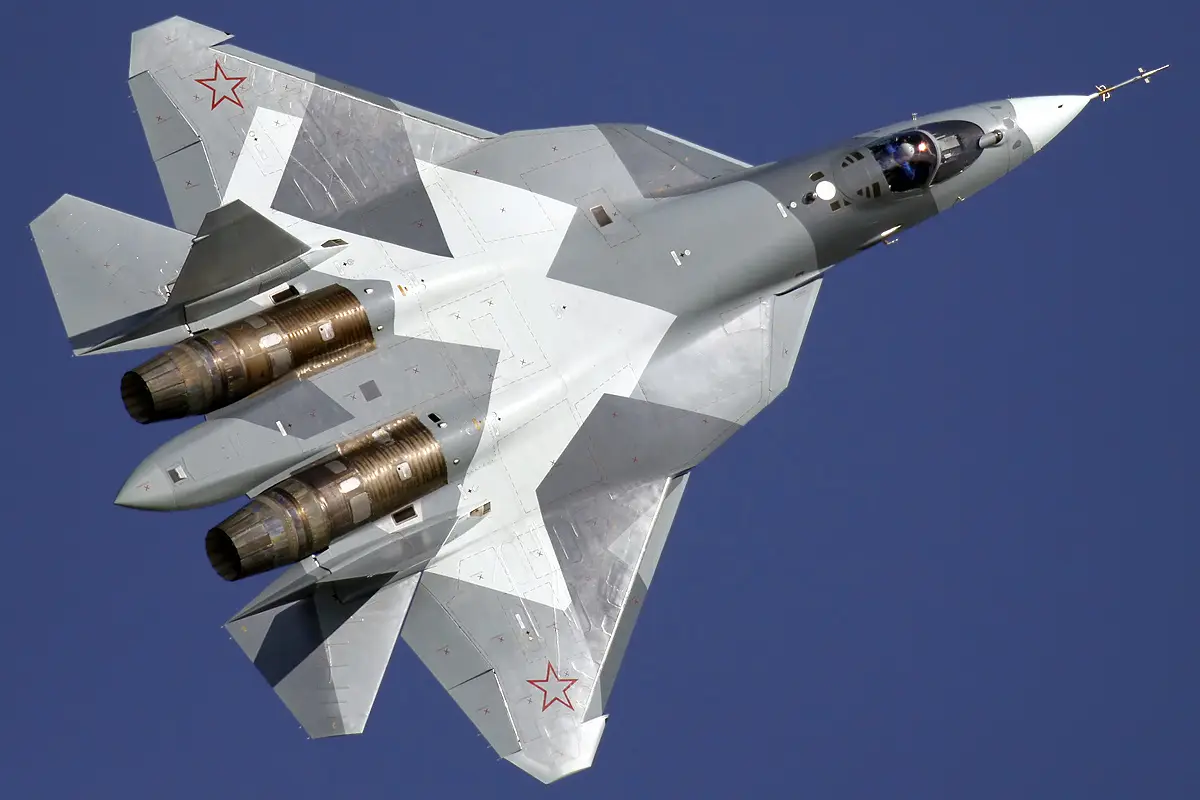
Internal Weapons Reduce Fuel Consumption 15-20% Extending Combat Radius Significantly
Clean aerodynamic configuration improves fuel efficiency, allowing fighters to travel further on same fuel load. F-35 with internal weapons achieves approximately 20 per cent better range than older F-16 carrying equivalent external load according to programme data. This improved fuel efficiency allows deep strike missions impossible with external weapons. Tactical advantage of extended range often outweighs disadvantage of carrying fewer weapons.
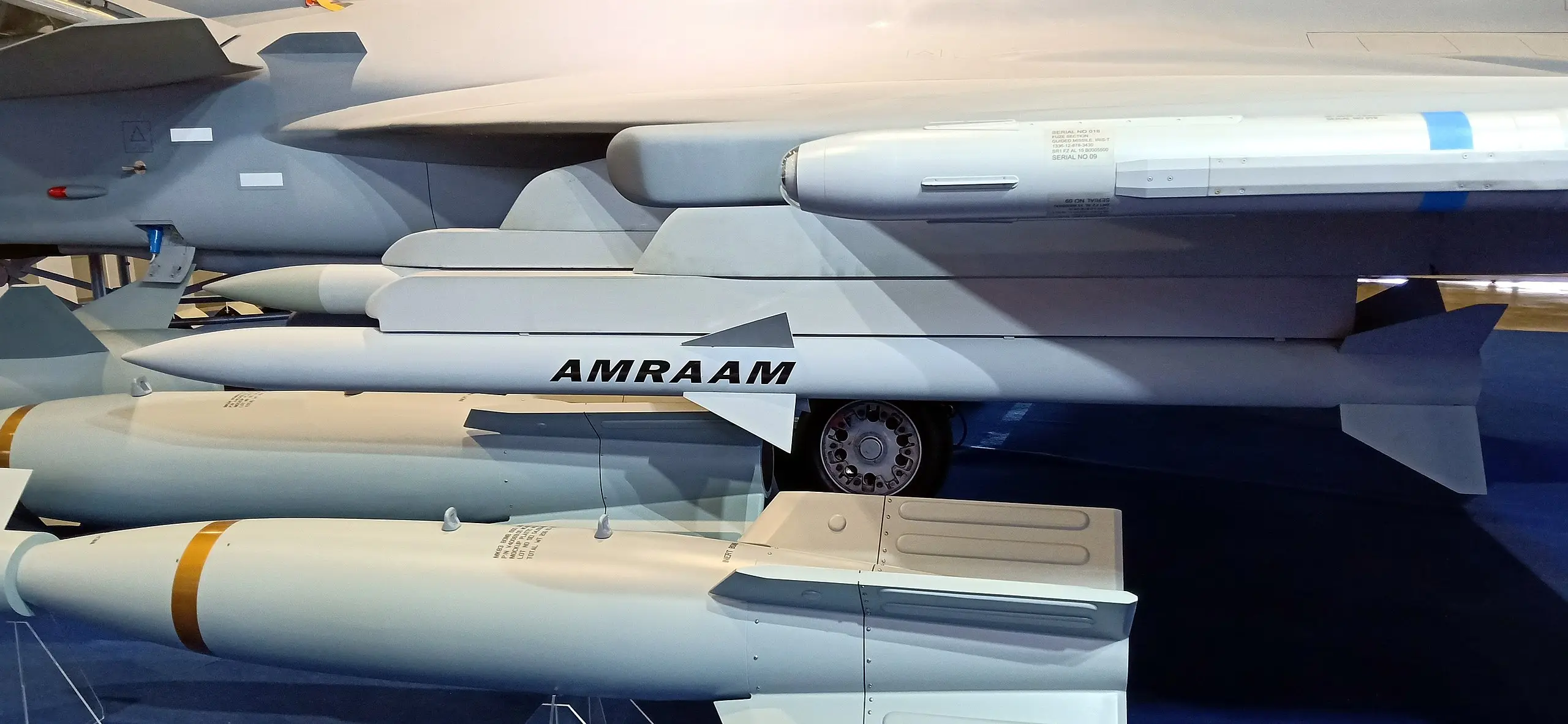
Single Modern Missile Has 90% Kill Probability Versus 20% for Older Generation Systems
Modern guided missiles like AIM-120 AMRAAM have kill probability exceeding 90 per cent for well-executed shots. Older unguided rockets and early missiles had kill probability below 20 per cent, requiring large numbers for effect. This technological advancement means fewer weapons can achieve desired mission effect. F-22 with eight missiles can defeat larger formations than F-4 Phantom carrying 16 weapons according to tactical analysis.
Modern Air Combat Occurs Beyond Visual Range Where Stealth Provides Complete Advantage
Modern air combat emphasises detecting and destroying enemy before visual range occurs at 30 kilometres. Stealth allows fighter to detect enemy using radar whilst remaining undetected on enemy radar. In beyond visual range combat, being unseen provides overwhelming tactical advantage. According to military sources, aircraft detected first in beyond visual range combat loses engagement before firing own weapons.
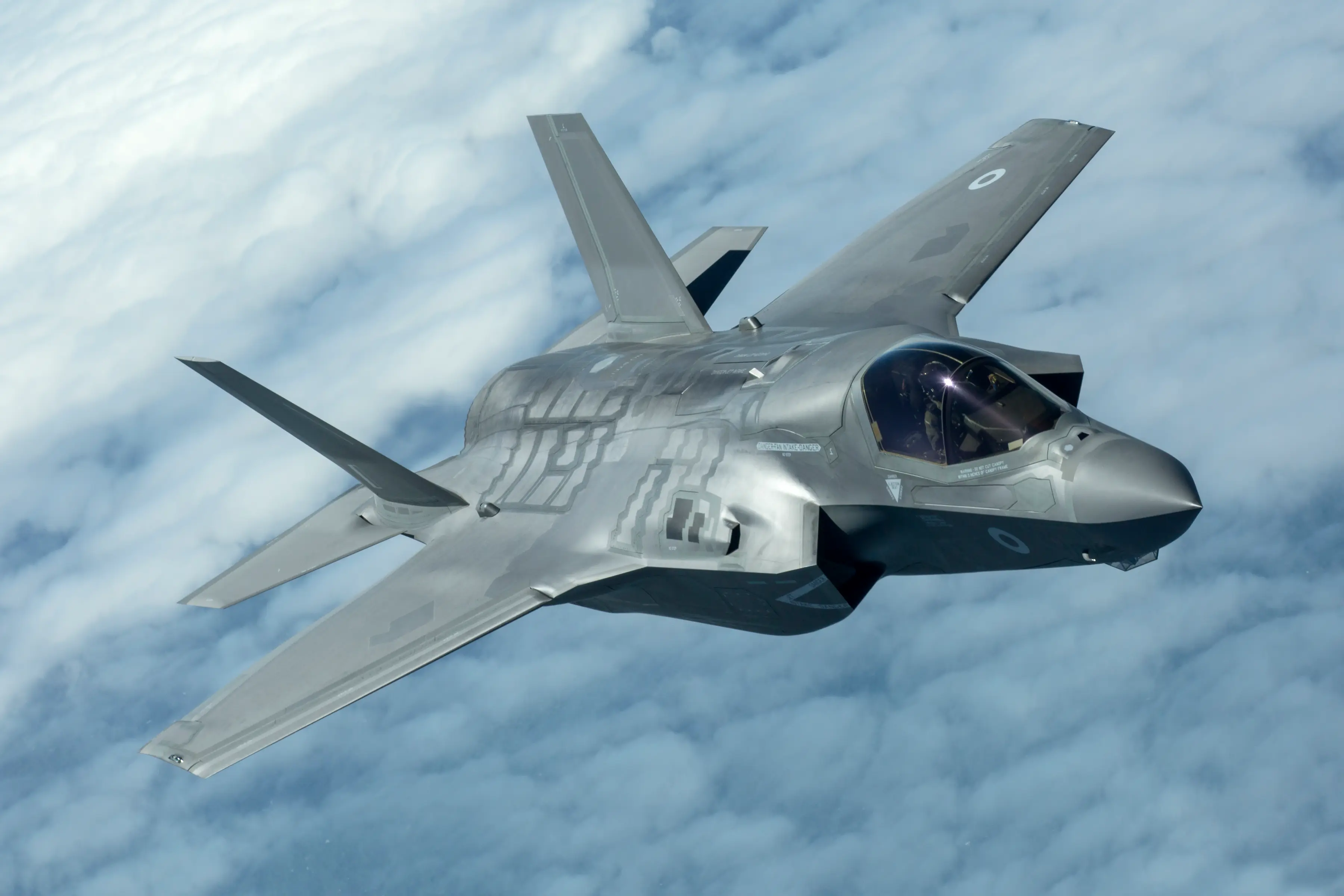
F-35 Carries 4 AMRAAM Missiles Internally
F-35 Lightning II features two internal weapons bays each with two weapons stations. Standard air-to-air loadout includes four AIM-120 AMRAAM missiles stored internally maintaining stealth profile. Sidewinder missiles can be added externally on wing pylons when stealth is not priority for specific mission. This flexible configuration allows pilots to choose between maximum stealth or maximum firepower depending on threat environment.
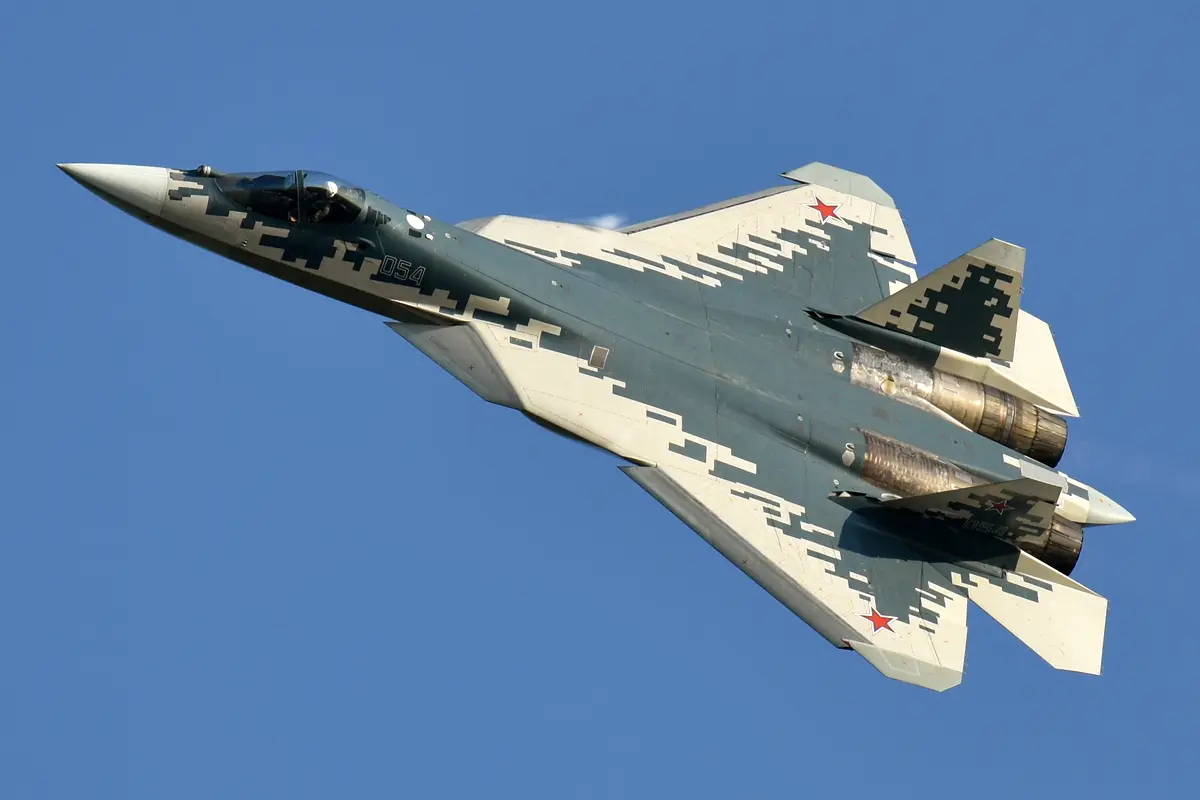
Su-57 Weapons Bay Shows 6-10 Internal Hardpoints
SLIDE 9: Su-57 Weapons Bay Shows 6-10 Internal Hardpoints
Russia's Su-57 stealth fighter first publicly revealed its internal weapons bays November 2025 at Dubai Airshow. The Su-57 features four weapons bays including two main tandem bays carrying R-77M air-to-air missiles. Two smaller canoe-shaped side bays carry R-74M2 short-range infrared missiles. According to aircraft design specifications, Su-57 can carry six to ten weapons internally maintaining low radar signature during mission.
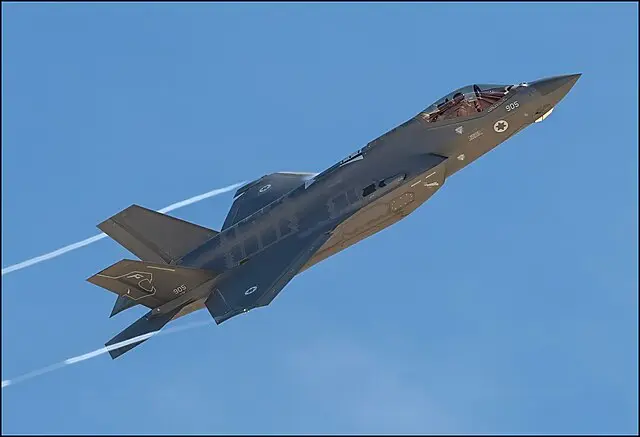
F-35 Carries 4 AMRAAM Missiles Internally
F-35 Lightning II features two internal weapons bays each with two weapons stations. Standard air-to-air loadout includes four AIM-120 AMRAAM missiles stored internally maintaining stealth profile. Sidewinder missiles can be added externally on wing pylons when stealth is not priority for specific mission. This flexible configuration allows pilots to choose between maximum stealth or maximum firepower depending on threat environment.
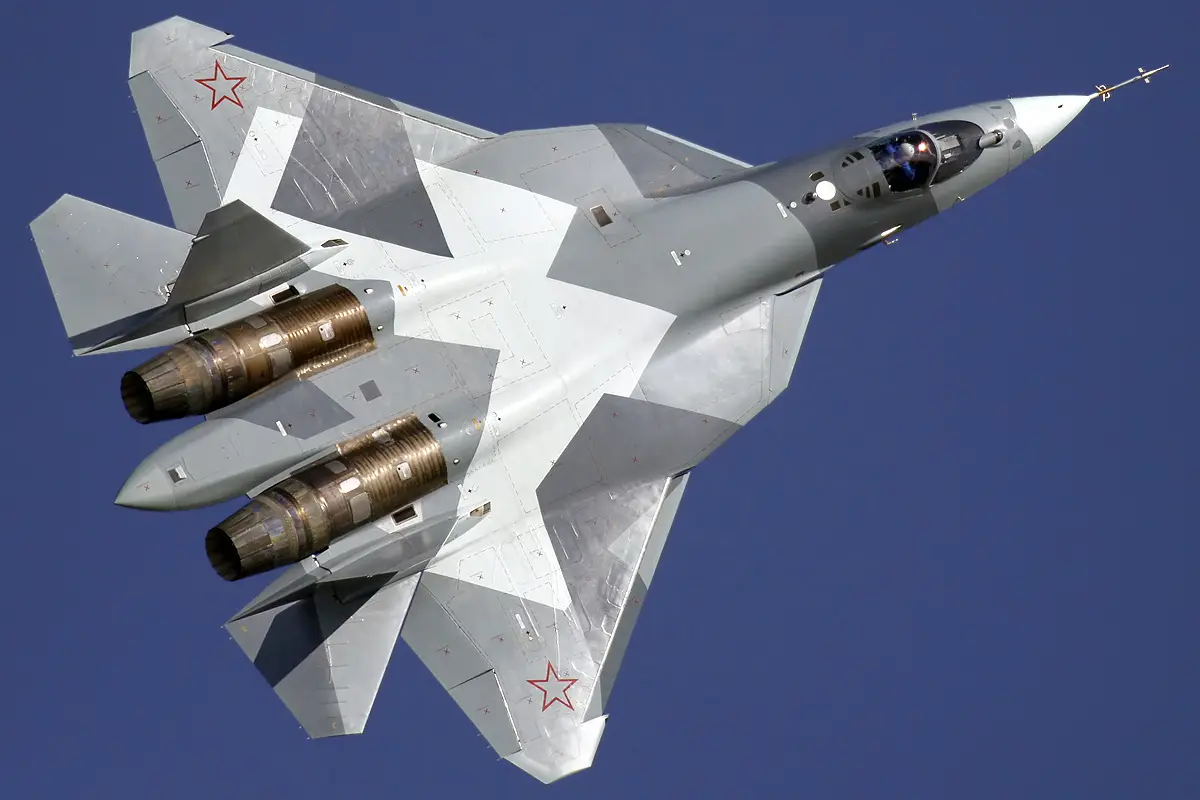
Su-57 Weapons Bay Shows 6-10 Internal Hardpoints
Russia's Su-57 stealth fighter first publicly revealed its internal weapons bays November 2025 at Dubai Airshow. The Su-57 features four weapons bays including two main tandem bays carrying R-77M air-to-air missiles. Two smaller canoe-shaped side bays carry R-74M2 short-range infrared missiles. According to aircraft design specifications, Su-57 can carry six to ten weapons internally maintaining low radar signature during mission.
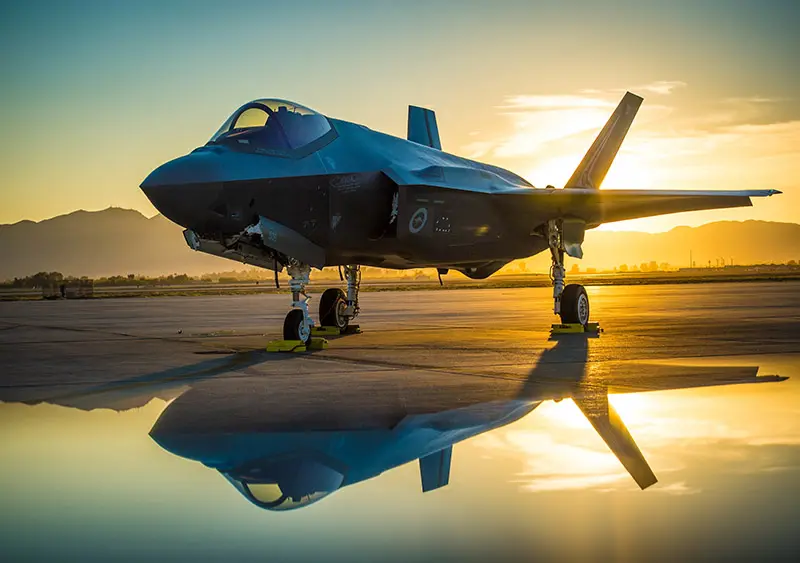
Future Fighters Will Carry Hypersonic Missiles and Directed Energy Weapons In Internal Bays
Next-generation fighters like F-35 Block 4 variant will integrate hypersonic cruise missiles within internal weapons bays. These advanced weapons achieve ranges exceeding 500 kilometres allowing strikes from safe standoff distance. Directed energy weapons currently in development may eventually mount internally as compact laser systems. According to defence research, future internal weapons bays will balance lethal effect with stealth preservation better than today's systems.
)
)
)
)
)