Why fighter jets cannot hover like helicopters?

Most fighter jets can’t hover as their wings need forward speed for lift. Only rare jets like the Harrier and F-35B can do it briefly with special tech, but at a big cost in fuel, speed, and weapons. Why hovering is so rare in fighter jets? Know more below.
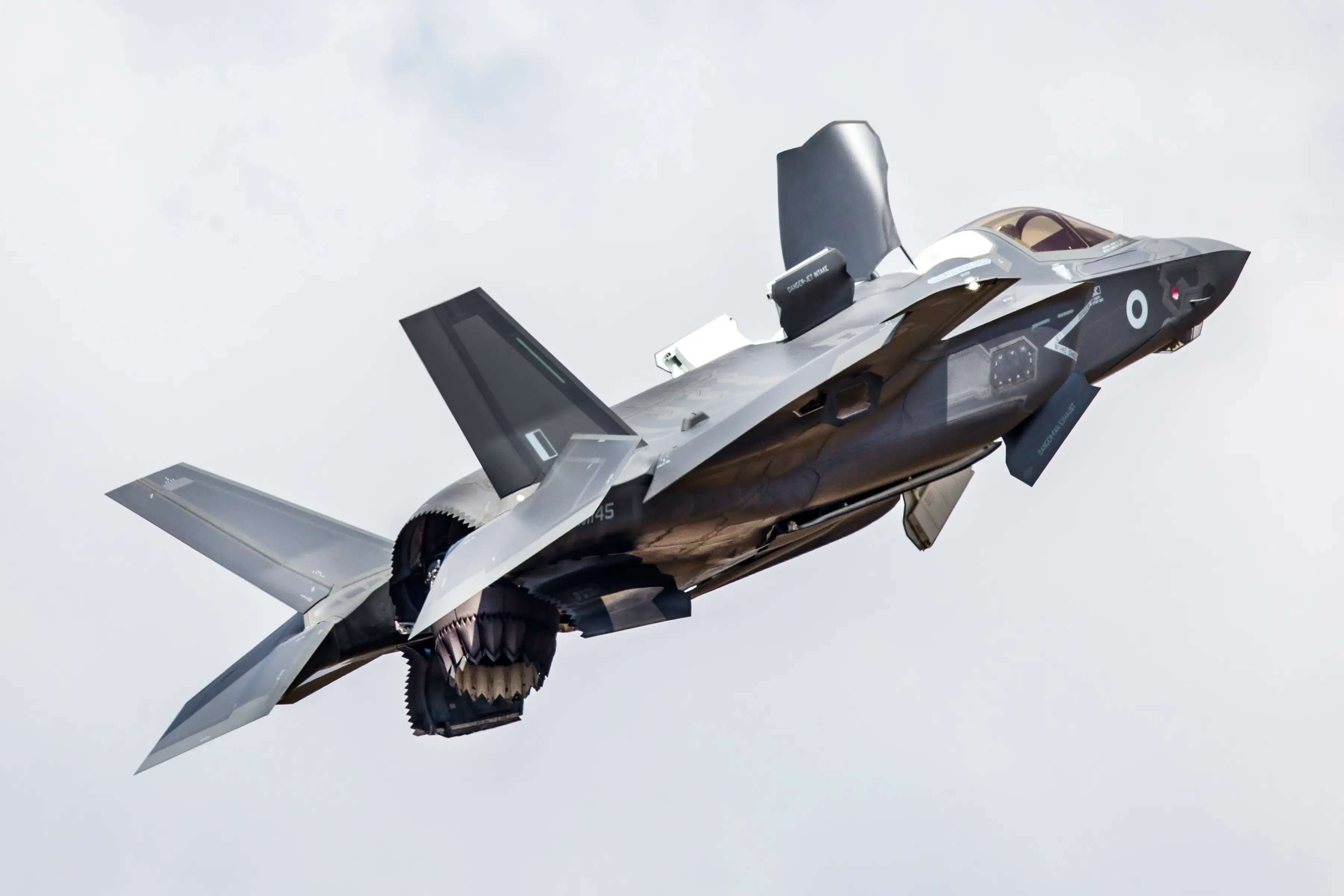
Why fighter jets cannot hover
Most fighter jets cannot hover because they're designed for forward flight, not vertical flight. Their wings generate lift through forward motion, and their engines are optimised for horizontal thrust, not vertical lift.
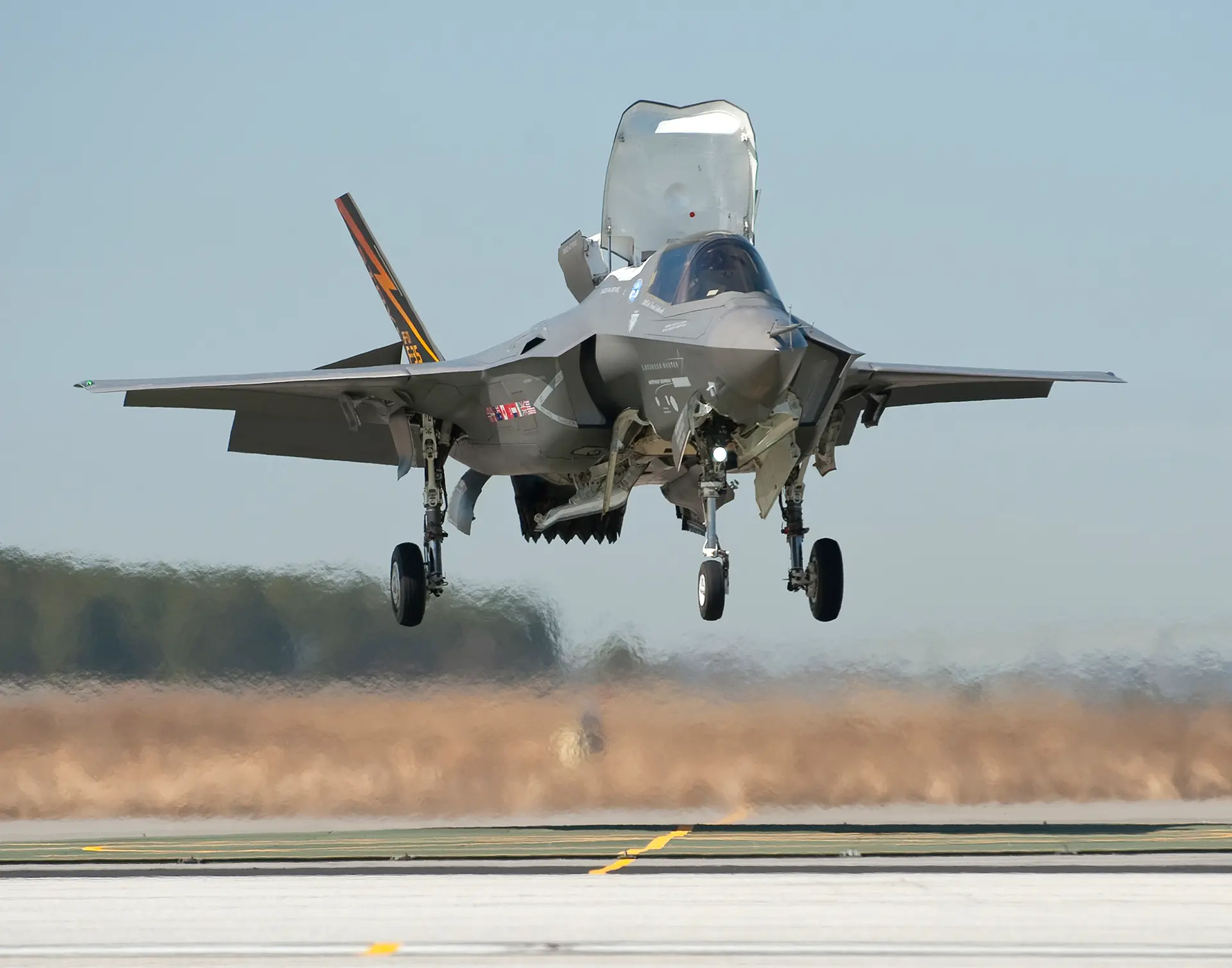
Vertical take-off and landing (VTOL)
The Harrier is the exception because it was specifically designed for vertical take-off and landing (VTOL). It uses thrust vectoring technology, where the engine nozzles can rotate to point downward, creating vertical lift.
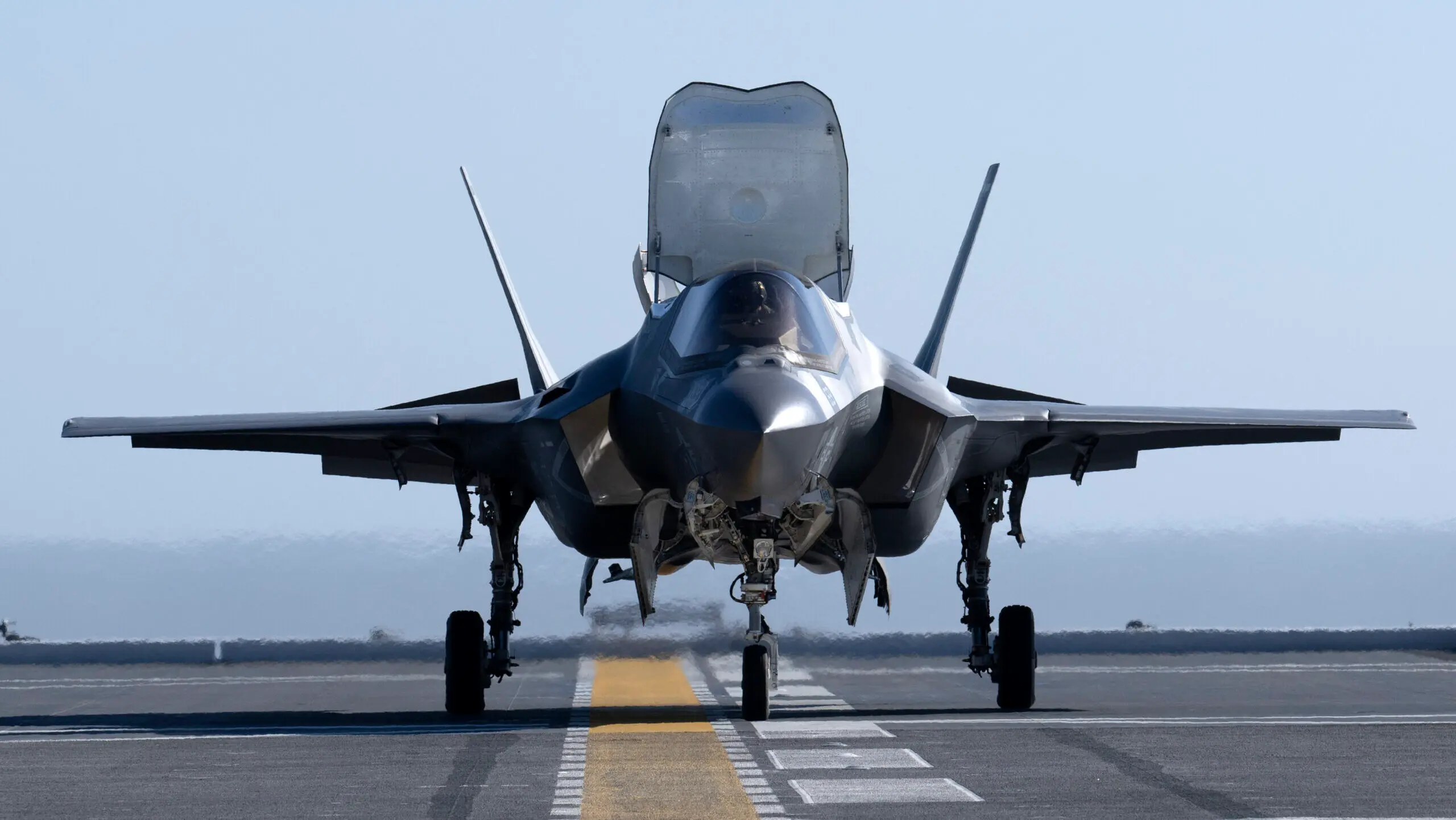
Even the Harrier has limitations
It can only hover for about 90 seconds before running low on fuel. The F-35B Lightning II can hover longer, about two minutes, but this is still very limited compared to helicopters.
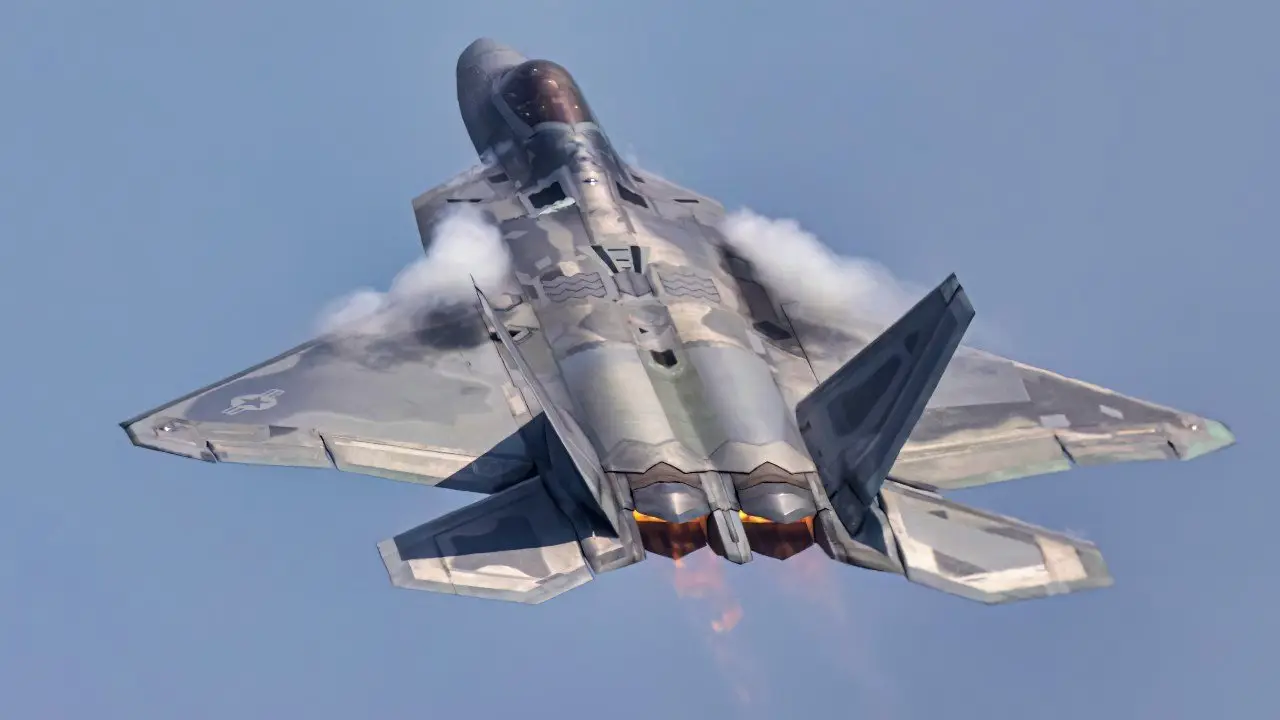
Physics fundamental
Traditional fighter jets like the F-16, F-18, and Typhoon rely entirely on forward motion for lift. Without speed, their wings generate no lift, and they would simply fall from the sky. This is fundamental physics.
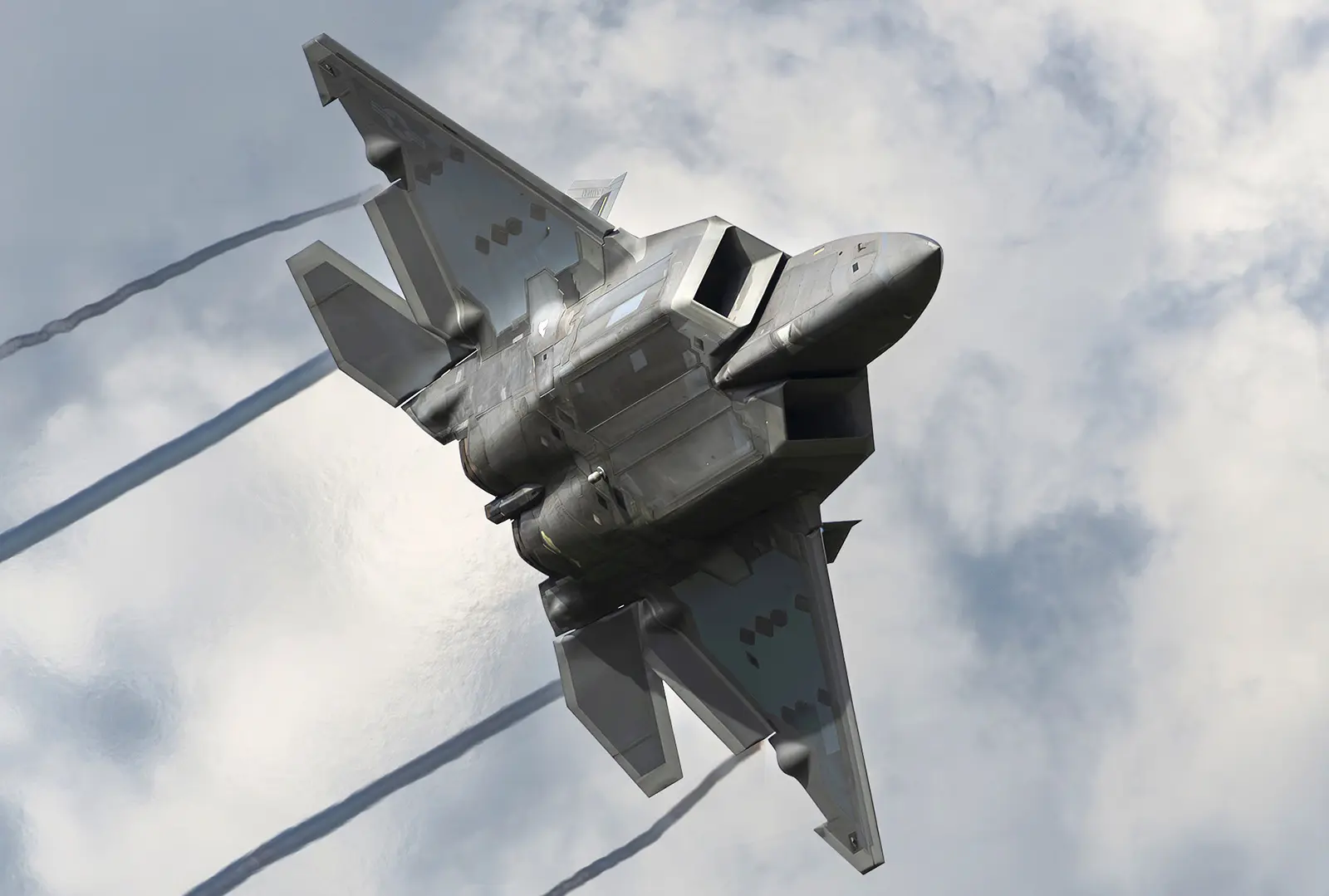
The F-35B
Hovering capability comes at a cost. The Harrier is slower than conventional fighters and has shorter range. The F-35B sacrifices some weapons capacity and range for its vertical landing ability.
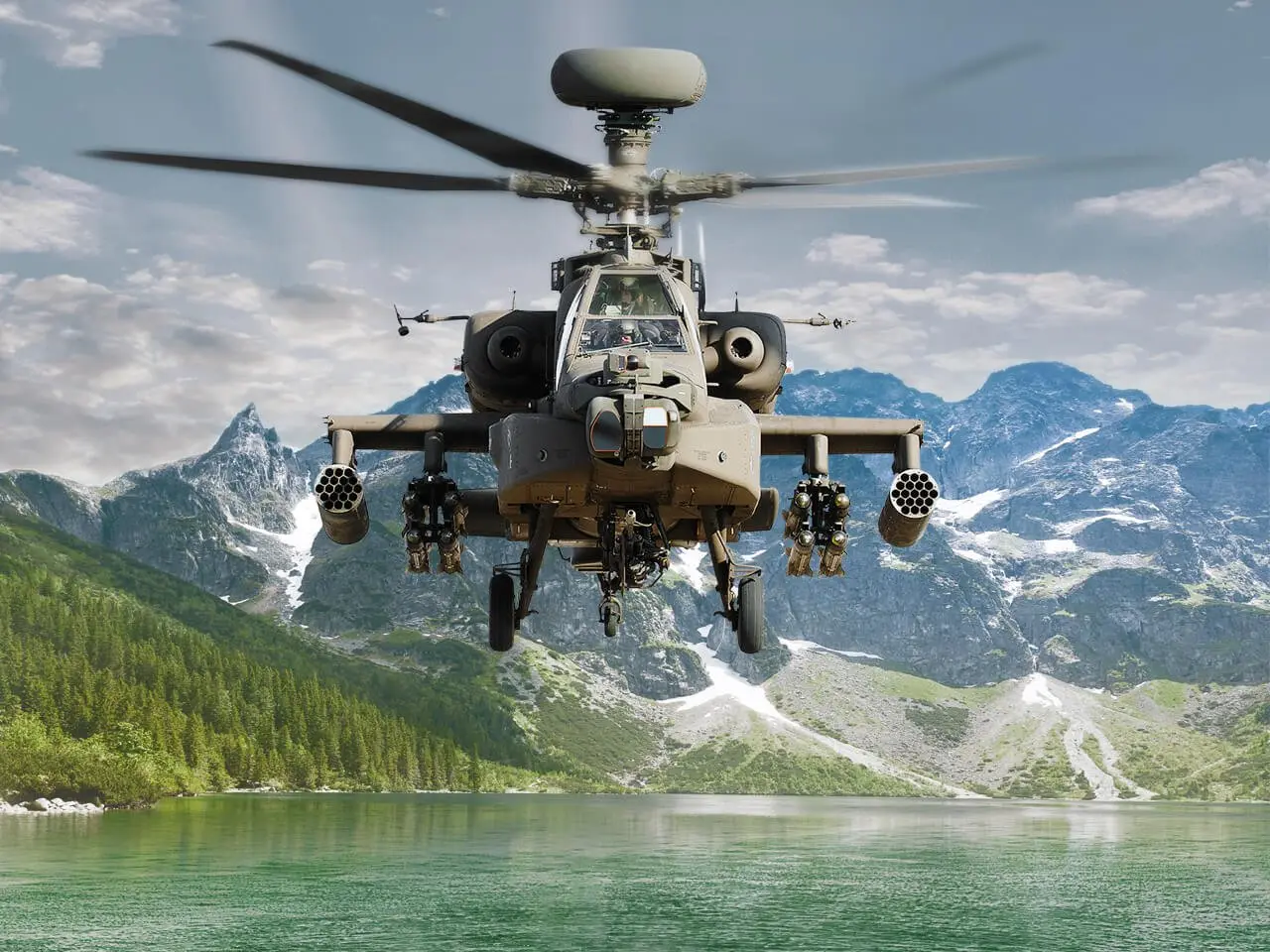
Helicopters use rotating blades
Helicopters use rotating blades that create continuous lift. Fighter jets use fixed wings that require forward motion. These are completely different aerodynamic principles that cannot be easily combined.
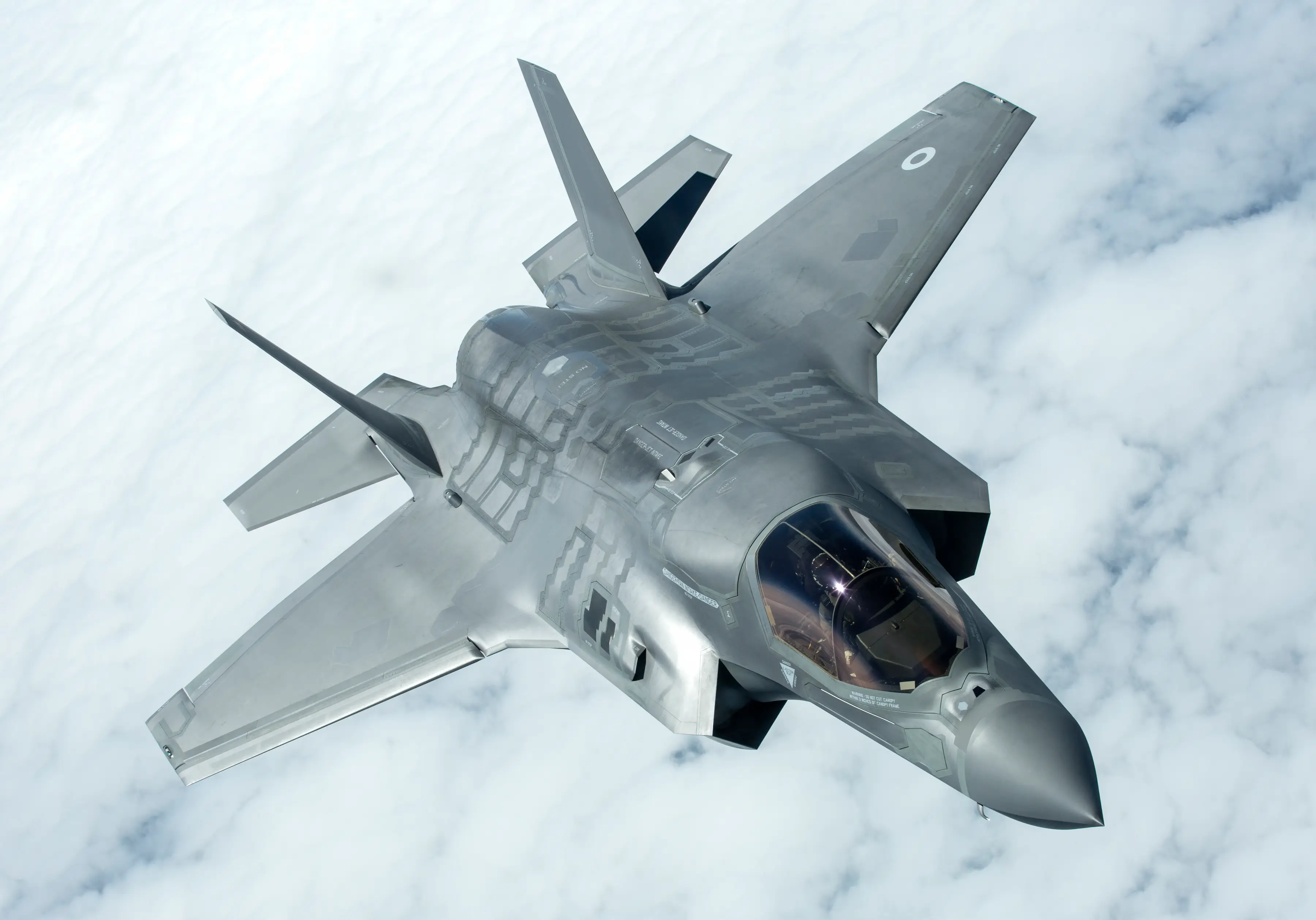
One fighter jet can hover
So while one fighter jet can hover, the technology is expensive, fuel-intensive, and limited. For most military missions, conventional take-offs and landings remain more practical and efficient.
)
)
)
)
)