Why fighter jets can’t use GPS the way your phone does

Fighter jets cannot rely solely on GPS like phones due to risks like jamming and spoofing in combat zones. Instead, let's know what they rely on.
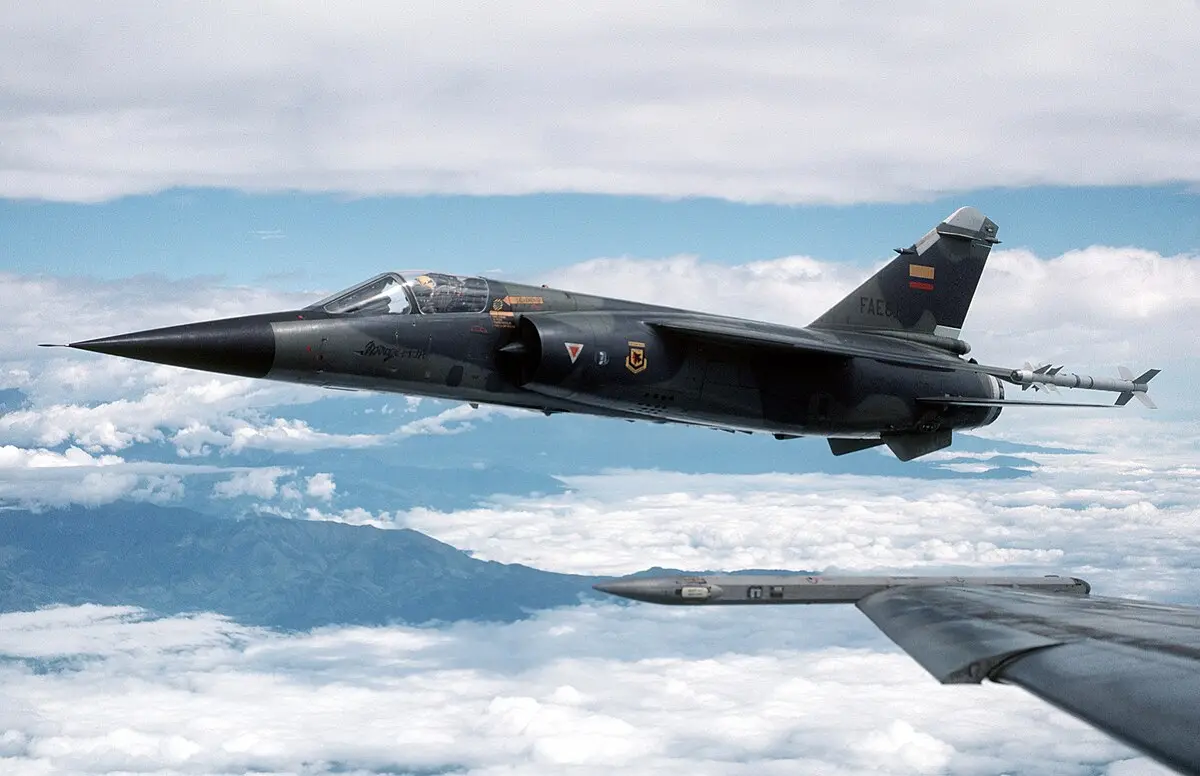
Fighter Jets Need More Than GPS
Unlike phones, fighter jets can’t rely on GPS for navigation. GPS signals can be blocked or tampered with in war zones, making it unreliable. Jets use other, more secure systems to keep flying safely even when GPS is disrupted
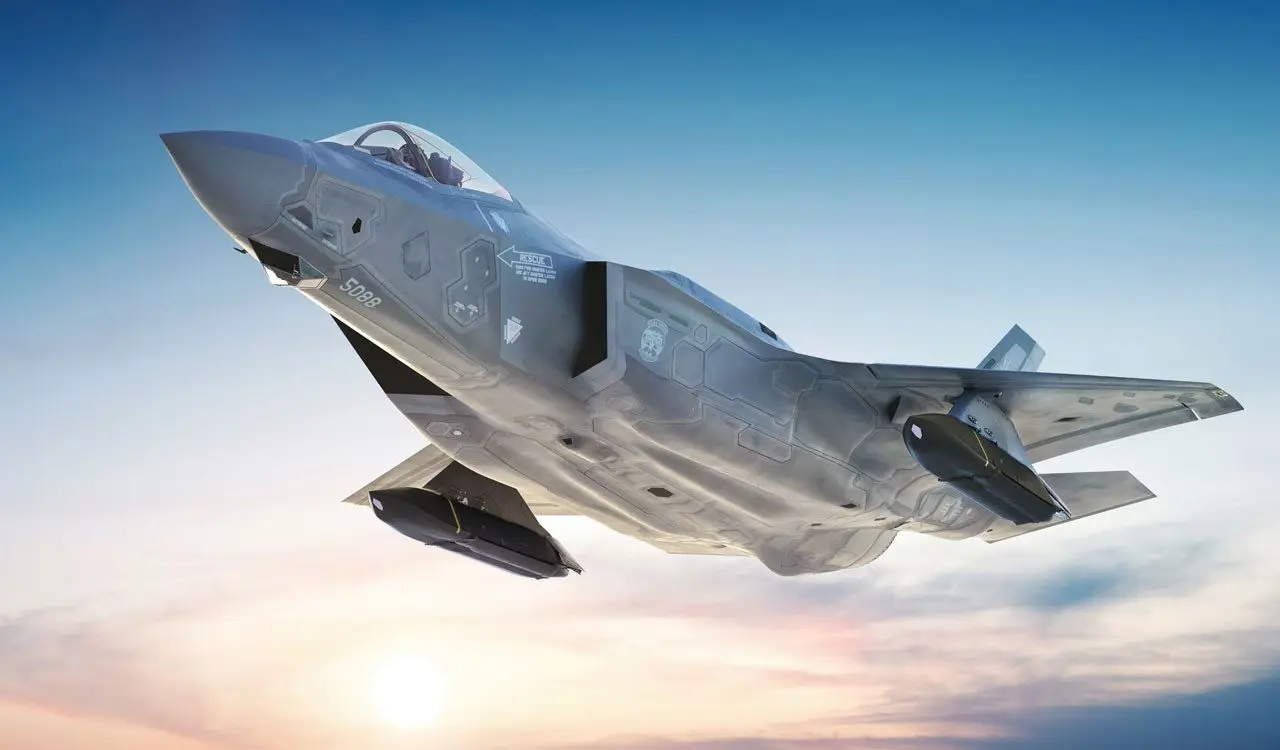
GPS Vulnerabilities in Combat
In battle areas, enemies may jam GPS signals to stop jets from getting location data. Worse, they can send fake signals (spoofing) to mislead jets about their true position. This can cause serious problems and risks for pilots.
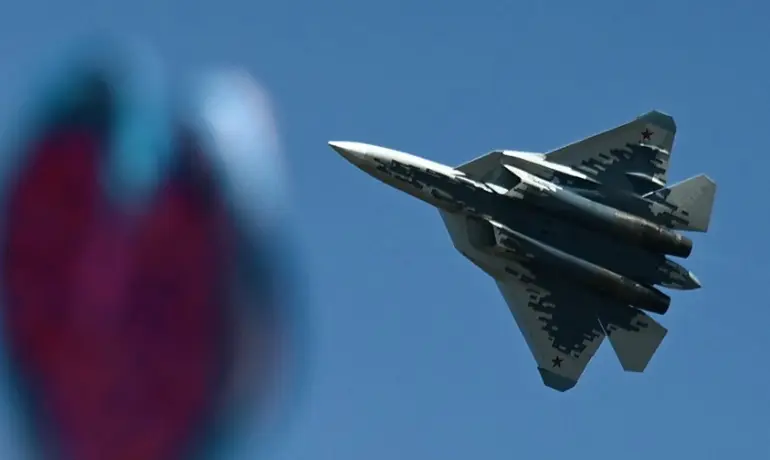
Signal Blocked Inside Jets
The metal body of jets can block or weaken GPS signals. This means the GPS receiver inside the plane sometimes can’t get accurate information. Relying just on GPS could leave pilots lost or flying blind.
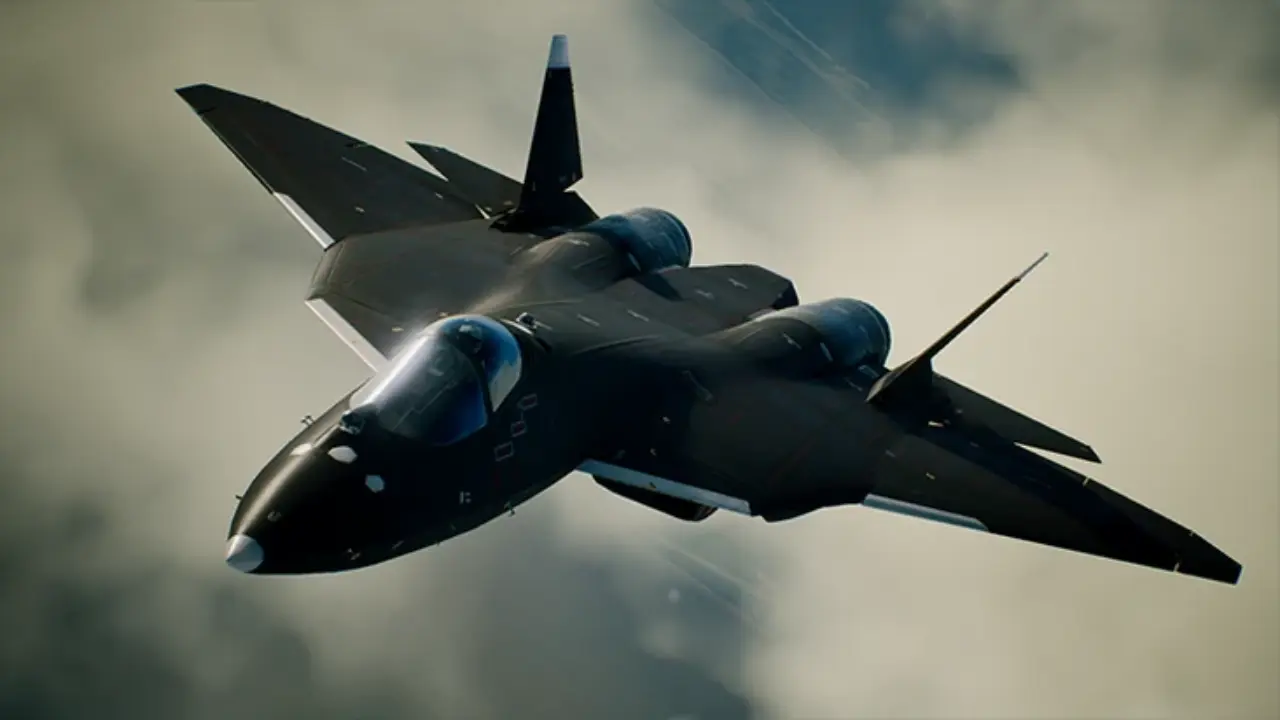
Multiple Systems Are Critical
Military planes don’t rely on one navigation system alone. They have several separate systems working together, so if one fails, others can guide the pilot safely. This is essential for mission success and pilot safety.
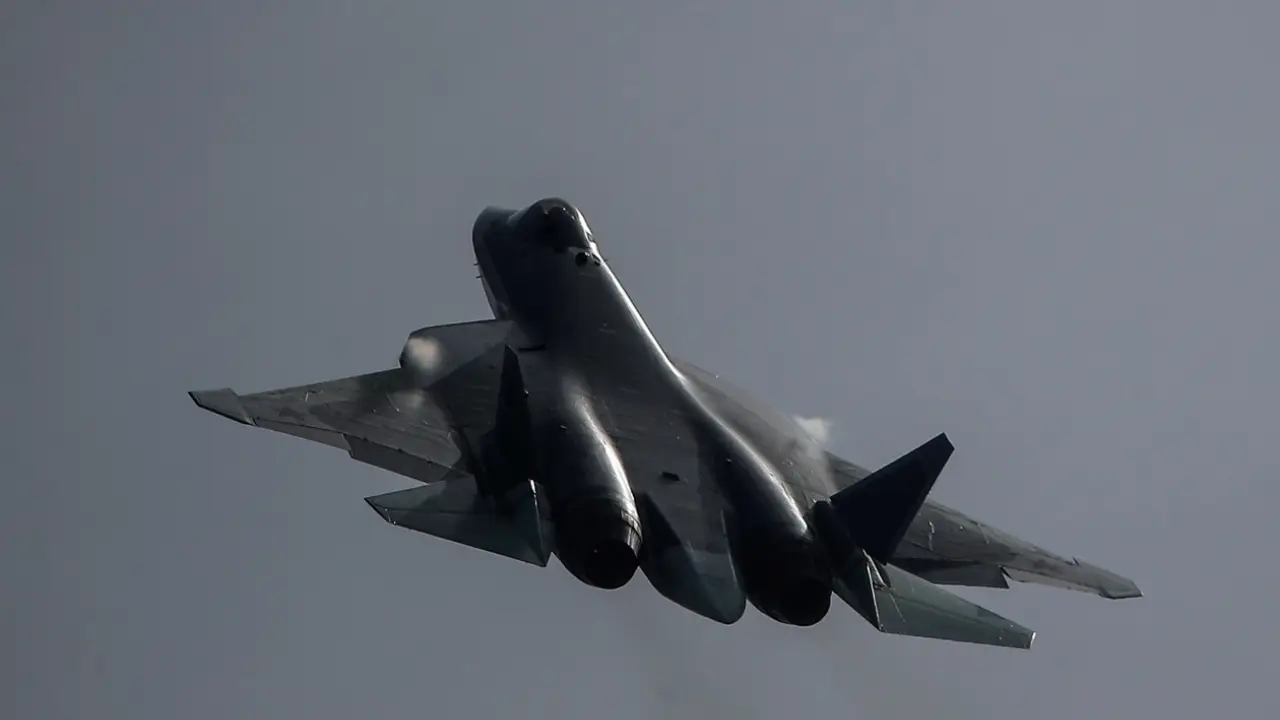
Inertial Navigation System (INS)
INS is a key system in fighter jets. It uses internal sensors like gyroscopes and accelerometers to track movement from a known starting point without needing any external signal. INS is very precise but slowly less accurate over time without corrections.
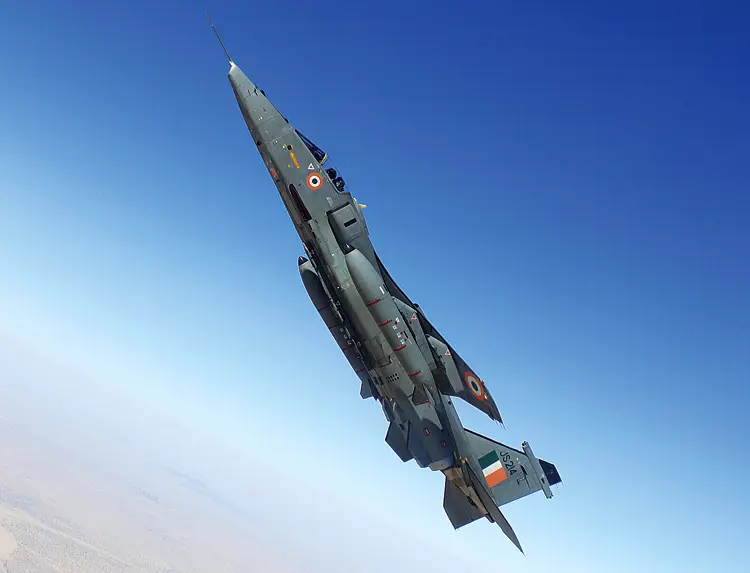
Tactical Air Navigation (TACAN)
TACAN helps jets by giving distance and direction data to ground or airborne stations. It’s very reliable and complements INS and GPS. Together, these systems ensure pilots always know where they are, even if GPS fails.
GPS Still Valuable but Not Alone
Jets do carry GPS receivers, but only as an additional tool for better situational awareness when the signal is clear and secure. The primary navigation depends on hardened systems like INS and TACAN, ensuring pilots can fly safely through any situation.
)
)
)
)
)