Why fighter jets can't use car fuel to fly?

Fighter jets cannot run on car fuel. Jet engines need special fuel built for extreme heat, freezing altitudes and high power. Using car petrol would damage engines and risk safety. Curious why jet fuel is so different?
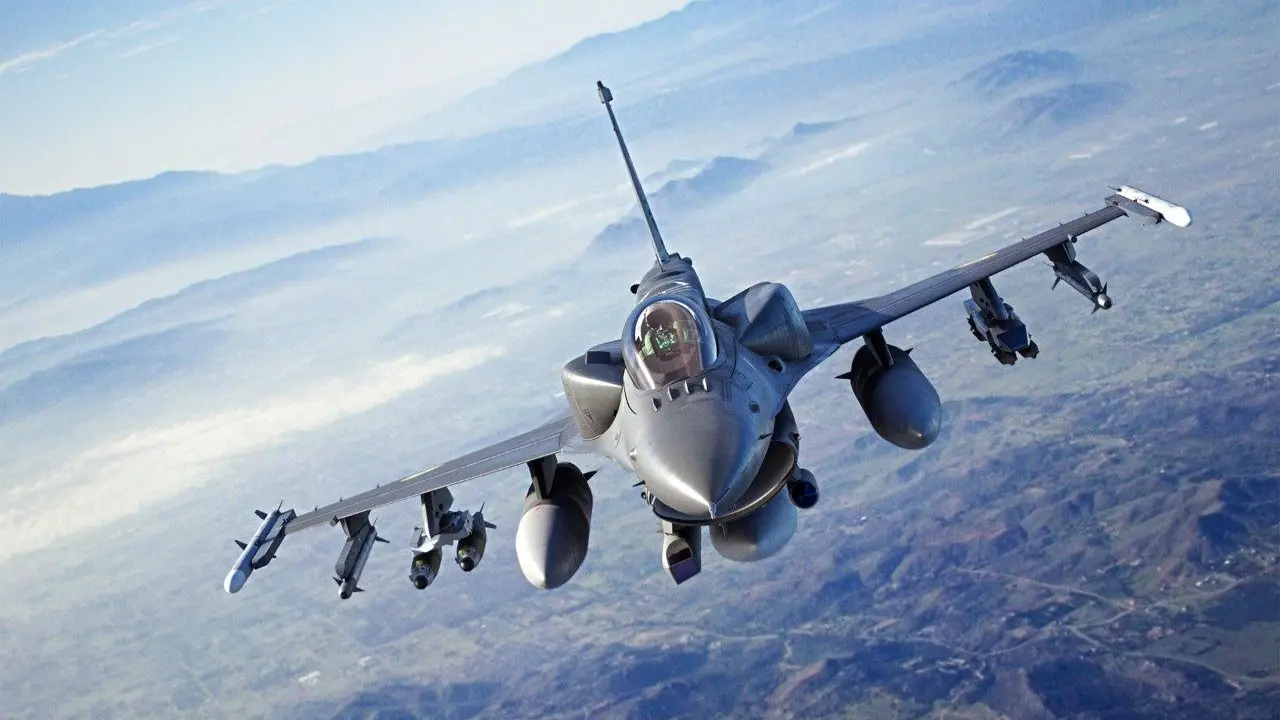
Jets fuels
Fighter jets cannot use car fuel because the two fuels have completely different chemical properties. Car petrol is designed for internal combustion engines, while jet fuel is formulated for high-altitude, high-temperature turbine engines.
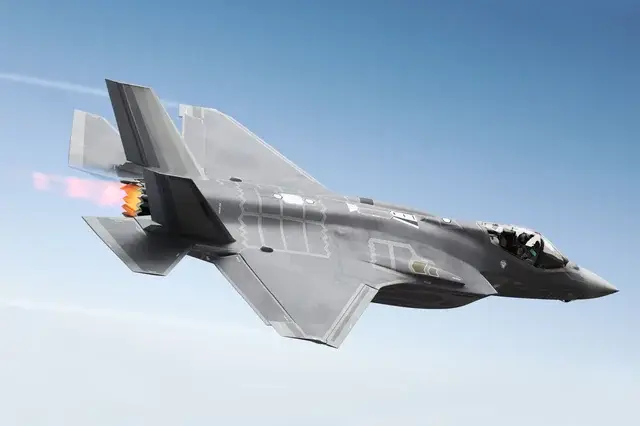
Jet fuel has a much higher flash point than car petrol
Jet fuel has a much higher flash point than car petrol. According to aviation safety data, jet fuel won't ignite until it reaches 38 degrees celsius, while car petrol can ignite at just 43 degree celsius. This makes jet fuel much safer for aircraft operations.

The energy density is different too
Jet fuel contains more energy per litre than car petrol, which is crucial for long-range flights. A fighter jet using car petrol would have significantly reduced range and performance.
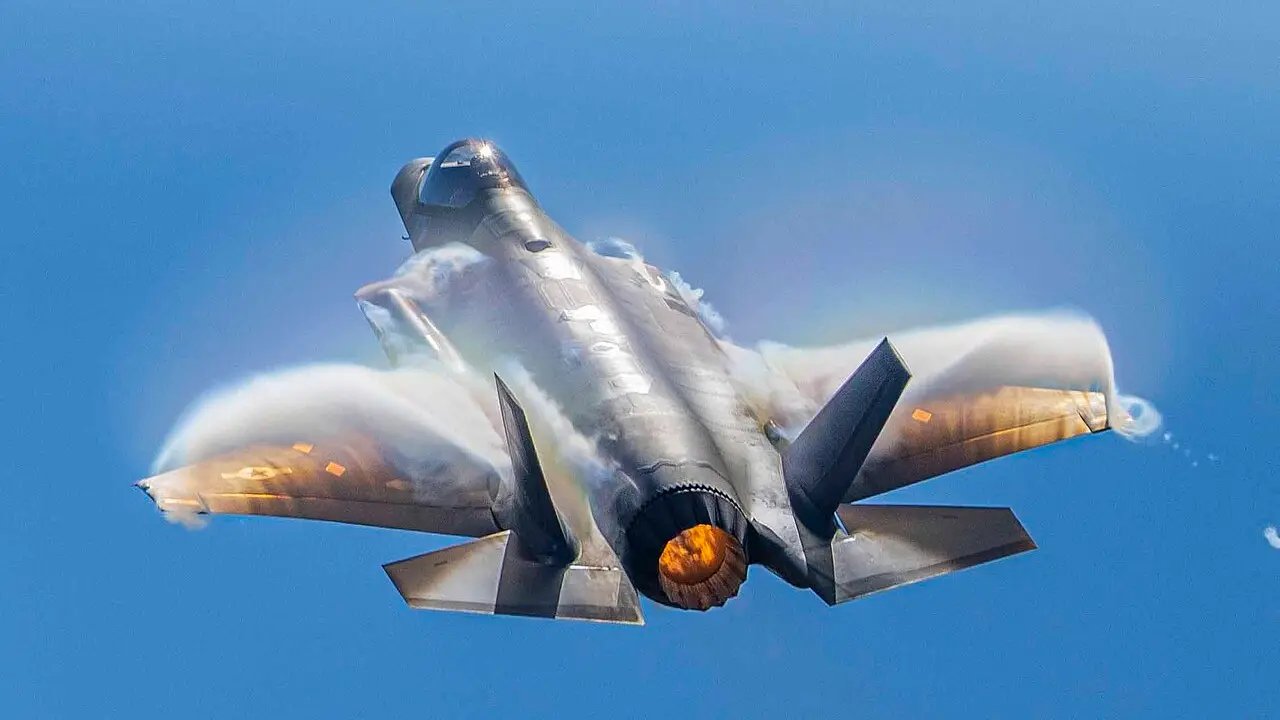
Car petrol contains additives that would damage jet engines
These additives can cause corrosion, clog fuel filters, and damage turbine blades. Jet engines are precision machines that require clean, pure fuel.
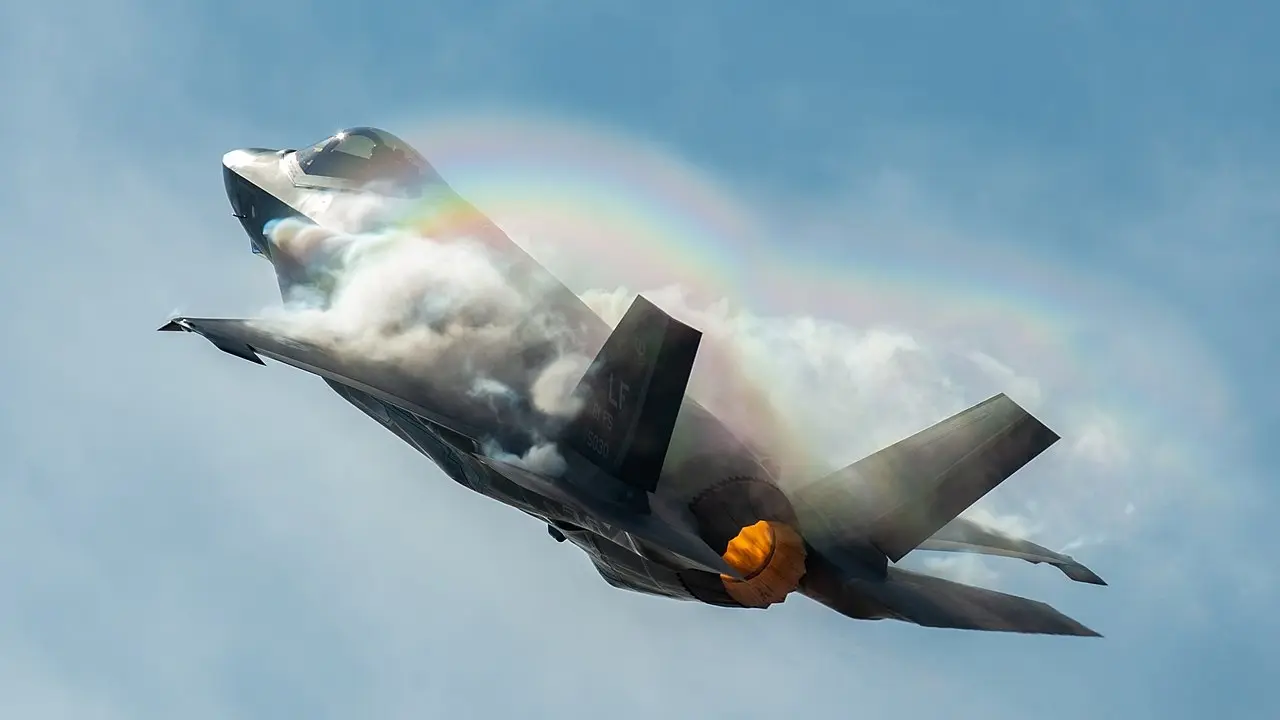
The freezing points are also different
At high altitudes, temperatures can drop to -60 degrees celsius. Car petrol would freeze solid, while jet fuel remains liquid. This is critical for high-altitude military operations.
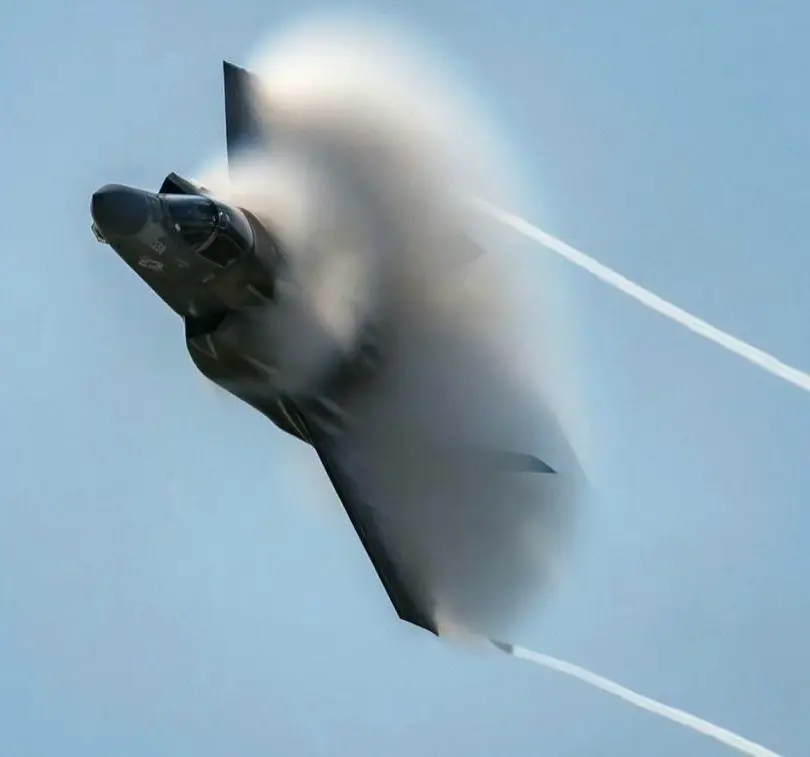
Jet fuel is also designed to handle the extreme heat of afterburners
When pilots engage afterburner mode, temperatures can reach 1,700 degrees celsius. Car petrol would break down and cause engine failure at these temperatures.
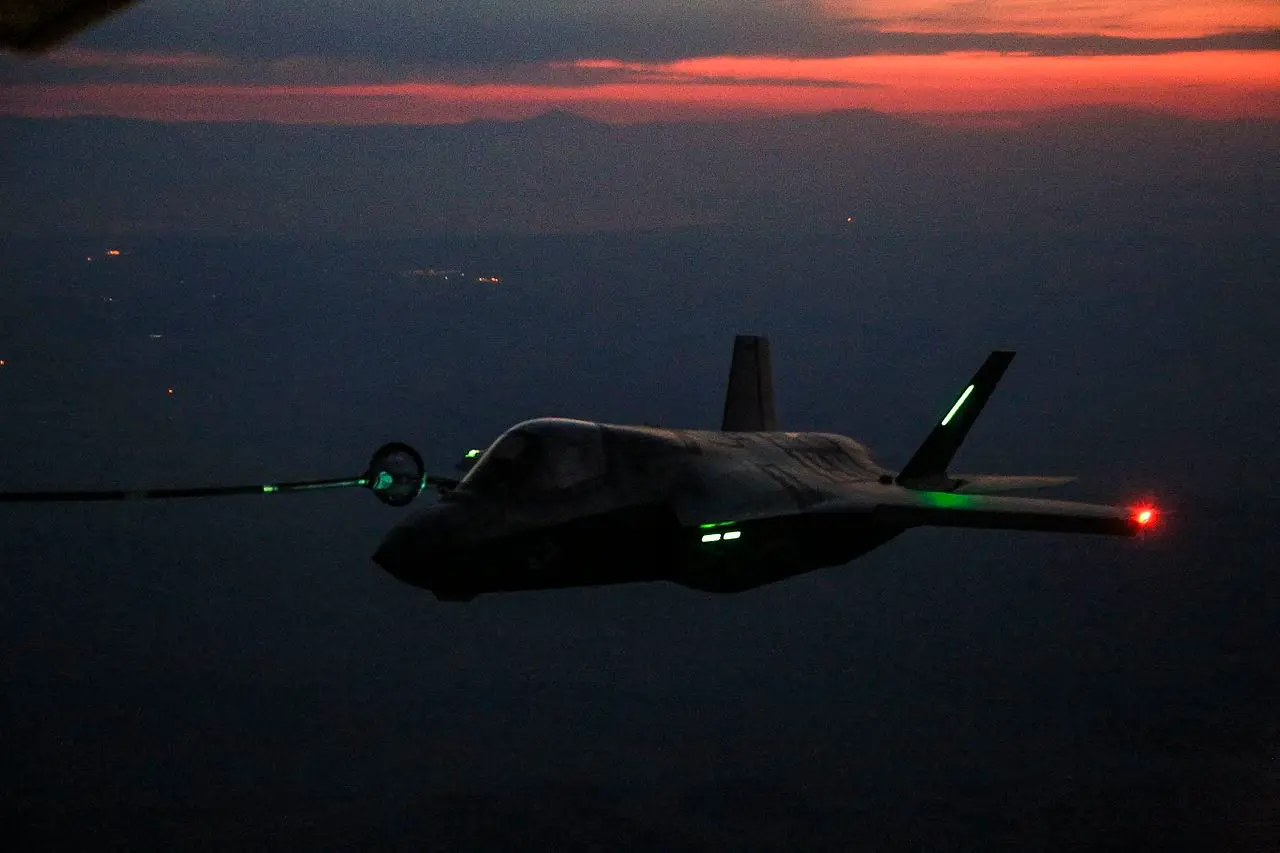
Jet fuel is specifically engineered for the military aviation.
While it might seem convenient to use car fuel, the safety and performance requirements of fighter jets make it impossible. Jet fuel is specifically engineered for the demanding conditions of military aviation.
)
)
)
)
)