Why fighter jets can't reach orbit like rockets?

Fighter jets can dominate the skies, but when it comes to space, they fall short. Unlike rockets, jets can't reach orbit due to speed, fuel, and design limits. Here’s why jets will never replace rockets in space.
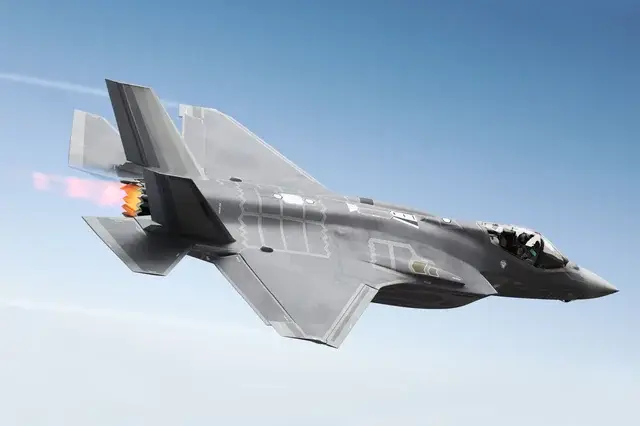
Can a Fighter jets break orbit like rockets
Fighter jets cannot break orbit like rockets because they're fundamentally different vehicles designed for completely different purposes. Jets are atmospheric aircraft, while rockets are space vehicles.
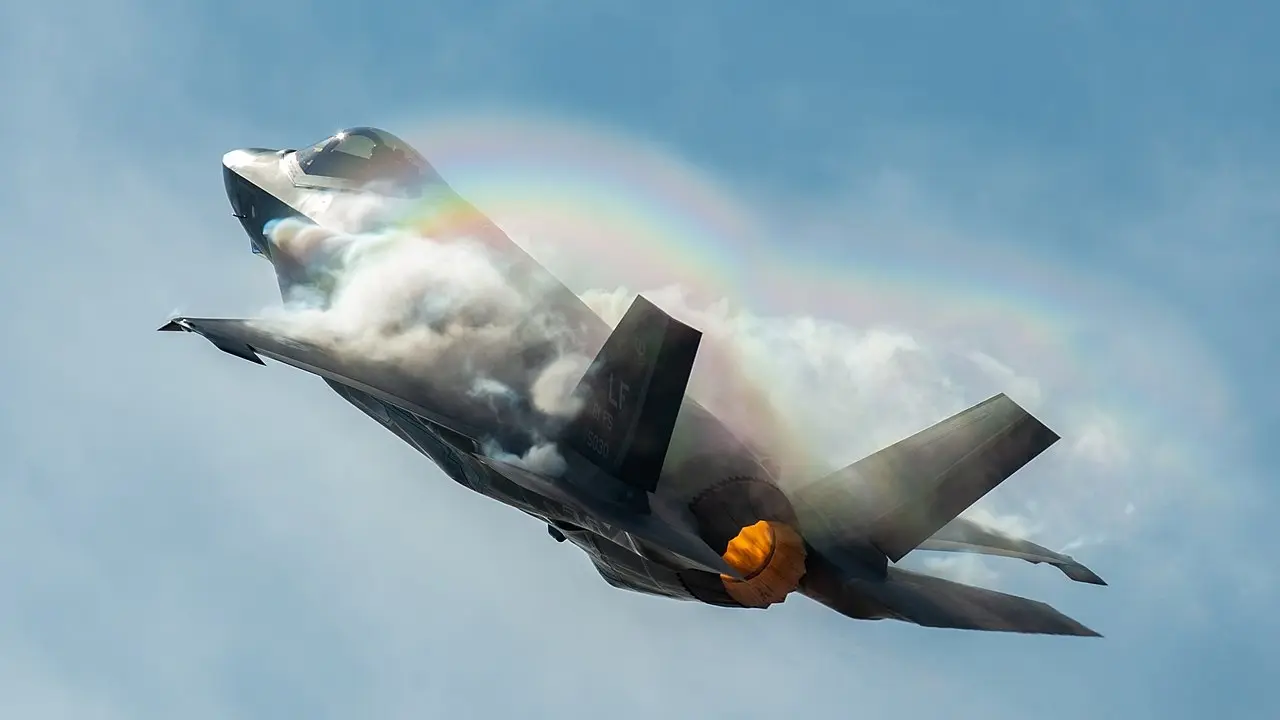
Energy requirements are vastly different
The energy requirements are vastly different. Reaching orbit requires about 9,400 km/h of velocity change, while fighter jets typically reach only 3,500 km/h. This represents a massive energy gap that jets cannot bridge.
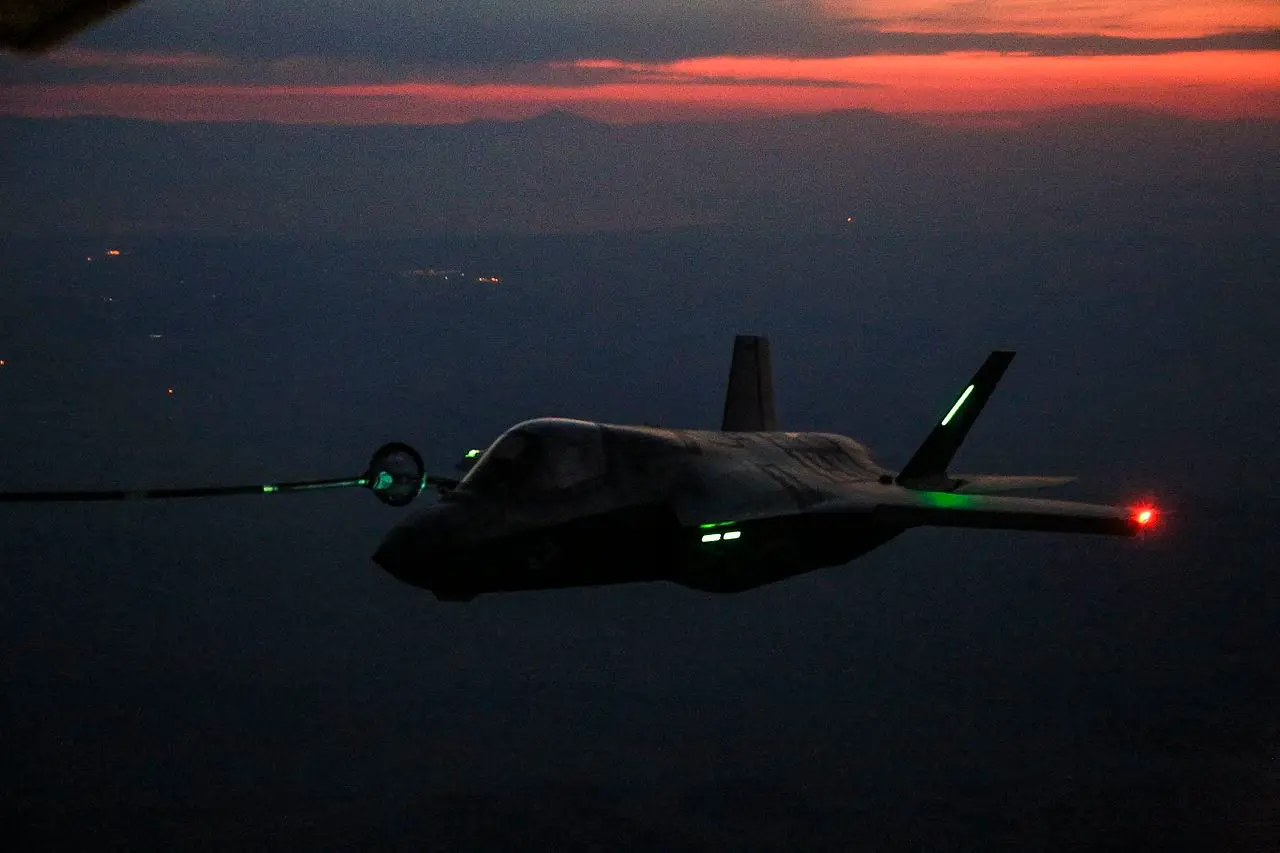
Fighter jets use air-breathing engines
Fighter jets use air-breathing engines that require oxygen from the atmosphere. As altitude increases, the air becomes thinner, and engines lose power. Rockets carry their own oxidiser and don't depend on atmospheric oxygen.
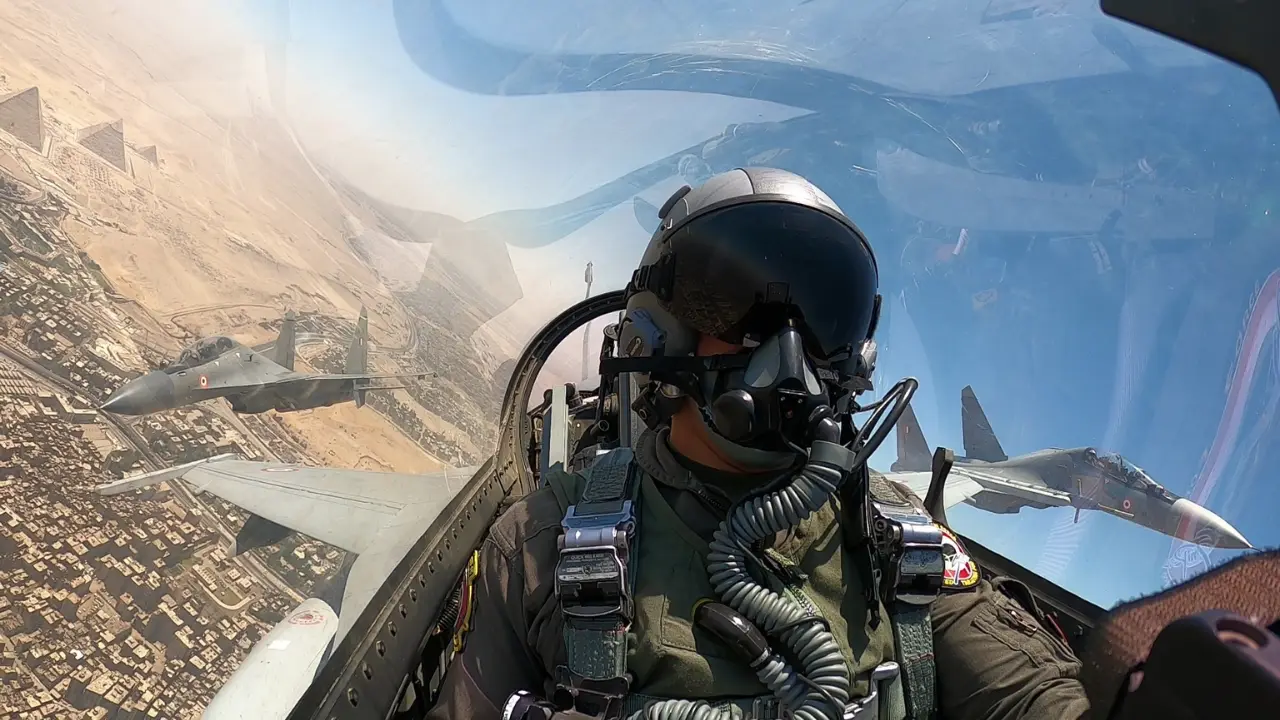
Orbital flight
The structural requirements are also different. Orbital flight subjects vehicles to extreme stresses and temperatures during re-entry. Fighter jets are built for atmospheric flight and would be destroyed by orbital conditions.
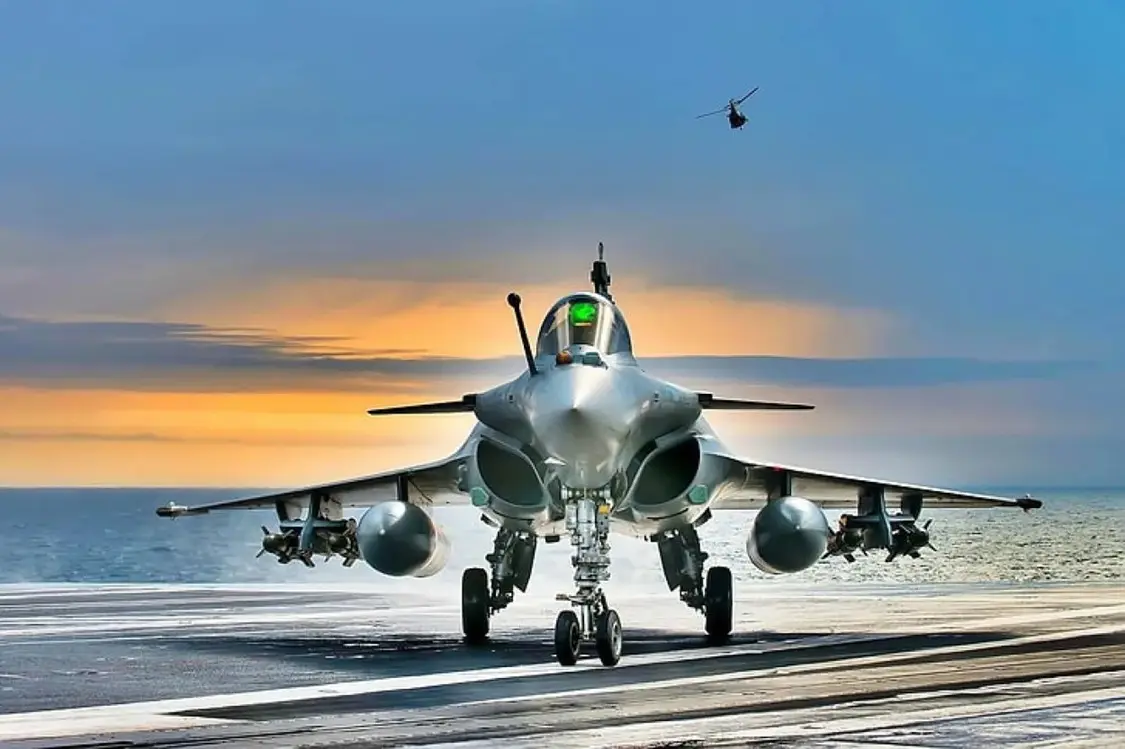
Fuel efficiency is another major factor
Fuel efficiency is another major factor. Jet engines are designed for efficient atmospheric flight, while rockets are designed for the high-energy demands of space travel. The fuel consumption rates are completely different.
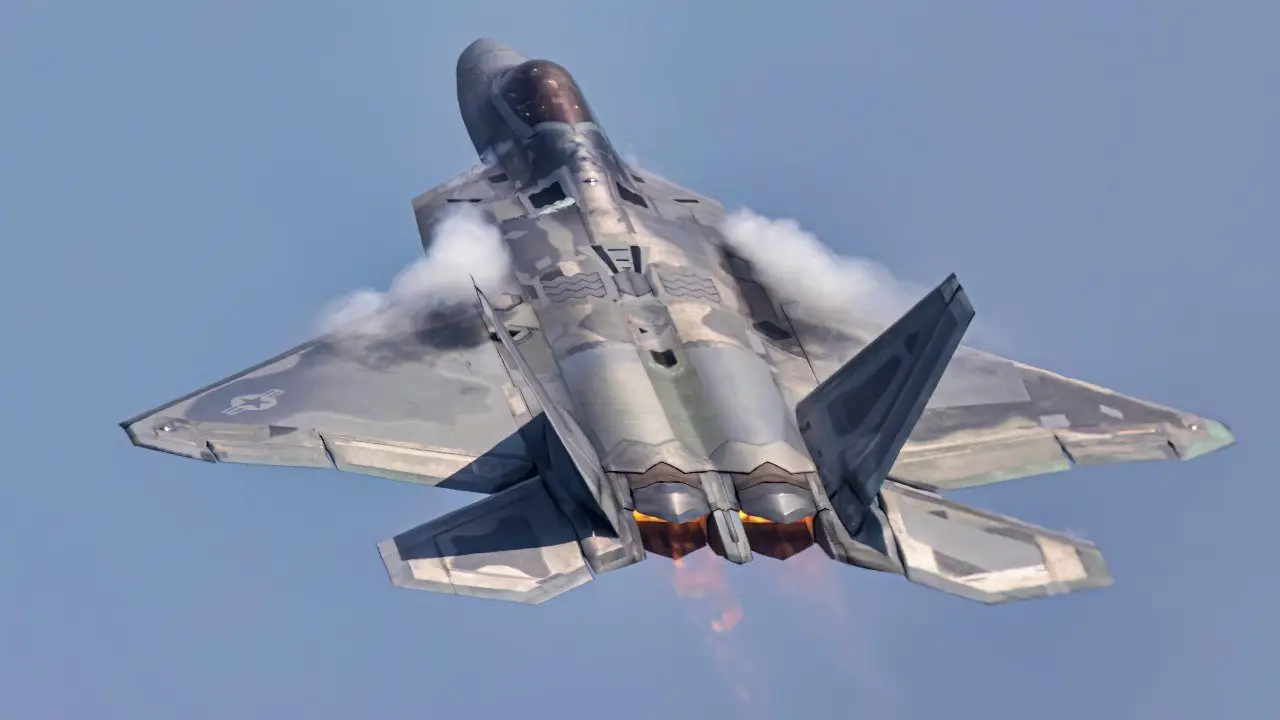
Experimental aircraft have reached the edge of space
Some experimental aircraft have reached the edge of space, but these are hybrid vehicles that combine jet and rocket technology. They're not true fighter jets and are designed specifically for research purposes.
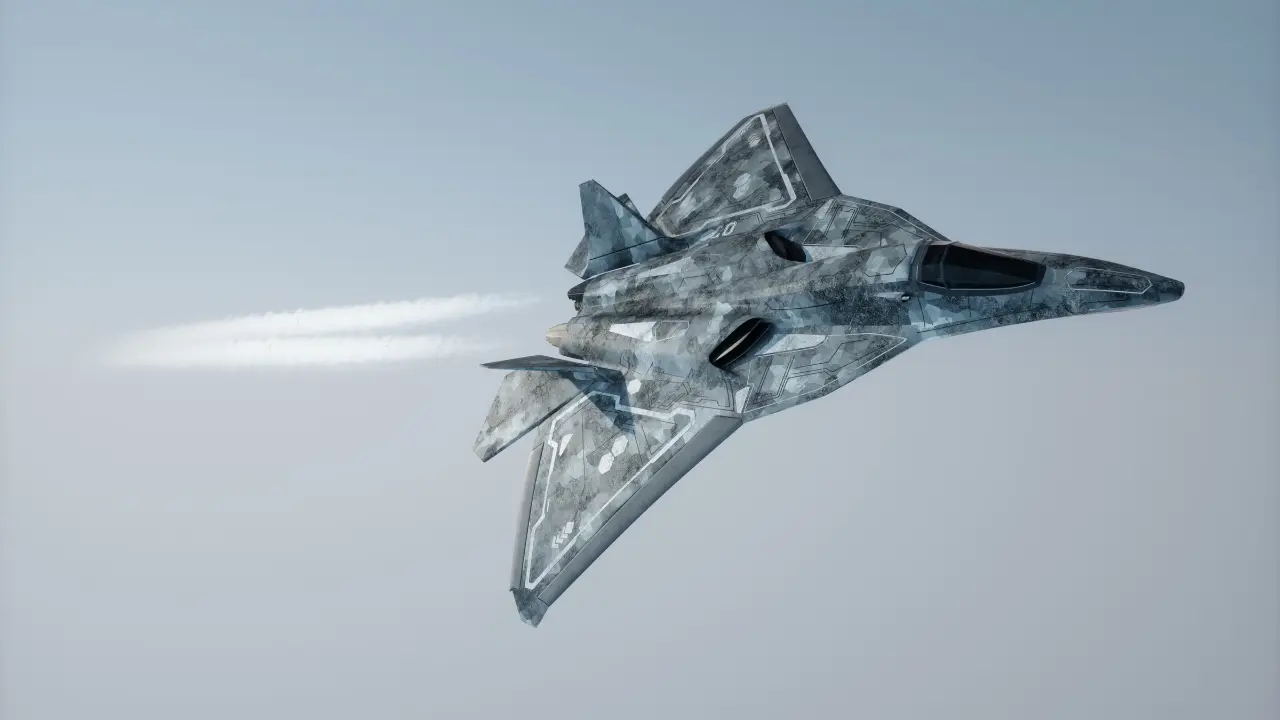
Fighter jets are incredibly capable
So while fighter jets are incredibly capable in their designed environment, they cannot perform the functions of rockets. The two types of vehicles serve different purposes and operate under different physical constraints.
)
)
)
)
)