Why fighter jets can't land safely without flaps?

Why fighter jets require flaps for safe landings, revealing the critical role these control surfaces play in low-speed flight control and landing safety.
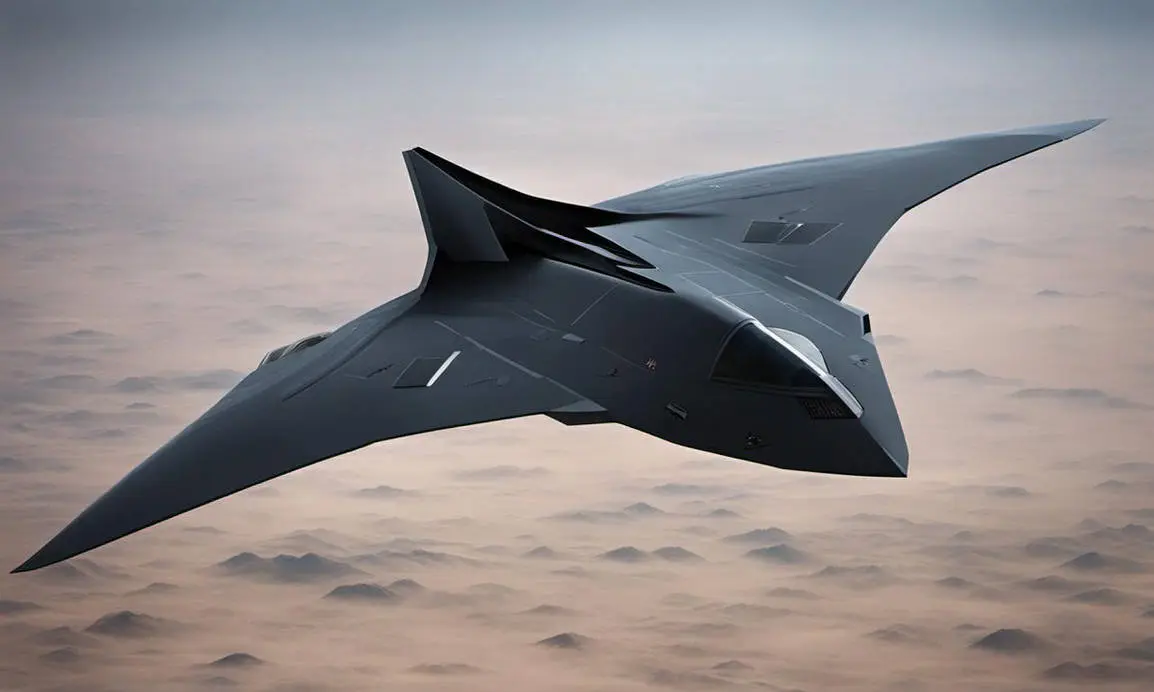
Fighter jets without flaps
Fighter jets cannot land safely without flaps because these control surfaces are essential for low-speed flight control. Flaps increase lift and drag, allowing aircraft to fly slowly enough for safe landing.
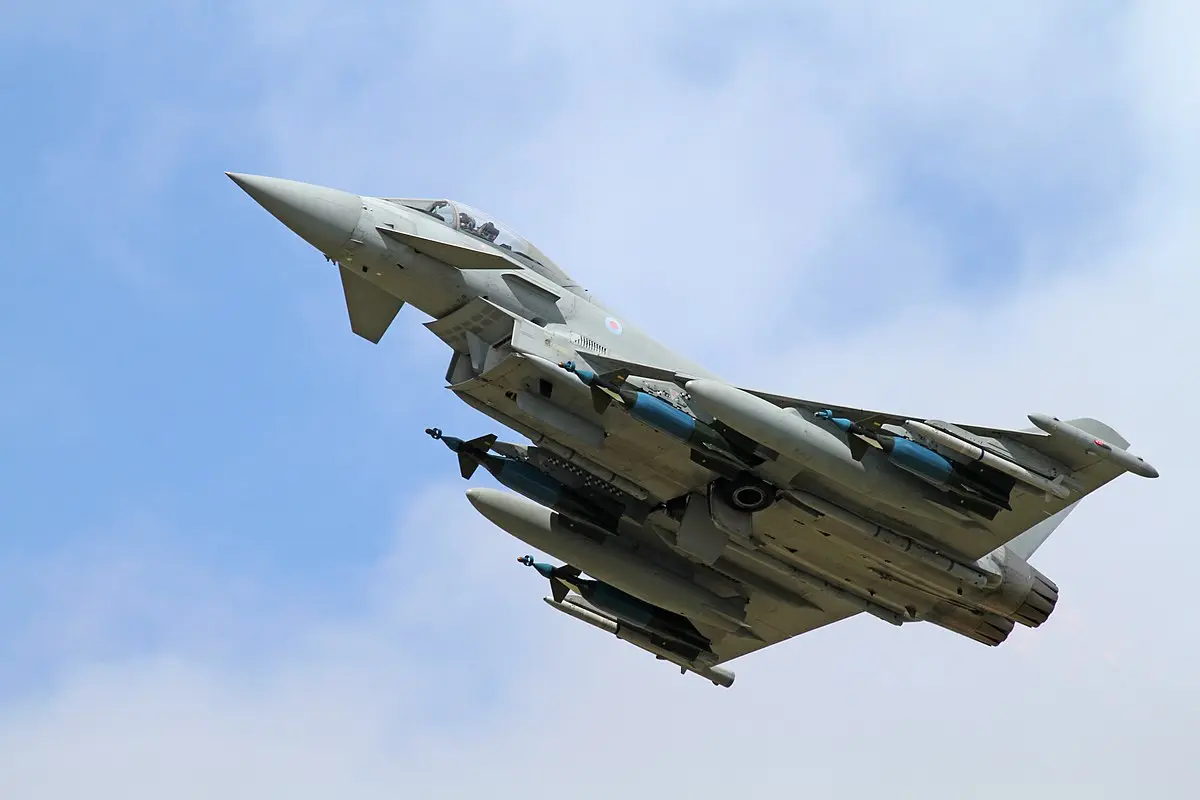
Without flaps
Without flaps, a fighter jet would need to approach the runway at much higher speeds. According to aviation safety data, this increases the risk of runway overruns and makes stopping much more difficult.
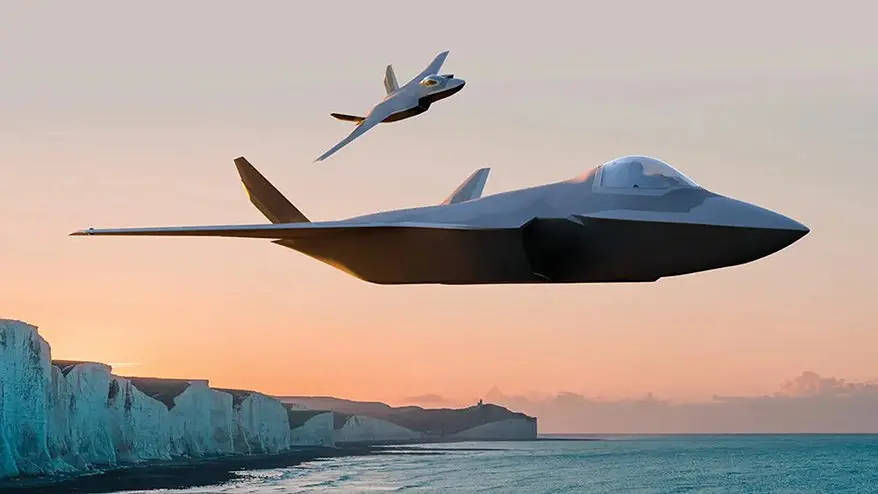
Fighter jet landing approach
Flaps also provide better control during the landing approach. They help stabilise the aircraft and make it easier for pilots to maintain proper descent angles. Without them, landing becomes extremely challenging.
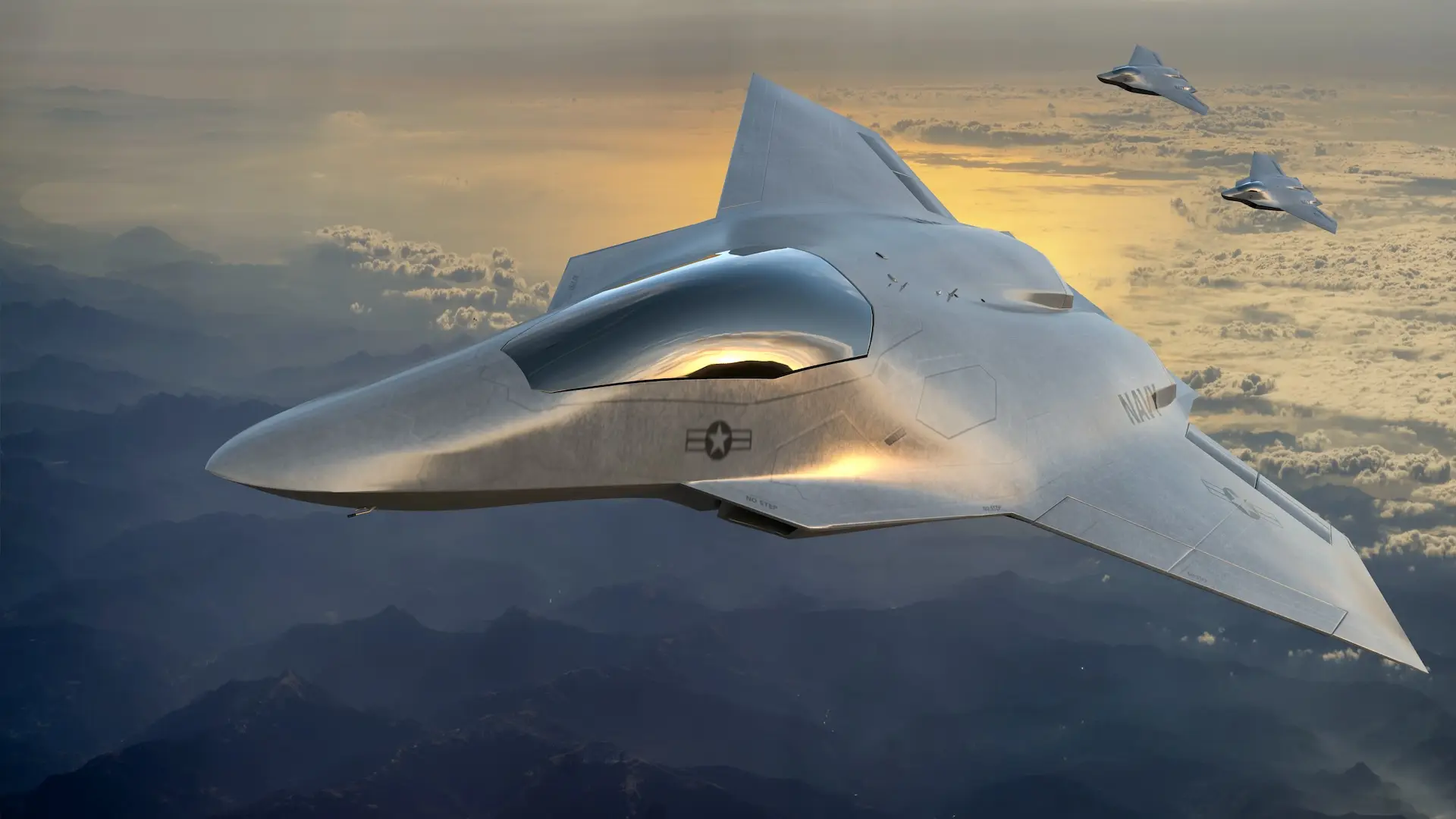
Fighter jets need long runways?
The increased approach speed without flaps also affects braking distance. Fighter jets already need long runways to stop safely. Higher landing speeds would require even longer runways, which many air bases don't have.
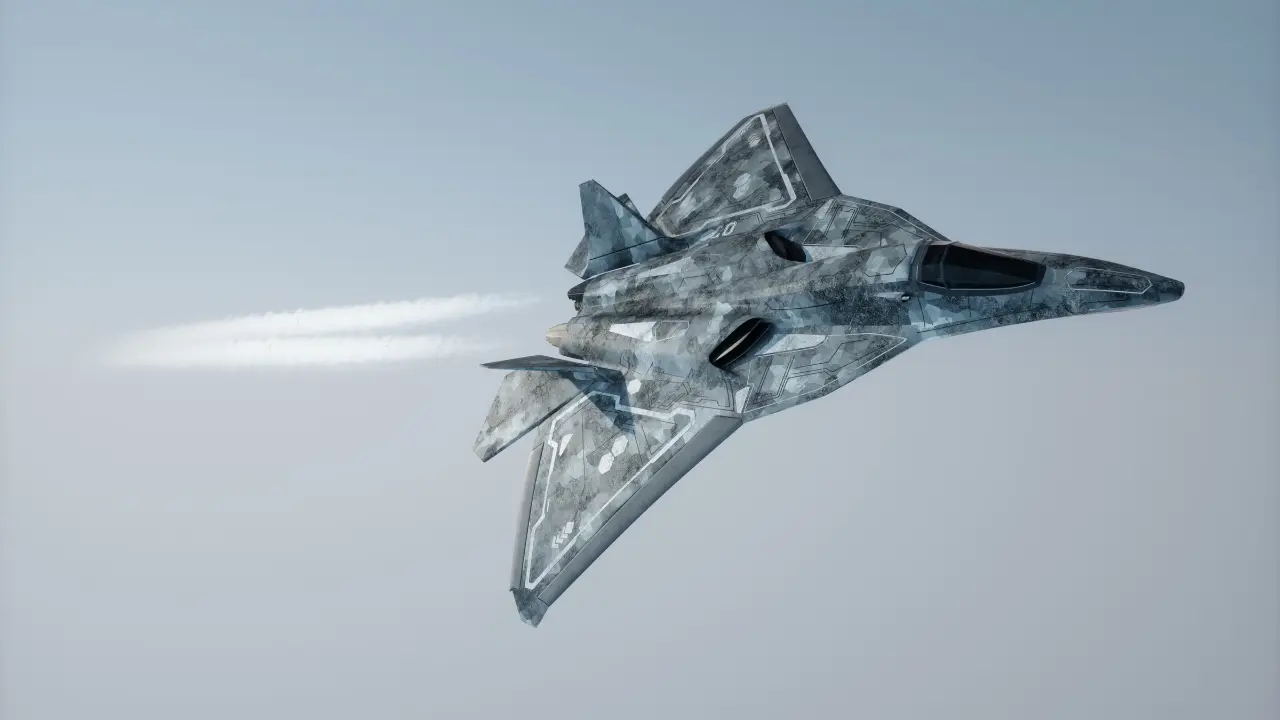
Damaged flaps
Some military aircraft have landed without flaps in emergency situations when the flaps have been damaged, but this is extremely dangerous. It requires perfect pilot skill and favourable conditions. Even then, the risk of damage or crash is high.
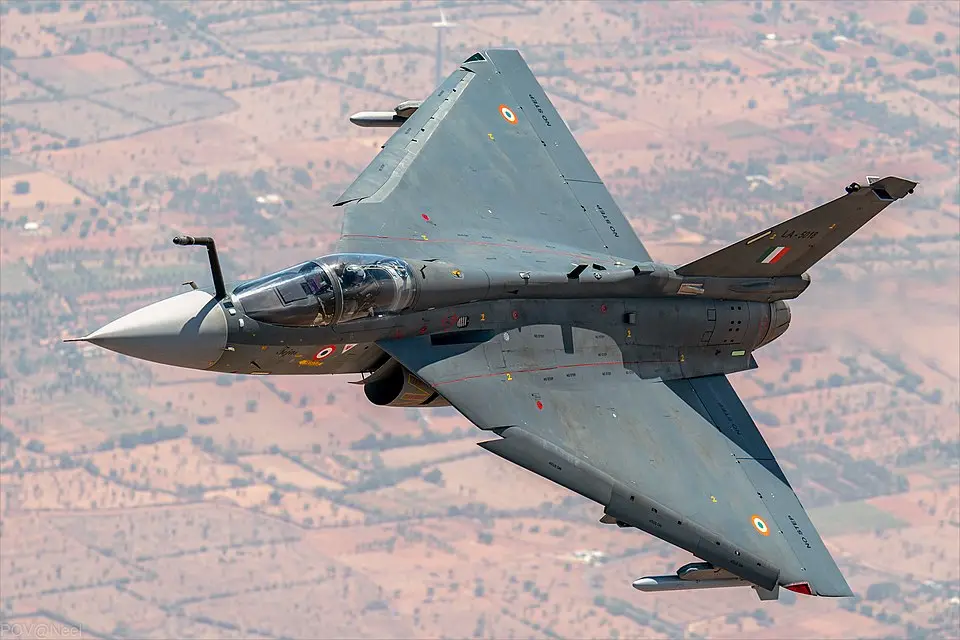
Modern fighter jets
Modern fighter jets have multiple flap settings for different flight phases. These are carefully calibrated to provide optimal performance for take-off, cruise, and landing. Removing flaps disrupts this balance.
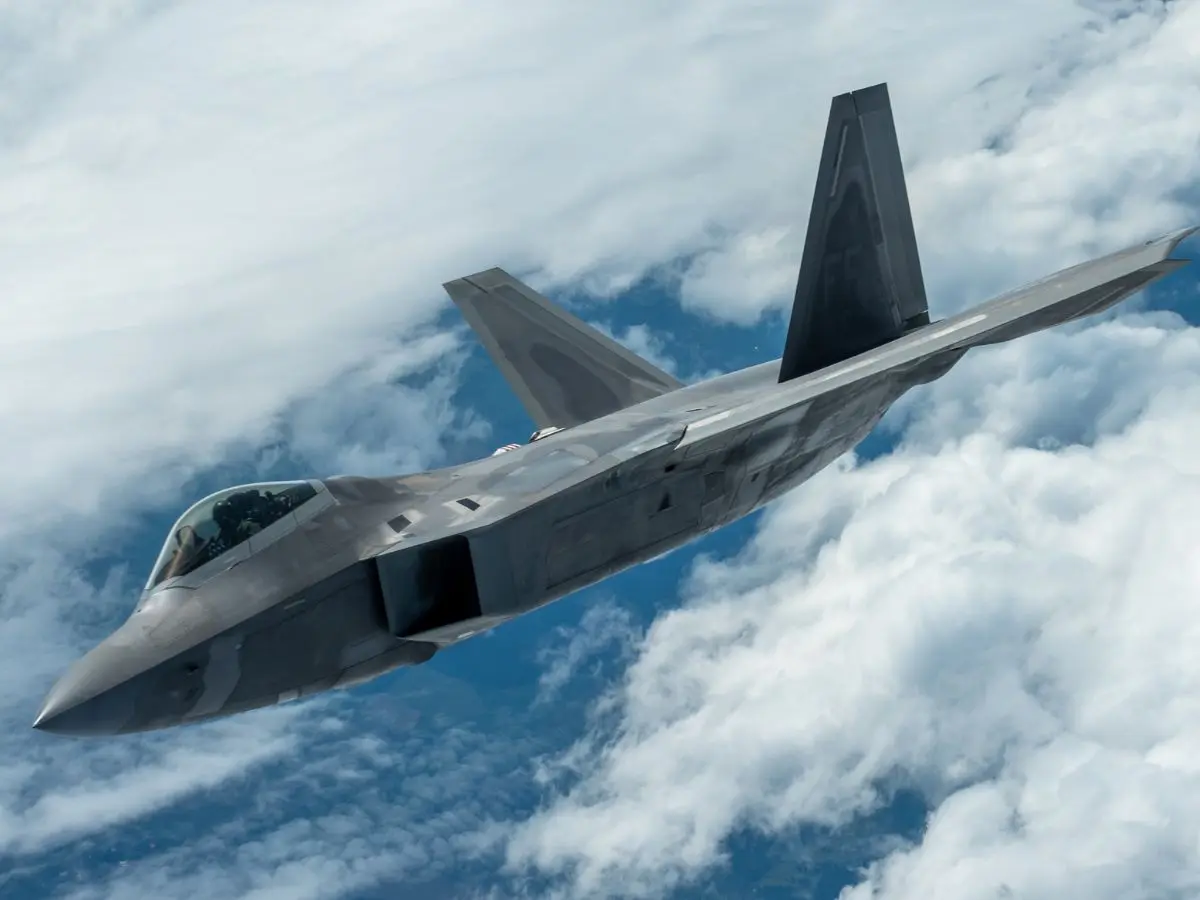
Flaps are critical
So while it might seem like a simple omission, flaps are critical for safe landing operations. They're essential components that make controlled, low-speed flight possible.
)
)
)
)
)