Why fighter jets can't fire weapons backwards?

Why fighter jets cannot fire weapons backwards? Its design limits, and modern combat tactics reveal why rear-firing weapons never became practical.
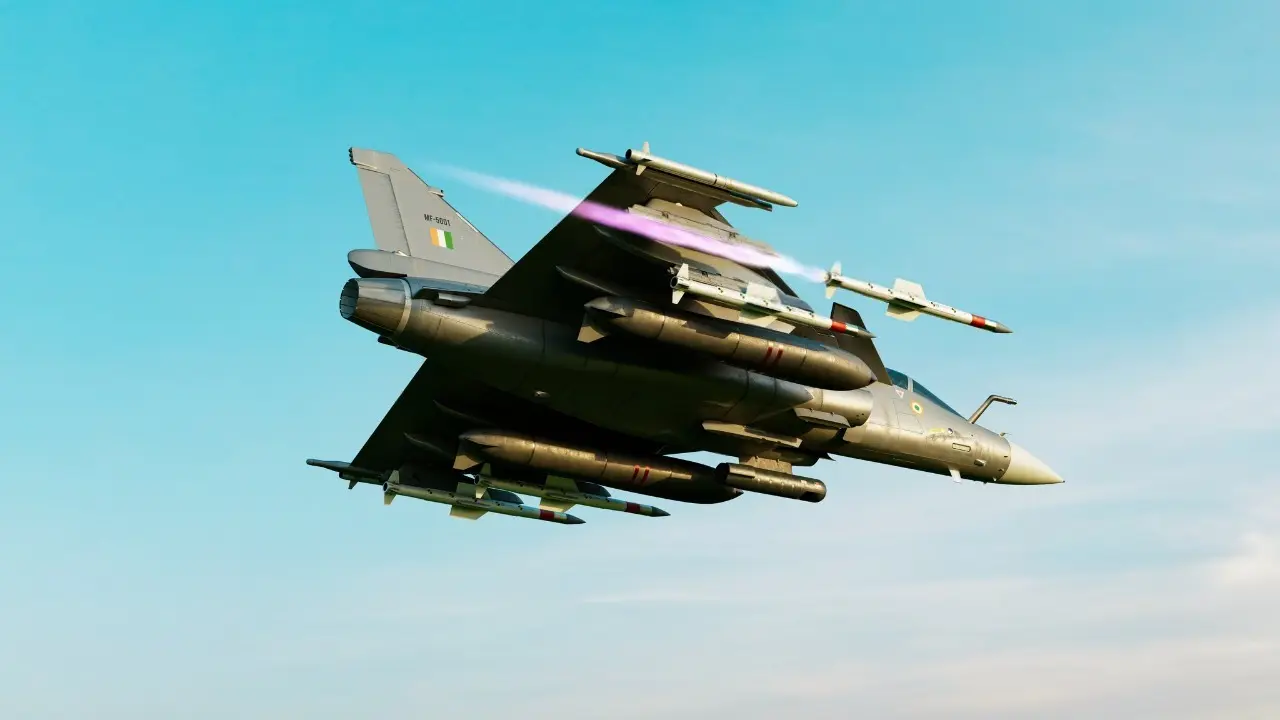
Fighter jets cannot fire bullets backwards
Fighter jets cannot fire bullets backwards because their weapons are mounted to fire forward, and the aircraft's design doesn't support rear-firing systems. This is a fundamental limitation of current aircraft design.
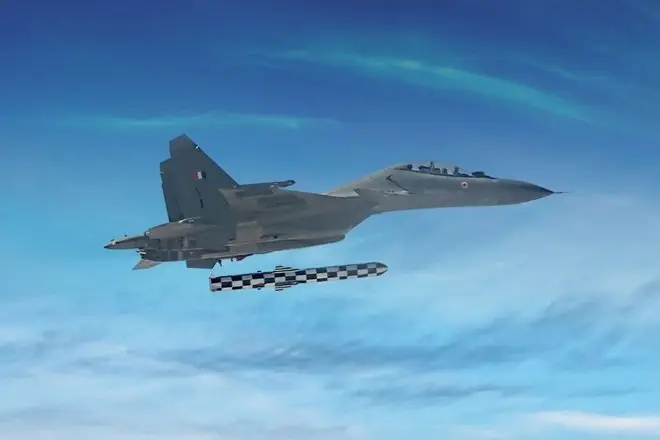
Aerodynamics of fighter jets
The main gun on most fighter jets is mounted in the nose or wing roots, pointing forward. To fire backwards, the gun would need to be mounted in the tail, which would interfere with the aircraft's aerodynamics and control surfaces.
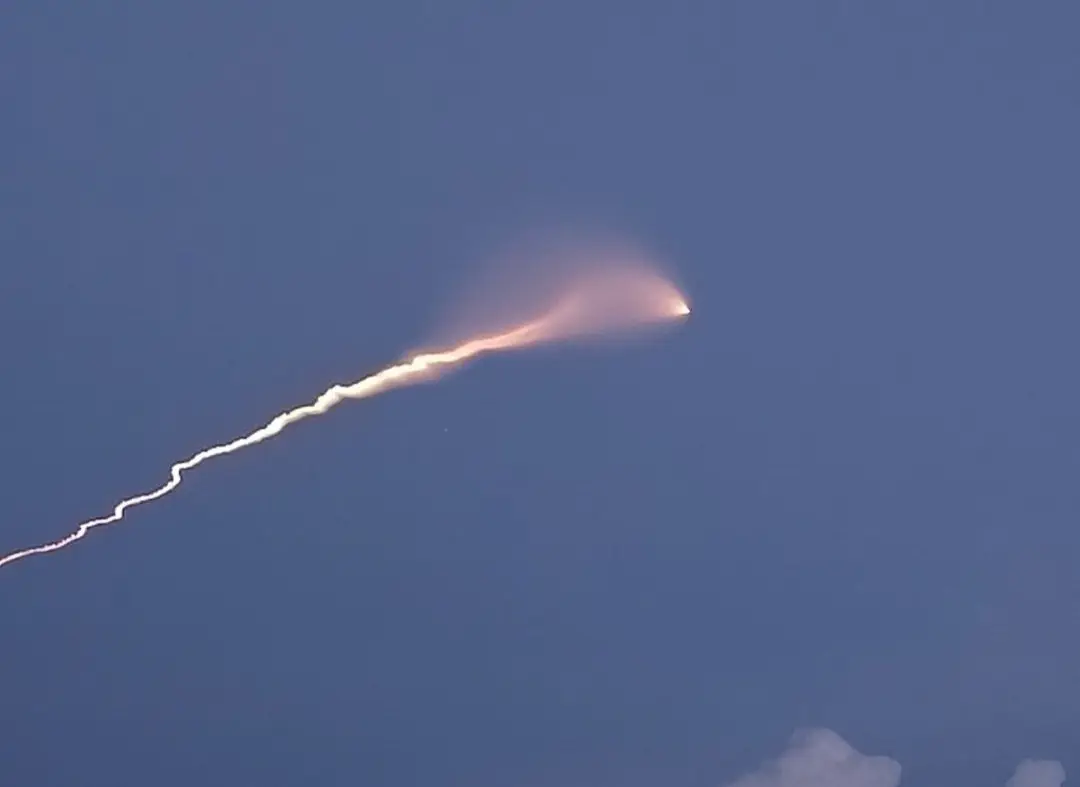
Serious safety issues
Even if a rear-firing gun could be mounted, it would create serious safety issues. The gun blast could damage the aircraft's tail, engines, or control surfaces. The noise and vibration would also affect the pilot.
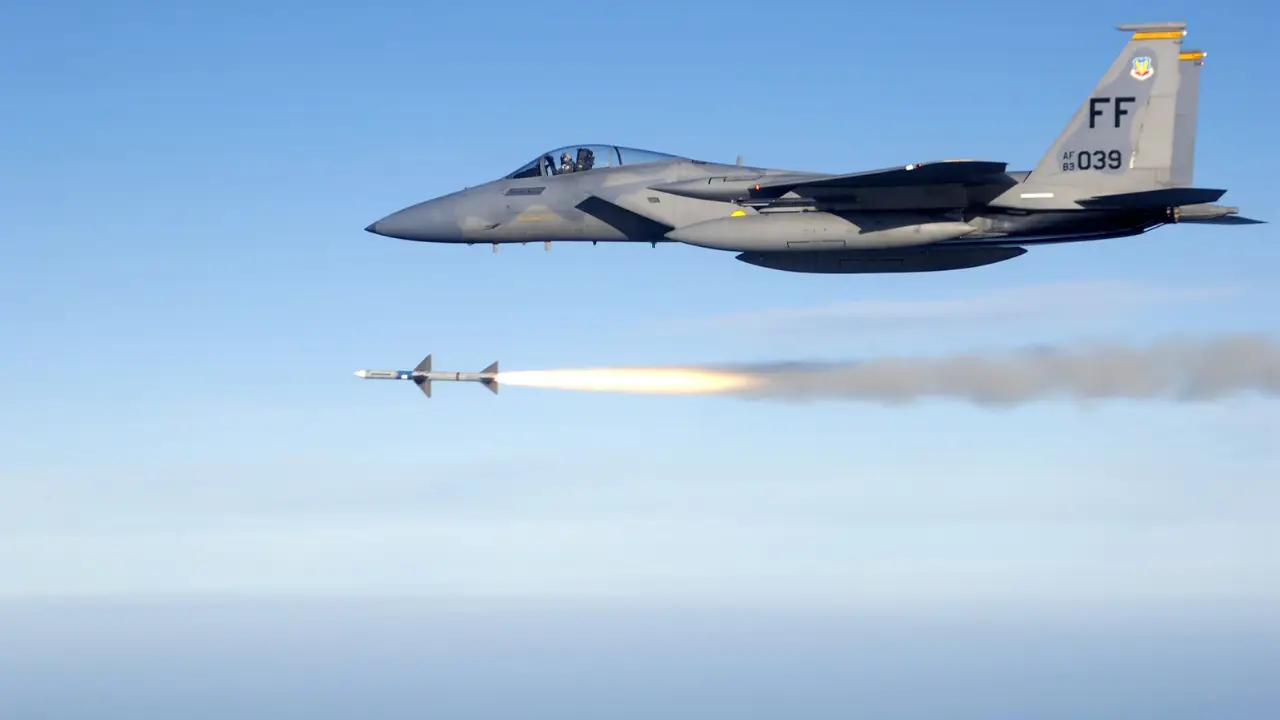
Rear-firing weapons
Some military aircraft in history have had rear-firing weapons, but these were typically bombers with dedicated gunners. Fighter jets are single-seat aircraft designed for forward-facing combat, not rear defence.
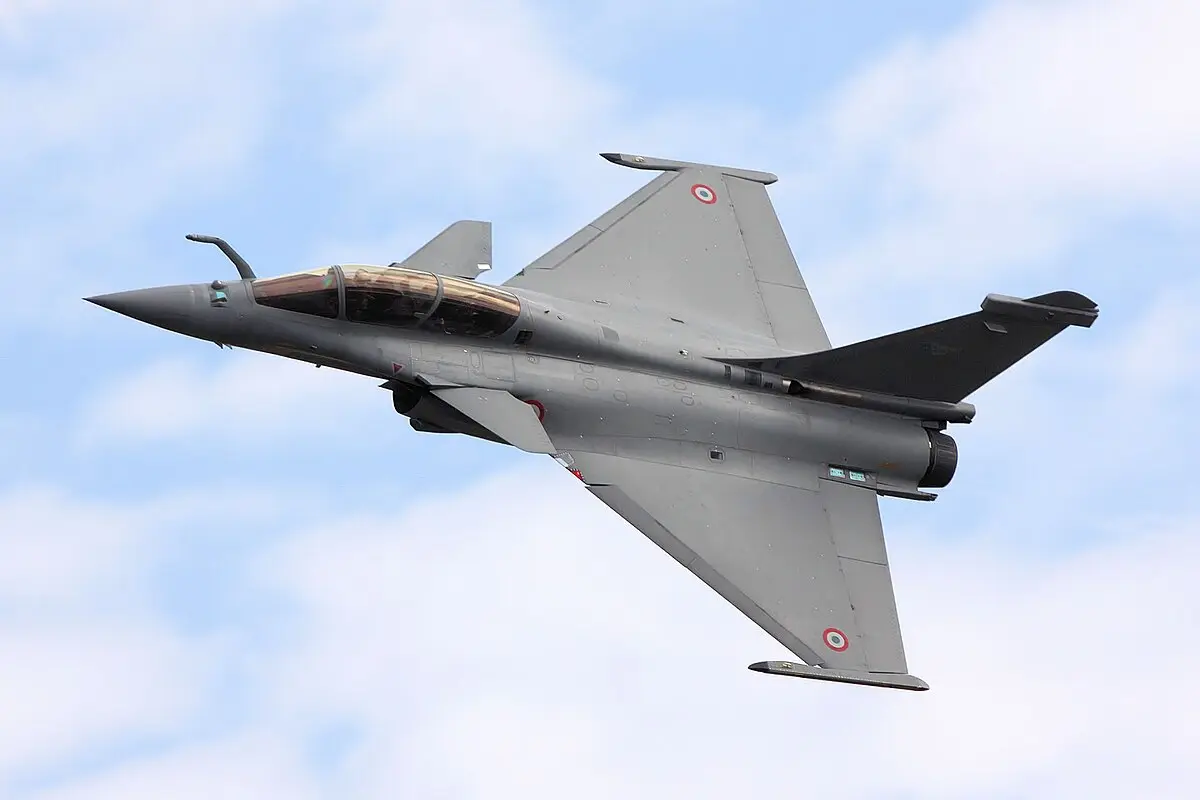
Modern air combat tactics
Modern air combat tactics don't require rear-firing weapons. Fighter jets use speed, manoeuvrability, and long-range missiles to avoid being caught from behind. If an enemy gets behind you, the best defence is to turn and fight.
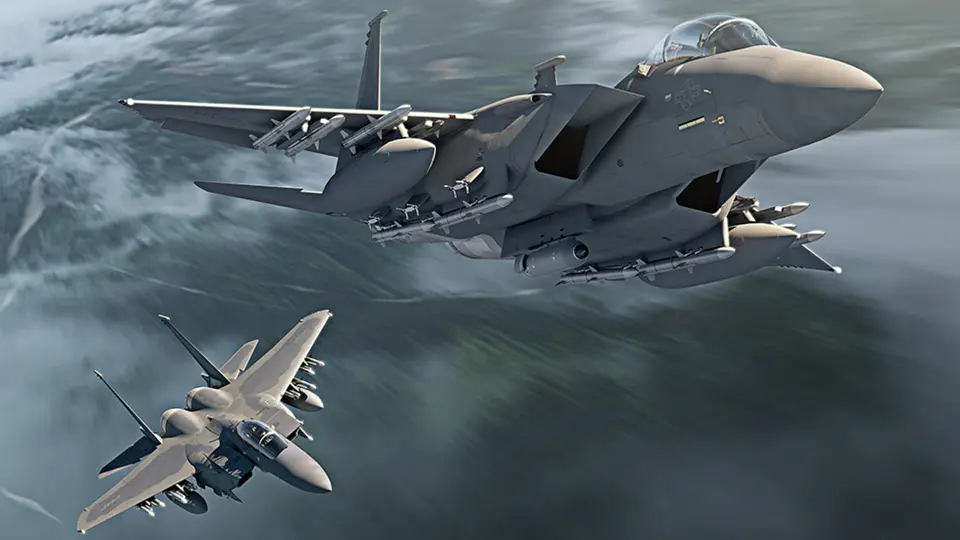
Weight and complexity of rear-firing systems
The weight and complexity of rear-firing systems would reduce aircraft performance. Fighter jets are designed to be light and agile, and adding unnecessary weapons would compromise these characteristics.
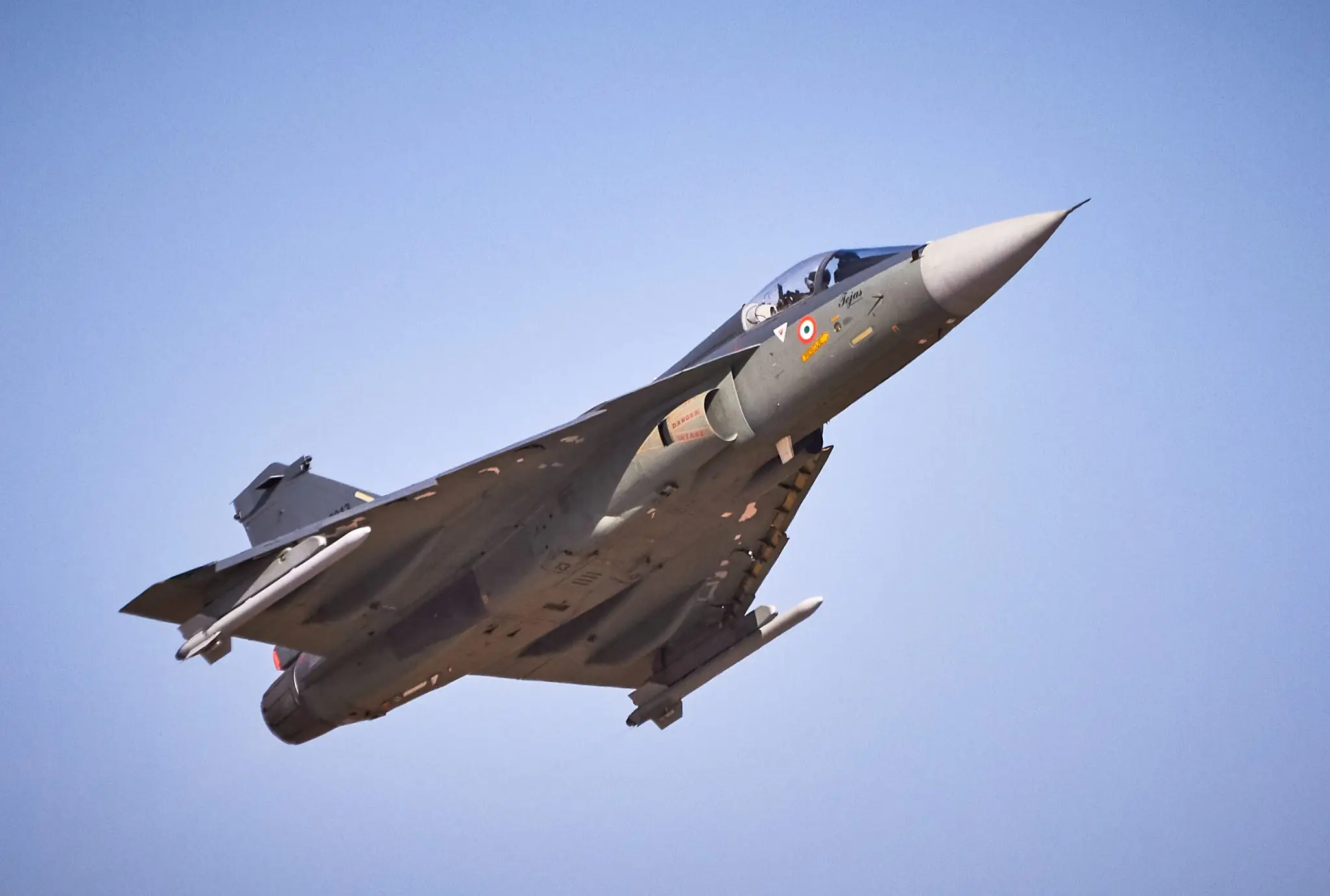
Rear-firing weapons
Rear-firing weapons might seem useful, but they're impractical for fighter jets. The aircraft's design, safety considerations, and modern combat tactics make forward-firing weapons the most effective and practical choice.
)
)
)
)
)