Why fighter jets burn more fuel at low altitude

Fighter jets burn more fuel at low altitude due to denser air causing higher drag, reduced engine efficiency, and the need for more thrust during complex manoeuvres. This impacts mission range, cost, and operational planning.
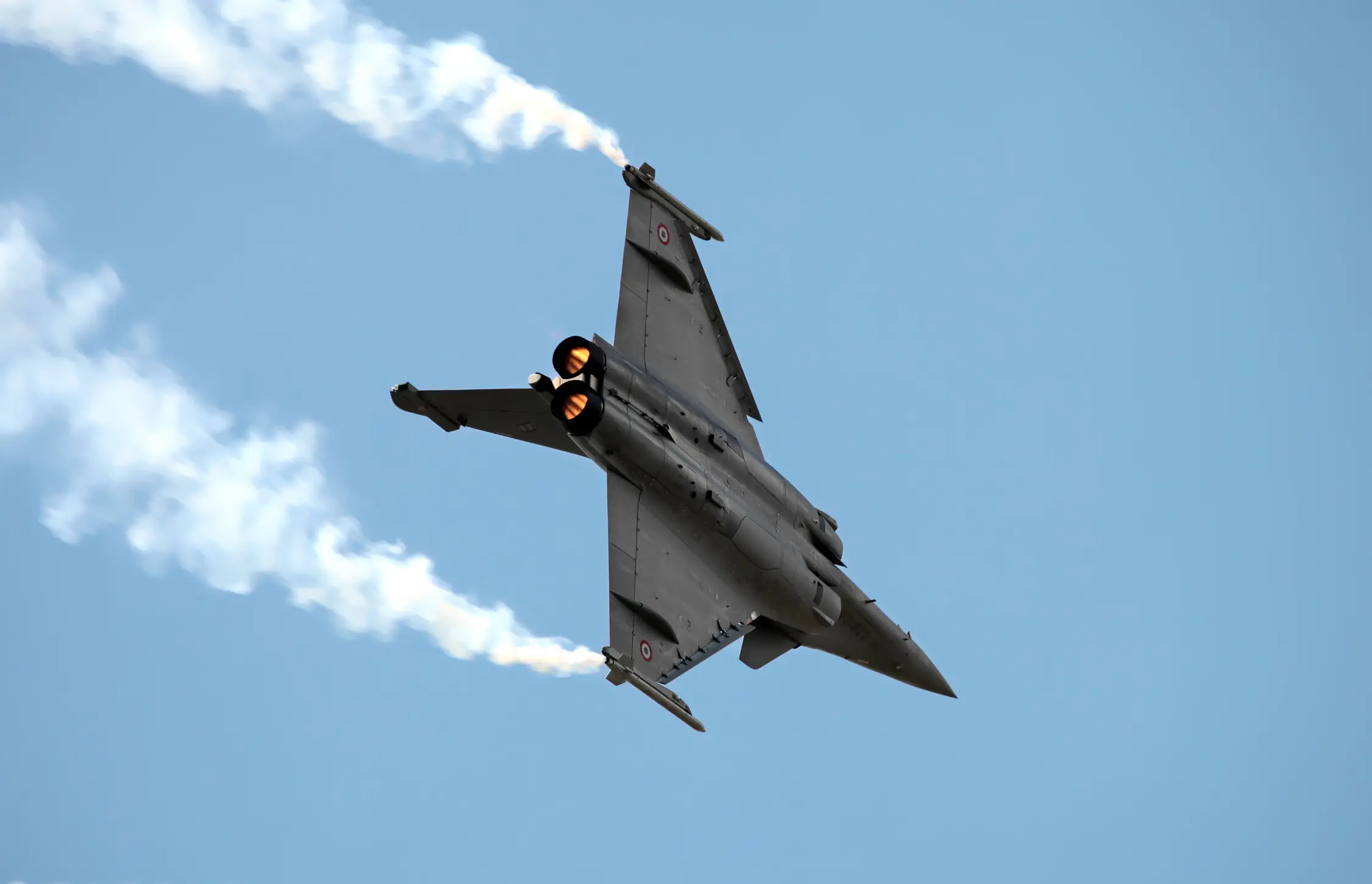
Air Density and Drag Increase
At lower altitudes, the air density is higher, which creates more drag on the aircraft. This additional resistance requires the jet’s engines to work harder and burn more fuel to maintain speed.
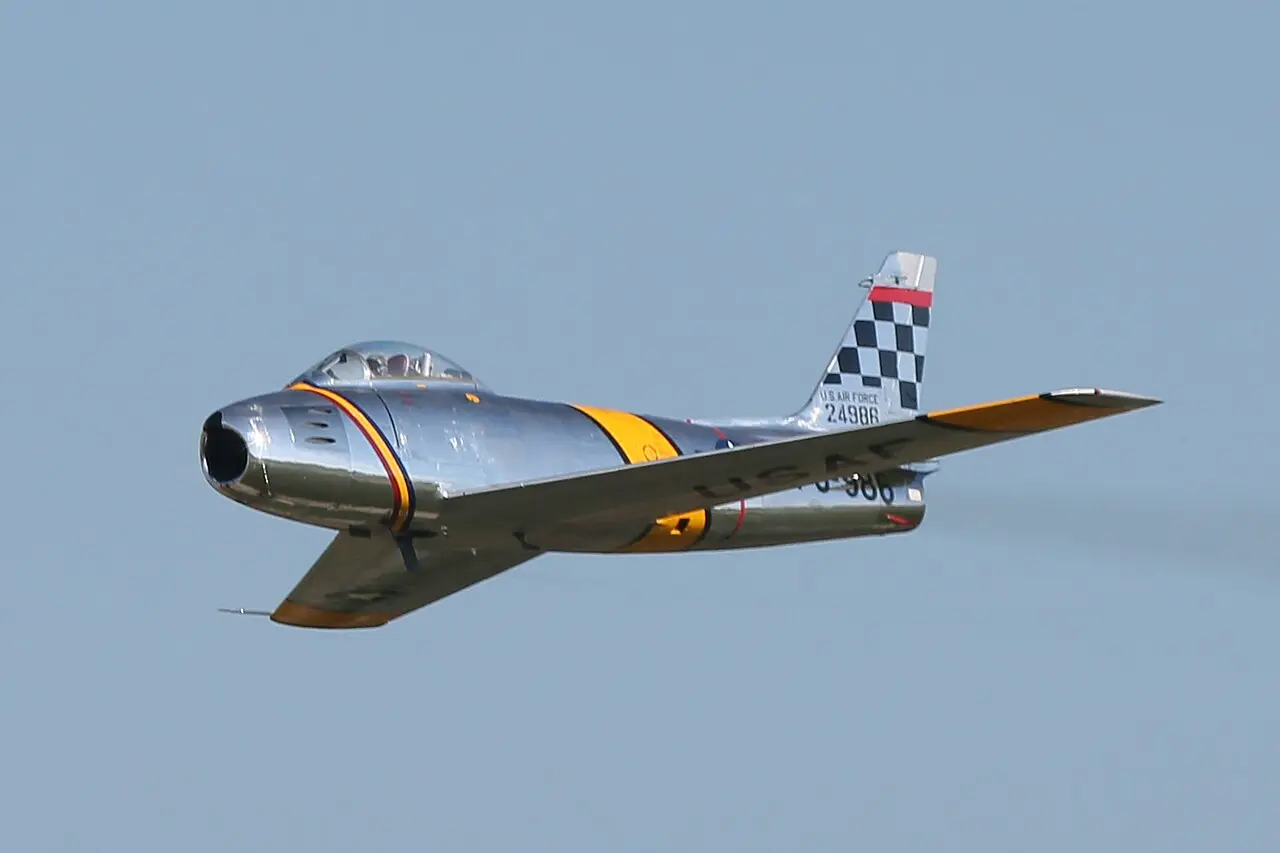
Engine Efficiency Changes
Jet engines perform more efficiently at higher altitudes because the thinner air allows for better combustion and less aerodynamic resistance. At low altitudes, engines consume more fuel because they must overcome denser air and generate more thrust.
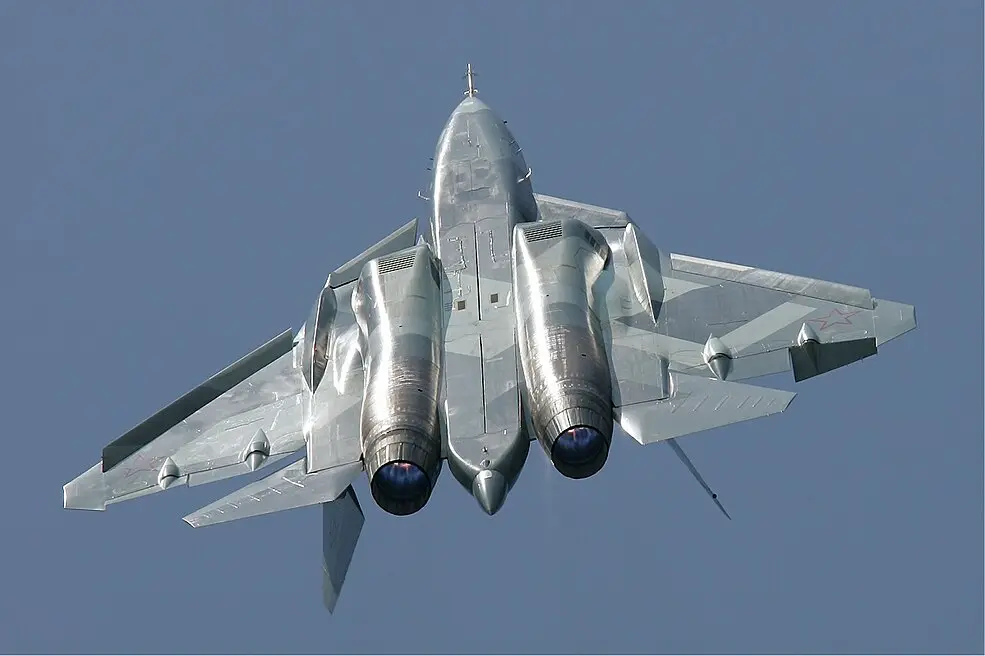
Flight Maneuvers and Speed Variations
Low altitude flying often involves rapid turns, evasive maneuvers, and speed changes that increase fuel consumption. Combat or mission conditions at low height require significantly more engine power than steady cruise flight at high altitudes.
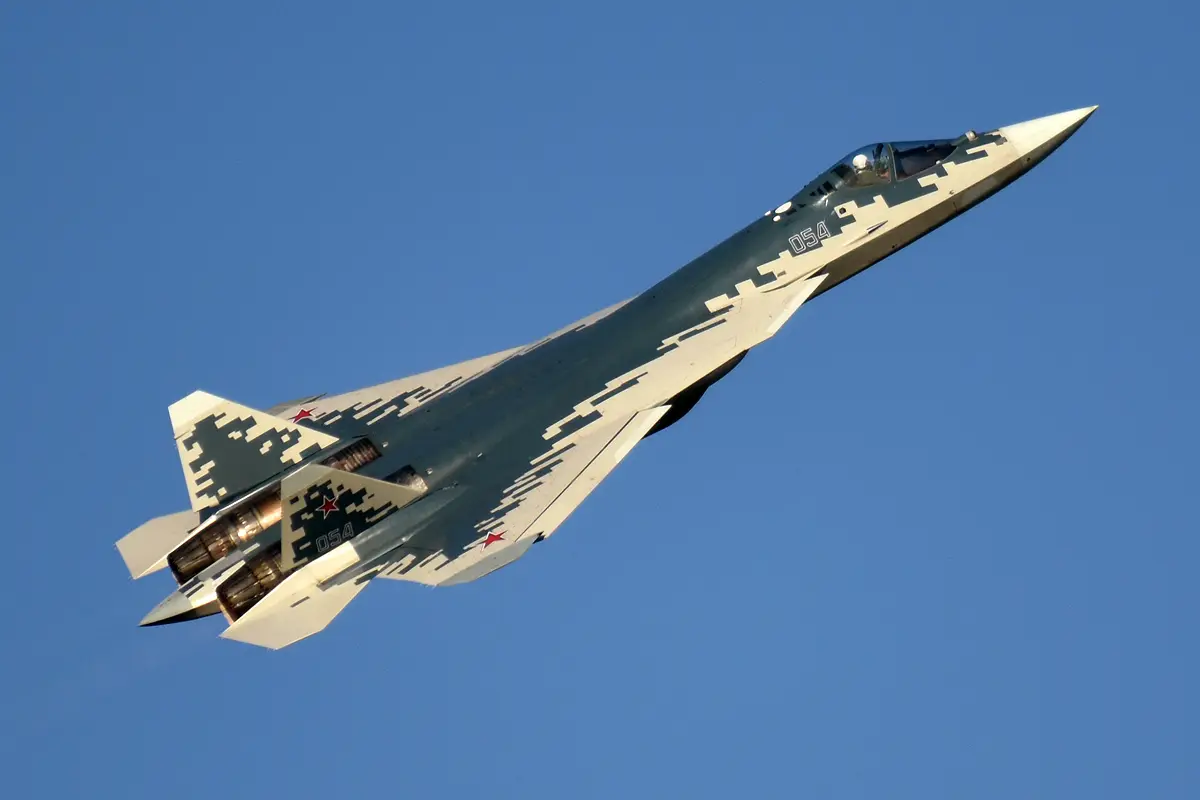
Impact of Terrain Following
Many missions require jets to fly close to the ground to avoid radar detection, which often means staying low and dealing with difficult terrain. This reduces fuel efficiency because of frequent speed and altitude adjustments.
Comparison with High Altitude Flight
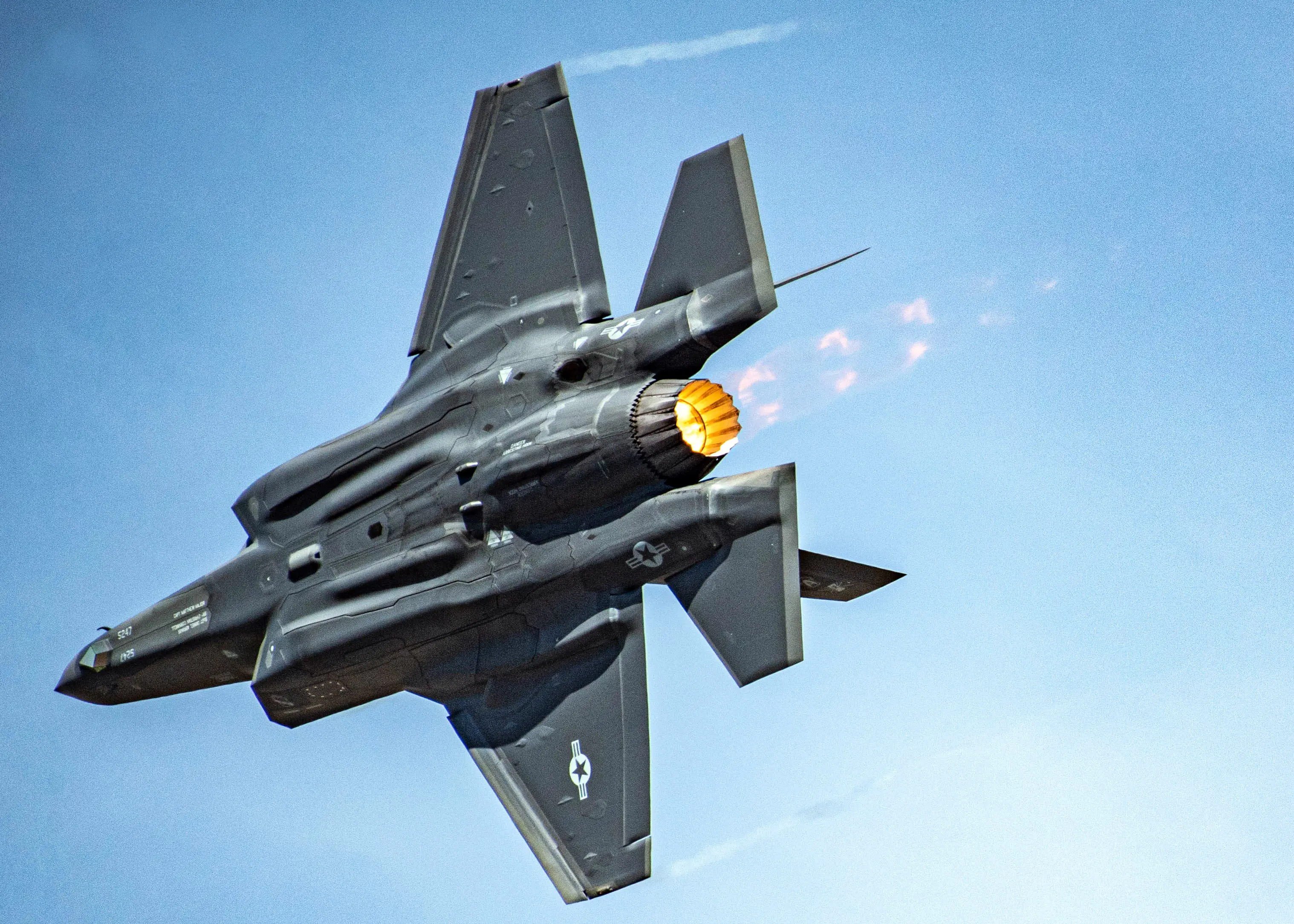
At cruising altitudes above 30,000 feet, fighter jets can reduce fuel consumption by up to 30 per cent compared to flying at 3,000 metres (10,000 feet), due to lower air resistance.
Fuel Consumption Examples
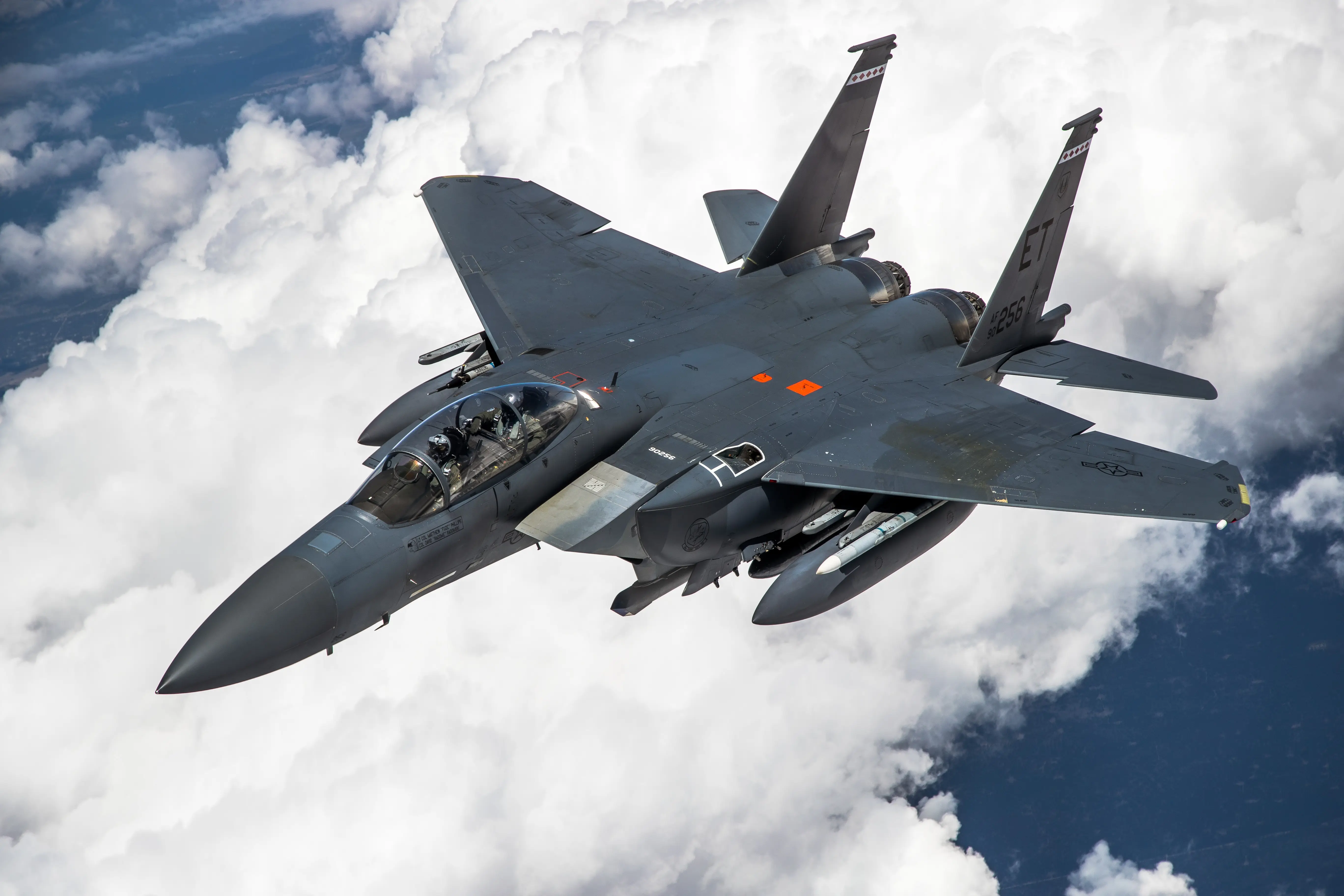
An F-16, for example, may burn several thousand litres per hour during low altitude combat missions, compared to less during high altitude patrols. Afterburner use at low altitude also drastically increases fuel burn.
Operational and Cost Implications
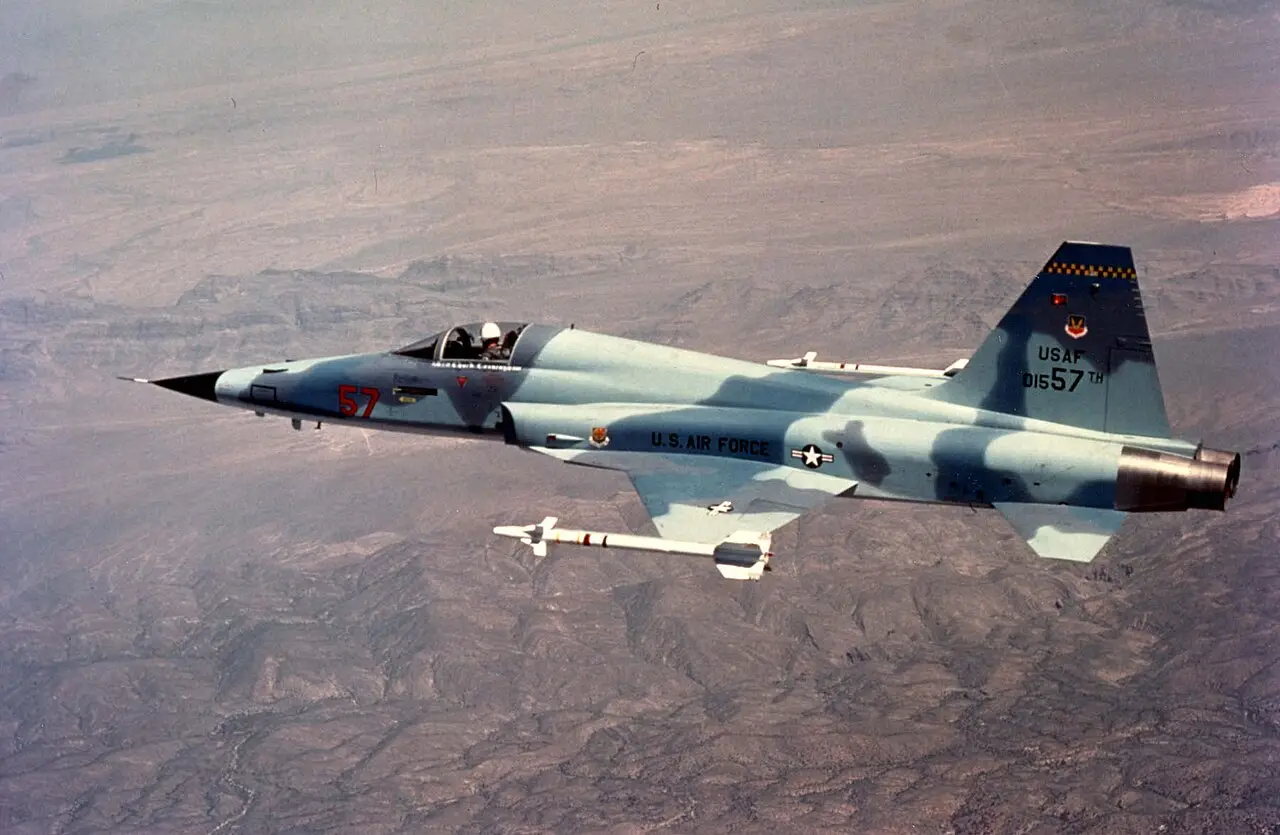
Higher fuel use at low altitude limits mission range and duration, making in-flight refuelling vital for extended missions. It also increases operational costs and logistics demands for maintenance and fuel supply.
)
)
)
)
)