How does a 3nm processor differ from a 5nm or 7nm chip?

3nm processors offer improvements in transistor density, power efficiency and performance over older manufacturing generations. But chip architecture and optimisation also determine how fast a processor actually performs.

3nm Is A Process Generation
The 3nm, 5nm and 7nm labels identify different generations of semiconductor manufacturing technology. They do not represent the exact physical size of a transistor or its individual components. A smaller node generally allows manufacturers to improve chip density, power efficiency and performance.
More Transistors In Less Space
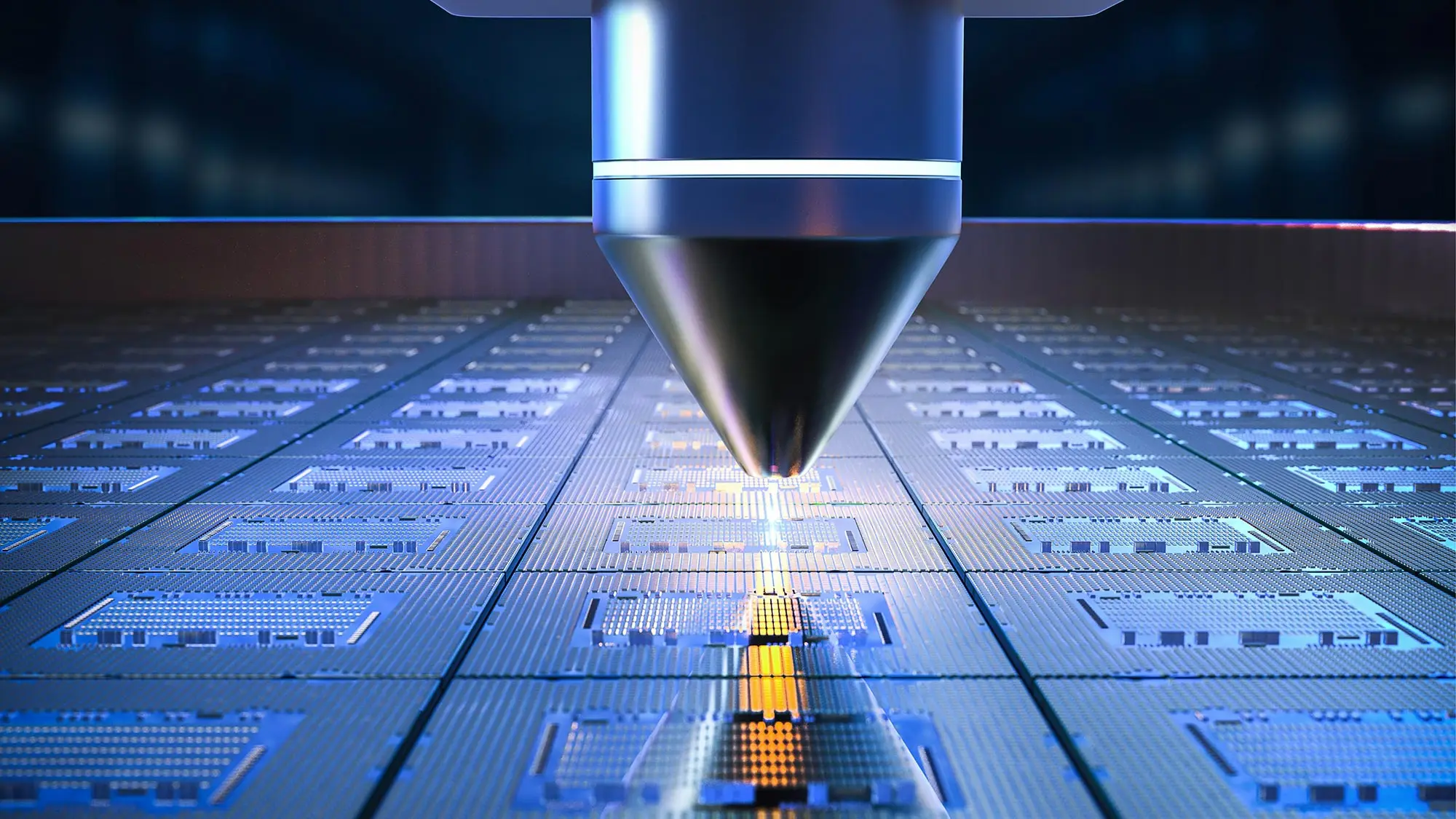
A 3nm manufacturing process can fit more transistors into a given area than older process generations. For example, TSMC says its N5 technology offers up to 80 per cent higher logic density than its N7 process, while its N3E technology delivers approximately 1.6 times the logic density of N5.

Lower Power Consumption
Smaller process generations can help processors perform tasks while consuming less electricity. TSMC's N5 technology offers up to 30 per cent lower power consumption than N7, while its N3E process promises more than 30 per cent power savings compared with N5 under specified operating conditions.

Higher Performance And Speed
Advanced manufacturing processes can improve transistor performance, allowing processors to operate faster or consume less power at comparable performance levels. TSMC reports that N5 offers up to 15 per cent better performance than N7, while N3E offers approximately 20 per cent higher speed than N5.
Does Smaller Mean Better?
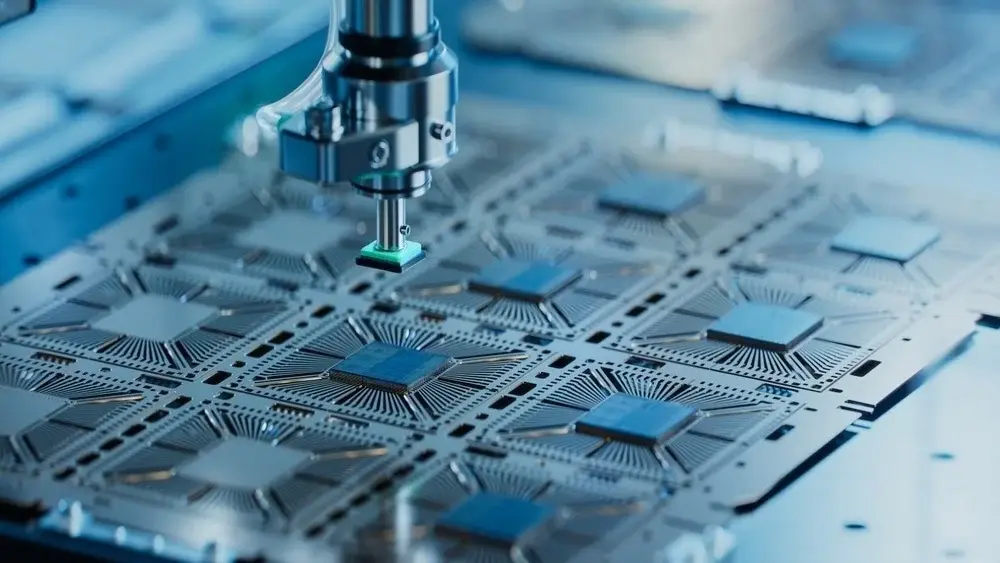
A 3nm processor can offer advantages in power efficiency and transistor density, making it useful for smartphones, laptops and high-performance computing. However, actual performance also depends on chip architecture, cooling, clock speeds and software optimisation, so a 3nm processor is not automatically faster than every 5nm or 7nm chip.