Why fighter jets are so loud compared to normal planes

Fighter jets use low-bypass turbofans and explosive afterburners to prioritise raw speed over noise reduction. Generating over 150 decibels, their supersonic exhaust violently rips the air apart, producing deafening shockwaves and sonic booms.
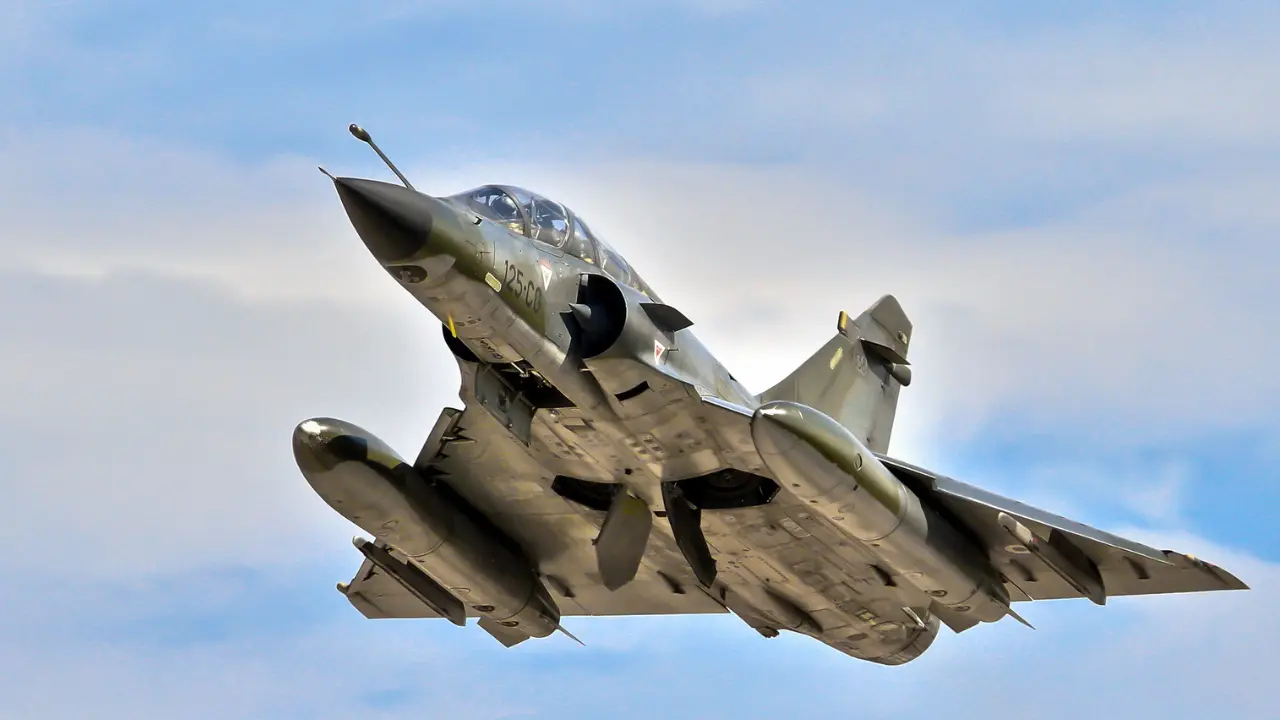
The Bypass Ratio
Commercial airliners use high-bypass turbofans, which wrap a quiet cushion of cold air around the hot engine core to muffle sound. Fighter jets rely on low-bypass turbofans, ejecting a concentrated, extremely violent stream of superheated exhaust directly into the atmosphere.
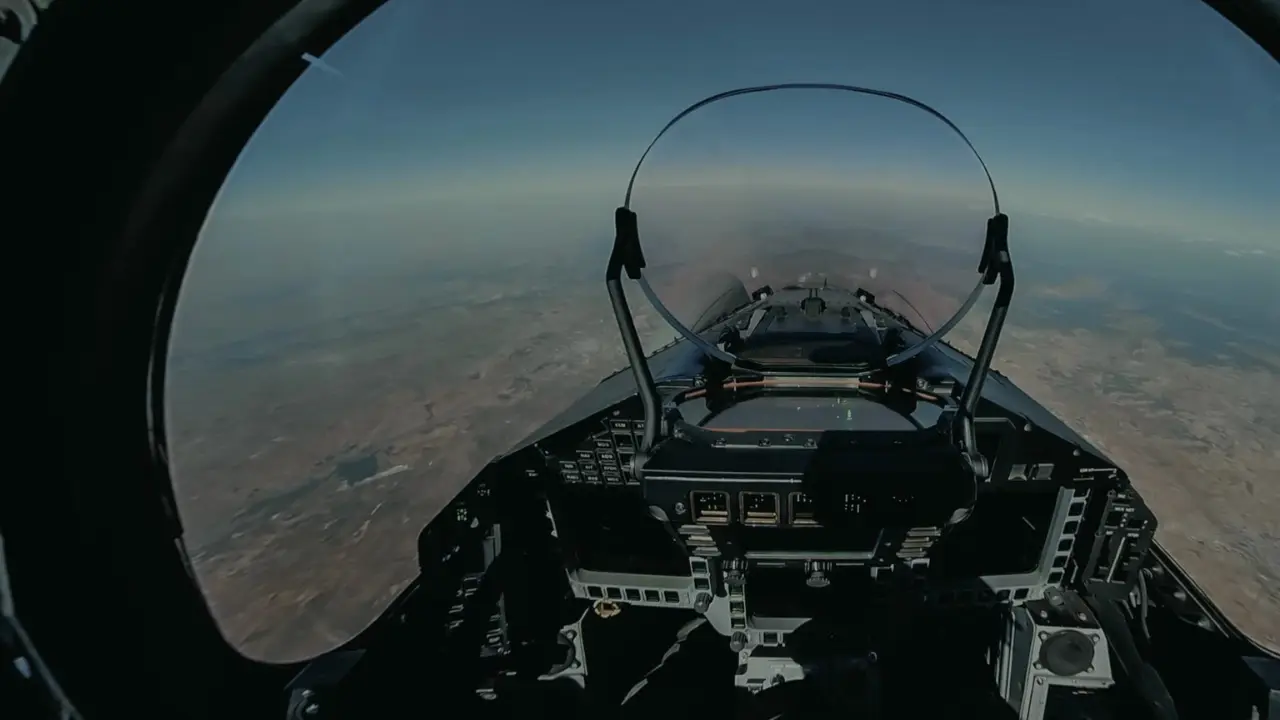
Prioritising Pure Thrust
A passenger plane is engineered for fuel efficiency and noise reduction to comply with strict civilian airport regulations. A USD 80 million military interceptor is built exclusively to dominate airspace, completely sacrificing sound suppression to generate maximum kinetic energy.
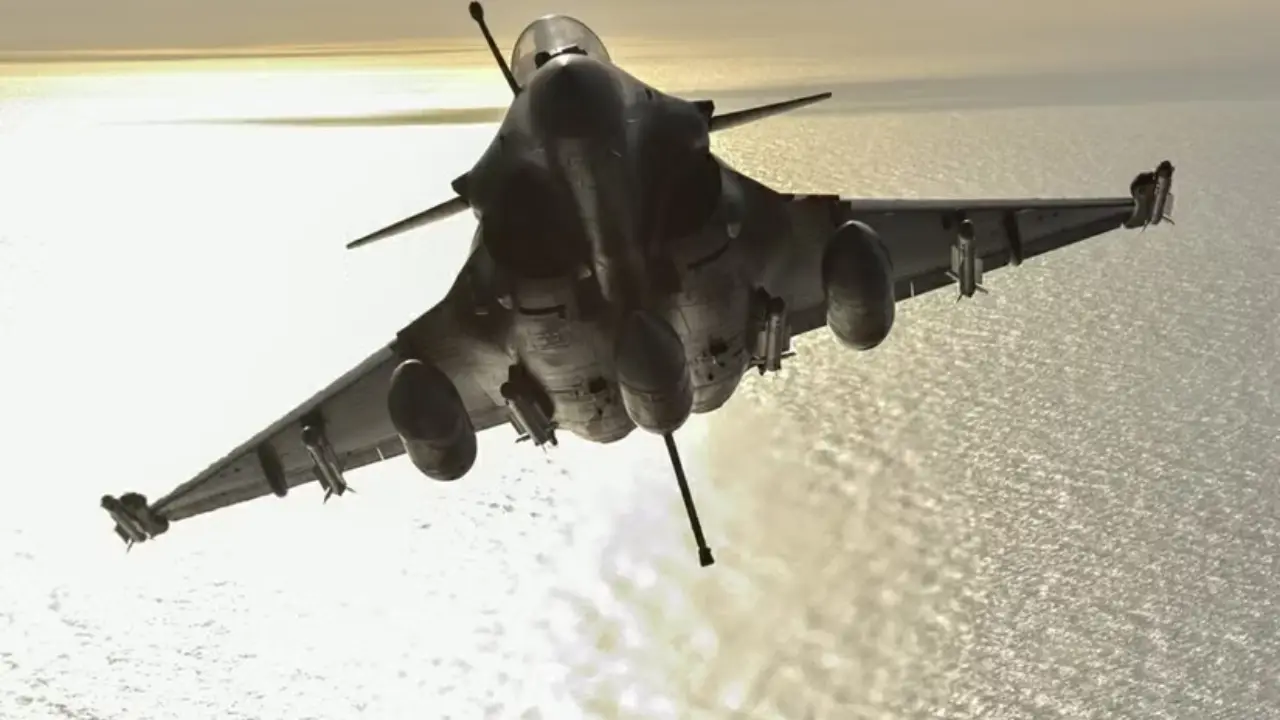
The Afterburner Effect
To achieve supersonic speeds, fighter jets inject raw aviation fuel directly into the engine exhaust, igniting a massive secondary explosion. This afterburner sequence creates a deafening roar that can easily exceed 150 decibels, causing physical pain to unprotected ground crews.
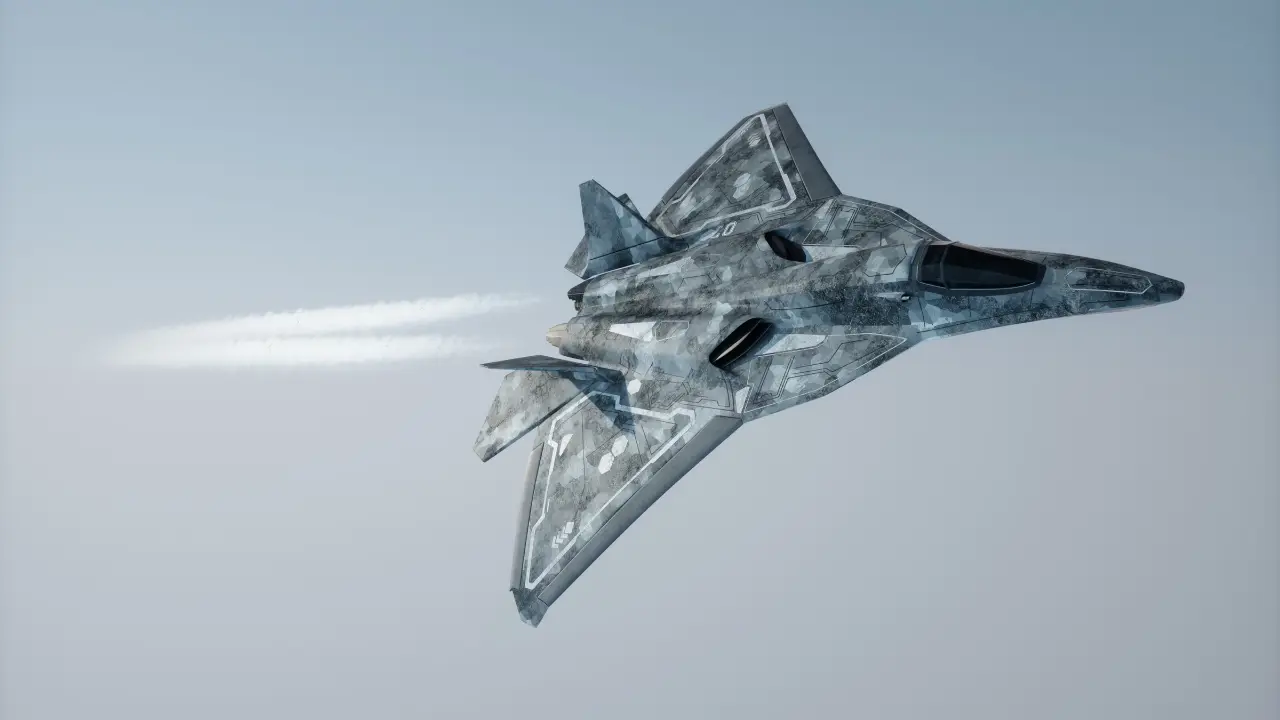
Ripping the Air Apart
The sheer velocity of a fighter jet's exhaust creates a violent acoustic phenomenon known as shock-associated noise. As the supersonic exhaust slams into the slow-moving ambient air, it literally rips the atmosphere apart, generating intense acoustic shockwaves.
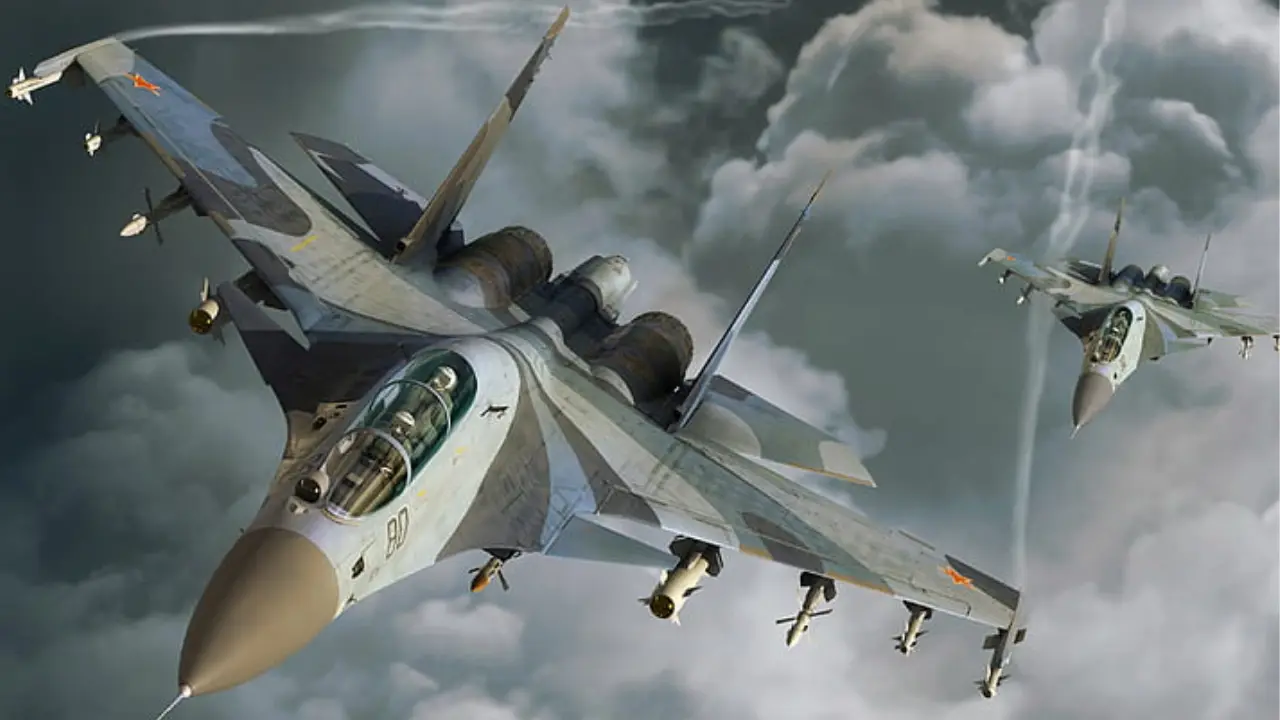
Breaking the Sound Barrier
When a jet pushes past Mach 1, the surrounding air molecules cannot move out of the way fast enough, compressing into a massive pressure wall. This sudden release of energy trails behind the aircraft, hitting the ground as a terrifying, explosive sonic boom.
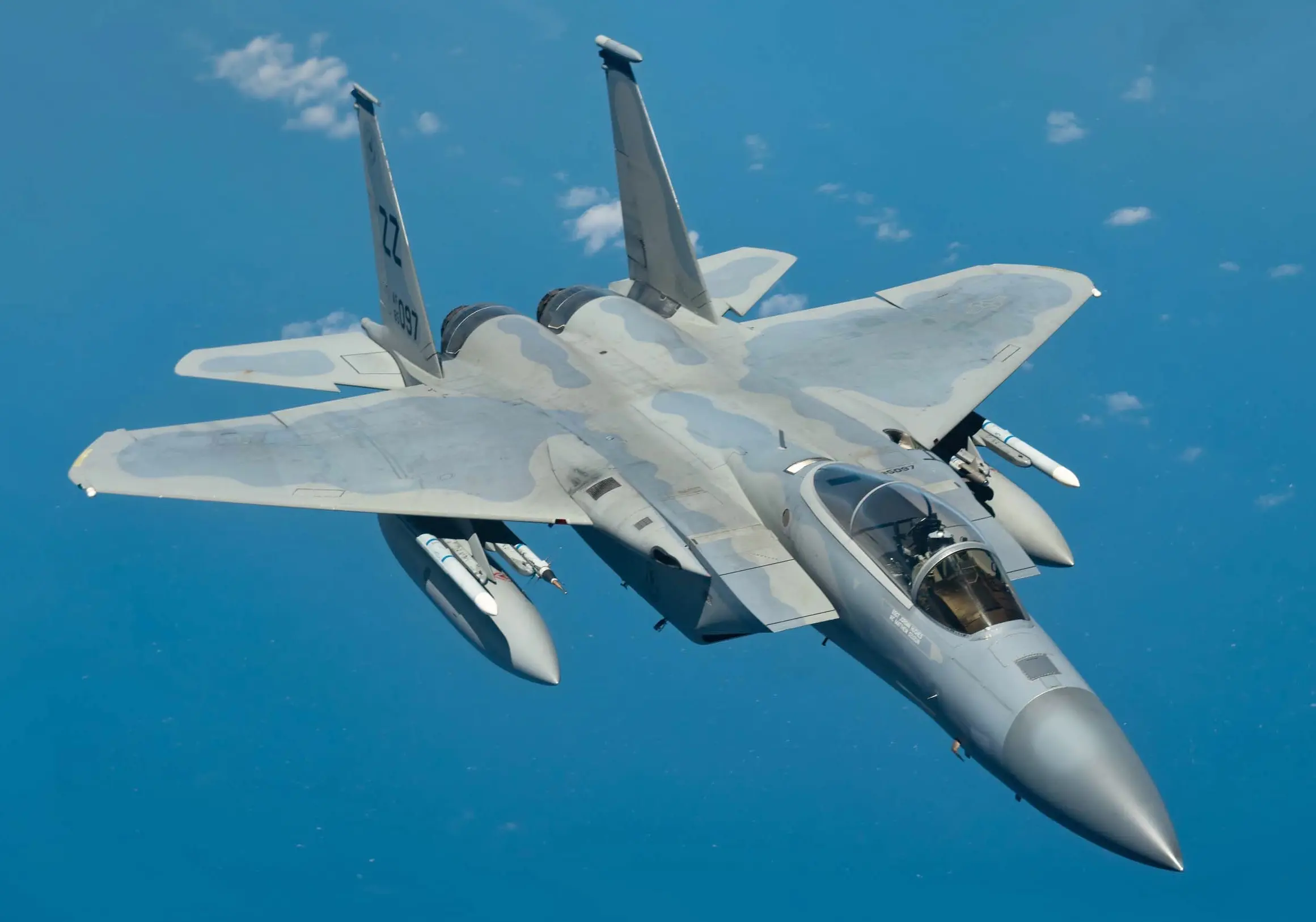
Zero Sound Insulation
Commercial aircraft hulls are packed with heavy acoustic insulation to keep paying passengers comfortable at 35,000 feet. Military jets strip away every ounce of unnecessary weight to maintain an extreme thrust-to-weight ratio, offering zero acoustic dampening for the pilot.
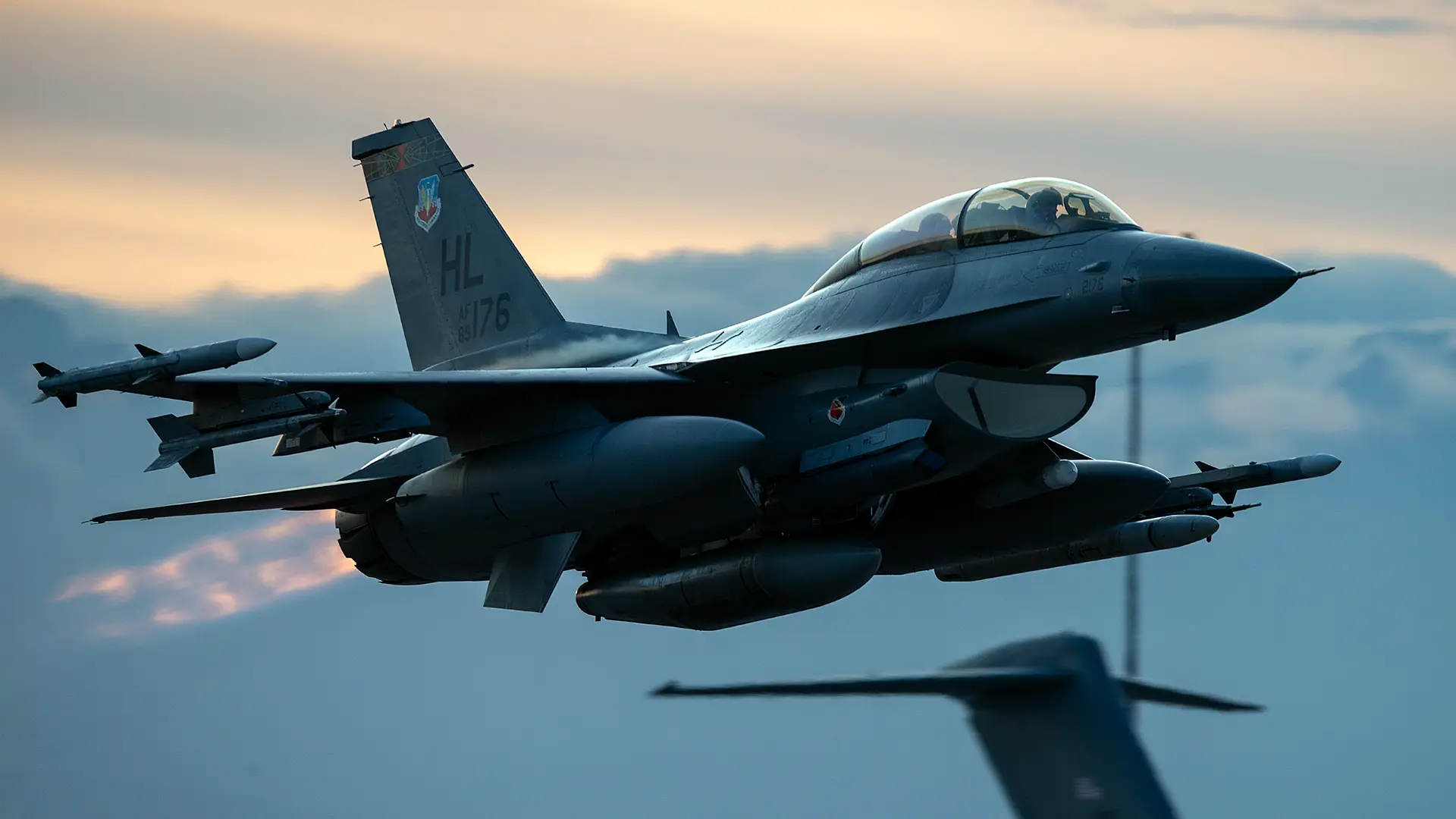
Noise as a Weapon
During low-altitude combat patrols, military commanders frequently weaponise this extreme acoustic power against adversaries. A fighter jet executing a ‘show of force’ pass can deliberately use its deafening engine roar to intimidate and scatter hostile ground forces without dropping a single bomb.
)
)
)
)
)