Why fighter jets and airliners dump fuel mid‑air? The shocking truth behind this rare move

Though it may look wasteful, the practice is designed to protect passengers, crew and the aircraft itself.
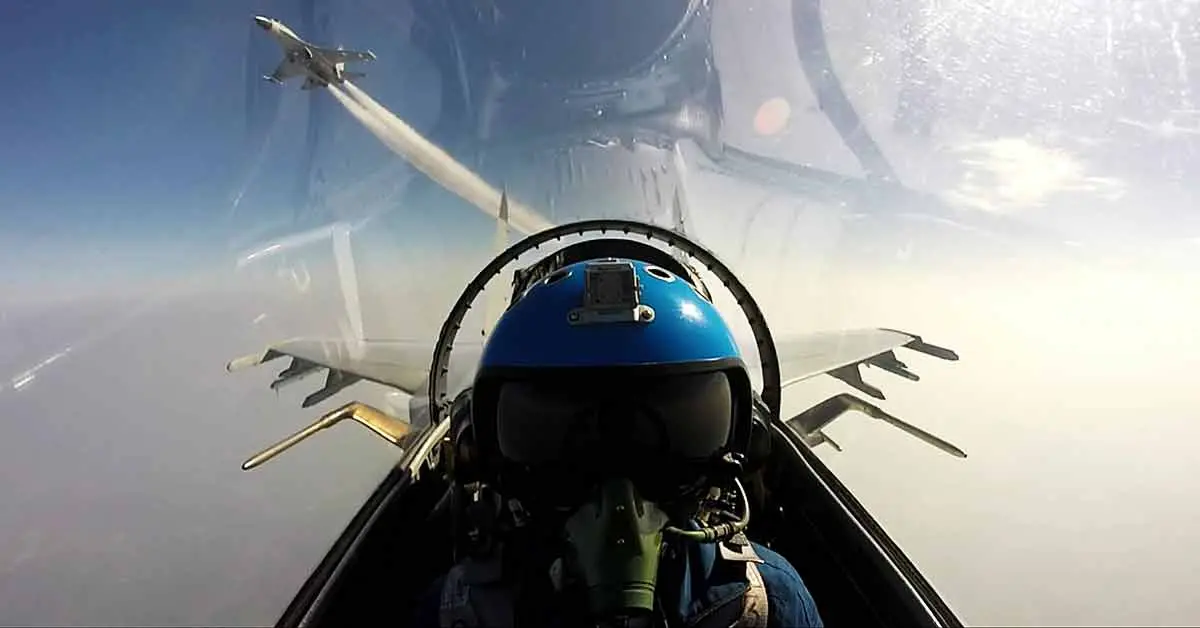
What is fuel dumping and why does it happen?
Fuel dumping, officially called fuel jettison, is a controlled process used mainly by large aircraft to reduce weight before an emergency landing. While it often makes headlines when commercial airliners do it, fighter jets also have this capability and have done it in the past. Though it may look wasteful, the practice is designed to protect passengers, crew and the aircraft itself.
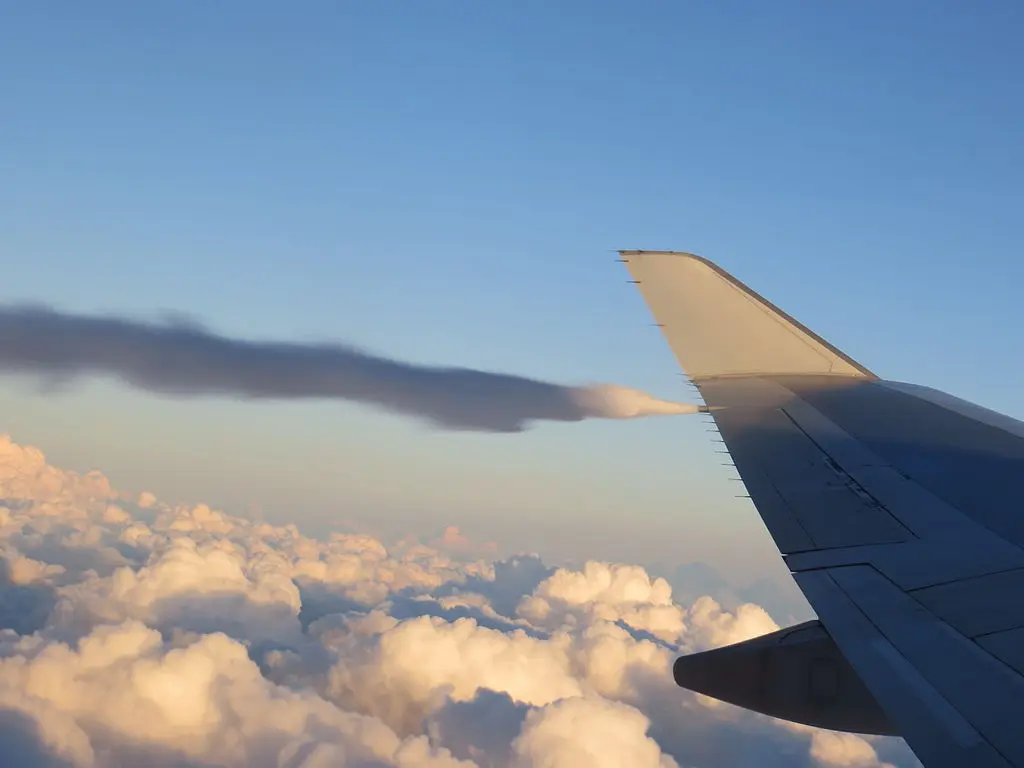
Weight reduction for emergency landings
Aircraft have strict maximum landing weights, usually lower than their maximum take-off weights. On long-haul flights, planes carry heavy fuel loads, sometimes equal to the weight of several elephants. If an aircraft needs to land soon after take-off, such as after an engine failure or medical emergency, dumping fuel quickly helps bring its weight below safe landing limits, preventing structural damage or worse.
Mostly commercial planes, but fighter jets too
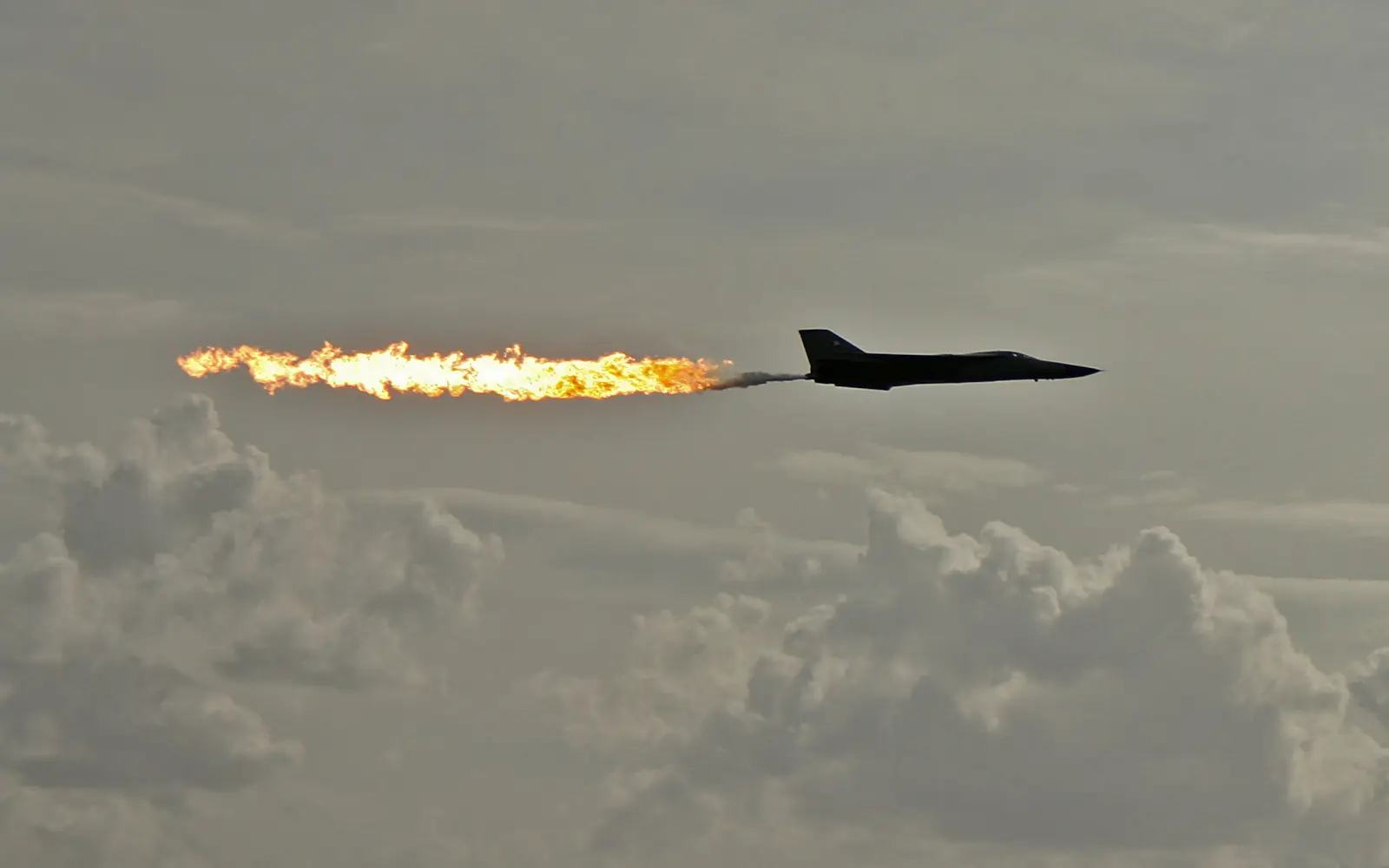
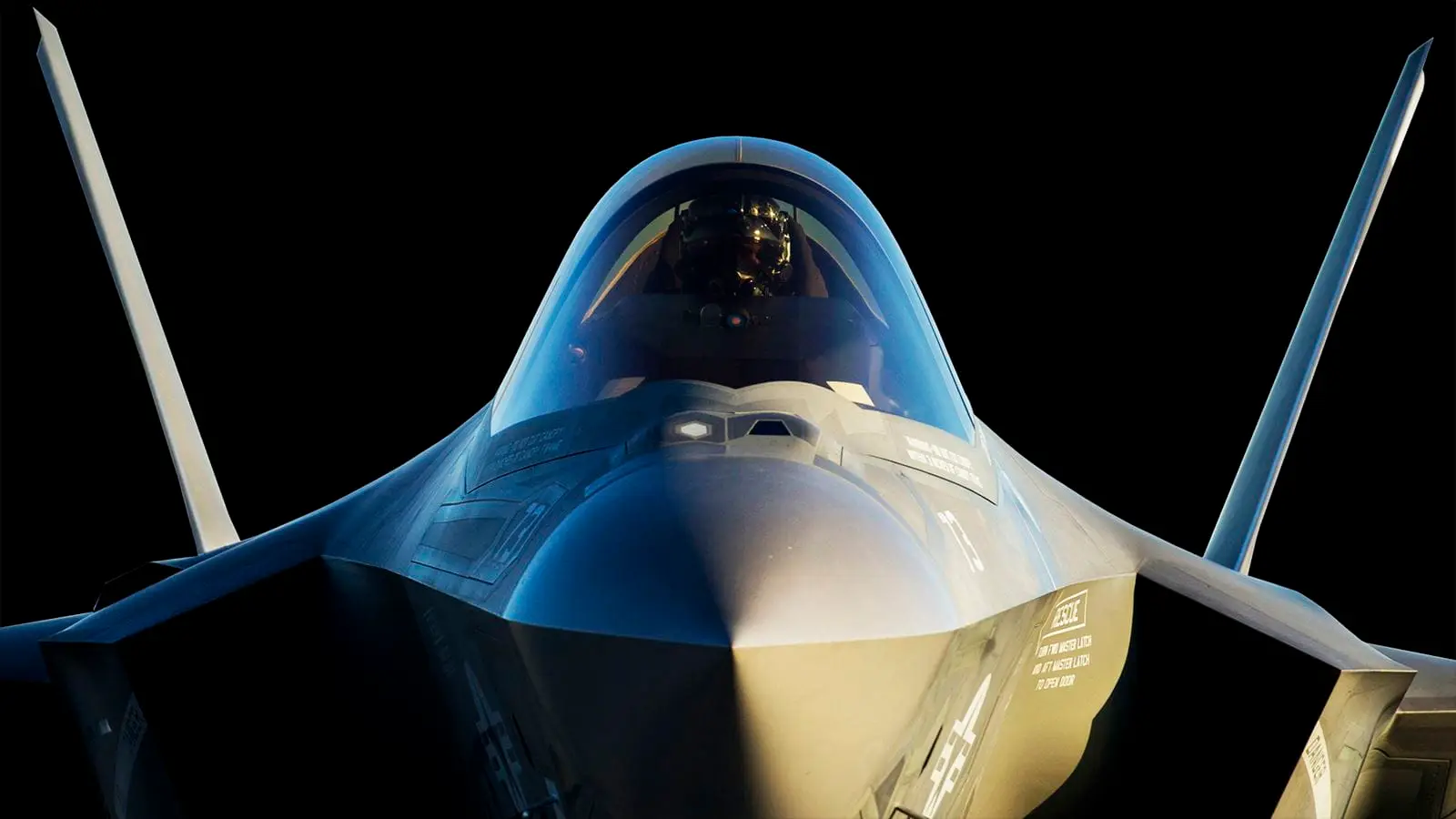
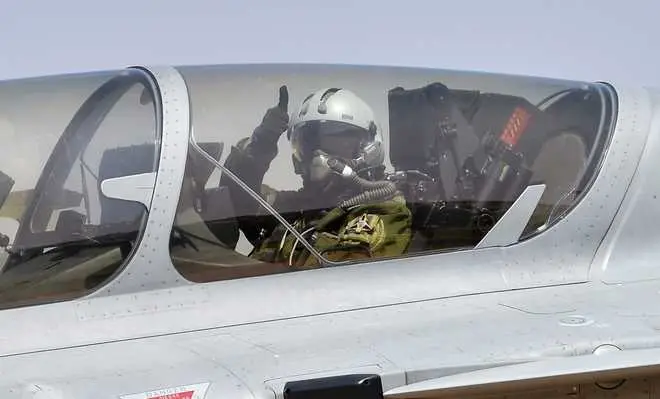
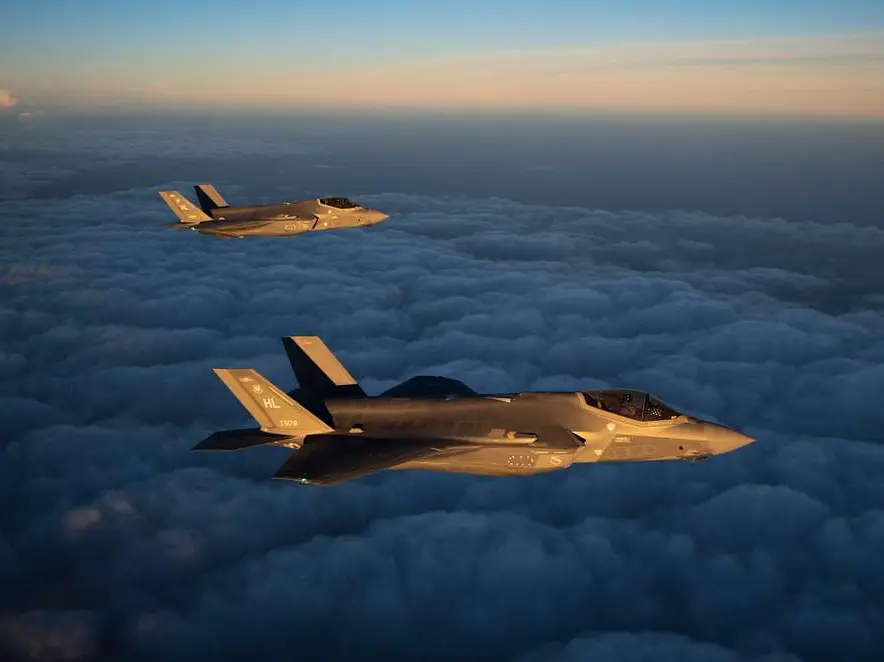
Large commercial jets like the Boeing 777 and 747 often dump fuel because they operate far above their maximum landing weight. Fighter jets, while smaller, can do it too. Indian Air Force aircraft such as the Su-30MKI and Mirage 2000 have jettison systems. For instance, during airshows, the F-111 Aardvark famously performed 'dump and burn' displays by igniting dumped fuel behind the aircraft. In rare cases, fuel dumping has even been used tactically, like when a Russian Su-27 dumped fuel onto a US MQ-9 Reaper drone.

How does it actually work?
Modern jets have pumps and valves that channel fuel to nozzles, often at the wingtips. Pilots activate these systems with a switch in the cockpit, and thousands of litres can be released in minutes. Smaller aircraft like the Airbus A320 don’t need this system as they can land close to take-off weight.
Beyond fuel, jettisoning stores
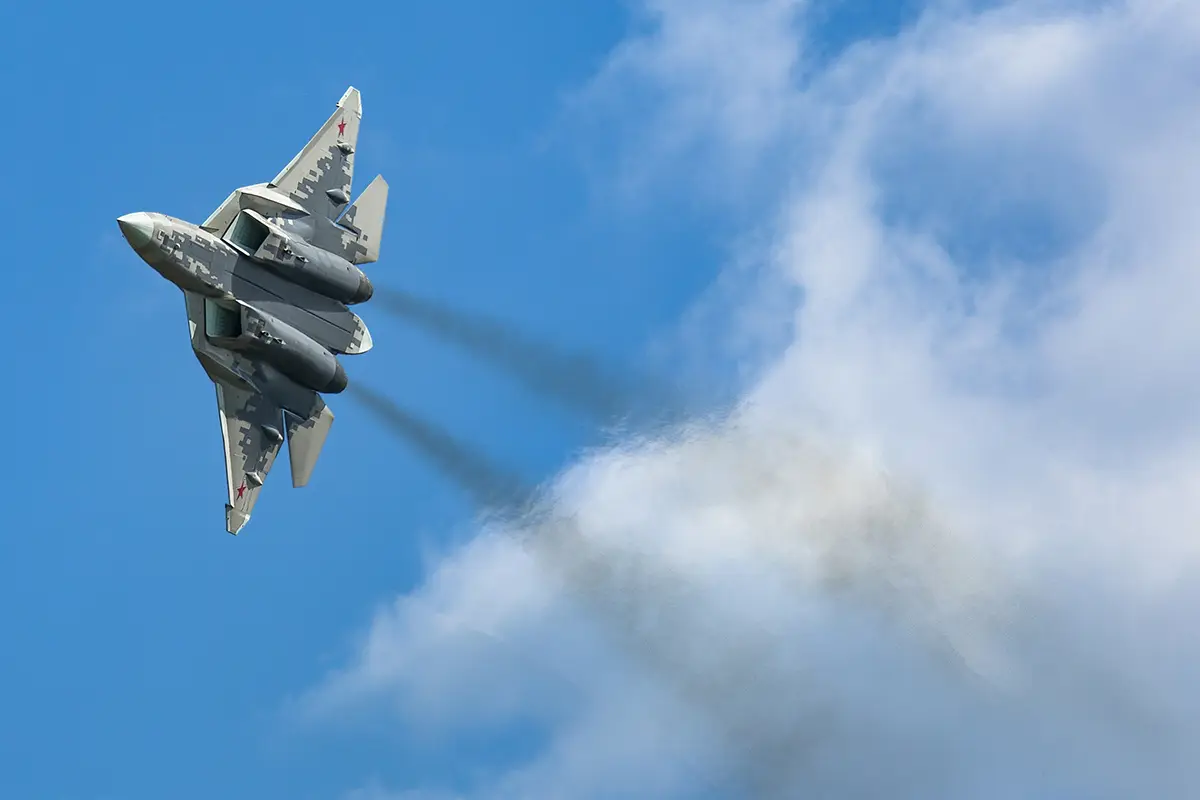
Fighter jets can also dump external stores, including bombs or missiles, to reduce weight quickly in emergencies. This is rare but critical if a jet must return to base immediately and cannot land safely while fully armed.
Environmental considerations
To reduce impact, fuel dumping is usually done above 6,000 feet so most fuel evaporates before reaching the ground. Dumping at low altitudes risks soil and water contamination and can harm wildlife, making careful altitude and location selection essential.
Safety first
Fuel dumping is never routine; it’s a safety measure used when time matters most. Pilots might burn fuel in flight instead if time allows, but when immediate landing is needed, dumping remains the fastest way to protect passengers, crew and the aircraft.
)
)
)
)
)