Why fighter jet tyres last only 8–12 landings?

Fighter jet tires don’t last long because they are pushed far beyond what any normal tire experiences, extreme speeds, violent landings, intense heat, tight manoeuvres and high-G stresses.
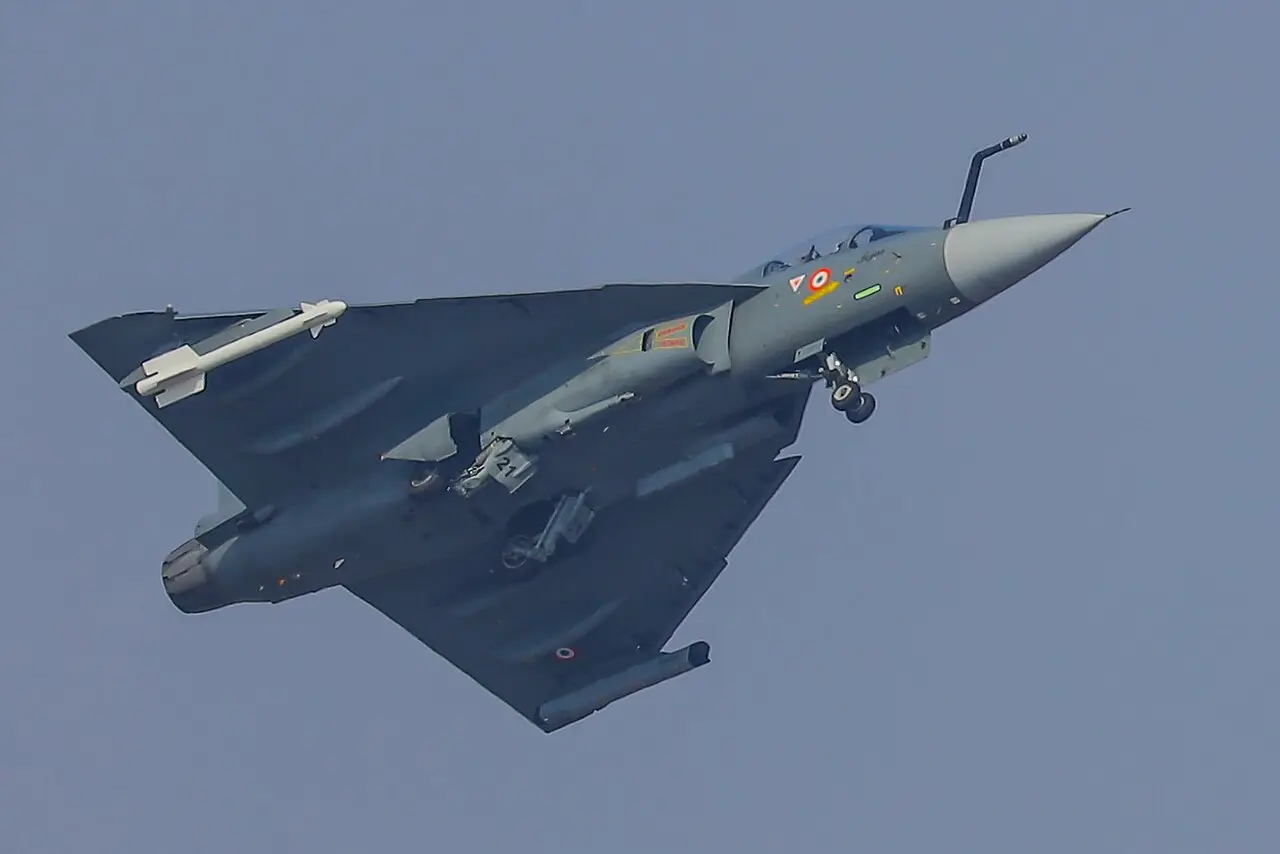
1. Fighter Jets Land Much Faster Than Commercial Aircraft
A commercial airliner usually lands at around 240–260 km/h, but most fighter jets touch down at 280–320 km/h, with some even faster depending on payload and fuel weight. The higher the landing speed, the more friction the tyres must absorb when they slam into the runway. This extreme speed creates enormous heat and stress, causing the rubber to wear out rapidly, often in fewer than a dozen landings.
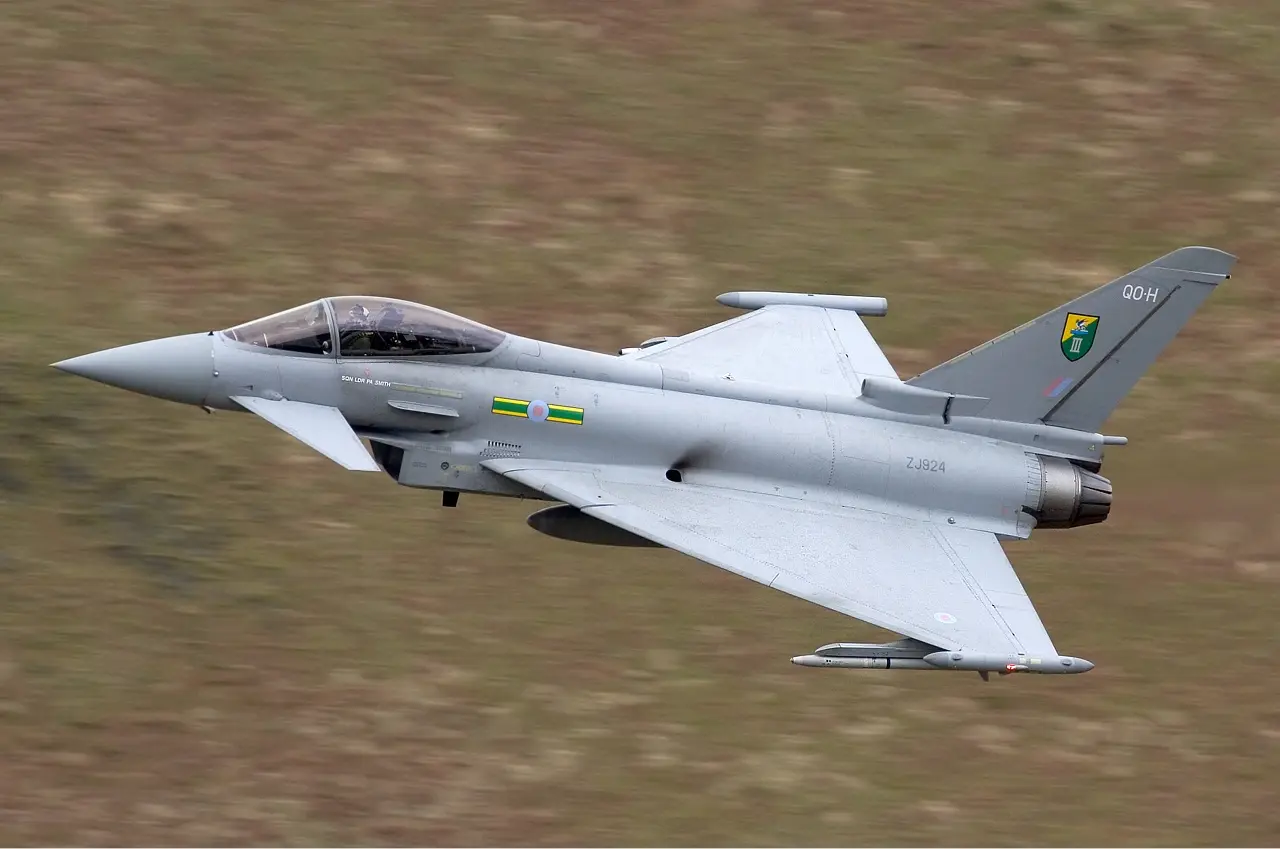
2. The tyres Hit the Runway With Brutal Vertical Force
Unlike commercial aircraft that descend smoothly, fighter jets execute a controlled hard landing. This firm impact ensures the jet remains stable, especially when carrying weapons, external tanks or during crosswinds. The vertical load on touchdown can exceed four to five times what a passenger aircraft tyre experiences. This repeated high-impact shock severely limits tyre lifespan.
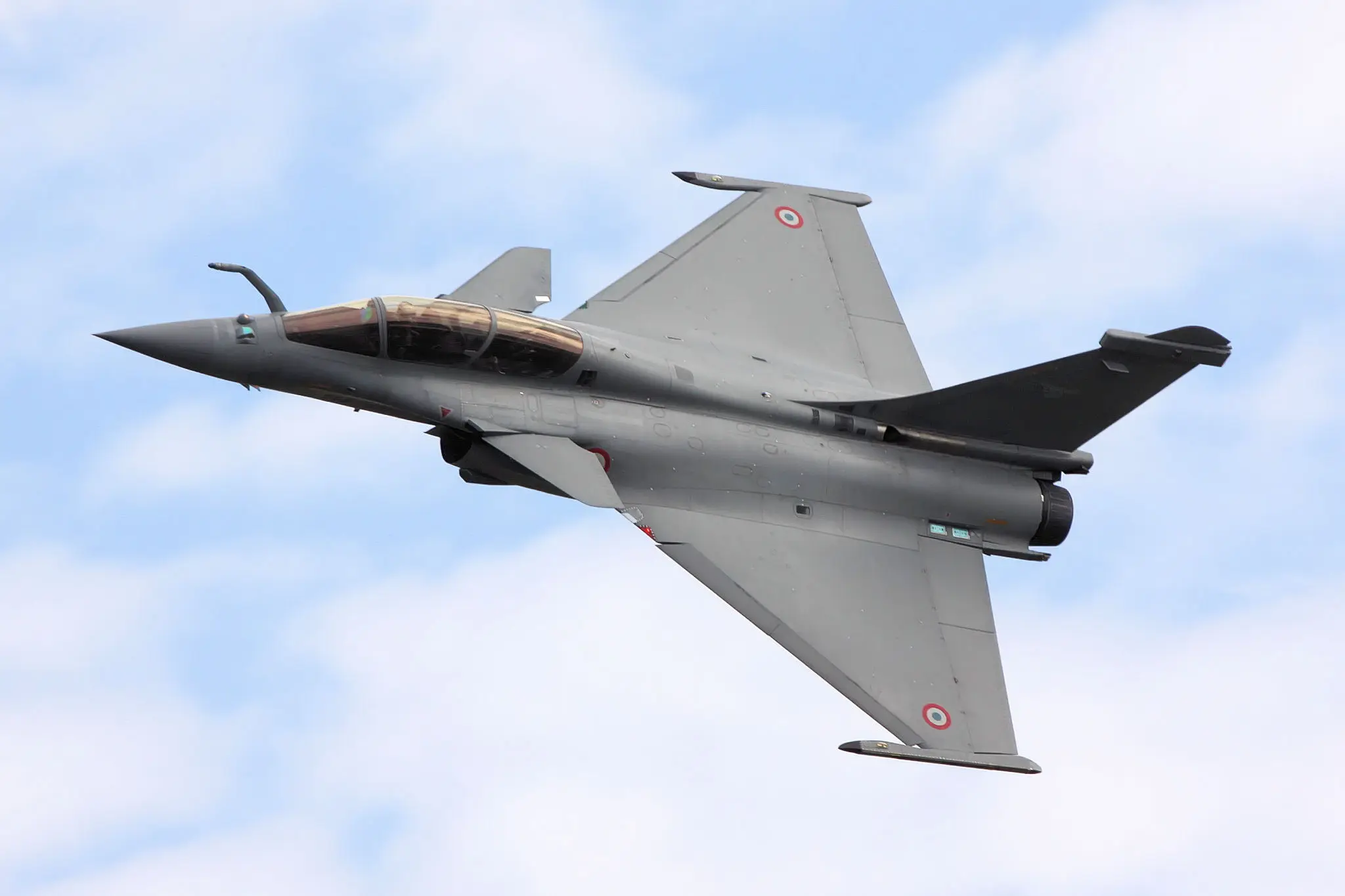
3. Jet tyres Are Extremely Small but Built to Handle Massive Loads
Fighter jets need compact landing gear to reduce drag and fit inside the airframe. Because the tyres are smaller, the contact patch (the area touching the runway) is tiny compared to the weight and speed they must sustain. To compensate, fighter jet tyres are inflated to extremely high pressures, often 300–350 psi, nearly 10 times that of car tyres. The combination of small size and extreme pressure causes rapid tread erosion.
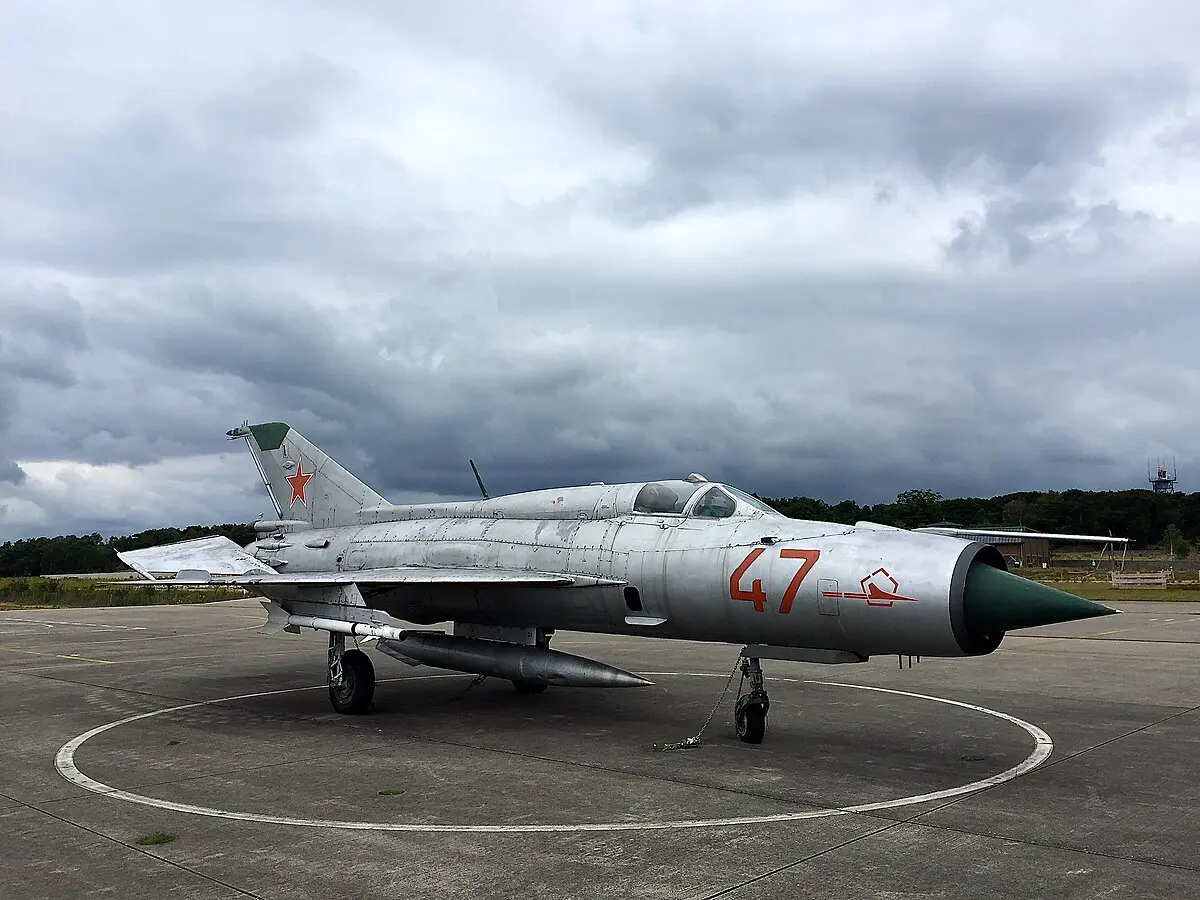
4. Afterburner Takeoffs and High-Speed Braking Destroy Rubber Quickly
Fighter jets frequently use afterburner takeoffs, which generate intense acceleration forces. During rejected takeoffs (aborts), the tyres must handle brutal deceleration and extremely high brake temperatures. Even normal braking after landing can raise tyre temperatures above 200°C, degrading the rubber with each cycle. This heat cycle alone dramatically shortens tyre life.
5. High-G Turns Before Landing Twist the Tires Sideways
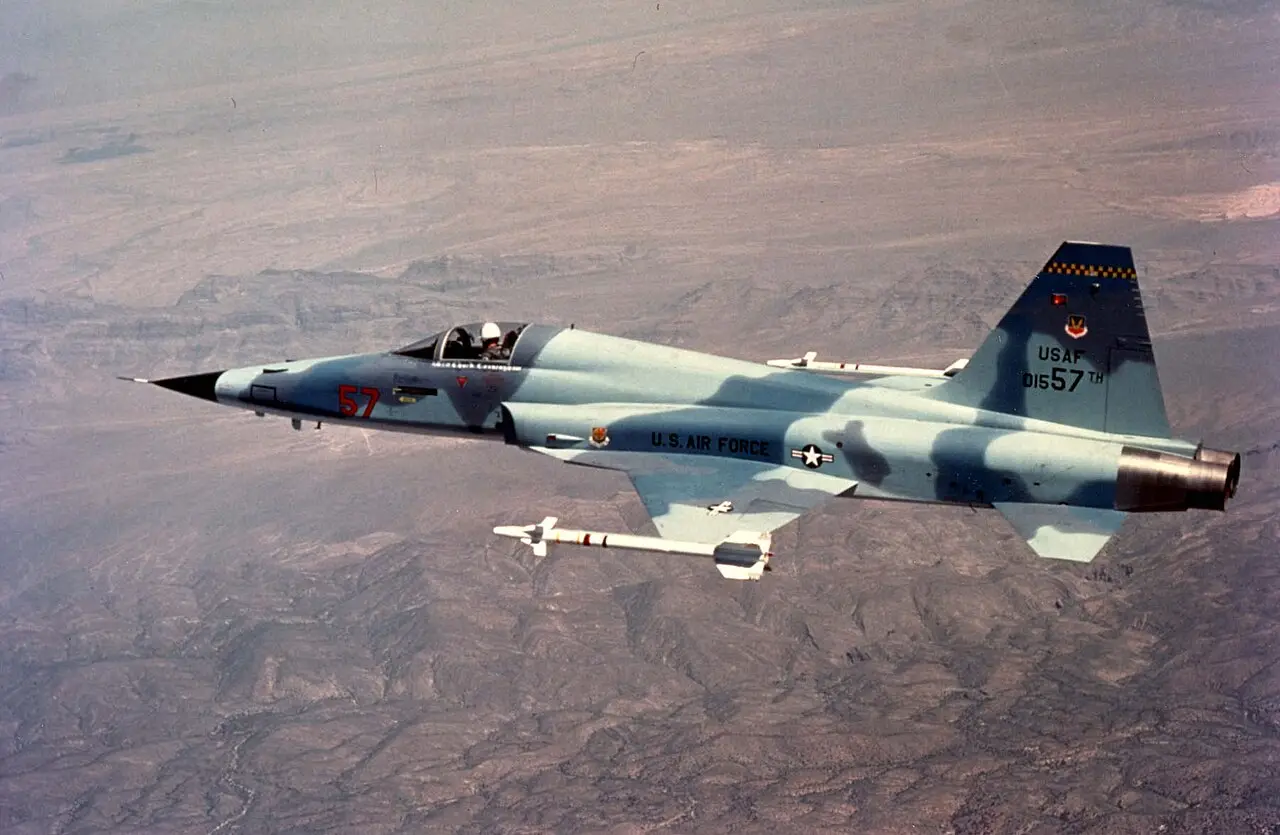
During approach, fighter jets make tight, high-G turns to align with the runway. These manoeuvres generate lateral (side) loads, which twist the tyres at angles they are not designed to endure repeatedly. This sideways scrubbing accelerates wear on the edges and reduces the number of safe landings.
6. Aircraft Carriers Reduce tyre Life Even Further
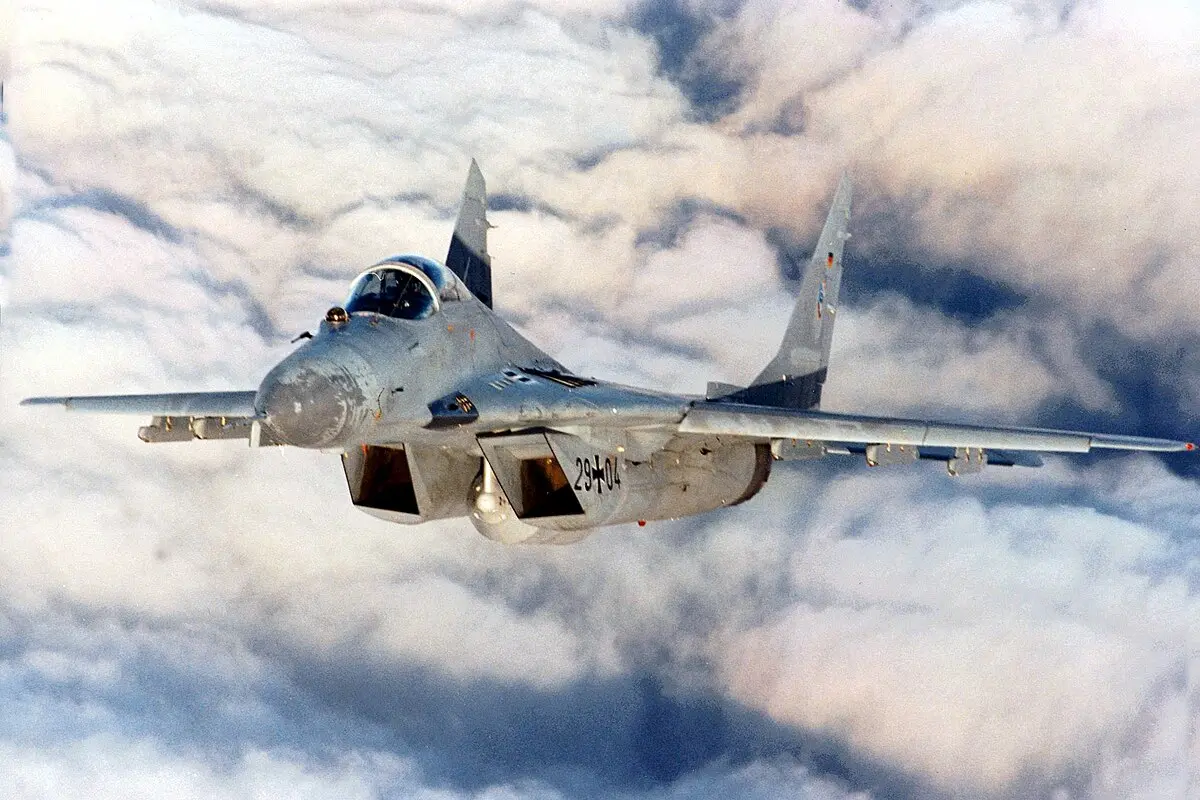
Carrier-based aircraft like the F/A-18 or MiG-29K often get even fewer landings per tyres. They slam into the deck at very high descent rates so the tailhook can catch the arresting wire. The impact is so violent that tyres can require replacement after just 1–3 landings. The arrestor cable also forces extremely rapid deceleration, heating and shredding the rubber far faster than runway operations.
7. Safety Is Non-Negotiable
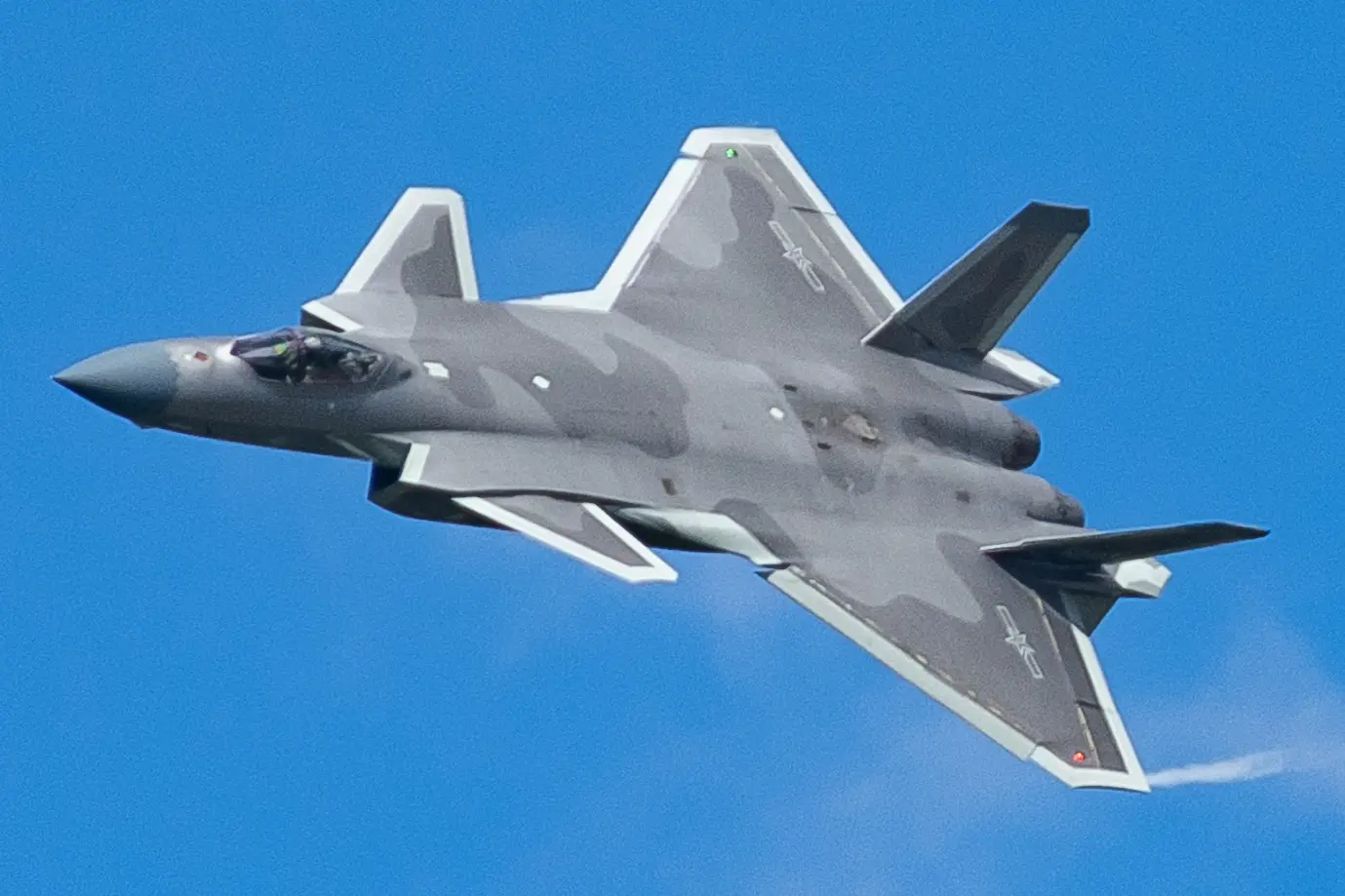
A single tyre failure during landing can lead to serious accidents, including runway veer-offs, gear collapse or fire. Because fighter operations involve high speeds and complex manoeuvres, militaries follow strict replacement schedules to maintain safety margins. Even if a tyre visually appears fine, it may already be structurally fatigued. Replacing tyre every 8–12 landings ensures the aircraft performs safely under all mission conditions.
Final Takeaway
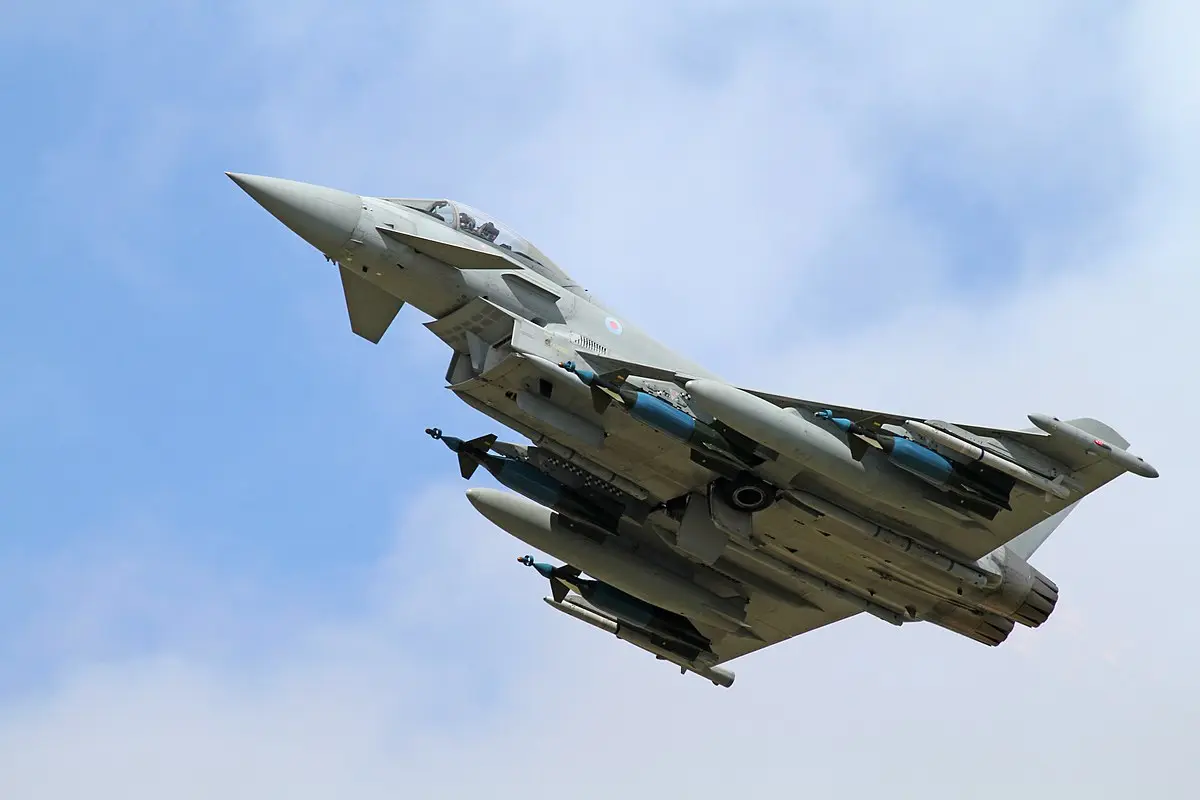
Fighter jet tyre don’t last long because they are pushed far beyond what any normal tyre experiences, extreme speeds, violent landings, intense heat, tight manoeuvres and high-G stresses. For the military, rapid tyre replacement isn’t wasteful; it’s essential for safety and operational readiness.
)
)
)
)
)