Why fighter jet runway length matters during monsoon operations

Monsoon rains reduce runway friction, increasing the distance fighter jets need to safely take off and land. Longer runways, proper surface drainage, and strict safety margins are essential to prevent accidents in wet conditions during monsoon operations.
Why Runway Length Matters
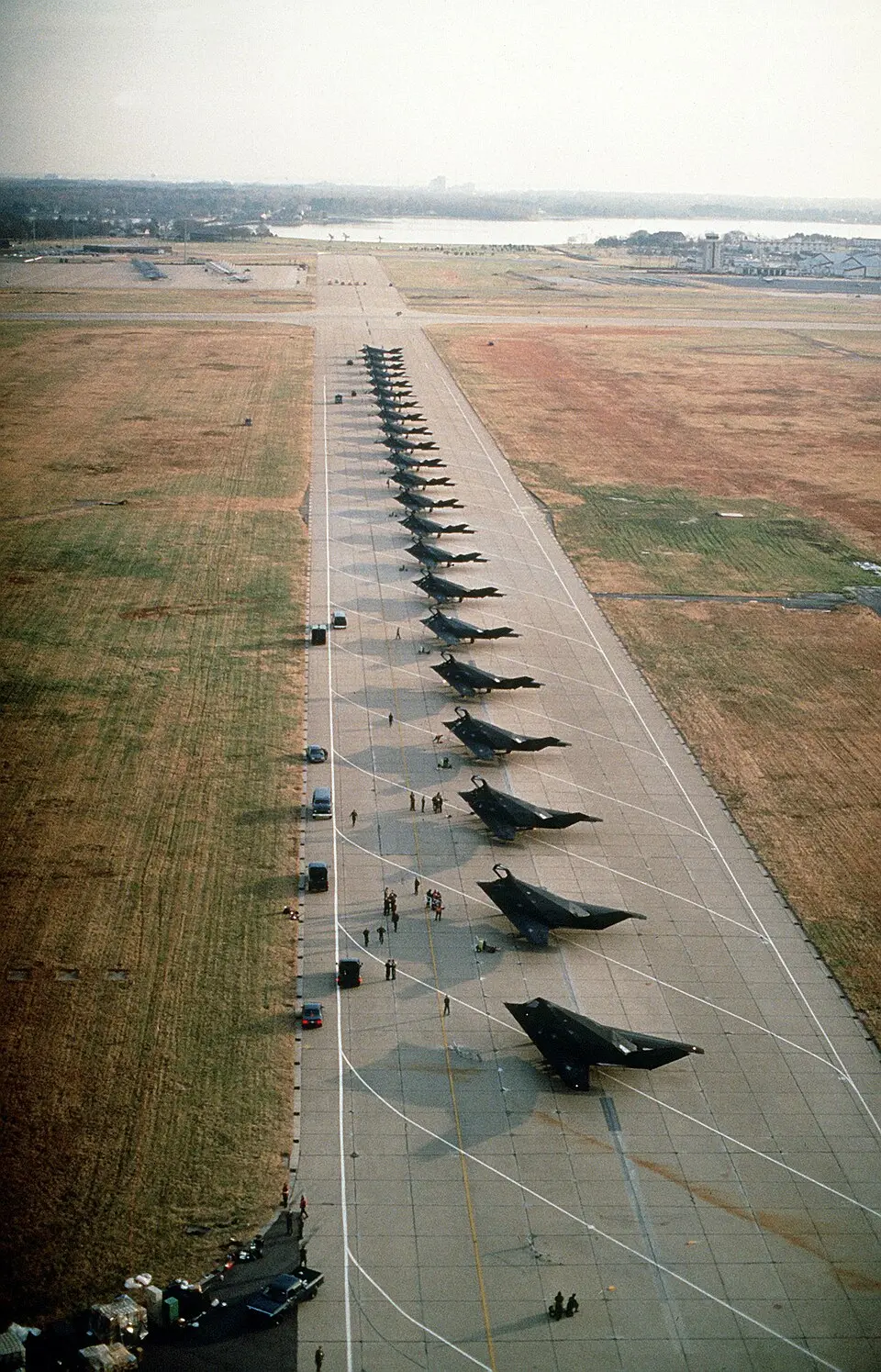
Runway length is vital to ensure fighter jets can safely take off and land, especially during the monsoon season. Longer runways give pilots more space to stop or gain speed in wet and slippery conditions, reducing accident risks.
Effect of Wet Runways on Jet Performance
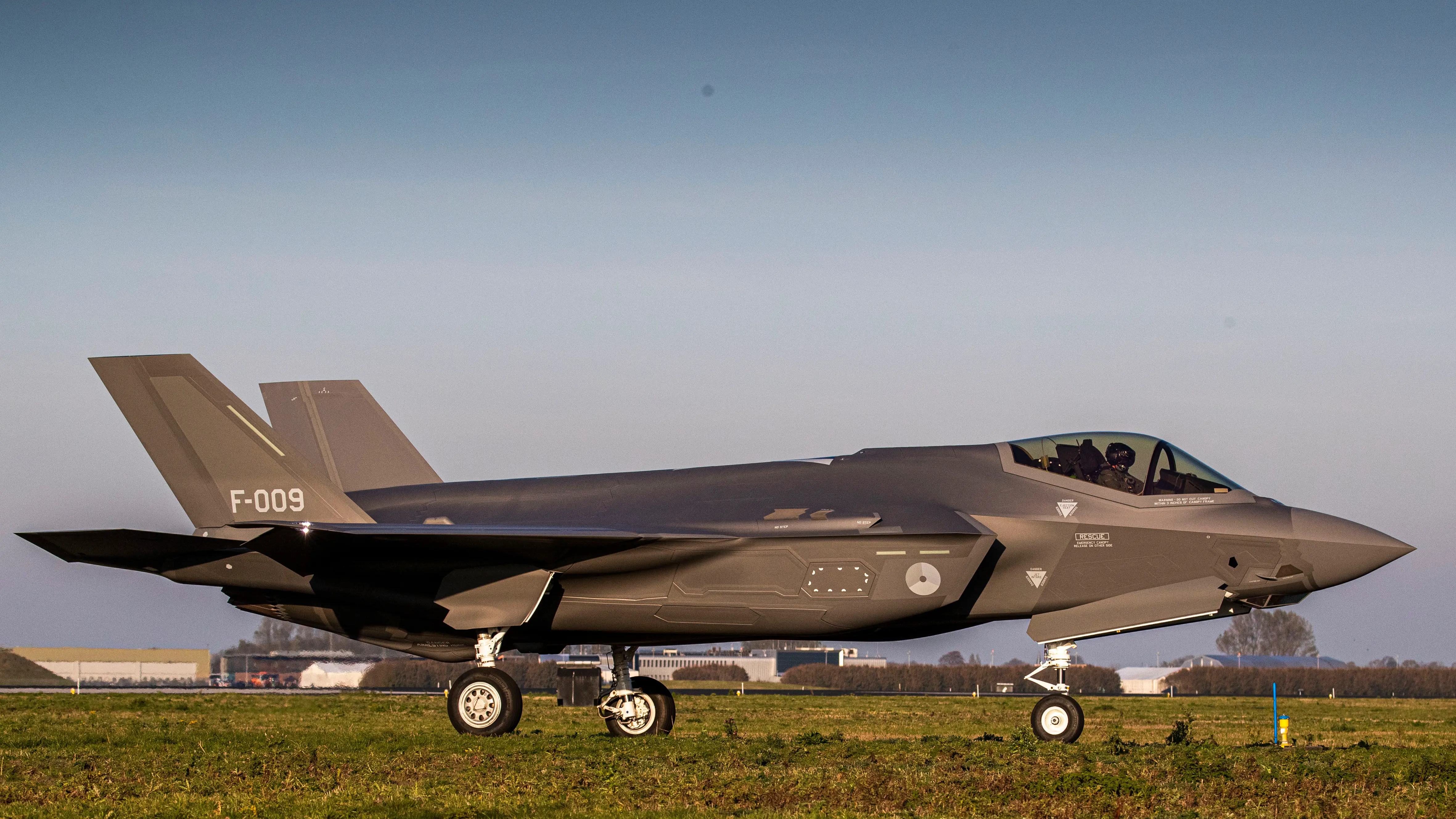
Monsoon rains cause runways to become wet and reduce tyre friction, which increases the stopping distance for fighter jets when landing. This means jets need more runway length compared to dry conditions to safely come to a stop.
Increased Takeoff Distance
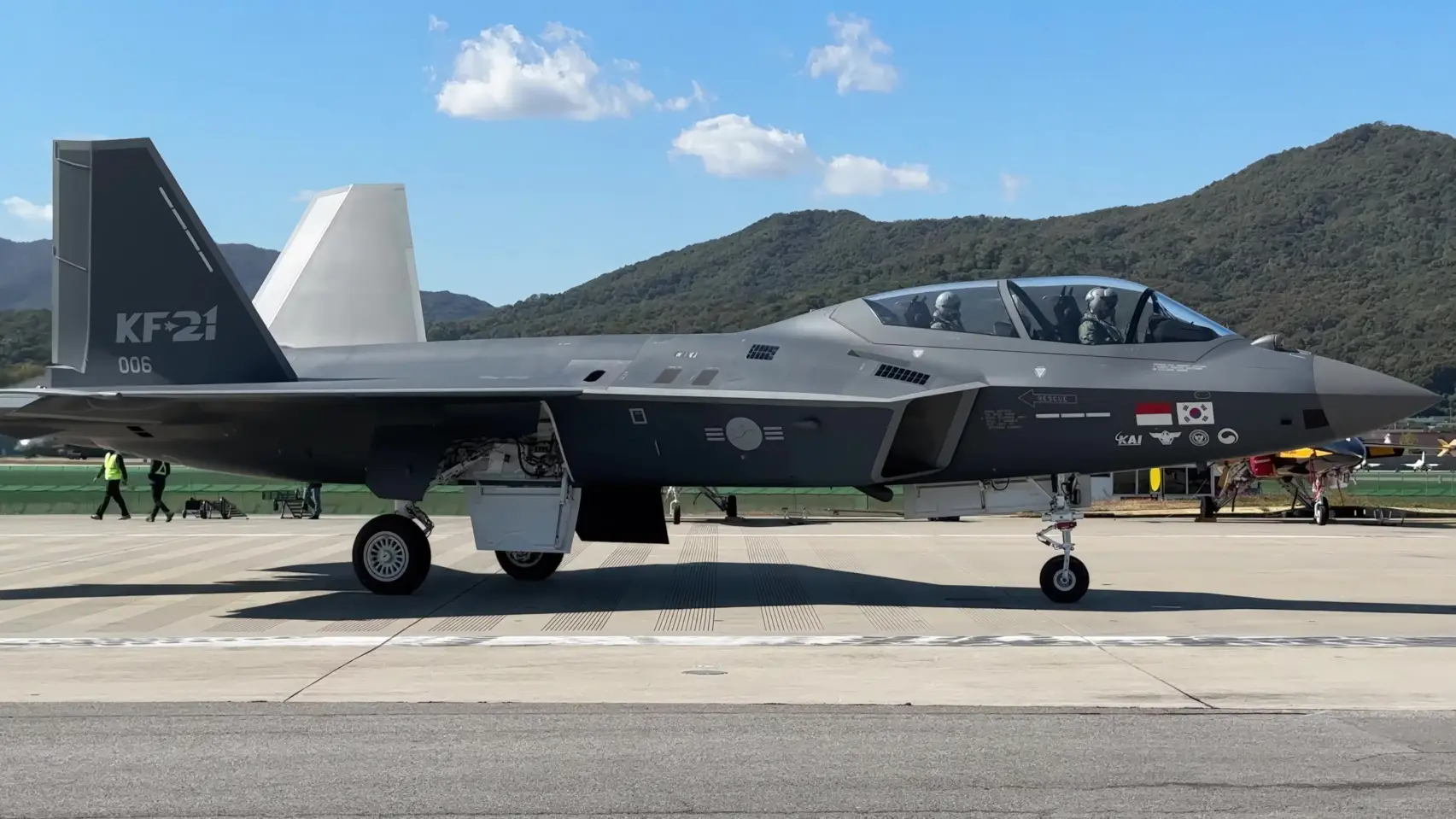
Wet conditions also affect takeoff, as jets require longer distance to reach sufficient speed for lift-off. Water on the runway can lessen acceleration, which makes it necessary to have an extended runway during monsoon operations.
Safety Margins and Regulations
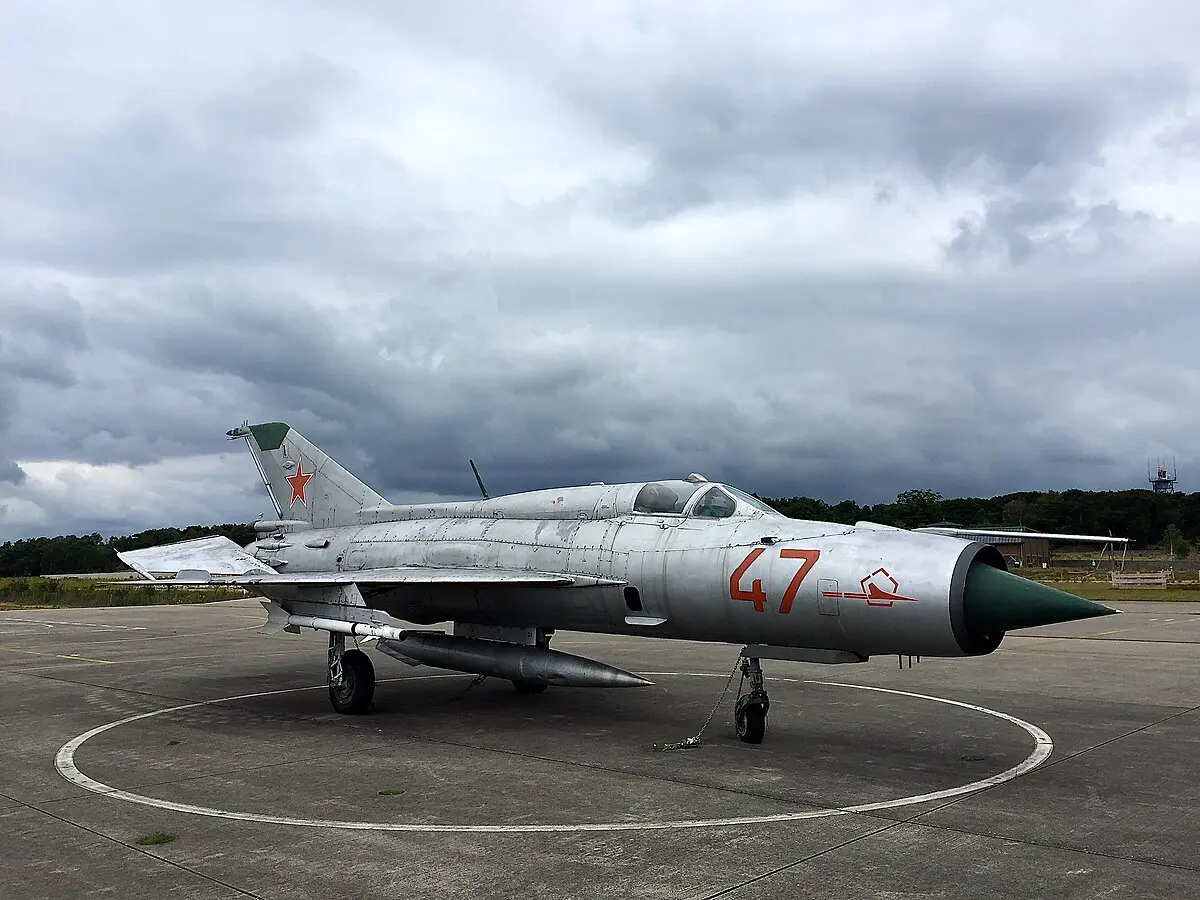
Aviation authorities recommend increasing runway length by about 15% to 20% during wet weather. This safety margin ensures pilots have enough runway even if braking or acceleration is compromised by rain.
Runway Surface and Drainage Systems
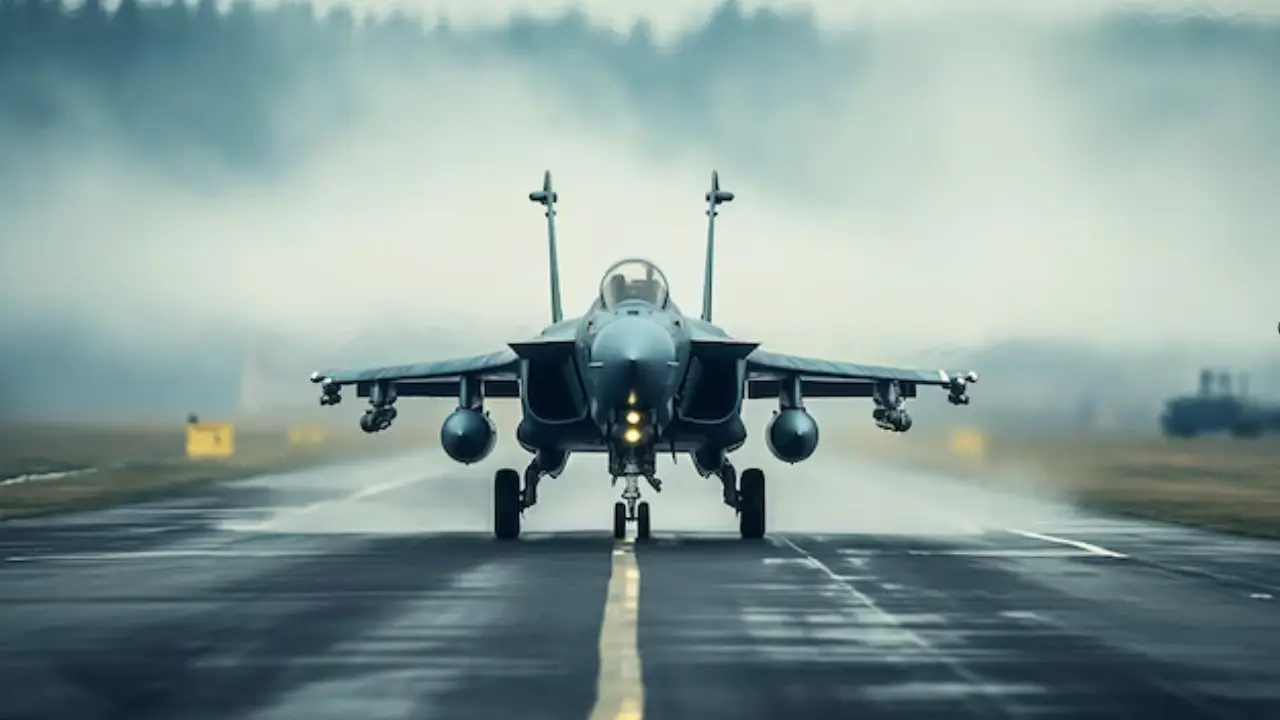
Proper runway design with good drainage helps reduce water accumulation and maintains better friction. Airports used by fighter jets in monsoon regions invest in surface materials and drainage to minimise runway wetness and improve safety.
Examples from Fighter Jet Requirements
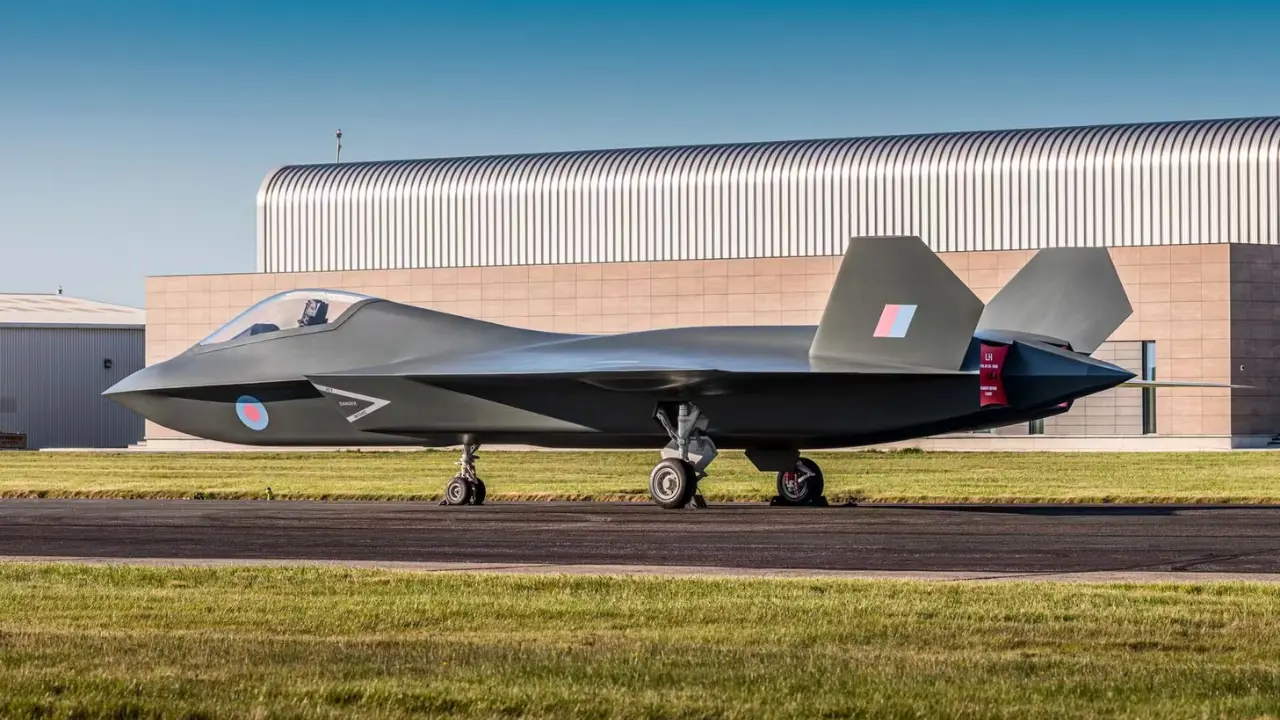
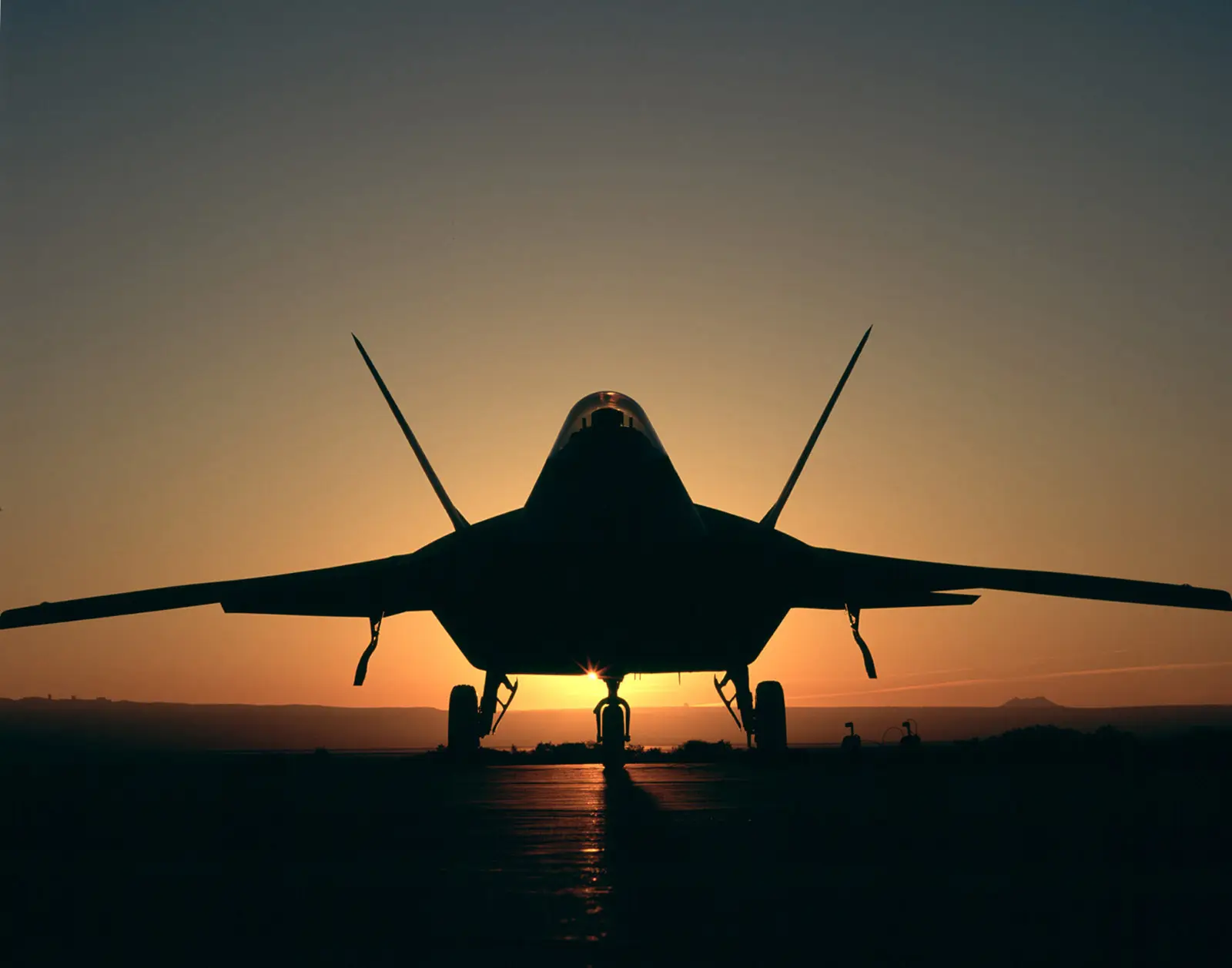
High-performance jets like the F-22 Raptor need runways of at least 7,000 feet under normal conditions. These requirements increase in monsoon seasons due to factors like wet pavement and wind, impacting operational planning.
Operational Challenges in Monsoon
Pilots face challenges such as hydroplaning risk and reduced visibility during monsoons. Adequate runway length combined with wet weather procedures ensures safer takeoffs and landings for fighter jets during heavy rains.
)
)
)
)
)