Why fighter jet pilots use helmets that cost over Rs 3 crore

Fighter jet helmets cost over Rs 3 crore due to advanced materials, custom 3D fitting, helmet-mounted displays, night vision, and head-tracking technology. These features protect pilots and enhance their situational awareness in combat.
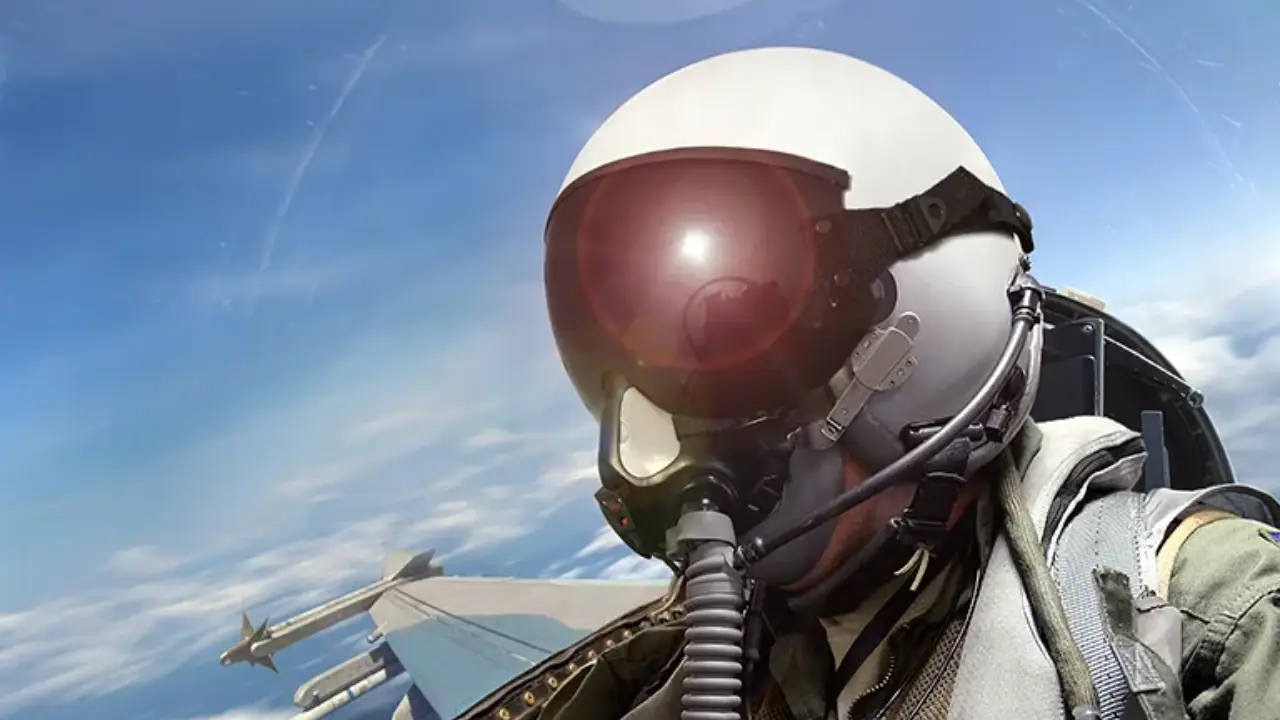
The Cost Behind Modern Fighter Helmets
Fighter pilot helmets like those used in F-35 jets cost around $400,000 (about Rs 3 crore), outpricing many luxury cars. The high cost comes from sophisticated materials and embedded technology.
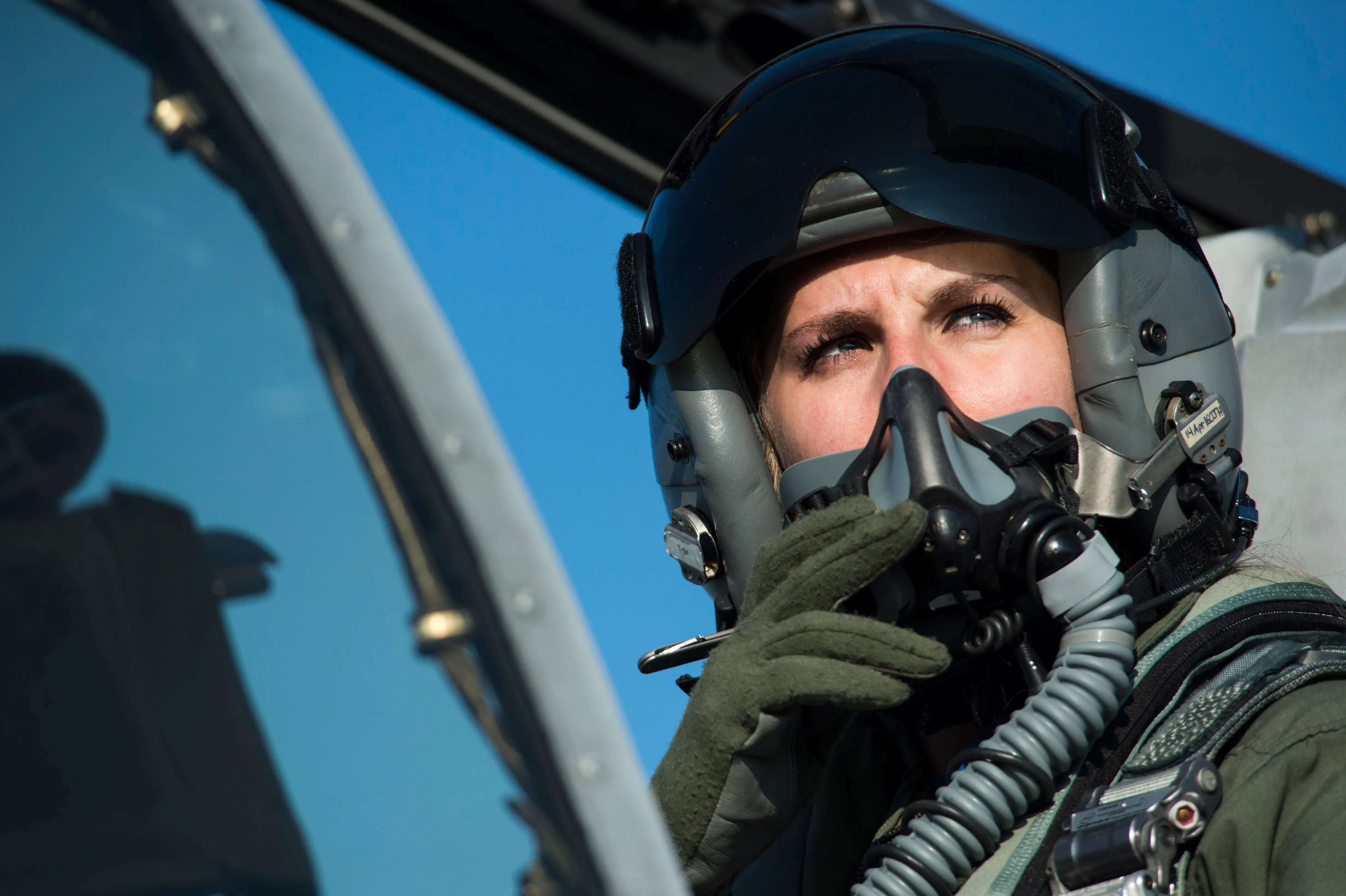
Advanced Materials for Safety
Made from lightweight yet strong materials such as carbon fibre and Kevlar, these helmets offer both protection from impact and minimal weight to reduce pilot fatigue.
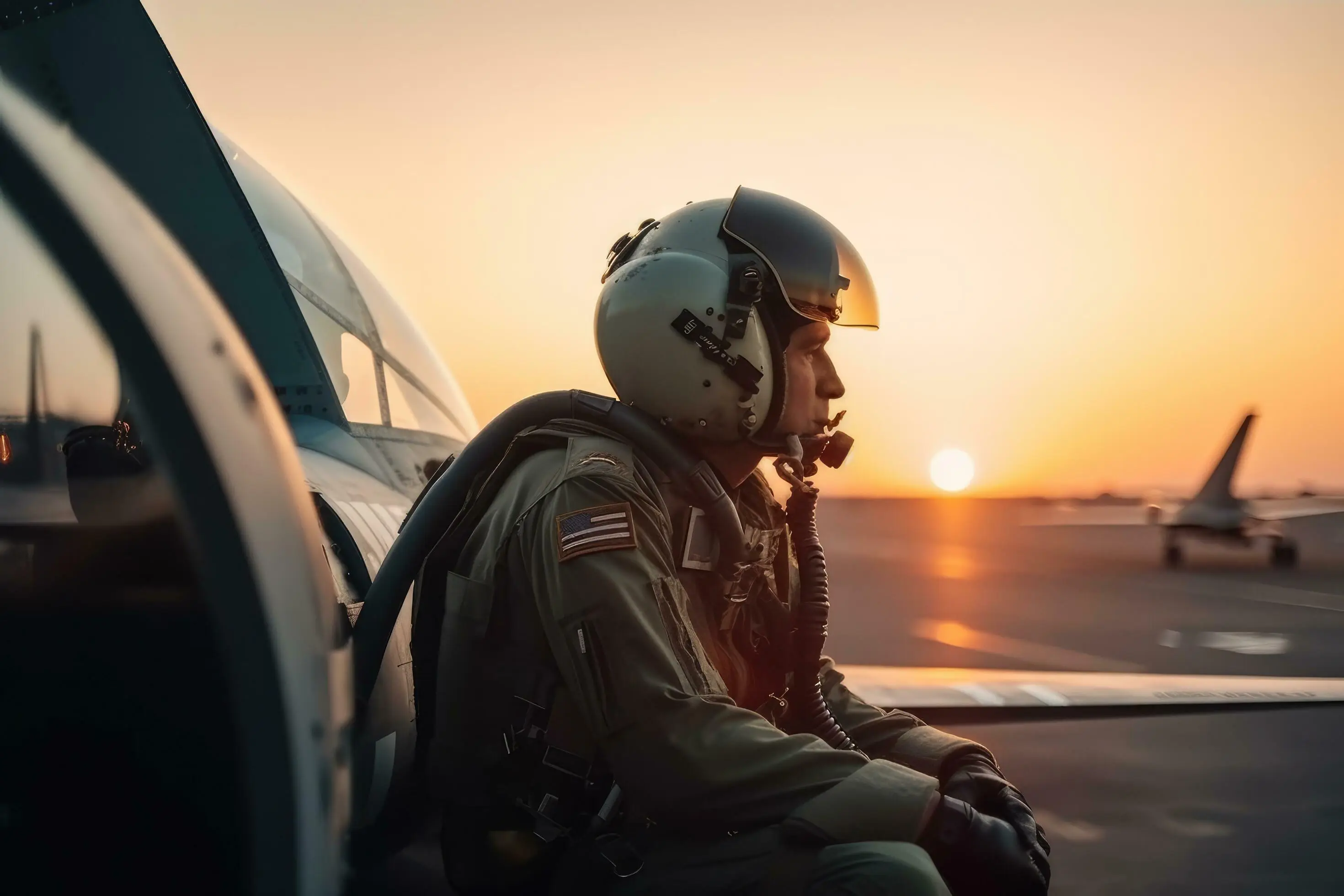
Custom Fitting for Precision
Each helmet is custom-built using 3D scans of the pilot’s head to ensure an exact fit, which takes about two days. This precise fit is critical to align eye tracking and display systems accurately.
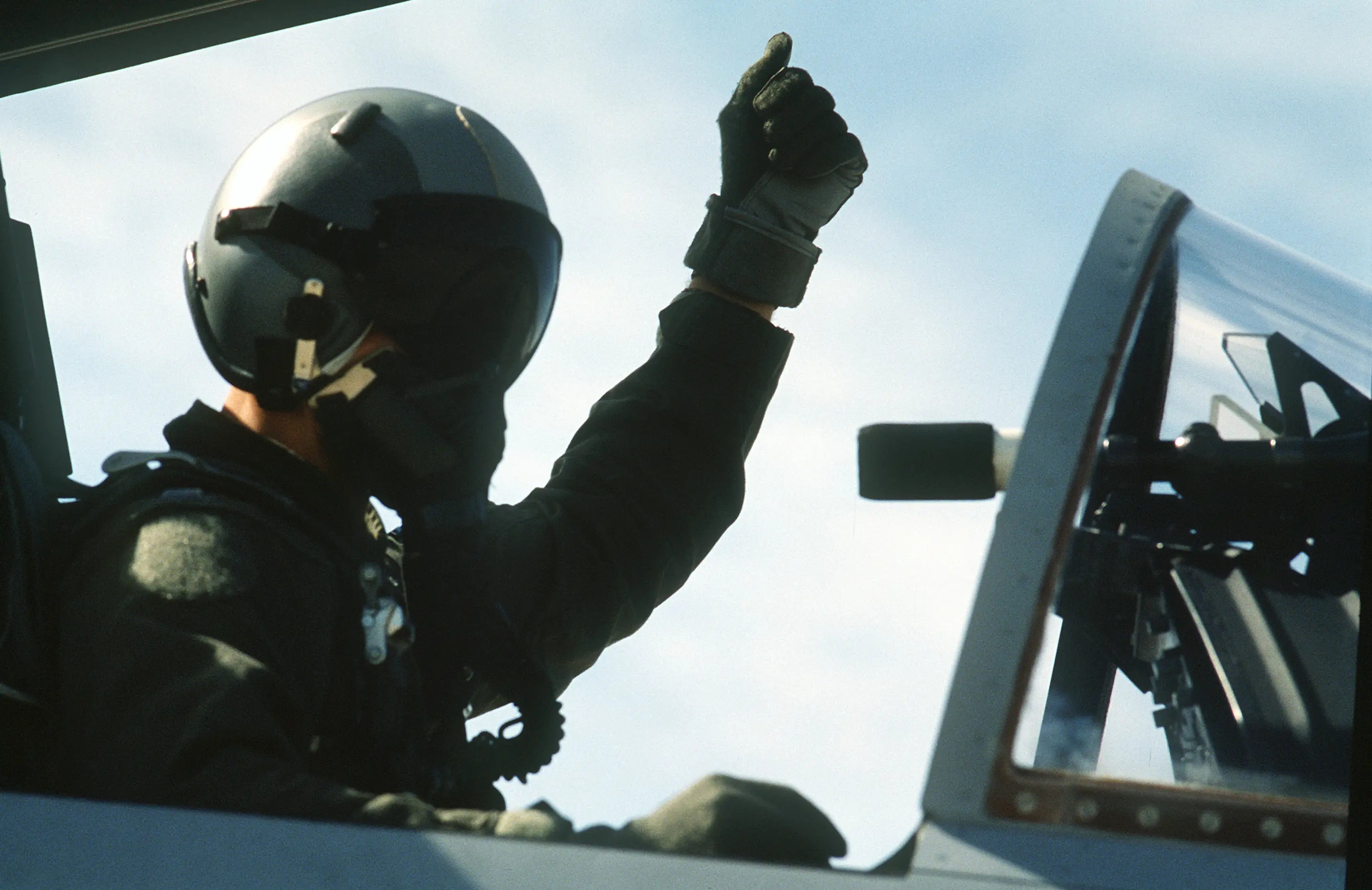
Helmet-Mounted Displays (HMD)
These helmets project flight data, targeting info, and navigation cues directly onto the visor, allowing pilots to “see through” the aircraft and maintain 360-degree awareness without looking down.
Night Vision Integration
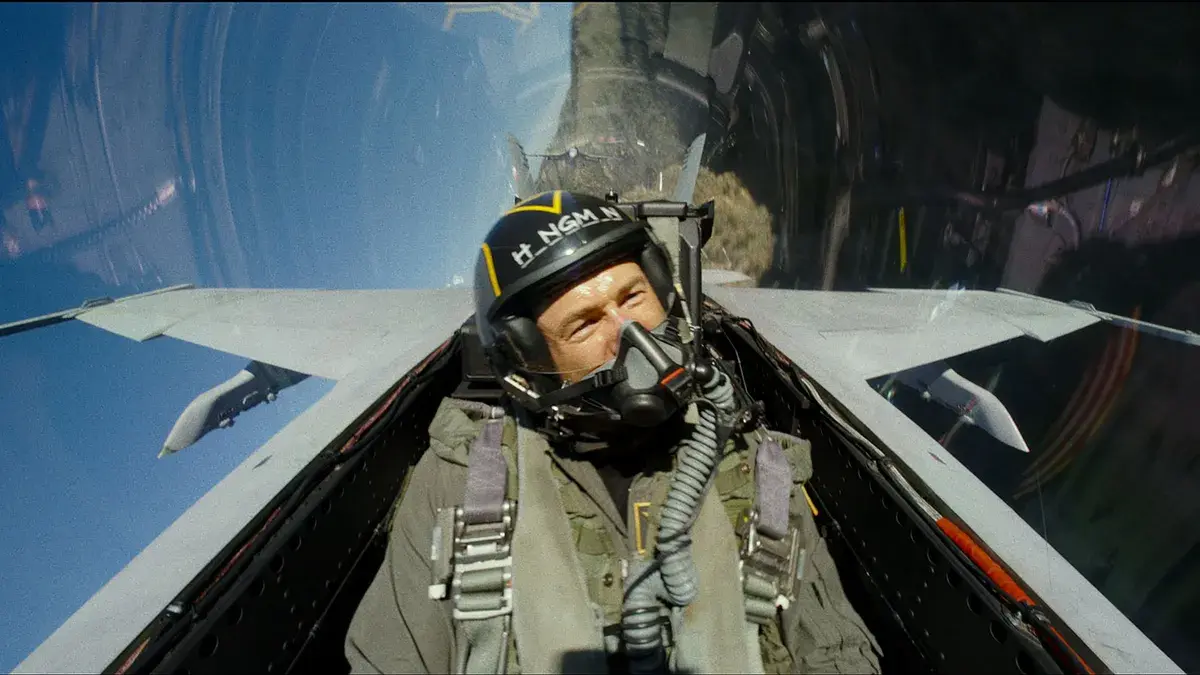
Traditional night vision goggles are obsolete with these helmets, which incorporate built-in infrared imagery, allowing pilots to operate effectively even in total darkness.
Eye-Tracking and Targeting
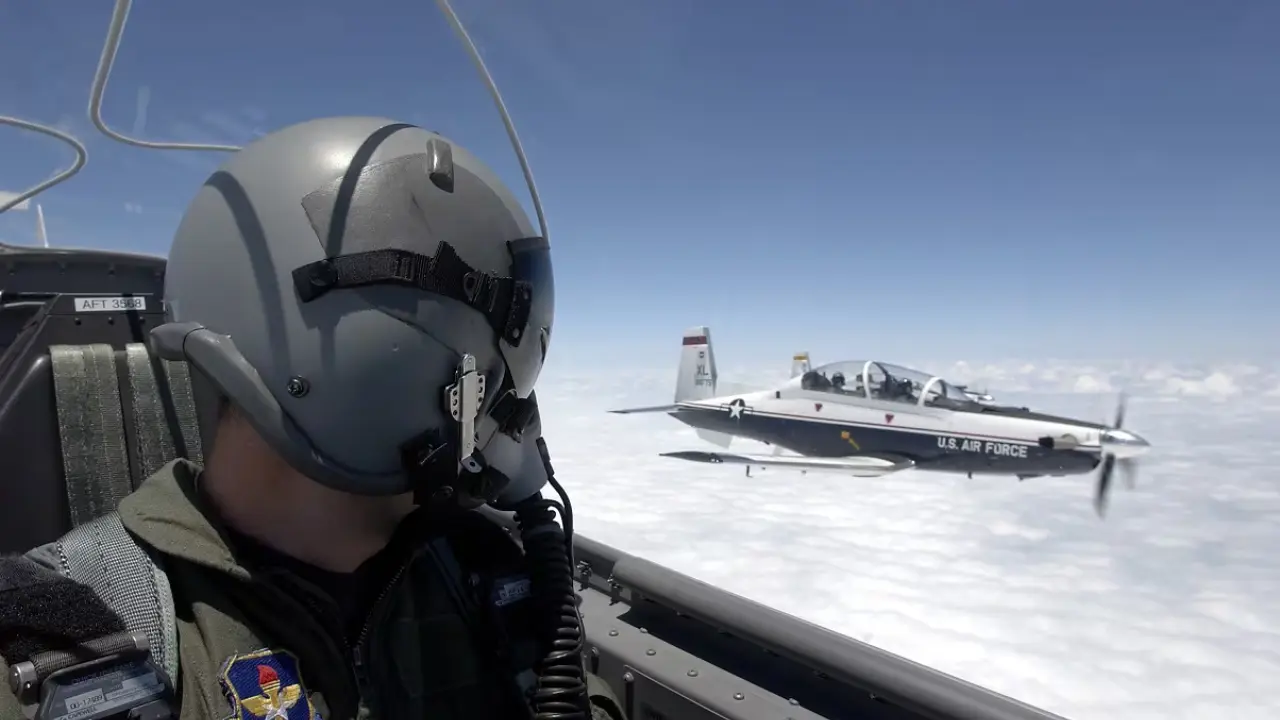
Advanced head-tracking sensors enable pilots to lock onto targets simply by looking at them, which streamlines combat operations and shortens reaction times.
Balancing Comfort and Tech
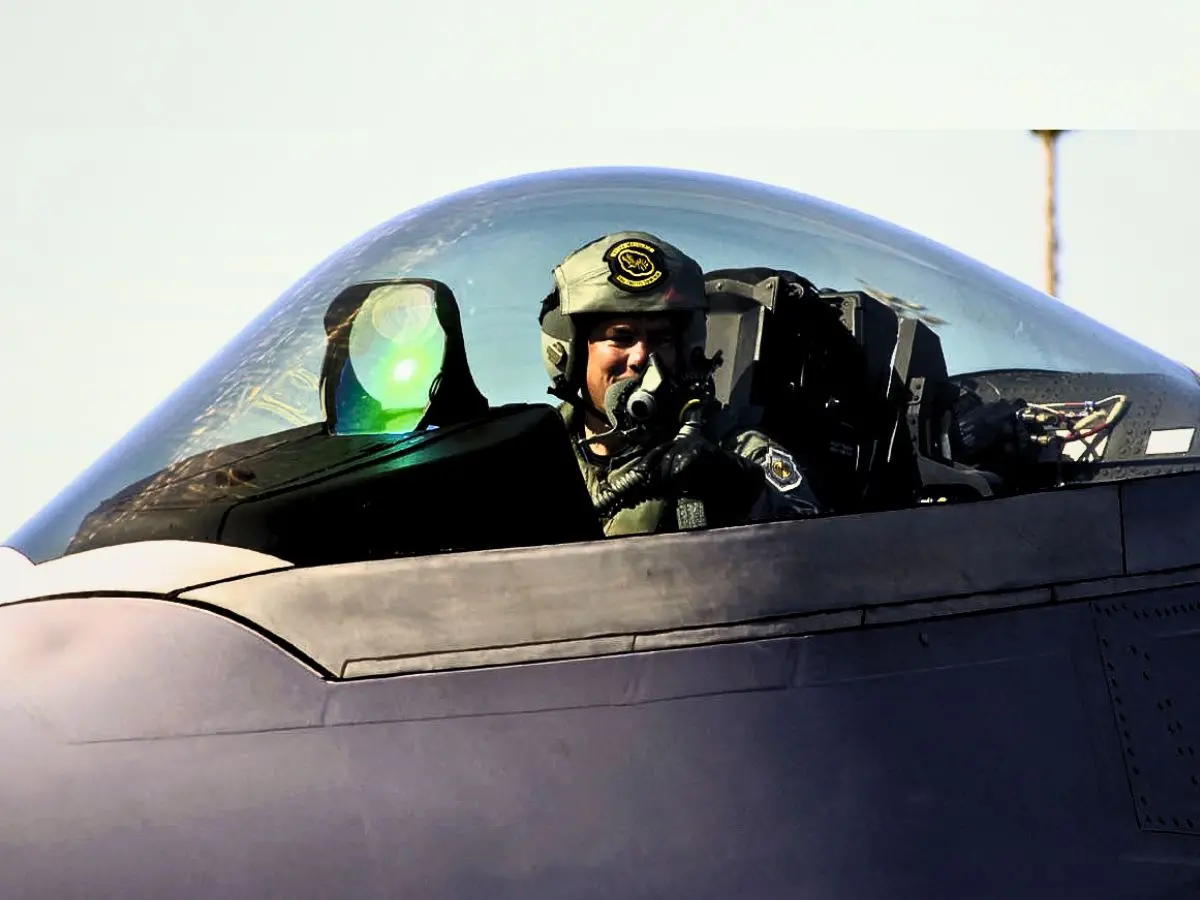
Despite the heavy technology, the helmets are designed to minimise head-borne weight and prevent fatigue, allowing pilots to maintain focus on long or complex missions.
Maintenance and Periodic Checks
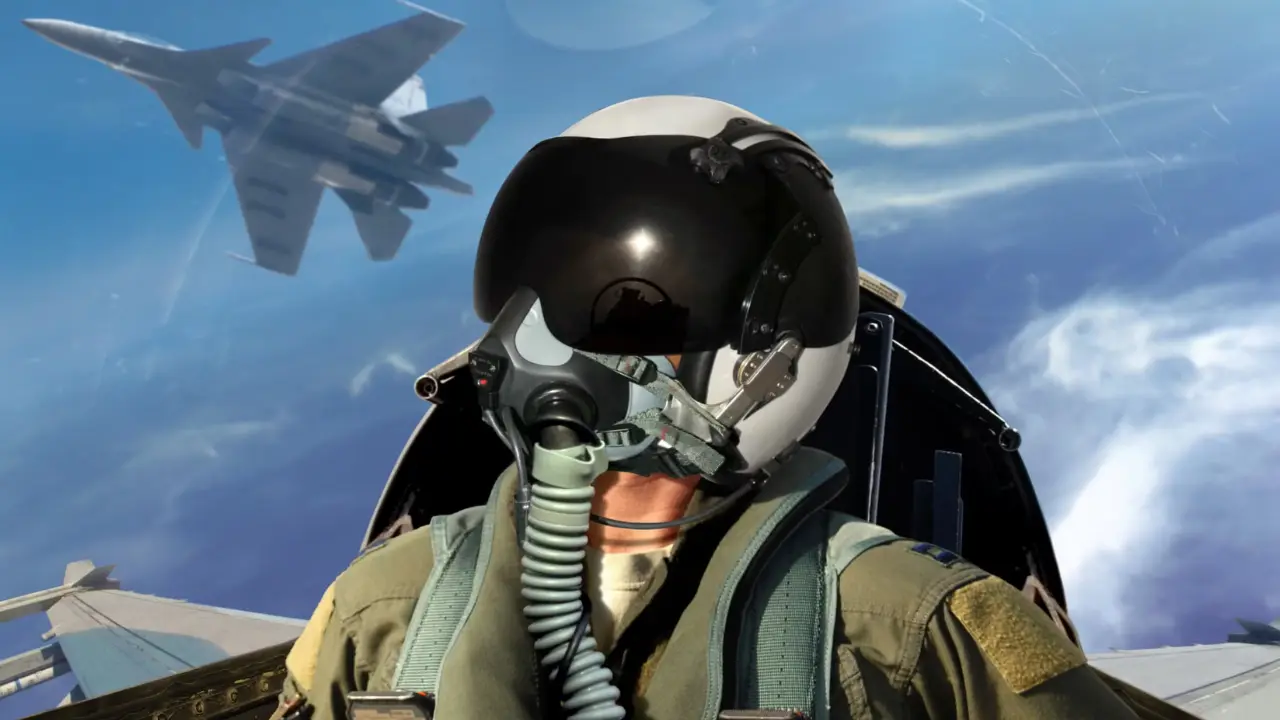
To ensure ongoing performance, these helmets are checked every 120 days for fit and system integrity, critical for mission readiness.
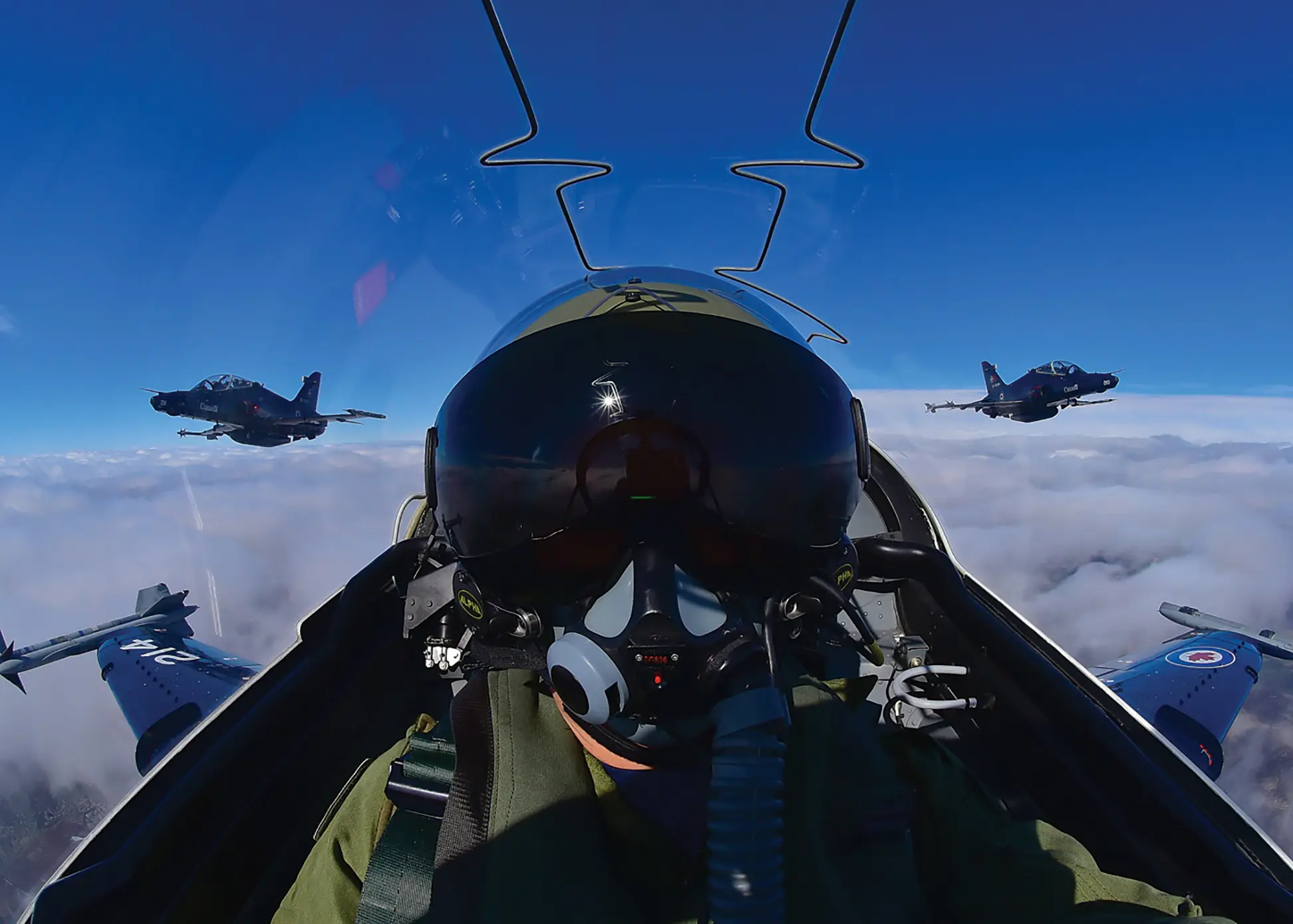
Vital for Modern Aerial Combat
These helmets are not luxury but essential tech, melding protection with augmented reality to give pilots a decisive edge in modern warfare.
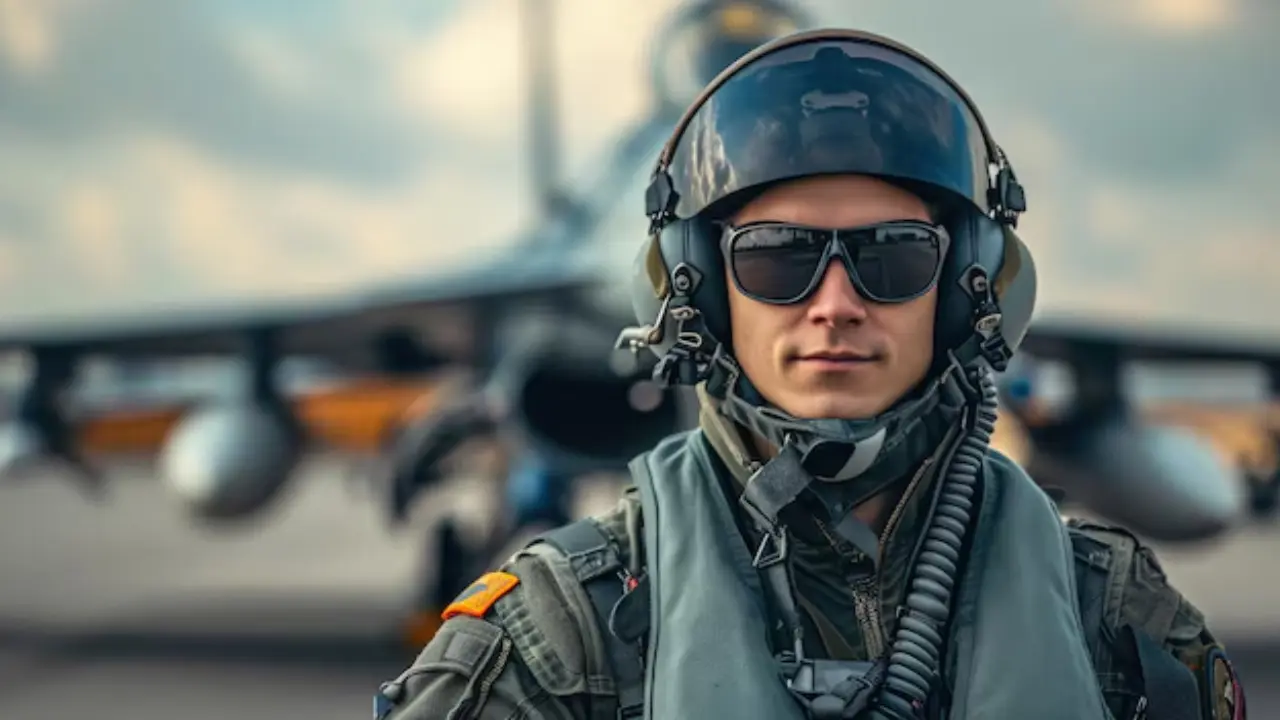
The Future of Fighter Helmets
Ongoing development aims to improve display resolution, sensor fusion, weight reduction, and pilot comfort, continuing to justify the high costs as technology advances.
)
)
)
)
)