Why fighter jet pilots train to breathe in 3-step cycles

Fighter jet pilots use a trained 3-step breathing cycle that increases chest pressure and synchronizes with muscle contractions to maintain blood flow to the brain, preventing blackout and improving focus under extreme G-forces.
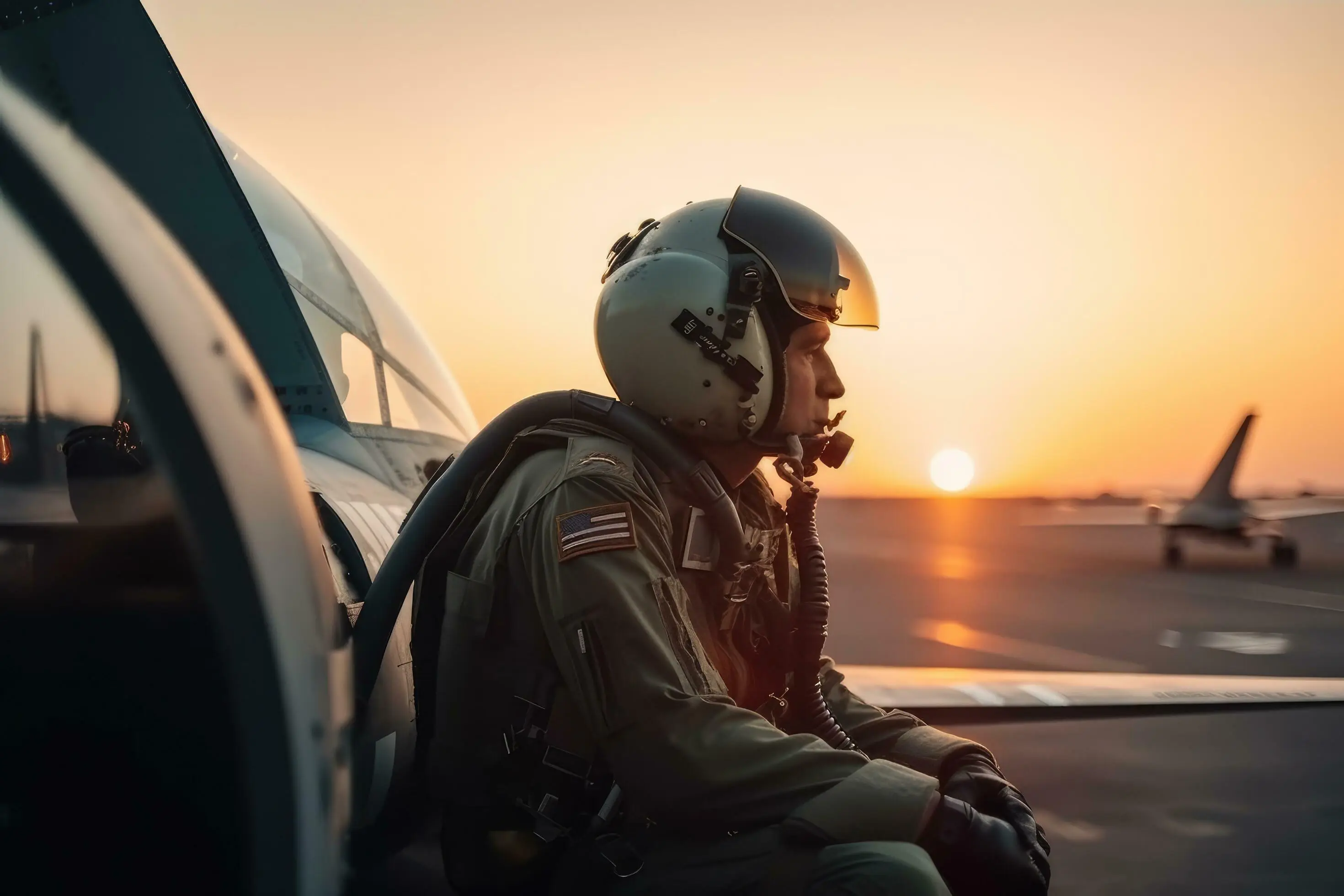
The G-Force Challenge
High G-forces push blood away from the brain, risking loss of consciousness. Fighter pilots use specialized breathing to counter this during sharp turns and rapid manoeuvres.
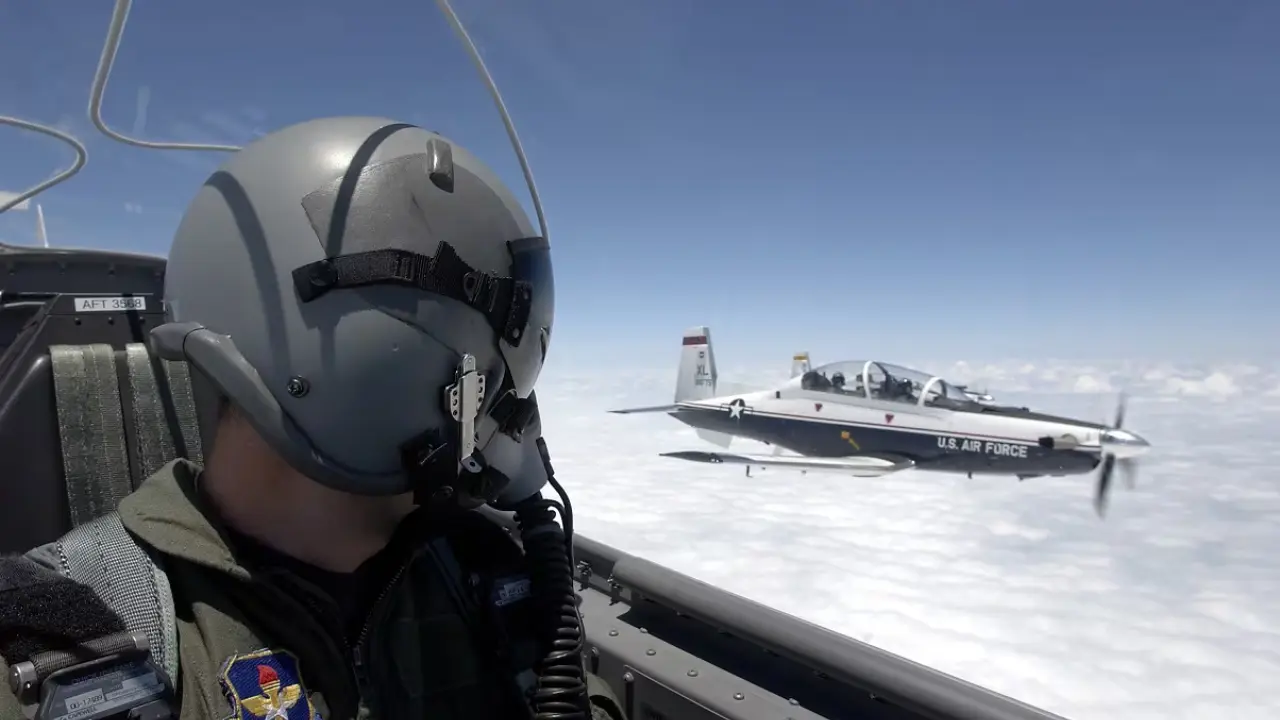
What Is the 3-Step Breathing Cycle?
The cycle involves holding a deep breath, a forced exhale against a closed glottis to increase chest pressure, followed by quick exhales and inhales repeated every 2 to 3 seconds.
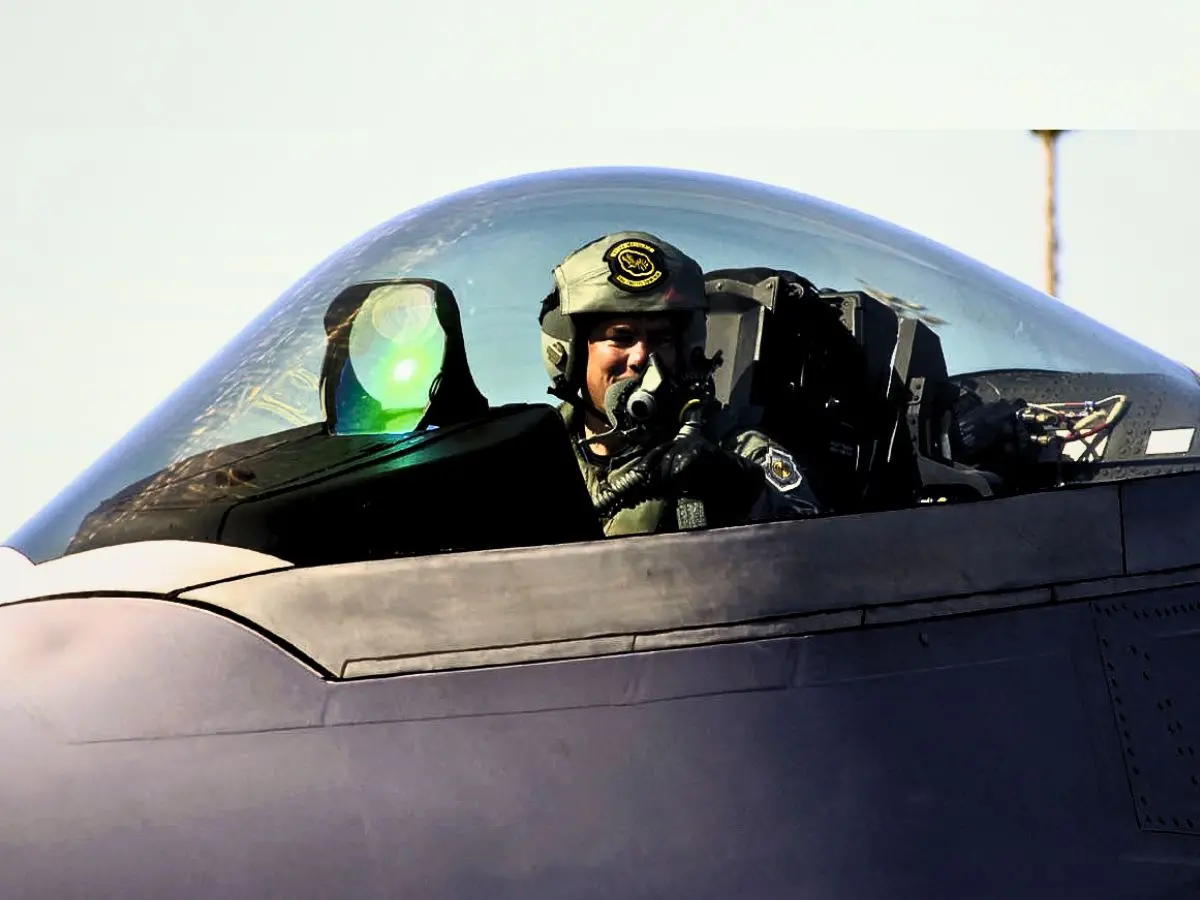
Increasing Intra-Thoracic Pressure
By holding breath and forcing exhalation, pilots create pressure inside the chest, helping push blood back to the brain despite the forces pulling it downwards.
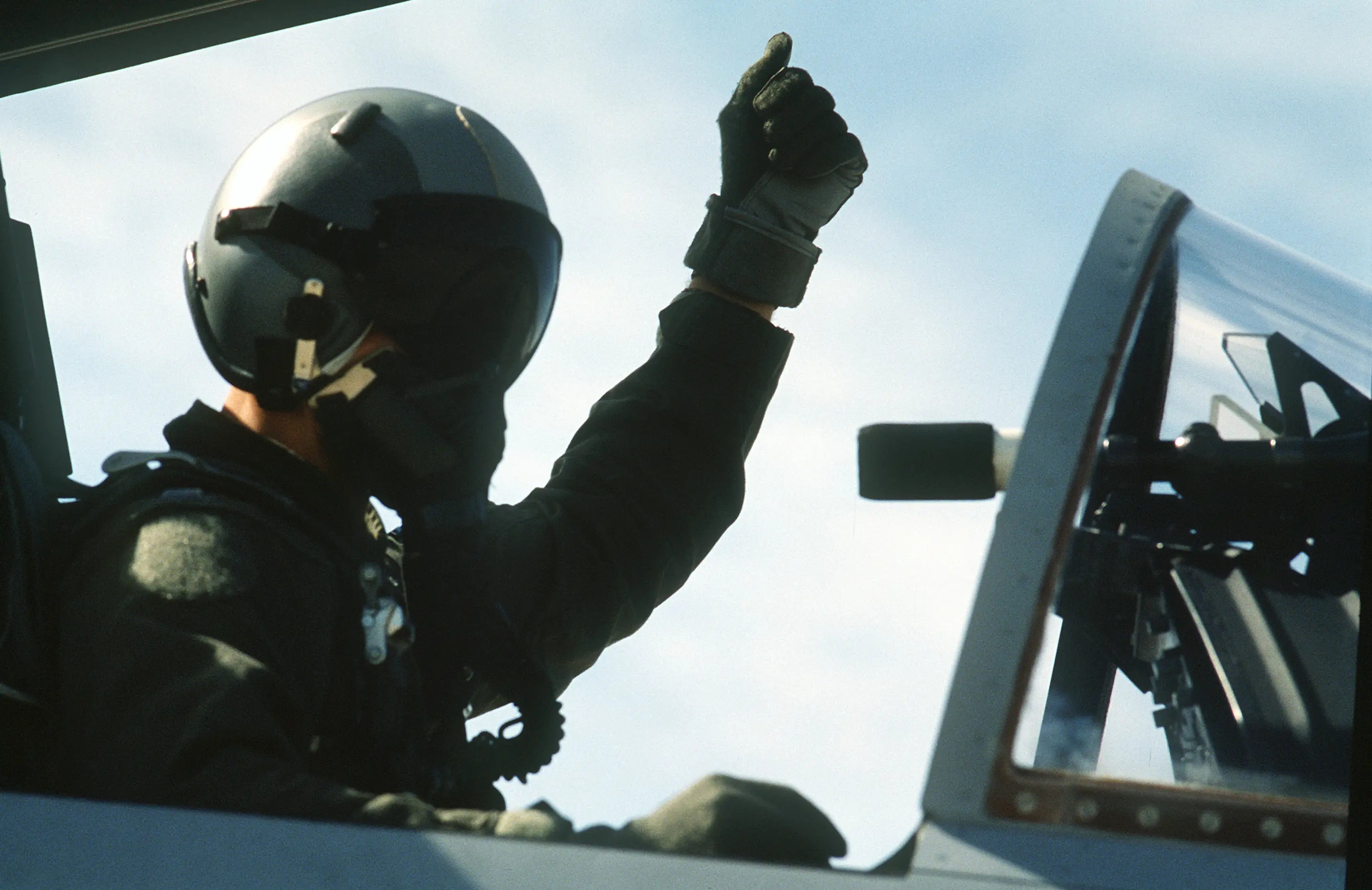
Synchronizing With Muscle Strain
The 3-step breathing works alongside isometric muscle contractions (Anti-G Straining Maneuver), especially in legs and abdomen, to further aid circulation under G-loads.
Training for Automatic Response
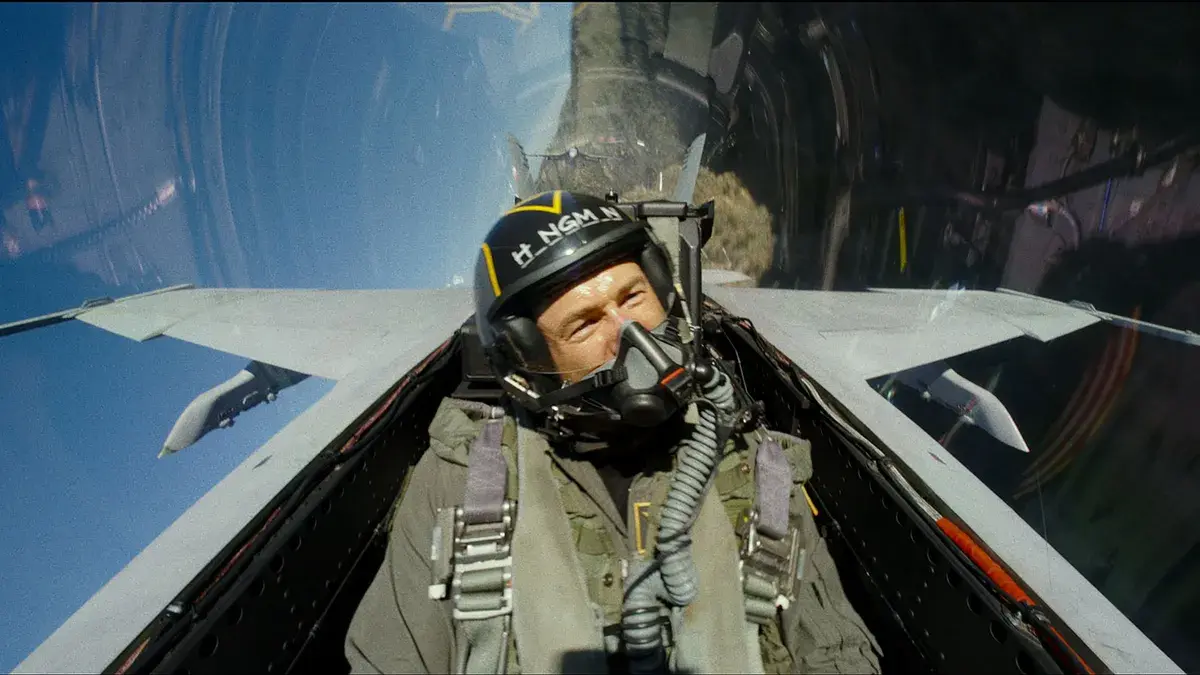
Pilots train extensively on simulators and centrifuges to make this breathing technique second nature, essential for unconsciousness prevention.
The Role of the Glottis
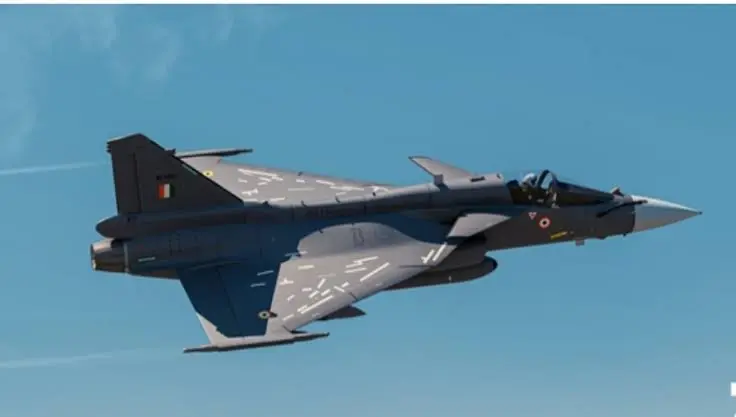
Controlling the glottis while breathing creates airtight pressure control. Proper glottis function is vital for effective breath holding and release in this cycle.
Balancing Oxygen and Carbon Dioxide
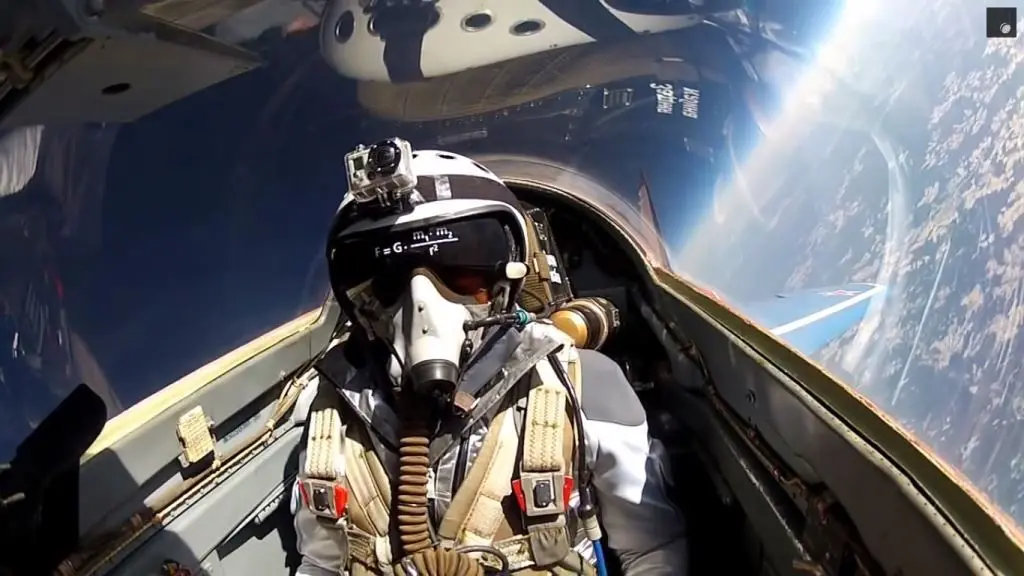
The technique balances oxygen intake and carbon dioxide removal to keep pilots alert and avoid dizziness or fatigue during long high-G sessions.
Real Flight Applications
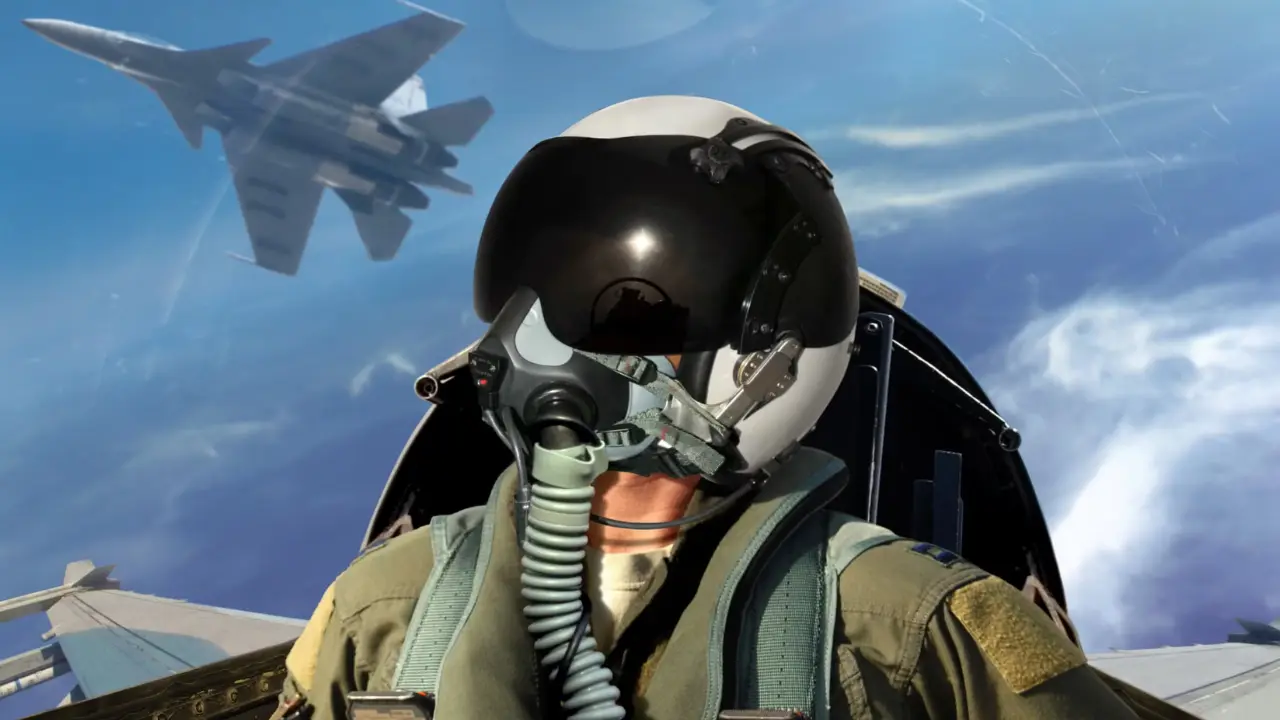
Pilots use the 3-step cycle dynamically during dogfights or high-speed maneuvers, adjusting timing and intensity to maintain consciousness and control.
Health and Performance Benefits
Proper breathing reduces pilot fatigue, improves focus, and lowers the risk of G-induced loss of consciousness, increasing mission safety.
Future Training Enhancements
Advances in training tools and biofeedback help pilots perfect this breathing cycle, further improving survival and performance in extreme flight conditions.
)
)
)
)
)