Why fighter jet pilots spend hours on simulators

Fighter jet pilots train on simulators for hours to develop and maintain crucial skills safely and cost-effectively. Simulators replicate emergencies and combat scenarios, enhance readiness, and reduce risks during real flights.
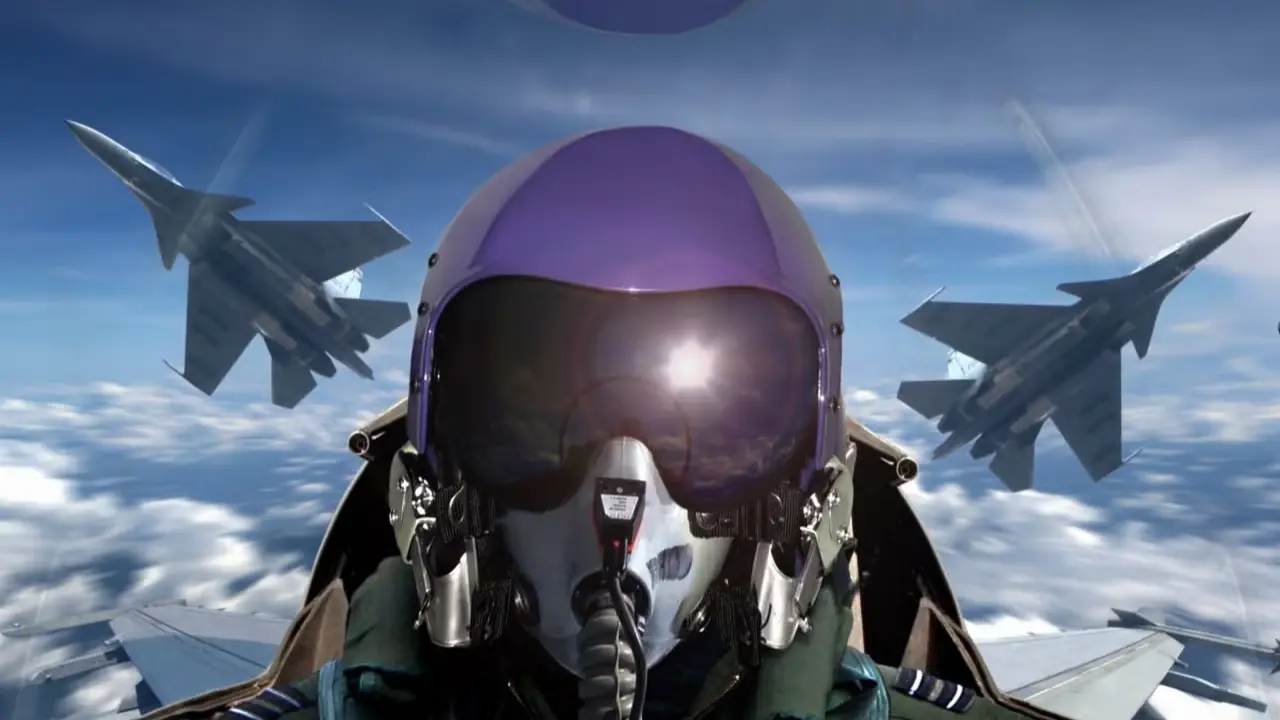
What Is Simulator Training?
Simulator training uses advanced, realistic flight simulators to mimic fighter jet controls, environment, and scenarios. Pilots practise flying, navigation, and emergency procedures without leaving the ground, allowing risk-free skill development.
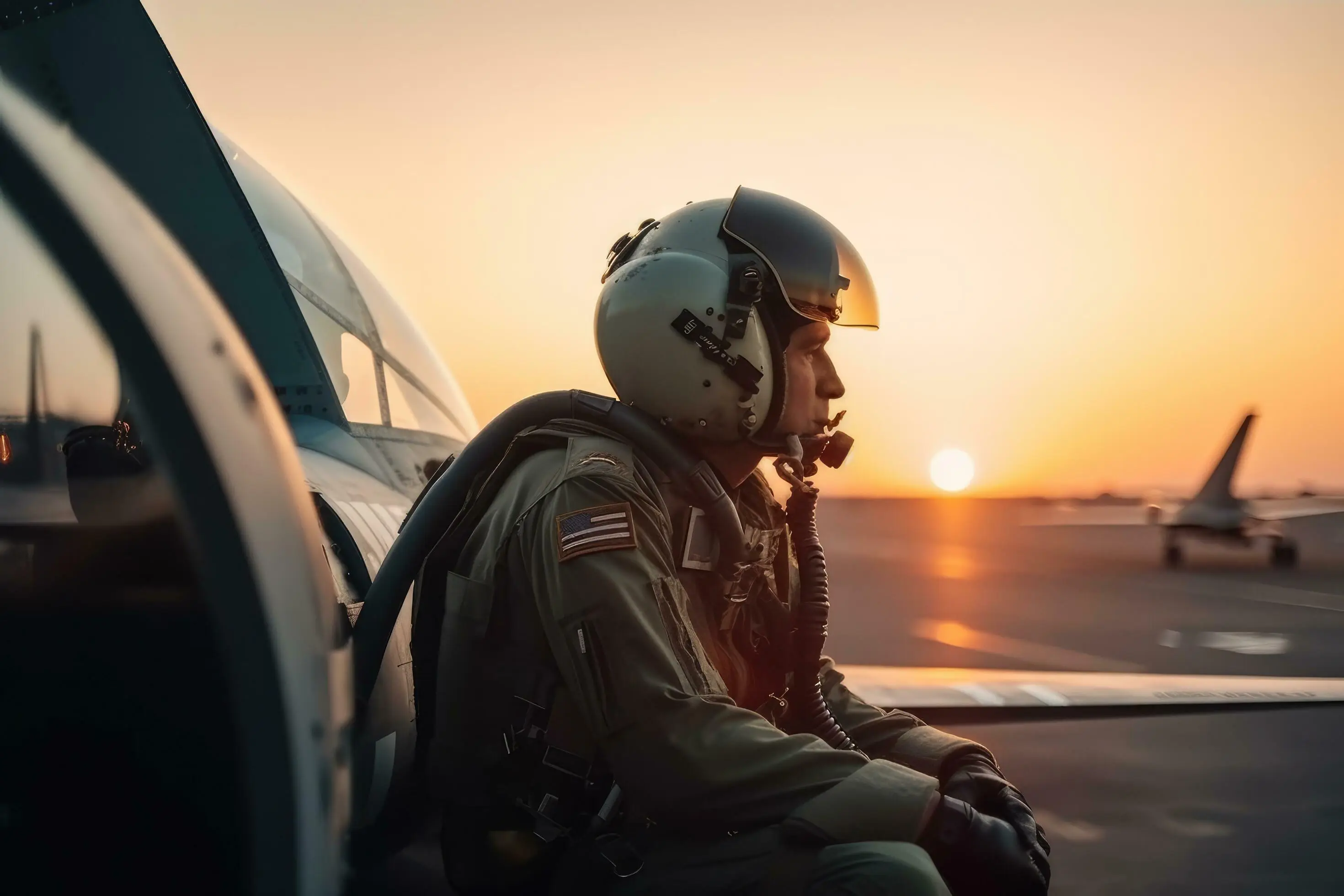
Hours Spent in Simulators
Fighter pilots often spend about 4 hours per simulator session. Over their careers, they can accumulate hundreds of hours in simulators, which complements actual flight time. This intensive practice ensures preparedness for varied flight conditions.
Training for Emergency Scenarios
Simulators allow pilots to rehearse rare but critical situations like engine failure, system malfunctions, or combat damage. Such training is safer and more cost-effective than attempting these in real jets, where risks are much higher.
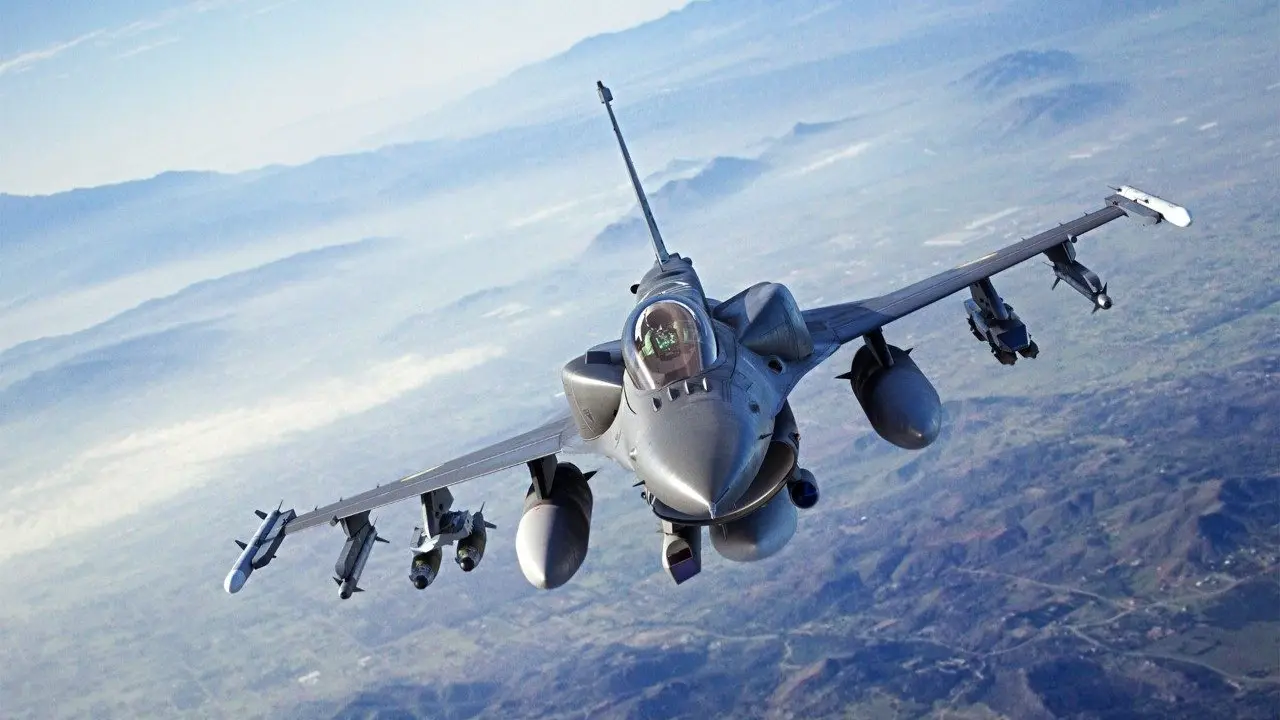
Enhancing Combat Readiness
Combat scenarios can be simulated to prepare pilots for enemy threats, evasive manoeuvres, and team coordination. This sharpens decision-making under pressure and pilot reaction times, crucial for survival in real warfare.
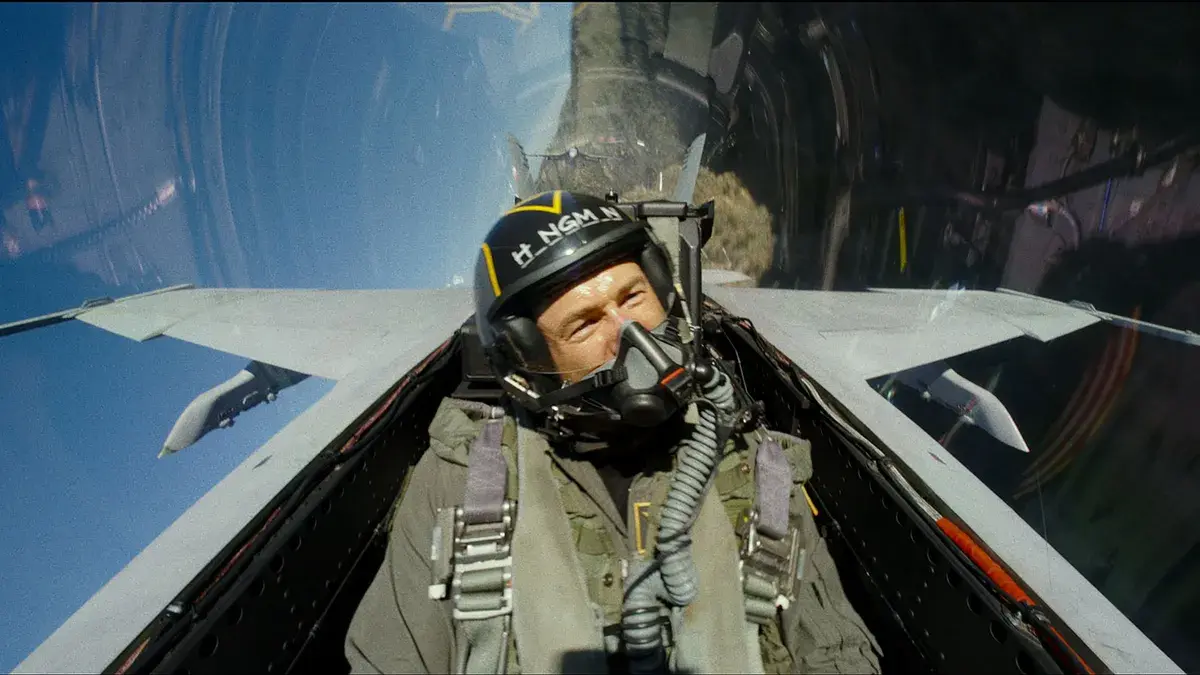
Cost and Safety Benefits
Simulator sessions cost less than flying jets and avoid wear and tear on aircraft. They also reduce risk to pilots and equipment while allowing repeated practice, even for complex or dangerous manoeuvres.
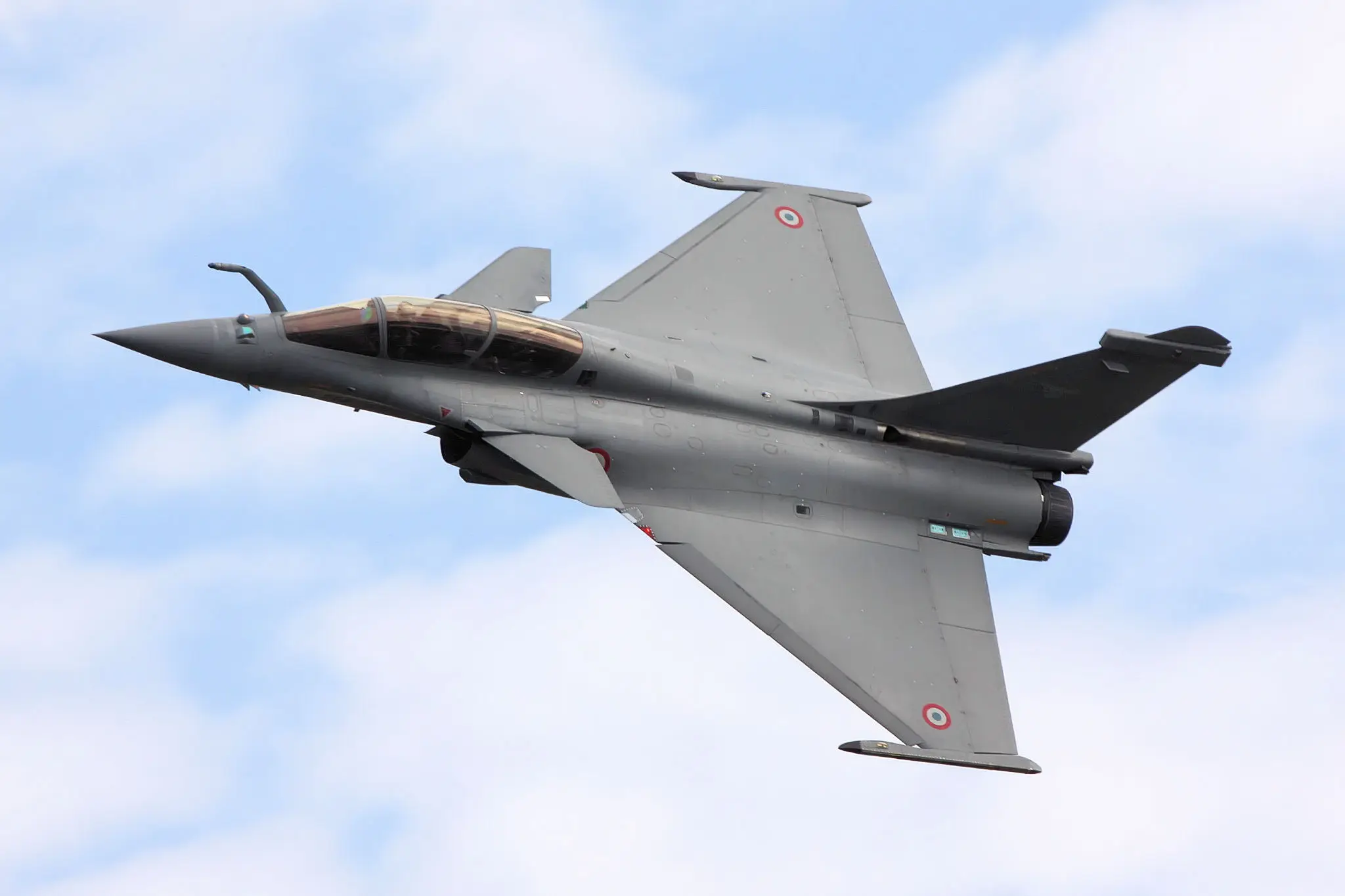
Skill Maintenance and Upgrades
Simulators are used regularly to maintain pilot skills and certify currency. They also train pilots on new aircraft models or updated systems, ensuring smooth transitions with up-to-date competencies.
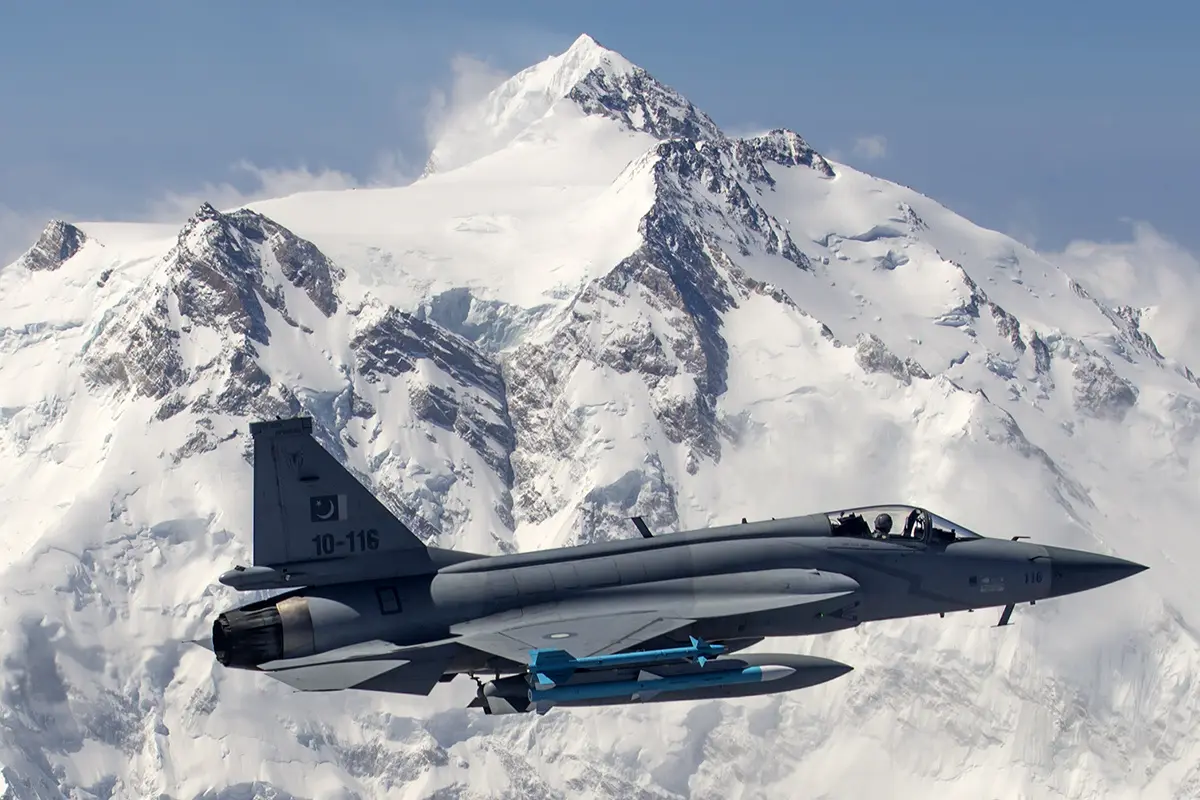
Psychological and Physical Training
Simulators also help pilots adjust psychologically to the stresses of flight and high-G forces, allowing them to build endurance and focus in a controlled environment.
)
)
)
)
)