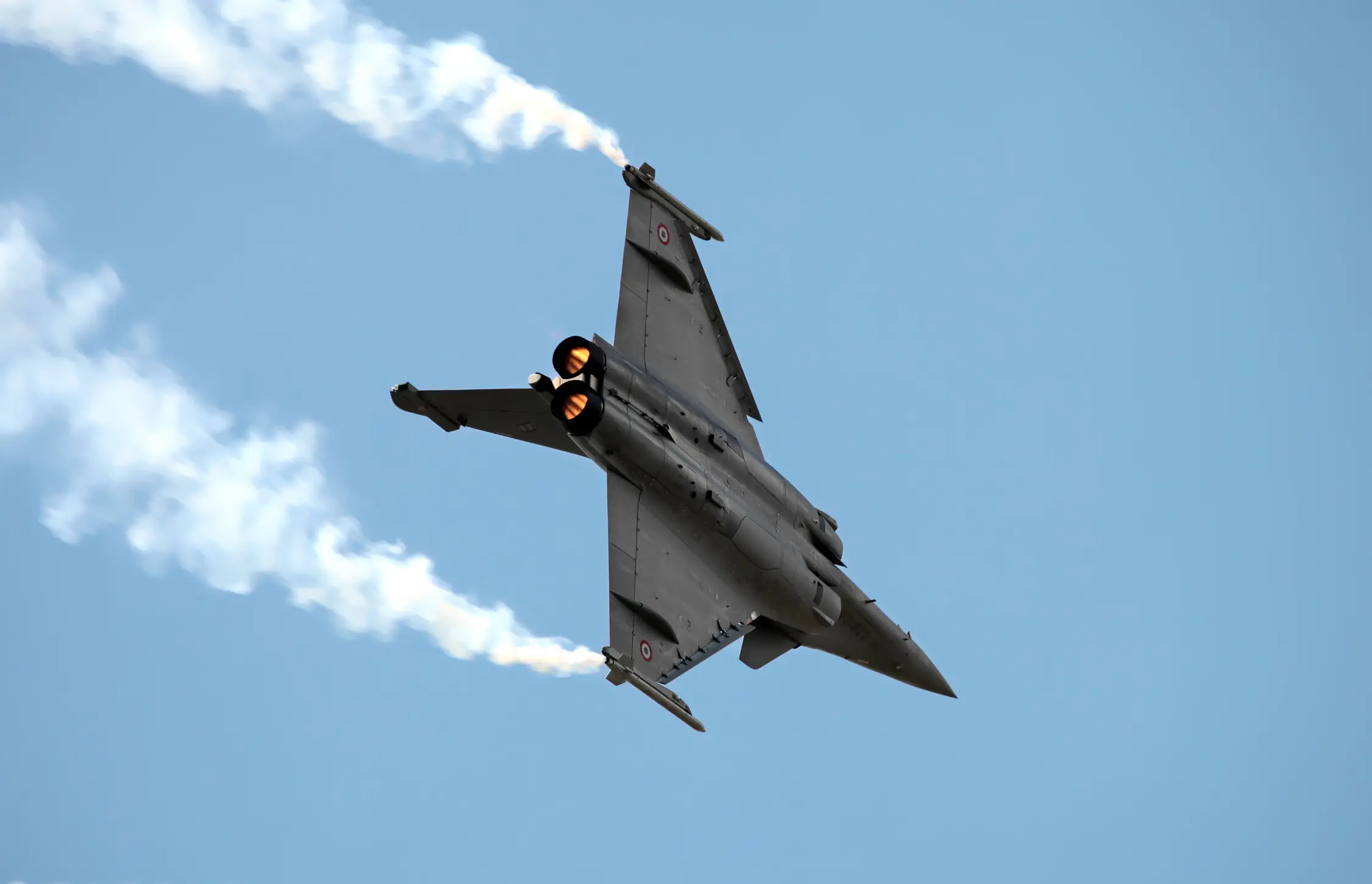
Why fighter jet pilots practise long sorties with minimal water supplies

Fighter jet pilots train to manage minimal water supplies on long sorties to maintain hydration, focus, and safety. Specialized gear, strict fluid control, and physical conditioning help pilots adapt to cockpit space limits and combat stress.

Limited Space for Water Storage
Cockpits have very limited space, so pilots carry minimal water on sorties. This constraint requires efficient water use and body adaptation training.
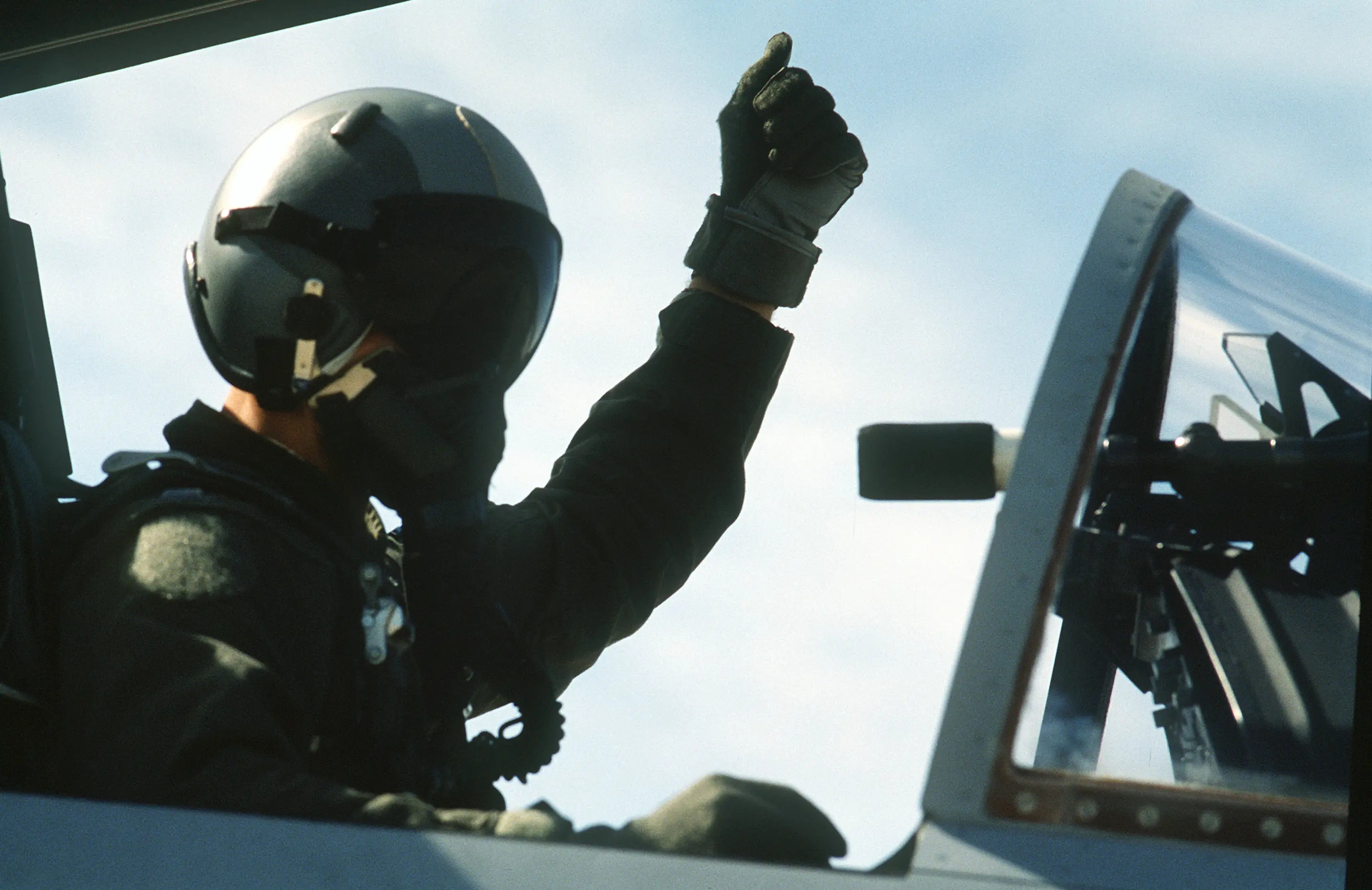
Hydration and Cognitive Function
Dehydration of even 3% can reduce a pilot’s ability to withstand G-forces by 40%, impairing focus and reaction time. Training improves water management to maintain performance.
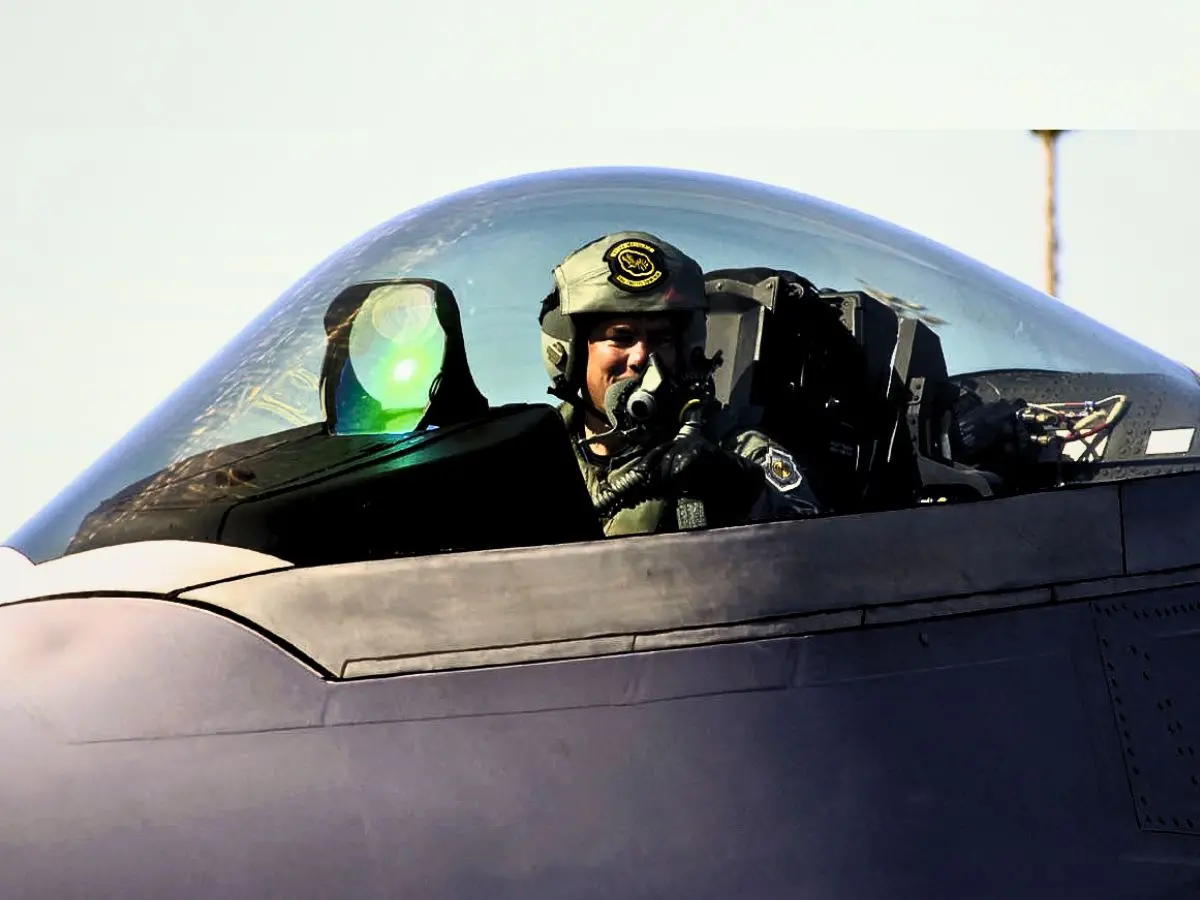
Controlled Fluid Intake
Pilots follow strict fluid intake schedules to avoid dehydration without causing discomfort or distraction during high-G manoeuvres.
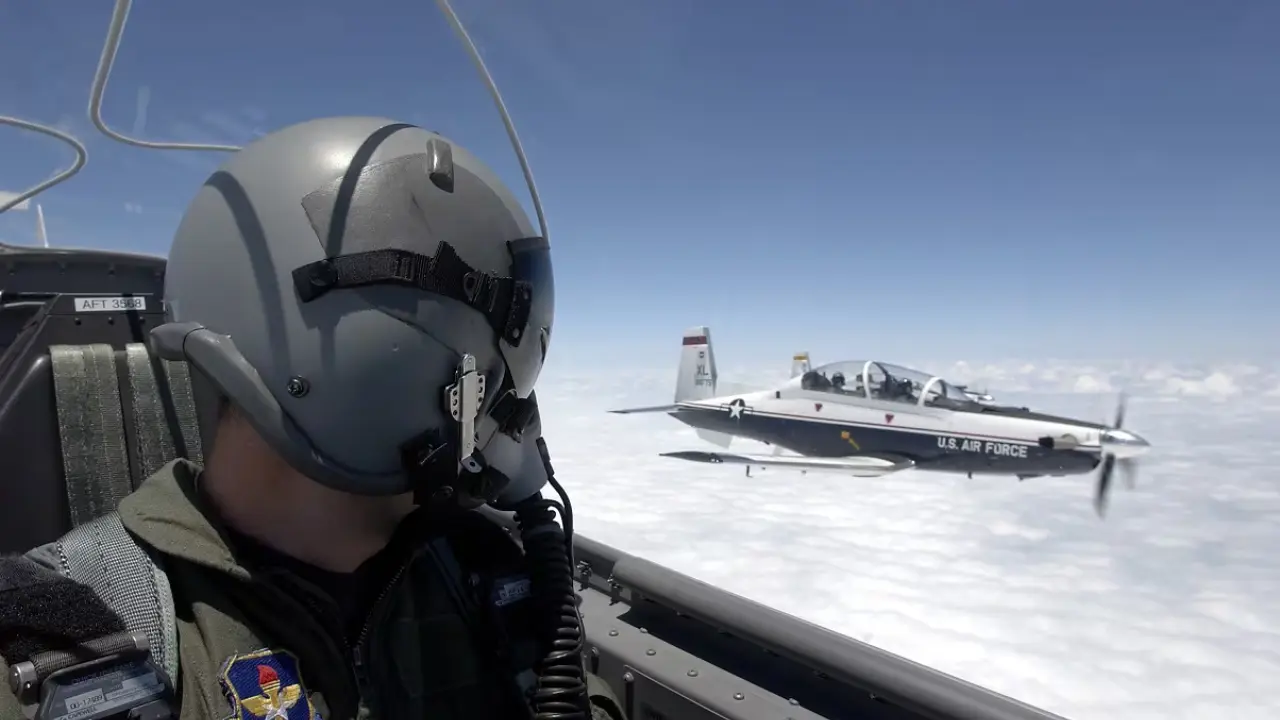
Use of Specialized Hydration Systems
Cockpits have hydration packs integrated with oxygen masks, allowing pilots to drink without removing protective gear, essential for maintaining hydration in flight.
Managing Limited Bathroom Breaks
Training includes managing bodily functions with minimal water to prevent discomfort on long sorties where restroom breaks aren’t possible.
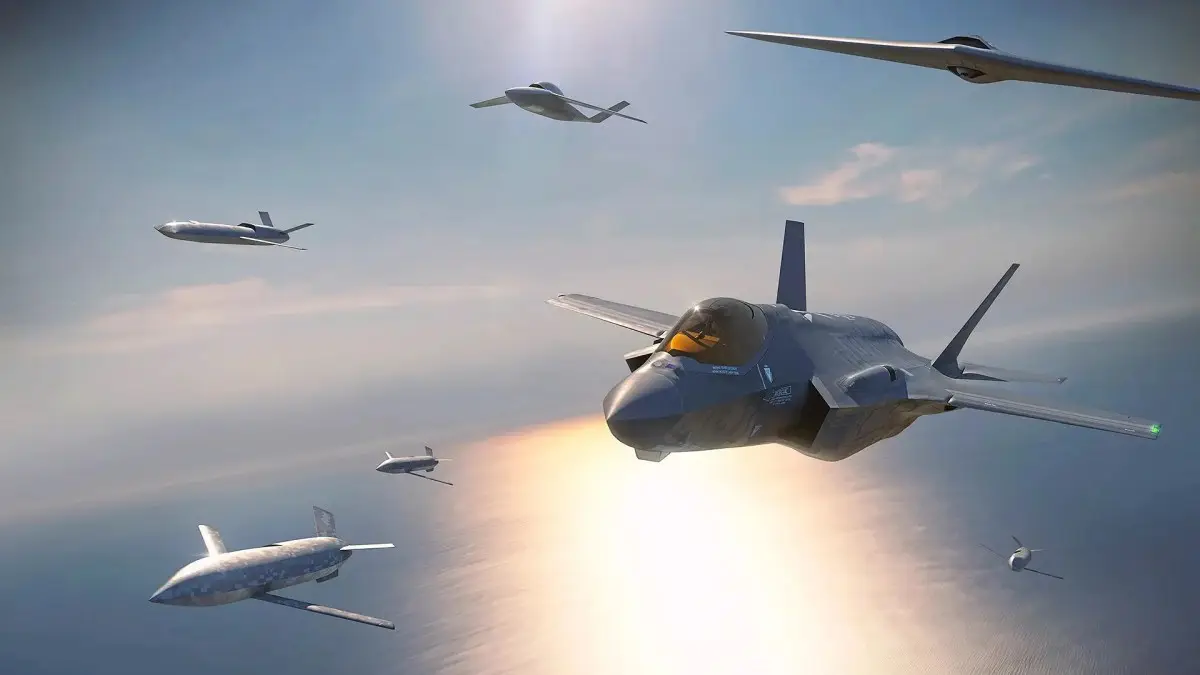
Physical Conditioning for Water Efficiency
Pilots improve cardiovascular and muscular endurance to reduce fluid loss through sweating, conserving water during extended flights.
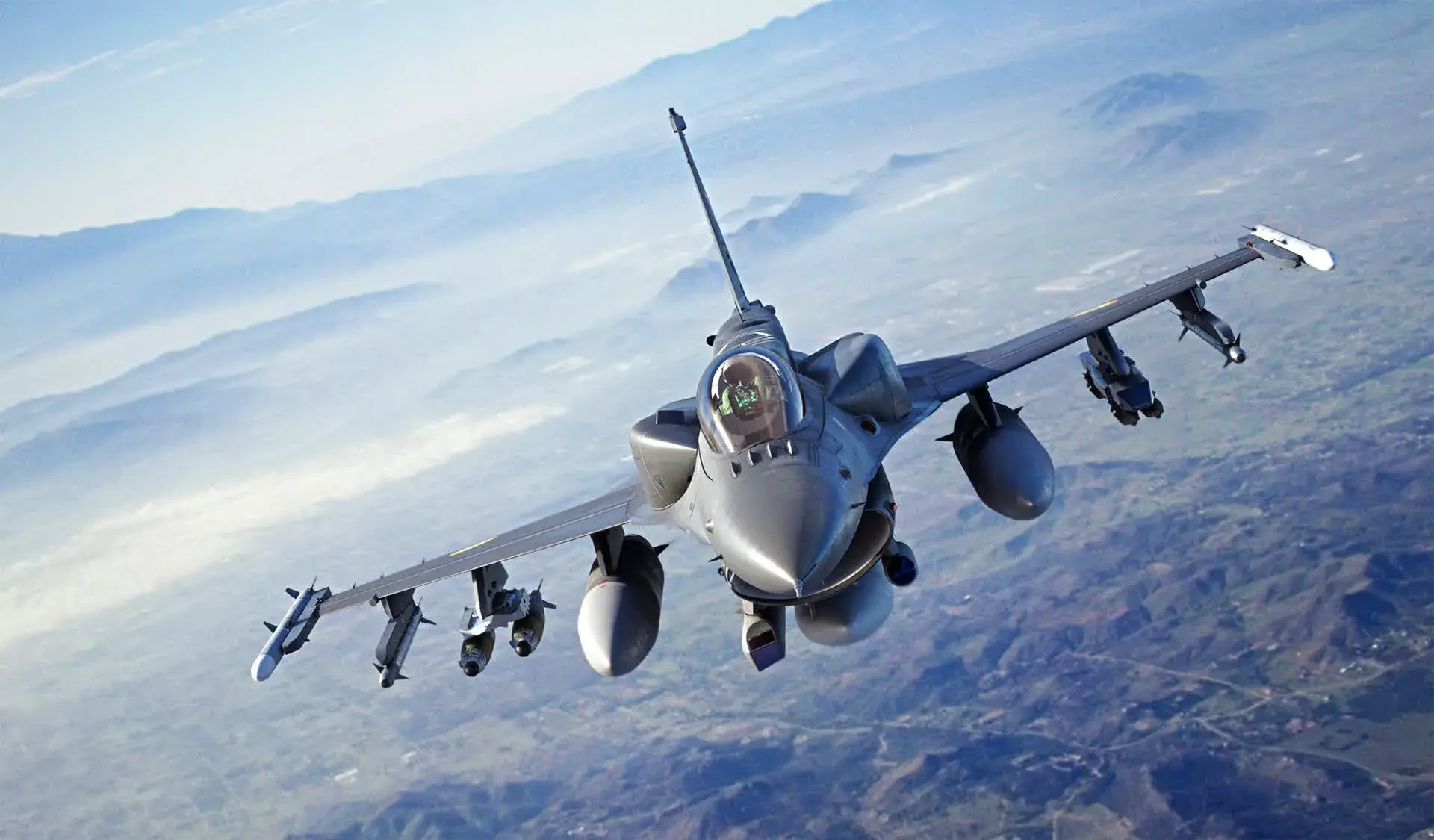
Psychological Preparation
Training also focuses on mental discipline and stress management to help pilots cope with the discomfort of limited hydration.
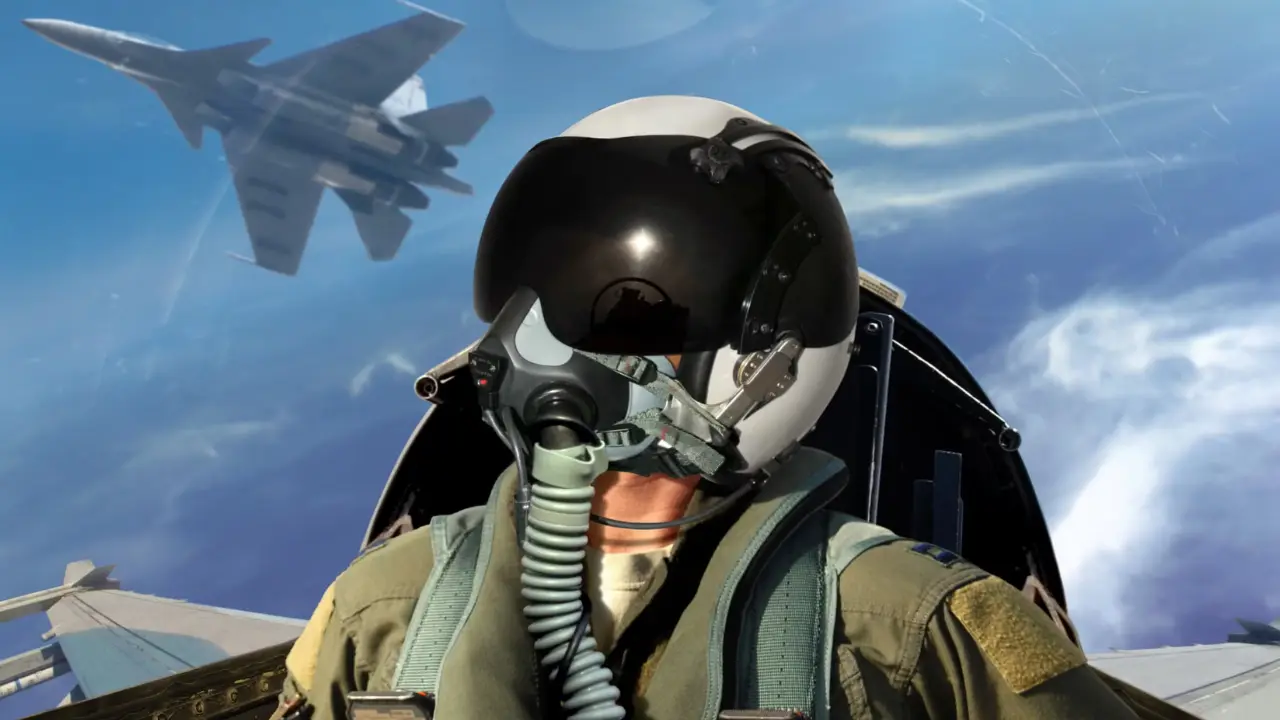
Risk of Dehydration in Combat
Combat raises physical and mental stress, increasing sweat and fluid loss, so pilots prepare for water scarcity scenarios in simulation training.
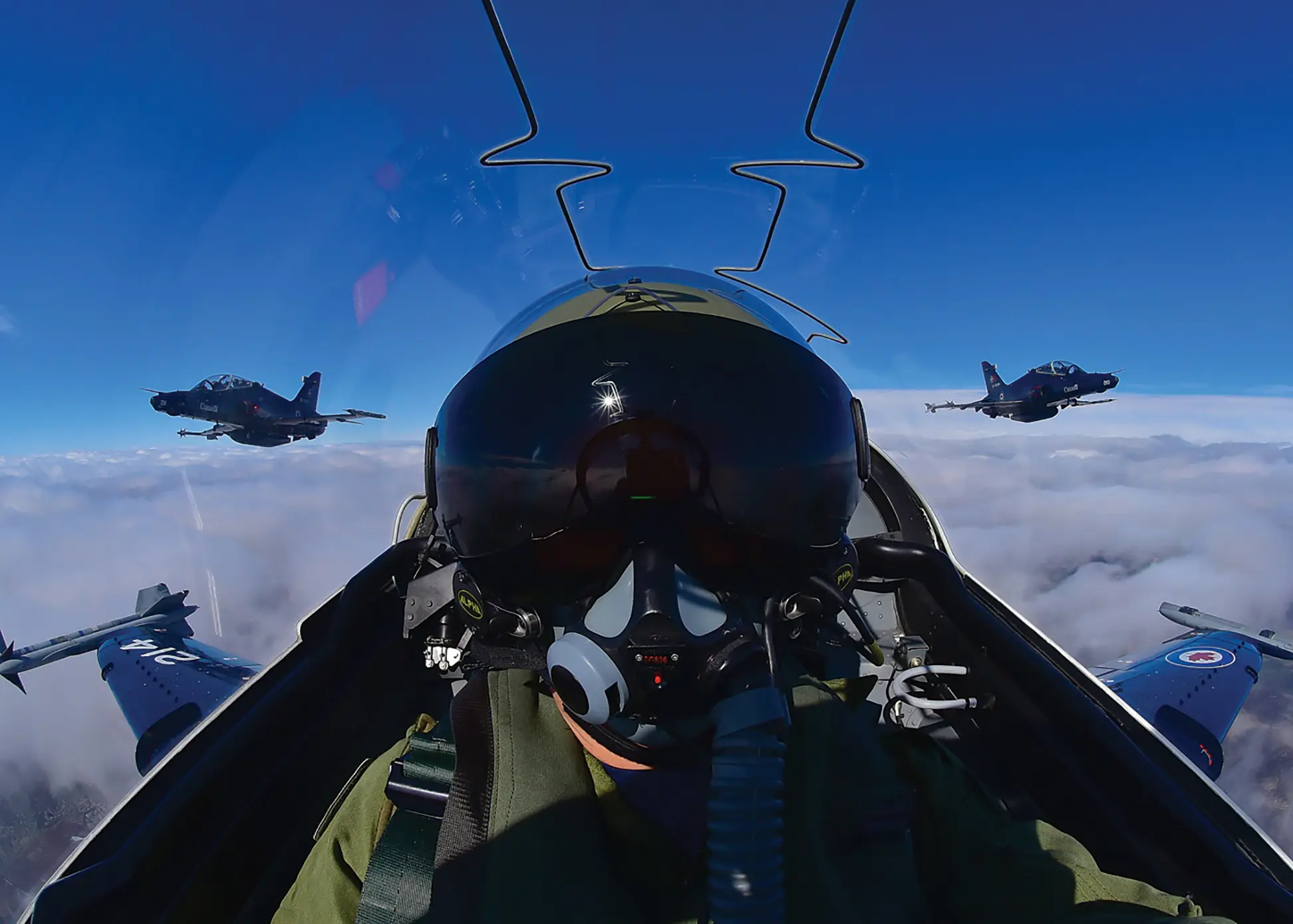
Importance of Post-Flight Recovery
ehydration after missions is crucial. Pilots are monitored post-flight to restore hydration and ensure readiness for subsequent sorties.
Future Technologies for Hydration
Research into improved cockpit hydration systems and body sensors aims to optimise water use and pilot health on long missions.
)
)
)
)
)