Why fighter jet pilots memorise more than 200 radio codes

Fighter jet pilots memorise over 200 radio codes to communicate rapidly and accurately during missions. These codes standardise vital messages, reduce radio congestion, and enhance pilot focus and safety.
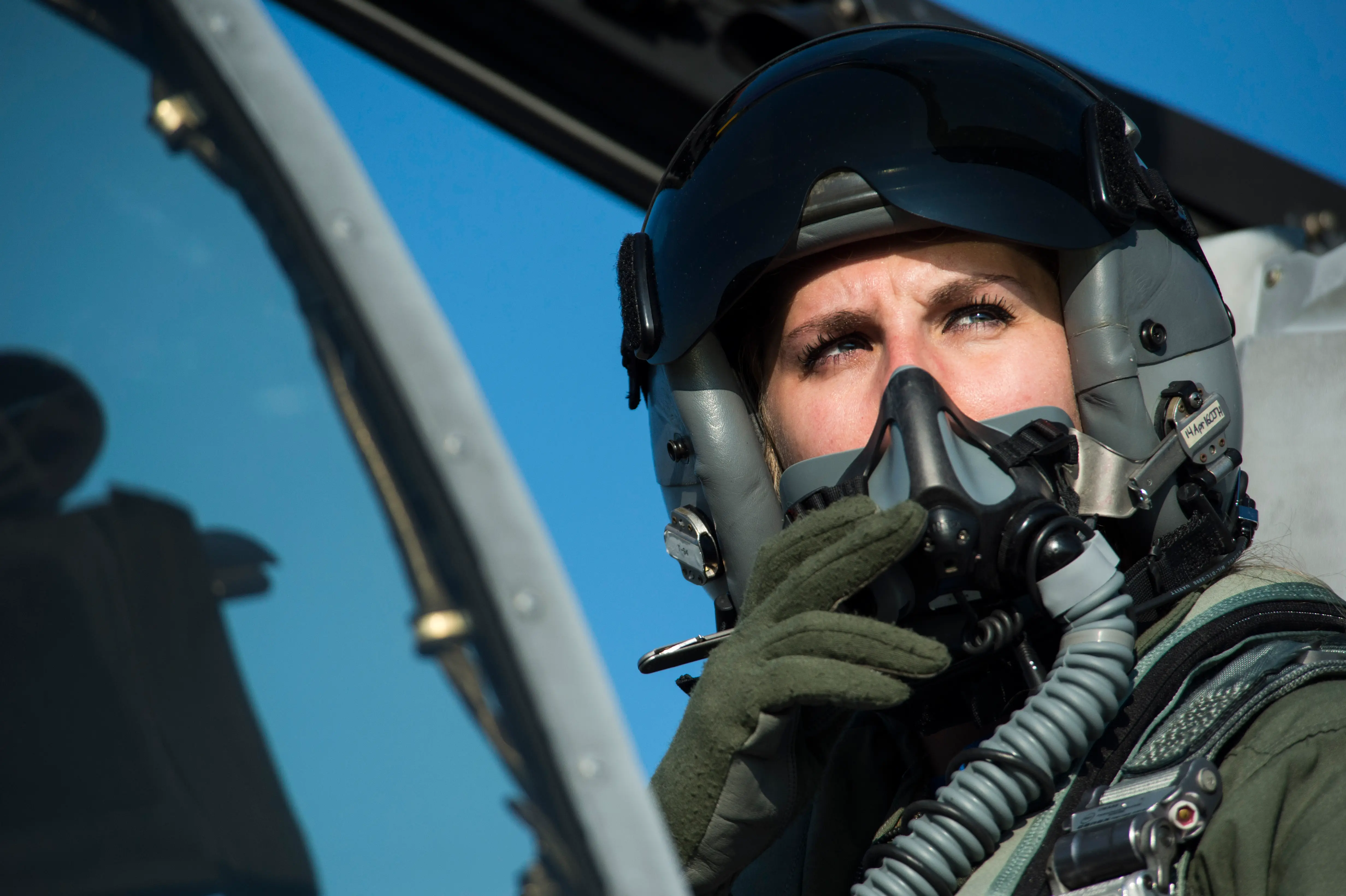
The Need for Speed in Communication
In combat, seconds matter. Pilots use radio codes to convey complex information quickly, eliminating lengthy explanations and allowing rapid coordination.
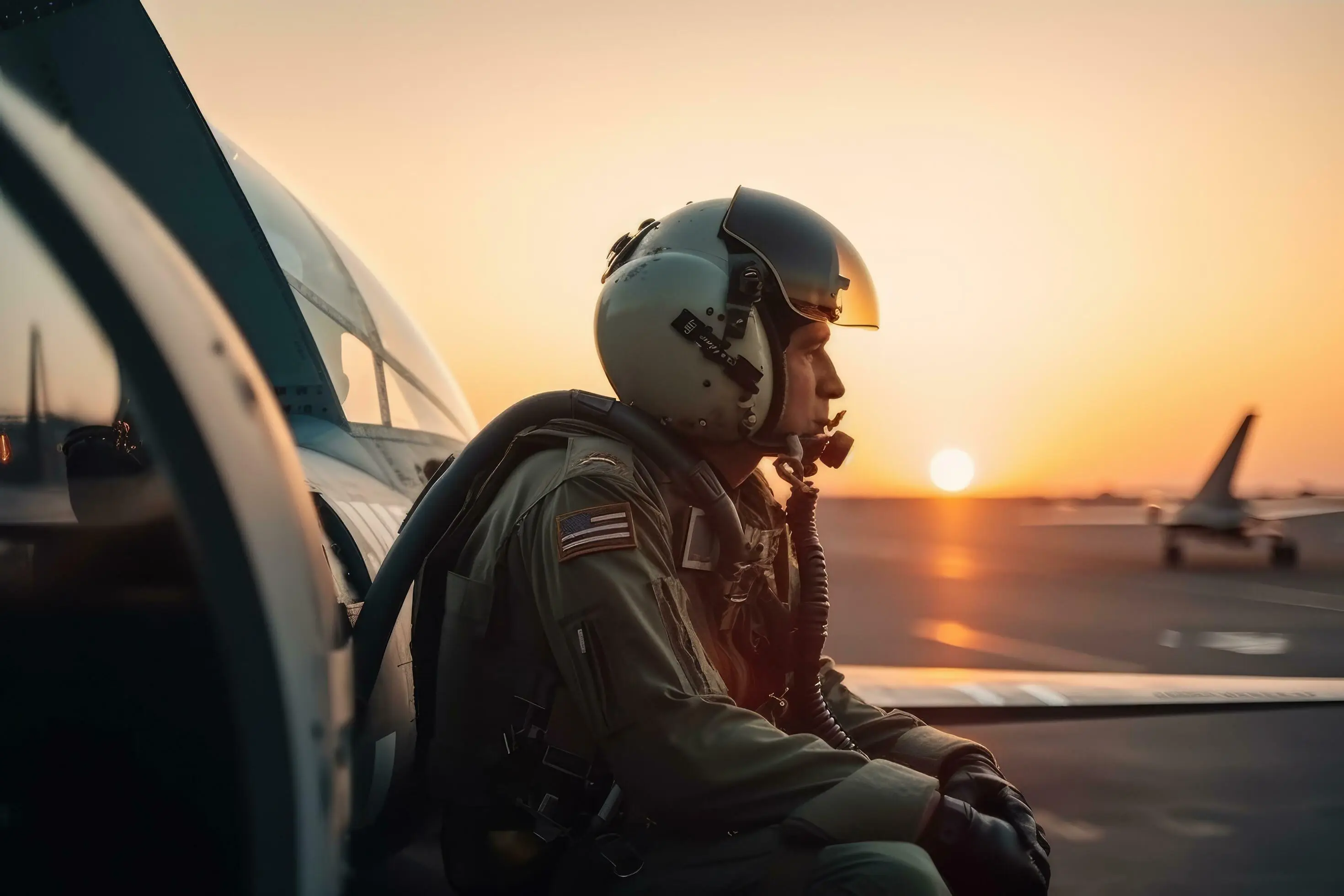
Standardised Codes for Uniformity Standardised Codes for Uniformity
Radio codes are standardised globally, so pilots and controllers speak a common language. This prevents misunderstandings in multinational or joint missions.
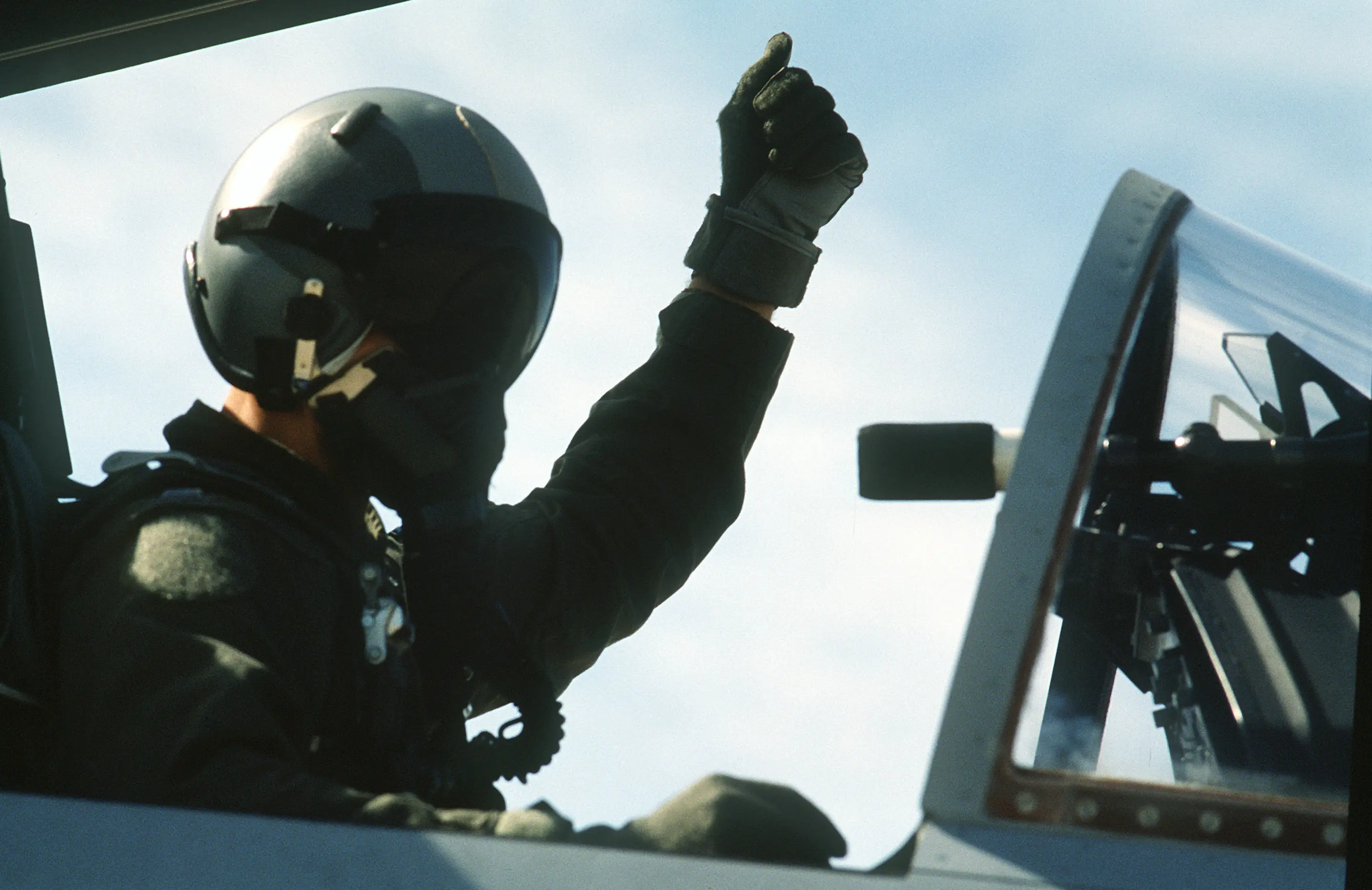
Hundreds of Codes to Cover All Scenarios
Over 200 codes cover everything from emergencies, flight instructions, formations, to threats. Pilots memorise these to respond instantly in any situation.
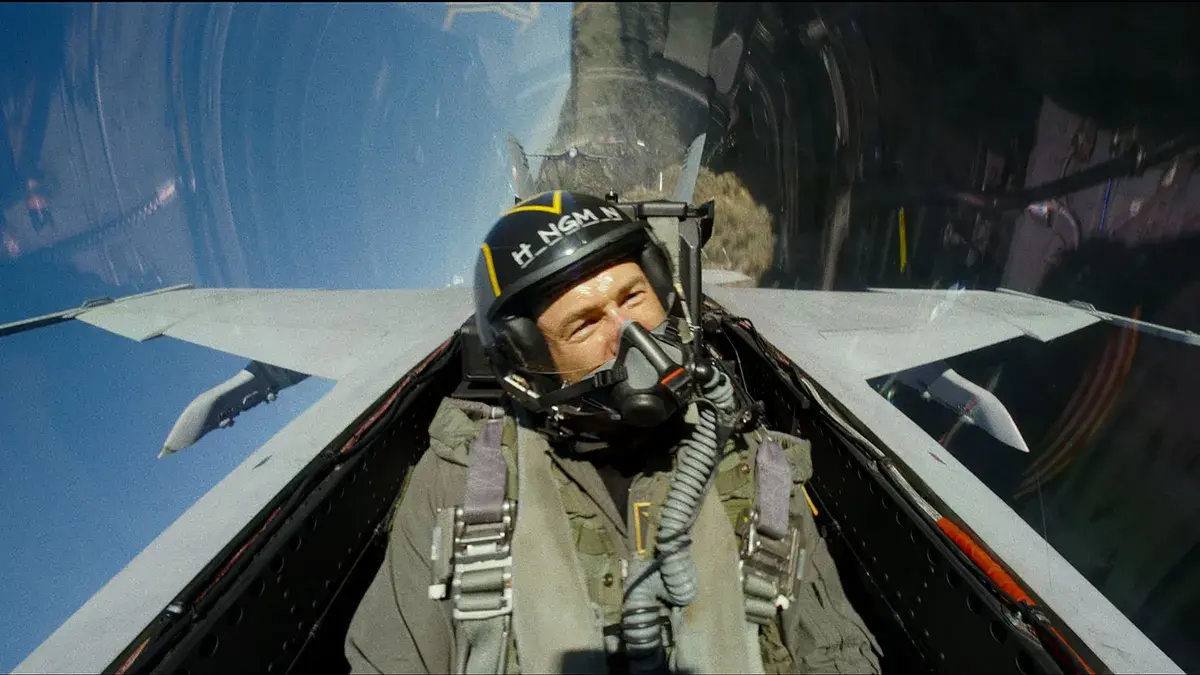
Emergency Codes Save Lives
Specific codes like 7500 (hijack), 7600 (radio failure), and 7700 (general emergency) alert ground controllers rapidly, triggering immediate action without oral communication.
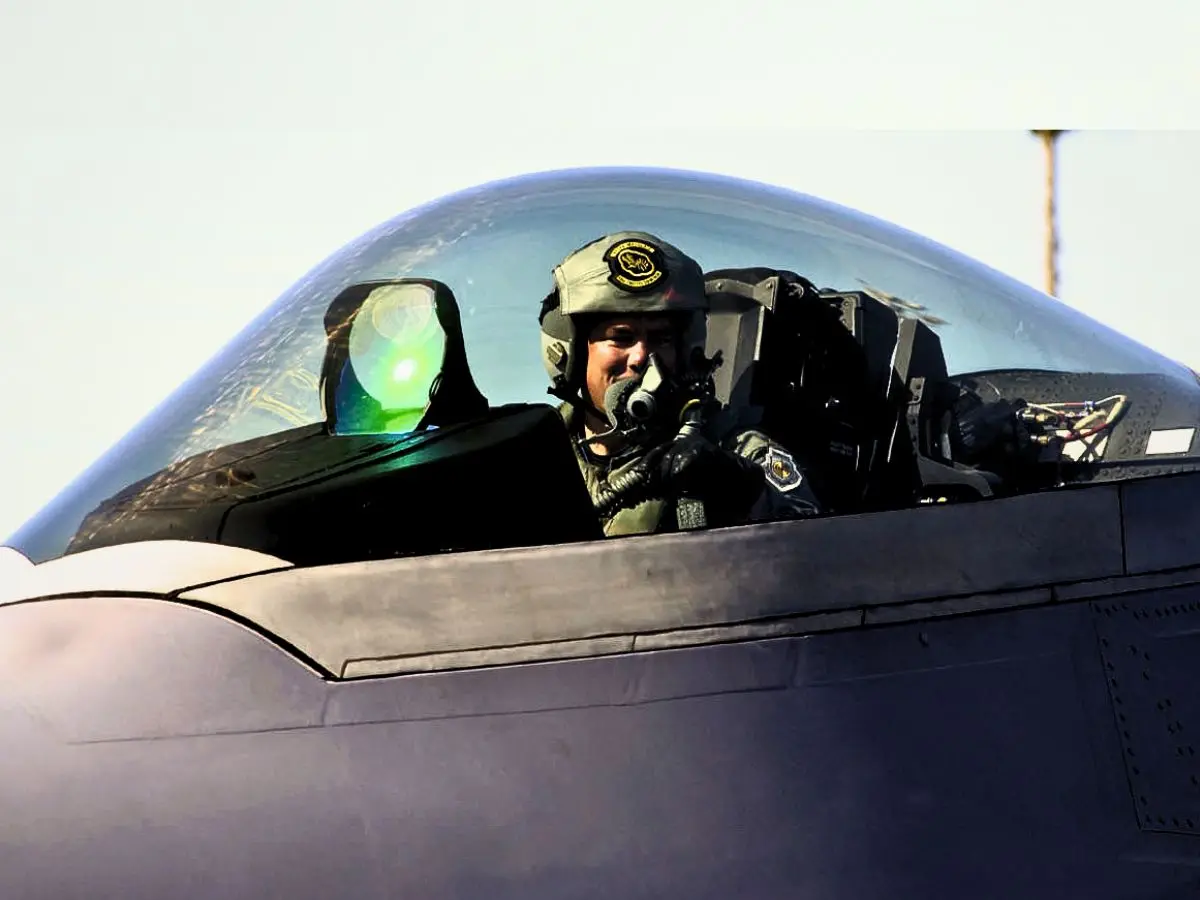
Squawk Codes for Identification
Pilots set squawk codes on transponders to identify their aircraft on radar and communicate status, essential for safe navigation in crowded airspace
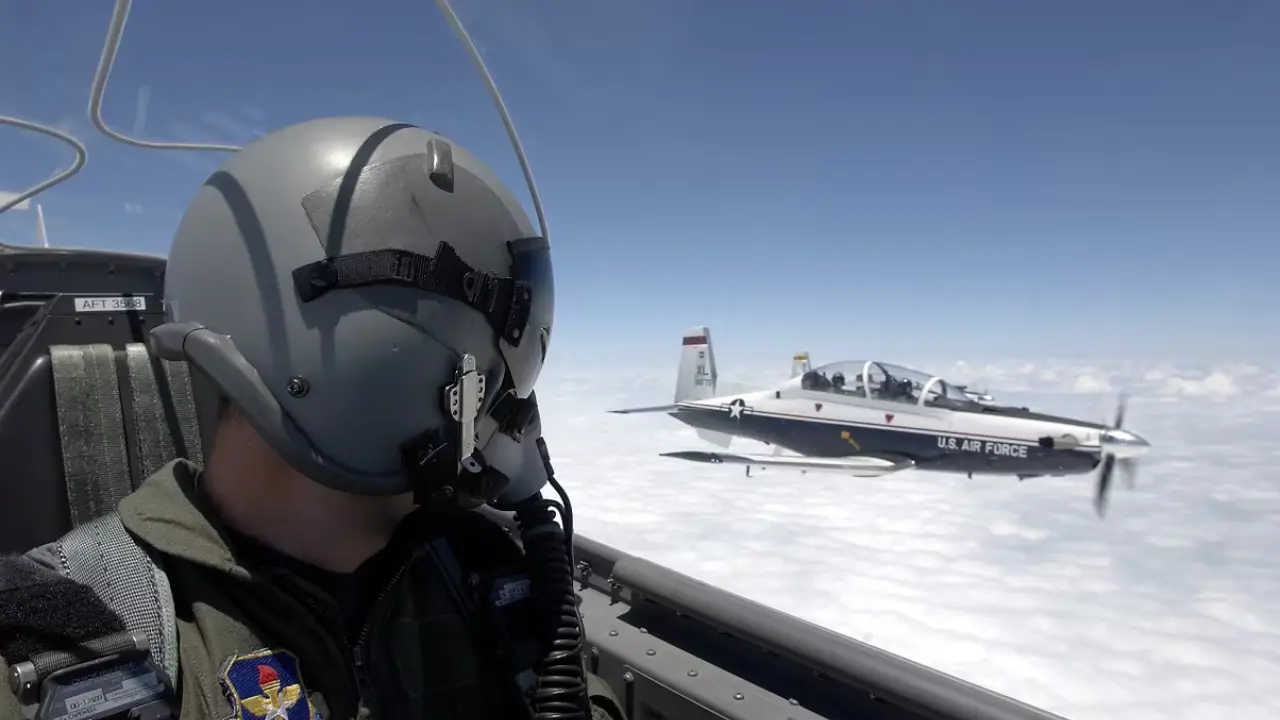
Minimising Radio Traffic
Using codes reduces radio channel congestion, allowing clearer and more focused communication in busy combat environments.
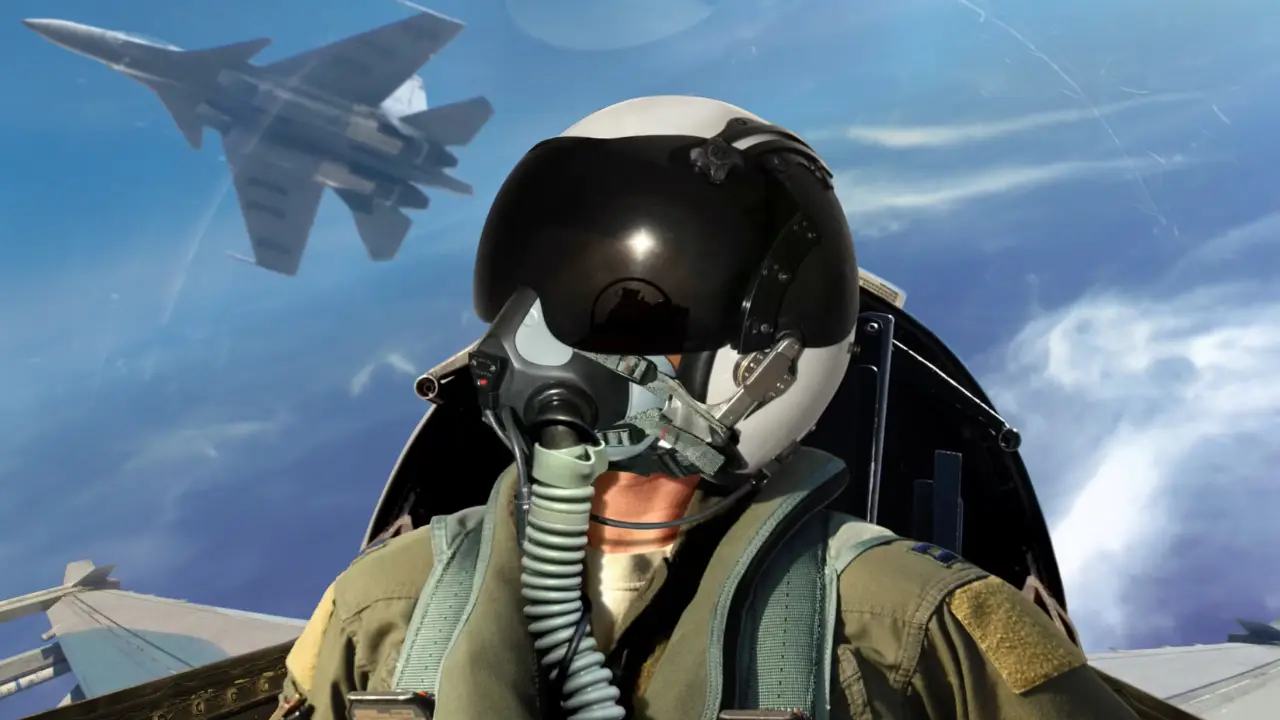
Enhancing Pilot Focus
Quick code-based communication lets pilots keep attention on flying and combat, improving reaction times and situational awareness.
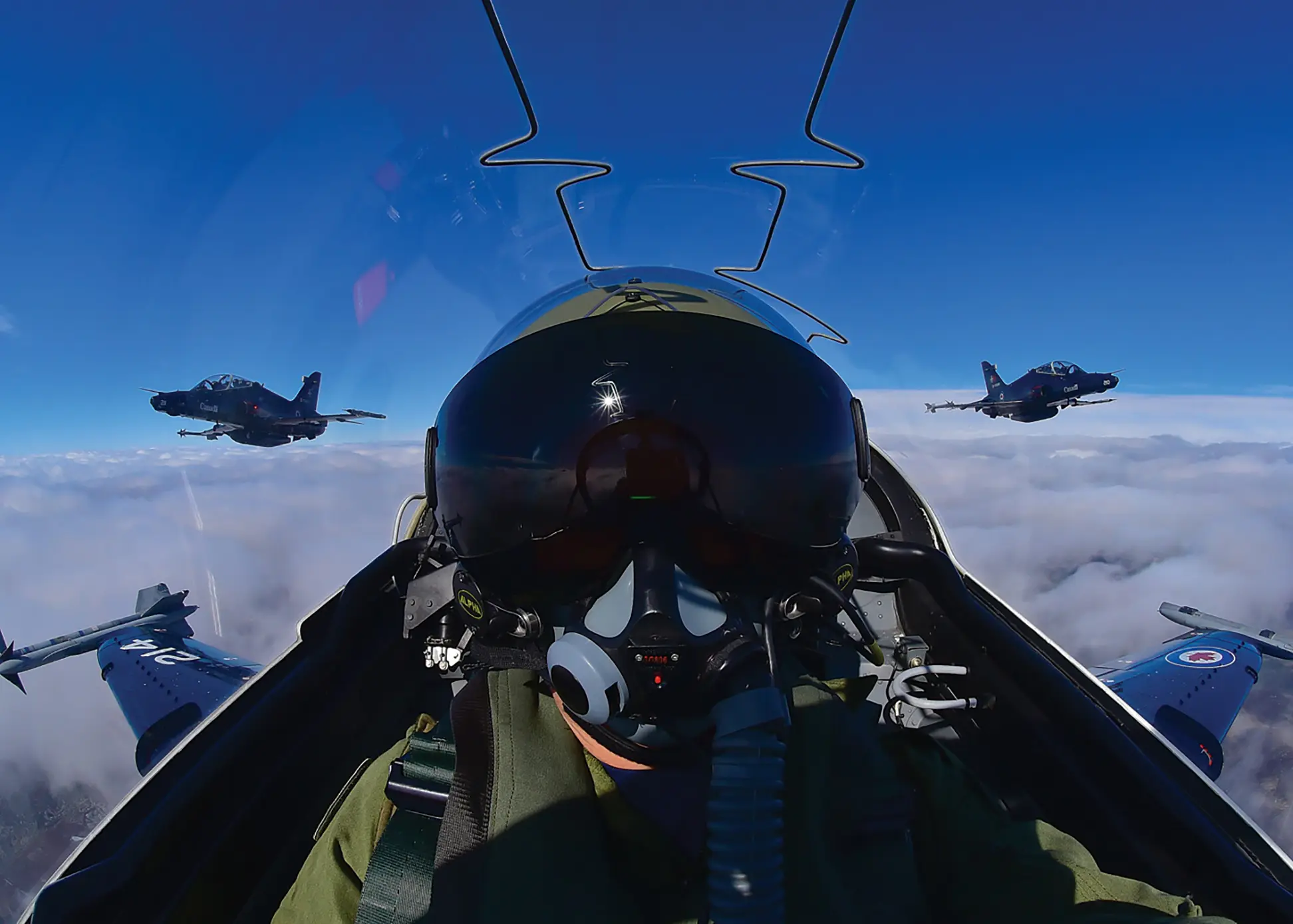
Training to Perfection
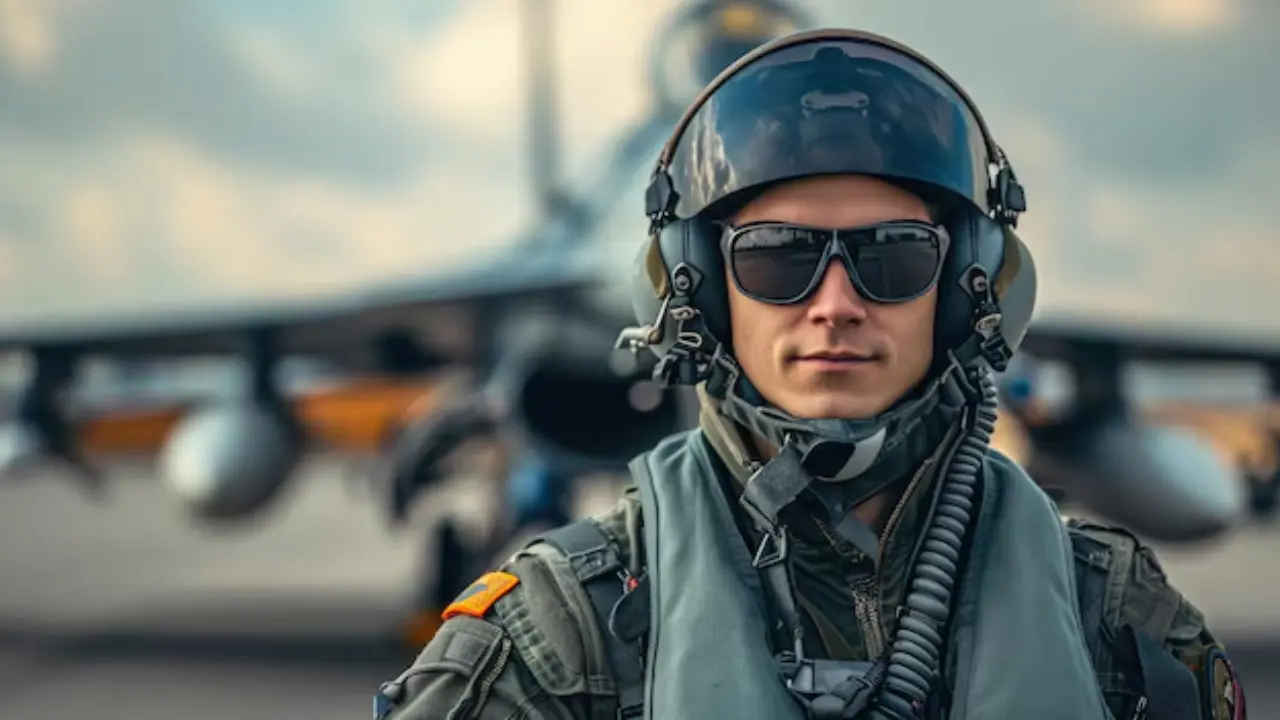
Learning and memorising radio codes is part of intensive pilot training, ensuring automatic recall under stress
Continuous Updates
Codes evolve with technology and tactics. Pilots must continually refresh their knowledge to stay current.
Core to Mission Success
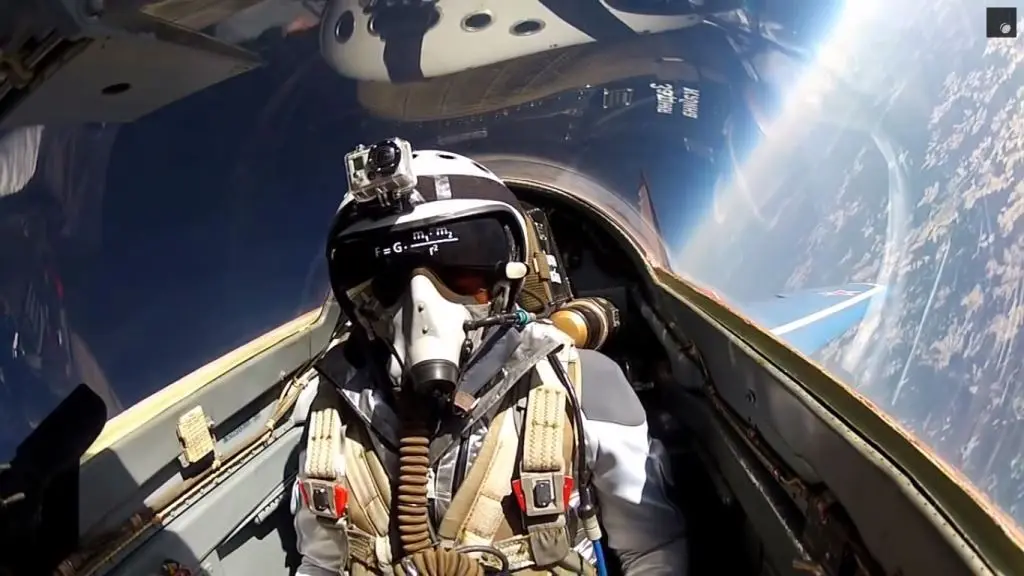
Mastering radio codes allows seamless coordination between pilots, ground control, and allied forces, crucial for success in dynamic missions.
)
)
)
)
)