Why fighter jet paint matters for successful mission?

Curious why fighter jet paint is vital for missions? It protects from corrosion, hides jets from radar, limits heat, and boosts fuel efficiency. Read on for facts and figures about why paint is crucial for modern air combat.
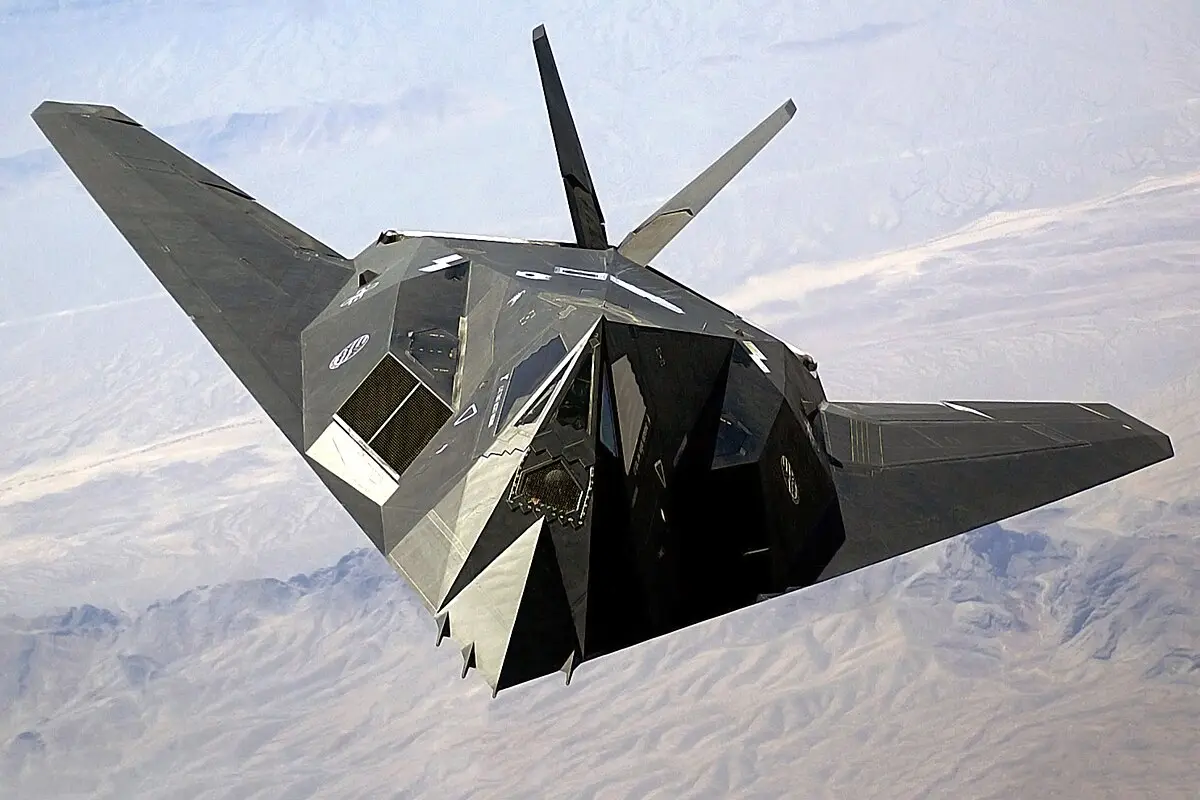
Fighter jet paint protects more than just looks
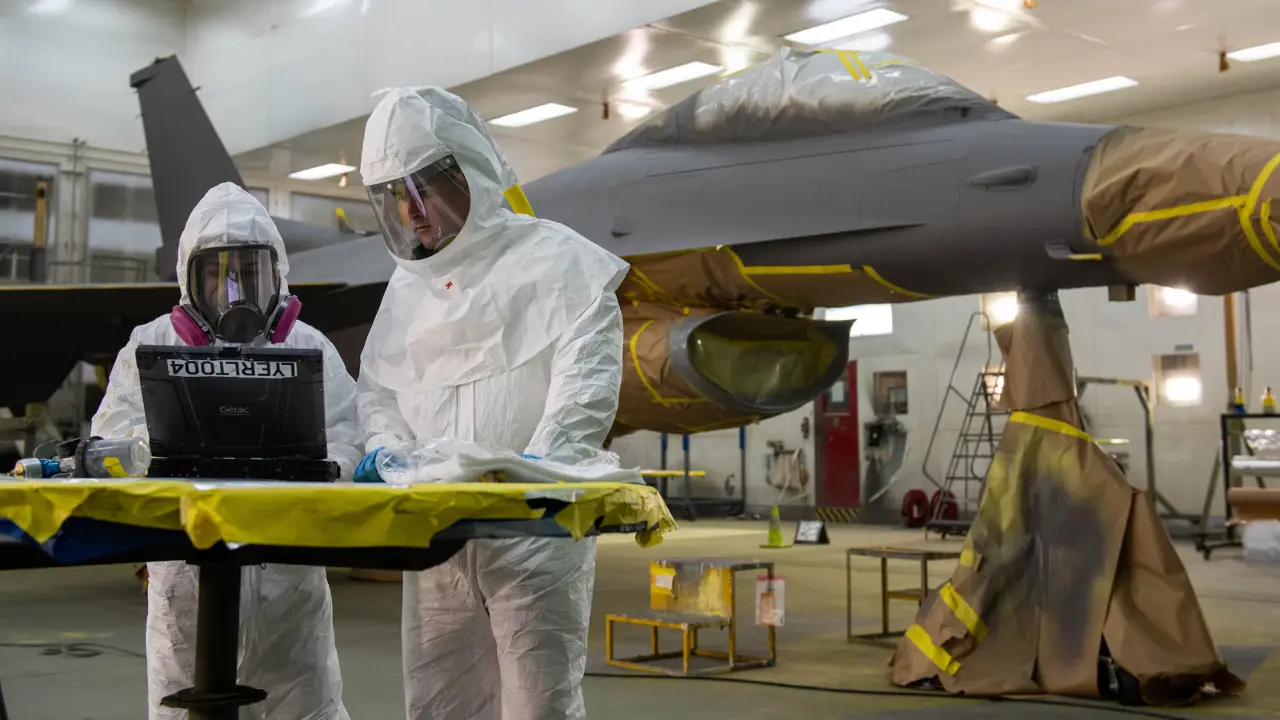
Fighter jet paint is not for style. Paint shields metal from corrosion due to moisture and harsh weather at high altitude. According to reports, special paint keeps the jet safe from heat and sun at high altitudes, where UV light is twice as strong as on the ground. Paint can also help jets last longer by shielding metal parts from damage. Which helps saving millions in repair costs of jet.
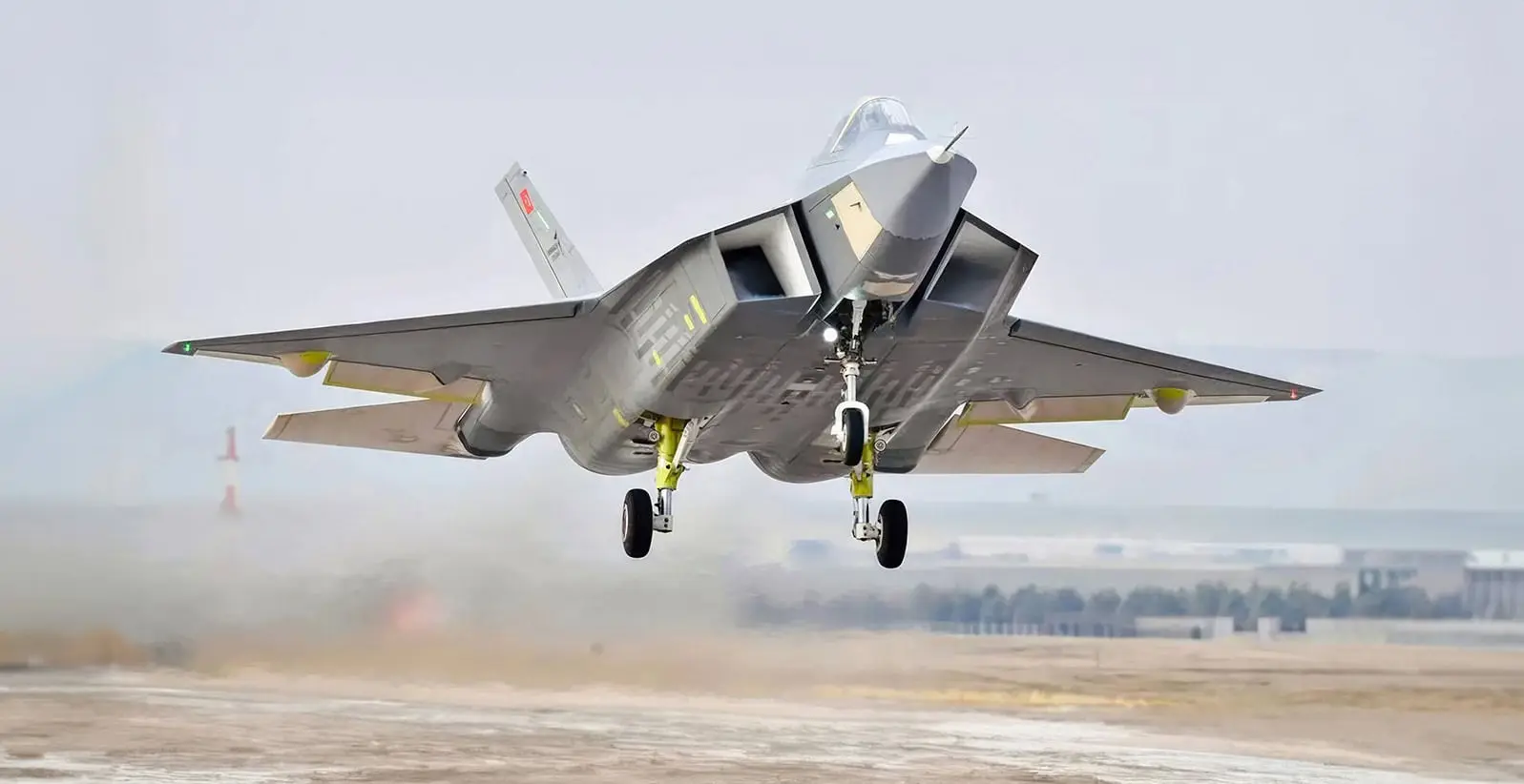
Helps dodge detection with stealth paint
Modern missions demand stealth. Special radar-absorbing paints are now used, which can cut radar signature by up to 97 per cent, as seen in the KAAN fighter jet, making aircraft harder for enemy radar to spot. This helps jets avoid detection and complete missions more safely.
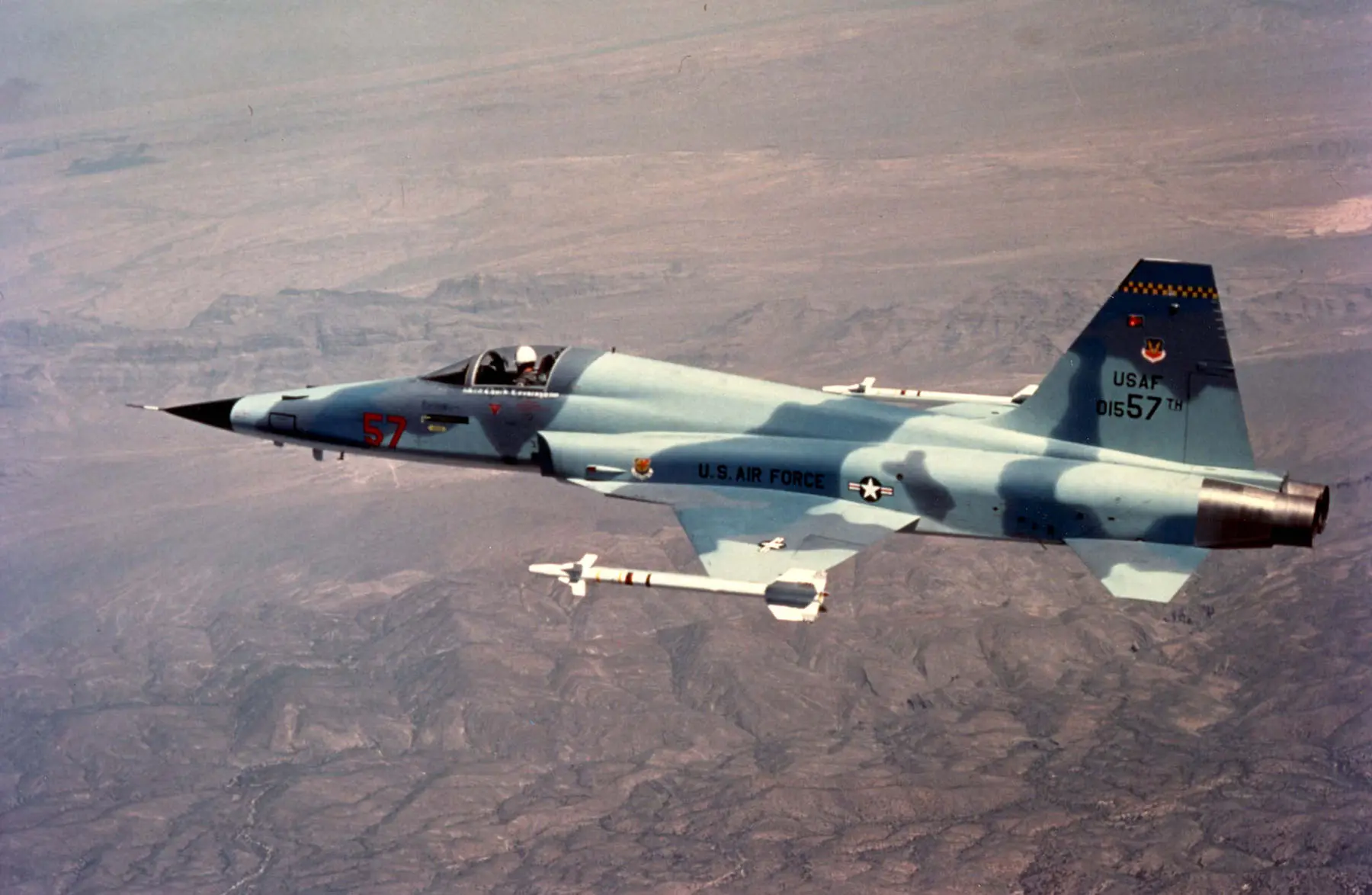
Camouflage for blending in
Camouflage paint makes fighter jets harder to see, both on the ground and in the sky. For example, the F-5 Tiger II uses different clever colour patterns that help it vanish against its background, which has been shown its effectiveness in real operations.
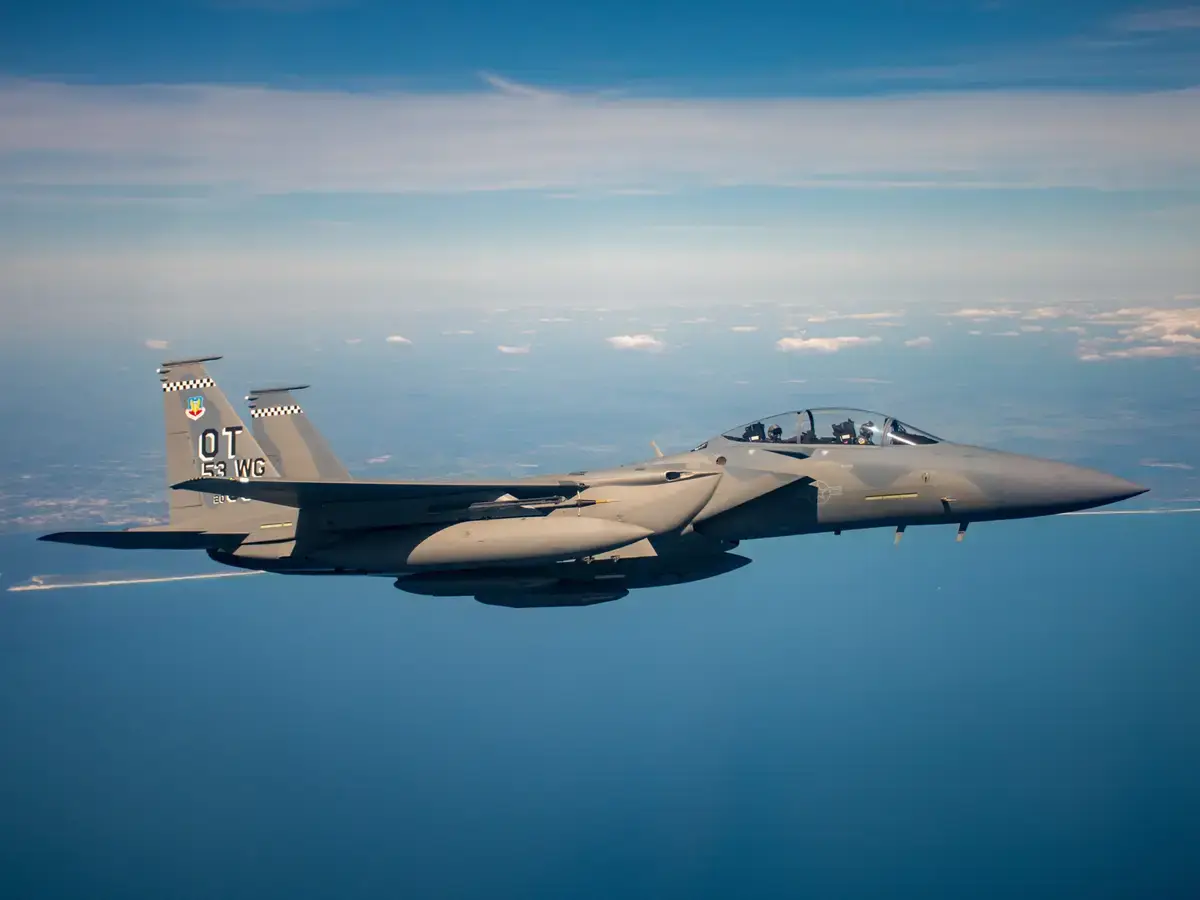
Reduces heat for survival
Paint plays a role in reducing heat from the sun and in managing the aircraft’s own heat. Modern coatings of jet reflect heat and UV rays, stop overheating, so that it can lower thermal signature and avoid heat-seeking threats. Low-emissivity topcoats have been shown to lower jet surface temperature.
Light paint saves fuel
Some airlines and air forces use lighter paint to cut down jet weight. In 2025, UK airline EasyJet introduced a new thin paint that saves about 27kg per plane and it is predicted to save over 1,200 tonnes of fuel as the fleet switches over. So lights paint help fighter jet also to be more efficient.
special coatings for new threats
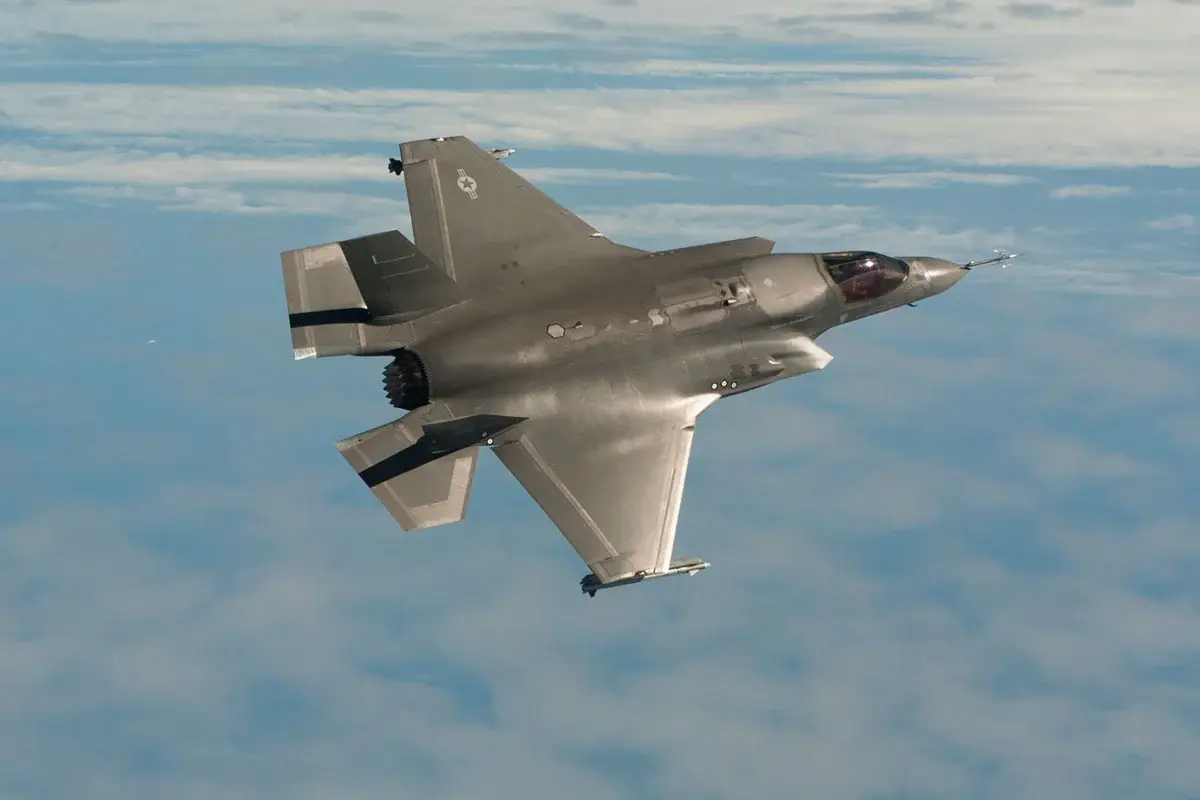
New anti-thermal and multi-spectral coatings scatter or reflect infrared light and heat, making jets less visible to modern sensors and heat-seeking missiles. few countries uses paints that work in multiple light spectrums for the fighter jet to shield jets from enemy tracking.
Following strict safety rules
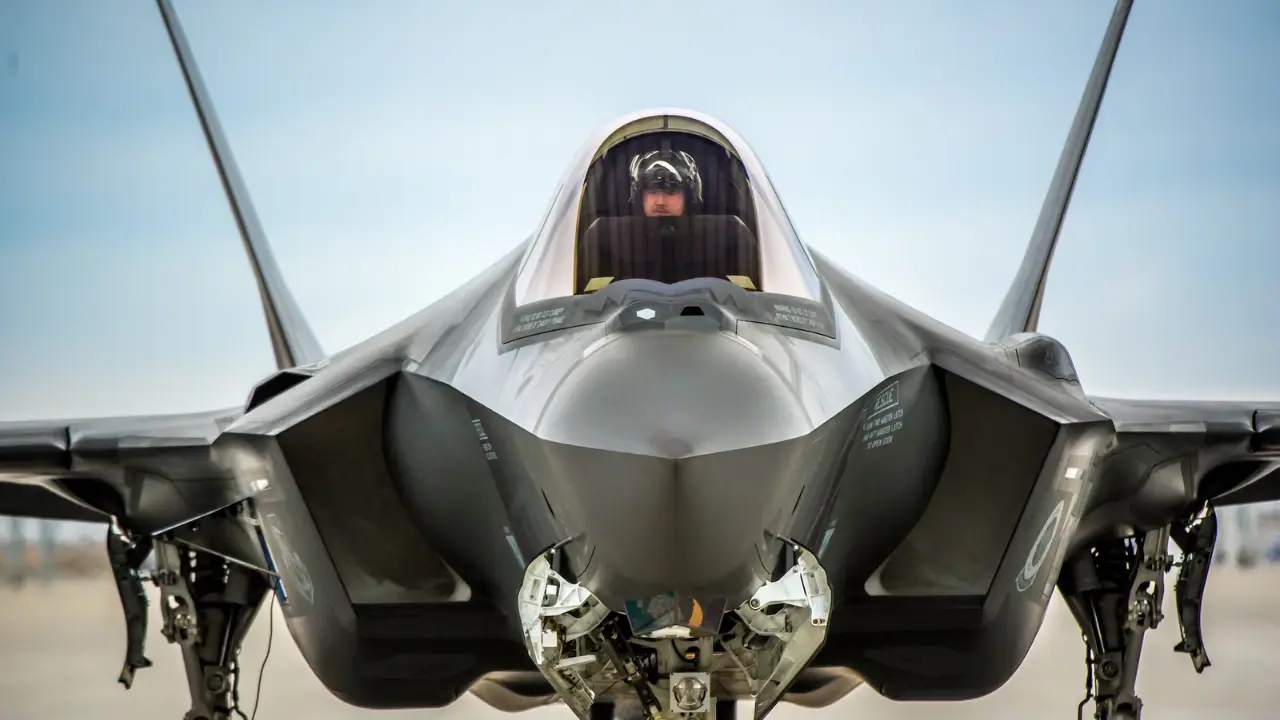
Military authorities require aircraft to be painted to exact standards, not just for protection but also for safety signs and codes. Ignoring paint regulations can lead to grounding the jet or loss of certifications.
)
)
)
)
)