Why fighter jet high-G barrel rolls are riskier near the ground than in open sky

Barrel rolls look smooth from the ground, but each roll drops 100-200 metres and can turn deadly at low altitude. Heat, thin air, G-forces and pilot disorientation make low-level aerobatics extremely risky, leaving pilots only seconds to recover if anything goes wrong.
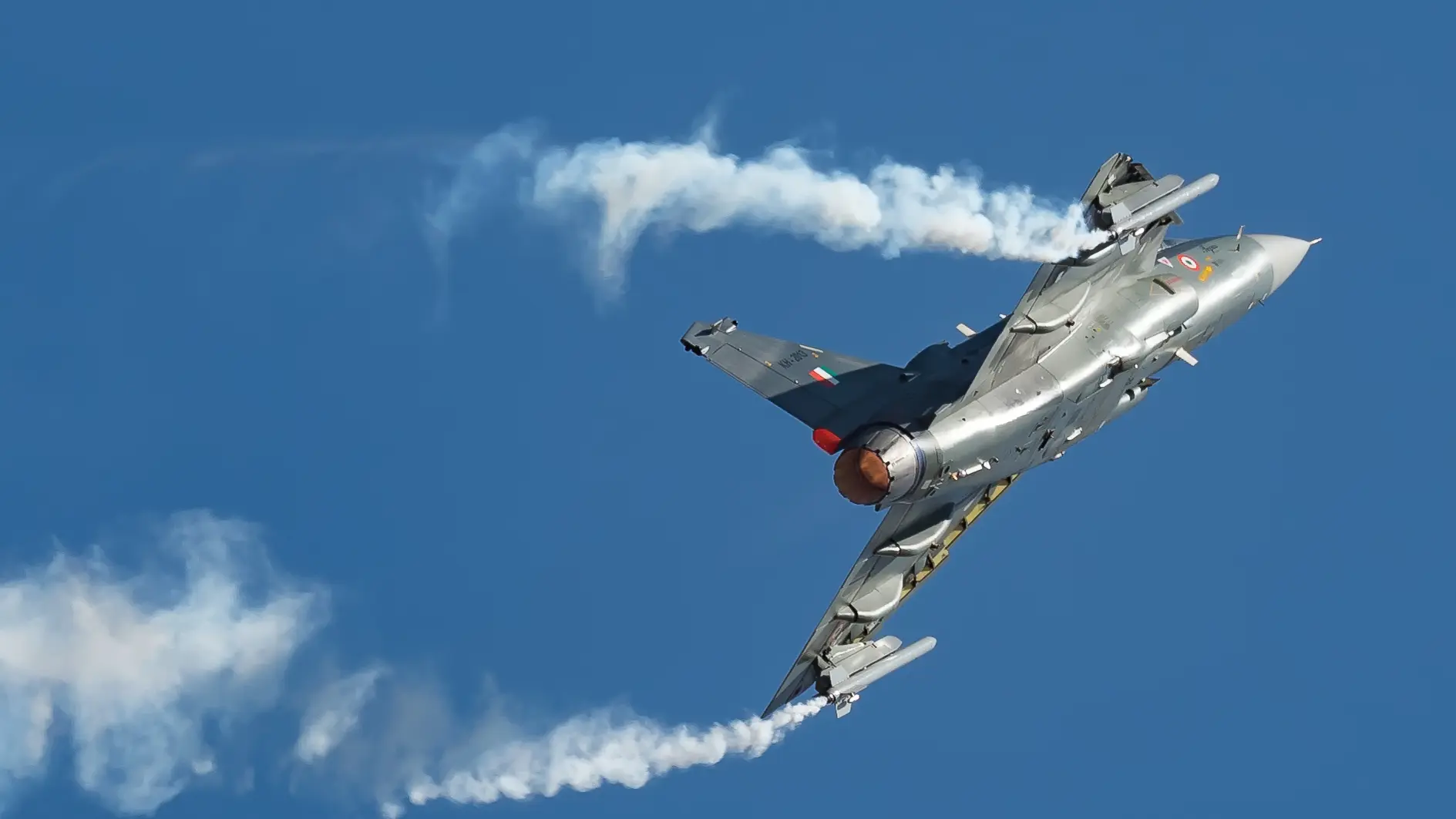
What Is A Barrel Roll?
A barrel roll rotates the aircraft 360 degrees. The nose traces a circular path in three dimensions. The aircraft gains and loses altitude during the roll. Ground observers see a smooth circular path. But the pilot experiences G-forces pushing on the body. The aircraft descends 100 to 200 metres in one barrel roll.
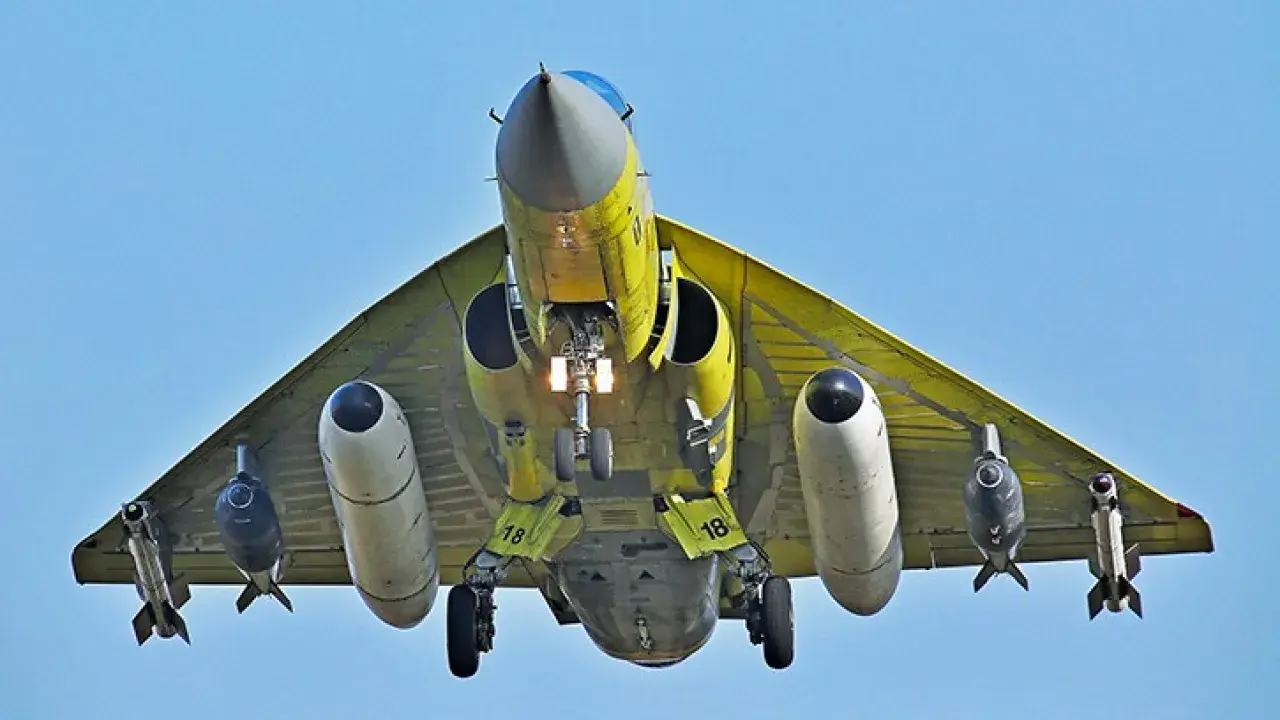
100-200 Metres Lost Per Barrel Roll
Each barrel roll loses significant height. A smooth barrel roll loses 100 to 200 metres. If the barrel roll goes wrong and becomes a spiral, altitude loss doubles or triples. A spiral descent can lose 300 to 500 metres before the pilot recovers control. At 200 metres altitude, losing 100 metres leaves only 100 metres margin.
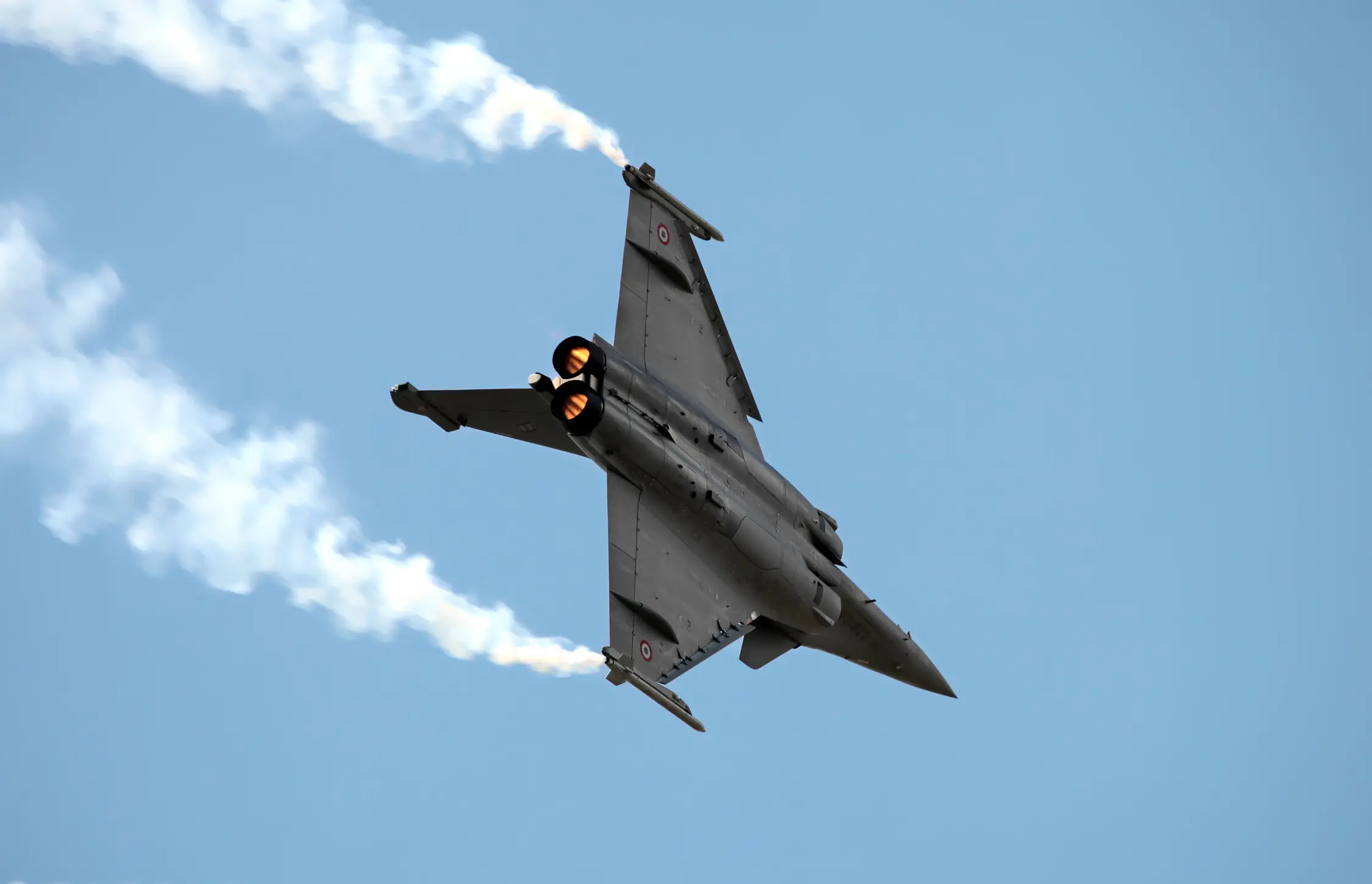
The Minimum Safe Altitude Rule: 600 Metres Minimum: Why Higher Is Better
Aviation guidelines say minimum safe altitude for barrel rolls is 600 metres. This allows room for mistakes. At 600 metres, even if the roll goes wrong and becomes a spiral, the pilot has altitude to recover. At 200 metres during airshows, pilots have almost no margin. One mistake means ground impact.
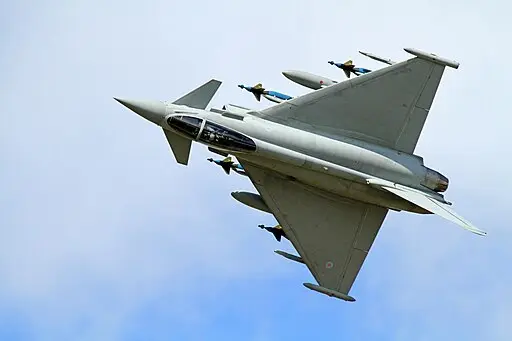
Pilot Disorientation During Inversion
When the aircraft inverts during a barrel roll, pilots experience negative-G forces. Blood rushes upward. Pilots feel confused about which direction is down. Some pilots experience temporary blackouts lasting seconds. At high altitude, this confusion is manageable. At 200 feet, confusion during roll means losing altitude uncontrollably.
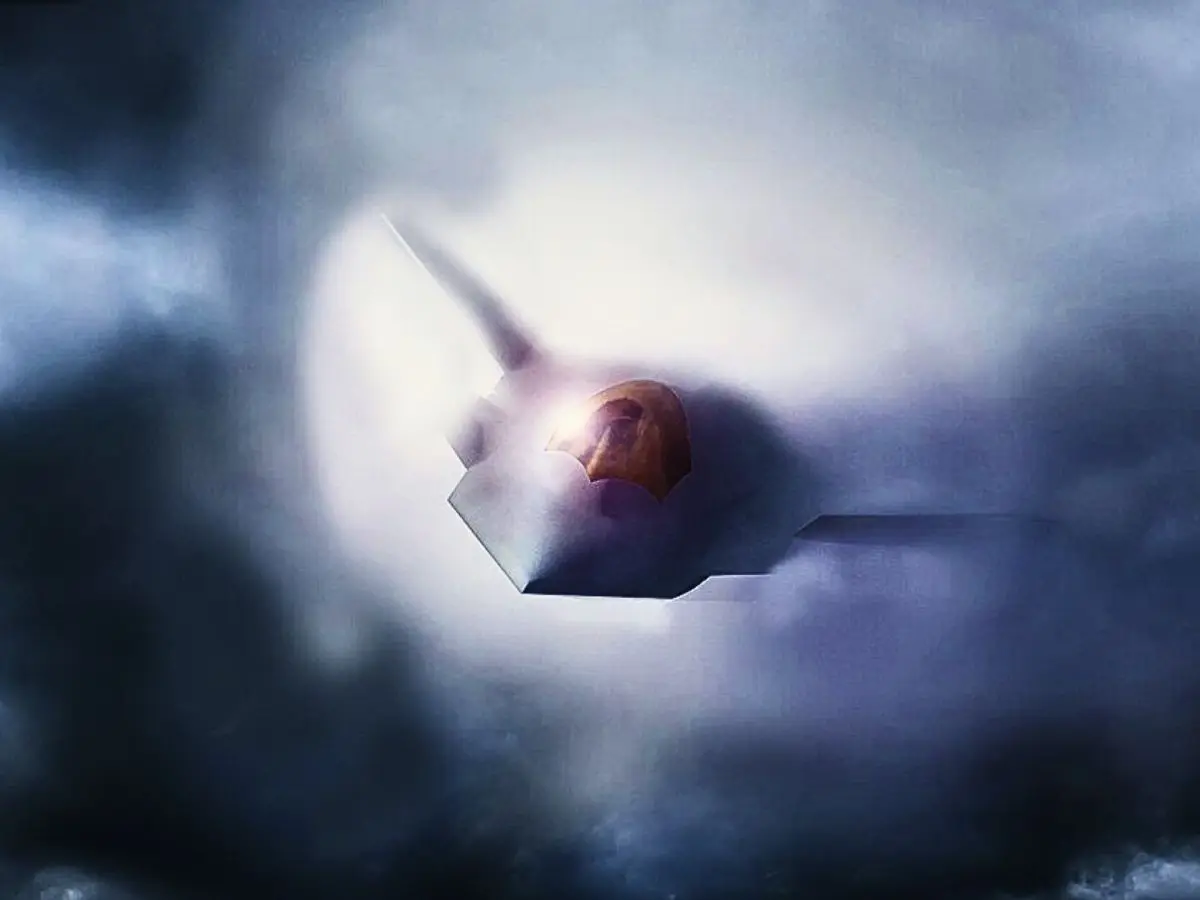
G-Force Requirements During Roll
A barrel roll requires sustained 3 to 4 G-forces. Pilots experience their weight multiplying three or four times. Physical fatigue affects pilot response time. At low altitude performing this manoeuvre, fatigue plus disorientation plus altitude loss creates perfect conditions for disaster.
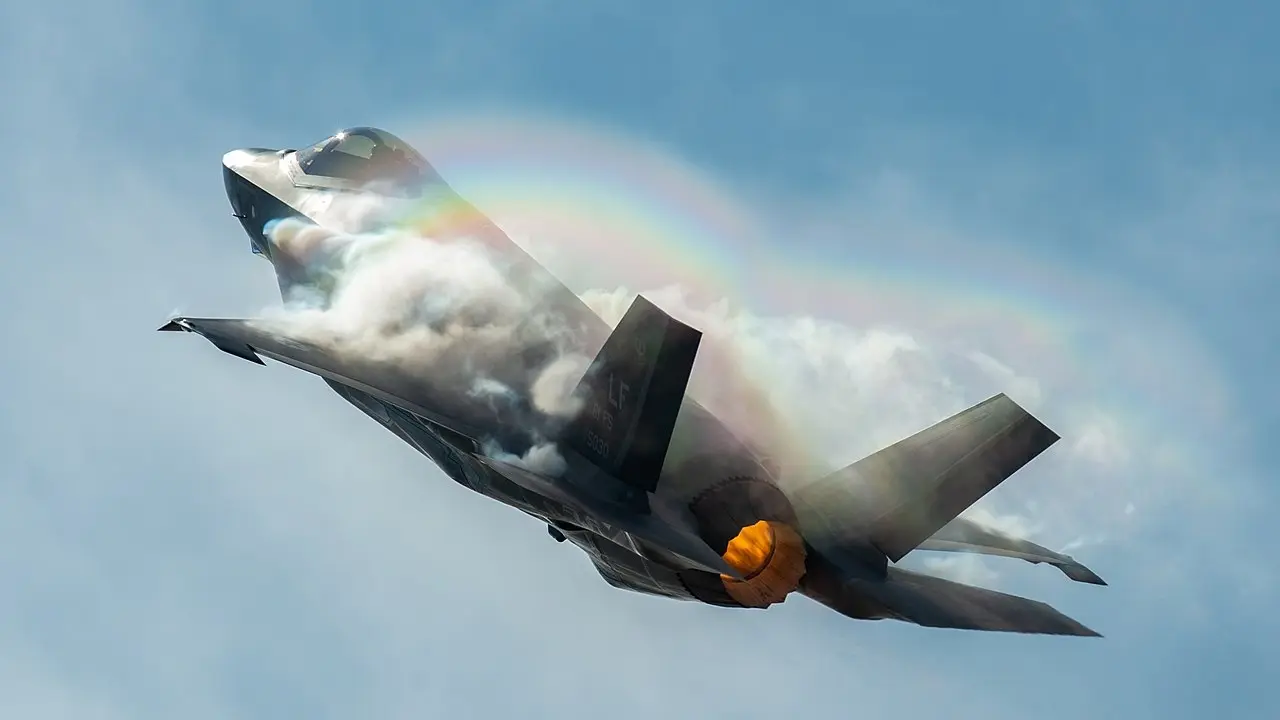
Hot Desert Air Reduces Control Effectiveness
Desert air is hot and less dense. Aircraft wings produce less lift in thin air. At Dubai airshow where temperatures exceed 45 degrees, the air is particularly thin. The wings have less control authority. Aircraft respond slower to pilot inputs. Low-altitude manoeuvres become riskier in these conditions.
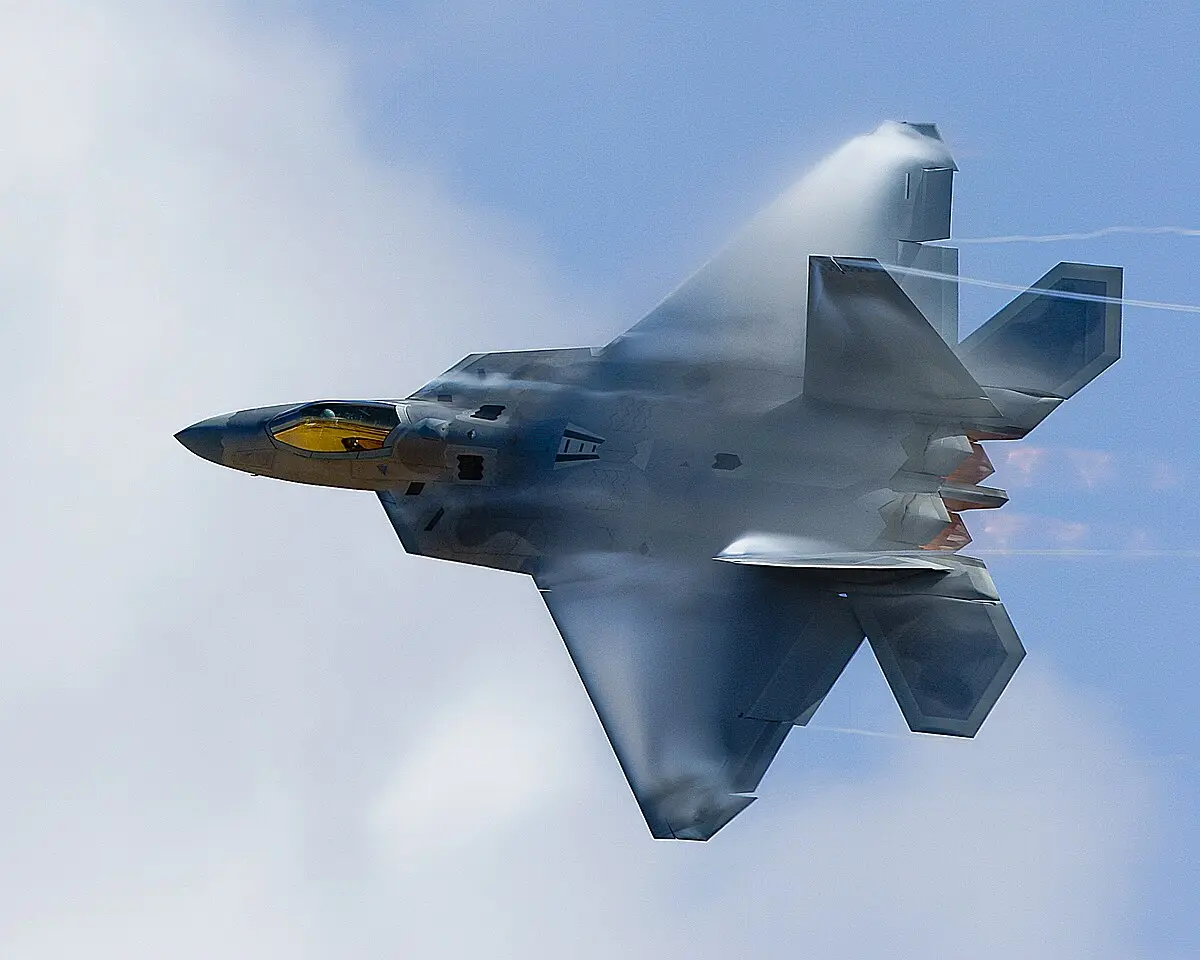
Only Seconds Between Problem And Ground Impact
When something goes wrong at 200 metres altitude, recovery is nearly impossible. From nose-down dive to level flight requires 500 to 800 metres altitude. From spiral descent requires even more. At 200 metres, the ground arrives in seconds. Pilots cannot recover in time. This is why low-altitude aerobatics are extremely dangerous.
)
)
)
)
)