Why F-47 fighter jet might be the last of its kind? Meet Anduril’s 'Fury drones'

The absence of a human operator permits the aircraft to execute flight paths that would otherwise induce g-force induced loss of consciousness (G-LOC) in a pilot.
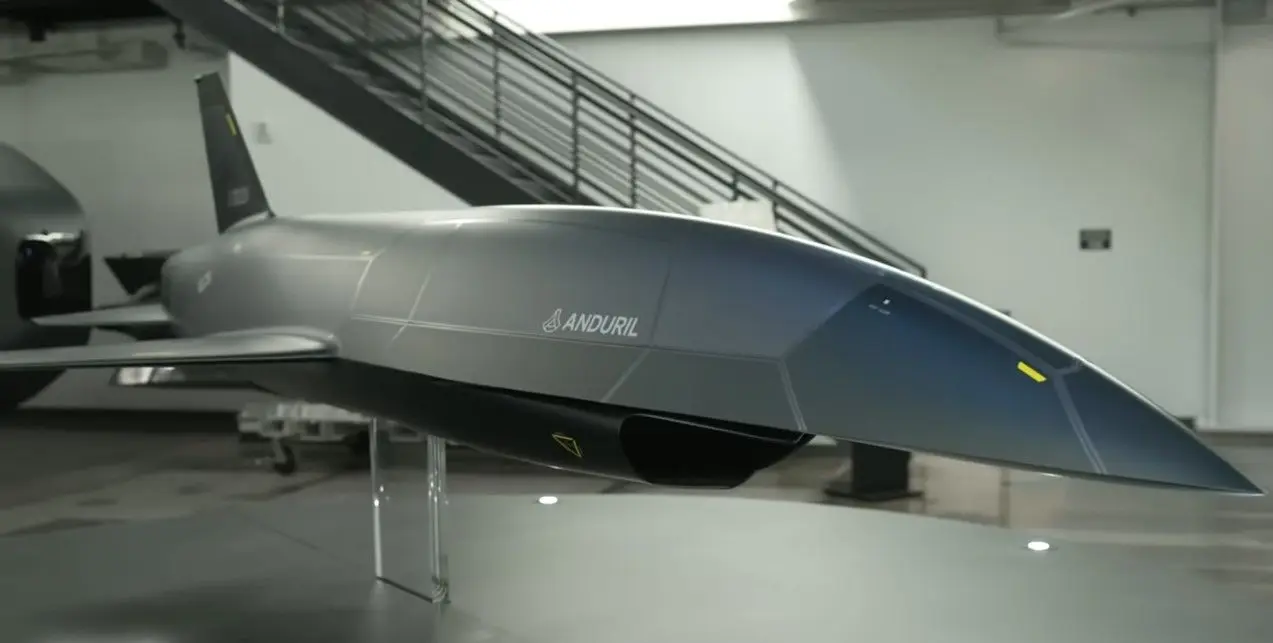
1. Cockpit-Free Architecture
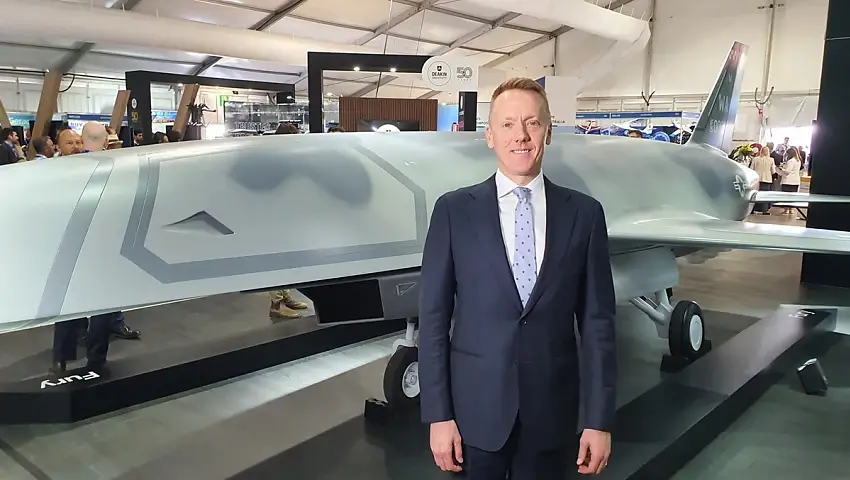
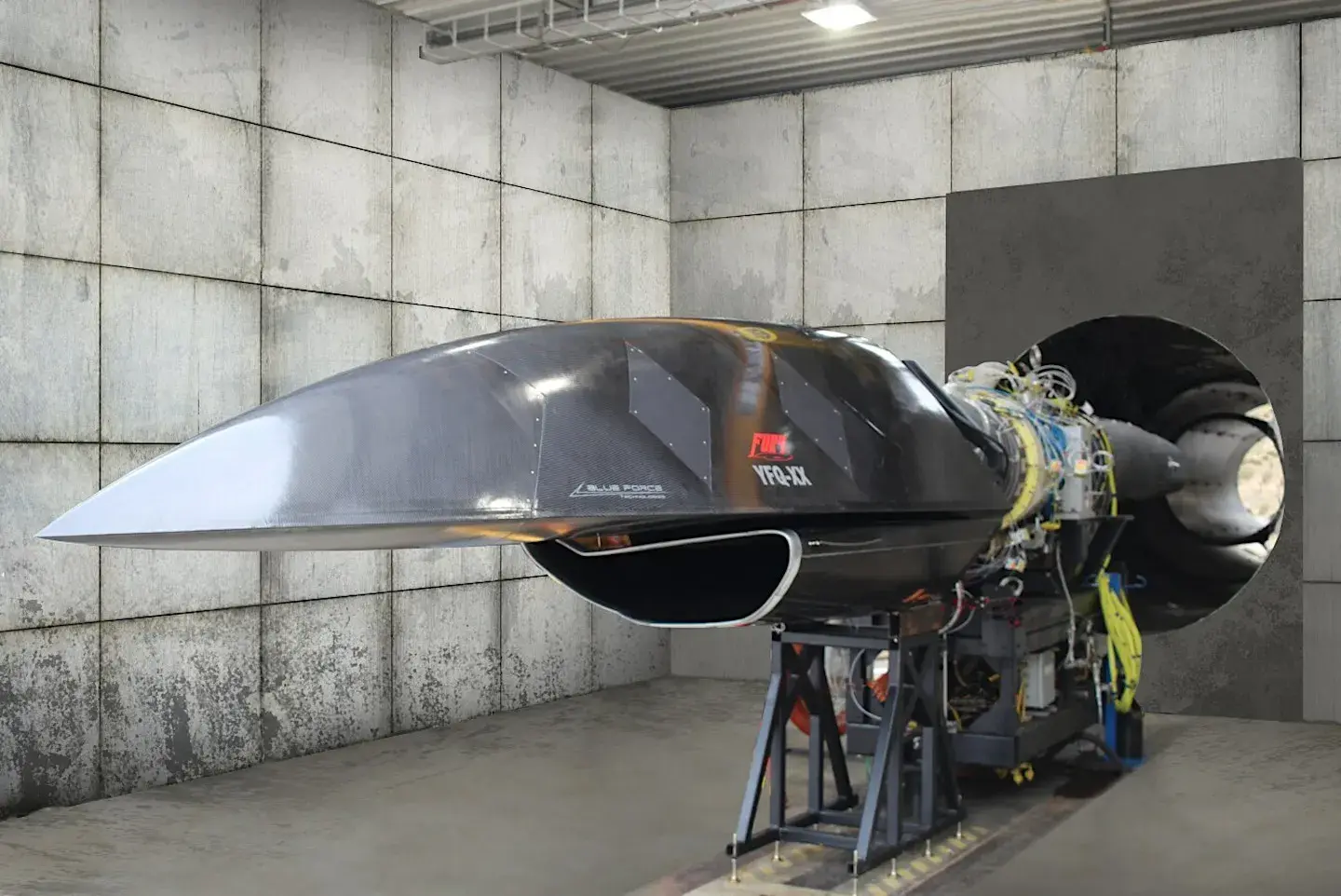
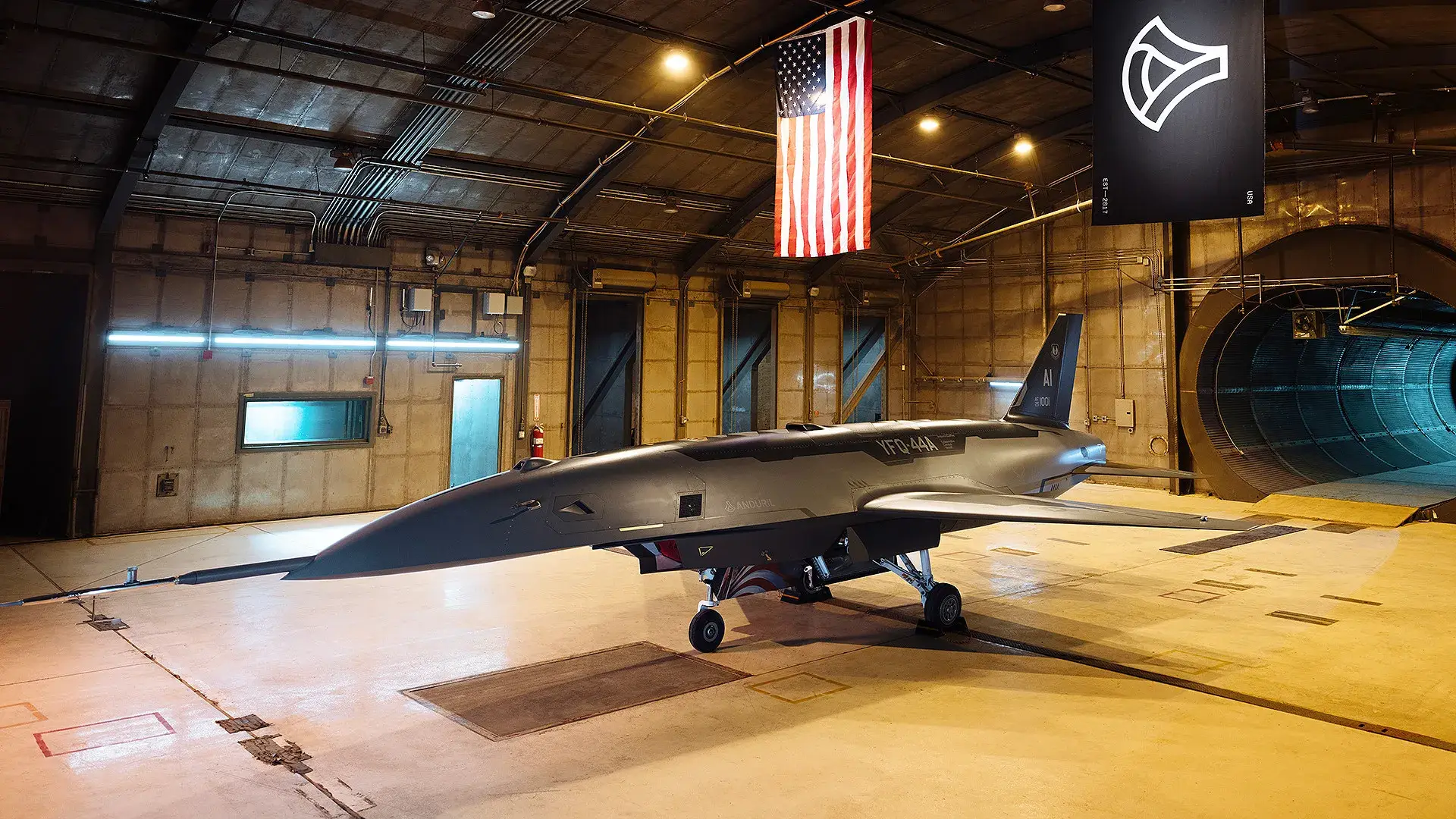
The Fury serves as a primary example of the "Collaborative Combat Aircraft" (CCA) category. By eliminating the cockpit, ejection systems, and environmental controls required for human pilots, the airframe design prioritises fuel capacity and sensor payloads. The aircraft operates via the Lattice software system, which processes sensor data and executes flight decisions autonomously, removing the necessity for continuous remote piloting.
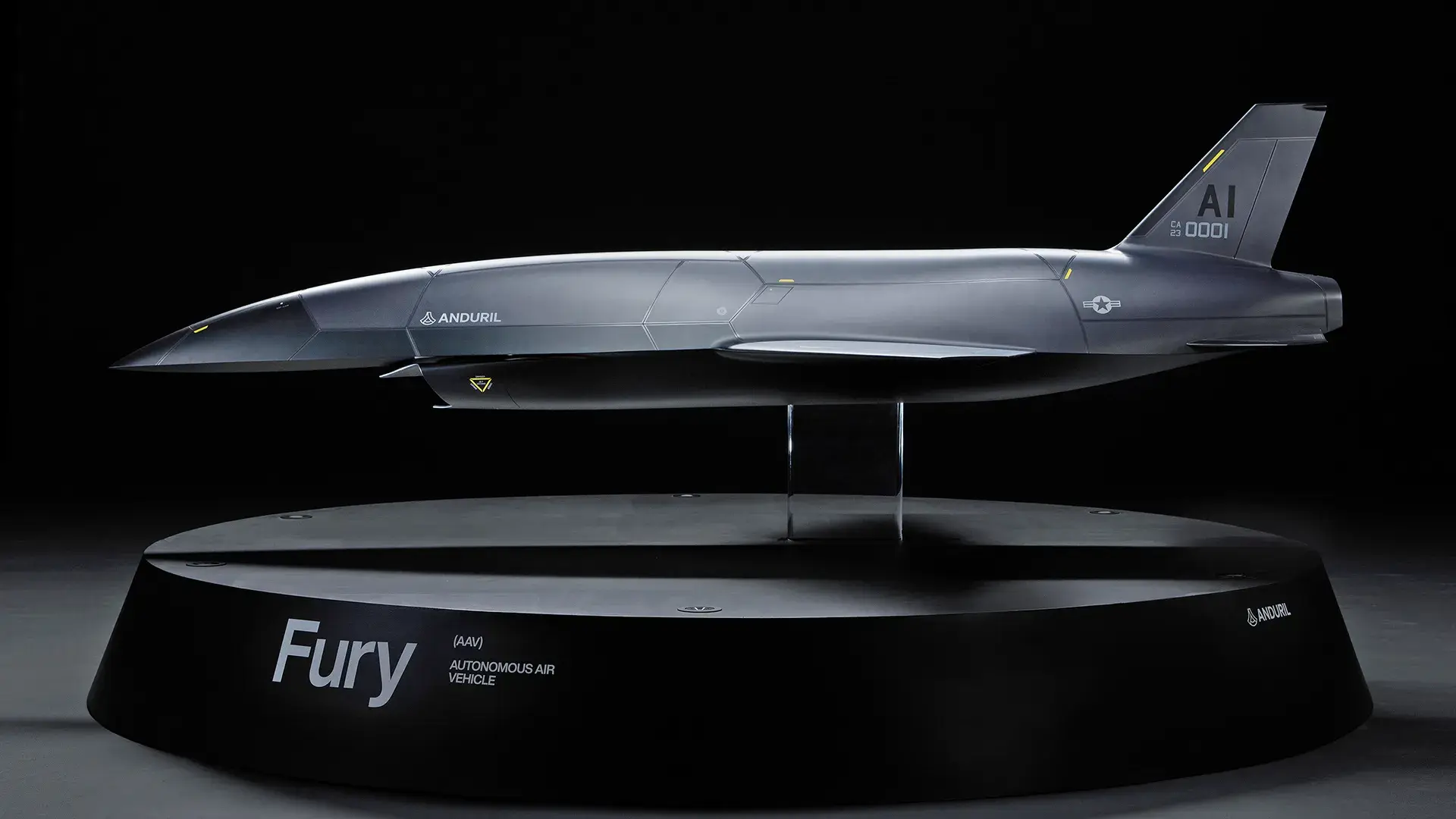
2. Performance Exceeding Physiological Tolerances
The absence of a human operator permits the aircraft to execute flight paths that would otherwise induce g-force induced loss of consciousness (G-LOC) in a pilot. While manned fighters such as the projected F-47 are restricted to 9G manoeuvres to protect the aircrew, the Fury can sustain higher g-loads. This capability allows for tighter turn radii and evasion tactics against surface-to-air missiles.
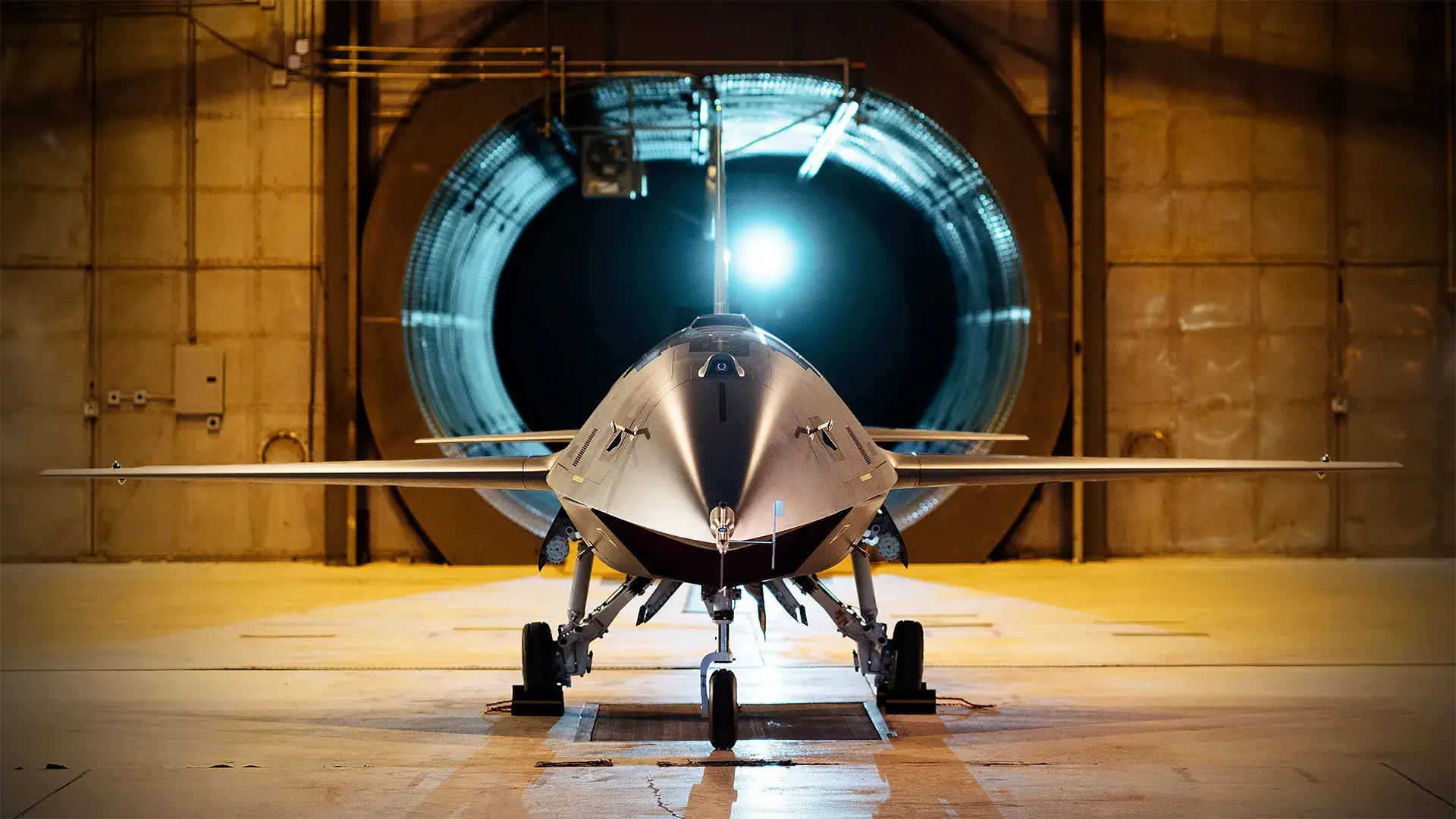
3. Cost Asymmetry and Scalability
Defence planners classify the Fury as "attritable," meaning the unit cost is low enough that combat losses are financially sustainable. Estimates place the per-unit cost at a fraction of a sixth-generation manned fighter. This price differential enables air forces to procure these drones in large quantities, creating a numerical advantage that expensive, low-volume platforms cannot match.
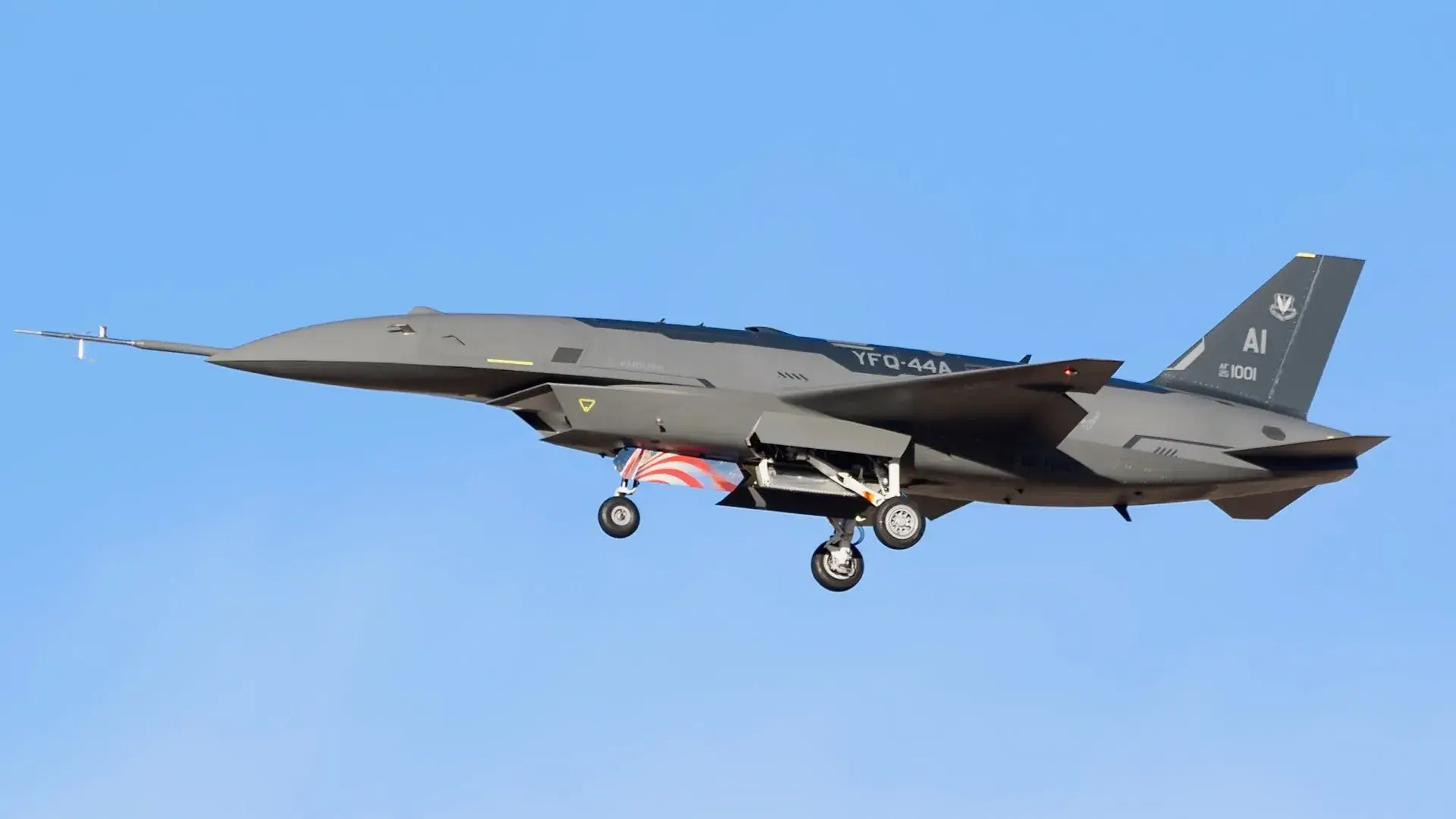
4. Commercial Production Methodologies
Anduril employs manufacturing processes derived from the commercial technology and automotive sectors rather than traditional bespoke aerospace methods. This approach utilises modular computing components and non-proprietary hardware. Consequently, the production timeline for a Fury unit is measured in weeks or months, whereas manned fighter jets typically require years to move from order to delivery.
5. Implementation of Manned-Unmanned Teaming
Current air combat doctrine is shifting towards a model where a single manned aircraft coordinates multiple autonomous drones. In this structure, the Fury flies ahead of the manned asset to engage targets or draw enemy fire. This operational concept reduces the risk to the F-47 or F-35 pilot, as the drones perform the most hazardous tasks within the engagement zone.
6. Algorithmic Adaptability
The combat effectiveness of the platform relies on software rather than fixed hardware specifications. The open-architecture design permits engineers to upload new tactical behaviours and recognition algorithms remotely. This allows the fleet to adapt to new enemy radar frequencies or tactics without the need for the physical depots and lengthy refits associated with traditional aircraft maintenance.
7. Fiscal Prioritisation of Autonomous Systems
Recent defence appropriations indicate a redirection of funds away from next-generation manned programmes. With the US Air Force pausing or restructuring the Next Generation Air Dominance (NGAD) initiative, the parent programme of the F-47, capital is flowing towards CCA development. This budgetary realignment suggests that the primary constraint on future fighter jet manufacturing will be the diversion of financial resources towards autonomous platforms like the Fury.
)
)
)
)
)