Why F-35B stealth jets don't need arresting cables on the USS Tripoli

By leveraging advanced vertical hover technology, the amphibious assault ship USS Tripoli recovers $109 million worth of F-35B stealth fighters without relying on complex hydraulic arresting gear
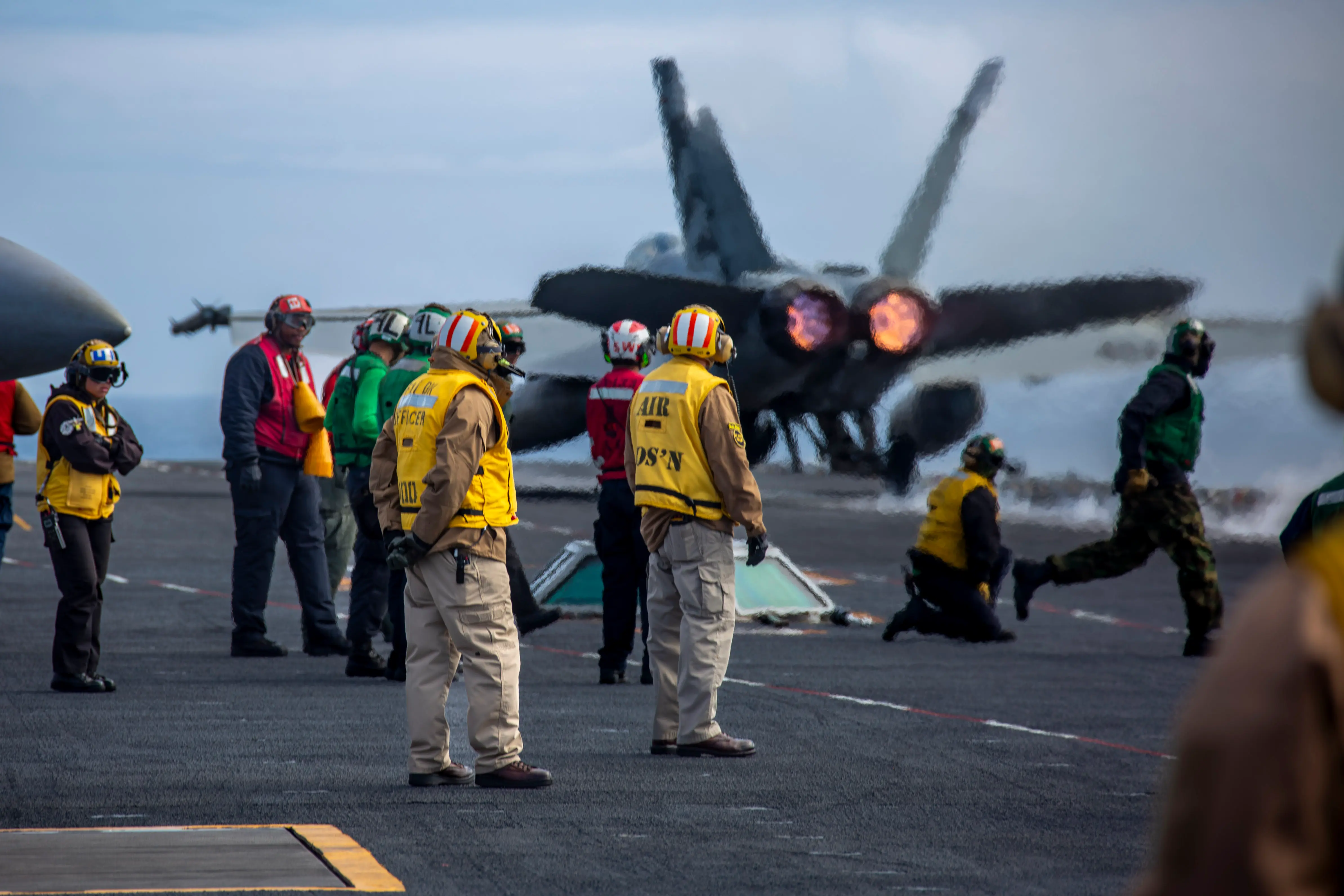
The 'Lightning Carrier'
The USS Tripoli is an America-class amphibious assault ship engineered specifically for tactical aviation. Unlike traditional nuclear supercarriers, its massive 45,000-ton flight deck completely lacks steam catapults and high-tensile steel arresting cables.
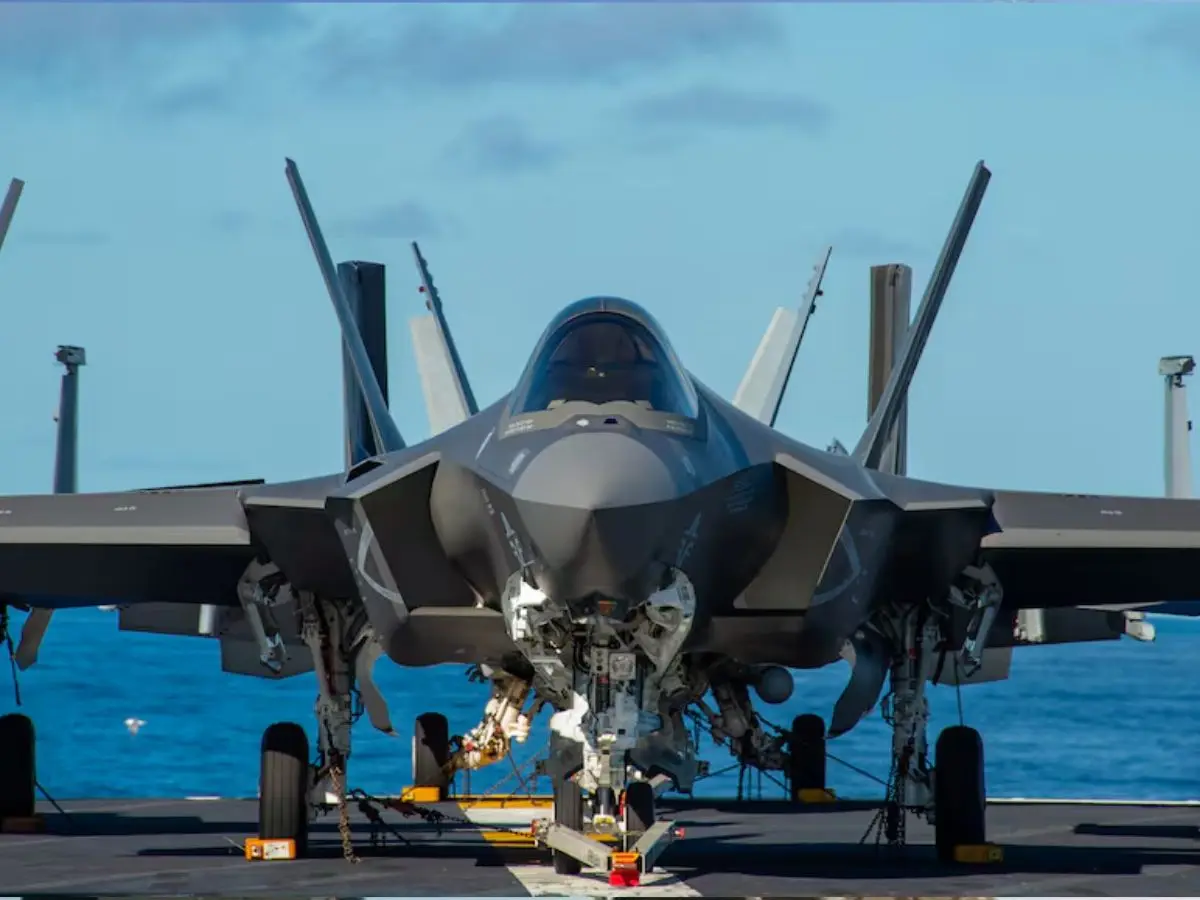
The STOVL Fighter
To operate from this unique vessel, the US Marine Corps deploys the $109 million F-35B Lightning II. This specific stealth variant features Short Take-Off and Vertical Landing (STOVL) capabilities, allowing it to recover precisely like a helicopter.
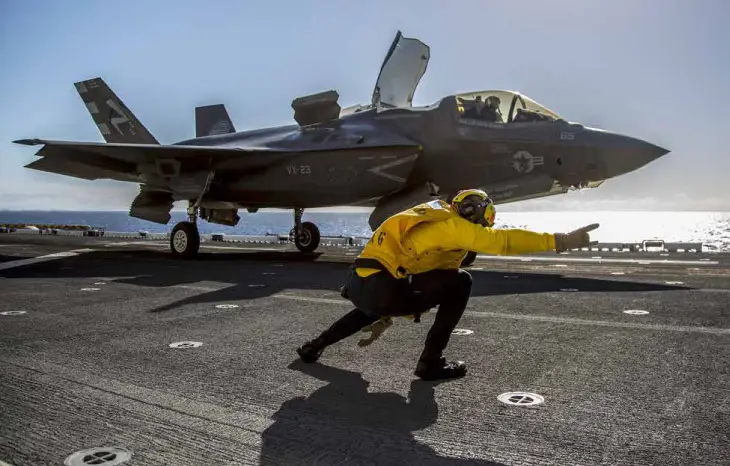
The Rolls-Royce LiftSystem
Instead of relying on a heavy metal tailhook, the F-35B utilises the incredibly complex Rolls-Royce LiftSystem. A shaft-driven LiftFan installed directly behind the cockpit works in perfect tandem with the main engine to generate massive downward force.
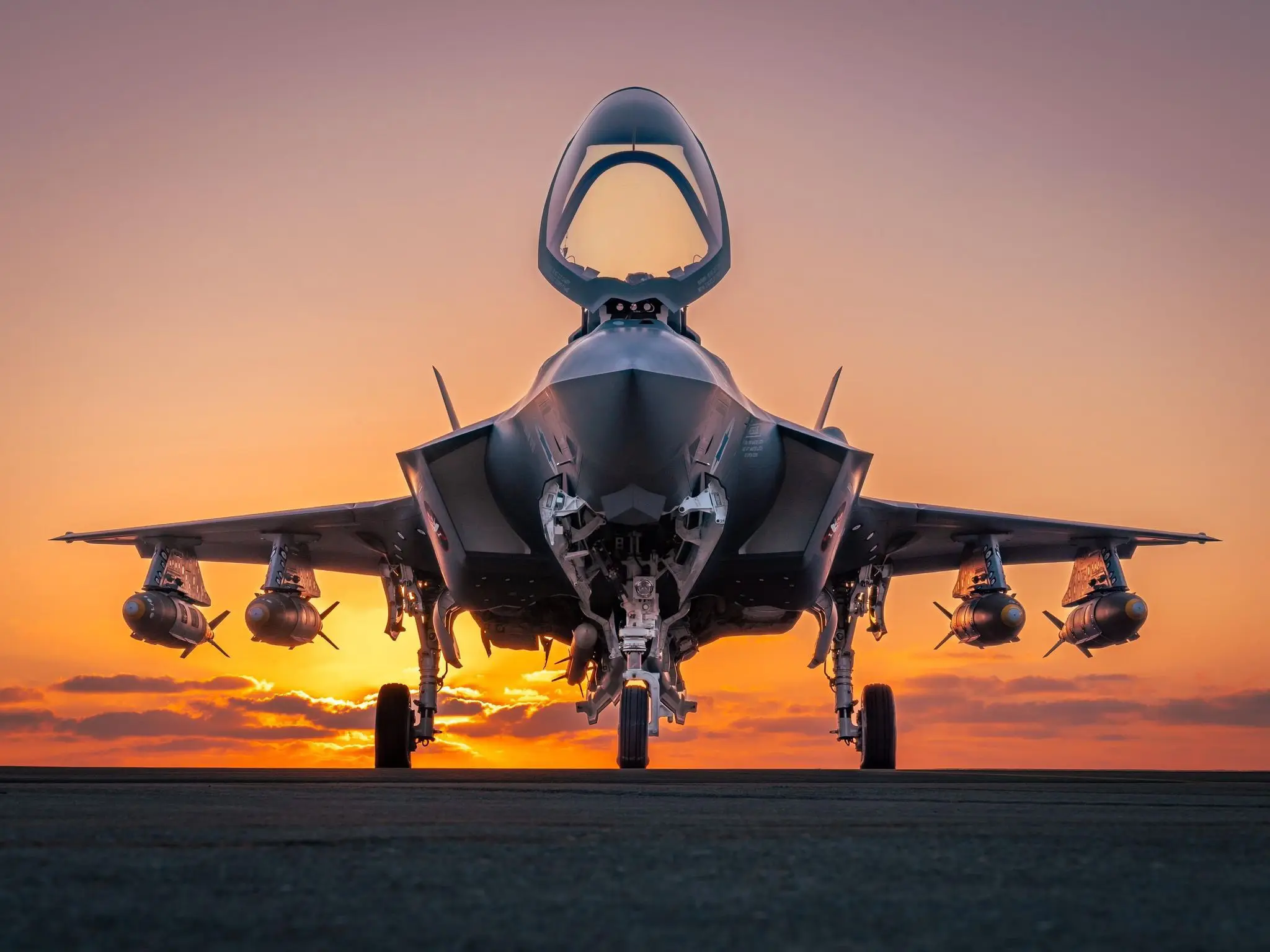
40,000 Pounds of Thrust
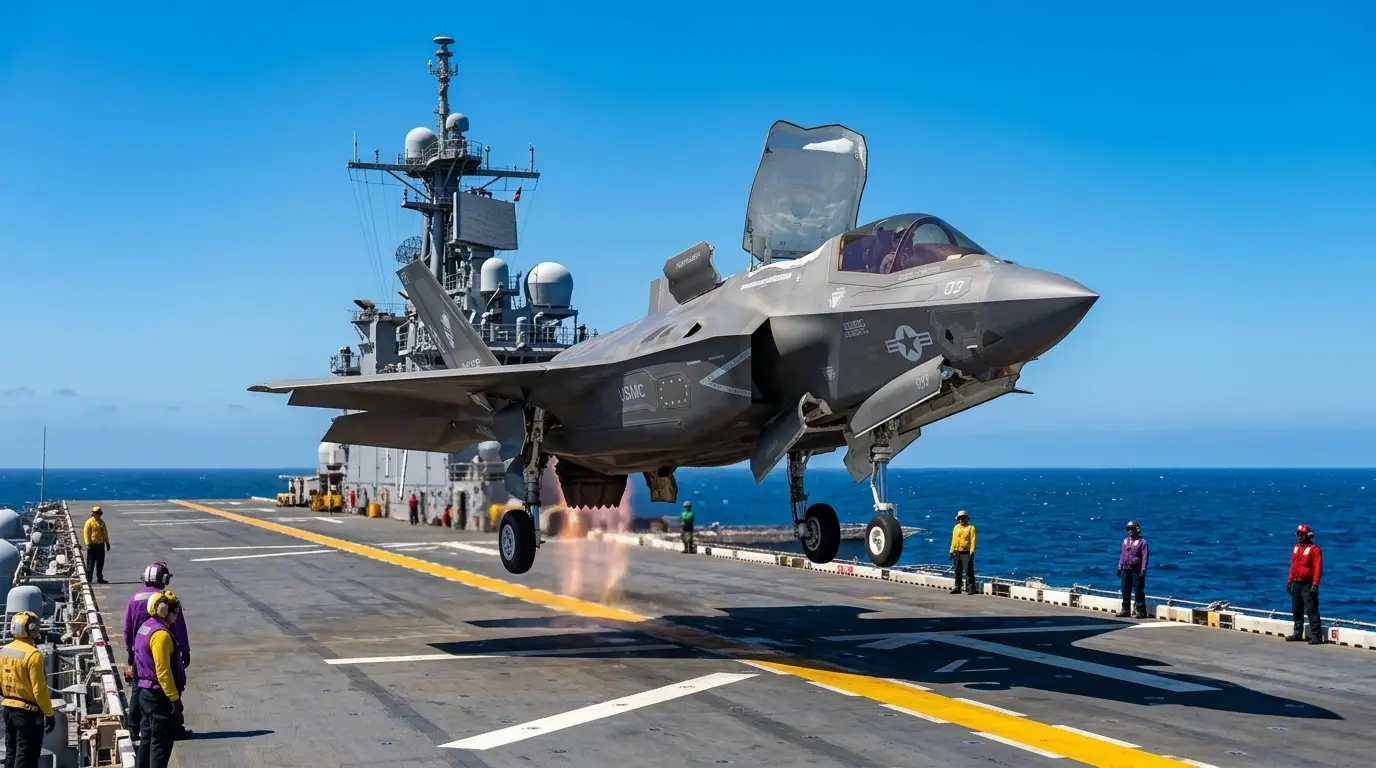
During recovery operations, the jet's rear exhaust nozzle mechanically pivots 90 degrees downward. Combined with the LiftFan, the aircraft channels over 40,000 pounds of vertical thrust to safely defy gravity and hover above the ship.
The Vertical Descent
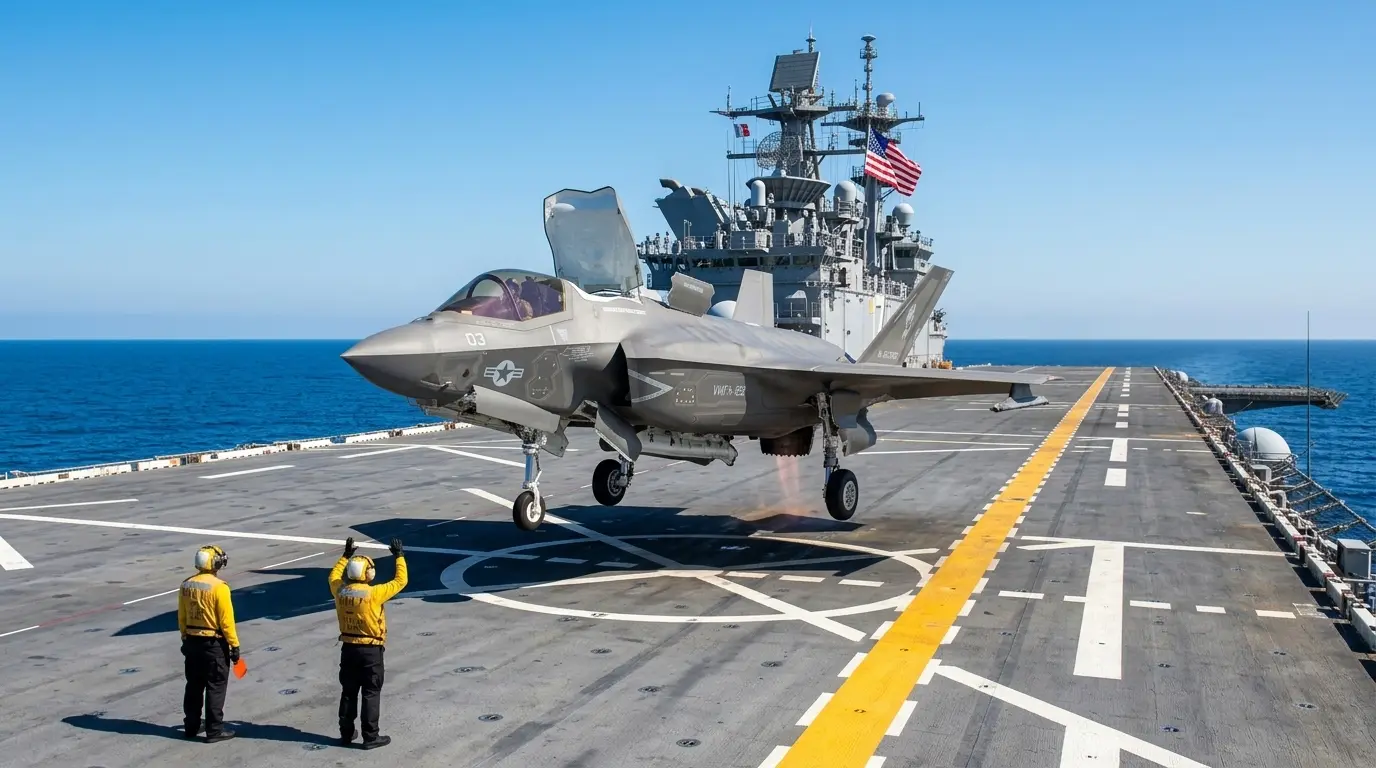
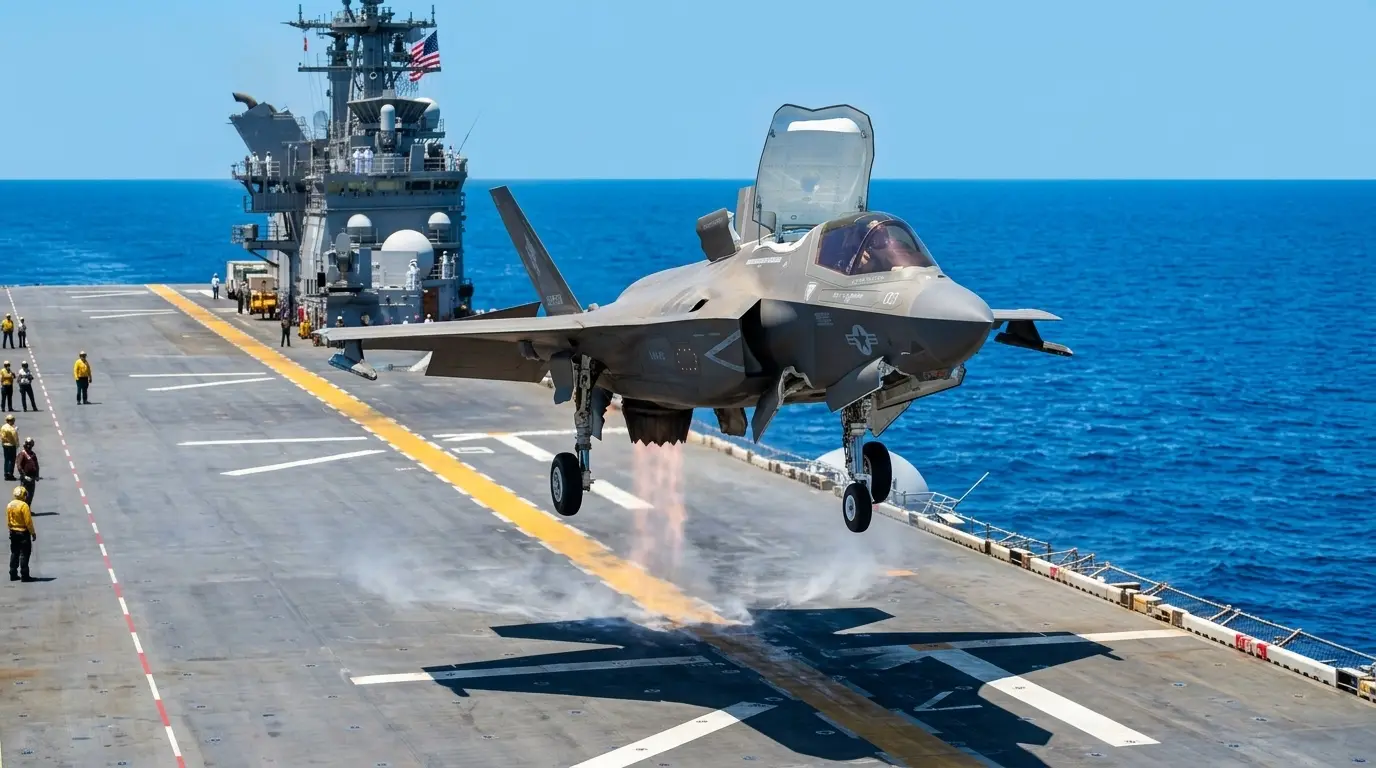
By perfectly balancing this tremendous downward thrust, the F-35B completely eliminates the need to violently snag an arresting wire at 150 miles per hour. Pilots simply hover alongside the USS Tripoli before executing a slow, highly controlled vertical descent onto the deck.
Thermion Heat Shields
Hovering a multi-million dollar stealth fighter generates sustained, highly concentrated jet exhaust that would normally warp standard steel. To survive this extreme heat, the USS Tripoli's flight deck is heavily reinforced with a specialised Thermion protective coating.
A Marine Corps Strike Force
Removing cumbersome arresting gear allows the Tripoli to operate as a highly lethal 'Lightning Carrier'. The warship can rapidly deploy up to 20 F-35B fighters to secure absolute air superiority during Marine Corps amphibious assaults.
)
)
)
)
)