Why F-22 tyres are filled with pure nitrogen instead of standard air

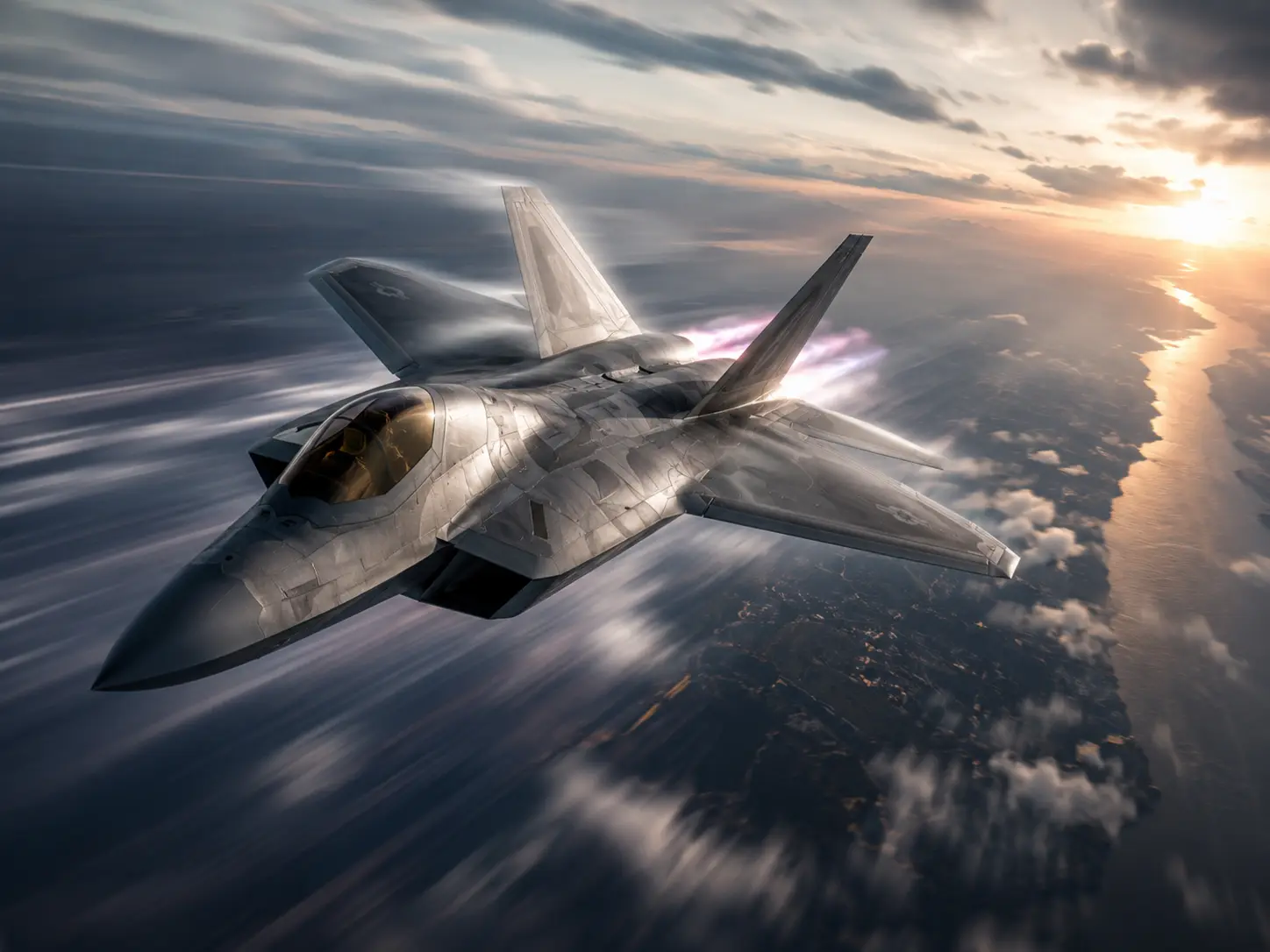
F-22 tyres use pure nitrogen at 229 PSI to prevent internal moisture from freezing at 50,000 feet. The inert gas prevents rubber oxidation and explosion risks during high-speed landings.
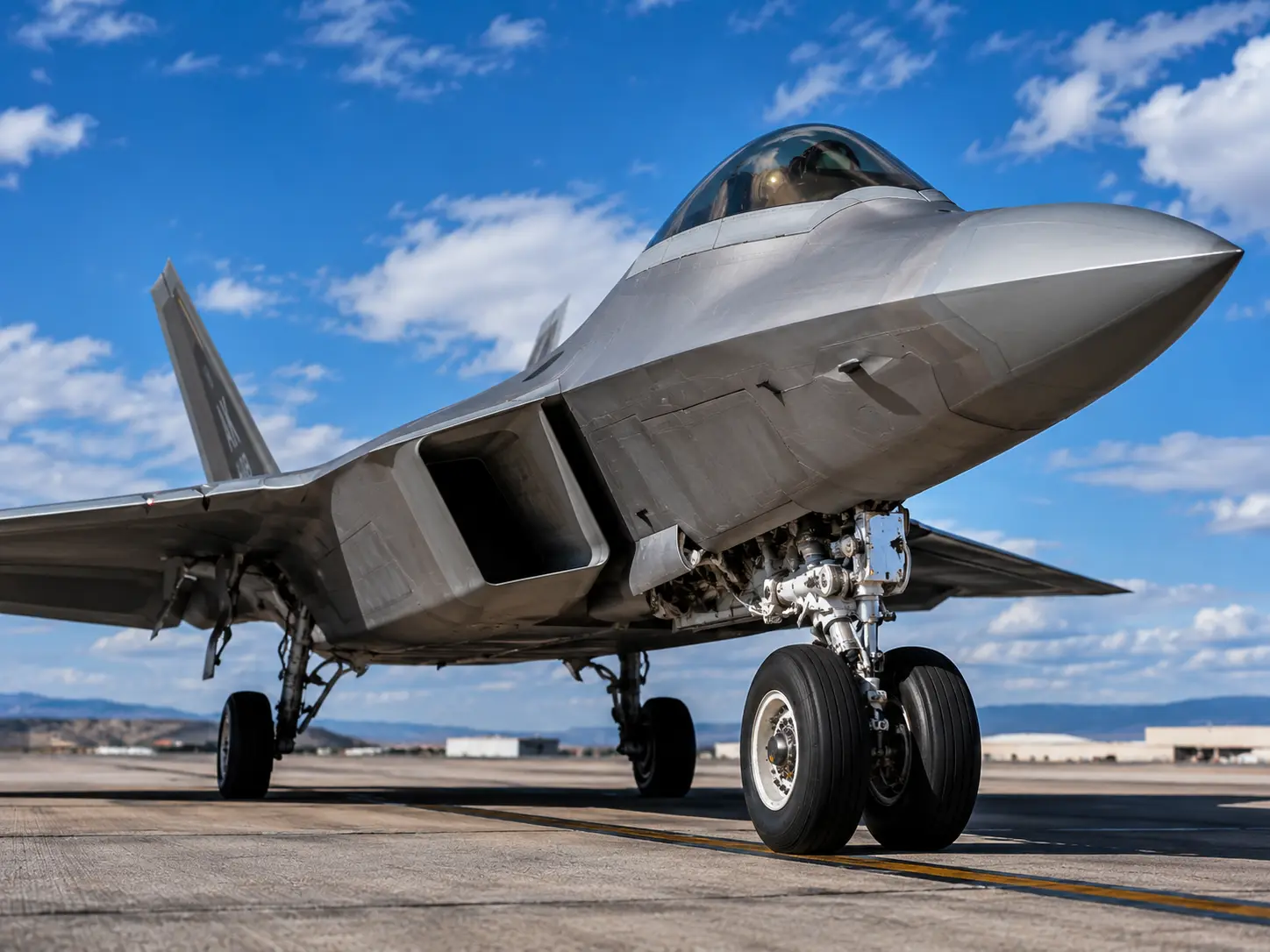
Inflated to 229 PSI
The F-22 Raptor’s main landing gear tyres are inflated to extreme pressures between 218 and 229 PSI. In comparison, standard passenger cars operate at roughly 32 PSI. Maintaining this high internal pressure is essential to support the 60,000-pound aircraft during rapid touch-downs on concrete runways.
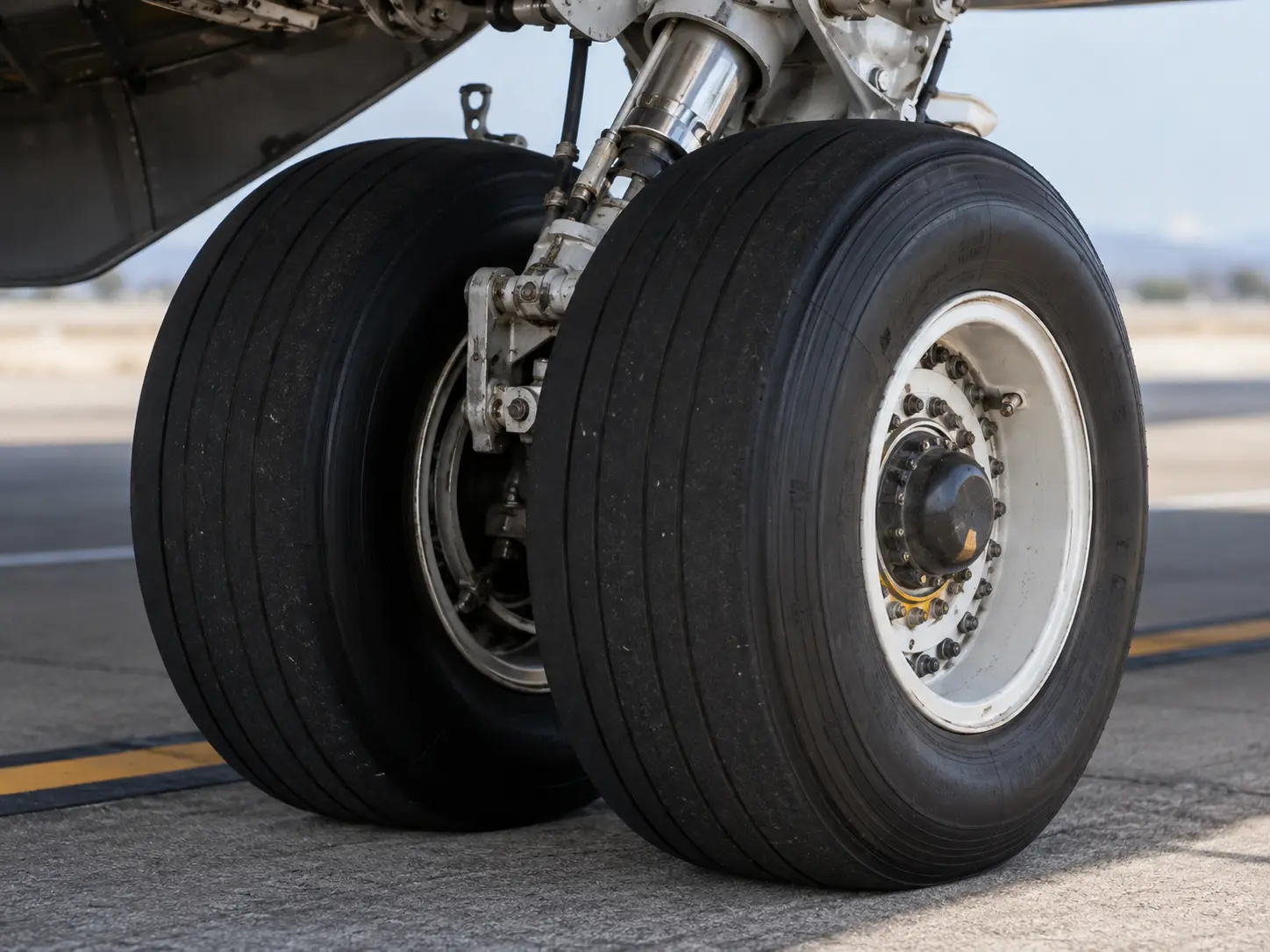
Bypassing 21 per cent oxygen
Regular atmospheric air contains roughly 21 per cent oxygen along with ambient water vapour. When an aircraft lands at high speeds, mechanical friction generates severe internal heat. Trapped oxygen reacts with the hot interior rubber in a process called oxidation, which weakens the tyre structure over successive sorties.
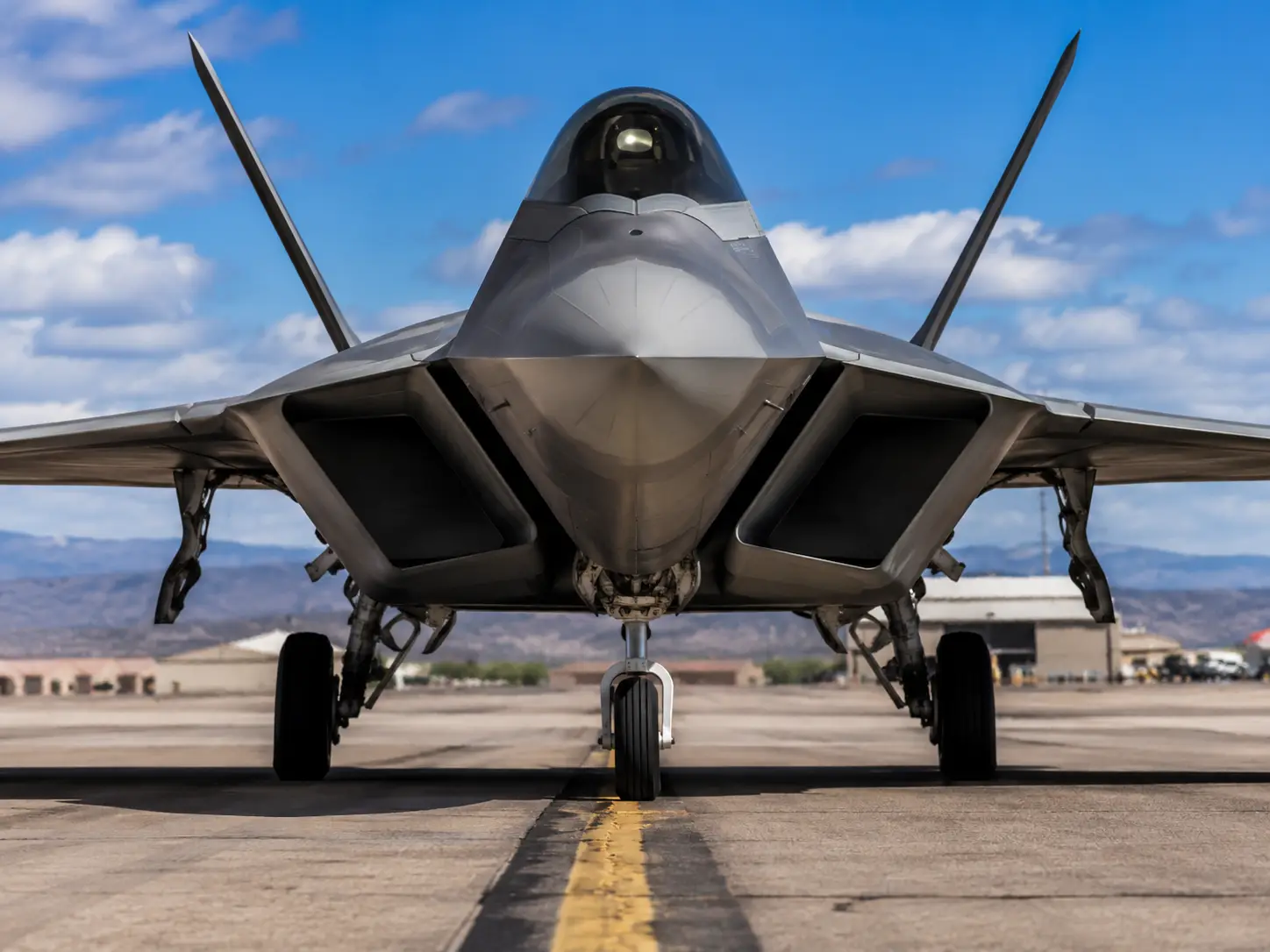
Freezing at 50,000 feet
The stealth fighter operates on routine patrols at altitudes exceeding 50,000 feet, where outside temperatures drop below -50°C. Any moisture trapped inside standard air condenses and freezes into ice crystals at these heights. This internal icing creates structural imbalances and causes severe pressure drops.
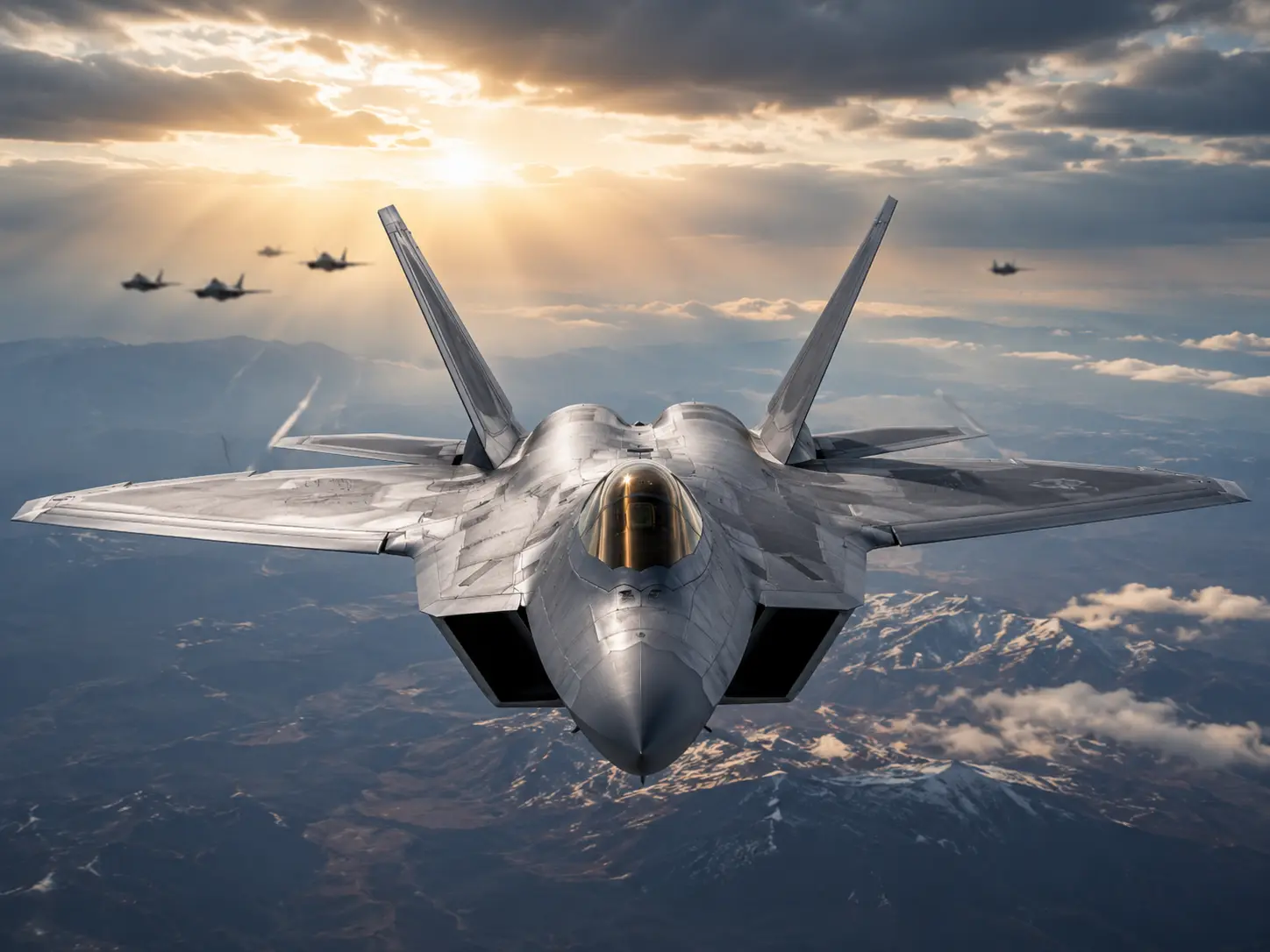
100 per cent inert
Technicians service the landing gear using dedicated ground carts that supply pure dry nitrogen. Because nitrogen is a completely stable, inert gas, it introduces zero water vapour into the wheel. This ensures the inflation pressure remains completely uniform regardless of extreme altitude temperature shifts.
Surviving 150-knot landing speeds
During a 150-knot landing or an emergency aborted take-off, core tyre temperatures rise rapidly. If standard air were used, the expanding oxygen and moisture could cause the heavy rubber to burst. Pure nitrogen removes flammable oxygen, giving the wheel assembly the thermal resistance needed to survive heavy friction.
)
)
)
)
)