Why F-22 Radar Absorbent Material (RAM) requires constant inspection

The F-22 requires constant inspection of its RAM skin to repair cracks and erosion. Maintaining surface integrity is vital to prevent radar scattering and preserve the jet's stealth capabilities.
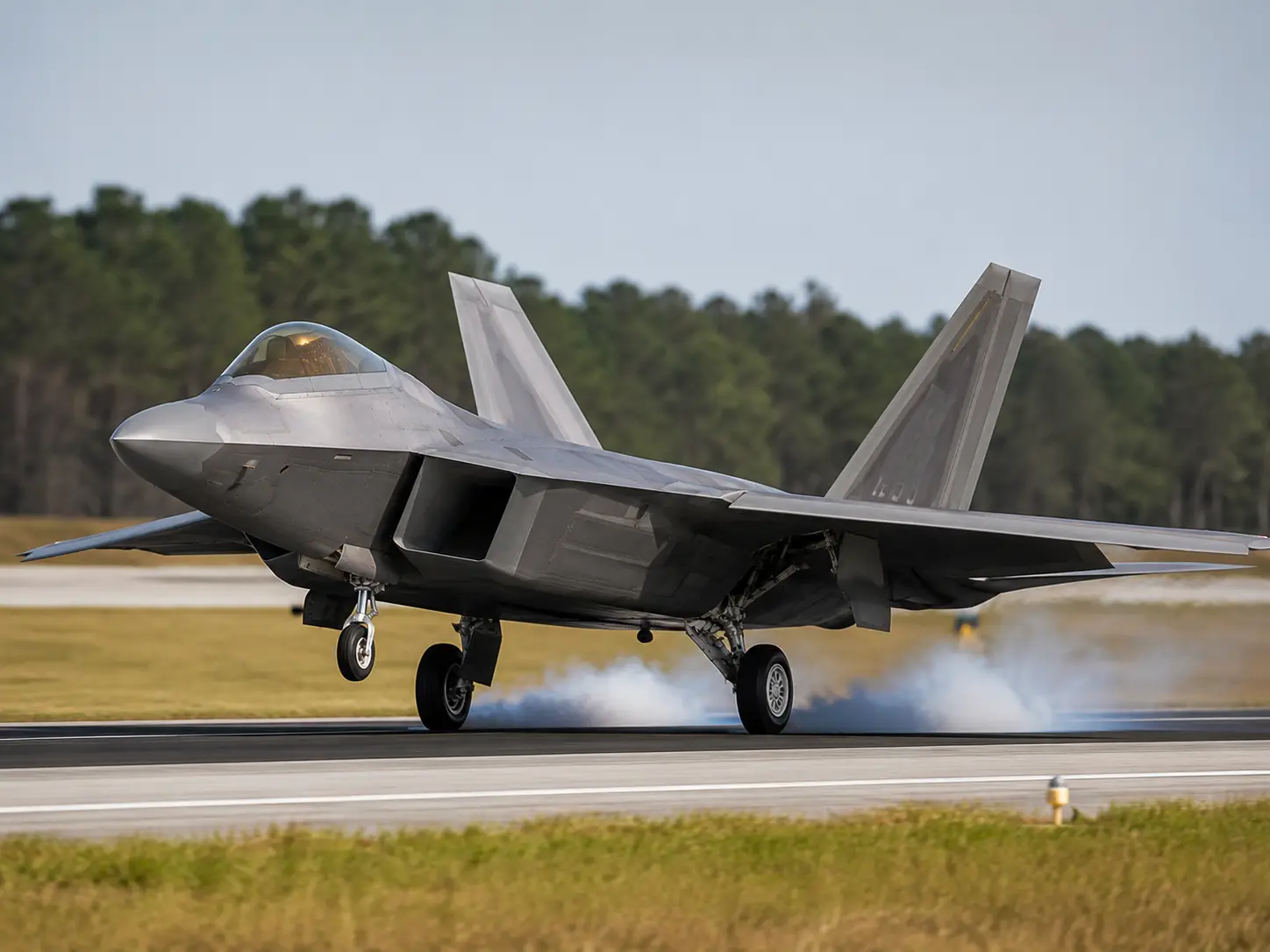
Preventing Signal Reflection
The F-22 uses specialised RAM coatings to absorb and dissipate incoming radar waves, significantly reducing the aircraft's radar cross-section. Even small cracks, chips, or peeling sections in this material can create unwanted radar reflections that compromise the jet’s low-observable profile.
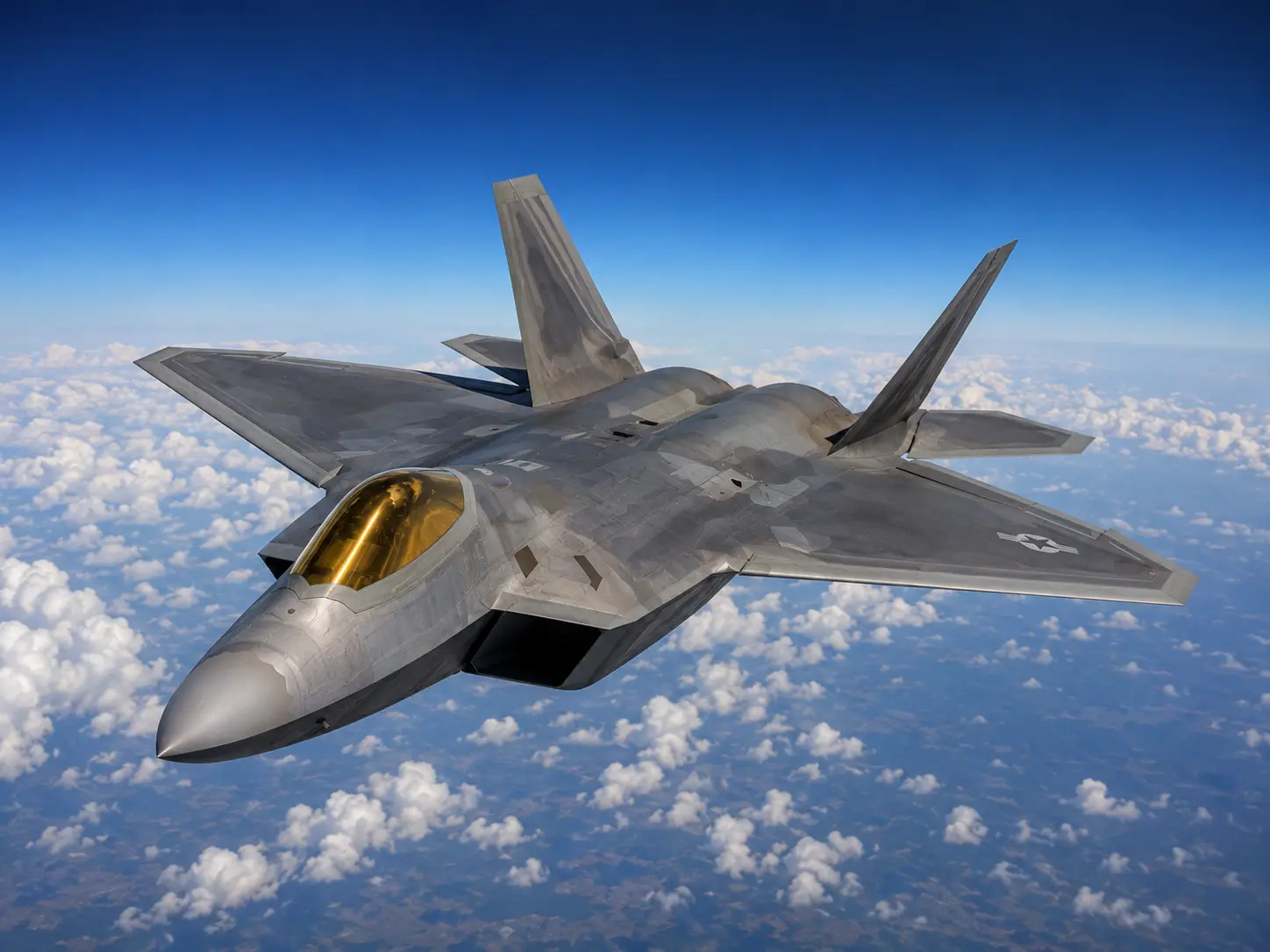
Extreme Weather Resistance
The Raptor operates in environments ranging from high-altitude cold to intense desert heat, causing the airframe to expand and contract. These thermal fluctuations put constant stress on the RAM skin, requiring daily checks to ensure the material does not flake off or degrade under environmental pressure.
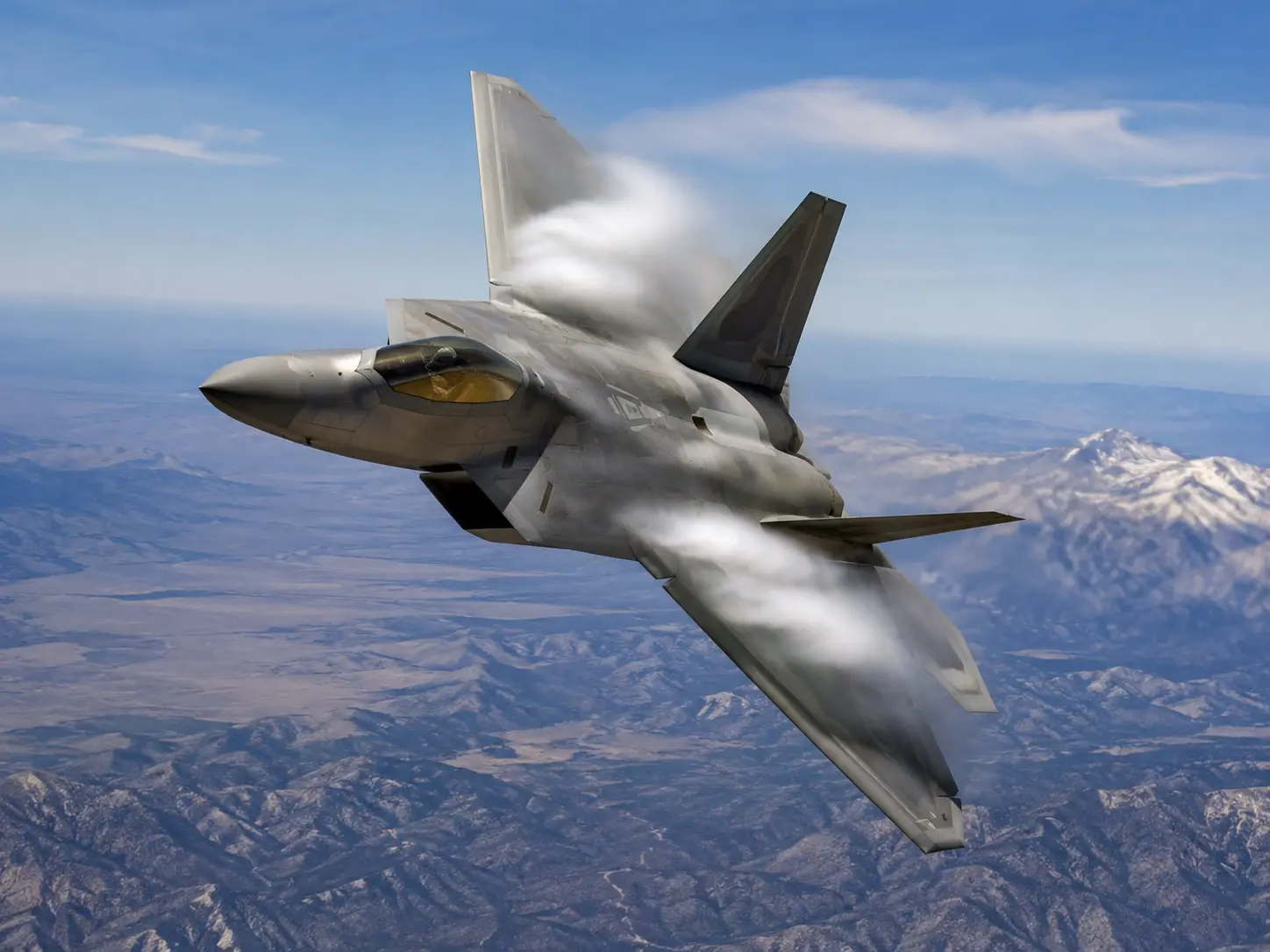
High-Speed Structural Stress
Supersonic flight generates immense pressure and friction across the F-22’s outer surfaces, particularly near engine intakes and leading edges. This aerodynamic force can cause the coating to erode or lift, making post-mission inspections mandatory to maintain a perfectly smooth surface finish.
Ensuring Stealth Efficiency
Stealth is only effective if the aircraft's surface integrity remains nearly perfect to prevent any scattering of radar energy. Technicians must inspect the skin for microscopic gaps that would otherwise reveal the F-22’s position to enemy sensors during critical missions.
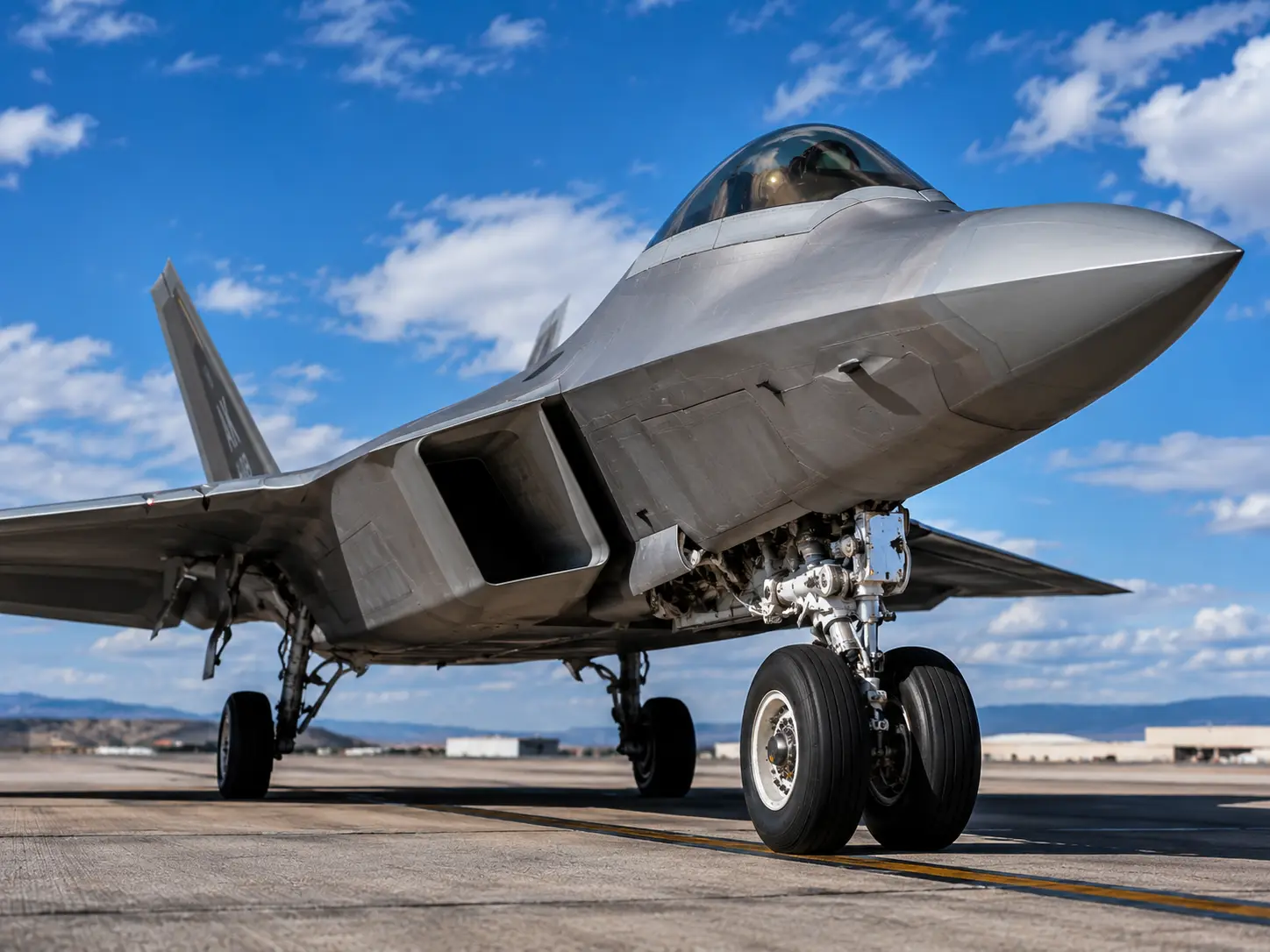
High Maintenance Demands
Maintaining the Raptor's low-observable skin requires significant labour hours compared to conventional fighter aircraft. Surface upkeep represents a major portion of the F-22's overall maintenance cycle, with every flight hour necessitating extensive post-mission checks to keep the jet hidden.
)
)
)
)
)