Why F-22 pilots don't wear the $400,000 helmets used by F-35 pilots

The F-35 relies on a $400,000 visor display. F-22 pilots wear standard gear because their 1990s canopy lacks physical headroom and computing space for the bulky upgrade.
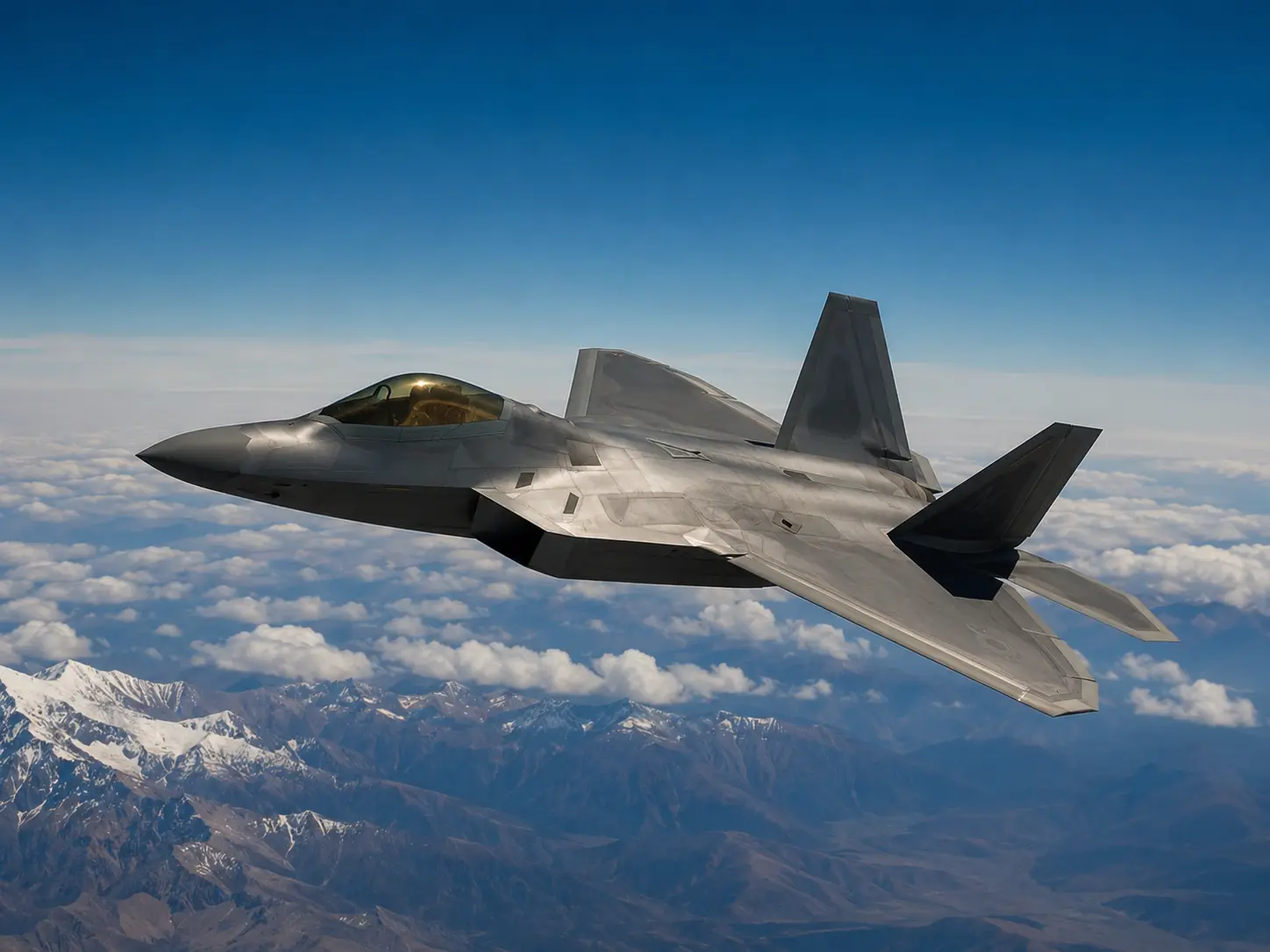
$400,000 Custom Visor Tech
Every F-35 pilot receives a bespoke helmet costing roughly $400,000. It replaces the traditional glass Heads-Up Display (HUD) by projecting all radar, airspeed, and target reticles directly onto the visor. Connected to six external infrared cameras, it lets pilots look straight through the cockpit floor to track incoming threats.
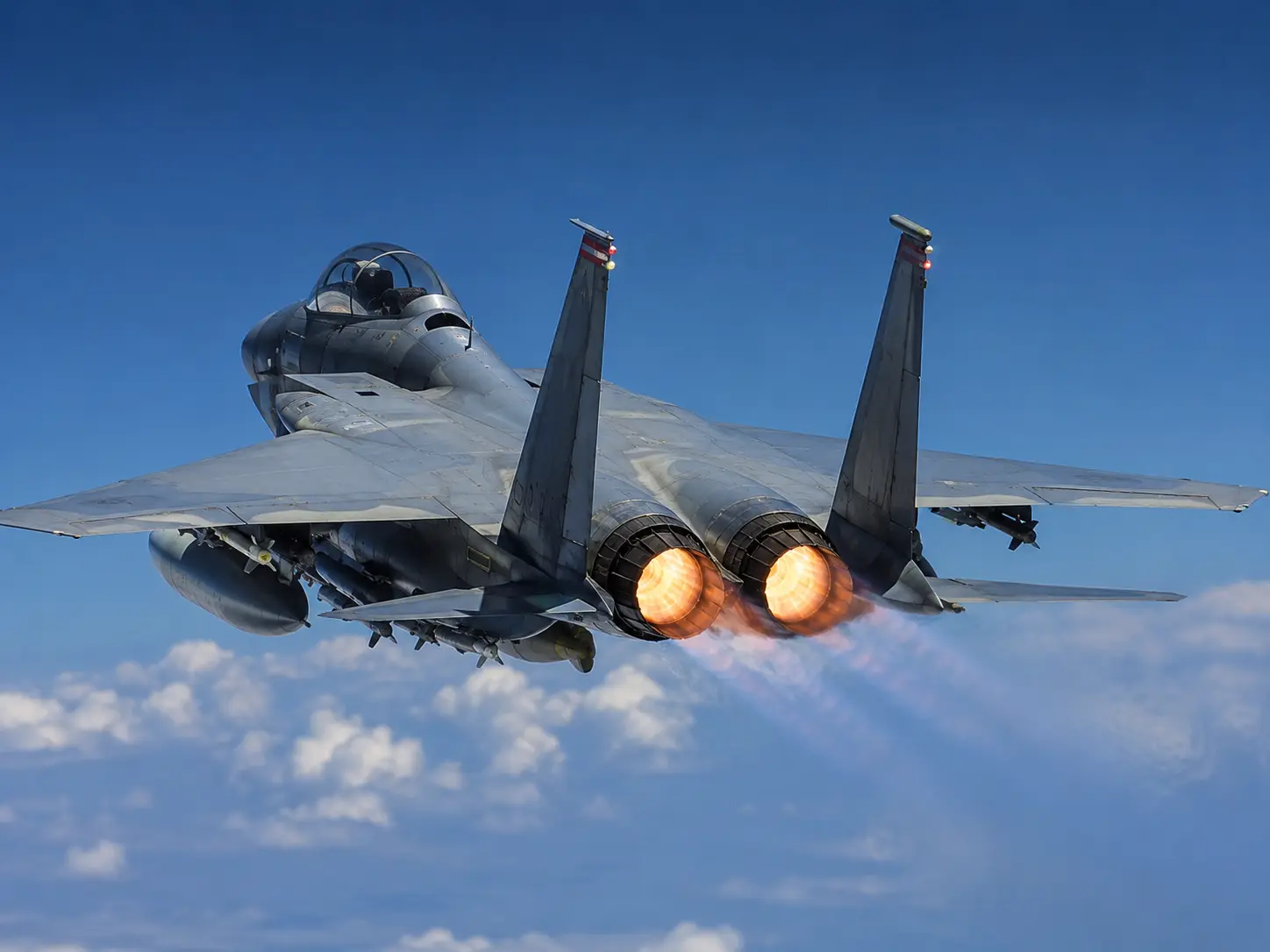
Zero Magnetic Sensor Space
Standard targeting helmets track pilot head movements using internal magnetic fields. However, the F-22 cockpit is packed with specialised stealth coatings and legacy wiring that distort these magnetic signals. Furthermore, aerospace engineers confirmed the jet's crowded internal avionics bays lack the physical real estate to install bulky F-35 computer processors.
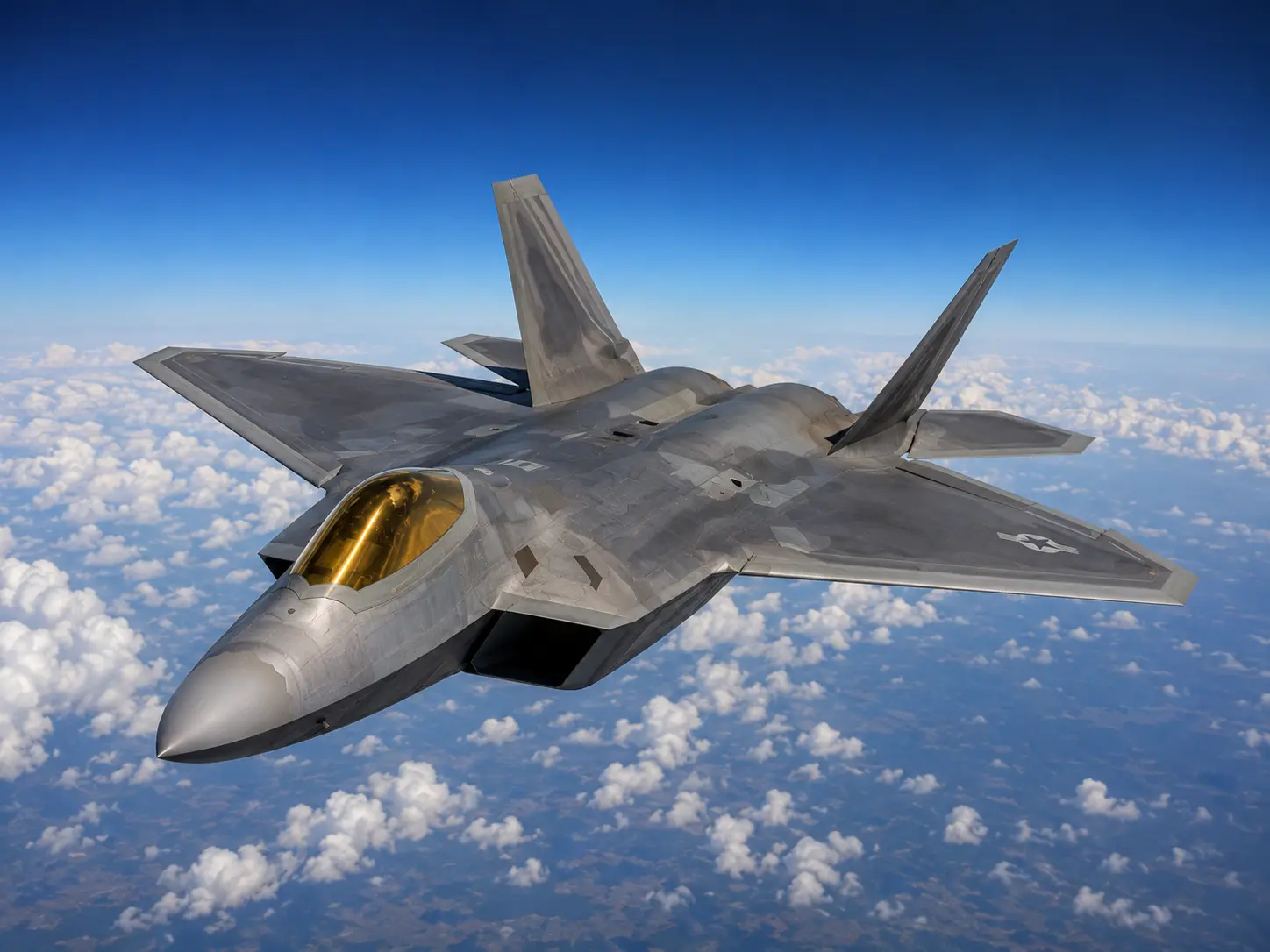
Zero Built-In HUD Screens
The F-35 was engineered with zero physical Heads-Up Display glass on its dashboard, making the advanced helmet mandatory for flight. In contrast, the F-22 Raptor was built in the 1990s with a classic glass HUD sitting above its primary liquid crystal displays. F-22 pilots already have their vital flight metrics directly in their forward eye line.
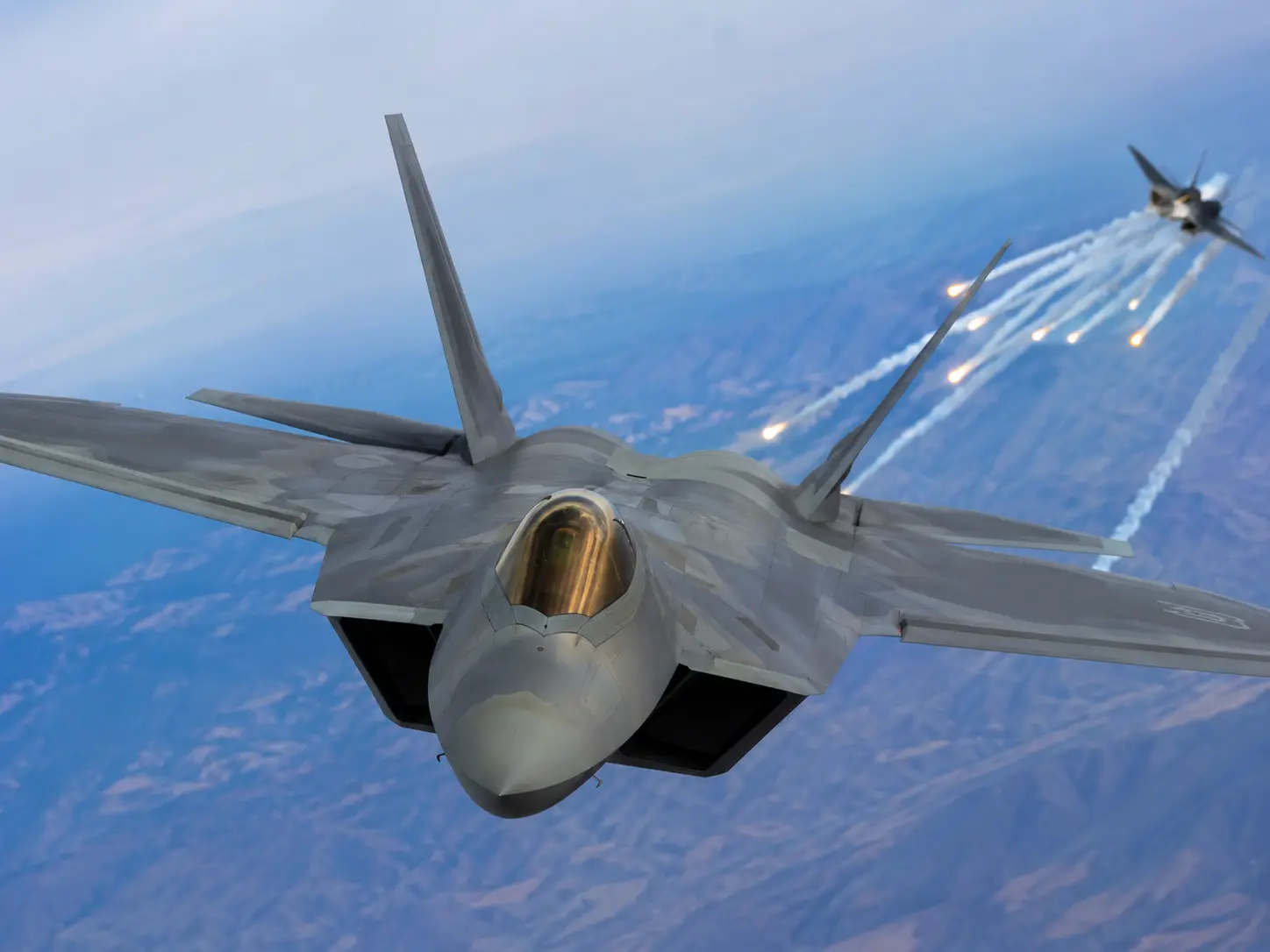
1990s Canopy Space Limits
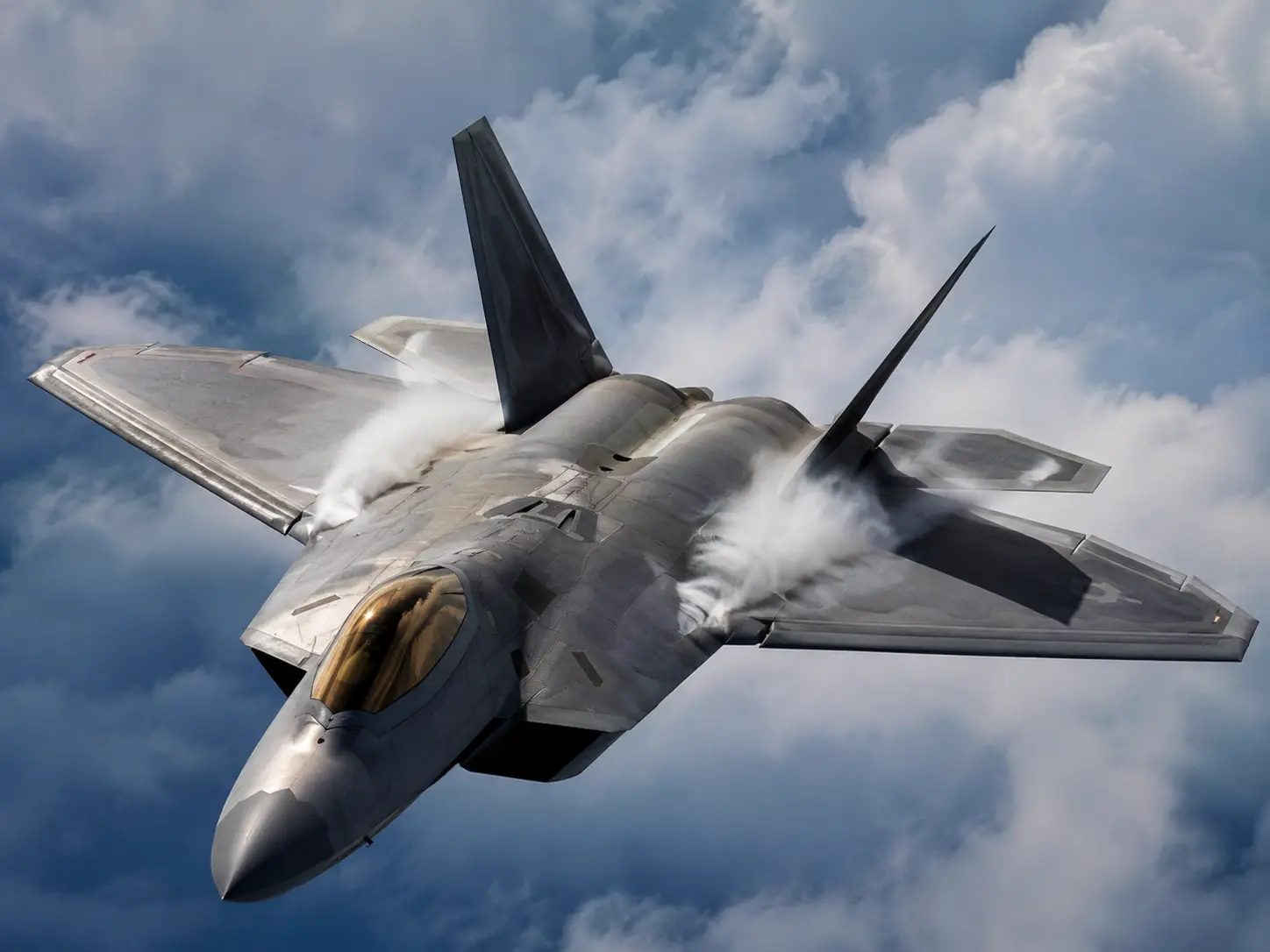
The F-22 features a compact, steeply sloped cockpit canopy designed to keep its radar cross-section as small as possible. Air Force pilots confirm there is physically insufficient clearance under the glass to wear bulky display helmets. During high-G combat manoeuvres, a larger helmet would restrict head movement and repeatedly strike the canopy.
187 Raptor Fleet Tactics
With only 187 Raptors built, retrofitting the entire fleet with redesigned canopies and modern optical wiring would cost billions. The Air Force deems it unnecessary because the supersonic jet is built to destroy enemies from far away using stealth. Pilots continue wearing traditional HGU-55/P flight helmets paired with simple bolt-on monocles to maintain maximum tactical agility.
)
)
)
)
)