Why Bangladesh's Eurofighter Typhoon can't be used for low-altitude strike missions like India’s Jaguar

Eurofighter is built for high-altitude air combat, while Jaguar specialises in low-level deep strike. Typhoon lacks terrain-following and structural features needed for Jaguar-style missions.
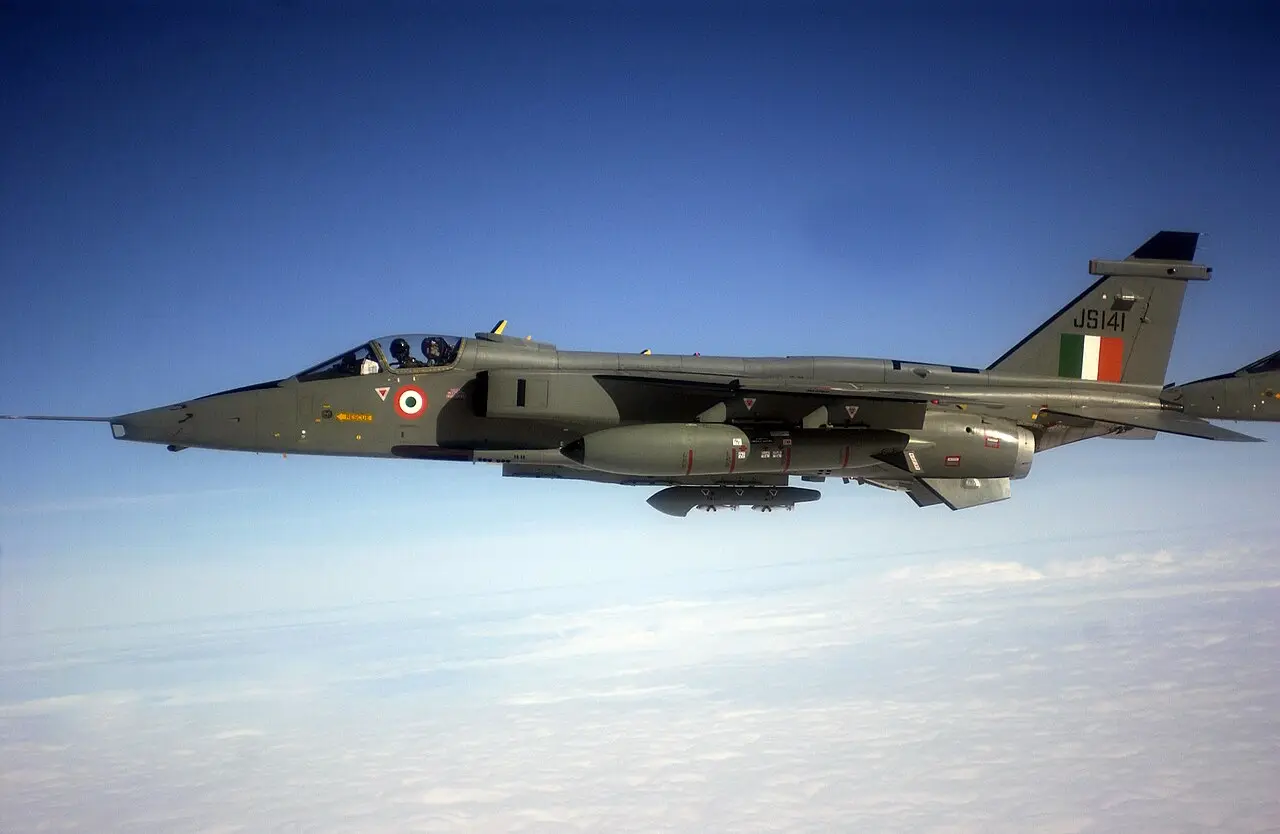
Jaguar is a dedicated low-level strike aircraft
SEPECAT Jaguar was built specifically for deep-penetration ground attack. Its design, airframe strength, engines, avionics, and weapons, optimises for low-level strike in defended airspace.
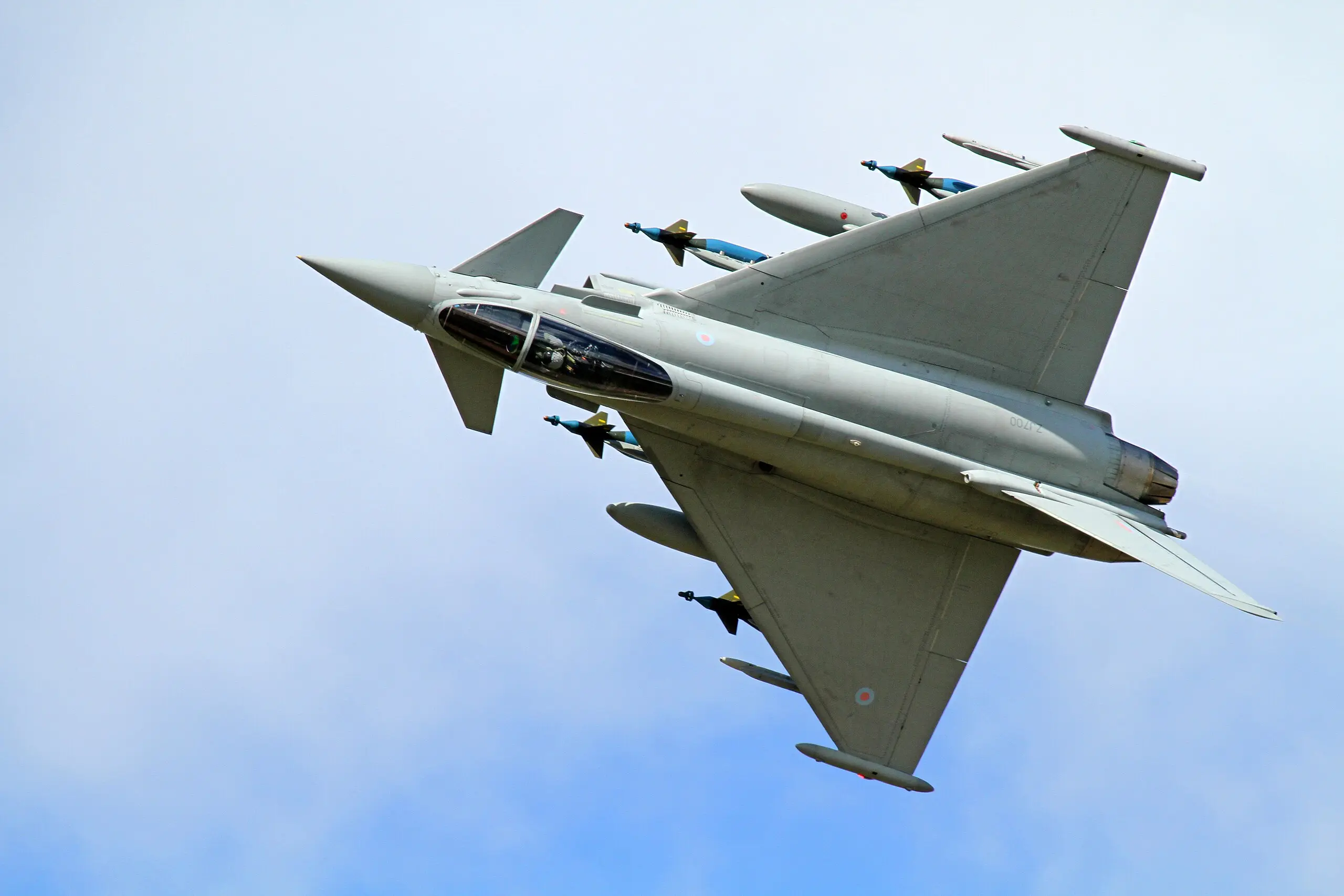
Eurofighter is an air-superiority focused fighter
Eurofighter Typhoon was designed mainly for air-superiority missions, with strong interceptor capability. Its airframe, engines, and avionics prioritise speed, agility, and long-range air combat.
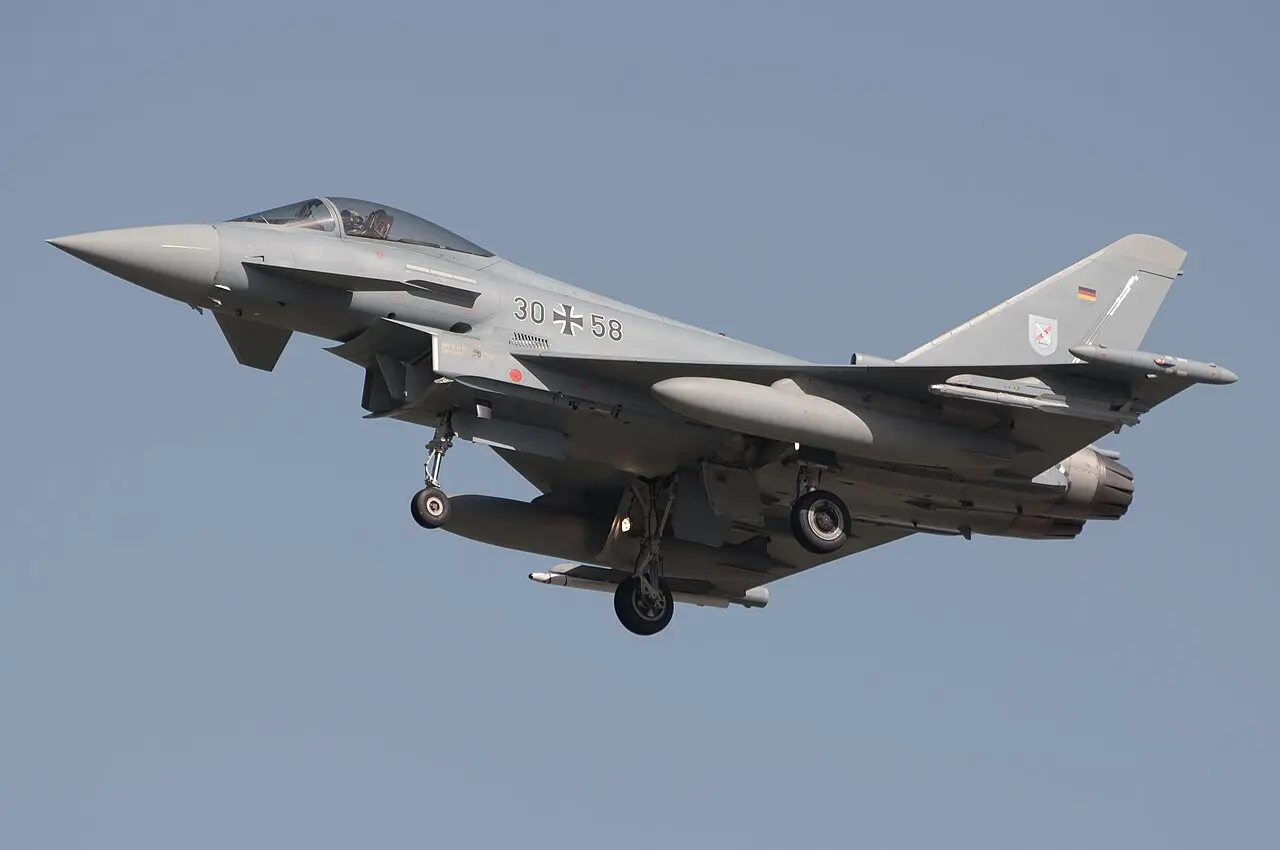
Mach 2.0+ at altitude, only Mach 1.2 at low level
Typhoon reaches over Mach 2 at high altitude, but only about Mach 1.2 at sea level. High-altitude speed is useful for interception, not for sustained low-level strike missions.
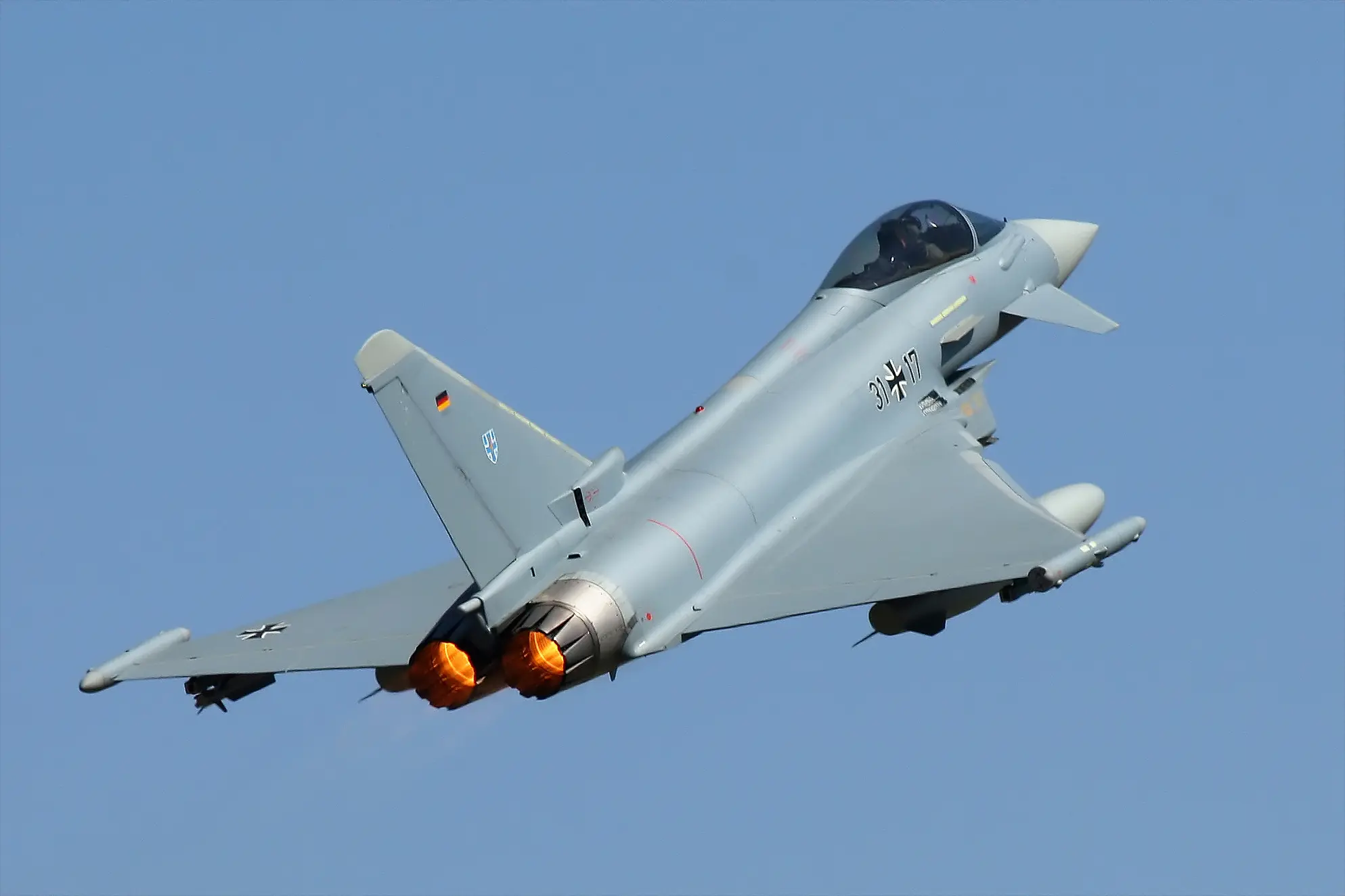
Operational ceiling around 16,800 metres
Eurofighter can fly up to about 16,800 metres, enabling high-altitude missile engagements. Deep-strike aircraft generally focus on low-level penetration, not extreme altitude.
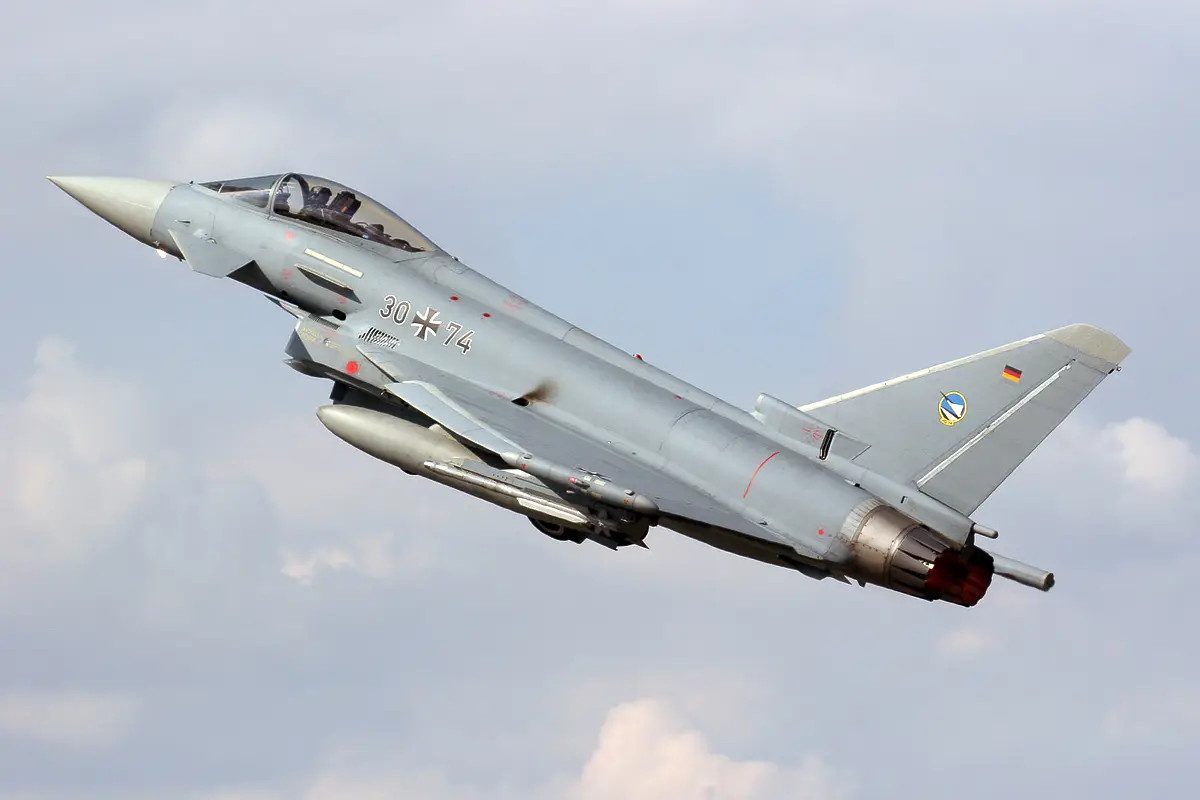
Jaguar carries up to 4,500 kg of strike weapons
Jaguar supports around 4,500 kg of bombs, rockets, guided missiles, and anti-radiation weapons. Typhoon can carry ground weapons too, but its design prioritises air-to-air loadouts.
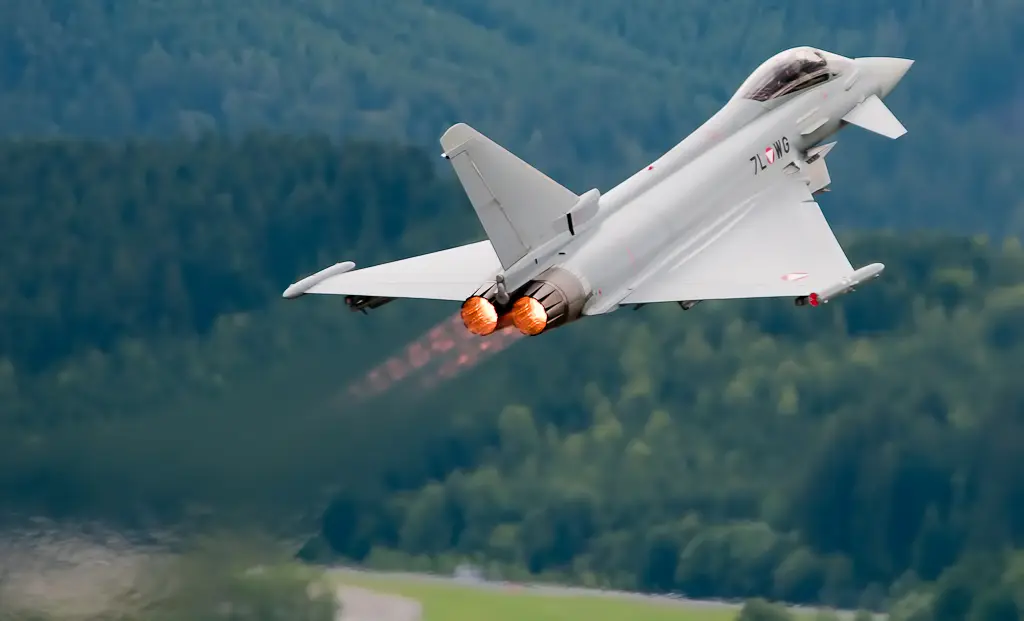
Terrain-following radar for low-altitude penetration
Many Jaguar variants use terrain-following radar that enables automatic flight below 300 feet while maintaining terrain clearance. Eurofighter does not have terrain-following radar.
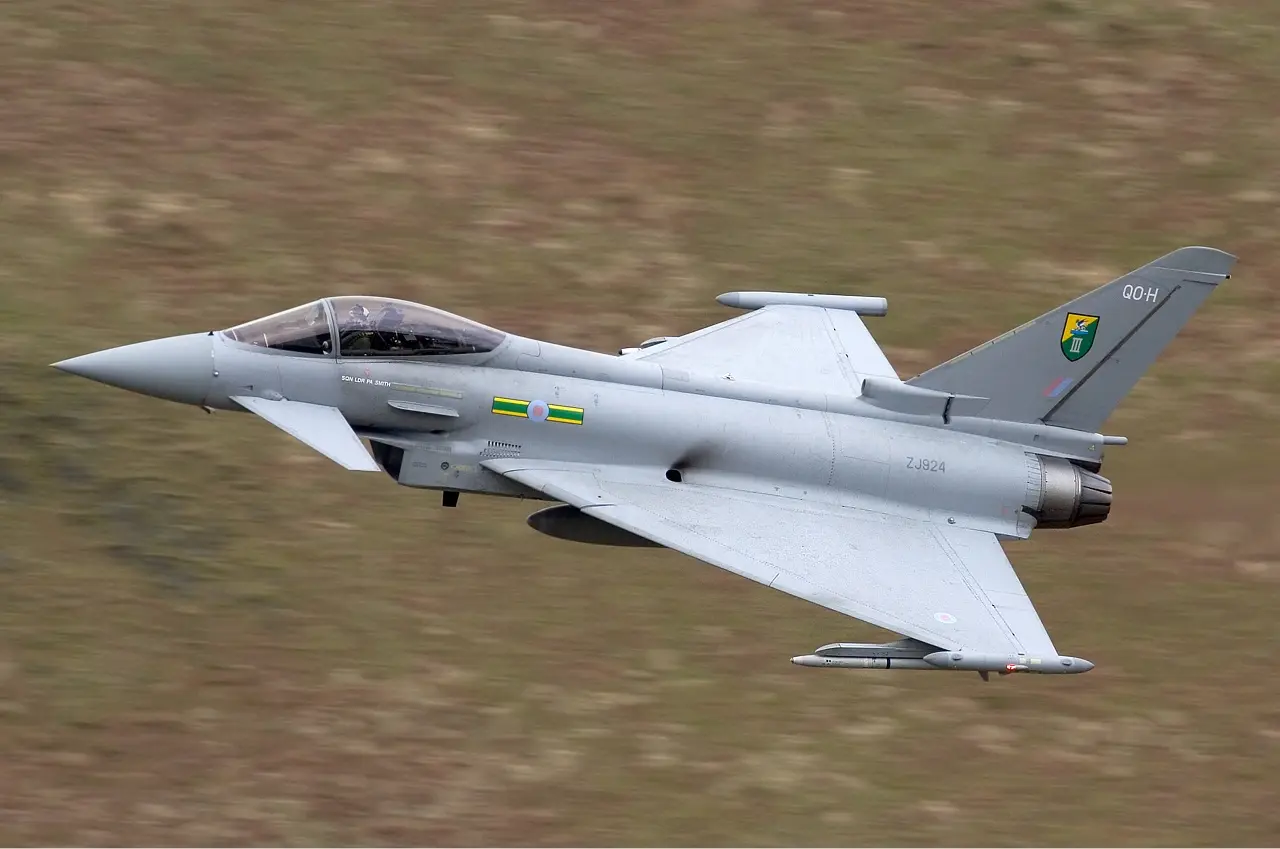
Low-level missions need reinforced airframes
Sustained low-altitude flying demands airframes built to handle turbulence, G-loads, and weapons release stresses close to the ground. Eurofighter’s structure is optimised for high-altitude manoeuvring.
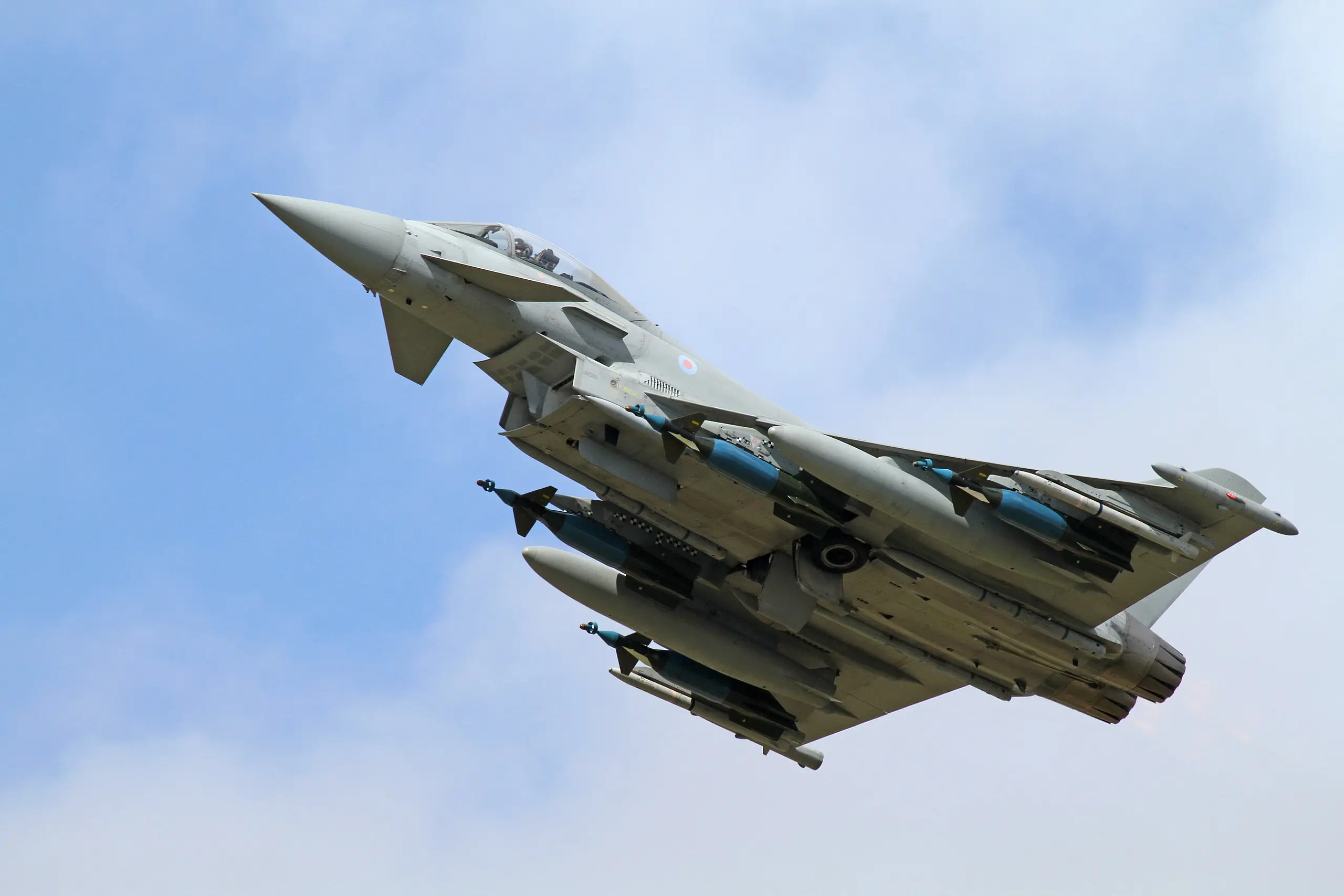
Jaguar low-level combat radius around 900 km
Jaguar can strike targets roughly 850-900 km away during low-level missions. This allows deep penetration while staying under enemy radar through terrain masking.
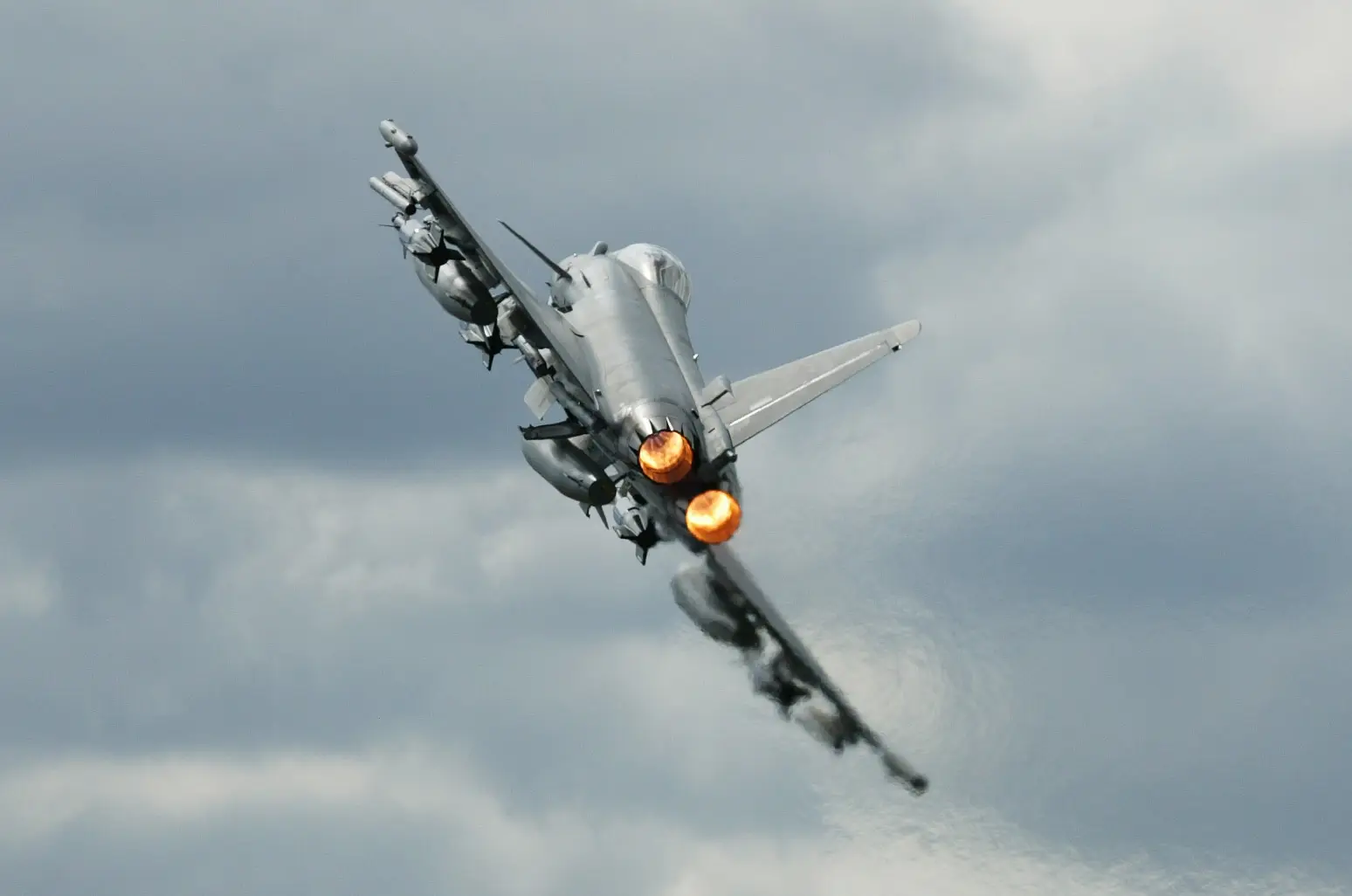
Eurofighter radar is built for air combat, not deep strike
Typhoon’s AESA radar includes ground-mapping modes, but it is primarily designed for air-search and long-range missile engagements. It lacks the terrain-following capability essential for deep-strike roles.
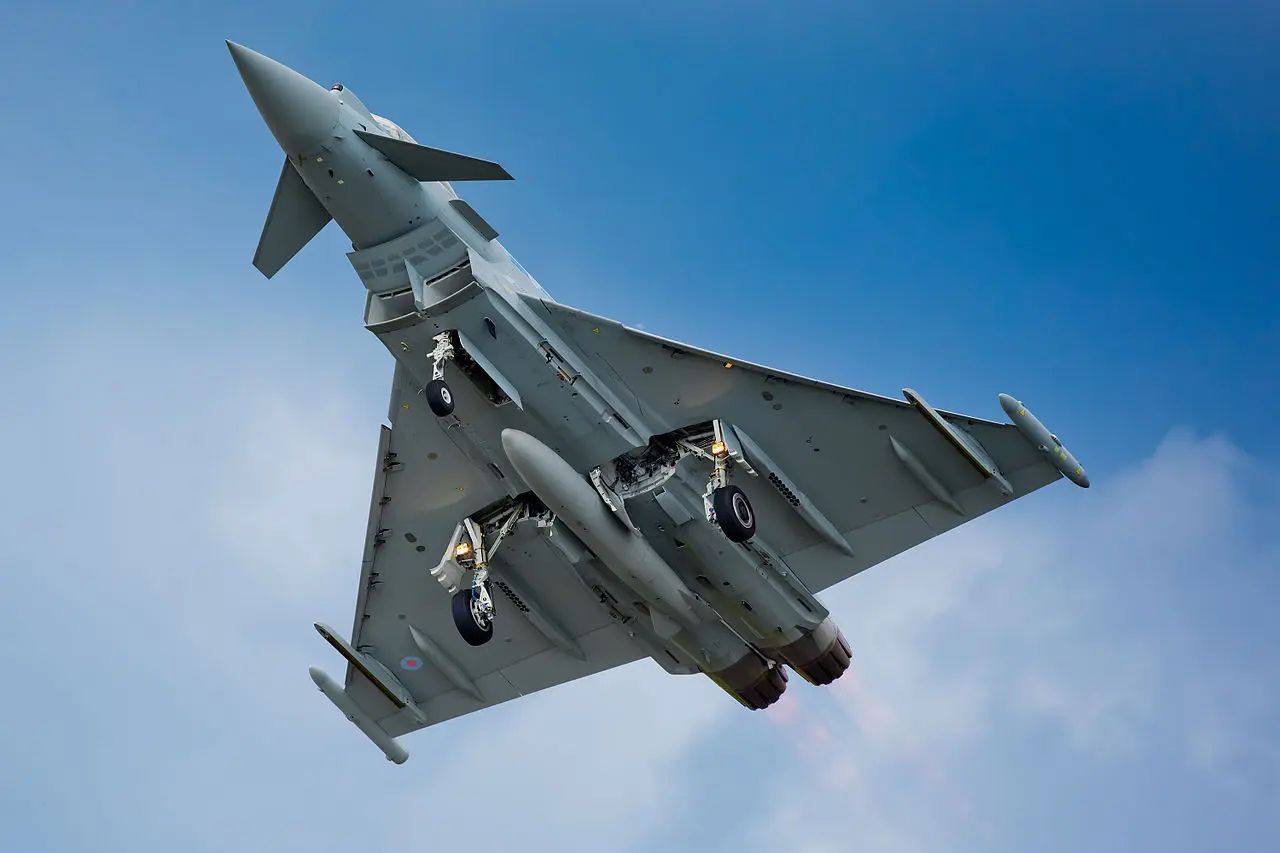
Major design differences make role replacement unrealistic
Turning Eurofighter into a Jaguar-style deep-strike aircraft would require terrain-following radar, new avionics, and structural changes. This would compromise its air-superiority strengths and be impractical.
)
)
)
)
)