Why energy chokepoints matter more than oil reserves today

Energy chokepoints like Hormuz and Malacca control the daily flow of global fuel, making them more critical than static reserves. Disruptions at these bottlenecks cause instant economic shockwaves because alternative pipelines lack capacity and markets react immediately to transit threats.
Access beats ownership Flow is vital for survival
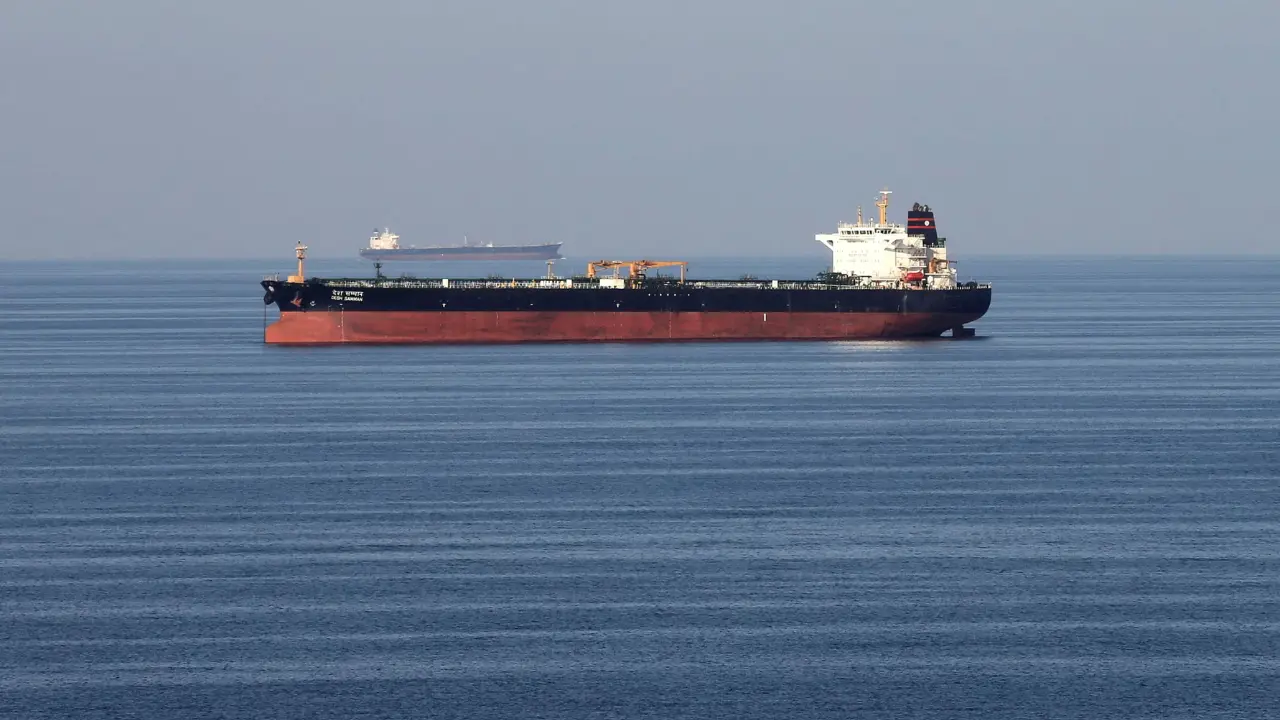
Owning oil is useless if it cannot reach the market. The US Energy Information Administration (EIA) notes that over 60 per cent of the world's oil moves on maritime routes, making the security of transit corridors more immediately critical than underground assets.
Strait of Hormuz: 21 million barrels
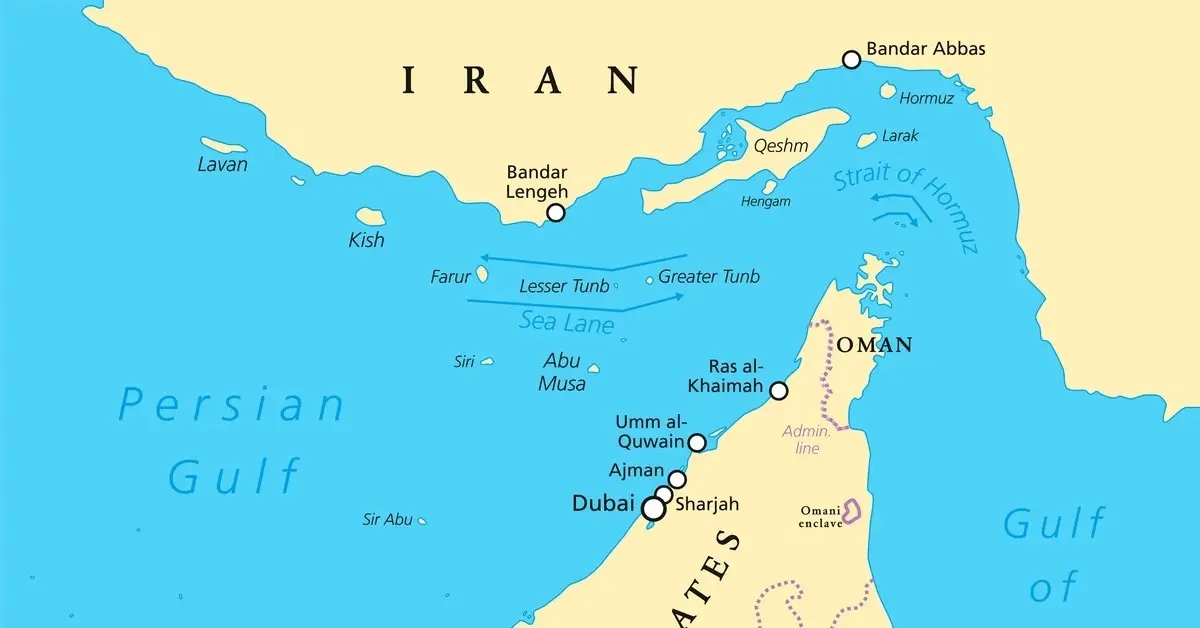
The Strait of Hormuz handles roughly 21 million barrels of oil daily, about 21 per cent of global consumption. A blockade here stops this flow instantly, whereas having vast reserves in the ground offers no immediate relief to a market starving for fuel.
Asia’s fragile lifeline Strait of Malacca’s critical role
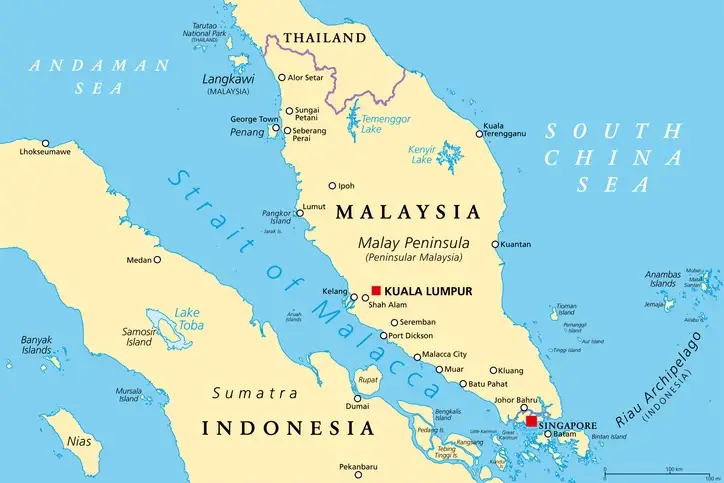
The Strait of Malacca sees roughly 16 million barrels pass daily, fueling China and Japan. Experts warn that a disruption here would cripple major Asian economies within weeks, rendering their strategic reserves insufficient against a prolonged blockage.

Instant price shocks Markets react to transit threats
Oil prices react far faster to transport threats than reserve reports. A single security incident at a chokepoint triggers immediate panic buying and inflation, proving that the stability of flow dictates daily economic health more than the volume of reserves.
Chokepoints
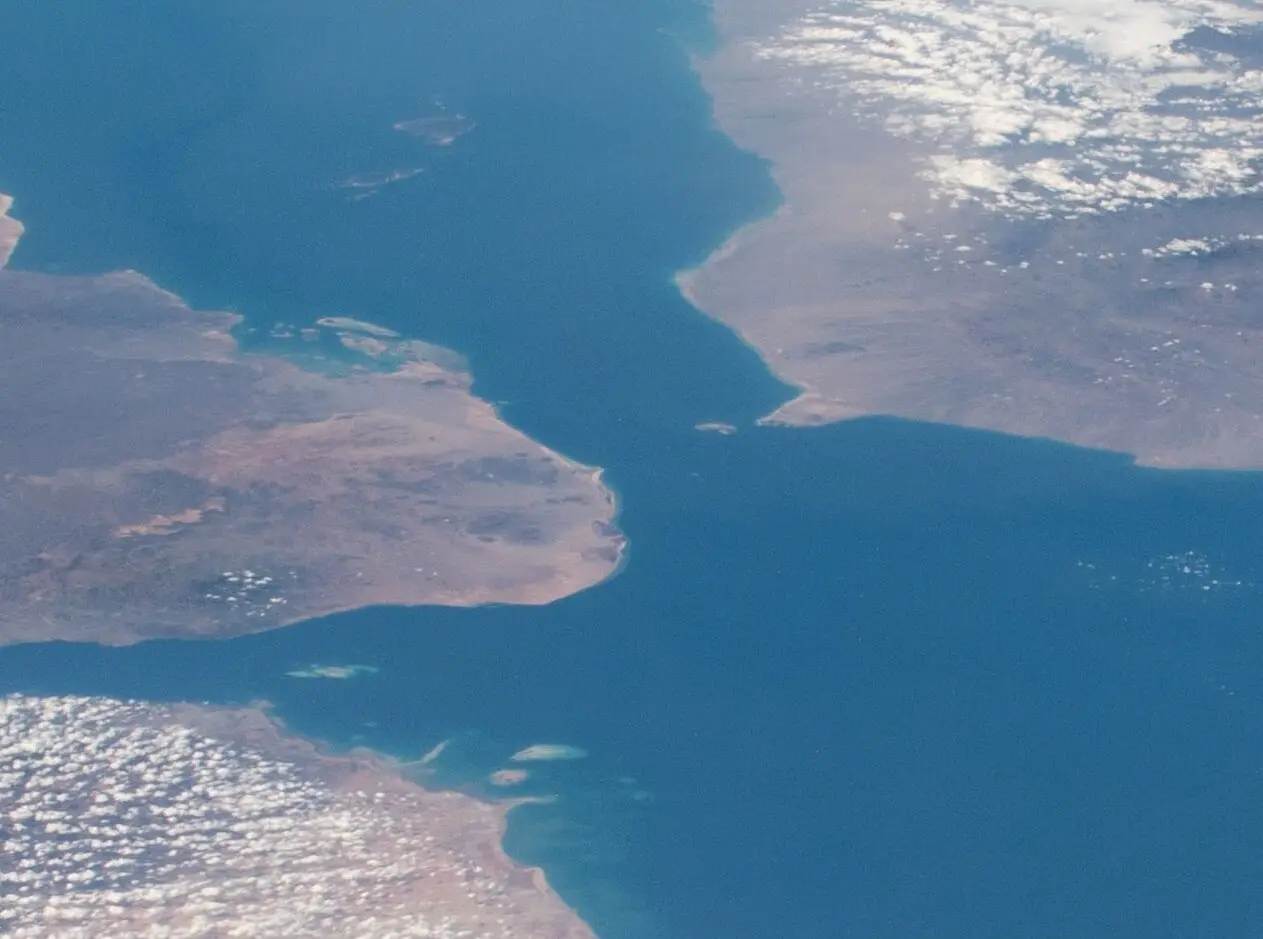
Chokepoints allow smaller nations or militant groups to hold the global economy hostage. By threatening a narrow channel like Bab el-Mandeb, groups can exert geopolitical influence far beyond their military size, a power that raw oil ownership does not grant.
Pipelines are insufficient No viable detours exist
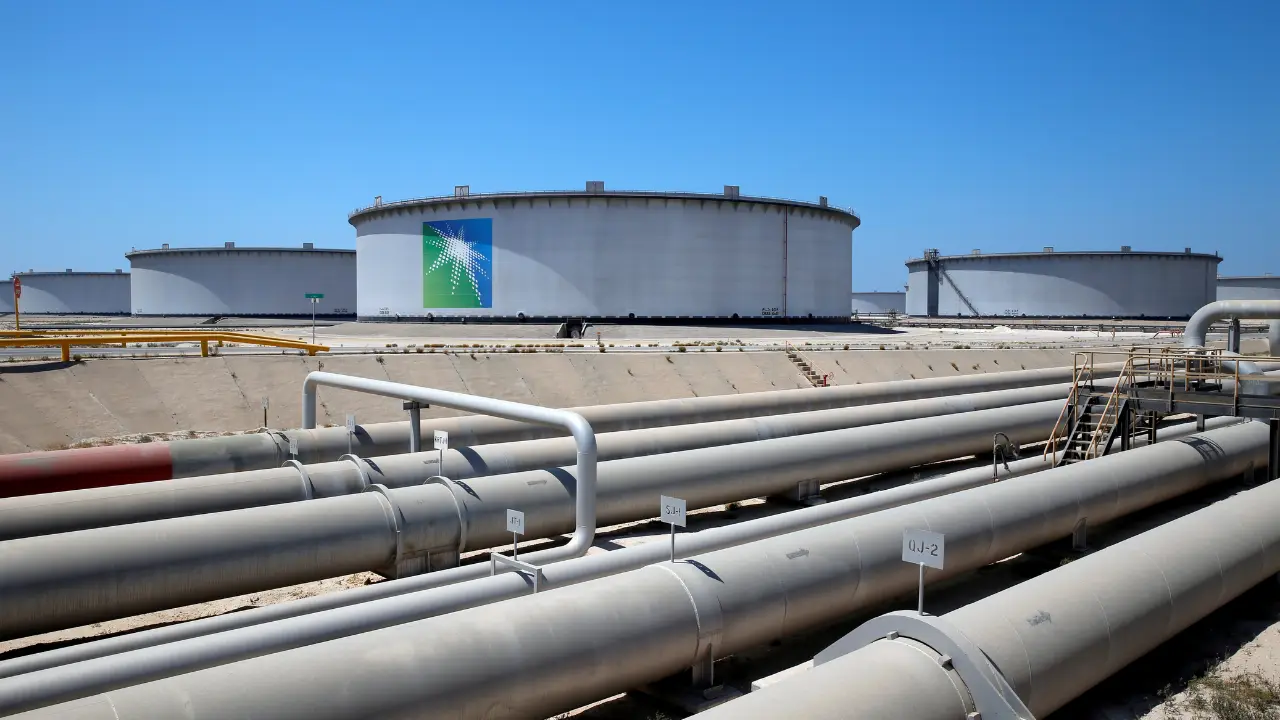
Alternative routes, such as the East-West pipeline in Saudi Arabia, cannot handle the full volume of tanker traffic. Reuters analysis confirms that if major straits close, the world simply lacks the pipeline infrastructure to bypass them, leaving no backup plan.
The LNG challenge Harder to stockpile than oil
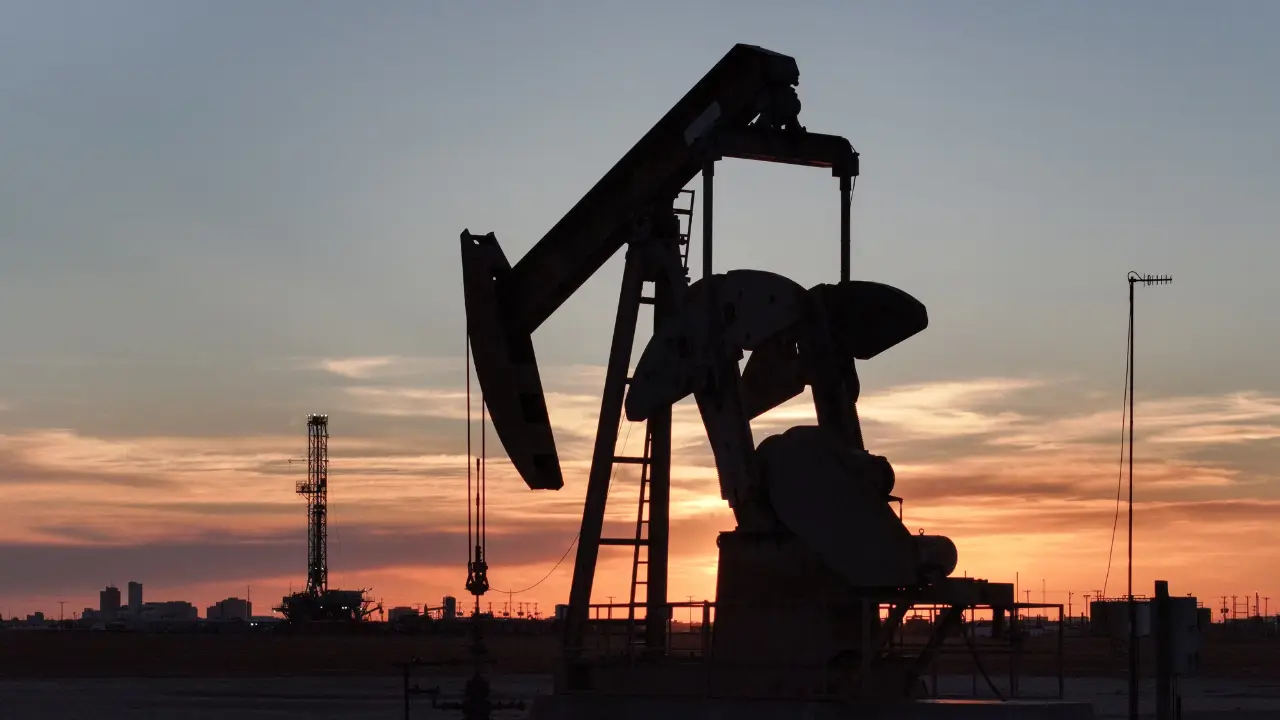
Natural gas markets are even more vulnerable because Liquefied Natural Gas (LNG) is difficult to store in vast quantities. With a huge portion of LNG passing through chokepoints, a blockage creates an immediate energy crisis that reserves cannot buffer against.
)
)
)
)
)