Why each David’s Sling missile costs $1 million & why Israel relies on it to intercept Iranian ballistic missiles?

According to the Israeli Ministry of Defence, the 'top-tier' Arrow 3 system, designed to strike missiles in space, costs approximately $2.5 million per launch.
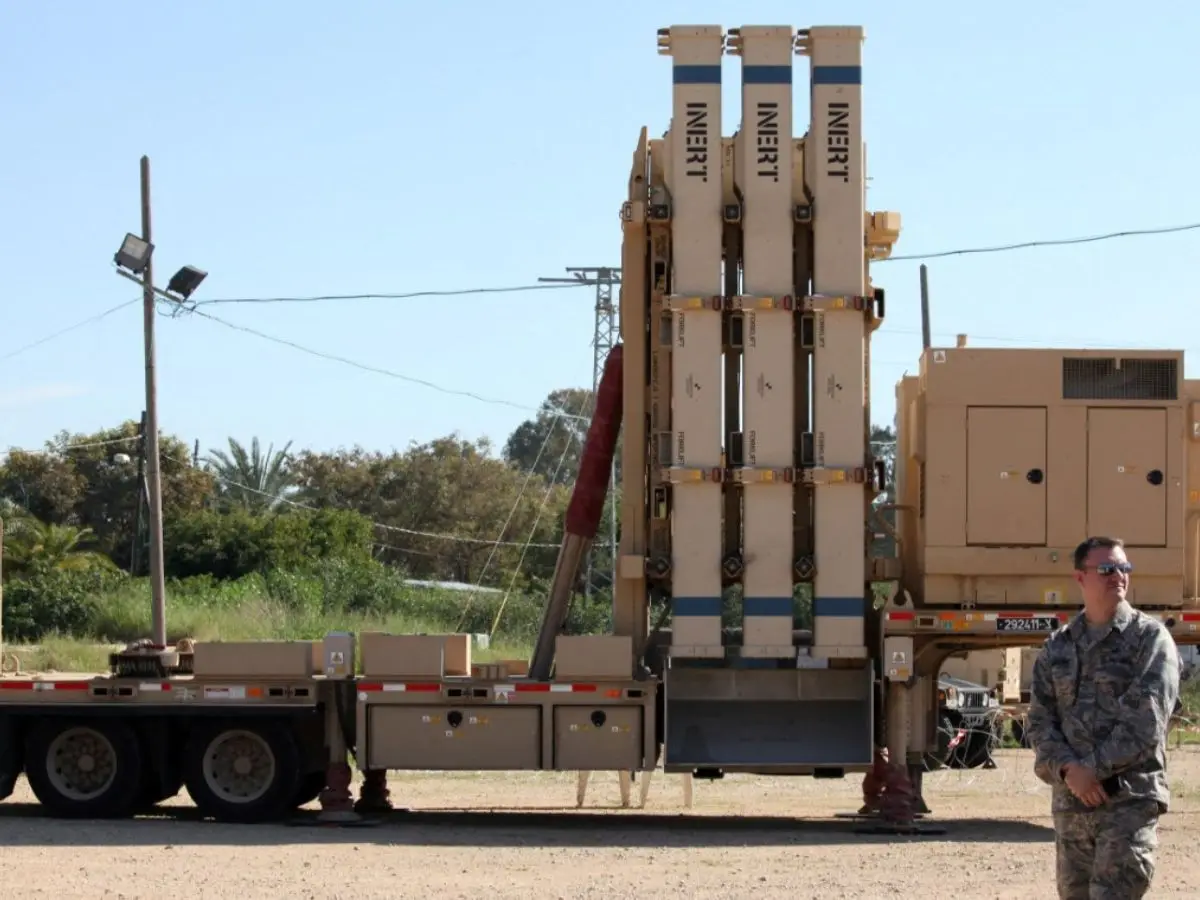
Intercept Iranian Ballistic Missiles
In the lethal geometry of modern Middle Eastern warfare, the David’s Sling air defence system has emerged as the indispensable pivot of Israel’s multi-layered shield. It is Israel’s medium- to long-range missile defence system. Developed jointly by Israel’s Rafael Advanced Defence Systems and the American firm Raytheon (RTX), the system was designed to occupy the critical middle ground: the "mid-tier" gap between the short-range Iron Dome and the high-altitude, exo-atmospheric Arrow interceptors.
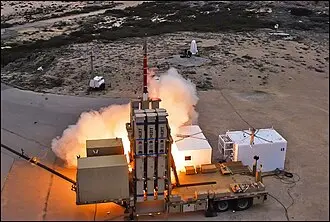
Recent deployment in southern towns
However, on Saturday, two Iranian ballistic missiles struck Dimona and Arad in southern Israel. The Israeli Air Force confirmed that David’s Sling engaged both projectiles but failed to intercept them, resulting in injuries to four civilians and extensive property damage. Earlier attacks in the same region had been successfully intercepted, highlighting the system’s overall reliability despite rare lapses.
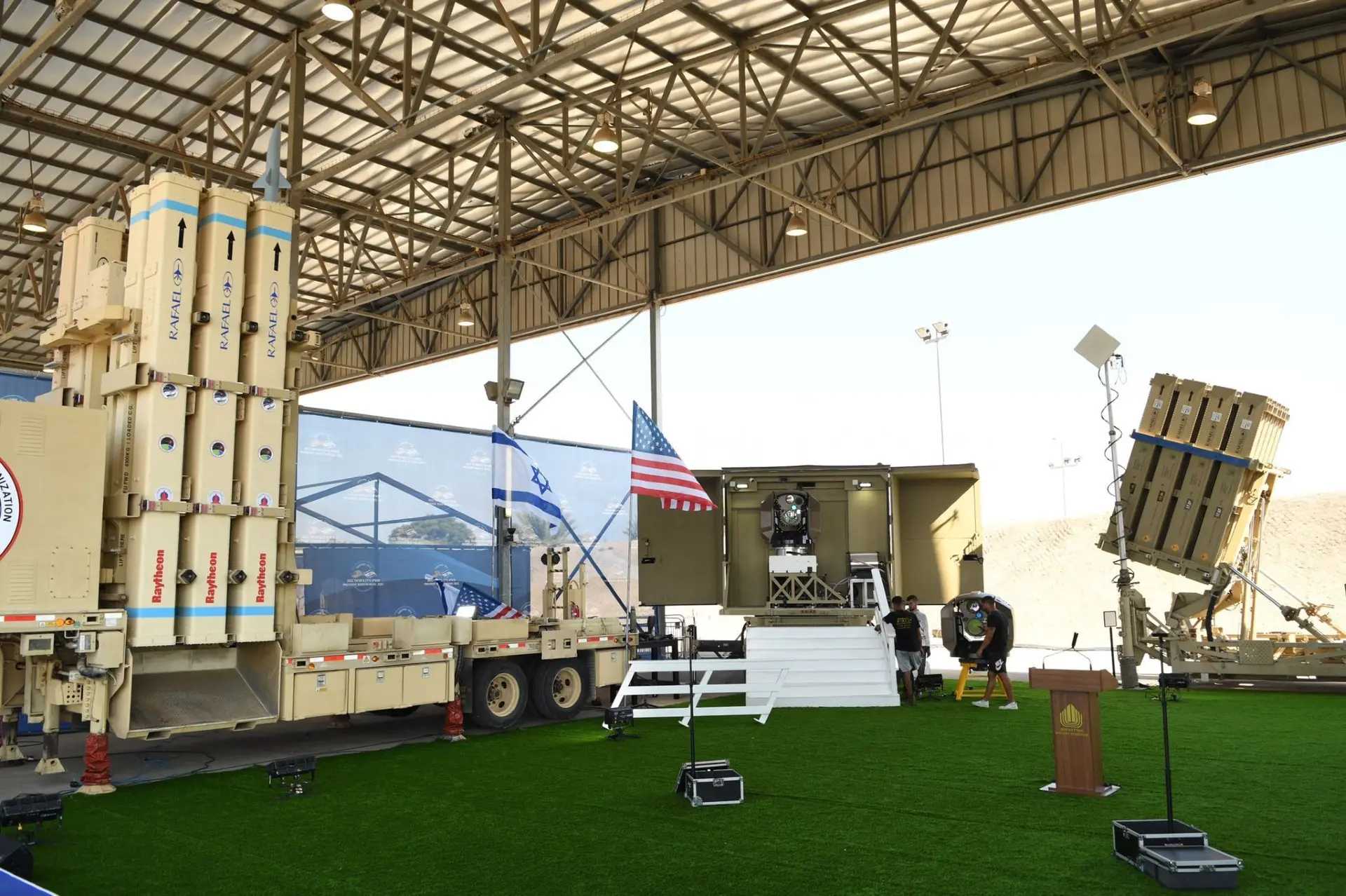
The Stunner missile
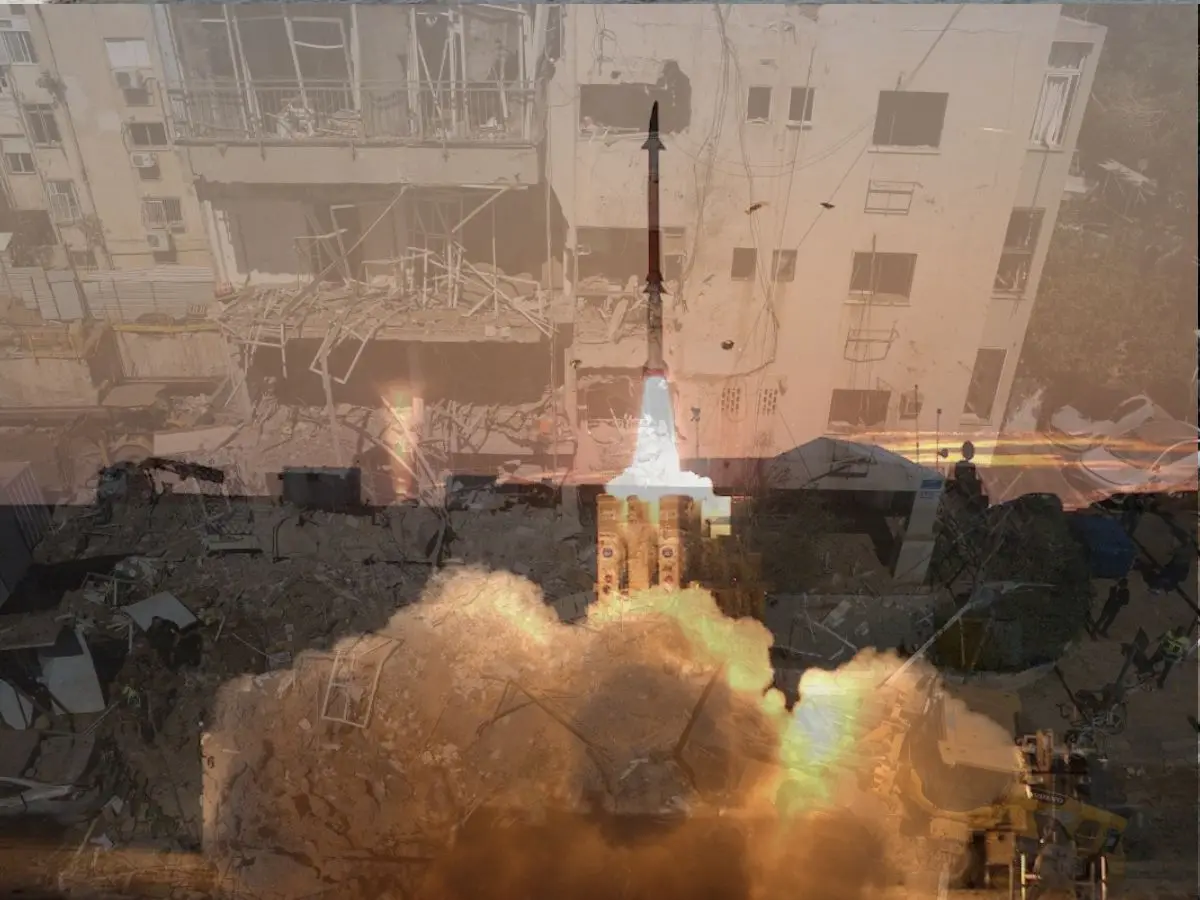
At the core of David’s Sling is the Stunner missile, capable of defeating all short-range ballistic missiles and neutralising 92 percent of the global theatre ballistic missile threat inventory. Its dual-phase propulsion and advanced guidance allow precise engagement of incoming threats at medium ranges, bridging the operational gap between short-range Iron Dome interceptors and long-range Arrow 3 missiles.
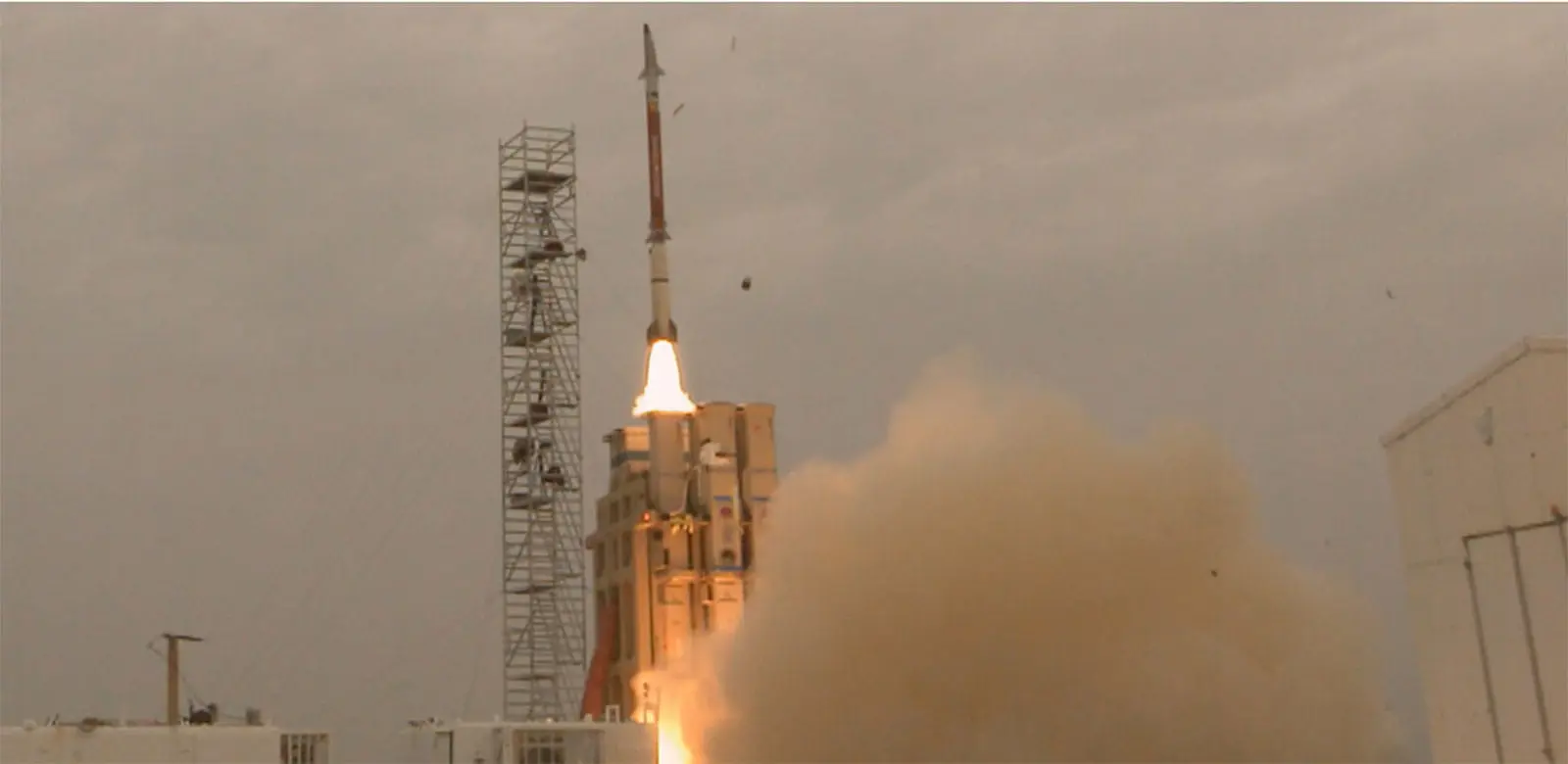
The Economic Shield: $1 Million vs $2.5 Million
Each David’s Sling interceptor costs roughly $1 million. While the cost appears staggering, it represents a masterful stroke of fiscal pragmatism when compared to the Arrow system. According to the Israeli Ministry of Defence, the 'top-tier' Arrow 3 system, designed to strike missiles in space, costs approximately $2.5 million per launch. By utilising David’s Sling to intercept medium-range Iranian ‘Ghadr’ and ‘Fateh-110’ missiles, Israel effectively slashes its defensive expenditure by 60 per cent per engagement.
Strategic importance
Israel reserves the Arrow 3 missile for long-range threats. The choice to deploy David’s Sling against medium-range projectiles is part of a strategic effort to balance operational effectiveness with the conservation of high-value interceptors. By combining short-range, medium-range, and long-range interceptors, the country can respond effectively to multiple simultaneous threats while managing the cost and availability of expensive interceptors.

The "Hit-to-Kill" Philosophy
The Stunner interceptor is a two-stage missile distinguishable by its unique, asymmetrical "dolphin-nose" seeker. Unlike the Iron Dome, which uses an explosive blast to shred incoming rockets, the Stunner carries no warhead. It relies on "hit-to-kill" technology, using pure kinetic energy to physically pulverise the target at speeds of Mach 7.5.
)
)
)
)
)