Why dust is one of the biggest threats to the F-22's stealth technology

Desert dust severely degrades the F-22 Raptor's delicate radar-absorbent coating. This abrasive weathering compromises the jet's stealth and triggers expensive, time-consuming maintenance.
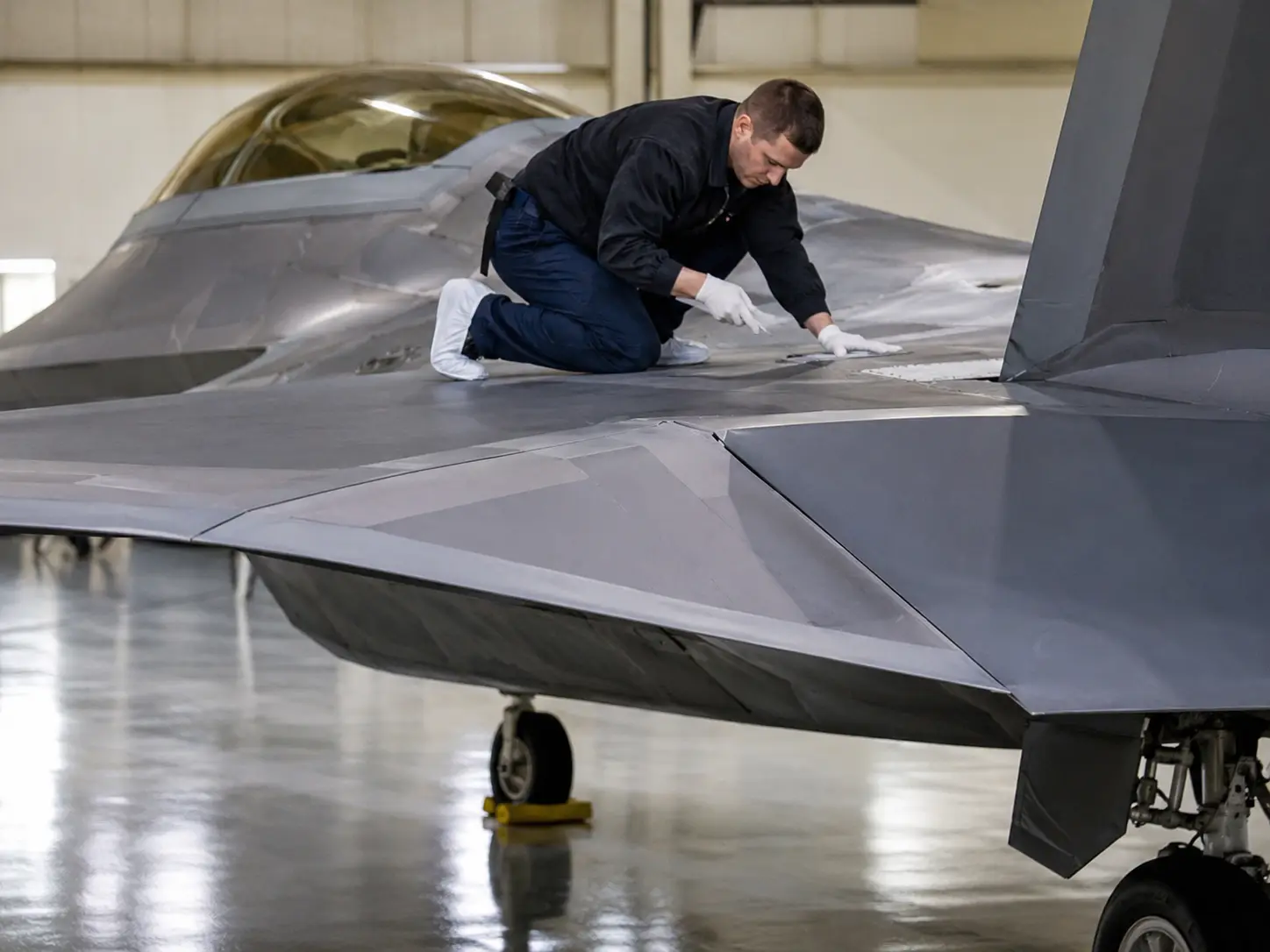
1 Abrasive Environmental Threat
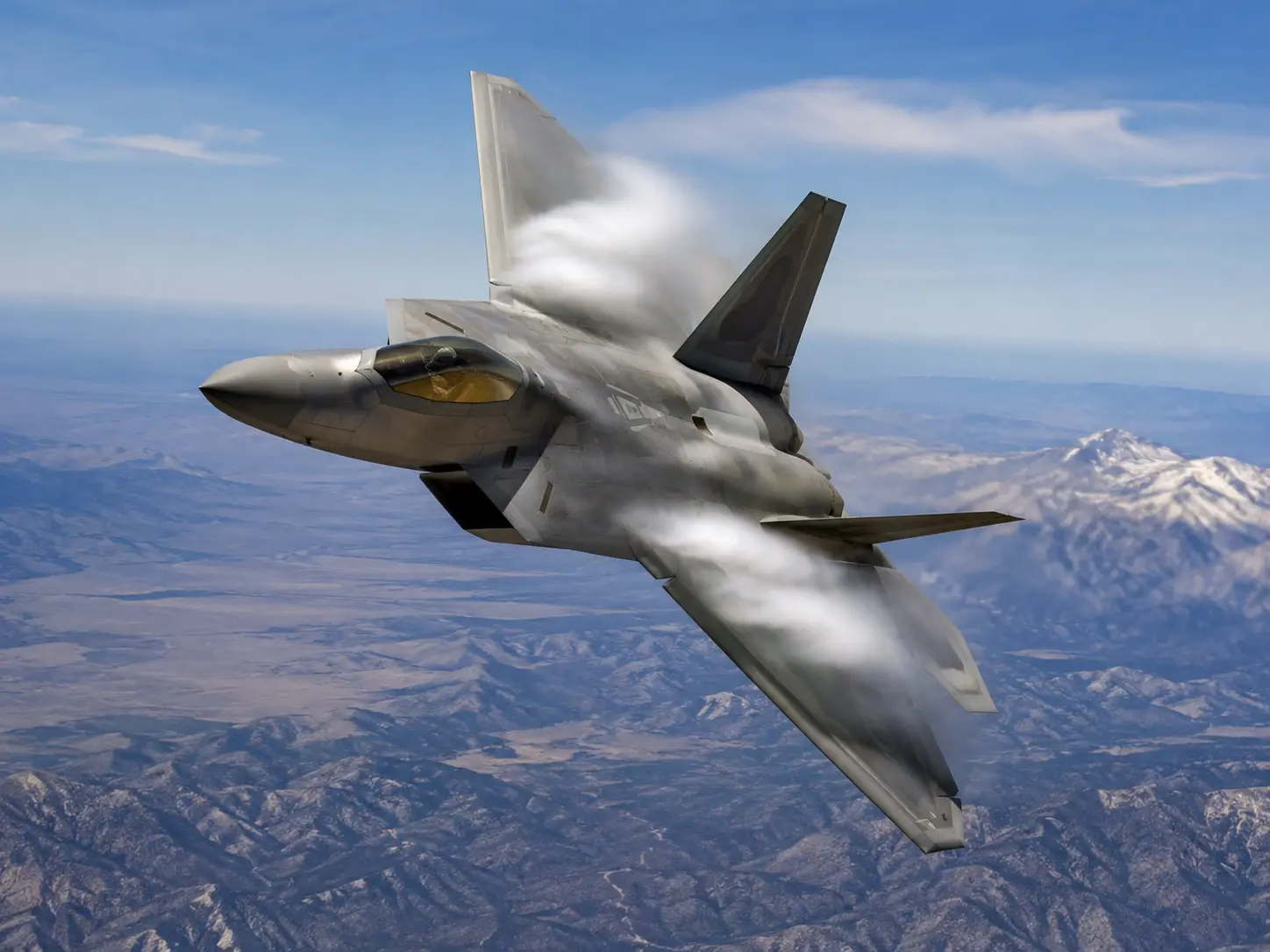
The F-22 Raptor relies on a highly sensitive radar-absorbent coating to remain invisible. However, exposure to harsh environmental factors like blowing sand dust can rapidly wrinkle and peel this delicate stealth material. In extreme cases, abrasive sand friction can even revert the advanced coating back into its original liquid state.
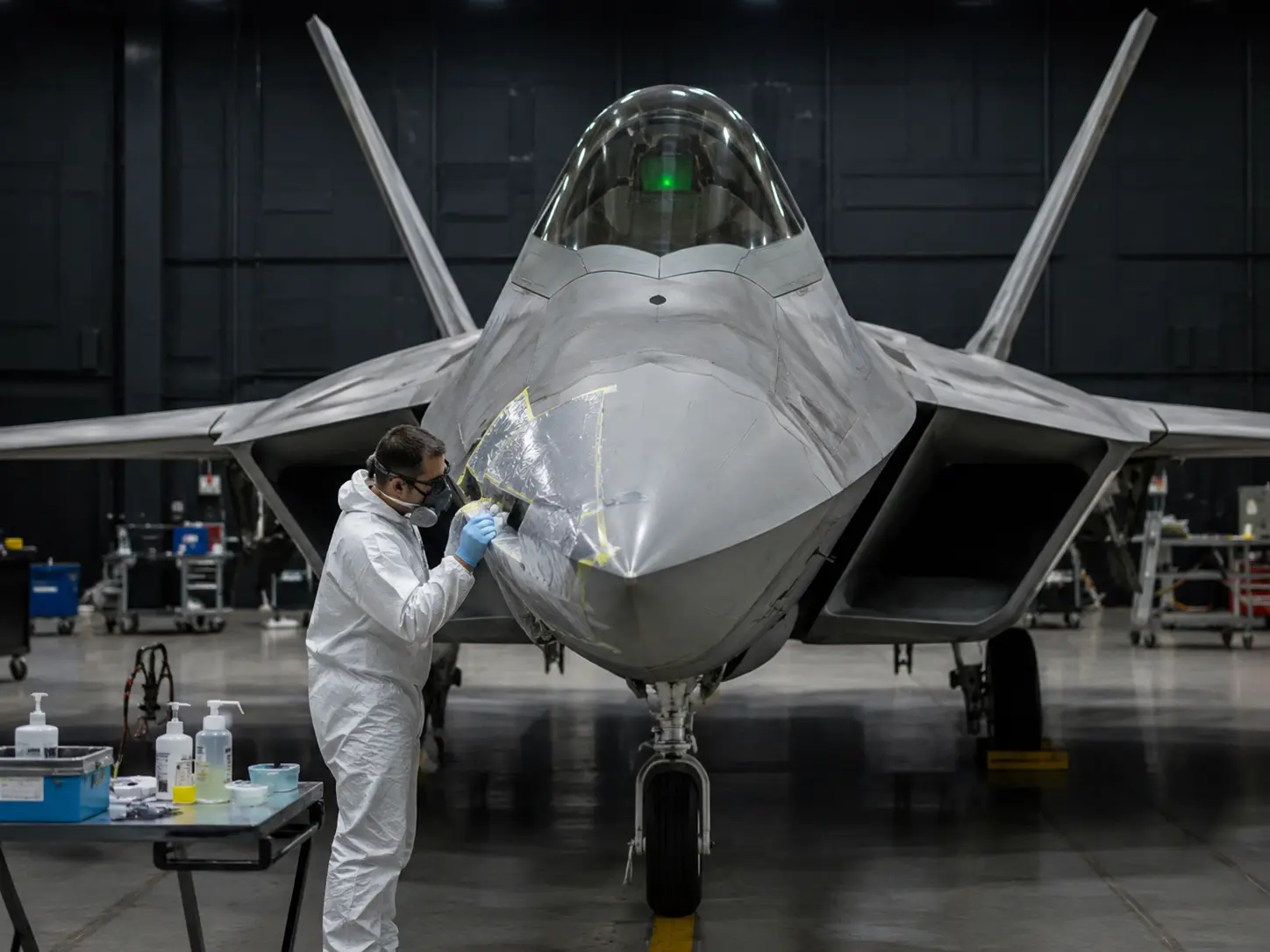
1 Month Of Sand Accumulation
When deployed to arid regions like the Middle East, the F-22 often returns widely covered in heavy dust deposits after just one month. These abrasive particles accumulate on the aircraft surfaces, increasing friction during high-speed flight. This constant weathering severely erodes the critical stealth layer.
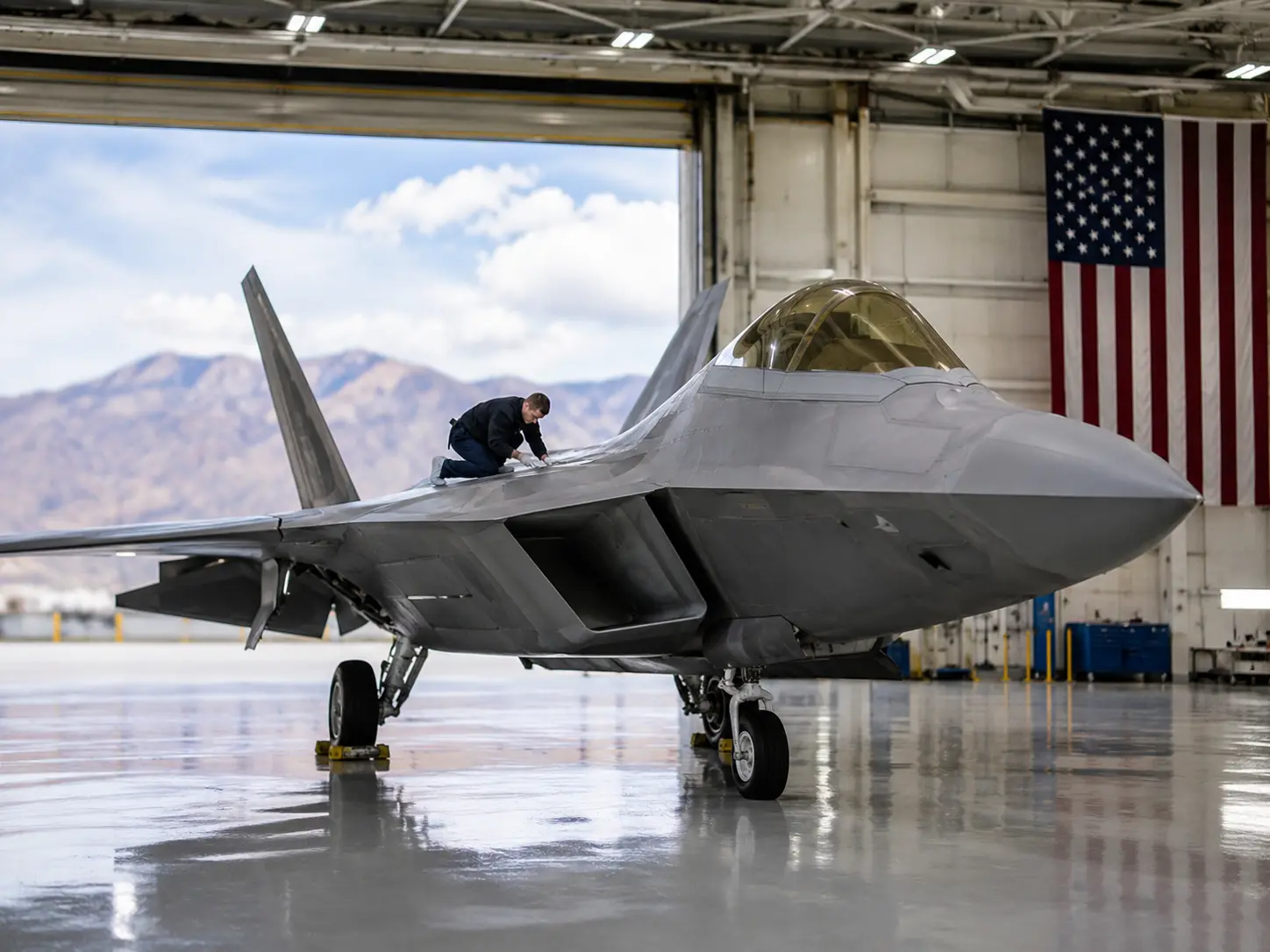
10 Per Cent Degradation Limit
The jet's outer skin is a complex mosaic of radar-absorbing materials designed to trap incoming electromagnetic energy. When sand degrades or tears this fragile coating, it creates gaps where enemy radar waves can bounce back. Just a 10 per cent degradation in stealth capability triggers mandatory, time-consuming reapplications.
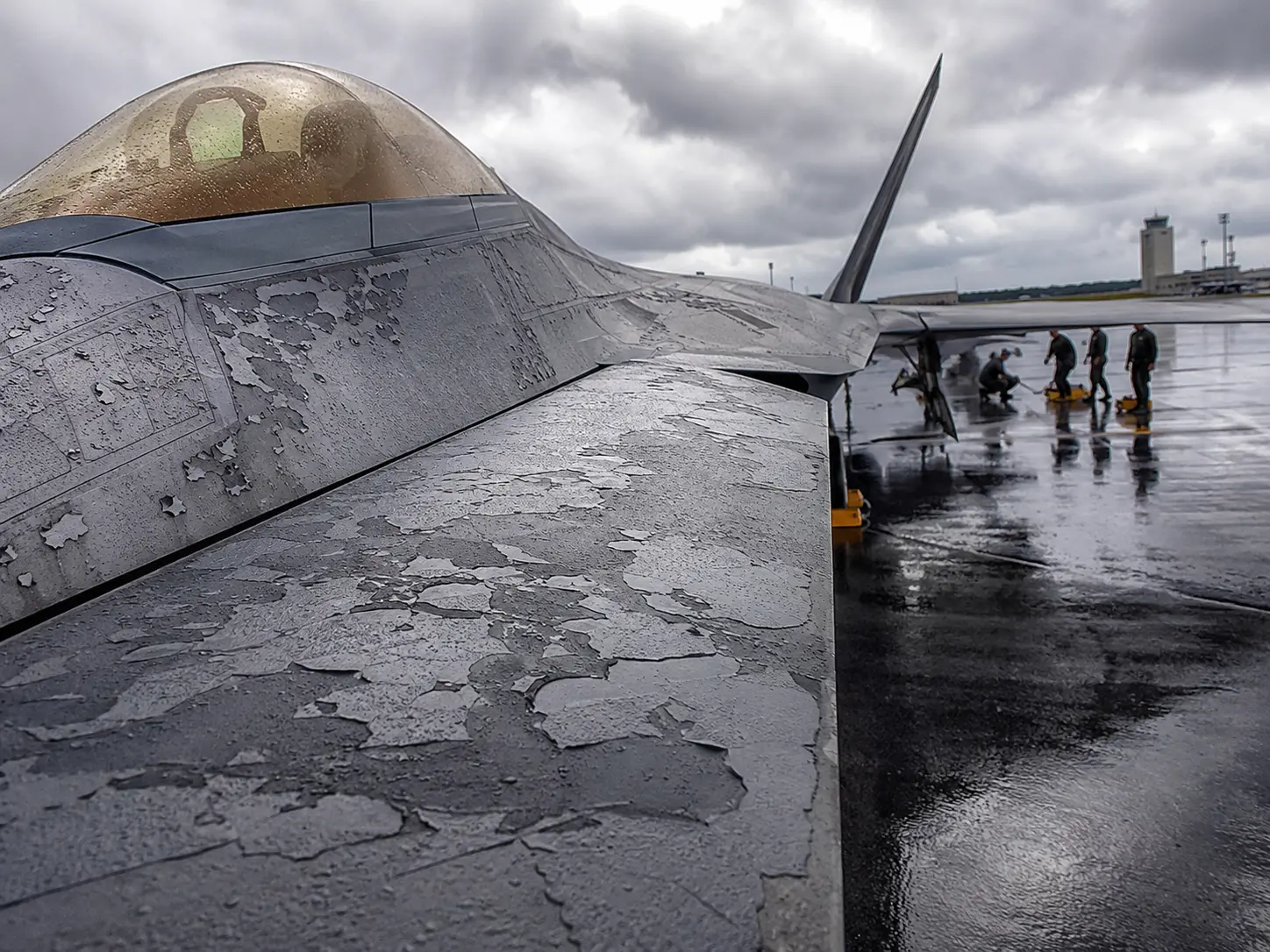
3 Weeks Of Panel Repairs
Repairing dust and sand damage is an incredibly tedious process that heavily burdens the maintenance crew. Technicians must manually pick off the ruined material, thoroughly clean the fasteners, and apply new stealth coatings. A major signature reduction repair covering 30 panels can take up to three weeks of continuous work.
Rs 71 Lakh Per Flight Hour
To prevent further issues, the new radar-absorbent material must be applied and cured under strict environmental controls. High humidity or lingering dust can easily cause the fresh stealth coating to disbond before it fully sets. This extreme sensitivity contributes to the jet's massive $85,000 (roughly Rs 71 lakh) cost per flight hour.
)
)
)
)
)