Why Donald Trump used B-2 Bomber as a display of strength during Putin’s visit?

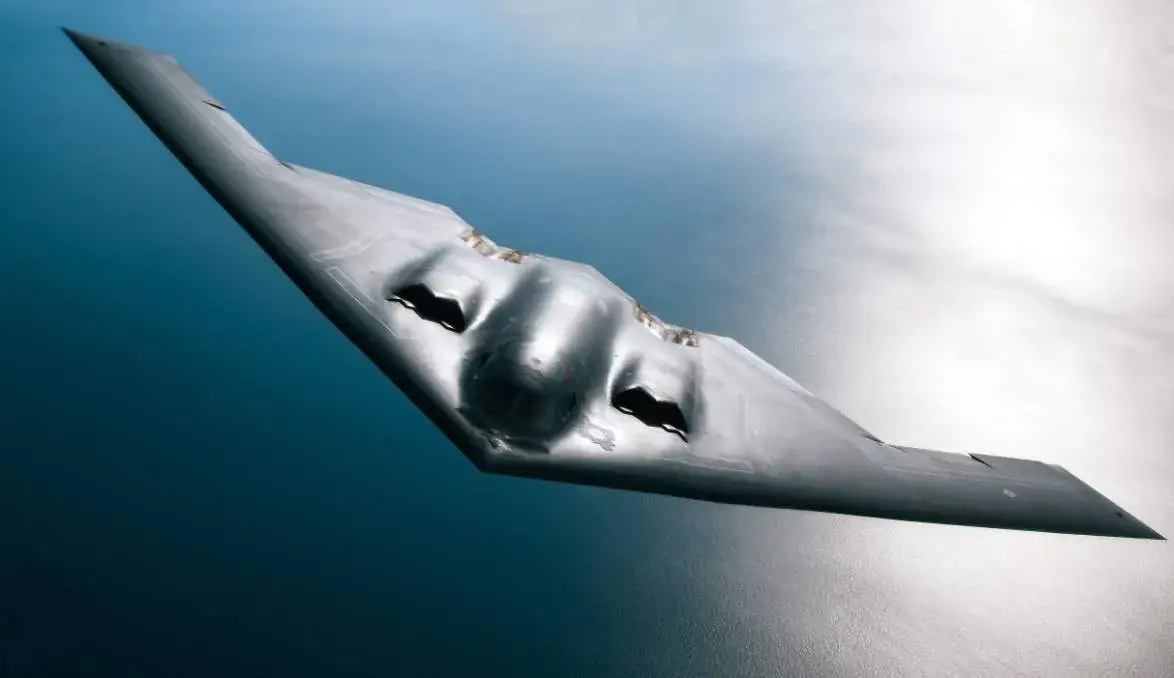
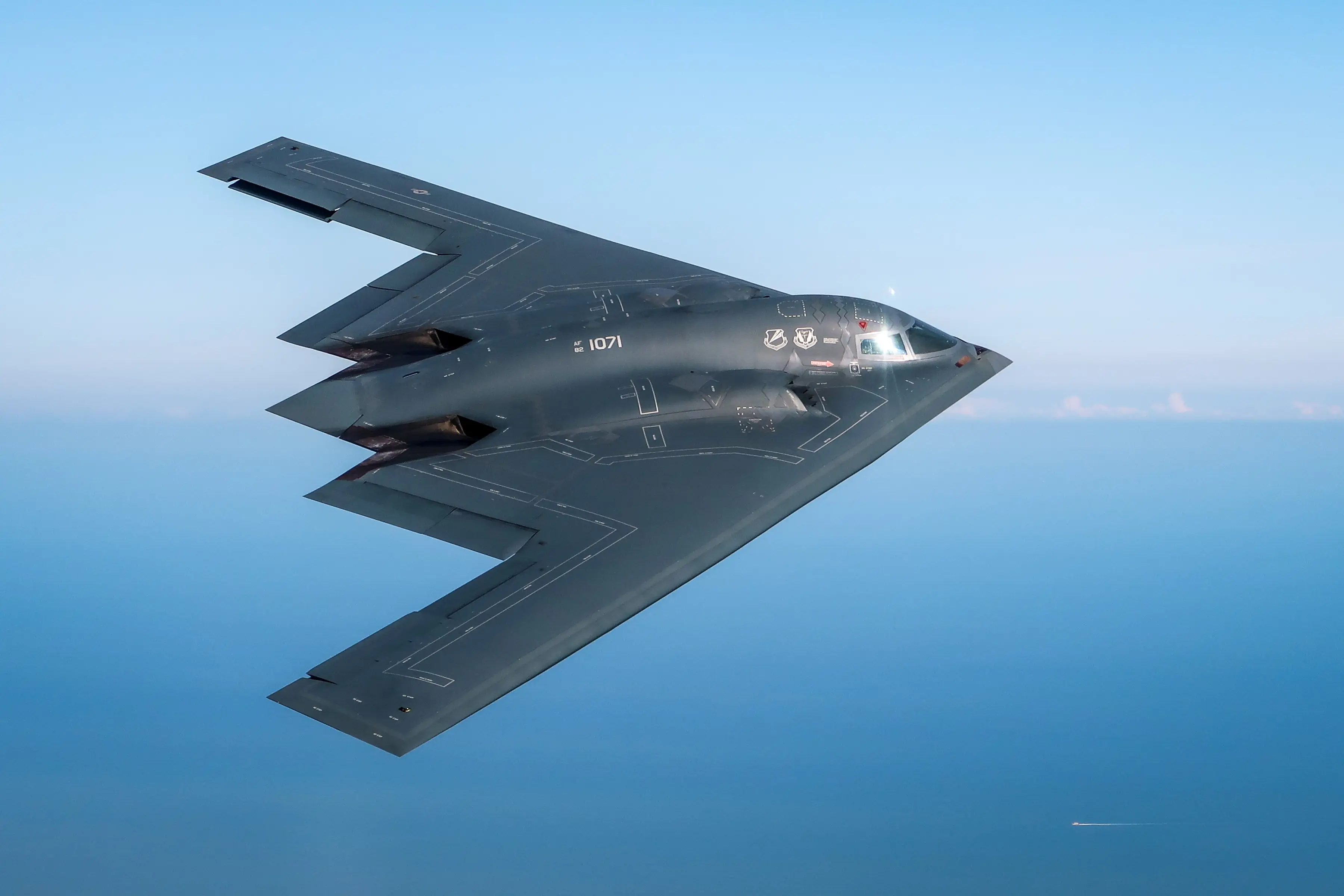
When Vladimir Putin landed in Alaska for talks with Donald Trump, he was met with more than protocol. Overhead, B-2 stealth bombers with F-35s and F-22s carried out a flyover. The move, planned under Trump’s direction, served as a calculated signal of American military capability.
The Aircraft on Display
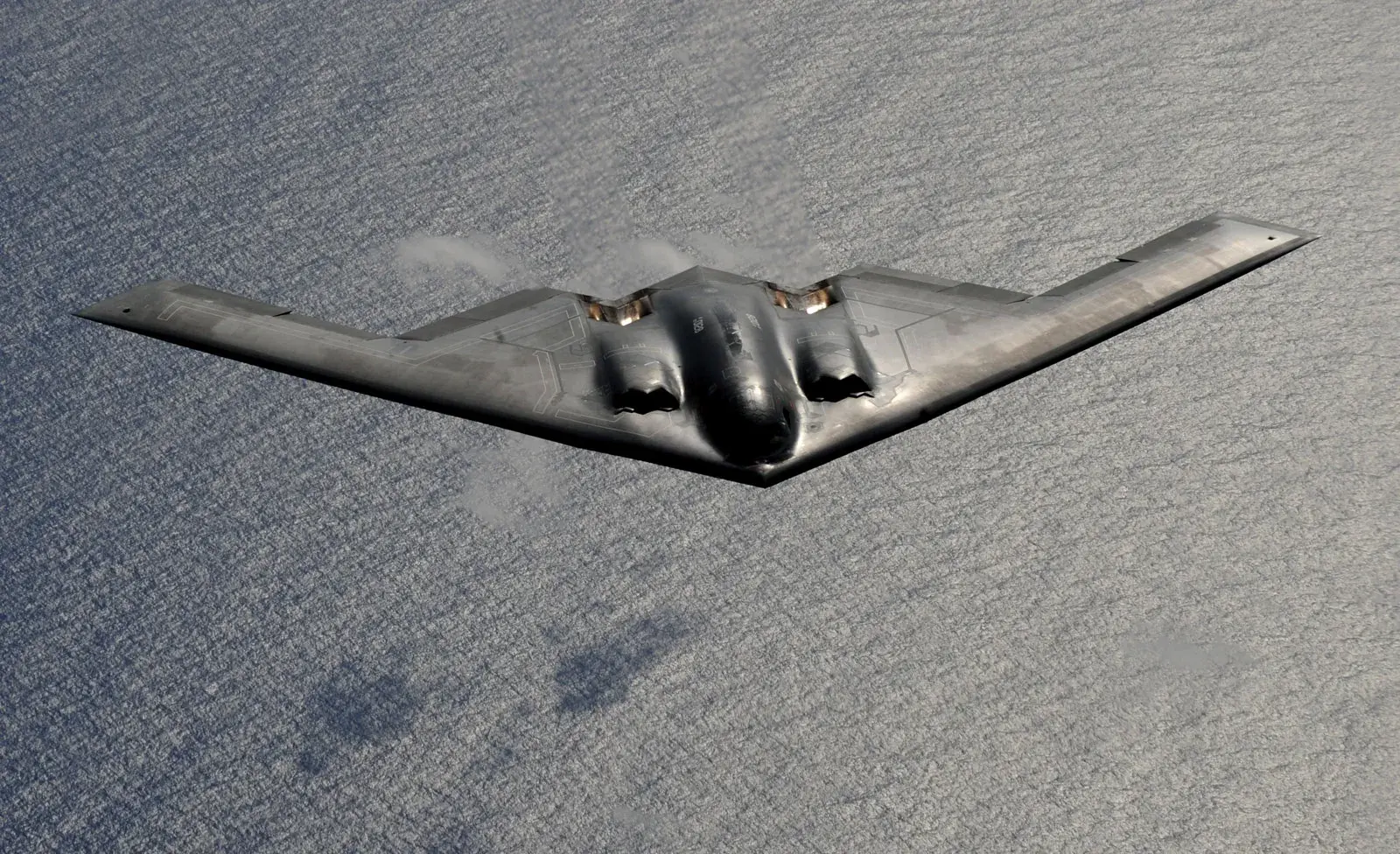
Two B-2 Spirit stealth bombers conducted the flyover, joined by F-35 and F-22 fighters. Their appearance marked a deliberate effort to project the strength of US air power during a high-profile diplomatic moment.
Trump’s Strategic Choice
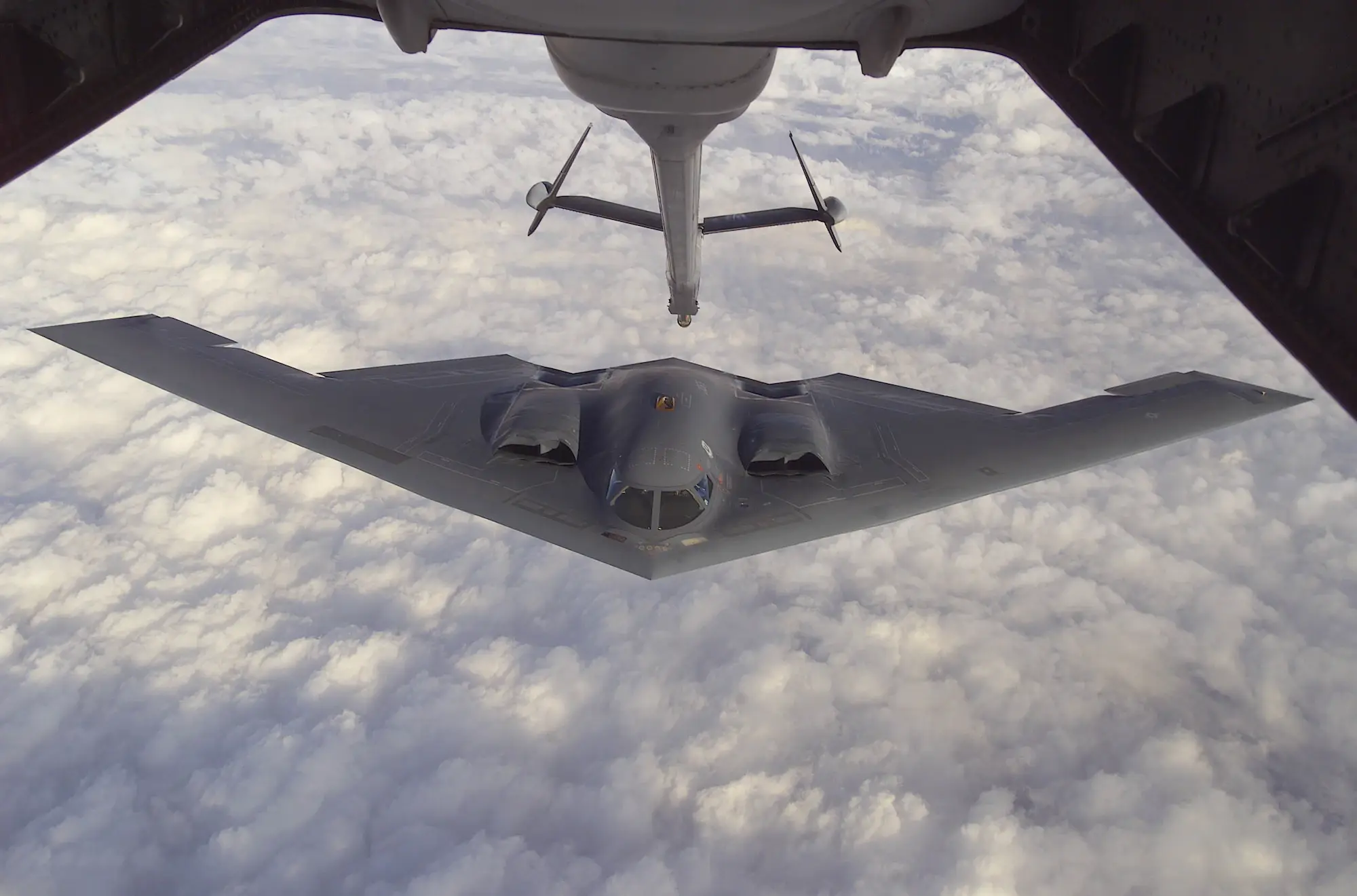
Trump personally pushed for the B-2’s involvement. The bomber’s presence was less about operational need and more about symbolic value, reinforcing the theme of strength in his approach to international negotiations.
The Location of the Meeting
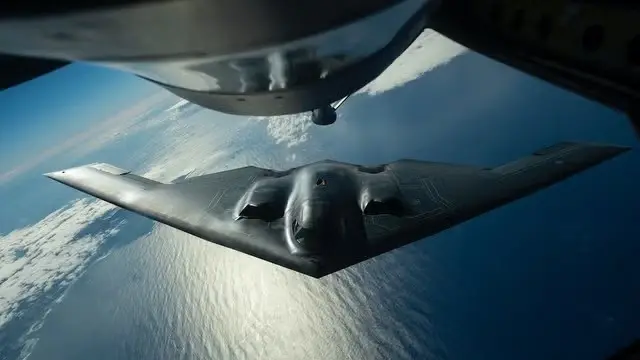
Alaska was chosen as the venue. Situated close to Russia across the Bering Strait, it underlined geographic realities while ensuring the meeting occurred securely within US territory.
Significance of the B-2 Bomber
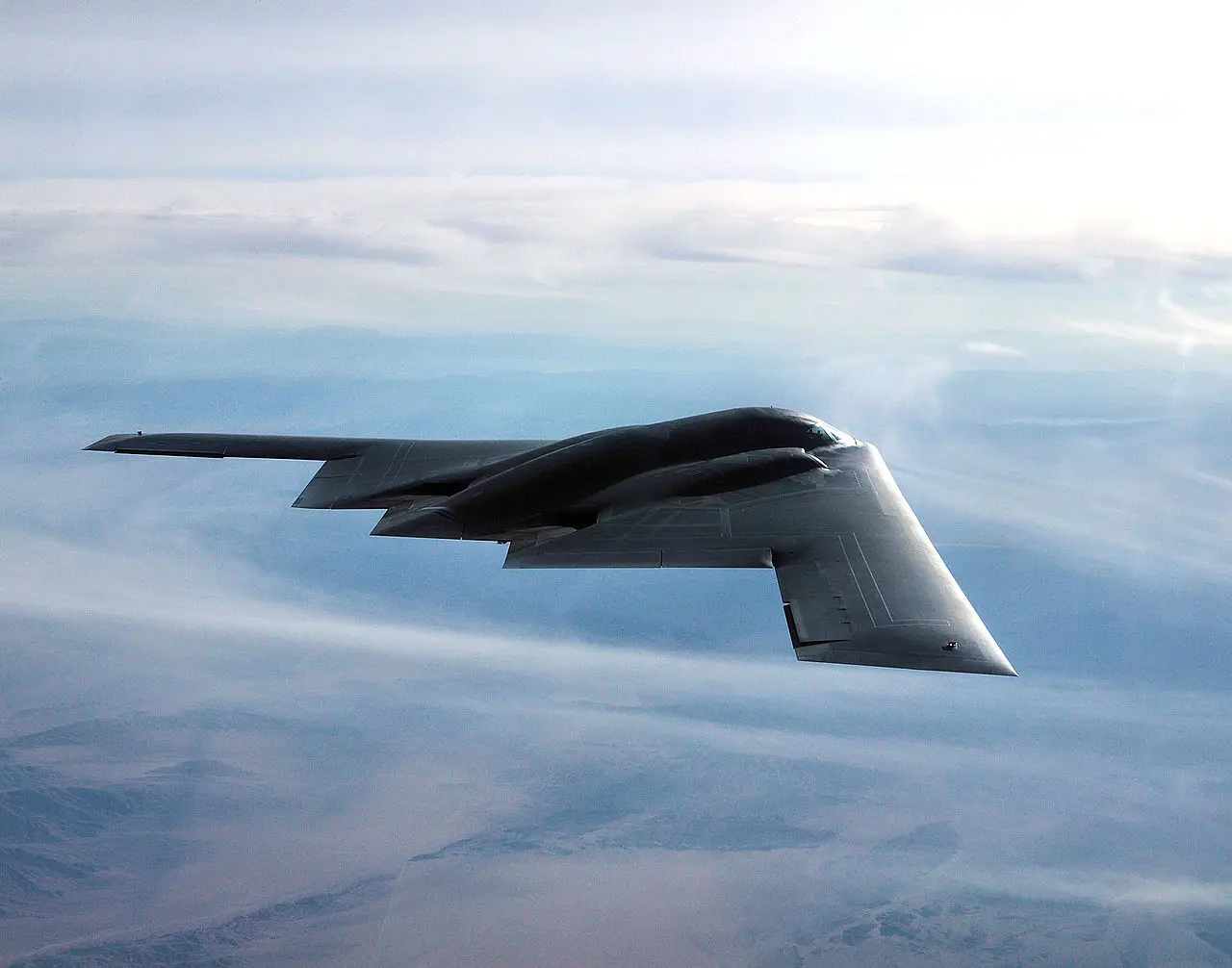
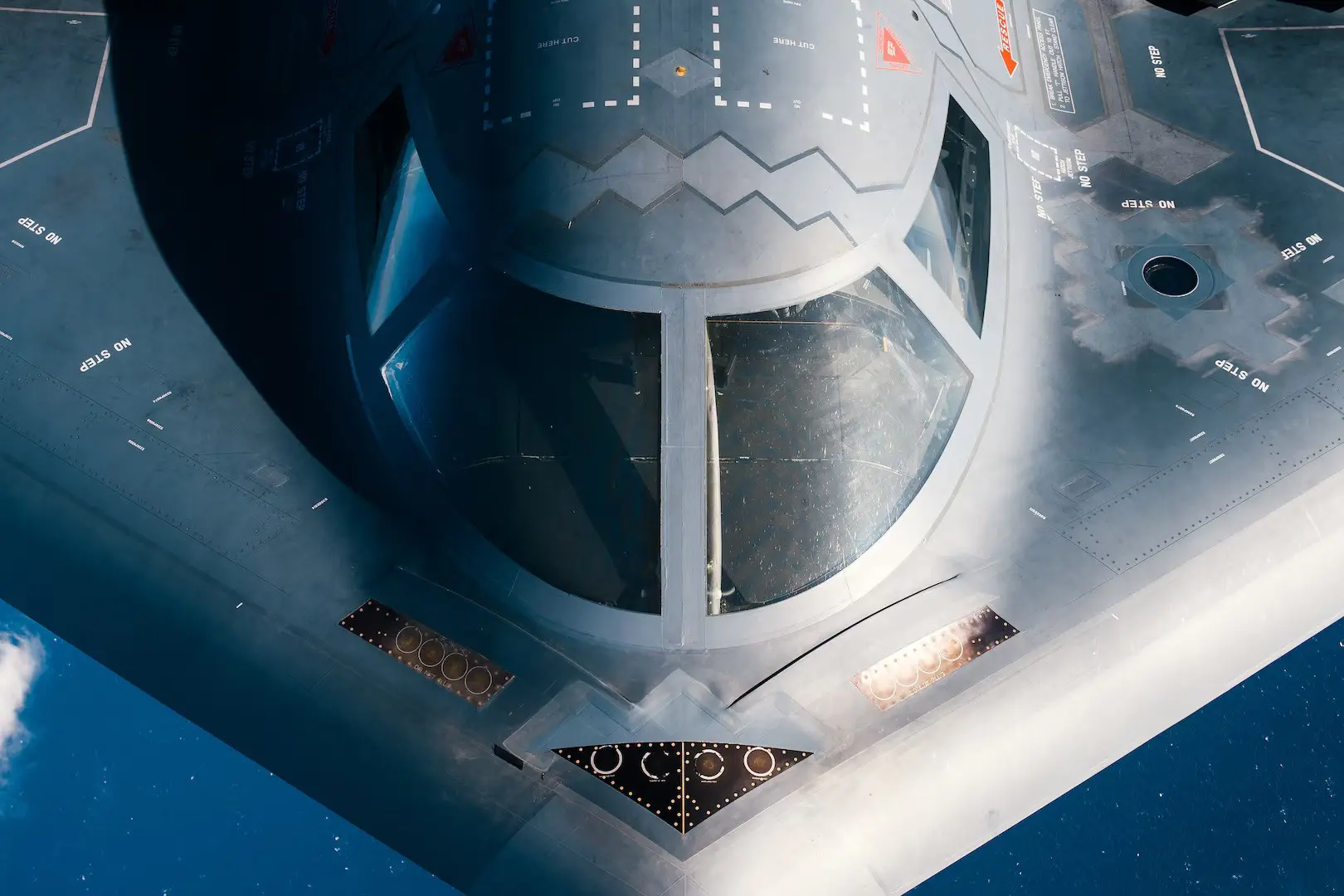
The B-2 is radar-evading, nuclear-capable, and valued at more than $2 billion per unit. Its rare public deployment makes it a strong signal in the language of defence diplomacy.
Reaction from Putin
Cameras caught Putin looking upward and making a hand movement that analysts interpreted as stress-related. While subtle, his reaction suggested awareness of the symbolic weight of the moment.
Debate Over the Optics
Reactions were divided. Supporters described it as a clear deterrence signal, while critics questioned whether using advanced aircraft for optics risked unnecessary provocation in sensitive diplomatic settings.
Diplomacy and Deterrence Combined
The flyover blended diplomacy with military signalling. By placing advanced assets in view, the US underscored that discussions with rivals are framed within the context of strategic deterrence.
)
)
)
)
)