Why does this American fighter jet helmet cost more than a Ferrari?

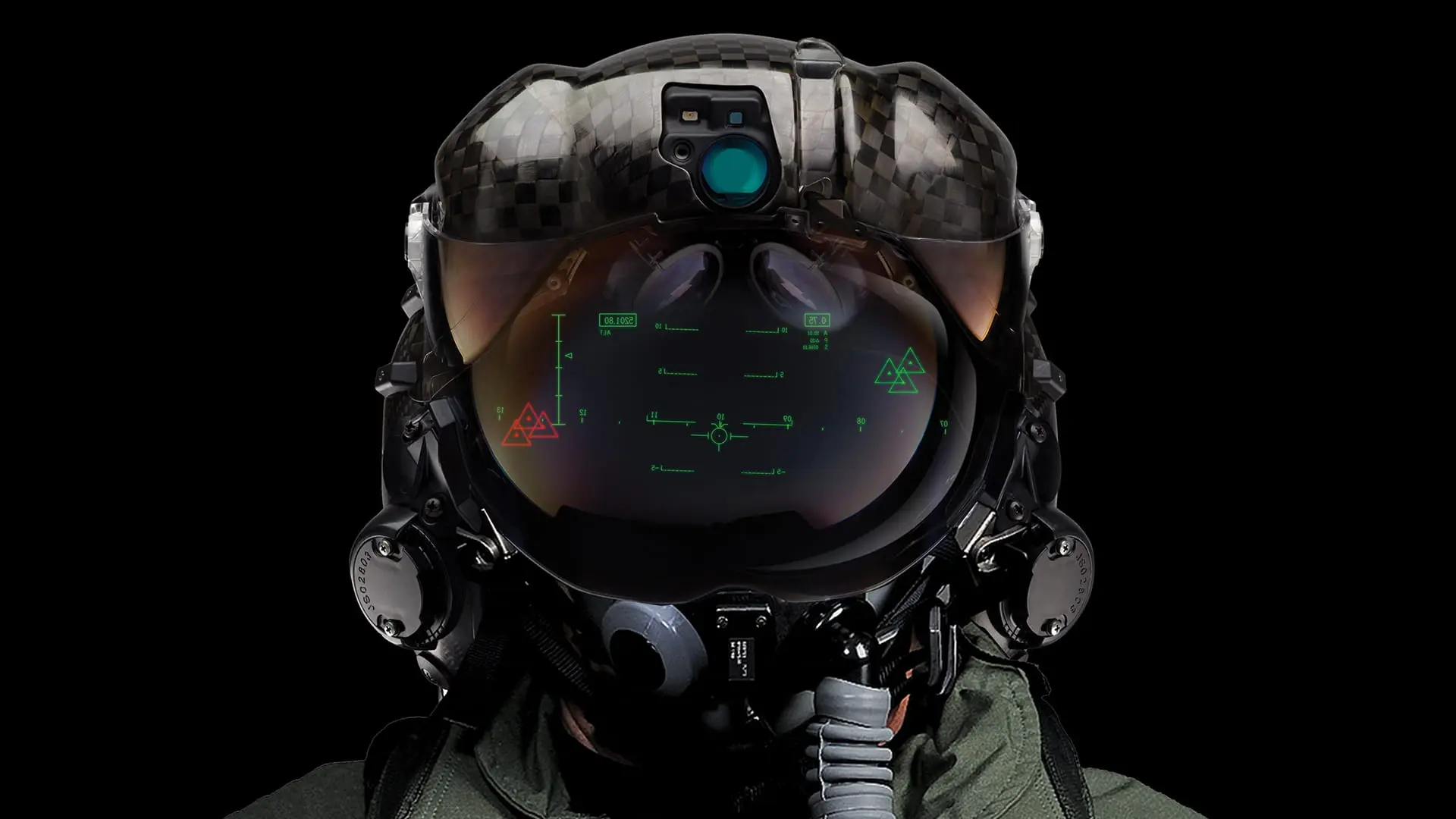
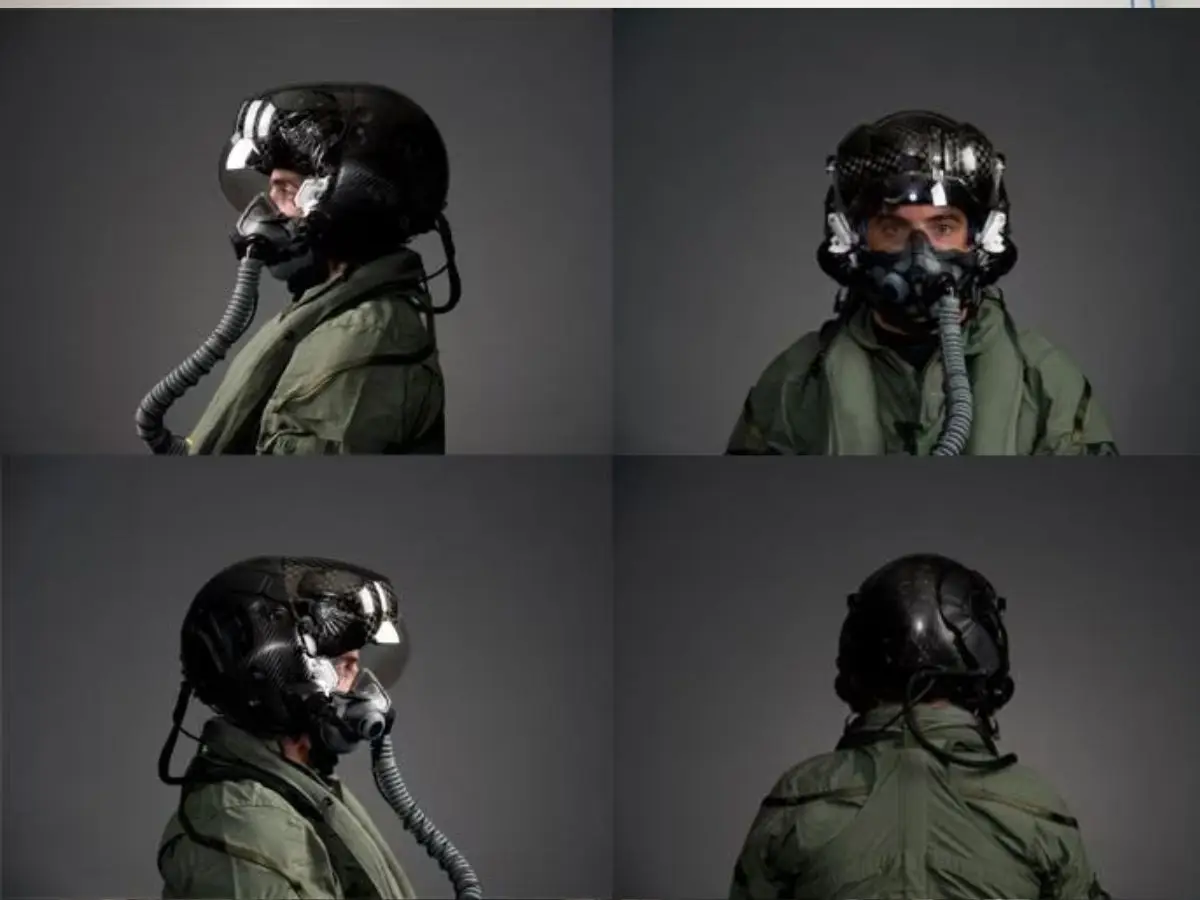
Each one is custom fitted to its pilot, ensuring an exact fit that takes two days to complete. It houses a high-resolution display and advanced graphics processor capable of projecting data in real time with minimal delay.
A Helmet Worth $400,000
The F-35 Lightning II isn’t just one of the world’s most advanced fighter jets, it also relies on a helmet that costs around $400,000. Made by Rockwell Collins and Elbit Systems, this helmet is more expensive than many Ferraris. But it isn’t luxury that drives the cost, it’s the combination of precision engineering, cutting-edge optics and custom fit that make it essential for modern air combat.
Custom-Built Fit for Each Pilot
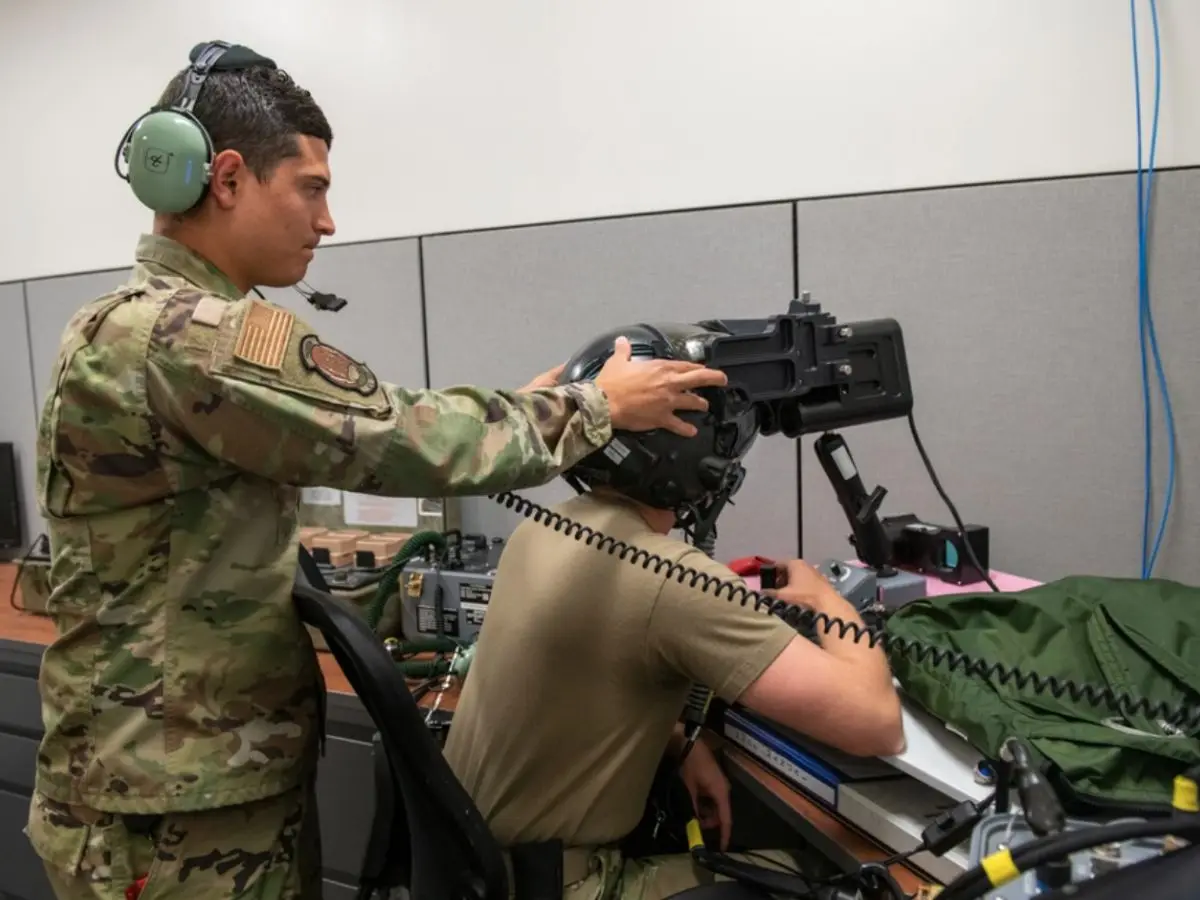
Every helmet is individually made. Pilots spend two days at a specialist facility where their head is scanned and measured to ensure a precise fit. Even minor weight gain or a new haircut can affect the helmet’s balance and performance. Once assembled, each helmet undergoes a pupilometer alignment within two millimetres accuracy to ensure the pilot sees a single image.
See-Through Cockpit – 360° Vision
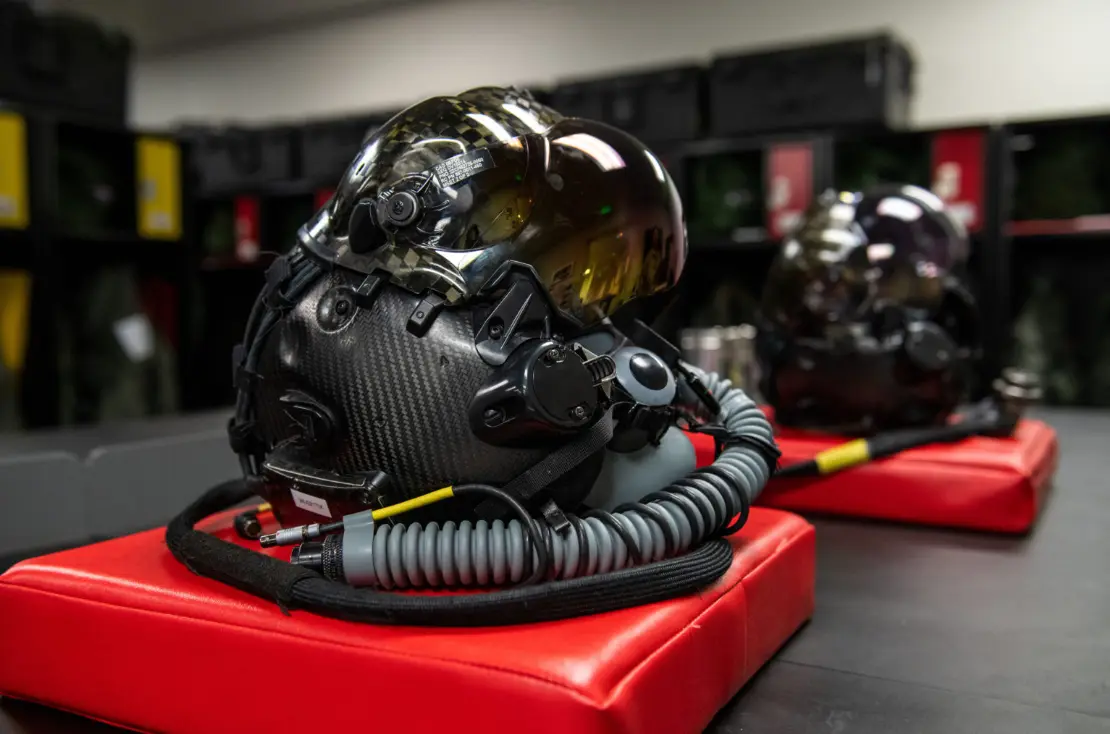
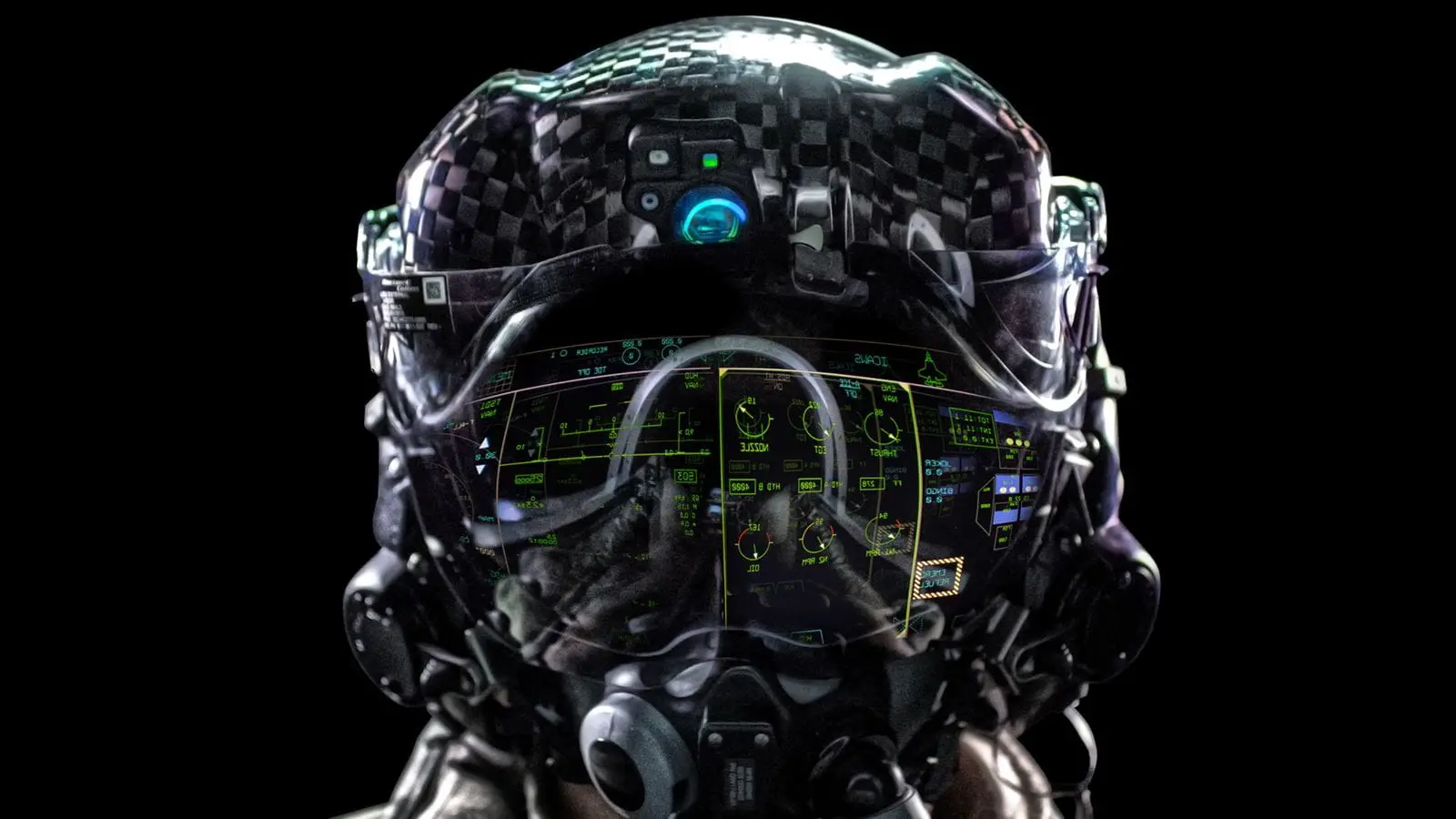
The F-35 helmet acts as a virtual head-up display. Six cameras mounted on the aircraft stream real-time video, letting pilots see through the airframe. This feature, known as the Distributed Aperture System (DAS), provides all-round situational awareness without needing to manoeuvre the jet.
Built-In Night Vision and Target Tracking
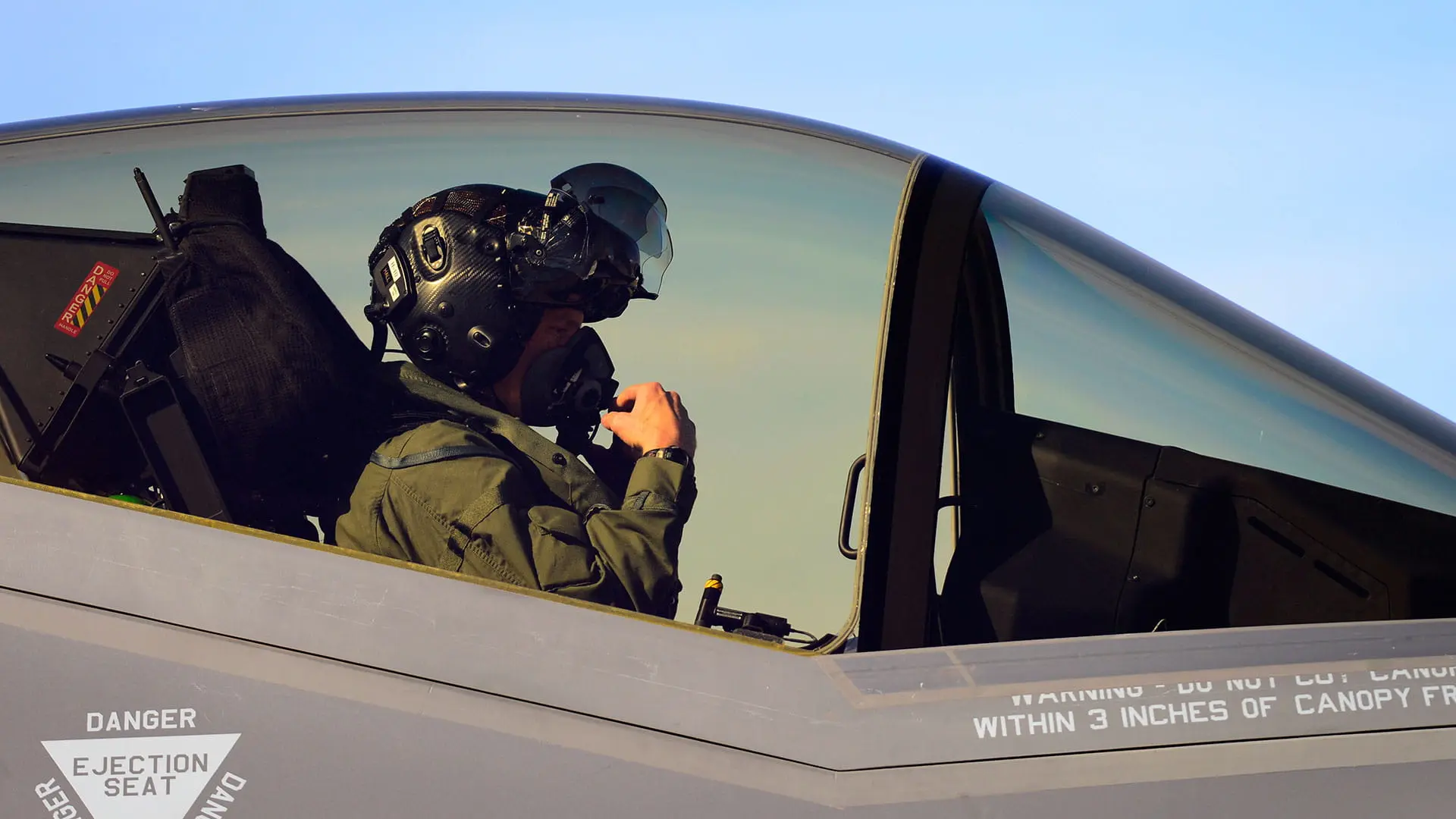
Traditional night-vision goggles are obsolete here. The helmet’s visor projects infrared imagery, flight data and targeting symbols directly in front of the pilot’s eyes. Pilots can lock onto targets simply by looking at them, using advanced head-tracking sensors.
Why So Expensive?
The helmet’s high cost can be traced to several factors. Each one is custom fitted to its pilot, ensuring an exact fit that takes two days to complete. It houses a high-resolution display and advanced graphics processor capable of projecting data in real time with minimal delay. Constructed from lightweight yet strong materials such as Kevlar and carbon fibre, it balances protection with reduced weight. Its design must integrate seamlessly with the F-35’s sophisticated avionics and software, which adds complexity to manufacturing and testing. Finally, because only a limited number are produced, the cost per unit remains significantly higher than mass-produced equipment. Together, these factors explain why this helmet is priced higher than a supercar.
First Fighter Without a Traditional HUD
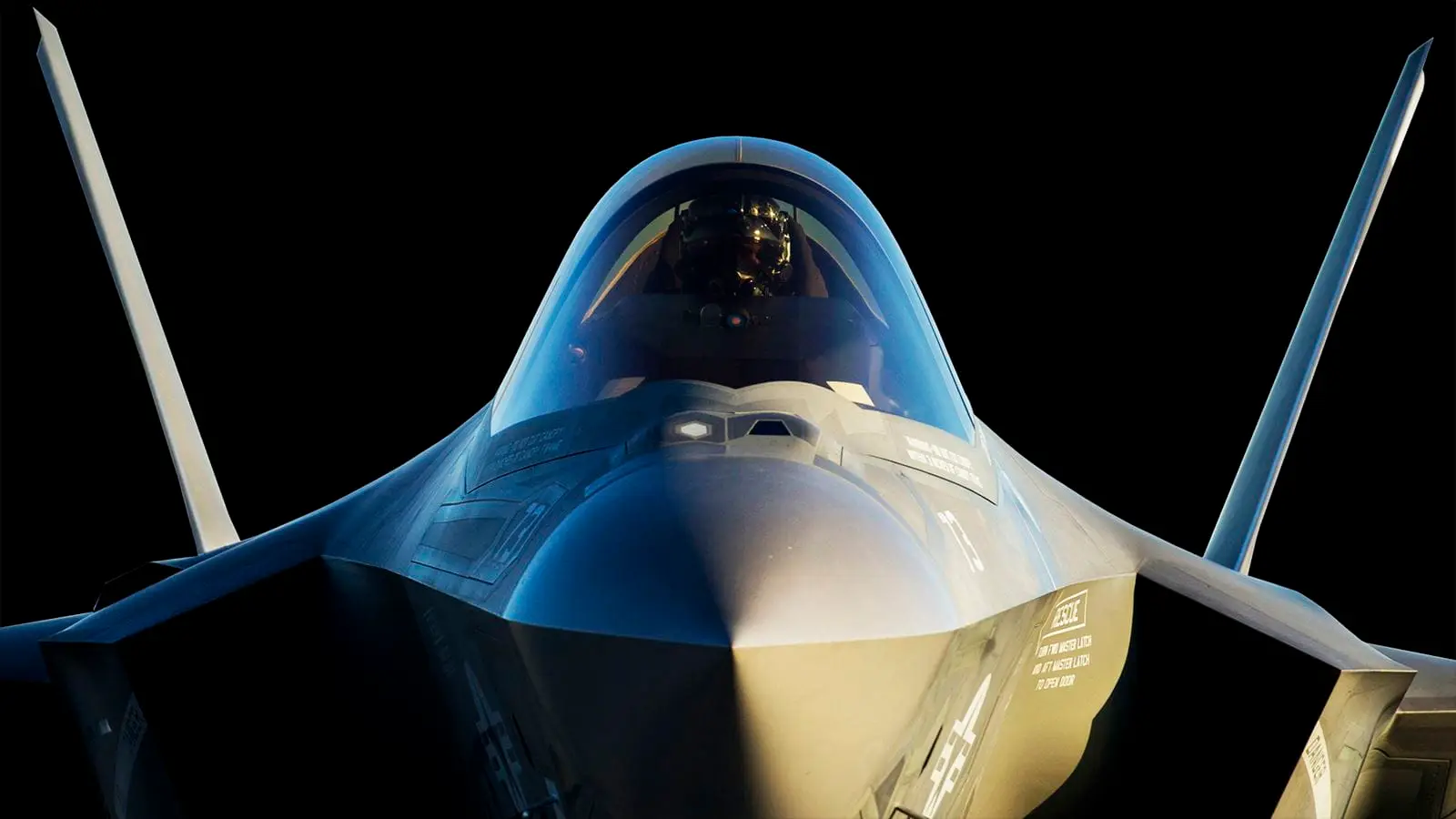
The F-35 is the first tactical fighter in decades to eliminate a fixed HUD, relying entirely on the helmet. This design also reduces cockpit weight and frees up space. The virtual HUD gives pilots continuous data regardless of head position.
Maintenance and Longevity
Helmets are inspected every 105 days, with a 120-day fit check to ensure safety. Pilots usually keep the same helmet throughout service, with minor adjustments. Despite the cost, the helmet’s technology can mean the difference between life and death.
)
)
)
)
)