Why does the F-35 need APG-85? Are these US fighter jets being delivered without radar?

CENTCOM rejected Iran’s claim that it had downed a fifth-generation fighter. “US forces have flown more than 8,000 combat flights during Operation Epic Fury. No US fighter aircraft have been shot down by Iran,” the command said on the platform X.
A combat incident that drew attention
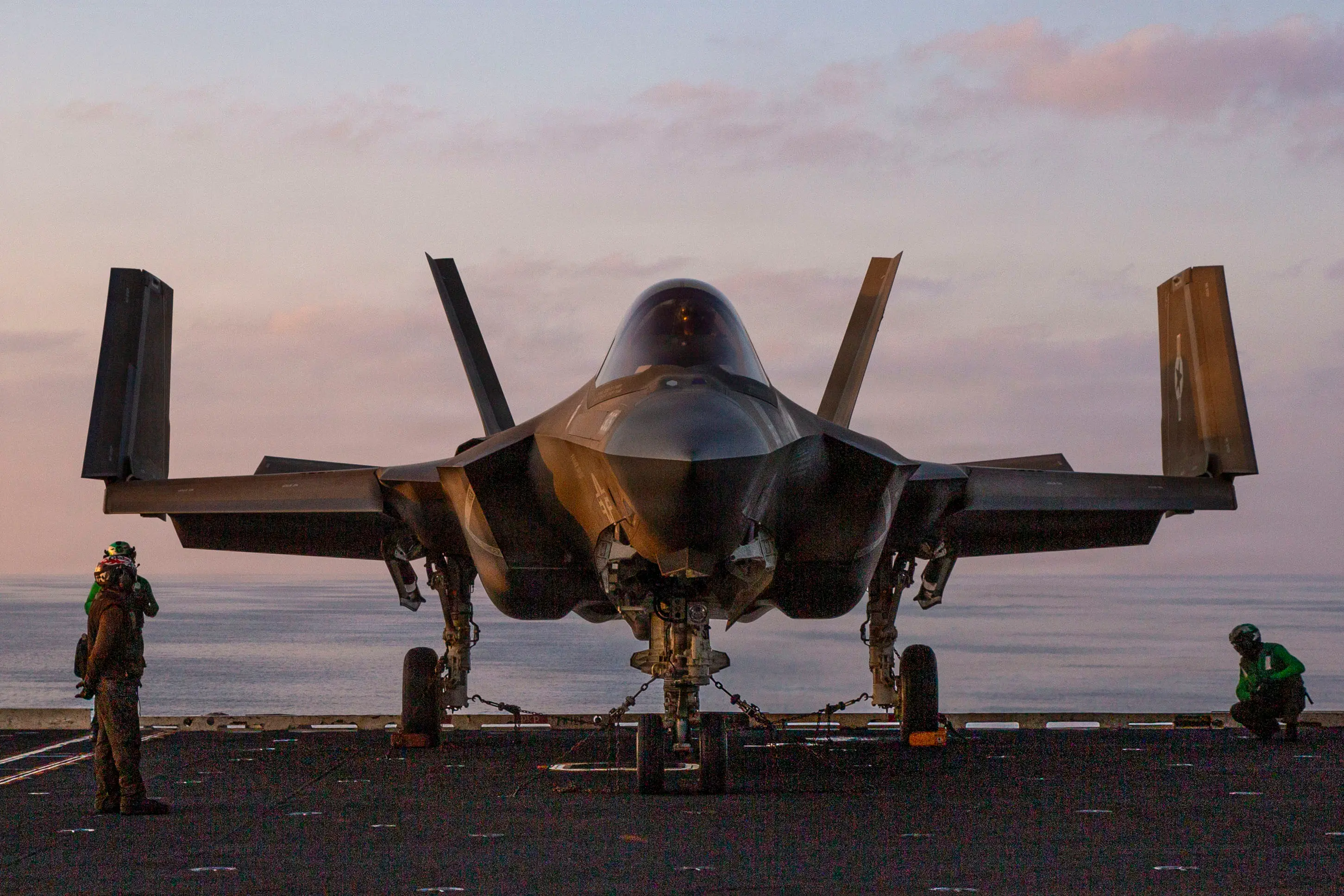
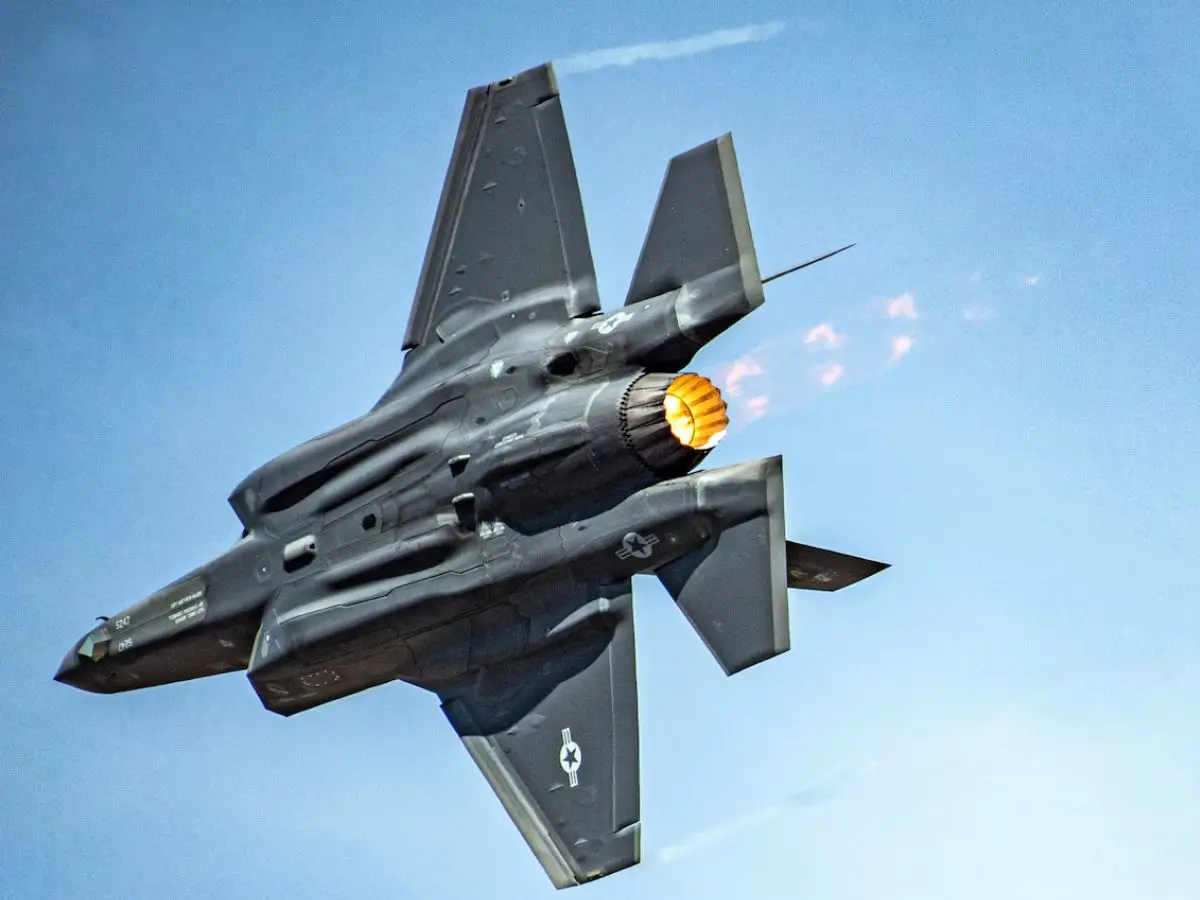
On Thursday, Iran claimed that it had struck a Lockheed Martin F-35 Lightning II during a mission over its territory, asserting that the aircraft was forced to make an emergency landing at a base in the Middle East. A spokesperson for US Central Command, Captain Tim Hawkins, confirmed the landing but did not attribute a cause. “The aircraft landed safely, and the pilot is in stable condition,” he said, according to AFP. However, in a subsequent statement on Sunday, CENTCOM rejected Iran’s claim that it had downed a fifth-generation fighter. “US forces have flown more than 8,000 combat flights during Operation Epic Fury. No US fighter aircraft have been shot down by Iran,” the command said on the platform X.
Claims and counterclaims
Separately, Air & Space Forces Magazine, a publication covering the US Air Force, cited sources familiar with the matter and suggested the aircraft may have been struck by ground fire during a mission over Iran, leaving the pilot with shrapnel injuries. US authorities have not publicly confirmed this detail.
The importance of onboard radar
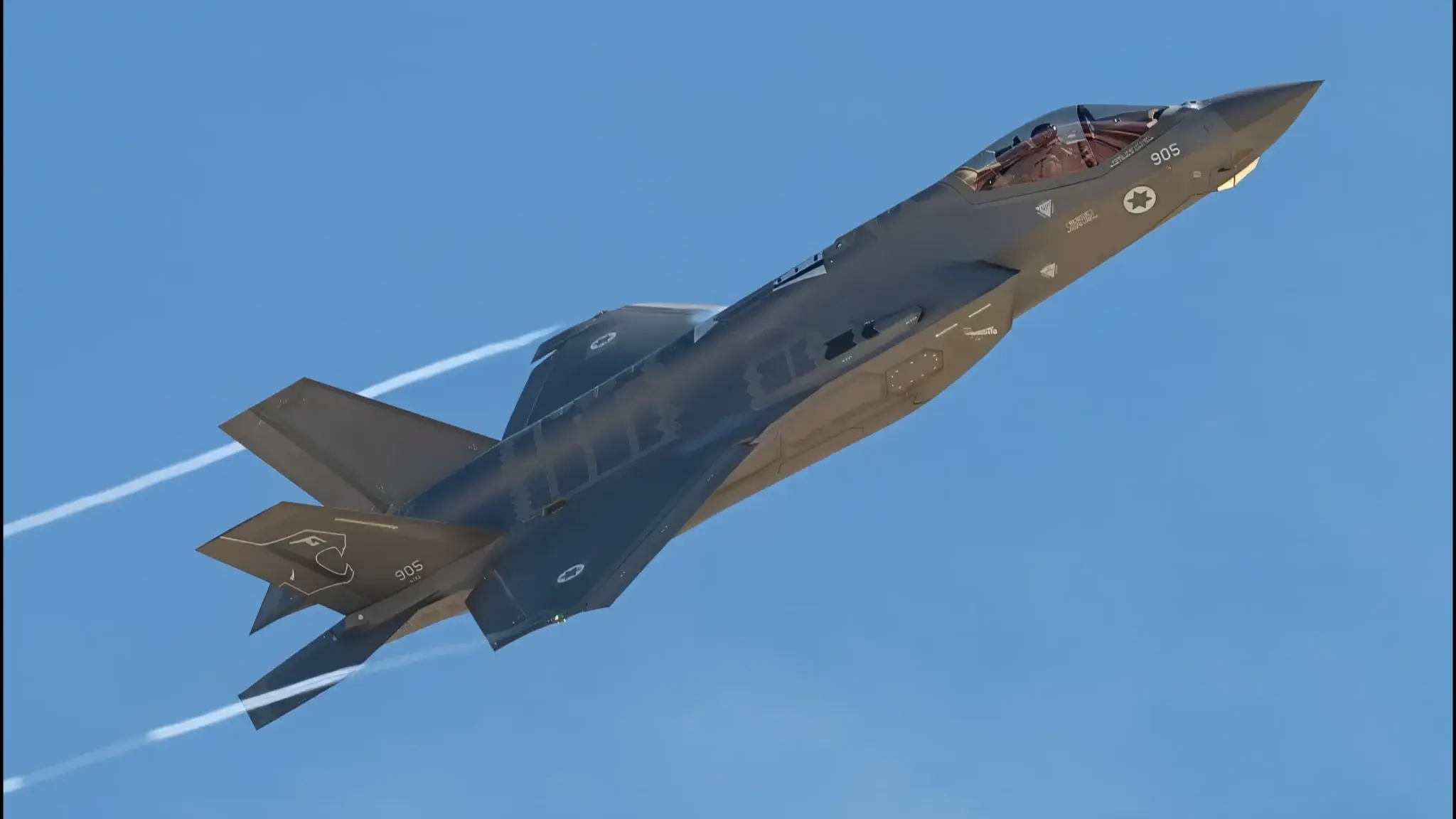
Modern air combat depends heavily on sensor dominance. The F-35’s radar enables detection, tracking and targeting over long ranges, while also supporting electronic warfare functions. It is central to the aircraft’s integrated design, allowing pilots to operate with a high degree of situational awareness. Without it, the jet’s effectiveness in combat operations is significantly reduced.
The significance of APG-85
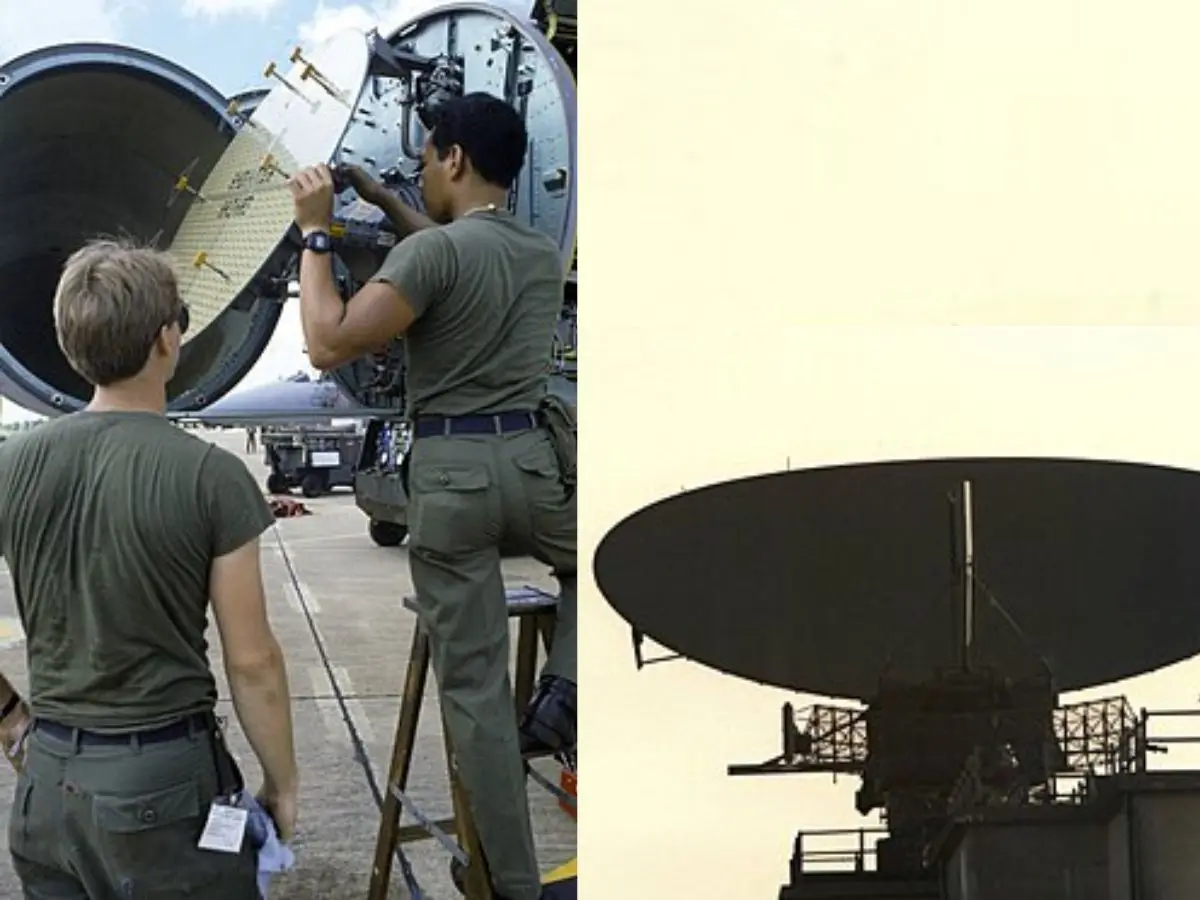
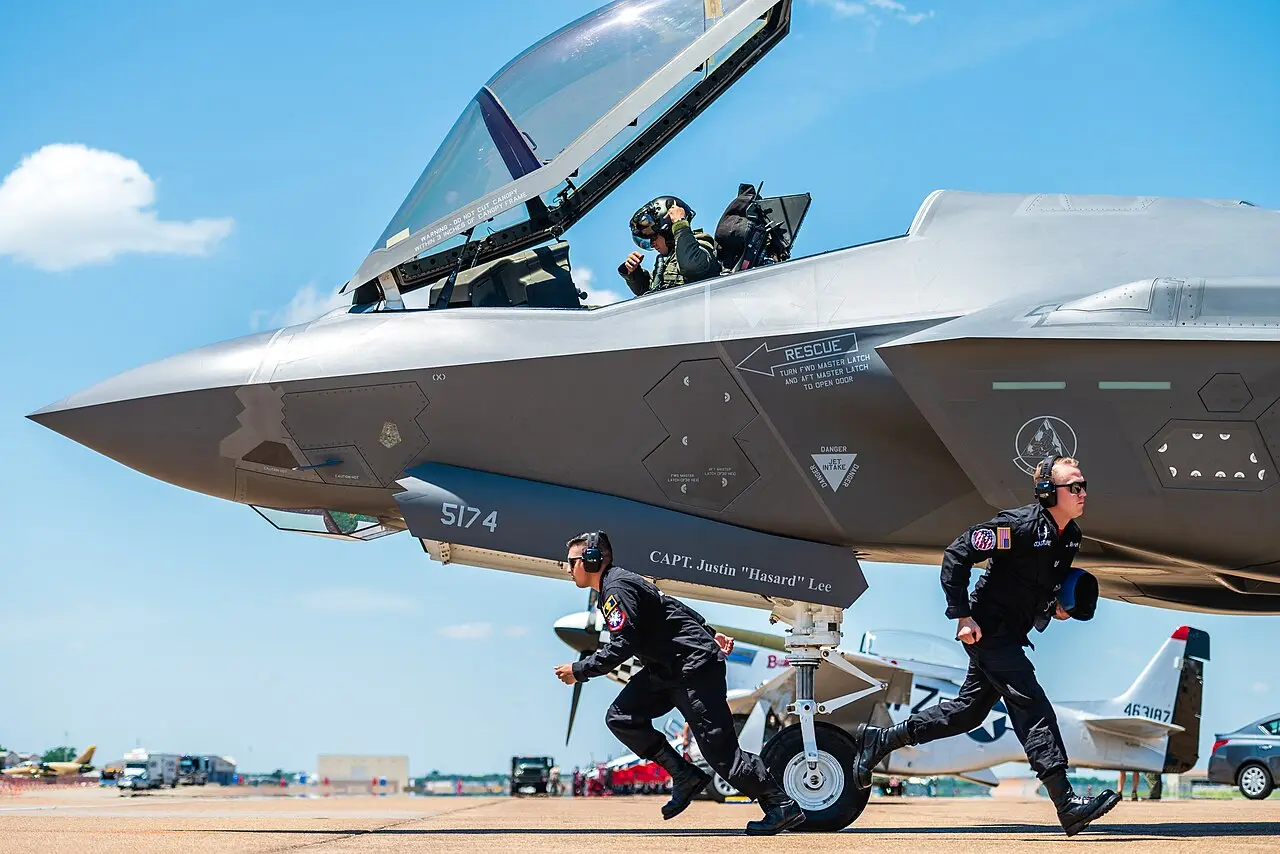
The next-generation AN/APG-85 radar is an advanced Active Electronically Scanned Array (AESA) radar for the F-35 Lightning II. They are developed by Northrop Grumman, is intended to replace the older AN/APG-81 as part of the F-35’s Block 4 upgrade. It is designed to provide greater detection capability, improved resistance to electronic interference and enhanced processing power, features considered essential for operations in contested environments.
A separate production challenge
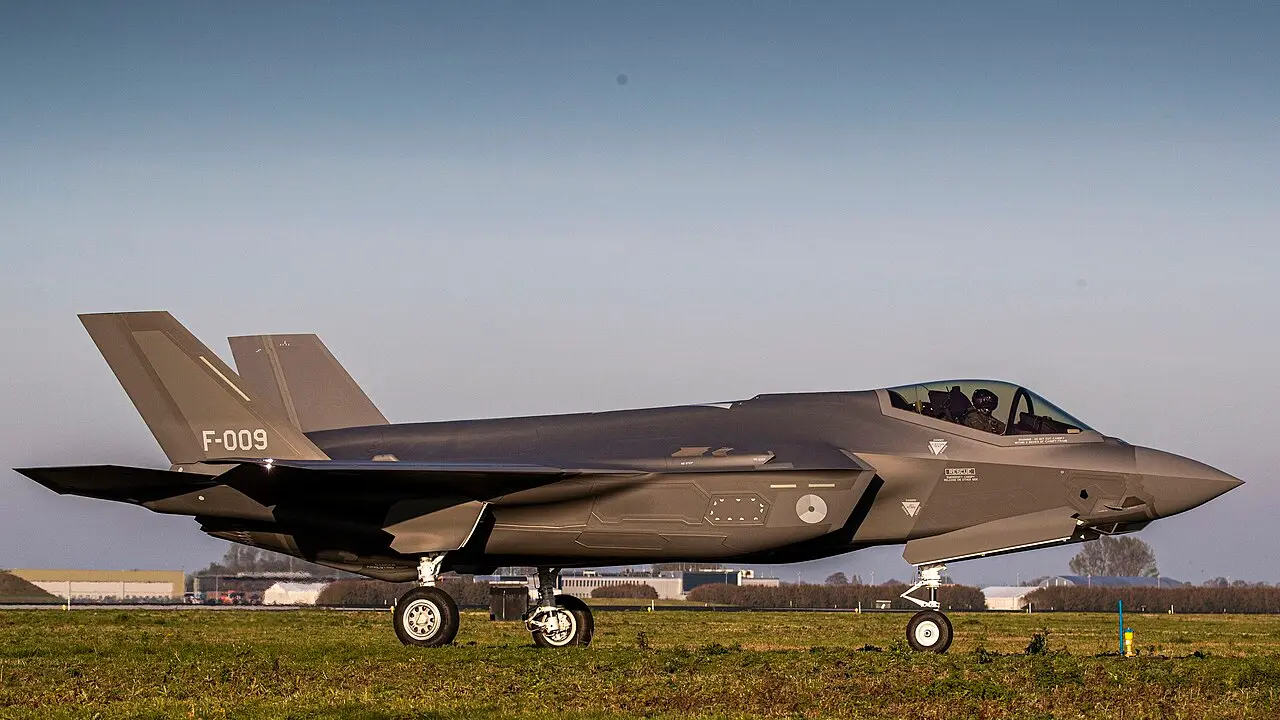
Meanwhile, in a separate development, the United States Armed Forces are preparing to accept deliveries of new F-35 aircraft without onboard radar systems due to delays in APG-85 production. The first such aircraft, an F-35B, completed an acceptance flight in February at Lockheed Martin’s facility in Fort Worth, Texas, according to US media reports.
Deliveries without full capability
The delay stems from prolonged certification timelines for the AN/APG-85 radar. According to Air & Space Forces Magazine, the aircraft could be delivered over the coming months and potentially into next year, until production of the APG-85 stabilises.
A programme shaped by transition
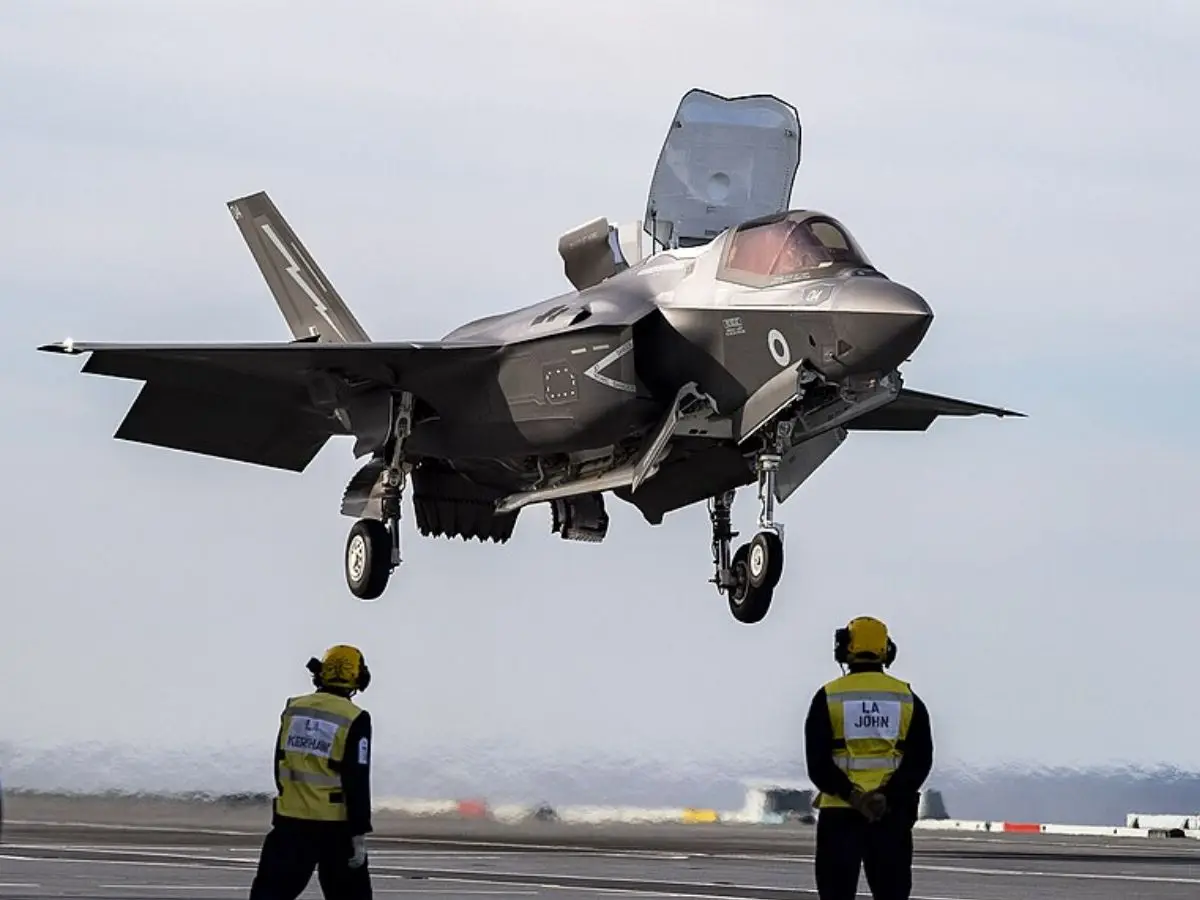
As former F-16 pilot Heather Penney told the Magazine that they can still support training roles. The F-35 retains its electro-optical distributed aperture system, which provides 360-degree awareness, and can share data with other platforms such as the Boeing E-3 Sentry. Taken together, the incident and production developments underline a programme in transition, where next-generation systems such as the APG-85 remain central to the aircraft’s intended combat capability.
)
)
)
)
)