Why does the F-15E Strike Eagle have two pilots?

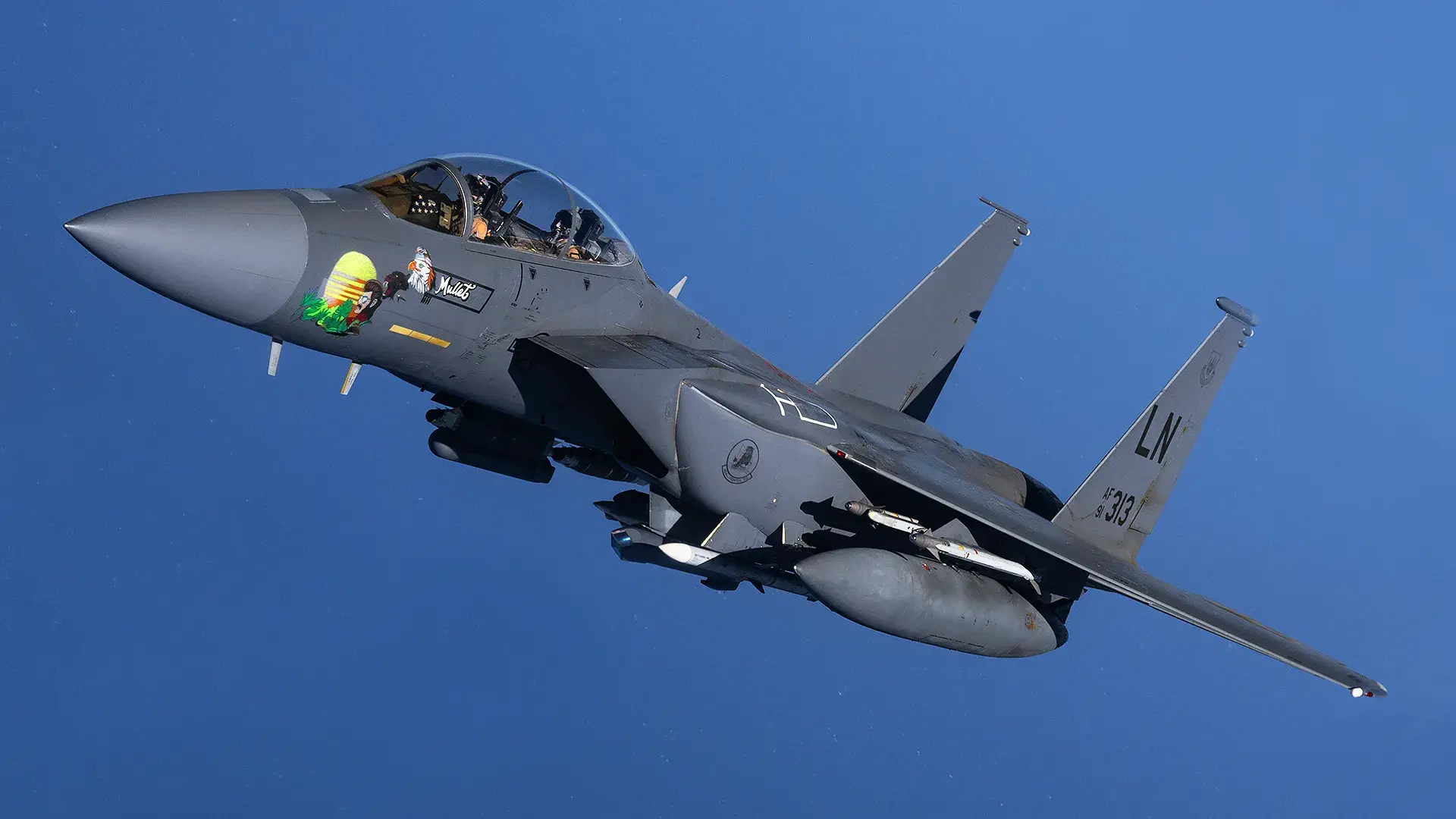
The F-15E Strike Eagle uses a two-person crew a pilot and a Weapon Systems Officer. This divides the intense workload of flying at high speeds while managing complex ground-attack weapons, ensuring mission success in hostile airspace.
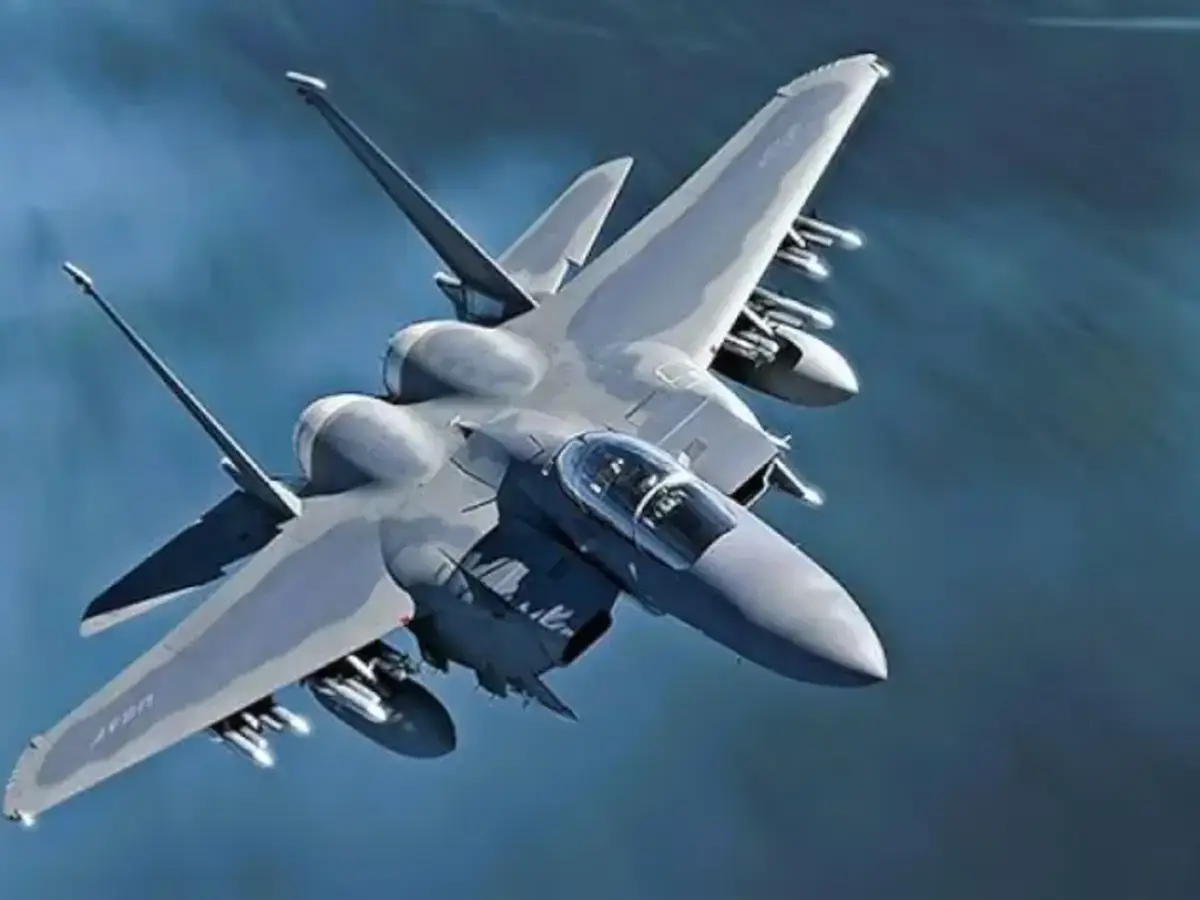
Not two pilots, but a team
The F-15E does not actually carry two pilots; it seats one pilot in the front and a Weapon Systems Officer (WSO) in the rear. This dual setup divides the extreme mental demands required during high-stakes combat operations.
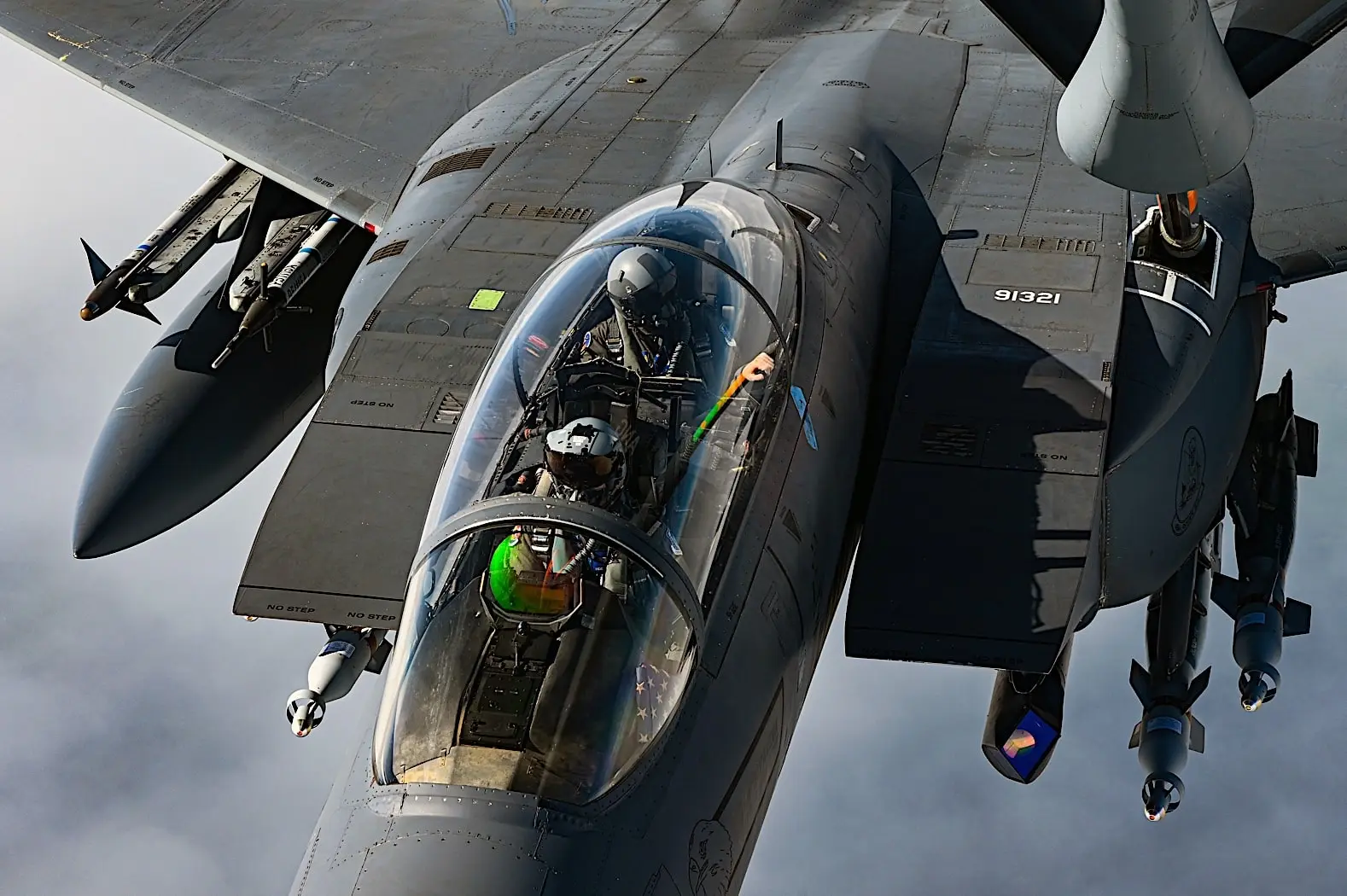
Managing the cognitive load
Flying at low altitudes at speeds reaching Mach 2.5 while dodging anti-aircraft fire creates an overwhelming workload for a single person. The two-seat design ensures that one crew member remains focused entirely on flying and surviving.
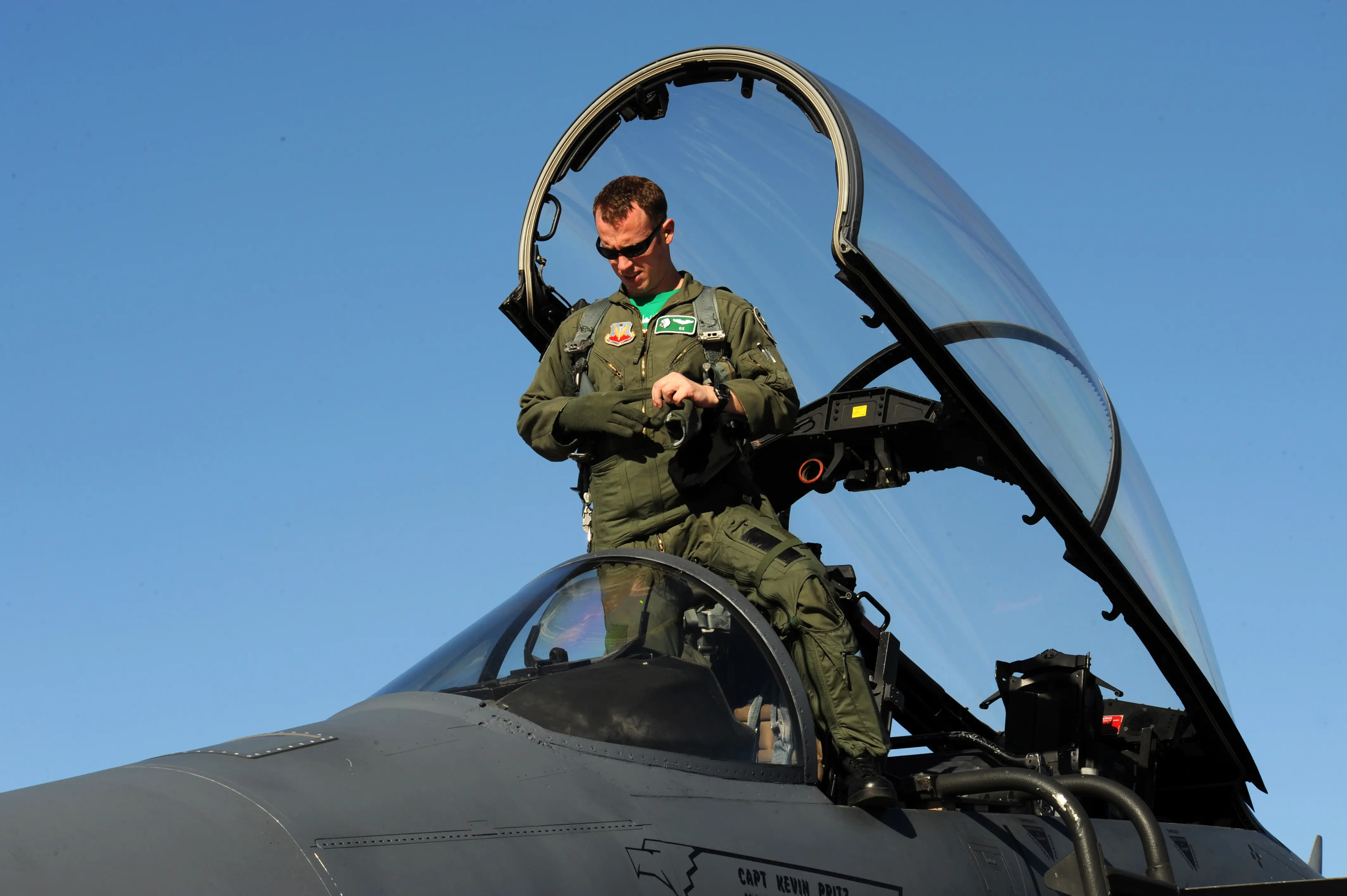
The pilot’s primary role
The front-seat pilot handles the primary flight controls, manages air-to-air radar, and directly engages enemy aircraft. Their main responsibility is keeping the jet airborne, evading threats, and positioning the aircraft for a strike.
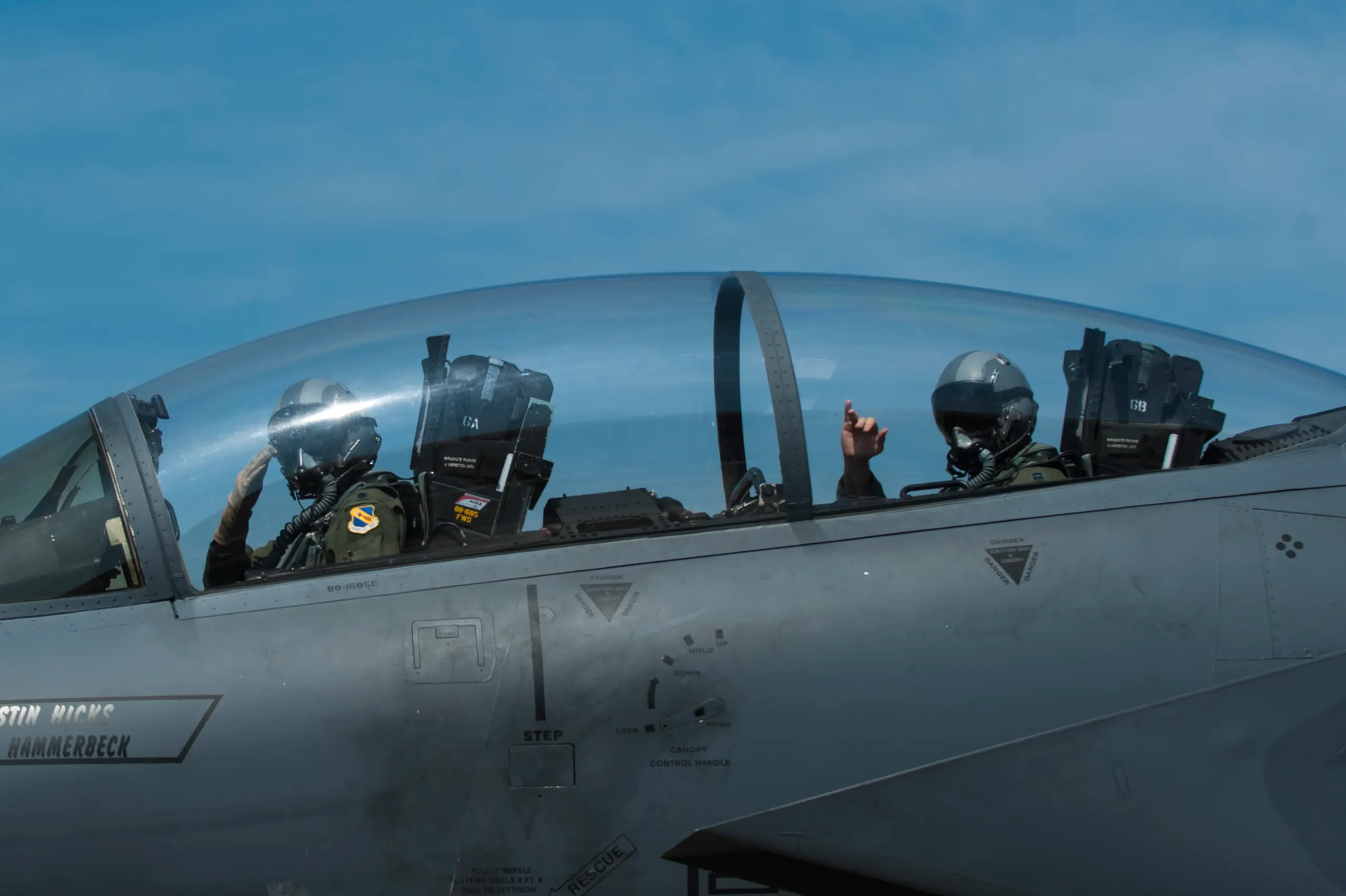
The Weapon Systems Officer
Seated in the back, the WSO acts as the tactical commander for ground attacks. They operate the advanced targeting pods, manage electronic warfare systems, and precisely guide munitions to the target.
Advanced rear cockpit displays
The WSO monitors four multi-purpose screens displaying real-time radar mapping, infrared imagery, and threat warnings. This allows them to identify and lock onto targets miles away without distracting the pilot from flying.
Night and all-weather strikes
The Strike Eagle was built to operate in total darkness and severe weather conditions using advanced navigation systems. Interpreting this complex sensor data in real-time requires the dedicated, undivided attention of the WSO.
A proven combat division
Since Operation Desert Storm in 1991, this division of labour has proven highly successful. By separating flying duties from targeting duties, the F-15E maintains an exceptional accuracy and survival rate across multiple combat zones.
)
)
)
)
)