Why do the world’s biggest jet engines make the Boeing 777 a fuel-saving giant?

Edited By Abhinav Yadav
Published: Jun 06, 2025, 17:35 IST | Updated: Jun 06, 2025, 17:35 IST
Boeing 777 engines are the largest in commercial aviation. Using only two powerful GE90 engines, the 777 can fly long distances efficiently. Advanced tech like carbon fiber blades boosts fuel savings and performance and reduces noise and emissions.
1 / 7
(Photograph: Boeing)
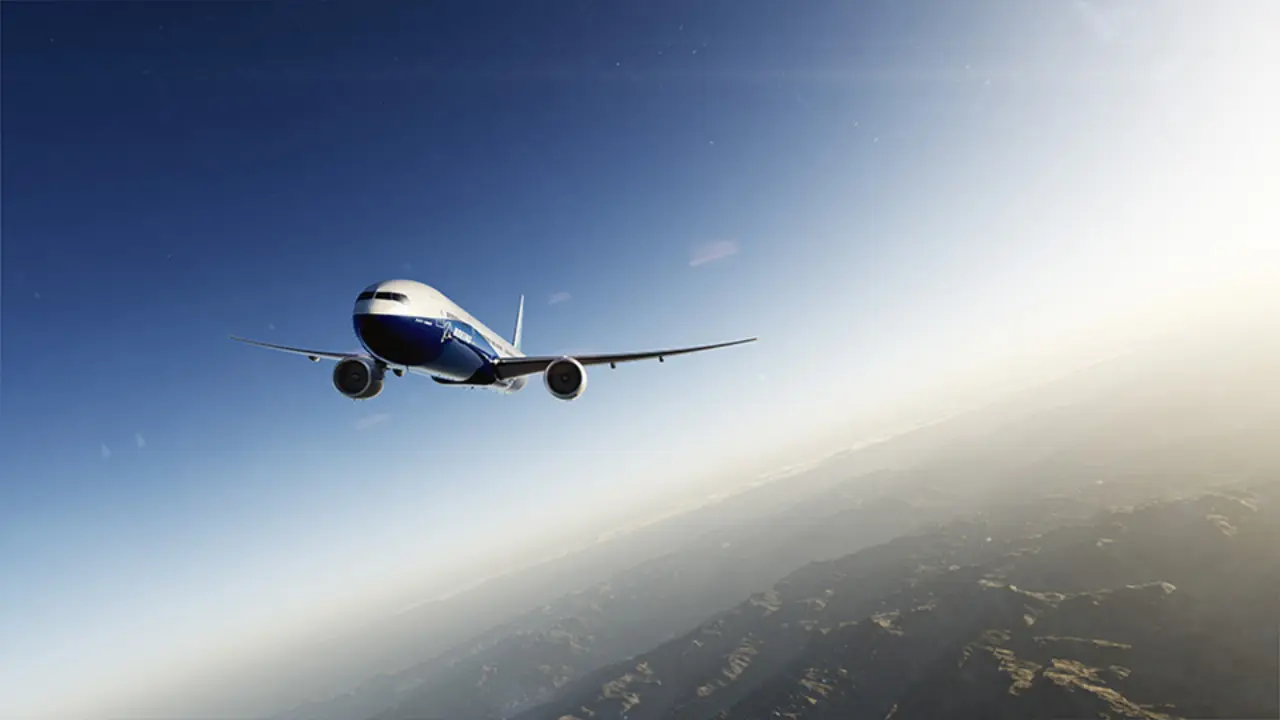
Why Are Boeing 777 Engines So Big?
The Boeing 777 is a large aircraft with only two engines. These engines must be very powerful to lift the plane, which can weigh up to 347 tonnes at take-off, making them the largest in commercial aviation.
2 / 7
(Photograph: Air France)
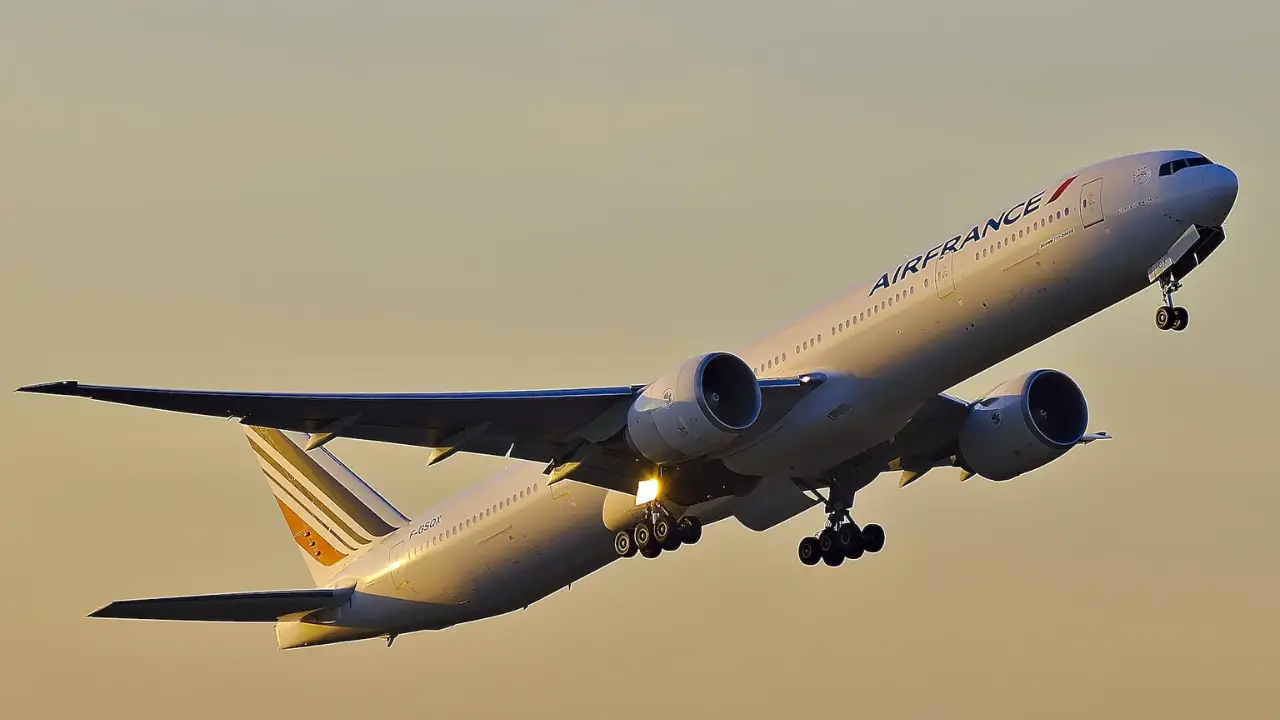
Two Engines, More Power Needed
Unlike the Airbus A340, which has four engines, the Boeing 777 uses just two. Each engine must produce much more power to match the lift and performance of a four-engine jet.
3 / 7
(Photograph: GE Aerospace)
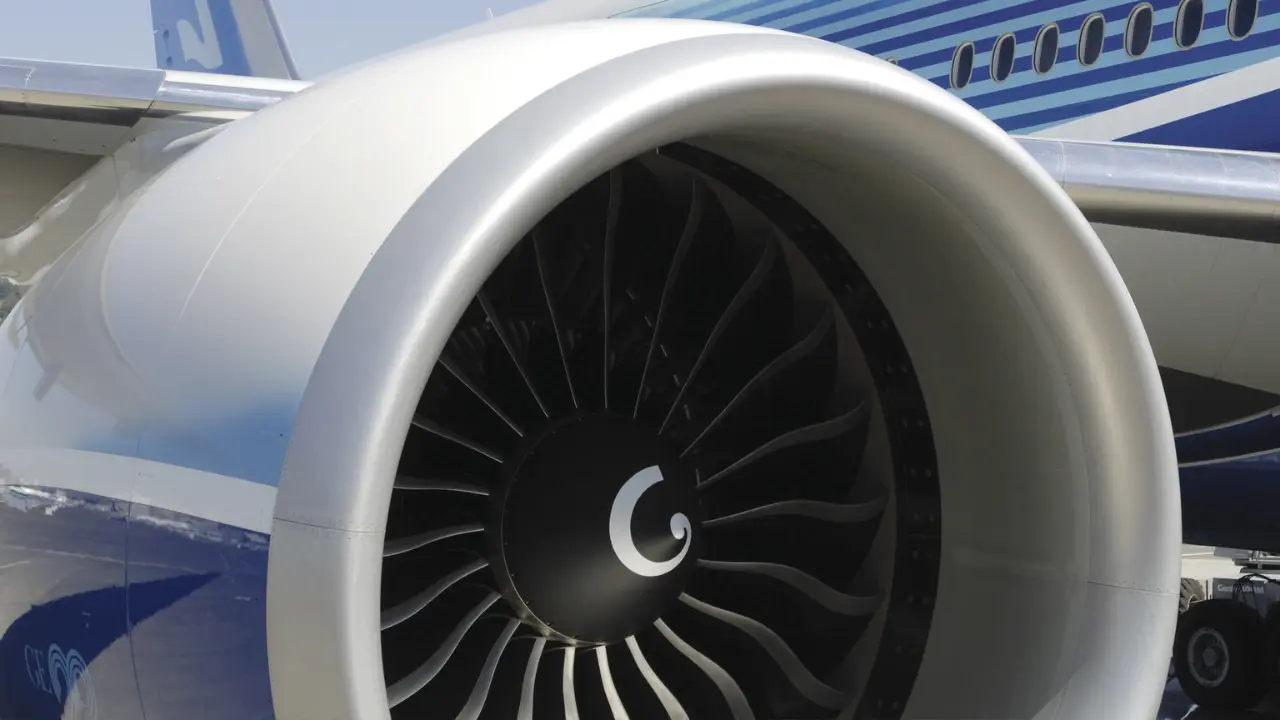
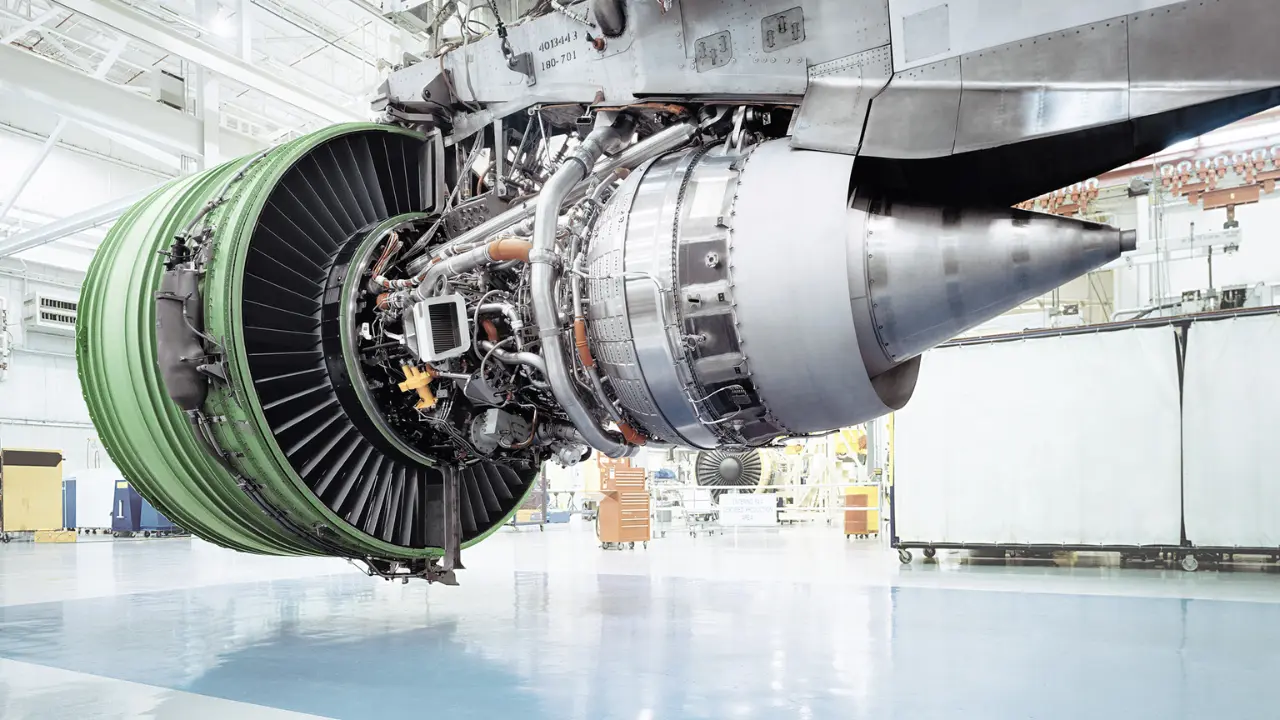
The GE90: World’s Largest Jet Engine
Most 777s use the General Electric GE90 engine. Its fan is over three metres wide and produces up to 115,000 pounds of thrust. This engine is as powerful as 1,500 SUVs combined.
4 / 7
(Photograph: GE Aerospace)
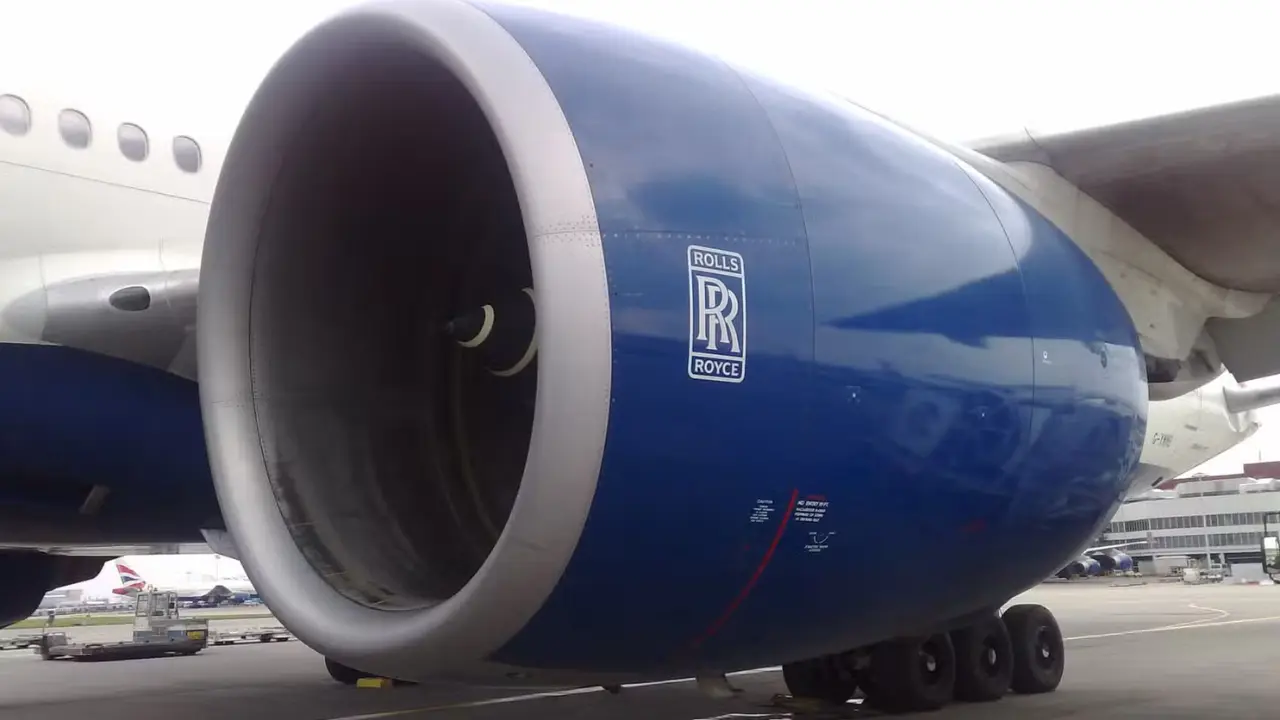
Why Not Four Engines?
Boeing chose two engines to save on fuel and lower costs. Twin-engine jets like the 777 are more efficient and cheaper to run, thanks to new safety rules for long flights.
5 / 7
(Photograph: GE Aerospace)
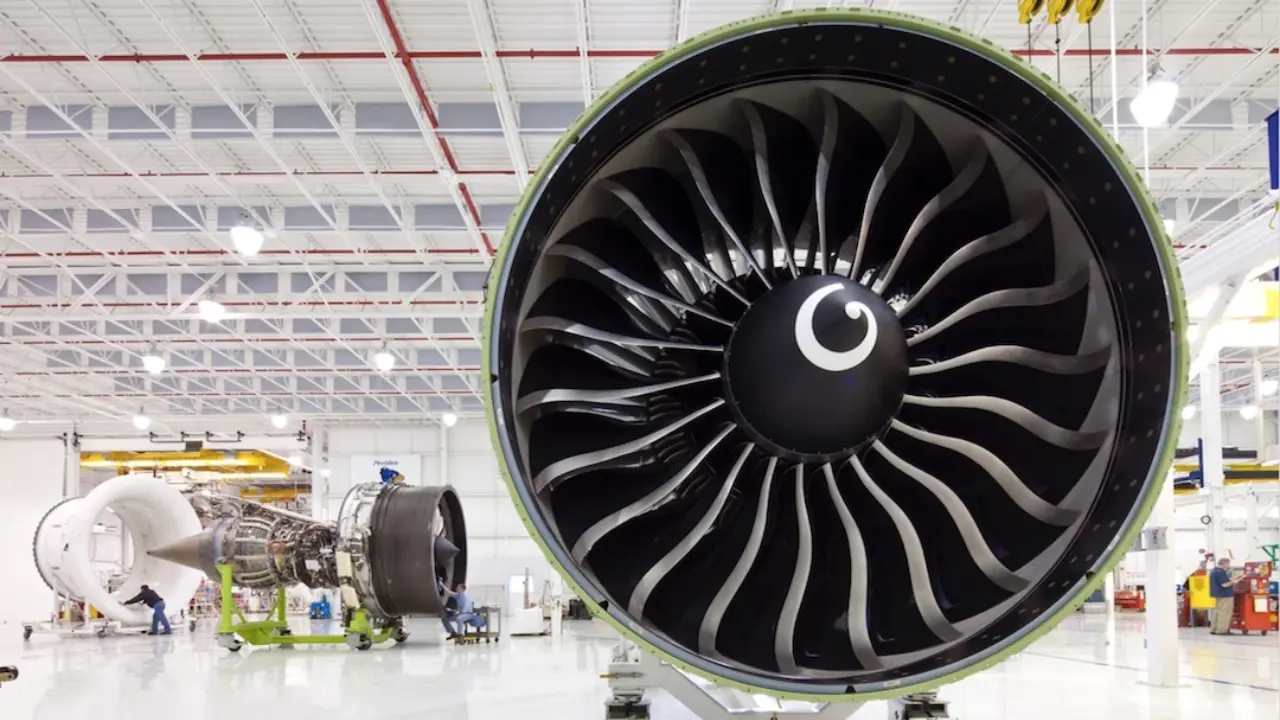
New Technology for Lighter Engines
The GE90 uses carbon fibre fan blades, which are lighter and stronger than metal. This helps the engine work better, use less fuel, and reduce noise and pollution.
6 / 7
(Photograph: GE Aerospace)
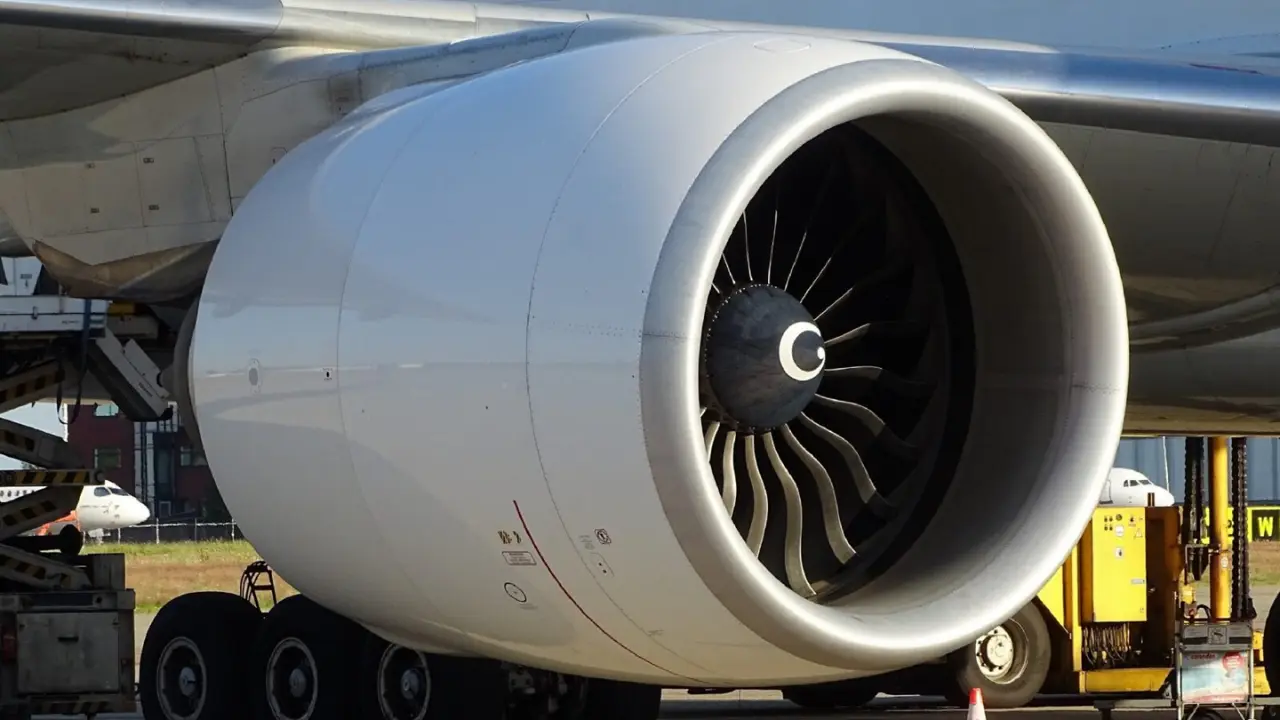
Second Generation: Even More Power
Later 777 models use a newer GE90 engine with curved blades and even more thrust. The next version, the GE9X, will power the 777X and is set to break even more records.
7 / 7
(Photograph: X)
Big Engines, Big Benefits
The huge engines on the Boeing 777 make it possible to carry more passengers and cargo over long distances while using less fuel per seat than older planes.
)
)
)
)
)