Why do the setting and rising sun hold deep meaning in Chhath Puja?

Chhath Puja is mainly celebrated in Bihar, Uttar Pradesh, and Jharkhand. It honors the Sun God (Surya Dev) and his consort Usha, also known as Chhathi Maiya, for their life-giving energy, health, and prosperity. The festival involves worshiping both the setting and rising sun.
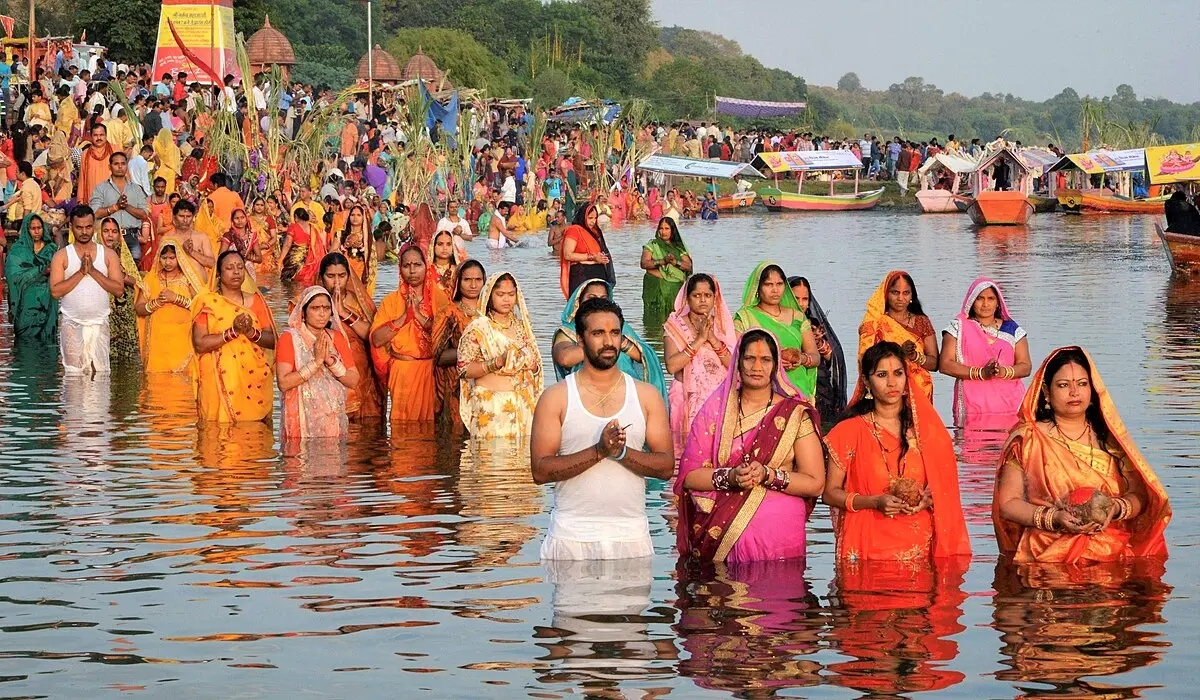
What is Chhath Puja and where is it celebrated?
Chhath Puja is among India’s oldest festivals, believed to be rooted in the Vedic age. It celebrates the Sun as the source of all life and thanks him for sustaining crops and health. The ritual is especially observed along riverbanks and ponds, bringing families and communities together to pray for well-being.
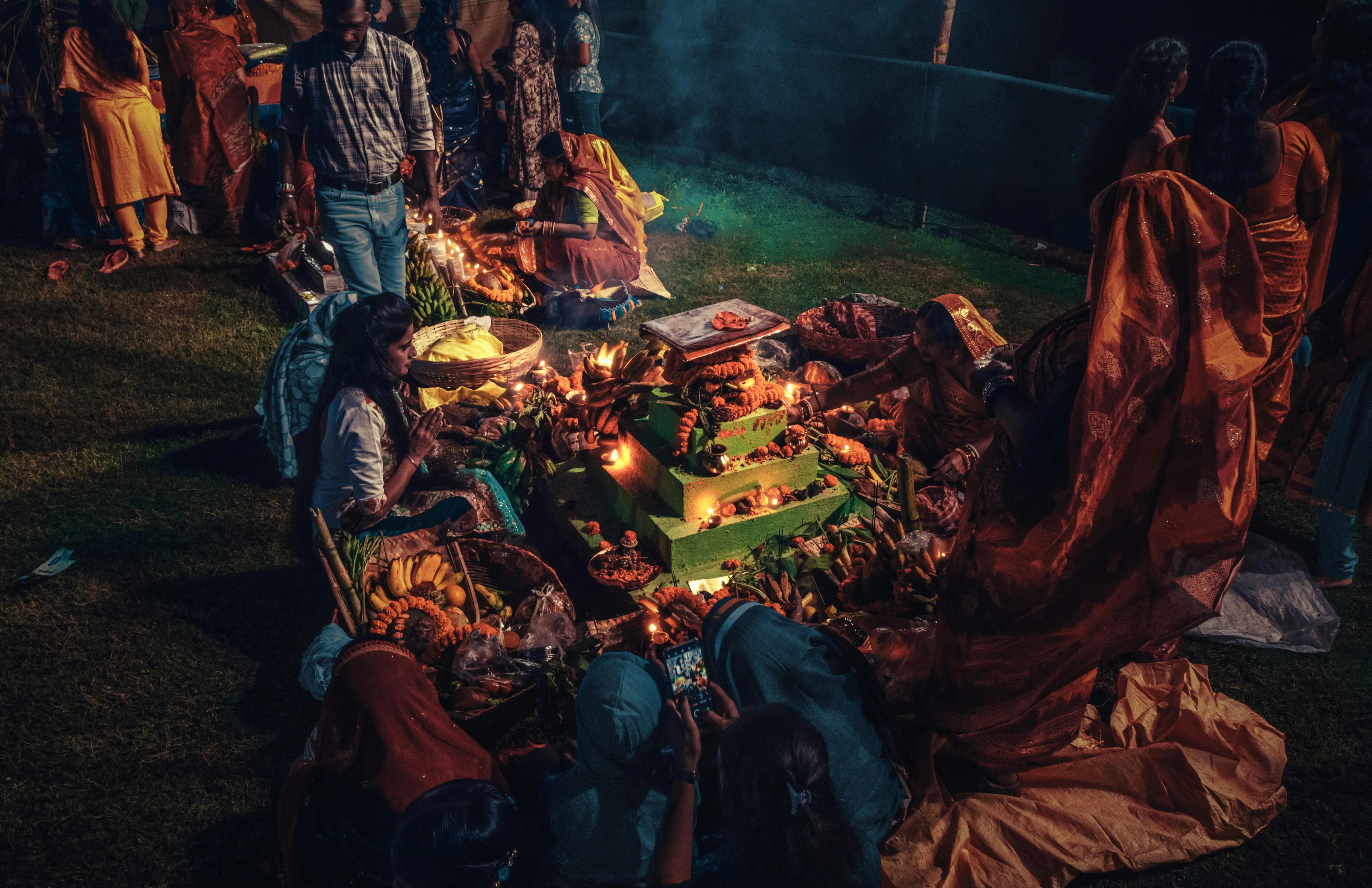
Why do people worship both setting and the rising sun?
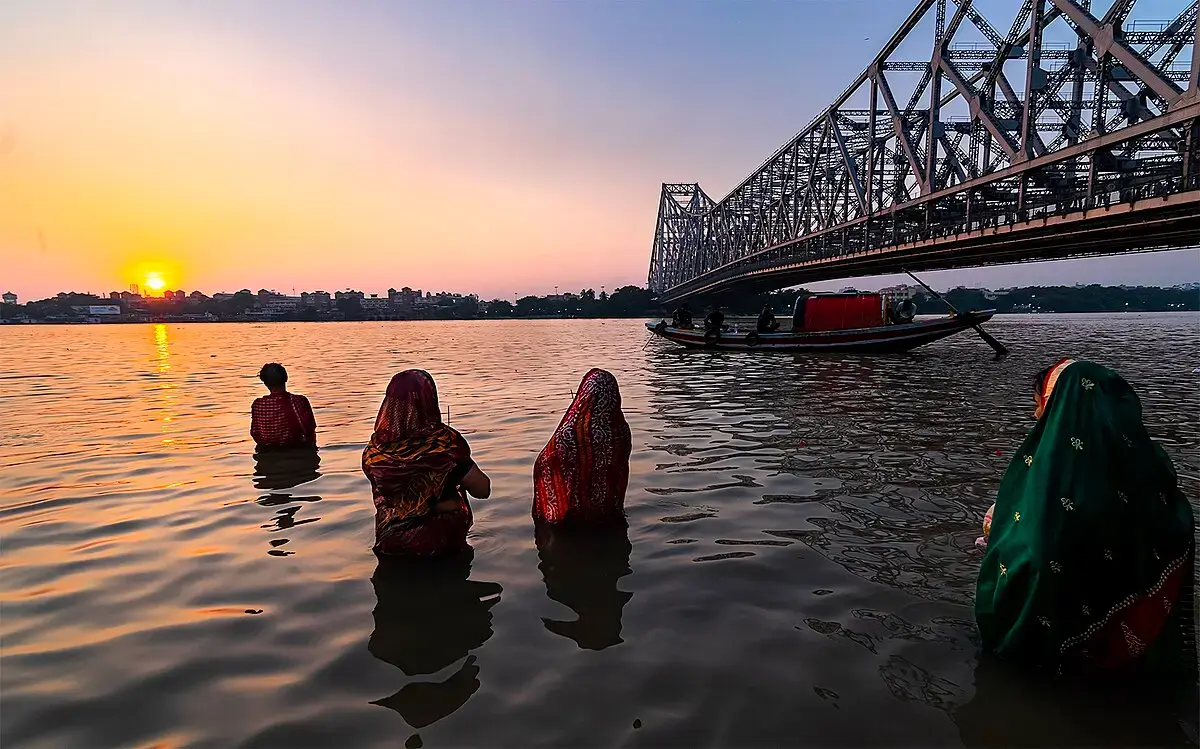
Mostly in festival usually people worship the sun at sunrise. Chhath puja is unique for including both sunset and sunrise. Offering 'arghya' (water and prasad) at sunset shows gratitude for the day and all that has been received, while the sunrise offering welcomes new beginnings, hope, and positive energy for the future.
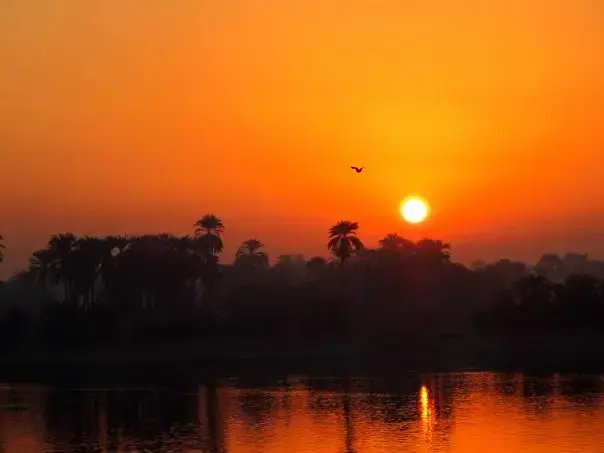
Symbolism - Balance, cycles of life, and gratitude
Worshipping the two sun phases reflects acceptance of life’s ups and downs completion and renewal. The setting sun teaches humility and gratitude for what has ended, and the rising sun symbolises new chances, hope, and spiritual awakening. Devotees believe that both offerings ensure physical and spiritual prosperity.
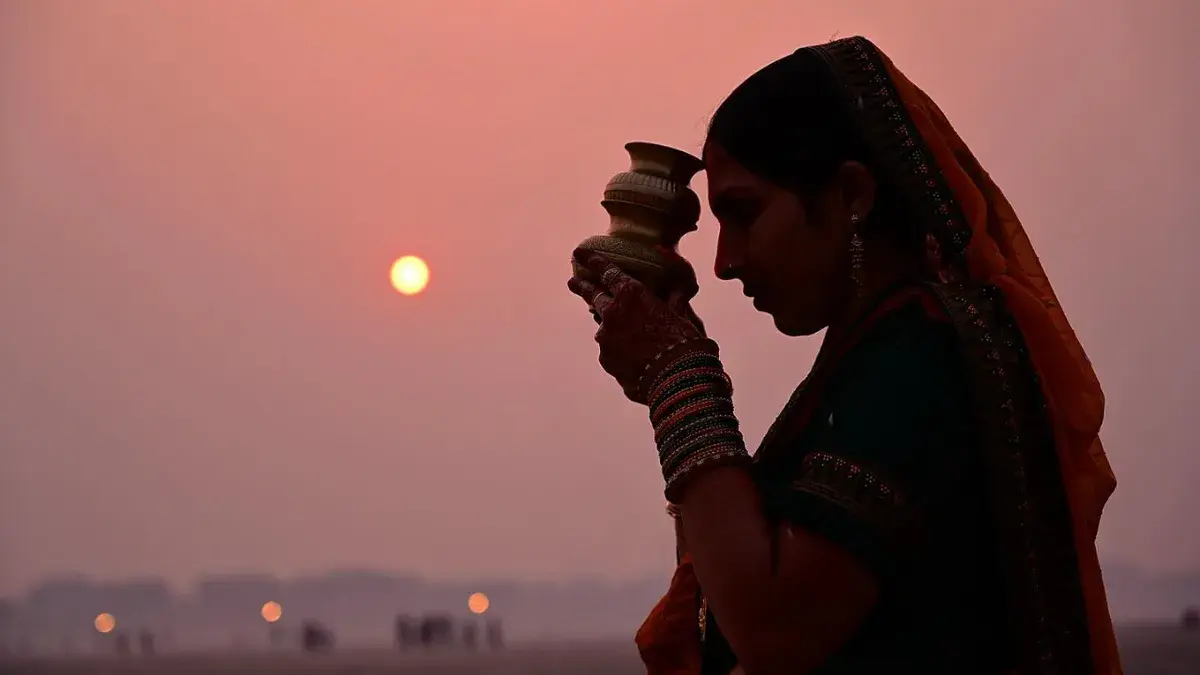
Science, tradition, and well-being
Standing in water at dusk and dawn, without food or water, is said to purify body and mind. This process also brings people closer to nature’s cycles, forming a bond between the devotee, the environment, and the divine.
The meaning today - Unity, harmony, and eco-spirituality
Chhath Puja today is a festival of unity, regardless of social status or wealth. It links people with water, sun, the environment, and their families. The rituals teach lessons in discipline, humility, gratitude, and respect for nature values needed for harmony in modern life.
)
)
)
)
)