Why do Su 57 fighter jets always fly in pairs?

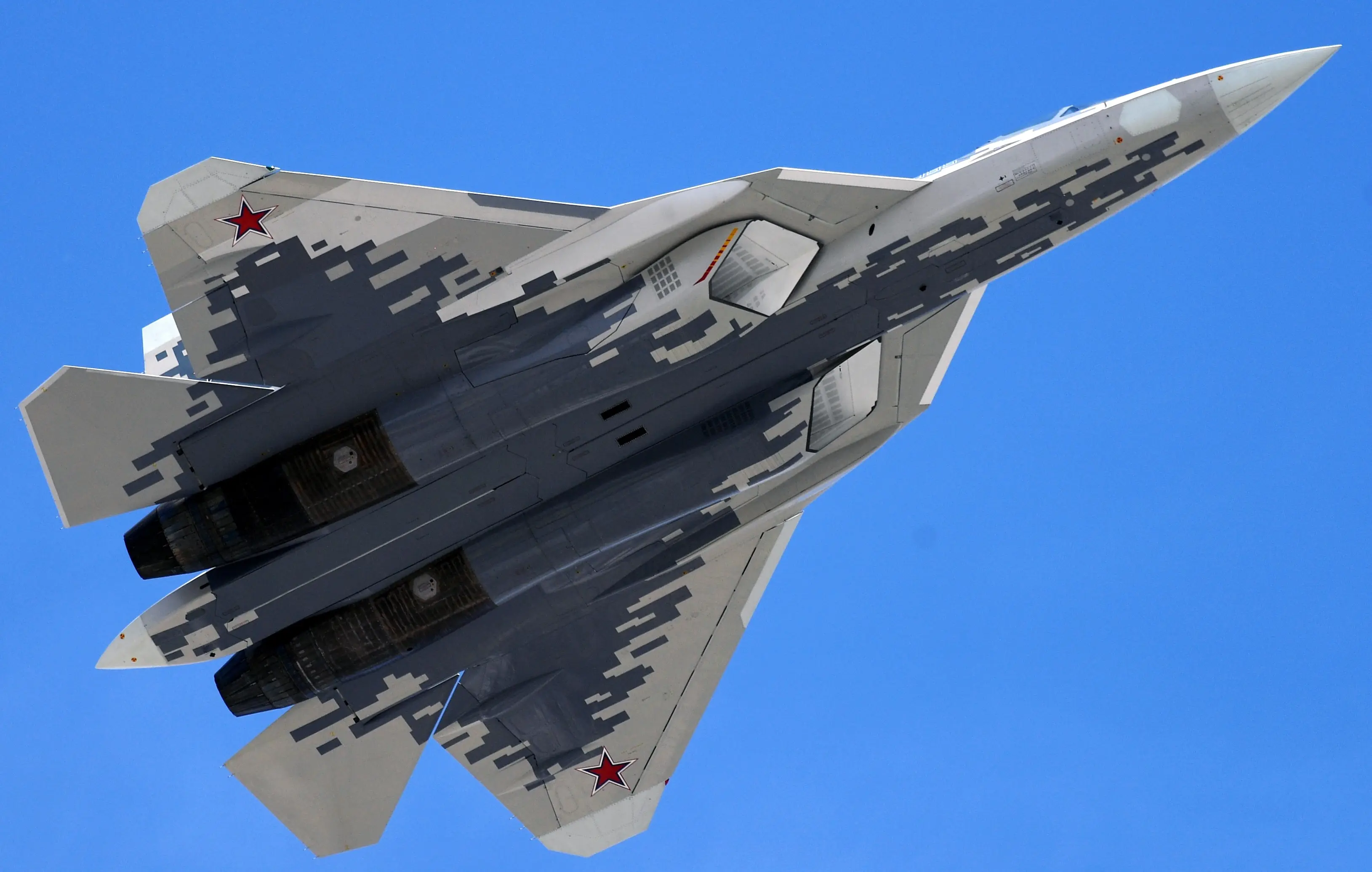
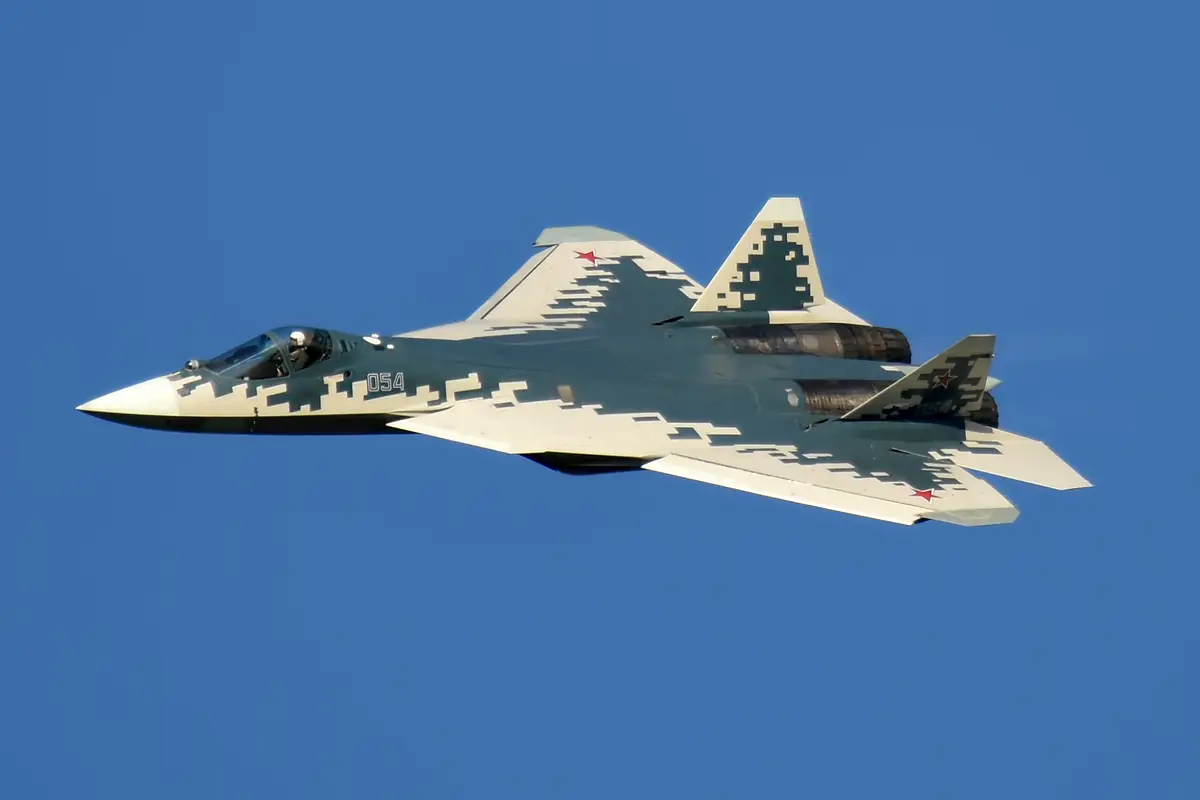
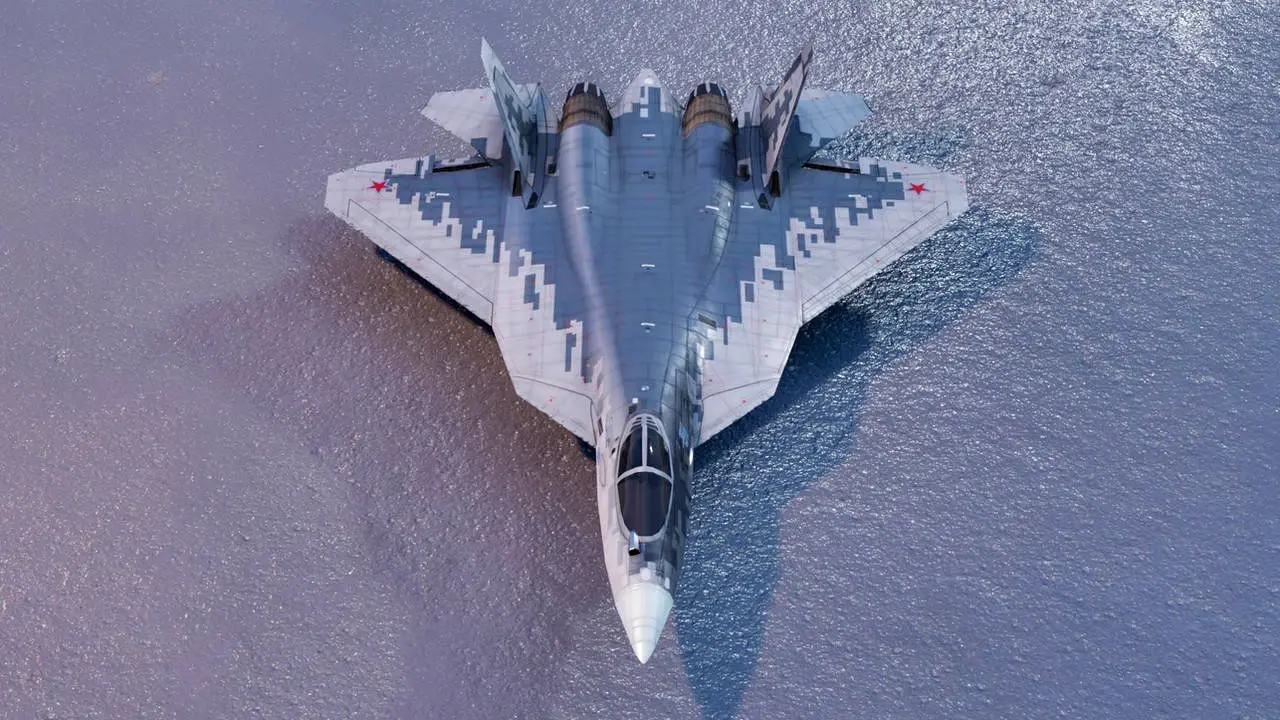
Russian Su-57 jets fly in pairs to cover more airspace, protect each other, and share target data in real time. This teamwork boosts their chance to spot enemies and survive battles. Want to know how flying in pairs gives Su-57s an edge? Know more below.
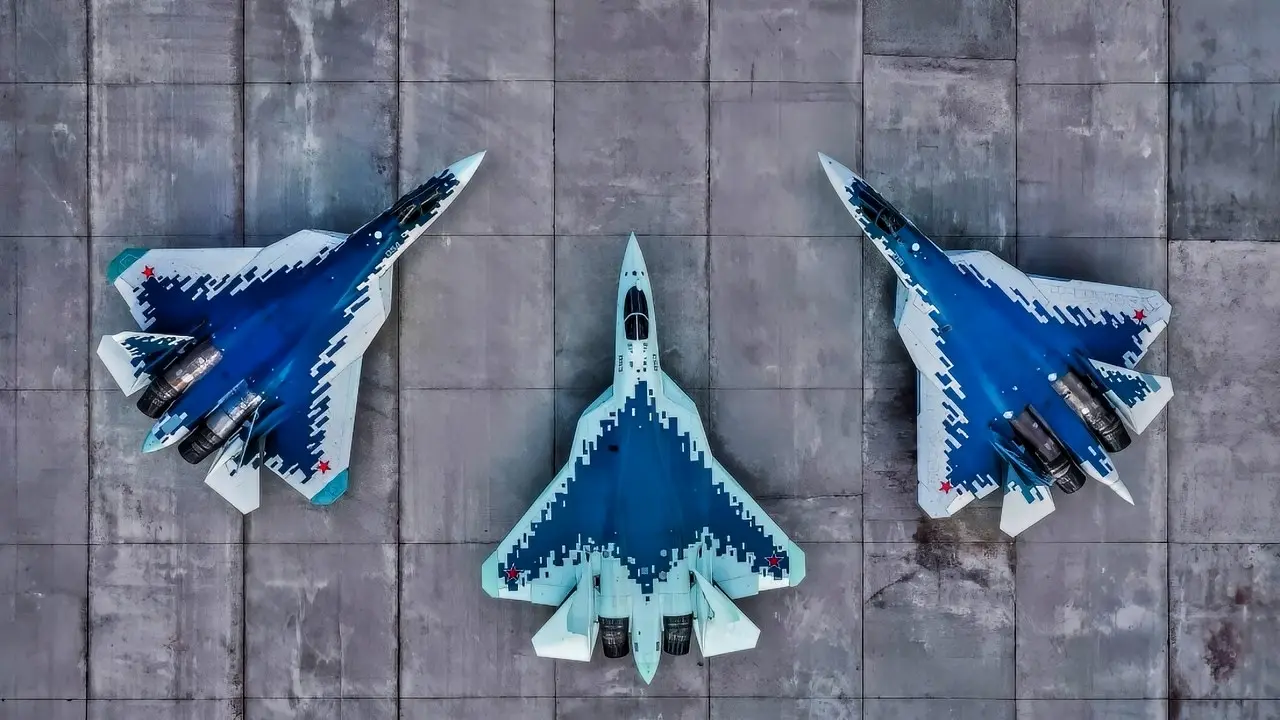
Why Su-57s Fly in Pairs
The Russian Air Force uses pair flying as a main tactic for jets like the Su-57. In a pair, one is the lead and the other is the wingman. This set-up helps both jets watch the airspace and protect each other if there is danger.
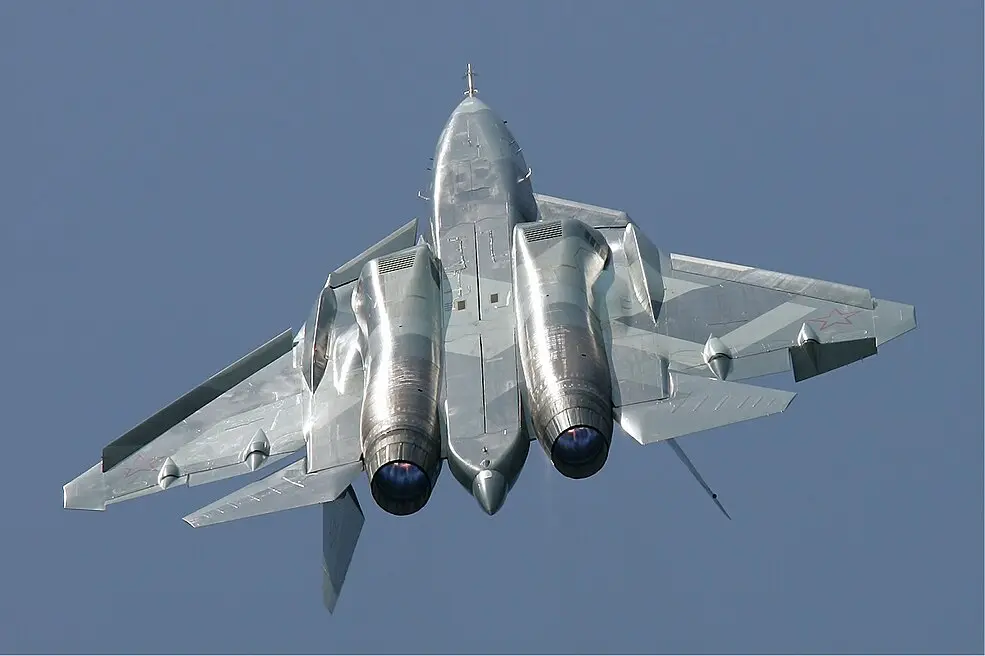
Tactical Role and Shared Attack
Pairs give strong defence. If one jet is attacked, the other can respond or help guide the partner out of trouble. This safety net has been part of air combat since the Second World War and is used by most air forces worldwide.
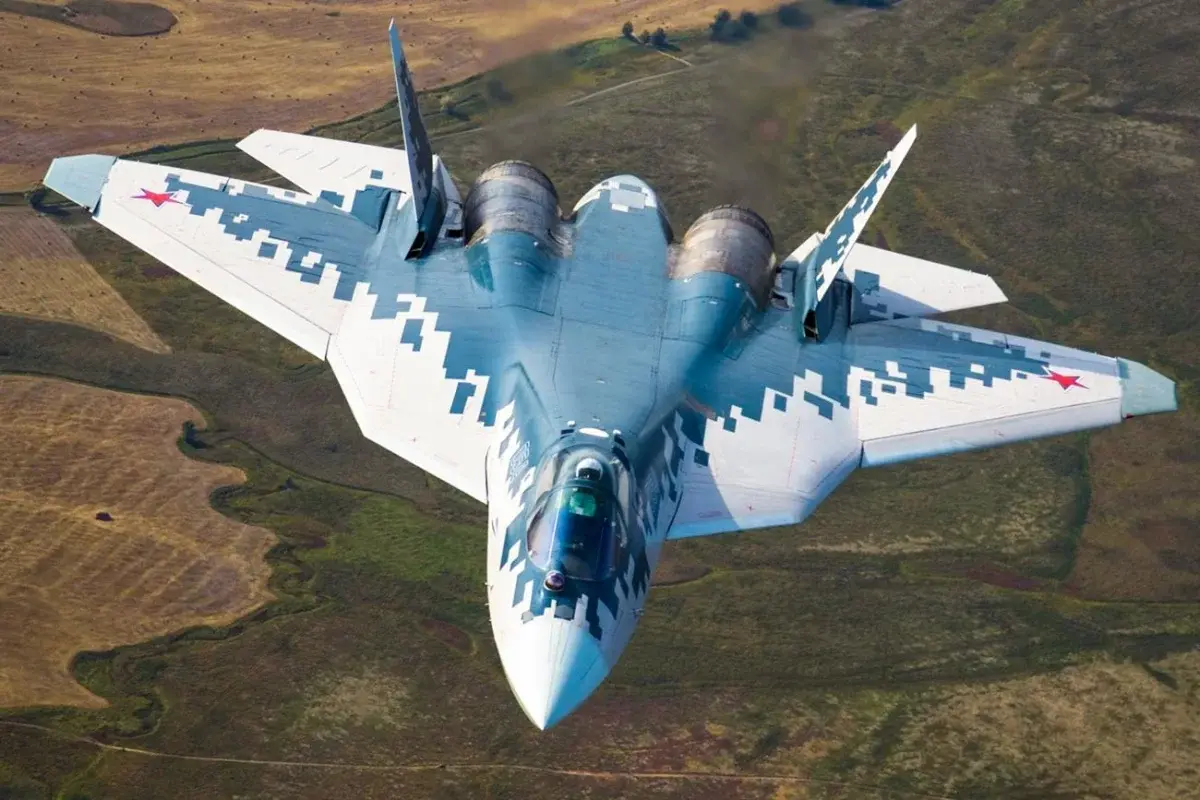
Mutual Protection
Pairs give strong defence. If one jet is attacked, the other can respond or help guide the partner out of trouble. This safety net has been part of air combat since the Second World War and is used by most air forces worldwide.
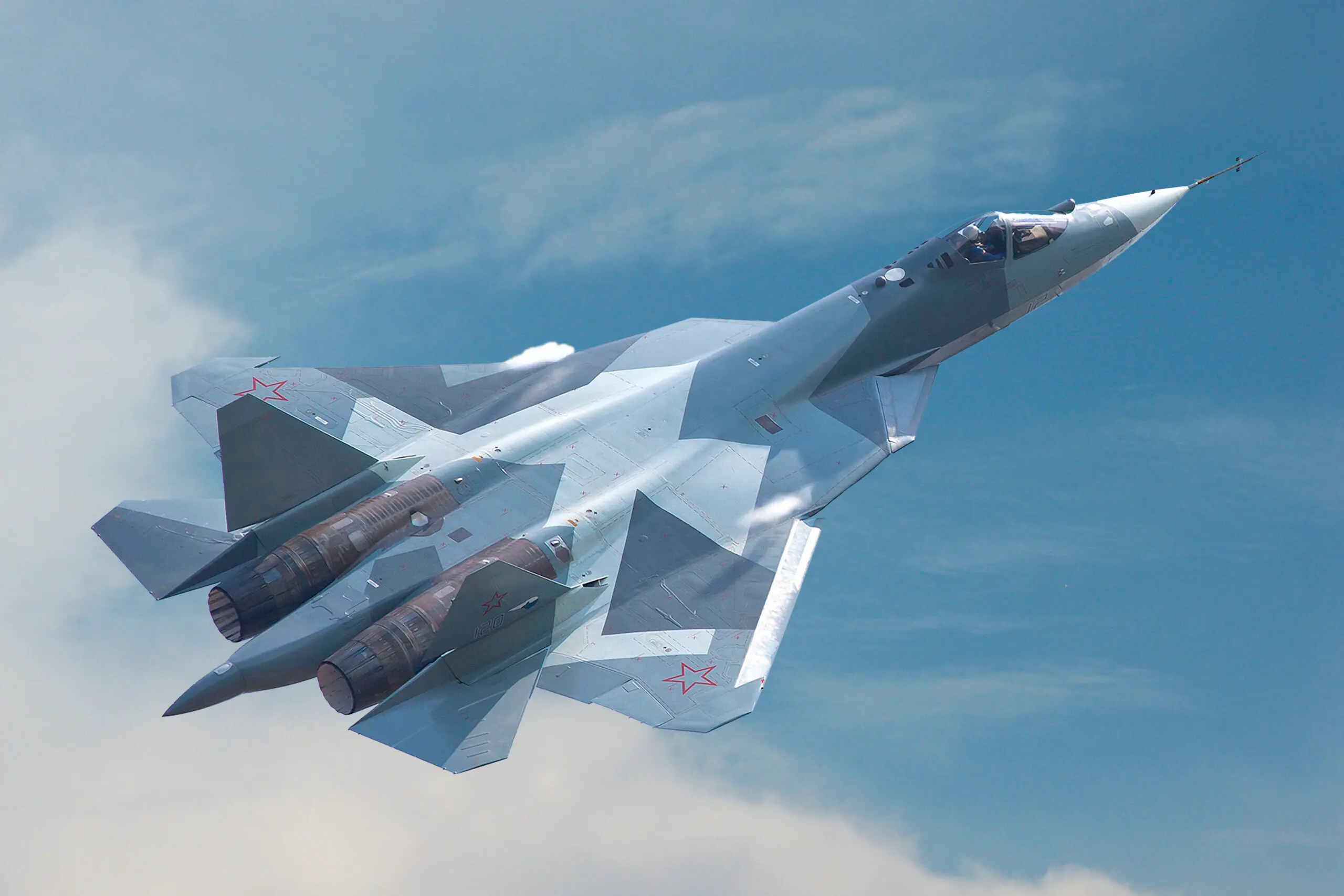
Using Advanced Systems Together
The Su-57 has modern radar and data links, so the pair can share information quickly. They can find targets, track threats, and launch missiles together. This networked flying makes their attack and defence more powerful than flying alone.
Strategic Advantage
Flying in pairs makes jobs like patrols, escorting, and deep attacks more successful. The leader can carry out the main mission, while the wingman is free to react to any surprise moves from the enemy. This makes the team much harder to beat or surprise.
Limitations of Pair Flying
Pairs use up more jets and pilots in the air than lone patrols. This can mean fewer jets for other missions if the air force is short on resources. Pair flying also needs well-practised teamwork and training, which not all air forces can keep up over time.
Real Combat Examples
Reports from recent conflicts confirm Russian jets Su-57 includedfly as singles or pairs for most operational missions. Russian pilot training and air tactics rely on these small units for safety, quick reaction, and control over wider areas with fewer forces.
)
)
)
)
)