Why do some fighter jets have tiny forward wings?

Tiny forward wings called canards help fighter jets lift faster, turn tighter, and recover from stalls safely. Aircraft like the Rafale and Typhoon use them to stay agile in air combat. New designs may make canards adaptive in the future.
What Are Canards?
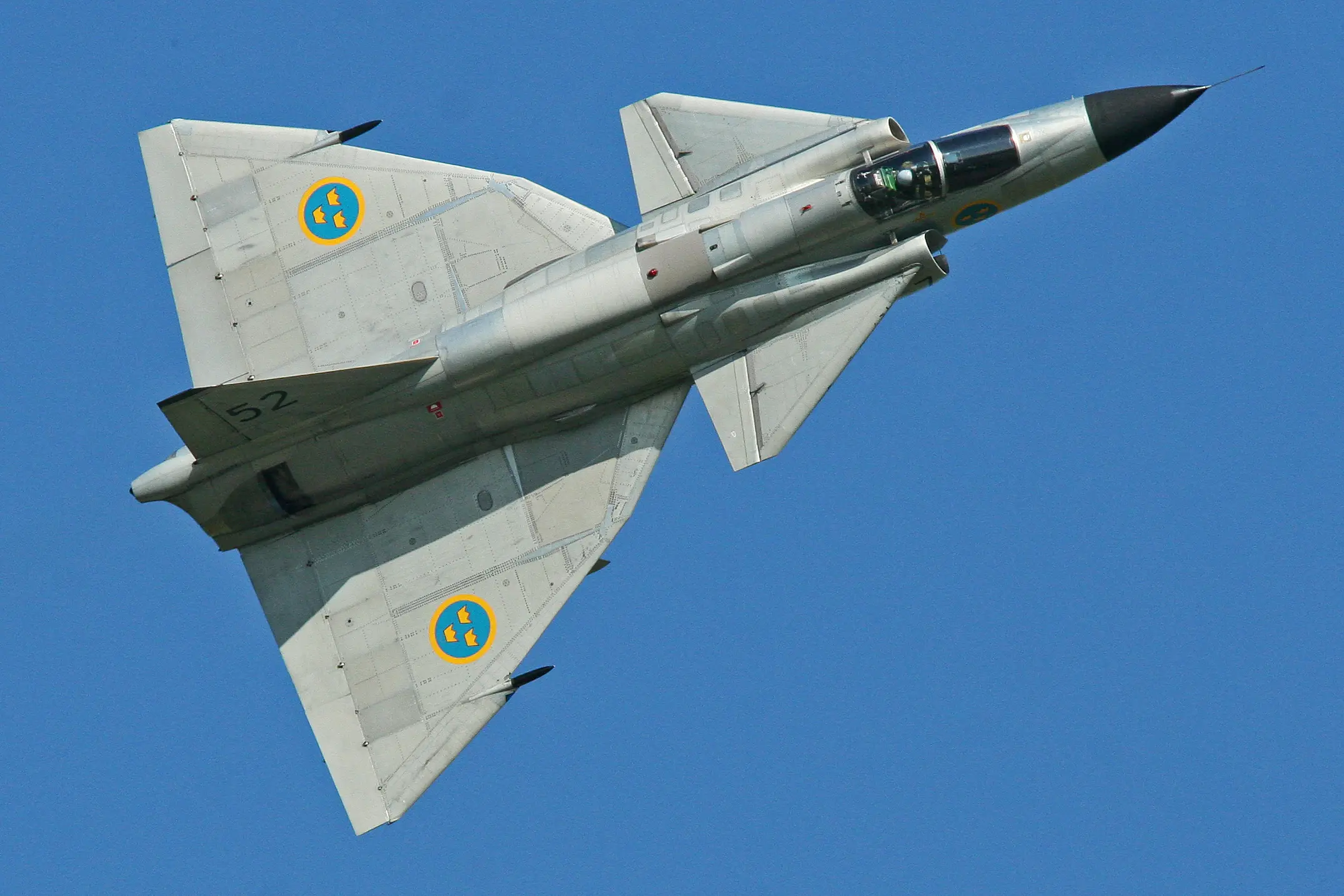
A canard is a small forewing surface placed forward of the aircraft’s main wing. According to Wikipedia (Aeronautics 2025), canards were used first on the Wright Flyer in 1903 and returned to military use with the Saab 37 Viggen in 1967. These forewings generate lift at the aircraft’s front, sharing the load with the main wing and improving efficiency at high speeds.
Improving Lift and Take-off Performance
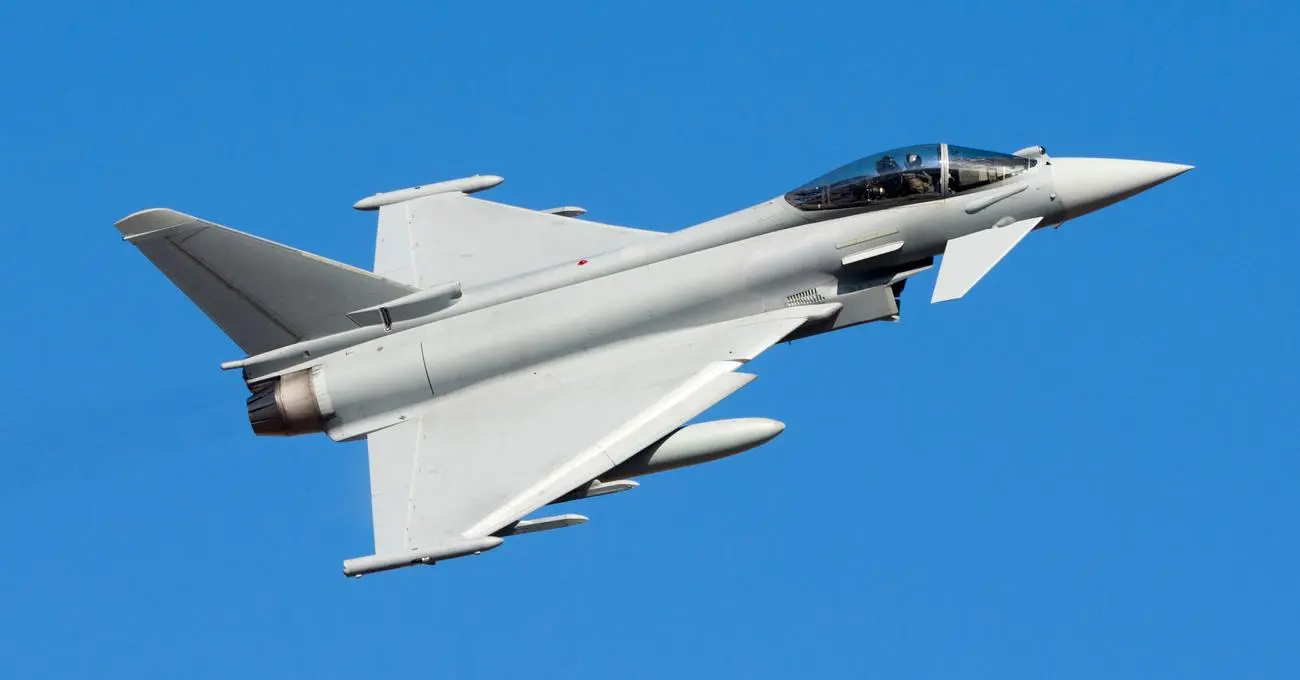
Canards produce positive lift, helping raise the nose early during take-off. The Pilot Institute report (2025) notes that adding canards can increase total lift by 15-20 per cent. This reduces runway length and enhances performance with lighter wing loading. For instance, the Saab Gripen uses canards to achieve faster rotation and shorter take-off runs.
Enhancing Manoeuvrability at High Angles
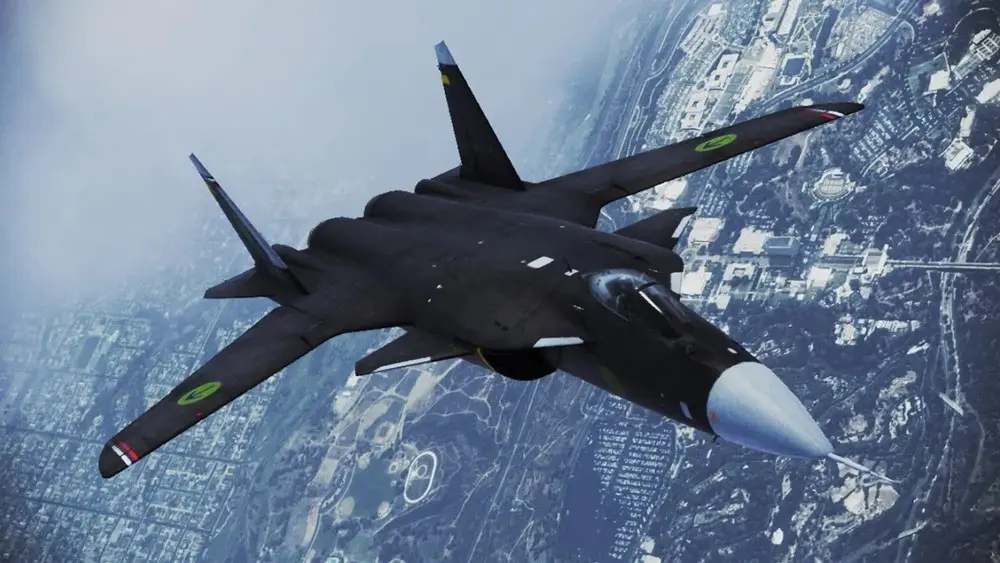
When aircraft turn sharply, airflow can separate from the wing, leading to a loss of lift or stall. Modern canard designs, such as those on the Rafale and Typhoon, generate small vortices that energise airflow over the main wings, keeping it attached even at high attack angles up to 35°. This improves control in tight turns and allows safer high-G manoeuvres.
Assisting Stability and Stall Prevention
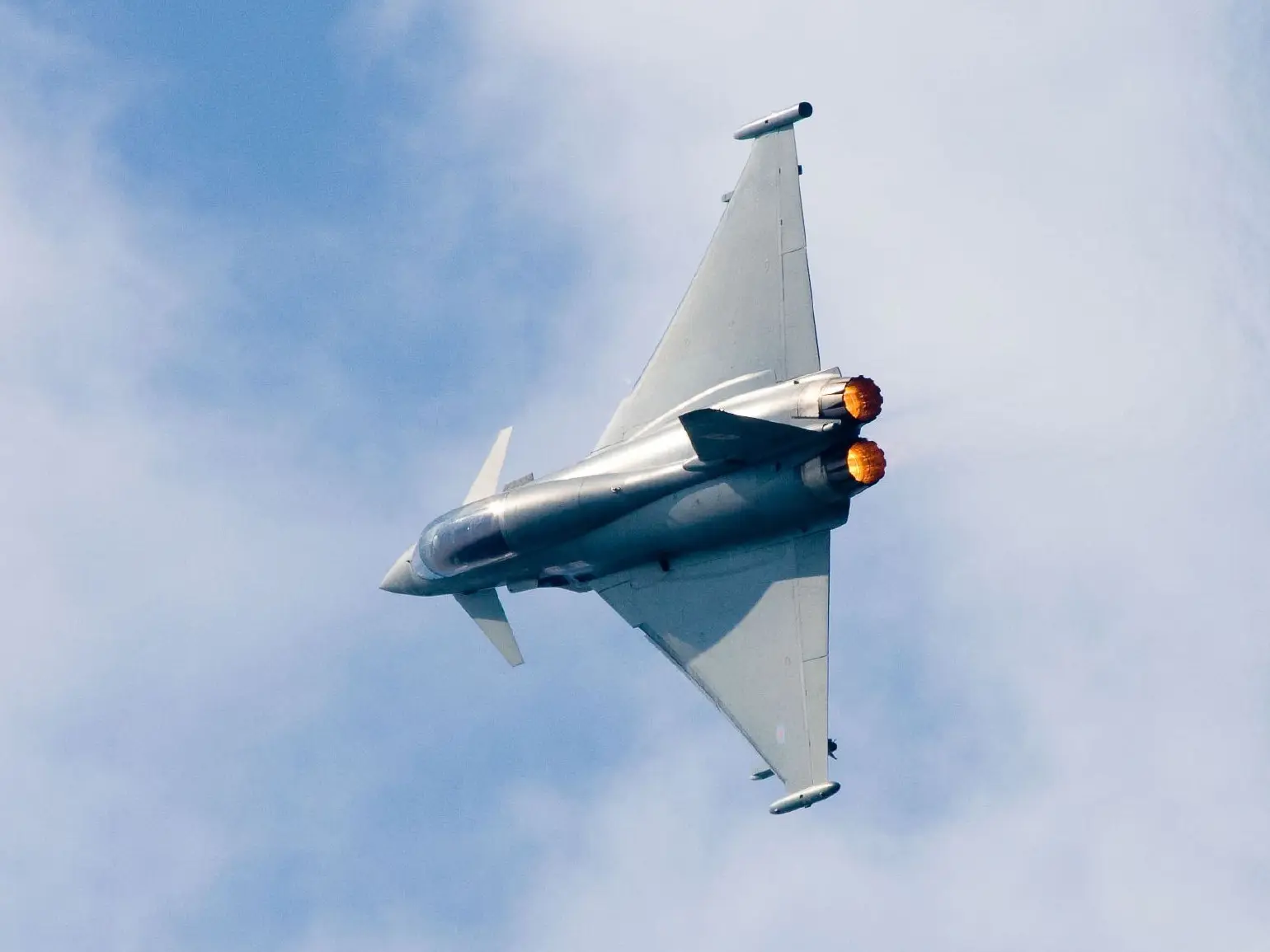
Canards are intentionally designed to stall before the main wing. When they stall, the aircraft nose drops slightly, restoring airflow to the main wing and preventing a deeper stall. This configuration ensures inherent stall recovery. Tests show that close-coupled canards not only delay stall but also increase lift-to-drag ratio and overall control stability.
Increasing Pitch Control and Responsiveness
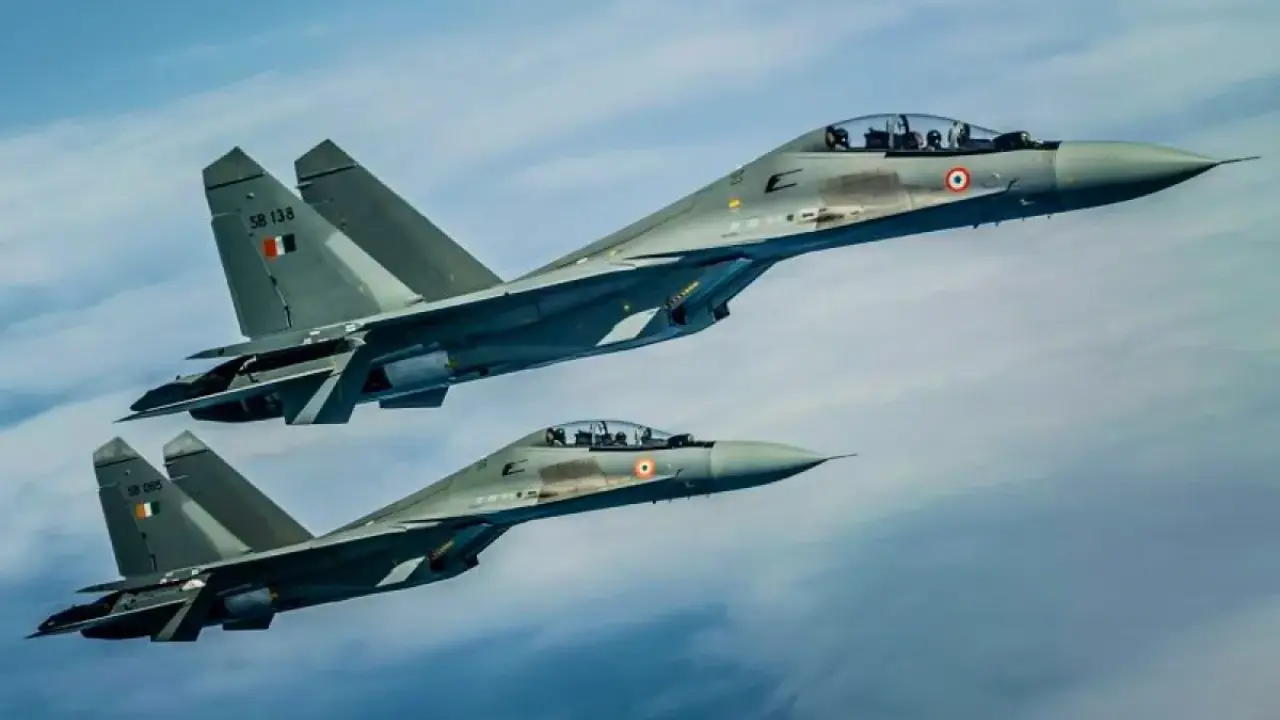
Placing control surfaces ahead of the centre of gravity provides very fast pitch response. Aircraft like the Su-30MKI and Eurofighter Typhoon can change direction quicker than conventional designs. Studies by EWA Direct (2024) suggest canards improve high-speed control sensitivity by up to 30 per cent, reducing pilot correction time during aggressive manoeuvres.
Trade-offs and Design Challenges
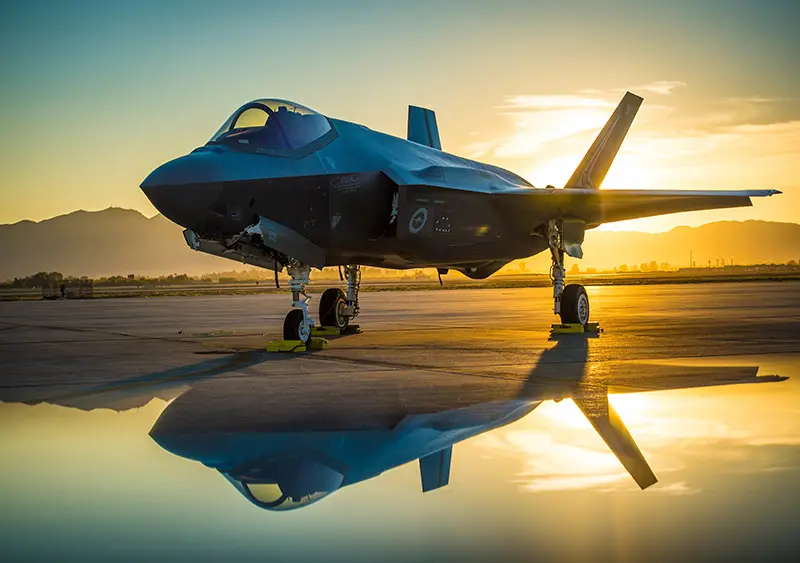
Despite their benefits, canards add aerodynamic complexity. Poorly designed canards can interfere with wing airflow and increase radar visibility. For stealth aircraft such as the F-35, tailplanes are more favoured due to their flat radar profile. Engineers must carefully balance canard size, angle, and distance from the main wing to avoid unwanted drag or radar reflections.

Future of Canard Designs
Future fighters like Europe’s FCAS and the U.S. Boeing F/A‑XX concepts are revisiting canards with stealth-friendly designs. These jets will likely use adaptive or retractable canards controlled by AI-based flight systems for dynamic lift optimisation. As aerodynamic research advances, canards may evolve from fixed surfaces into active flow-control tools.
)
)
)
)
)