Why do some countries avoid building large armies

Many countries avoid large armies to prioritize economic welfare, relying instead on powerful alliances like NATO or treaties with nations like the US. History also plays a role, with countries like Costa Rica and Panama abolishing militaries to prevent coups or fund social programs.
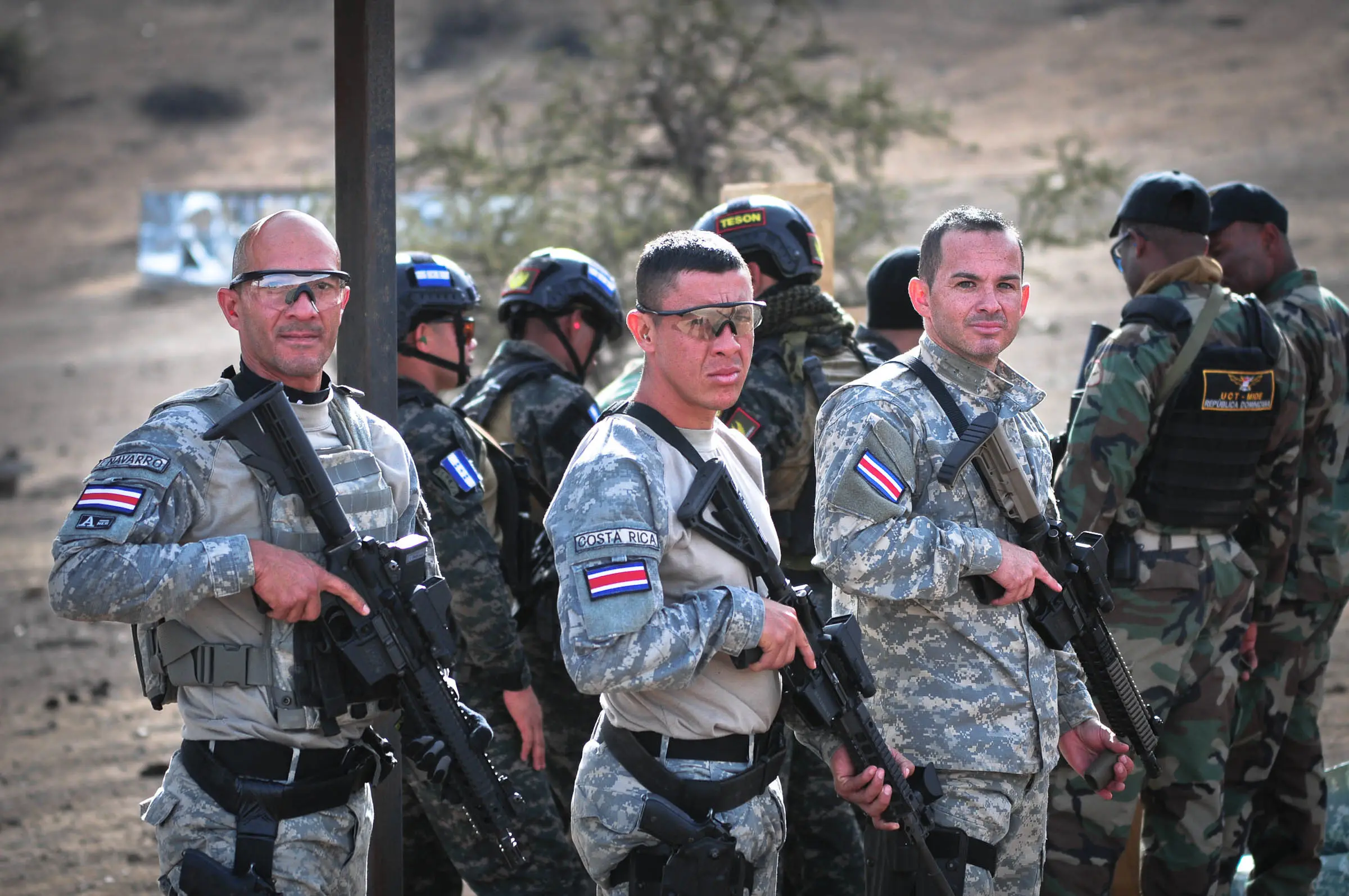
Constitution bans a standing army - Costa Rica
Costa Rica abolished its army in 1948 to fund social progress. According to Future Policy, Article 12 of the 1949 Constitution bans a standing army, allowing the state to redirect military funds into achieving one of the highest literacy and healthcare standards in Latin America.
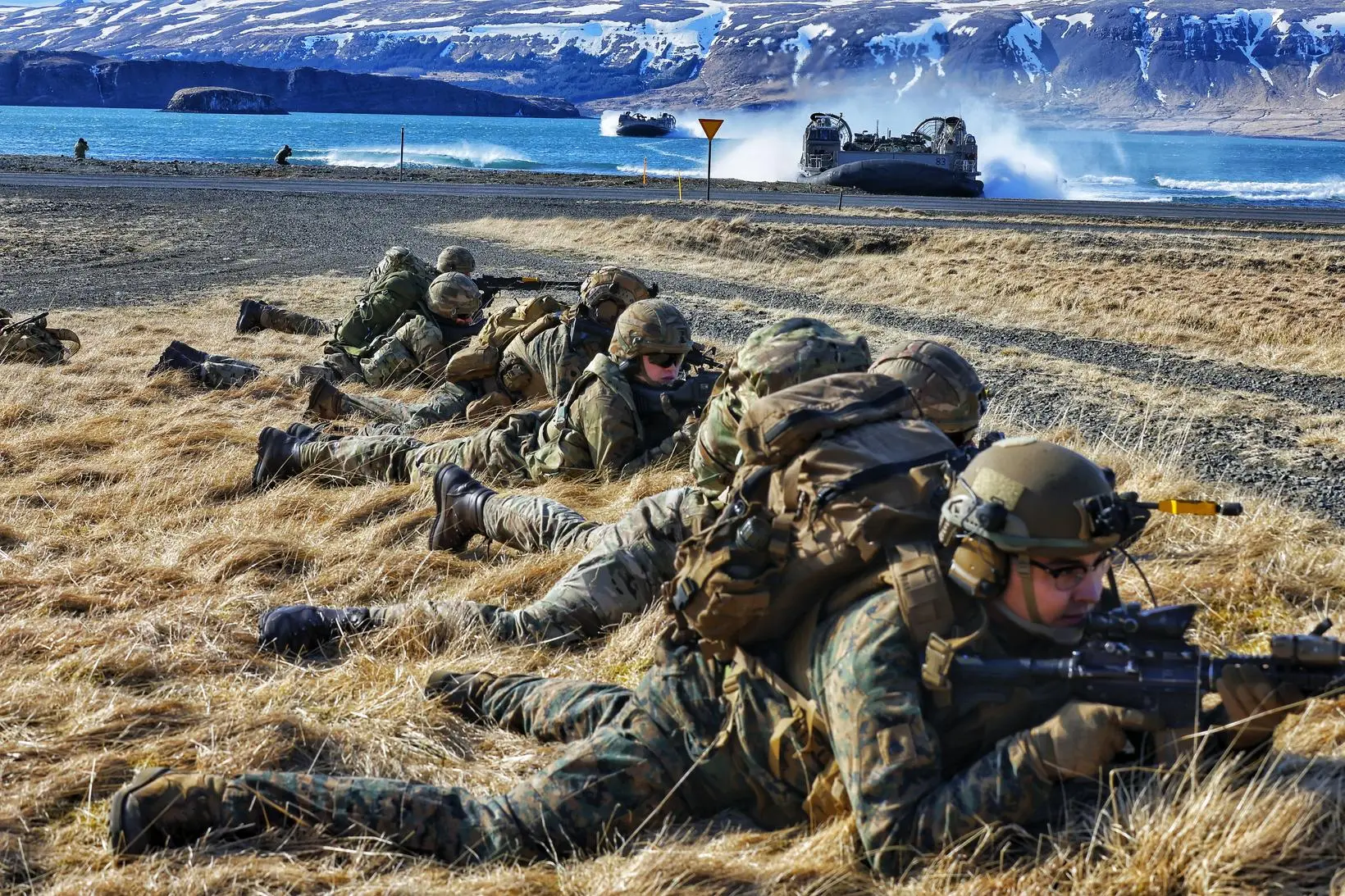
NATO’s - Iceland
Iceland is the only NATO member with no standing army. The Government of Iceland states that it relies entirely on the alliance’s collective defence and a bilateral defence agreement (1951) with the United States to deter aggressors, proving that alliances can replace national forces.
Palau and the Marshall Islands
Small Pacific nations like Palau and the Marshall Islands outsource their safety. The US Department of State confirms that under the 'Compact of Free Association', the US is legally obligated to defend these nations as if they were American soil in exchange for exclusive military access.
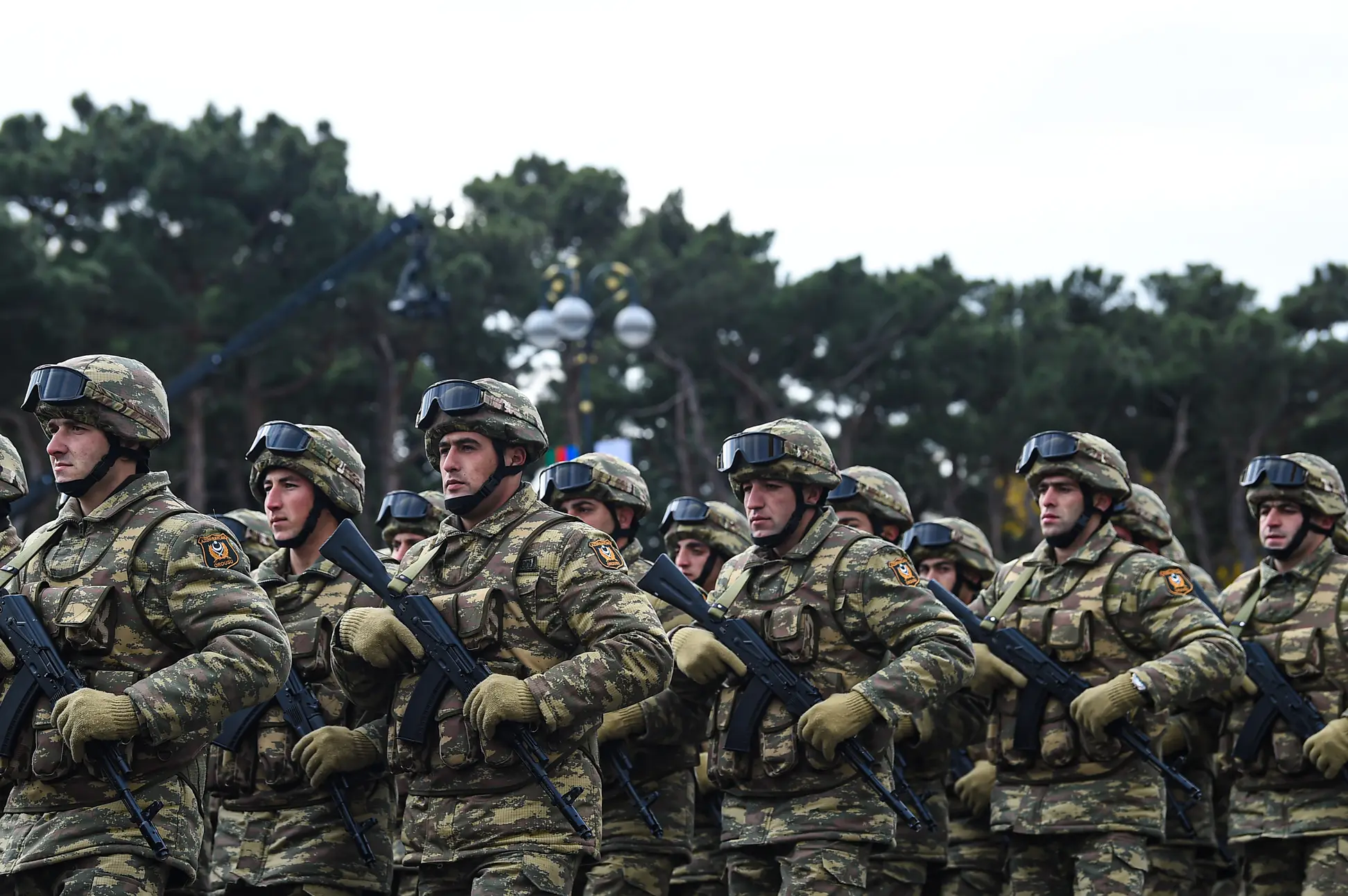
Japan
Post-WWII history forced a unique path for Japan. The Constitution of Japan (Article 9) explicitly renounces war and bans the maintenance of "war potential," restricting its Self-Defense Forces to strictly defensive roles rather than offensive power projection.
Panama
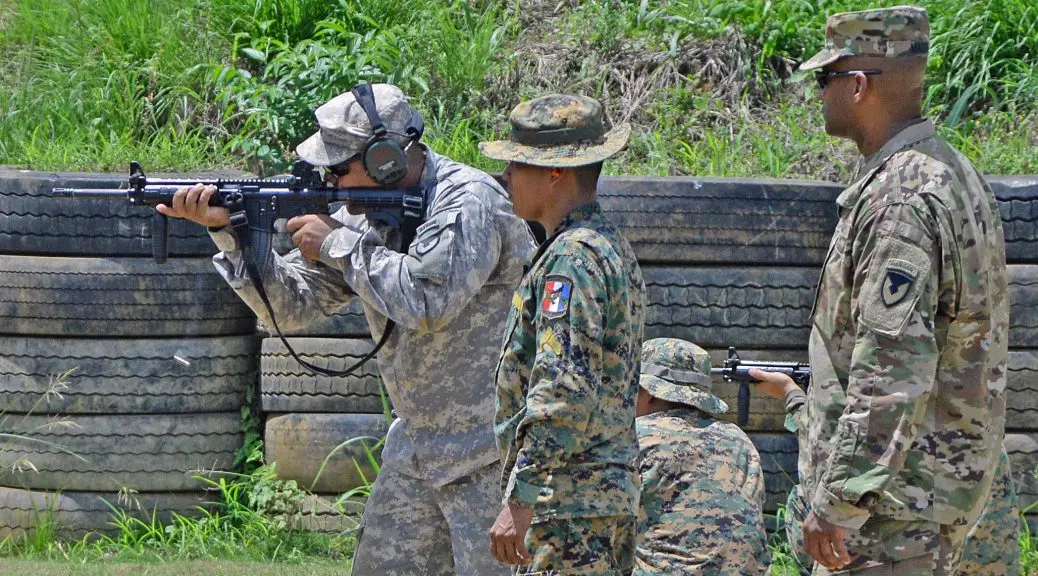
Some nations abolish armies to protect the government from its own soldiers. Human Rights Watch notes that Panama constitutionally abolished its military in 1994 (after the 1989 US invasion) to prevent the return of military dictatorships, relying instead on a police force.
Andorra
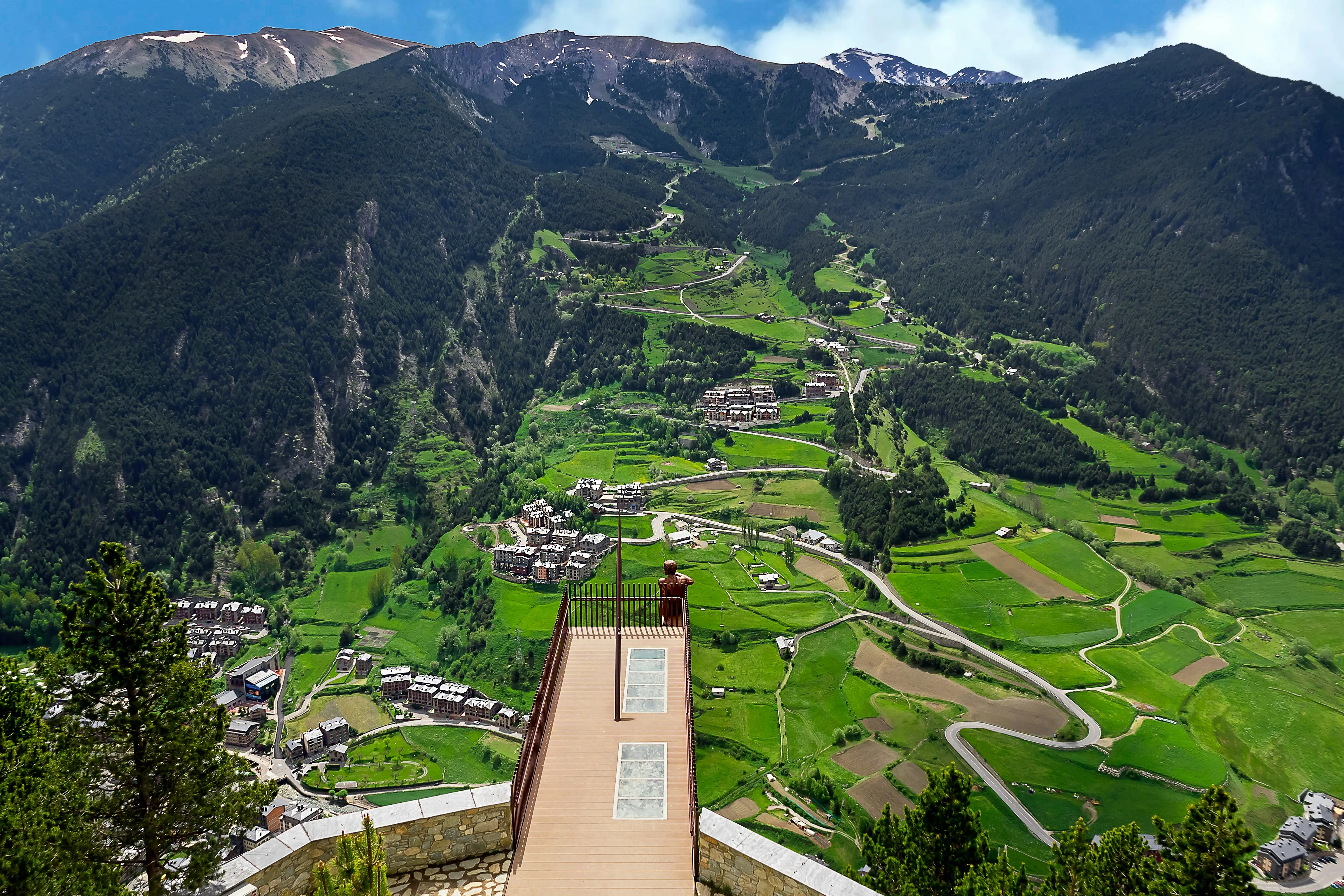
Tiny European states rely on larger neighbours for survival. According to the US Department of State, the defence of Andorra is the responsibility of Spain and France, allowing the microstate to remain neutral and invest its resources in tourism and banking rather than defence.
Liechtenstein
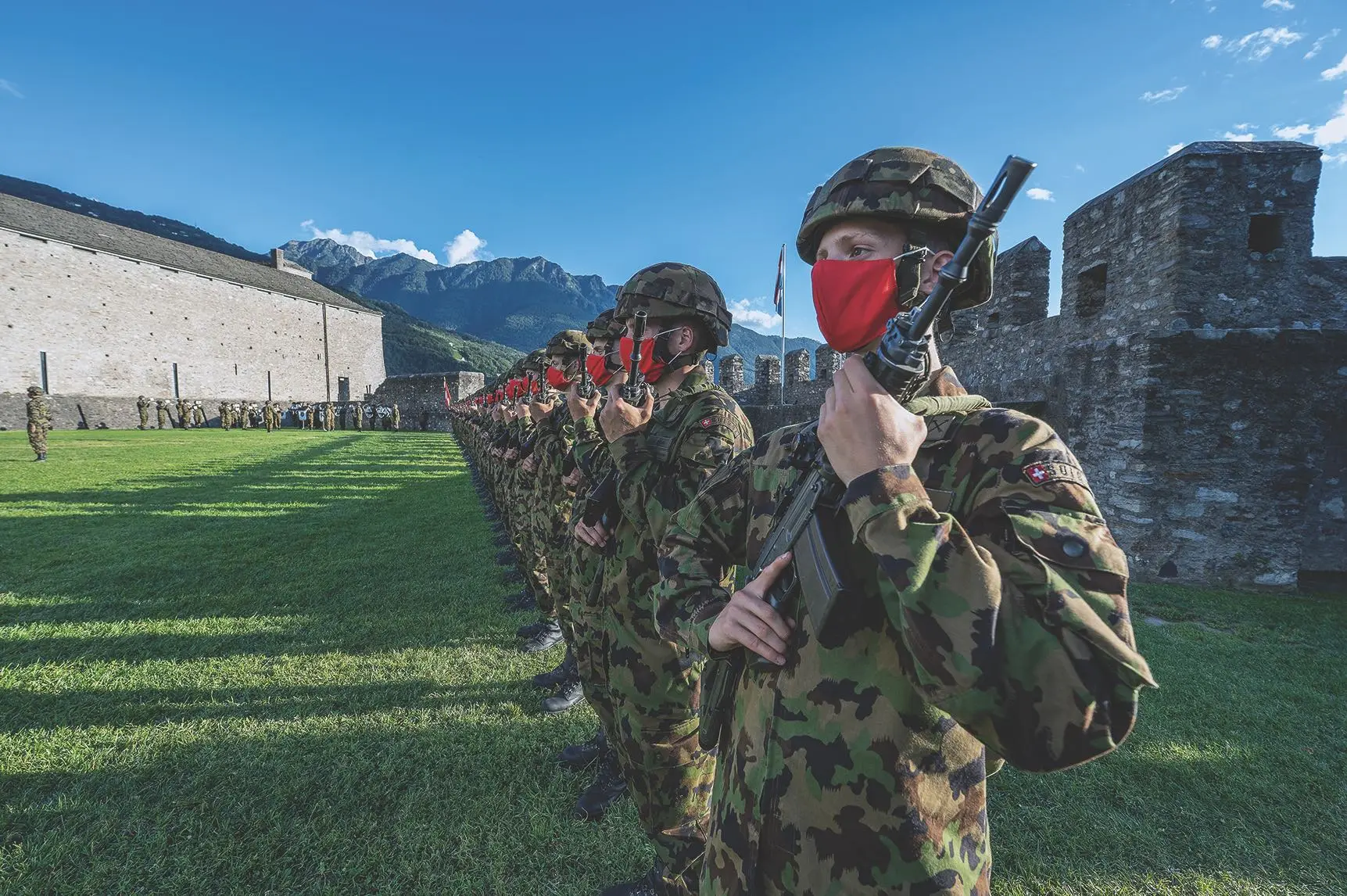
Liechtenstein has not had an army since 1868. The Swiss Federal Department of Foreign Affairs confirms that while Switzerland does not have a formal defence obligation, it has safeguarded Liechtenstein's interests abroad since 1919, creating a de facto security umbrella.
)
)
)
)
)