Why do some air-to-air missiles cost over a million dollars each?

Advanced radar seekers, ramjet propulsion, and low production volumes push modern air-to-air missile costs past $1 million each. Strict tolerances leave zero room for error.
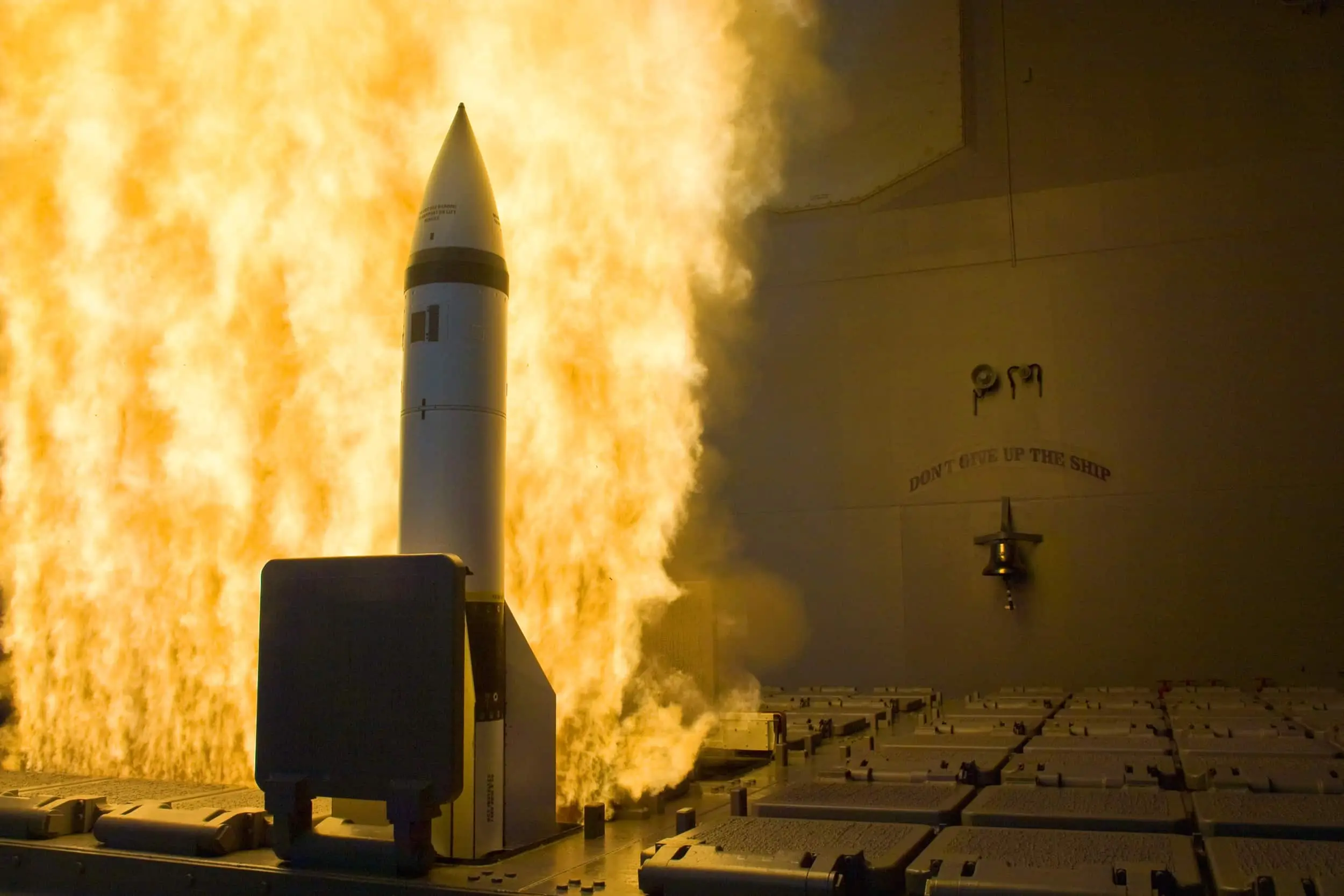
Near-zero failure tolerance
Modern aerial interceptors are engineered with a strict zero per cent tolerance for operational failure. Every internal component must survive extreme gravitational forces when launched from supersonic aircraft. This demanding environment requires gold-plated circuitry and rigorous testing that escalates manufacturing budgets.
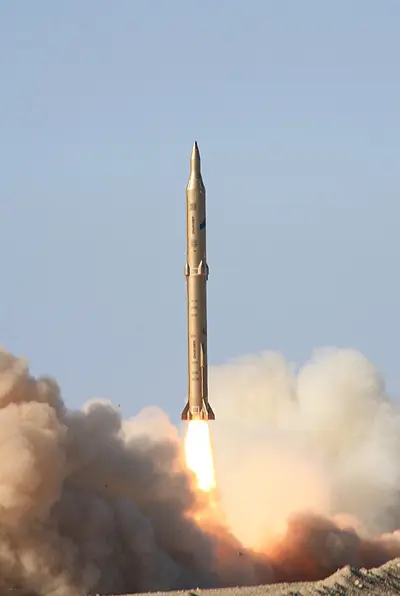
Mach 4 radar seekers
A single active radar homing seeker in the nose cone can drive up the total cost significantly. These miniature systems act as independent tracking stations, guide the weapon autonomously at speeds exceeding Mach 4, and isolate targets through intense enemy electronic jamming.
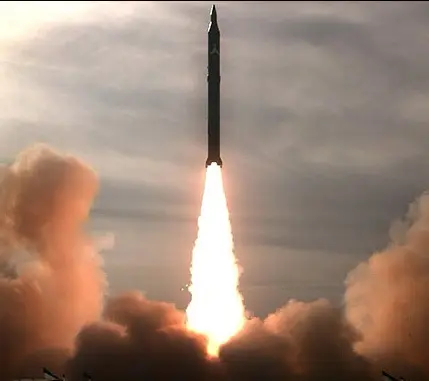
100 km ramjet propulsion
Long-range weapons like the Meteor replace standard solid rocket motors with advanced throttleable ramjets. This propulsion technology continually scoops in air to sustain peak speeds over a 100-kilometre distance. Developing these complex thermal systems involves decades of highly specialized aerospace research.
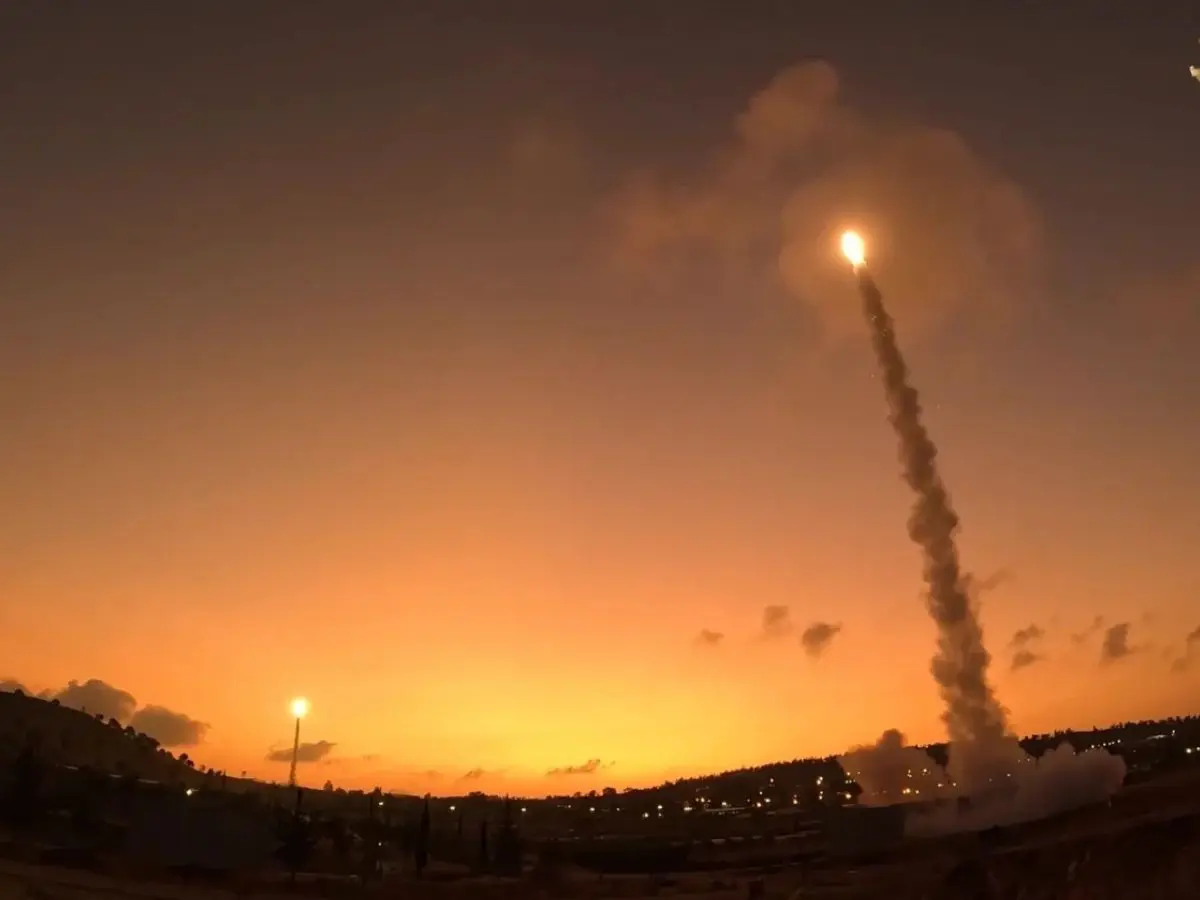
Withstanding 40G combat turns
Missile airframes must survive intense friction and physical stress while executing sharp 40G defensive turns. Manufacturers use expensive titanium alloys and advanced radar proximity fuzes to ensure the fragmentation warhead detonates at the precise millisecond required to neutralize an enemy aircraft.
Under 500 unit batches
Unlike commercial microchips, advanced air-to-air weapons are not mass-produced in millions of units. Total research, development, and software maintenance expenses are amortized over small production runs often limited to under 500 units per year, which heavily inflates the individual price tag.
)
)
)
)
)