Why do fighter jets use mysterious ‘Mach’ numbers instead of mph?

From the earliest experiments breaking the sound barrier to today’s stealth fighters slipping unseen at transonic speeds, Mach number remains the universal language of high-speed flight.
Introduction
You often hear figures like ‘Mach 1.8’ or ‘Mach 3’ when talking about fighter jet speeds, but what do these numbers actually signify, and why do they matter more than just quoting speed in miles per hour? From the earliest experiments breaking the sound barrier to today’s stealth fighters slipping unseen at transonic speeds, Mach number remains the universal language of high-speed flight.
Its origins go back to 19th-century physics, yet it still governs some of the most advanced military technology ever built. Let's look beyond the headline numbers to explore why Mach number remains at the heart of modern aerial warfare, and why even the fastest jets must respect what it tells them.
What Is Mach Number?
Mach number is a dimensionless ratio of an object’s speed to the speed of sound in the surrounding medium. Named after physicist Ernst Mach, it standardises how engineers and pilots describe velocity. Since the speed of sound varies with temperature and altitude, Mach number gives pilots a way to judge speed that accounts for these changing conditions. At sea level and 20°C, Mach 1 is roughly 1,235 km per hour (767 mph).
Why Pilots Use Mach, Not MPH?
Indicated airspeed (IAS) loses accuracy at high altitudes and near-supersonic speeds because of compressibility effects. Mach number remains reliable since it directly relates aircraft speed to the local speed of sound. For fighter pilots, this helps in predicting aerodynamic changes, especially shockwaves, that occur around Mach 1.
Subsonic to Hypersonic Regimes
Pilots and engineers divide speed ranges into regimes:
-Subsonic (< Mach 0.8): no shockwaves; traditional aerodynamics suffice.
-Transonic (≈ Mach 0.8–1.2): mixed flow with first shockwaves; design focuses on swept wings and supercritical airfoils.
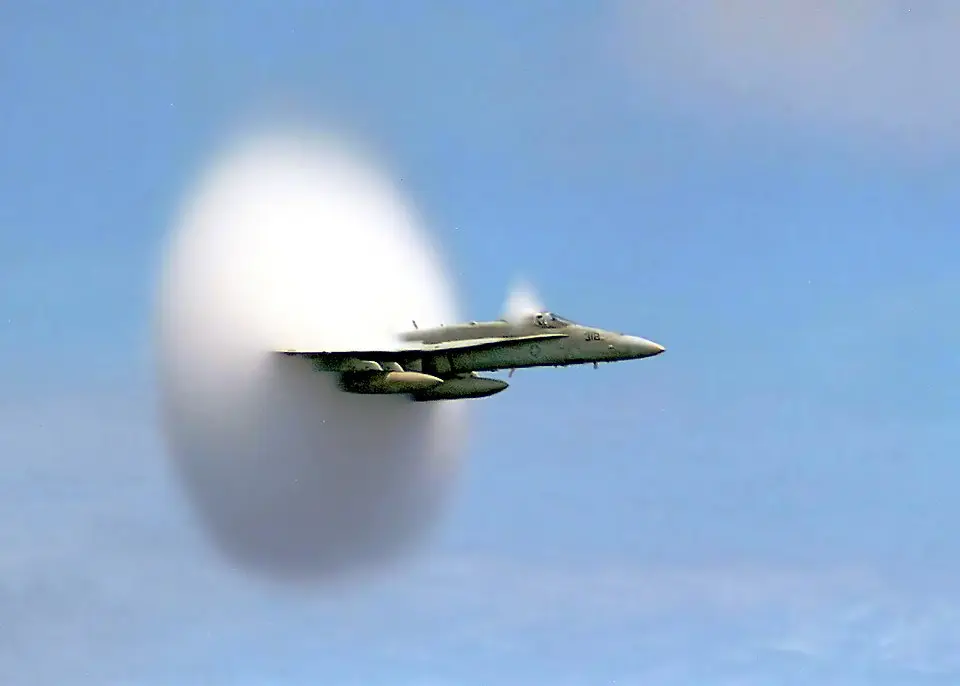
-Supersonic (> Mach 1.2–5): strong bow shockwaves and sonic booms.
-Hypersonic (> Mach 5): intense heat; specialised materials are essential.
Historical Growth of Speed
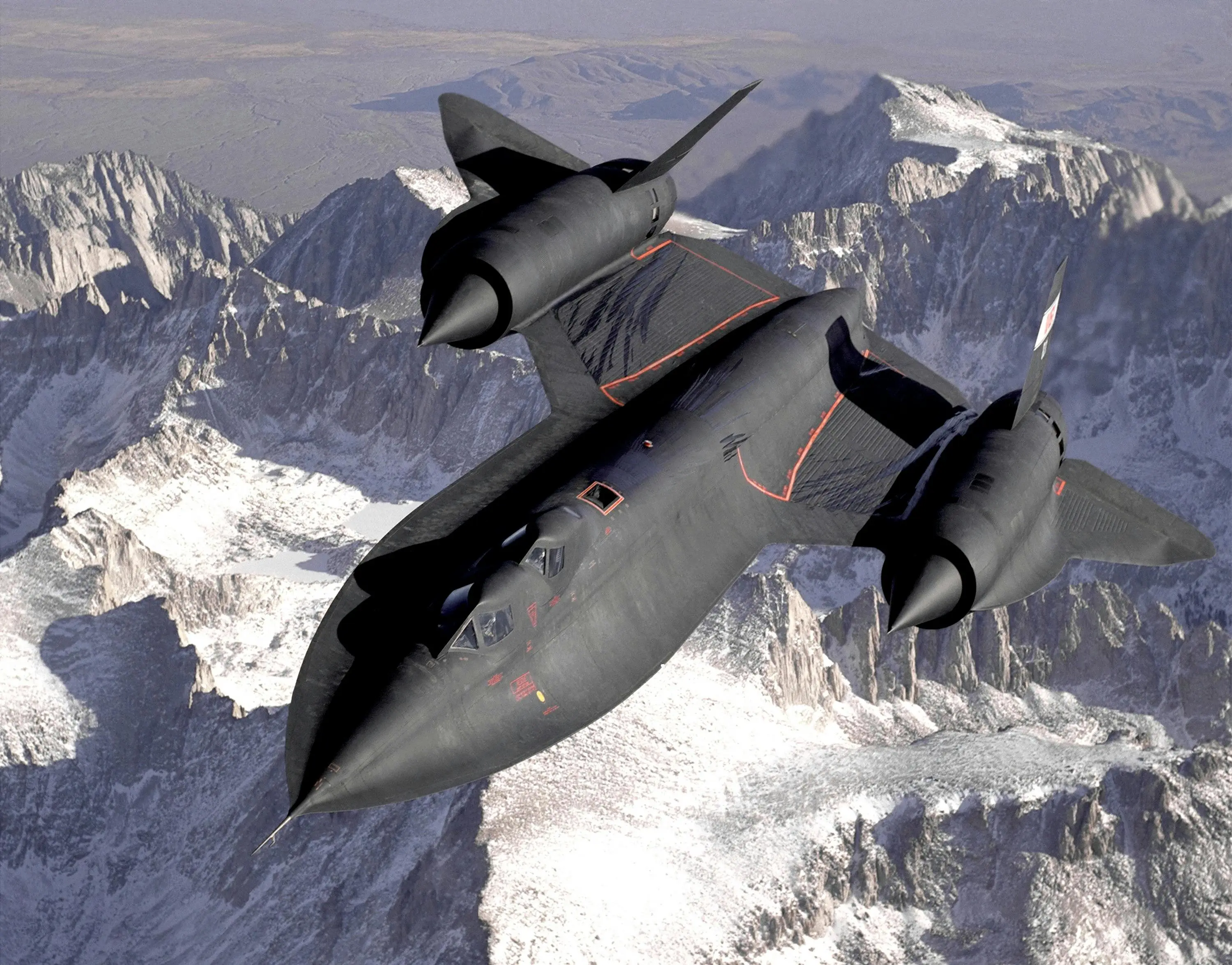
In WWI, fighters like the Fokker D.VII barely topped 135 mph. By WWII, all-metal fighters reached over 450 mph. Modern jets like the MiG‑25 Foxbat can exceed Mach 3.2 (~2,190 mph). The fastest manned aircraft, the NASA/USAF X‑15, hit Mach 6.72 (4,520 mph).
Compressibility and Shockwaves
At low speeds, air density stays roughly constant. Near Mach 1, compressibility causes shockwaves that change lift and drag dramatically. These changes can affect stability and control, vital knowledge for pilots in combat manoeuvres.
Sonic Booms and Tactical Flight
Breaking the sound barrier creates a continuous sonic boom, which can damage structures on the ground. Pilots must understand when and where sonic booms will occur. Mach number also guides weapon release timing and evasive manoeuvres.
Beyond Speed Alone
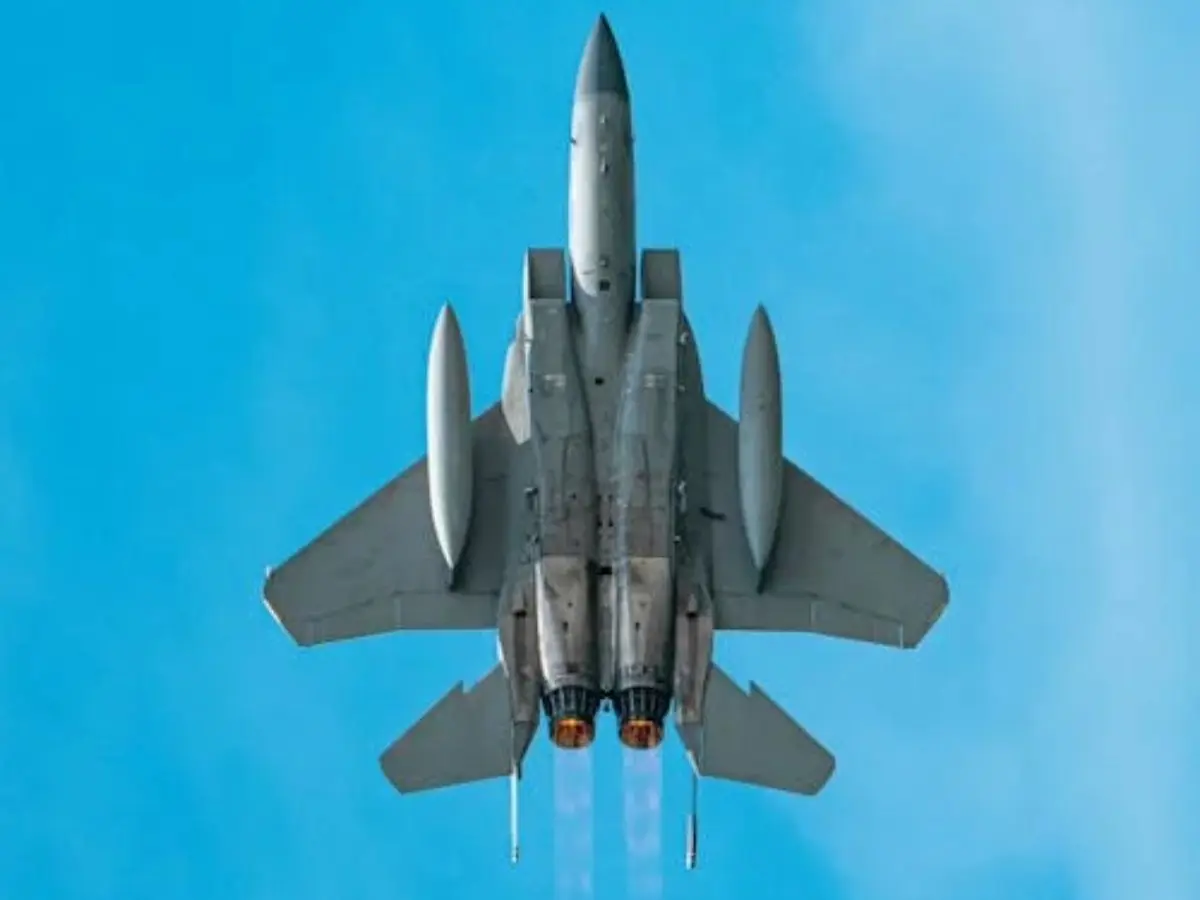
Modern fighter design weighs stealth, agility, and electronic warfare as much as speed. Pilots still rely on Mach number to keep track of aerodynamic limits, energy management, and mission planning, but survival today depends more on being undetected and networked than on raw speed.
)

)
)
)