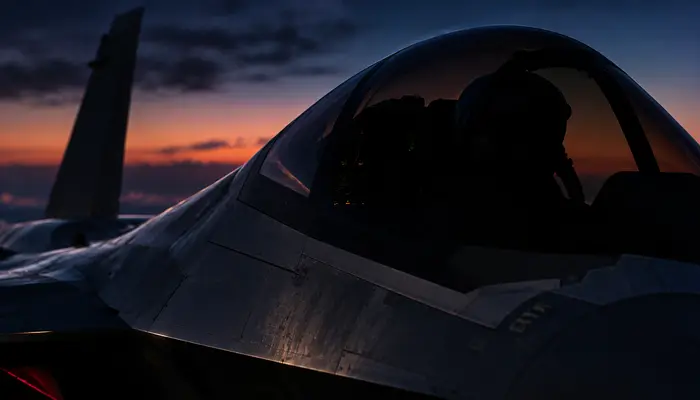
Why do fighter jet pilots wear oxygen masks even when flying at lower altitudes?

Fighter pilots wear oxygen masks even at low altitudes to prepare for rapid climbs, fight G-force blackout, and maintain clear communications. The mask also protects against toxic cockpit smoke, canopy depressurisation, and severe windblast during emergency ejections.
Rapid Ascent Protection
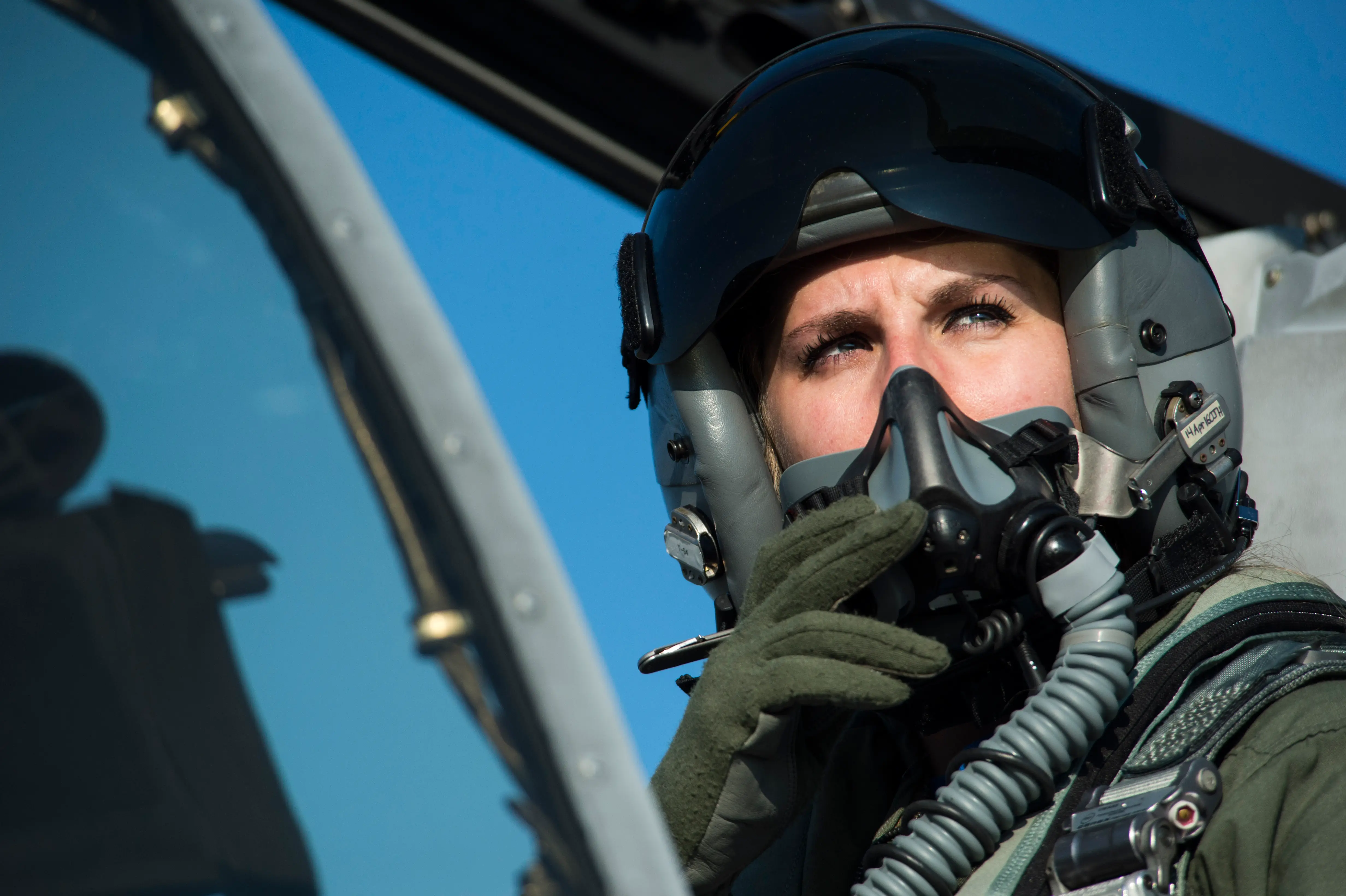
Fighter jets can climb from ground level to 30,000 feet in under 30 seconds. Wearing the oxygen mask at low altitudes guarantees immediate protection against sudden hypoxia during rapid vertical manoeuvres.

Pressure Breathing for G
Pulling heavy G-forces pushes blood away from the brain and severely compresses the pilot's chest cavity. Modern masks deliver forced positive pressure oxygen to assist lung expansion and prevent gravity-induced loss of consciousness.
Integrated Communications
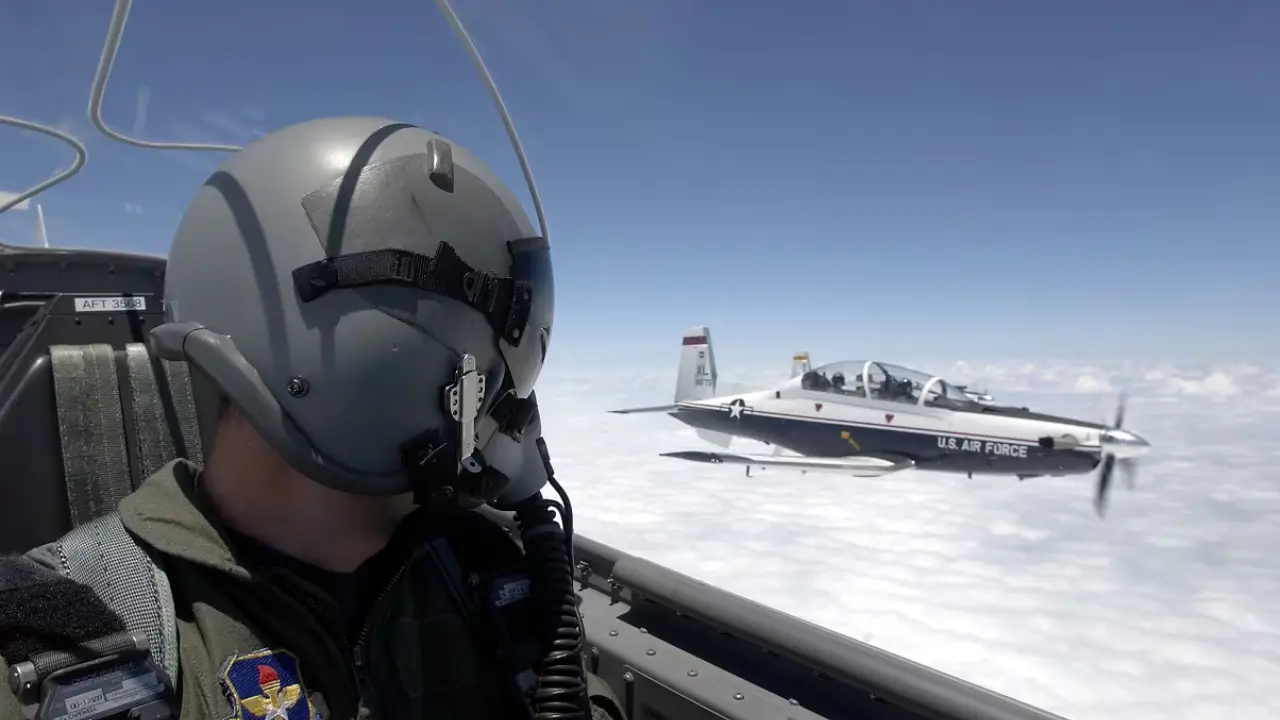
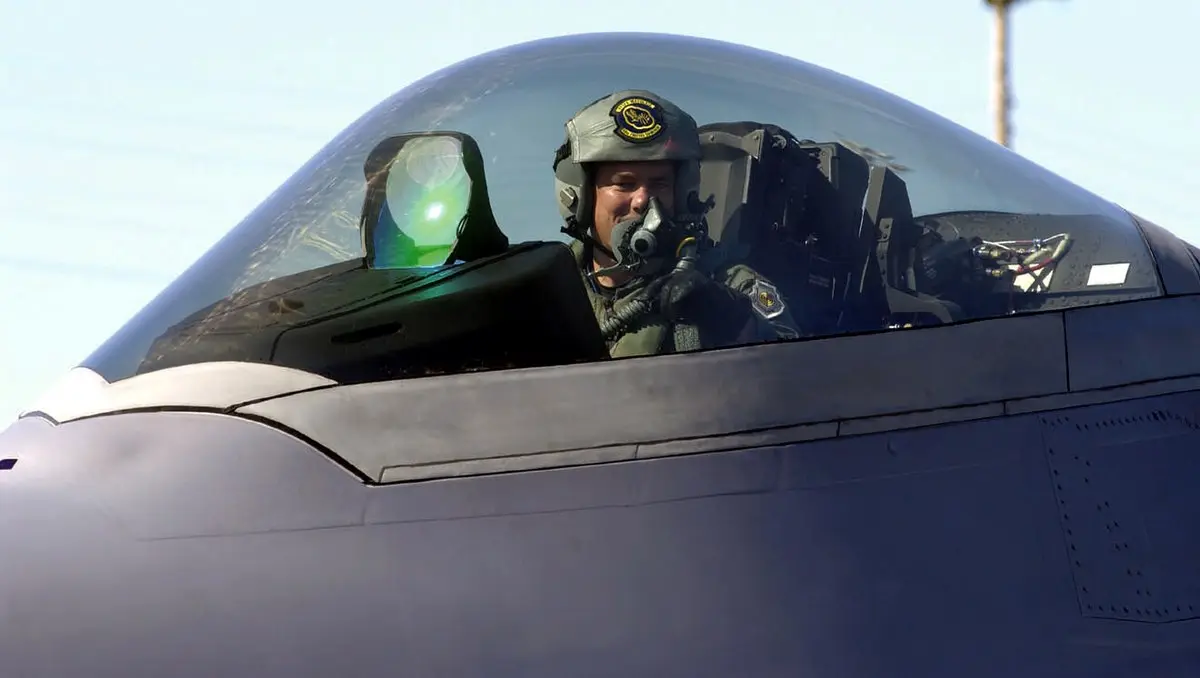
The oxygen mask houses the pilot's primary noise-cancelling microphone inside a tightly sealed silicone cup. This design isolates clear radio voice transmissions from engine noise exceeding 100 decibels inside the cockpit.
Windblast and Ejection Safety
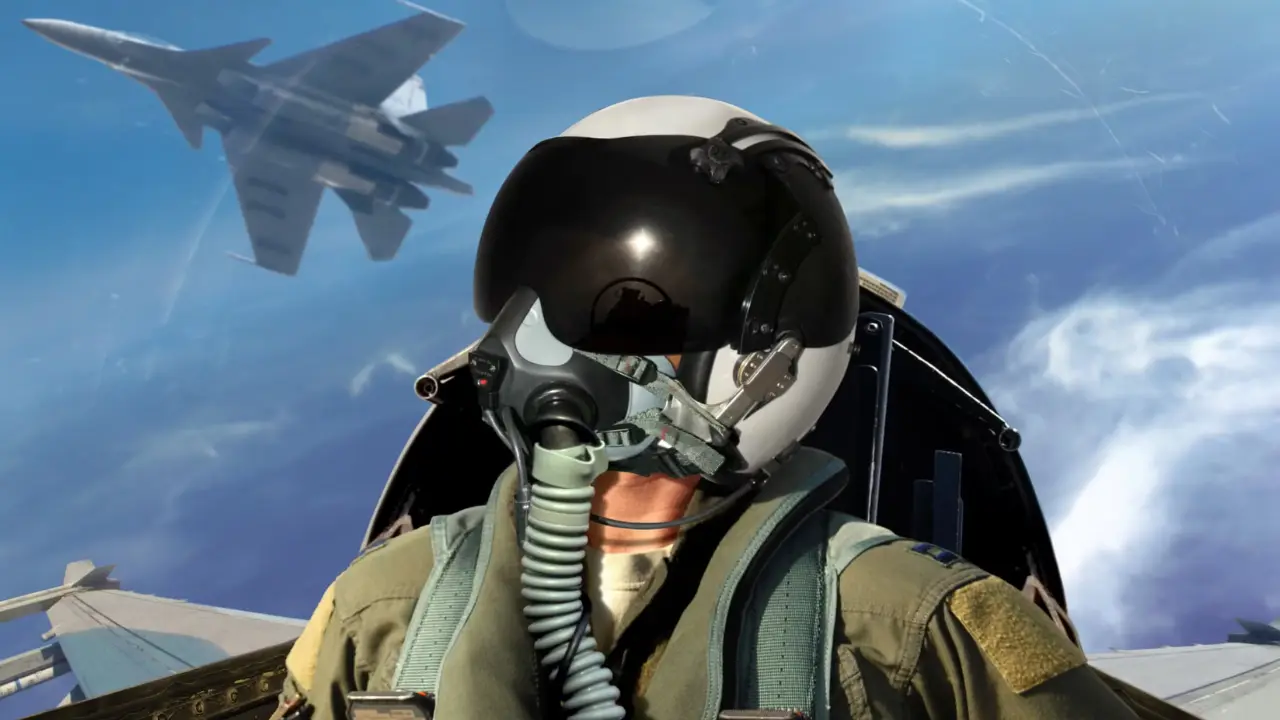
Emergency ejections frequently occur at low altitudes during low-level flight or landing phases. The securely latched mask shields the pilot's face from intense windblasts, fire, and flying canopy glass during seat separation.

Toxic Fume Isolation
Hydraulic leaks, engine oil contamination, or electrical fires can rapidly fill the cramped canopy with dangerous smoke. The mask provides a continuous supply of pure, filtered oxygen directly from onboard generation systems.
Instant Depressurisation Risk
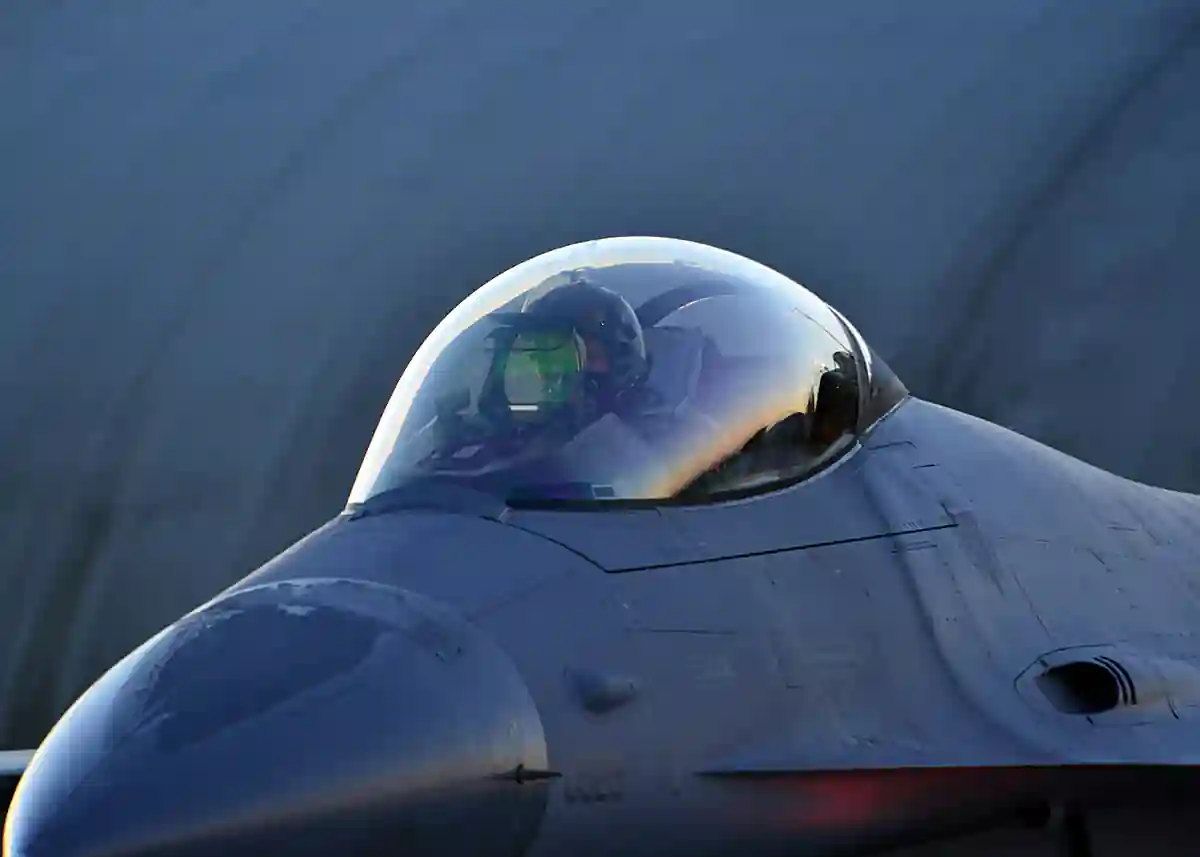
Small fighter cockpits maintain lower pressure differentials and contain very little air volume compared to airliners. If bird strikes or combat damage breach the canopy, pressure drops instantly, leaving no time to don a mask.
Onboard Oxygen Generation
Modern combat aircraft rely on On-Board Oxygen Generation Systems to extract purified oxygen directly from engine bleed air. Keeping the mask locked on ensures pilots receive an uninterrupted stream of clean air during intense low-level missions.