Why do airlines need Iran’s airspace and what happened during past shutdowns?

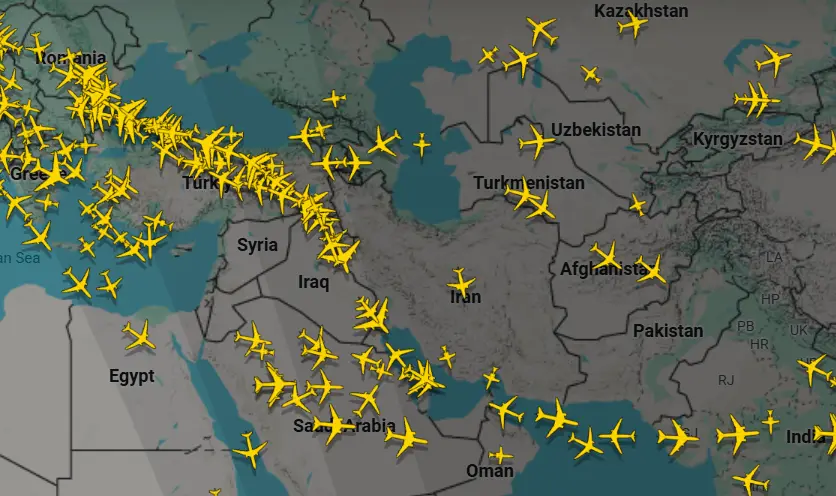
Flying over Iran allows carriers to follow the shortest great-circle route, saving both time and fuel compared with lengthy detours through Turkey, Afghanistan or Egypt that add hours to flight times and increase operating costs.
Introduction
Iran’s airspace forms part of one of the most important east–west aviation corridors in the world, linking Europe with South, Southeast and East Asia. On Wednesday, Tehran reopened its airspace after a near-five-hour closure amid concerns about possible military action between the US and Iran.
Why is the airspace important?
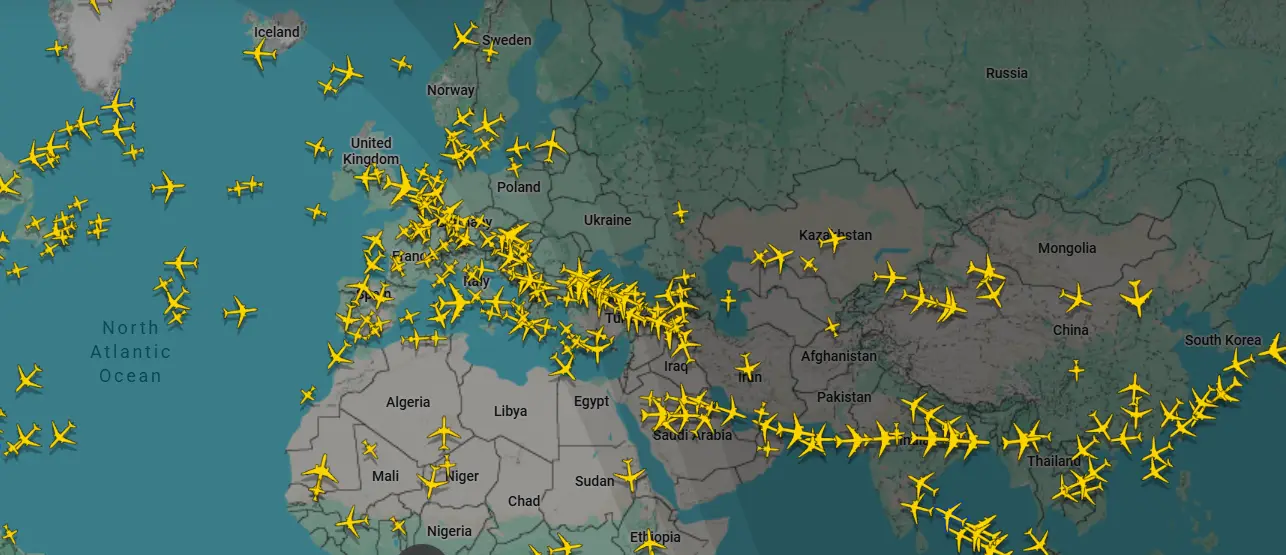
Flying over Iran allows carriers to follow the shortest great-circle route, saving both time and fuel compared with lengthy detours through Turkey, Afghanistan or Egypt that add hours to flight times and increase operating costs. This efficiency makes the Tehran Flight Information Region a central element of global airline route planning.
geographic location
Because of its geographic location, Iran’s airspace normally handles significant traffic between Europe and Asian destinations. Airlines diverting around it must burn extra fuel and face higher costs, sometimes adding up to 45–120 minutes to flight times and thousands of dollars in additional expenses per sector.
Recent Closure Amid High Regional Tensions
Iran closed its airspace to all flights except international ones to and from Iran with official permission at 5:15 pm ET (2215 GMT) on Wednesday, according to a notice on the US Federal Aviation Administration website. This prompted many airlines to reroute or cancel services, including major carriers such as Air India, IndiGo and SpiceJet. The closure disrupted global traffic because Iran sits on a key East-West route. Air India reportedly cancelled 3 US flights. The notice was removed shortly before 10 p.m. ET, or 0300 GMT, according to tracking service Flightradar24.
Historical Closures and Disruptions
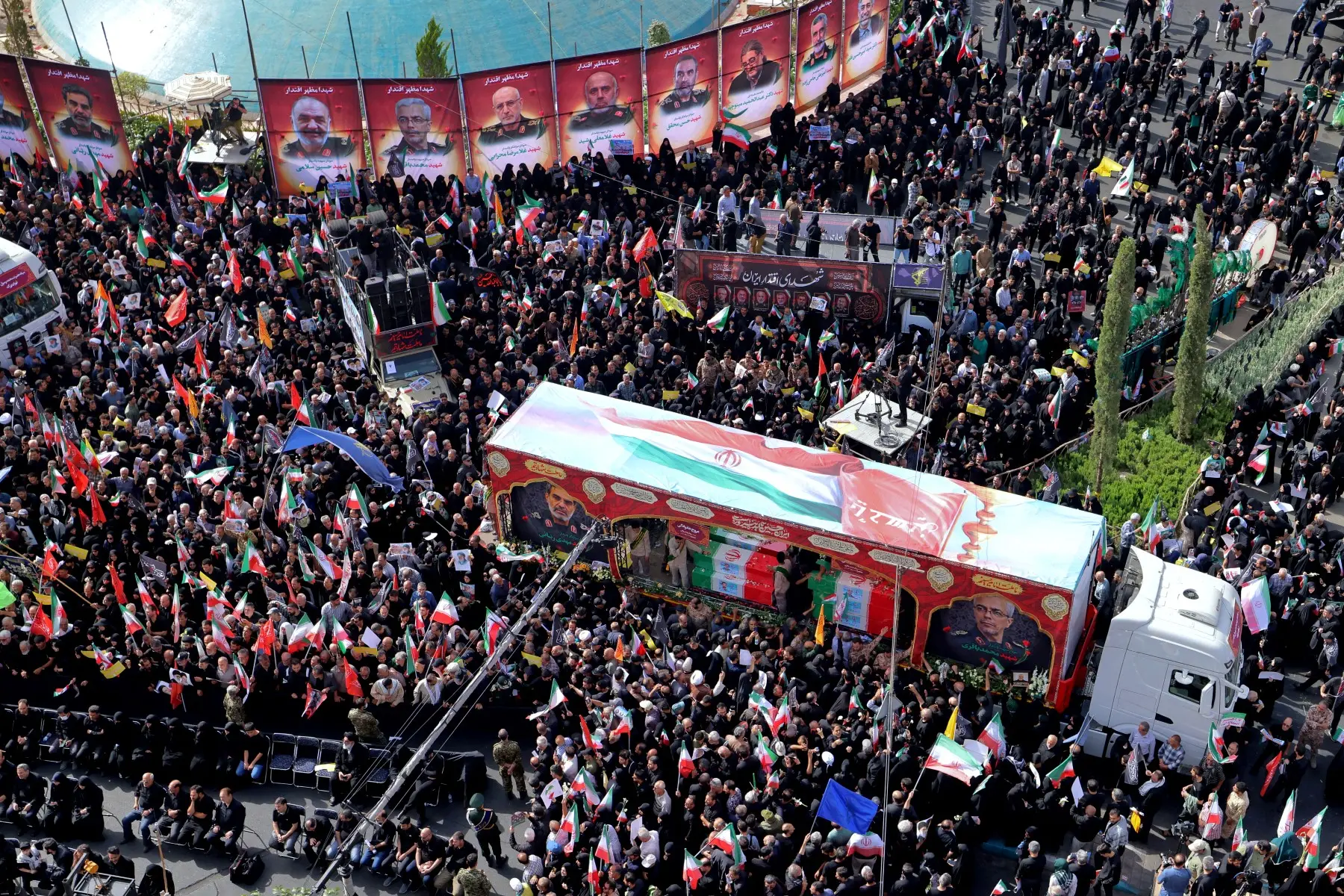
Closures have also occurred during the 12-day conflict between Israel and Iran in mid-2025, when Iran’s central and western airspace was closed to international transit amid fighting, affecting European and Asian flights passing through the region.
Safety Legacy and Airline Avoidance
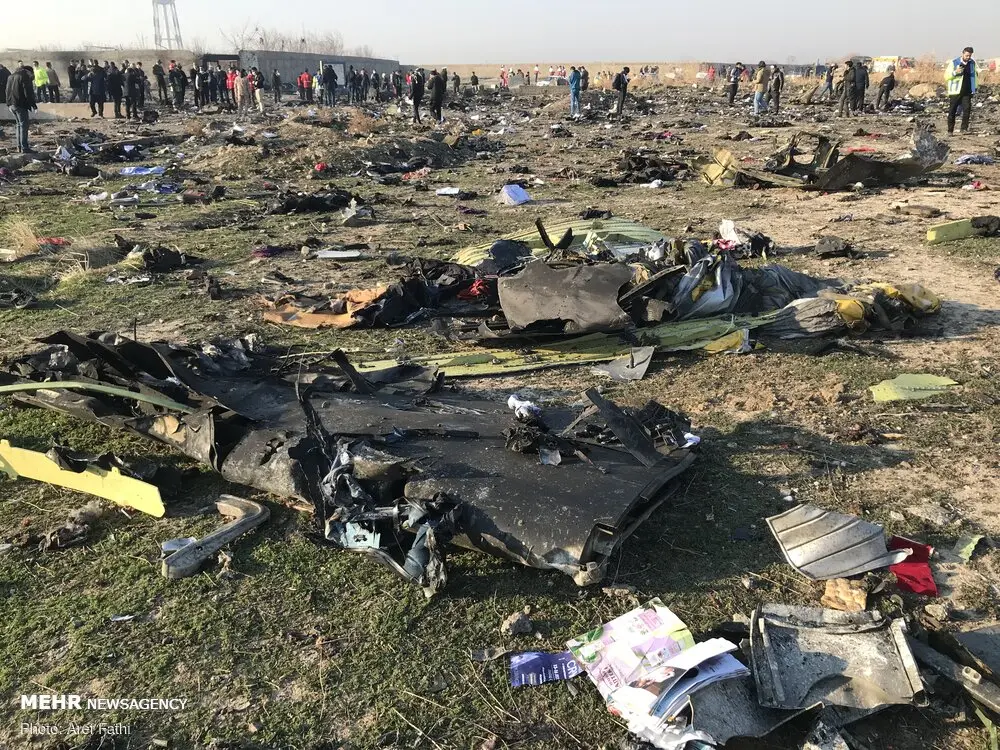
Beyond closures, safety concerns have shaped airline behaviour. In 2020, Iranian air defense misidentified a commercial aircraft as a hostile target and shot down Ukraine International Airlines Flight PS752 with two surface-to-air missiles, killing all 176 people on board. Although Tehran denied allegations of shooting the plane as Western propaganda for days, it finally acknowledging the grave mistake.
)
)
)
)
)